
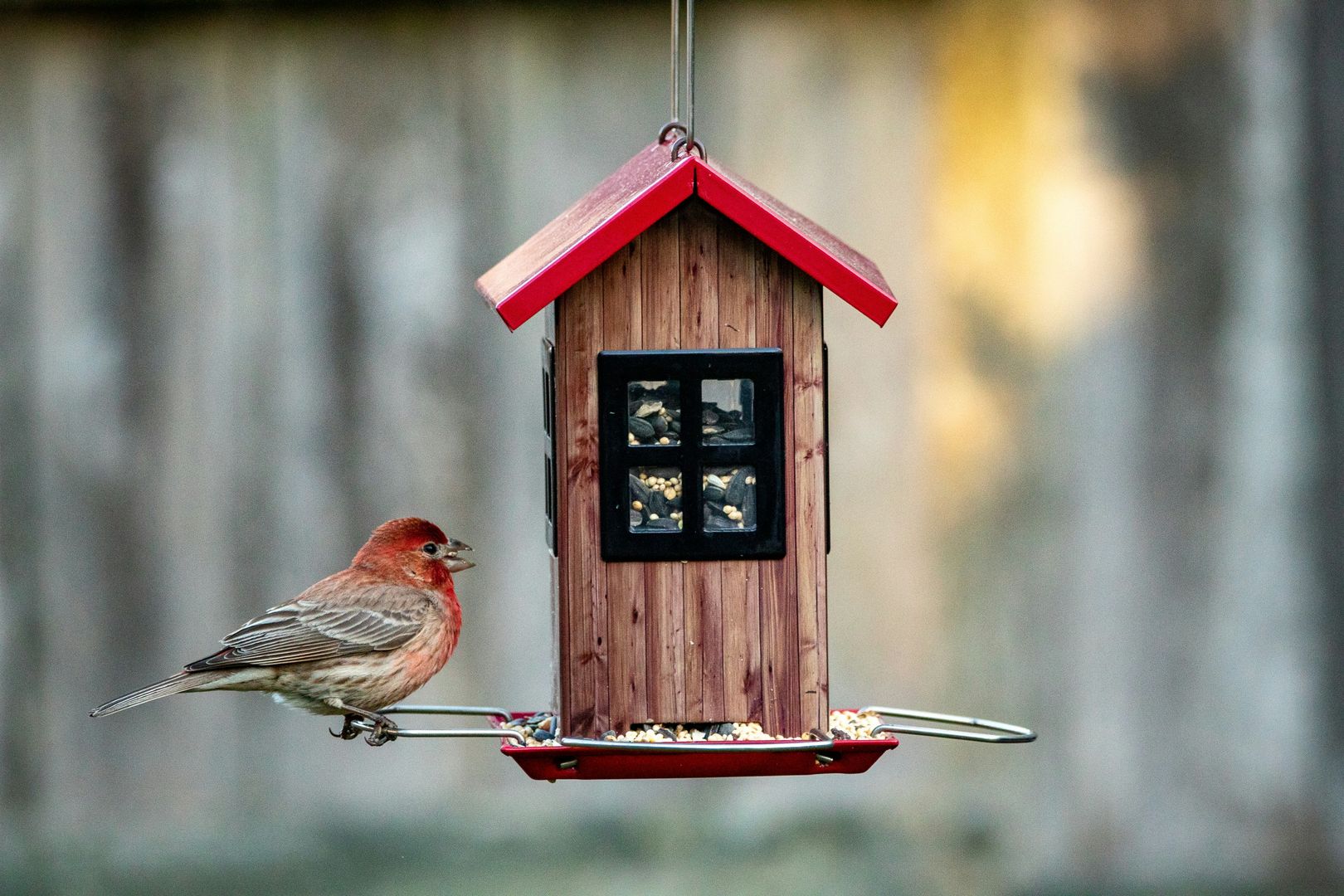
Bird houses for winter are a great addition to your yard! They keep winter visitors close for your enjoyment and give them a cozy place to sleep.
We’ll cover
- features of quality winter bird houses
- 3 types of winter bird houses
- 6 popular winter bird houses
- 5 tips for success
Features of Winter Bird Houses
Not all bird houses are made the same. Mass commercialized products can sometimes overlook necessary features, so use this winter bird house guide to pick a safe and functional bird house.
- Material should be natural wood like cedar, pine, and cypress. They insulate well and are similar to natural bird shelters. Bird houses made with natural materials are your best option. Plastic and metal don’t insulate or ventilate well enough. Wood bird houses are a great investment because they let heat and moisture escape in summer, too, preventing birds from overheating. You (and your birds) get to use the same bird house year round!
- Brightly colored bird houses can attract predators so stick to natural wood tones for bird safety. There are cases where bright colors on feeders are okay, like picking red feeders for hummingbirds, but that doesn’t apply here.
- The entrance hole should be large enough for the bird to enter. Hole size varies based on the species. A Northern Flicker needs about a 2.5” diameter hole while a Bluebird only needs an 1.5” hole. Choosing the correct size is imperative!
- Ventilation is a must for the summer months but less so in winter. Some bird houses have extra ventilation holes that you can plug in the winter to keep birds warm.
- Fledgling kerfs aren’t necessary for winter bird shelters but many are built for multi-season use. These notches are for fledglings, or babies, to climb out of the bird house. The texture mimics bark so they can grip the wall easier.
- No Perches. Perches actually make it easy for predators to get them. They may seem cute, but birds don’t need a quaint perch to sip their morning coffee like you and me.
Types of Winter Bird Houses
Most bird houses are species specific since each bird varies in size and needs. Many of them will have openings of about 1.25 to 1.75 inches which appeals to the majority of birds who will use the bird house. Makes sense, right?
There are 3 general types of bird houses:
- Standard Nest Boxes: a simple bird house made for 1 nest
- Roost Boxes: Designed specifically for multiple birds to roost together; may have staggered perches and rough walls for woodpeckers to cling to
- Brush Piles: a natural shelter created from stacked branches and cuttings
Brush piles are an accumulation of twigs, fallen leaves, branches, and the like on the ground in some sort of pile. It offers natural protection and shelter for birds to hide their food and take refuge from cold weather. Many birds and animals use these for food storage, and some use it for shelter and roosting.
Be mindful about when you clean up brush in your yard and make sure not to disturb it in the wild. It might seem someones pantry or winter home!
Bird houses serve 2 purposes— nesting and roosting.
- Nesting - seasonal reproductive behavior, birds build a structure (nest) or choose a site to lay eggs and raise young
- Roosting - resting or sleeping, and is used for shelter from weather and predators. Used year-round regardless of breeding season
Nesting won't happen in the winter as it's a spring time activity. But for the sake of birdhouses they can be used for either or both activities depending on the species.
Not all birds will visit your birdhouse. Many birds don’t sleep in cavities like bird houses or tree cavities. Where and how birds sleep fall into 1 of 6 categories:
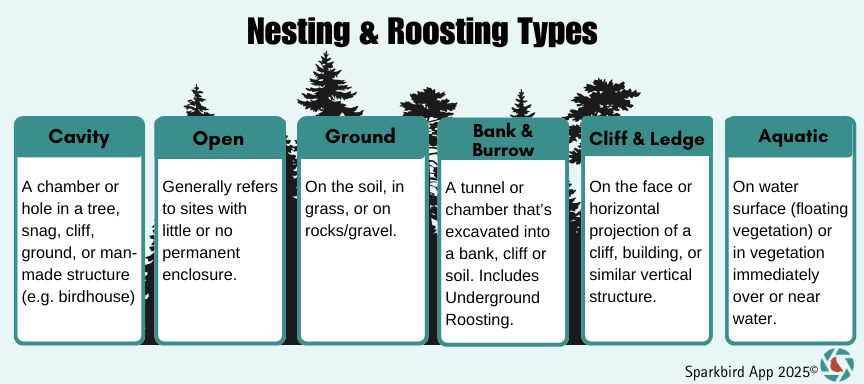
Cavity Nesters will use your bird houses for both nesting and roosting, whereas Cavity Roosters will use it for warmth in winter but won’t lay eggs there. Almost all birds wait until spring to nest so the birds using your house are roosting to stay warm and protected.
Common cavity roosting birds include Titmouse, Chickadees, Bluebirds, Wrens, Woodpeckers, and Nuthatches. Common non-cavity roosting birds who won’t use your birdhouse are Cardinals, Finches, Jays, Sparrows, and Robins.
Did you know?
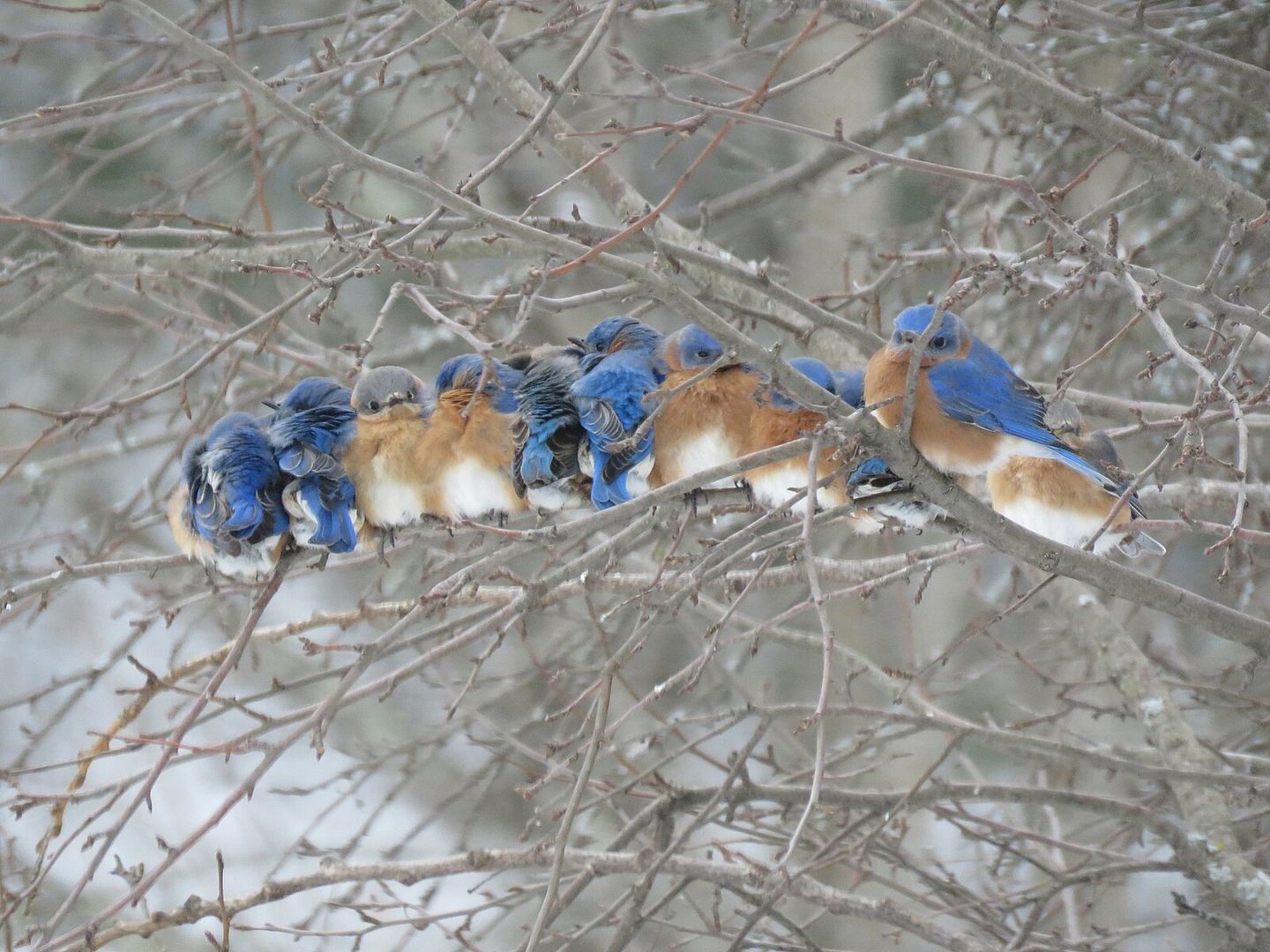
Birds will puff up their feathers to generate more warmth. This creates more space to trap warm air between the feathers while keeping cold air away! Many birds roost together in the winter to share warmth. Most birds are communal roosters meaning they sleep or rest closely nestled with other birds. Communal roosting serves to 2 main purposes:
- security and safety
- shared body heat
Despite the advantages of communal roosting many birds opt to roost alone for territorial reasons or to remain undetected by prey. A short list of solitary roosting birds includes the Great Blue Heron, Woodpeckers, Solitary Sandpiper, Eagles, and Hawks.
You can also buy an owl box which has a larger entrance hole (around 3”) and bigger nest box. These are ideal for birds like Screech Owls or Kestrels.
!!!WARNING!!! If you put an owl box in your yard make sure to place it far away from any bird feeders and bird houses. Many owls eat smaller birds.
6 Pre-Made Winter Bird Houses
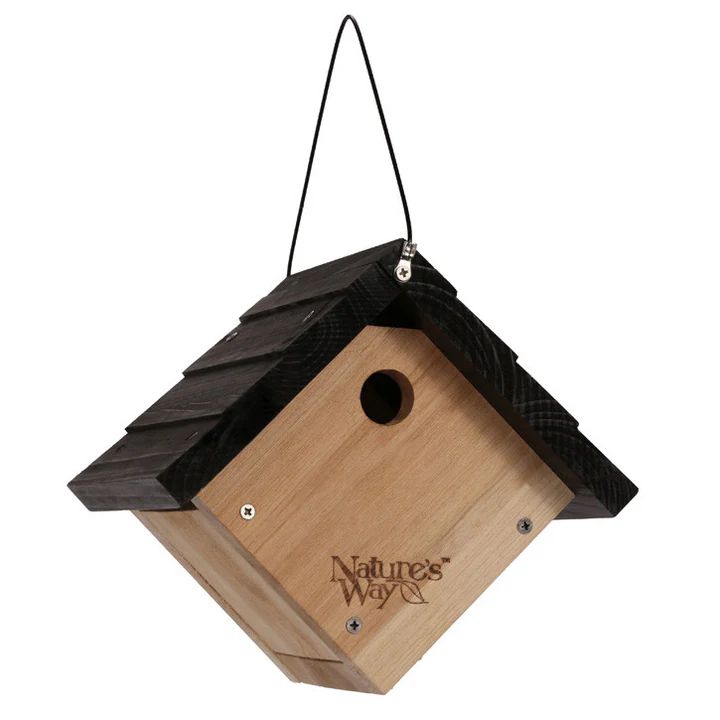
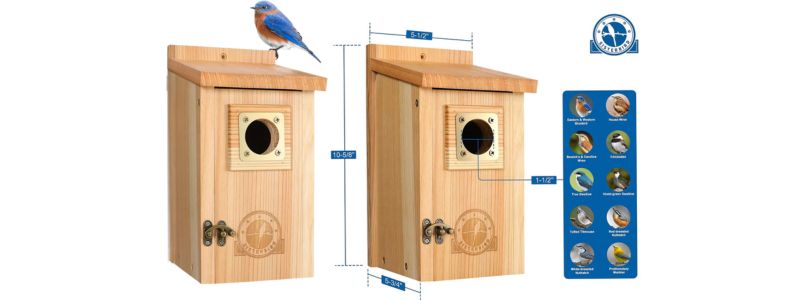
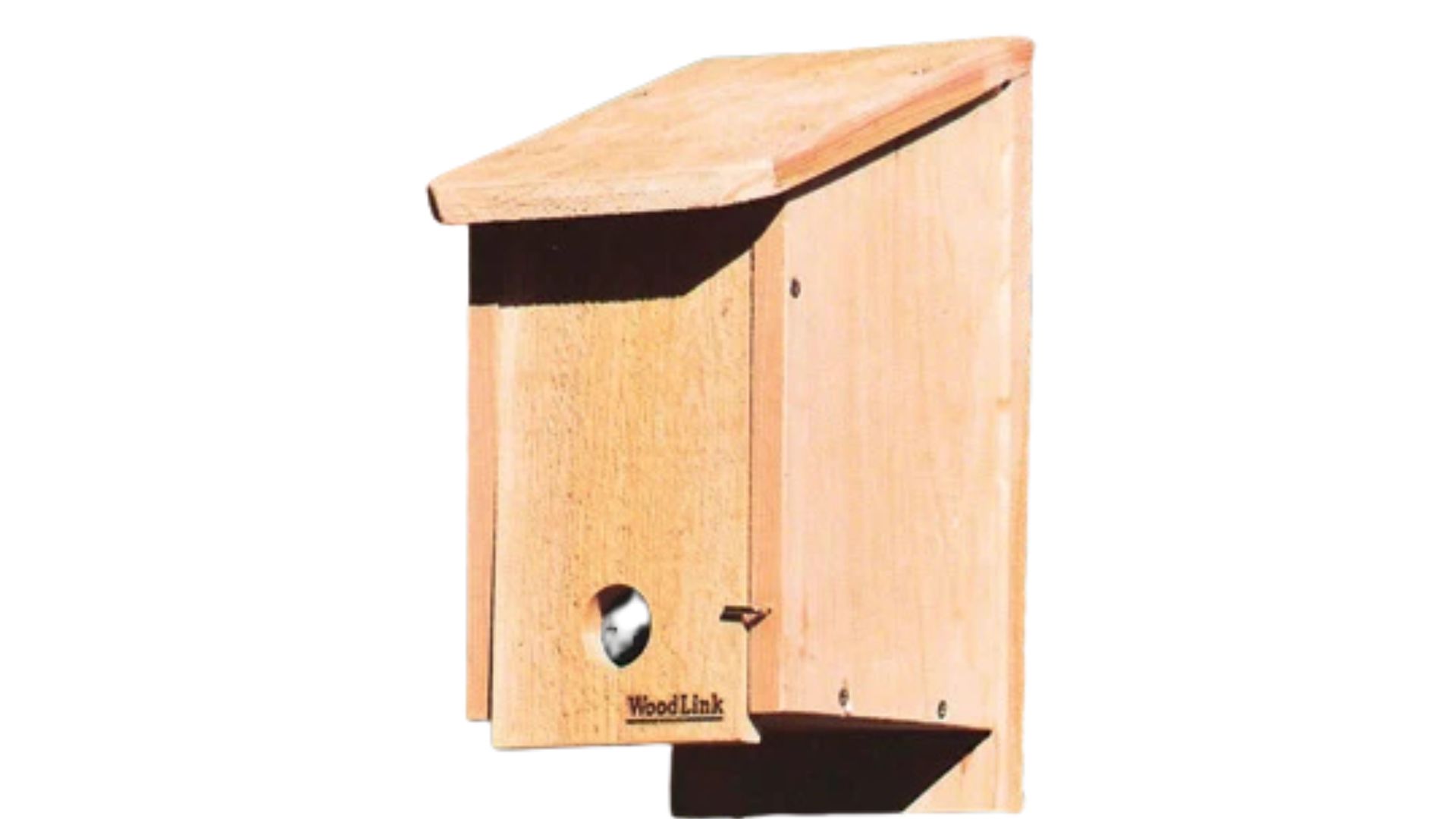
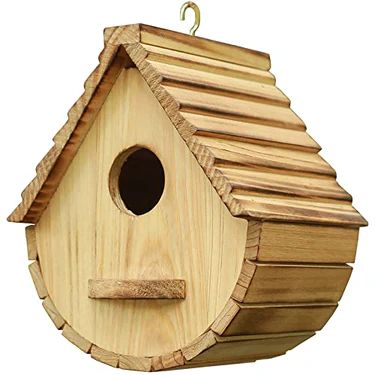
Here are 6 of the most popular bird houses that’ll keep your feathered friends warm this winter!
The rectangular birdhouses birdhouses we recommend have predator guards, fledgling kerfs, ventilation, and clean out doors— ideal for spring nesting and winter shelter.
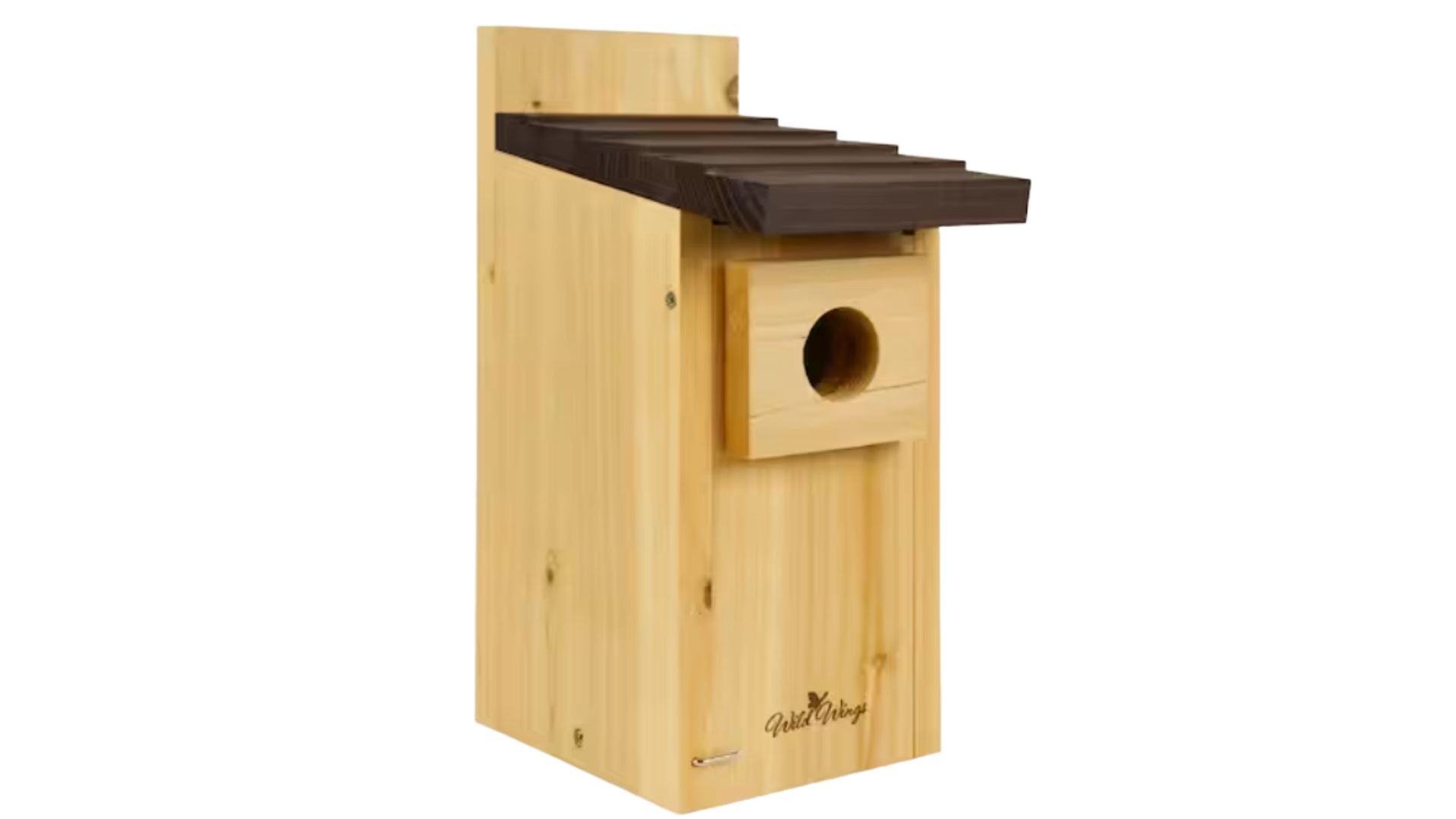
Includes removable Roosting Ladder
Tips for Success
Follow these 5 tips for success to make the most of your winter bird houses.
1. Use Bird Feeders
A crucial way birds stay warm is by eating plentifully to generate body heat. Use bird feeders to help your feathered friends eat enough to generate body heat all day and night. Choose calorie dense foods for winter feeders like suet and black oil sunflower. These foods will attract all sorts of birds like nuthatches, chickadees, woodpeckers, jays, and cardinals.
Why use bird food if birds can provide for themselves?
Sometimes lawn care habits and loss of natural habitat could mean birds loose the food they stored for winter. Cardinals hide seed under brush and leaves but using a leaf blower can decimate their winter food supplies. Or maybe you, the town, or a neighbor cut down a large number of trees and shrubs this year which otherwise supplied food and shelter. We live in a delicate ecosystem where food scarcity for one species can trickle down and affect us all. Putting out bird food during lean winters keeps the ecosystem balanced.
Related: Bird Feeders 101
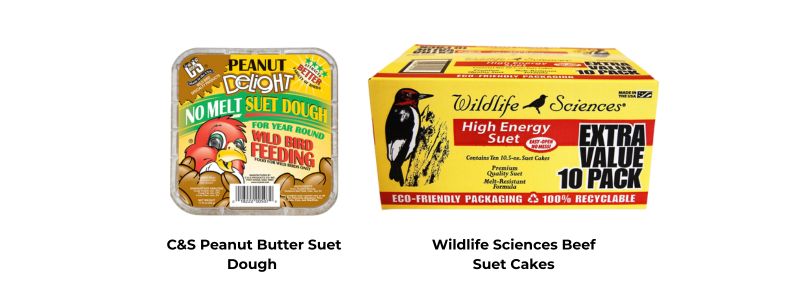
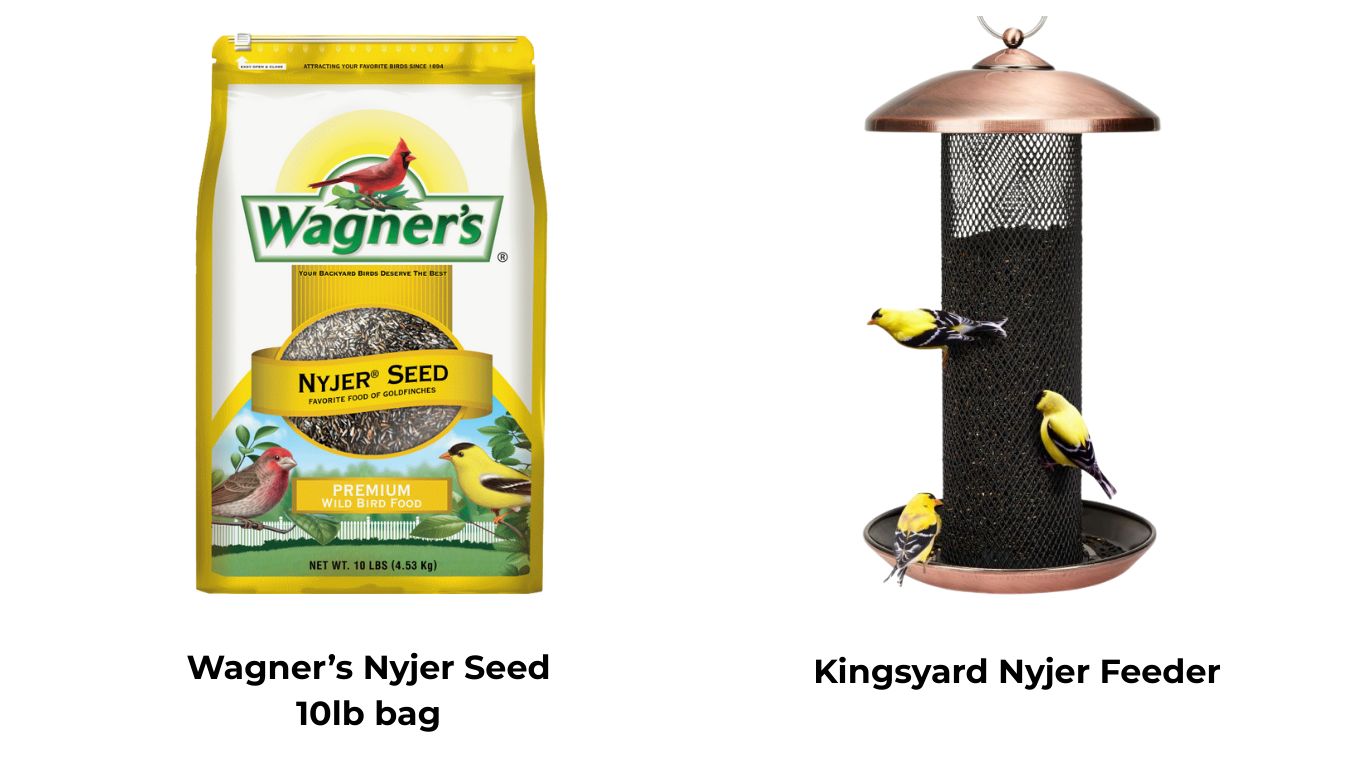
Peanut butter suet and beef suet are great options! It's high calorie food that birds love. This is the best option if you want to attract woodpeckers. A nyjer feeder for finches, sparrows, and juncos is also popular. Nyjer seeds are small black seeds from the African Daisy plant. It’s high in oil making it a great high-energy food for birds. Both options are popular winter bird foods.
Please DON’T feed birds bread, crackers, or similar foods. They lack the nutrients birds need to survive and make them feel full without getting the calories to endure cold winters. This rule applies to year round feeding, like the common-but-harmful practice of feeding ducks stale bread. Bread = Bad.
Did you know? Nyjer is often labeled thistle but that’s a misnomer. Marketers chose this because finches love thistle.
2. Bird House & Feeder Placement
Position your bird house depending on the species you want to attract. Bluebirds, for example, like open space. Titmice and chickadees like wood edges.
You can safely mount your birdhouse to a tree— with no branches near the entrance hole. Alternatively you can use a bird house post or pole. There are several poles that can accommodate houses and feeders but birds don't like to nest where they feed. We advise keeping them separate.
Bird feeders are best kept either close to existing house windows or several yards away. This keeps them safe from flying into the glass. Feeders away from natural perches and branches to keep predators and pesky squirrels away. Too close and you'll be the hot spot for squirrels instead of winter birds!
My grandma kept feeders in the 8 foot tall Lilac bushes outside the bay window. All kinds of birds visited but it also helped that she lived next to a nature reserve in a moderately wooded suburb. Squirrels regularly scaled the flowers and toppled the feeders. Sigh.
3. Deter Predators
Keep bird houses away from perches that predators can use to get close. Predator guards are essential for safety and easy to add. You can use baffles, cones, and stovepipe guards. For bluebirds and swallows, mount the bird house on a smooth metal pole with any of the aforementioned guards to prevent snakes and raccoons from climbing. You can also use safflower to deter squirrels.
While keeping predators away from bird houses is important, it's more common to find them at bird feeders. This is where most people use predator guards.
TIP: Don't use a bird house with an exterior perch. Do place bird houses away from natural perches or ledges to keep them safe.
4. Keep Unfrozen Water Around
Water drinking and bathing is critical even in the winter. You can keep water from freezing in a few ways. Water in motion will be less likely to freeze. There are several ways to transform stagnant water into flowing water. You can add floating objects like ping pong balls to prevent ice formation. Choose dark colored basins and baths which retain heat longer. Consider adding a dark liner to yours if you already have a light colored bath.
- Heated Bird Baths (not moving)
- Add a heater to your existing bird bath, aka "De-icers"
- Bird Water Fountains (moving water)
- Bird Bath Liner (for heat retention)
5. Clean the Birdhouse
A bird rarely uses its nest as a roosting site after the young have fledged due to sanitation and parasite concerns. You wouldn’t want to live in a dirty house, and neither do the birds! Clean it before nesting season (late winter / early spring) and after each successful brood to encourage re-nesting and prevent parasites.
Happy birding!
No comments yet.