
Everybody wants to see Robins in the Spring!
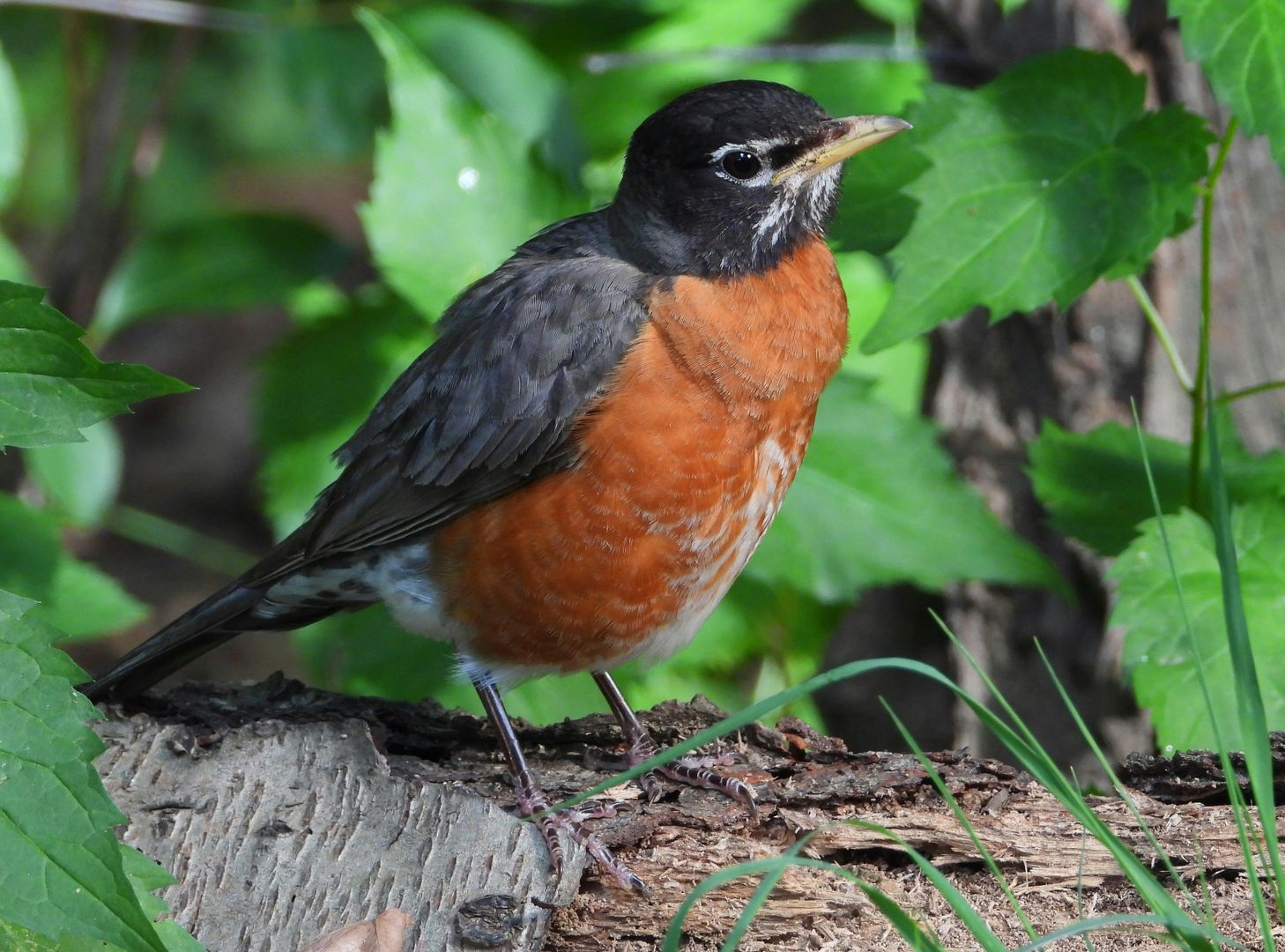
Robins have been branded the heralds of spring for centuries across many cultures.
Do you know why?
They're the first birds to migrate in the lower 48 in North America.
11 Proven Ways to Attract Robins to Your Yard This Spring
1. Don’t use pesticides
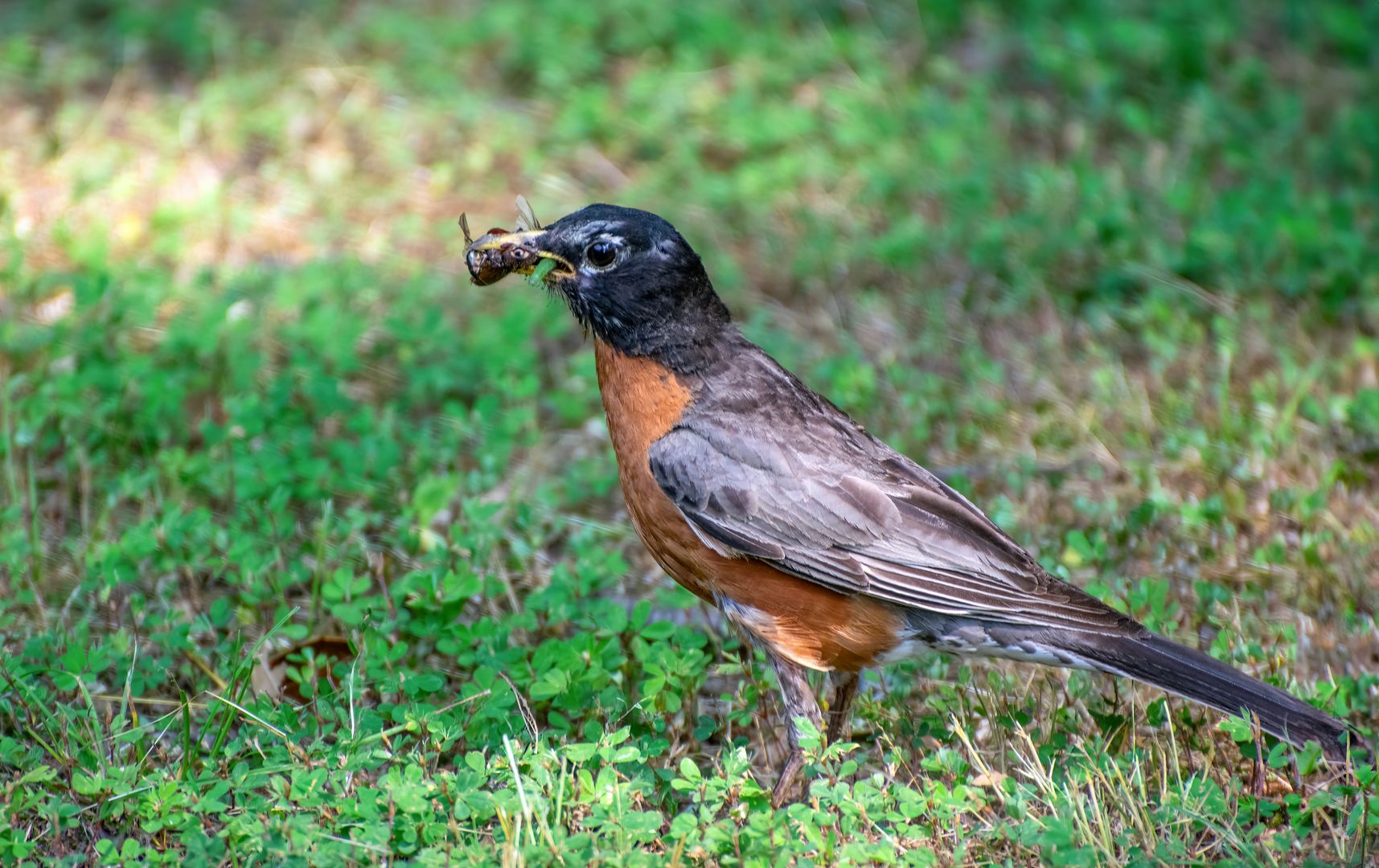
Robins are primarily ground feeders. They rely on worms, insects, and fruits and nuts on the ground.
Pesticides poison and kill Robin’s main food sources.
Birds that ingest food infected by glyphosate develop chronic illnesses and impaired chick rearing.
2. Mealworms
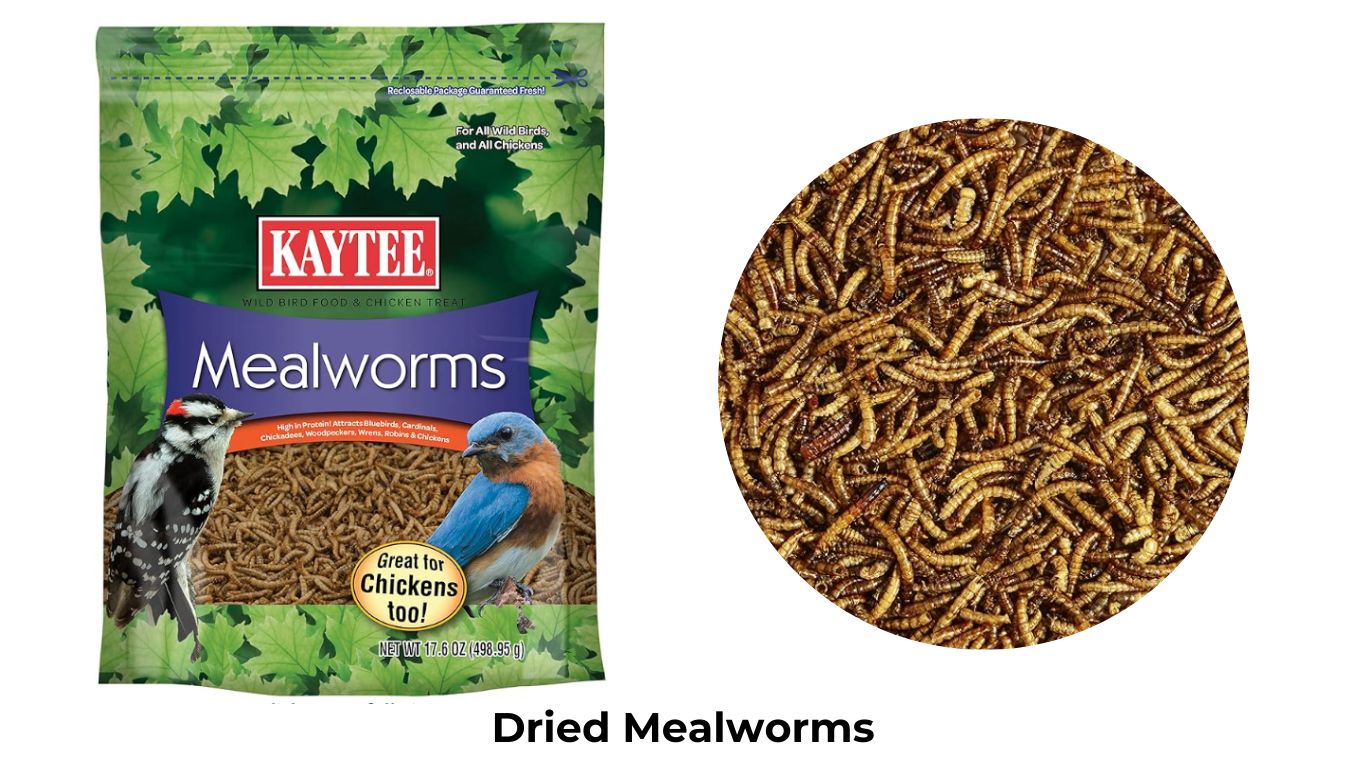
You yard is hopefully rich with earthworms, a staple in any Robin's diet. A surefire way to attract Robins to your yard and bird feeder is to use dried mealworms.
Mealworms are nutrient dense protein for Robins.
It's the closest you'll get to their natural diet unless you want to buy earth worms.
3. Suet
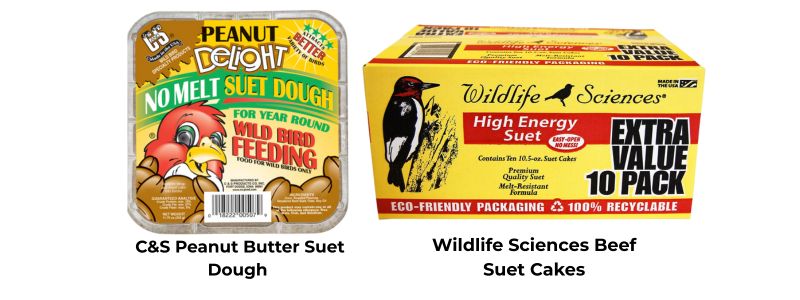
Robins love suet! Put almost any kind of suet in your bird feeder and Robins will surely devour it.
Fat balls, peanut butter suet, suet chunks. Robins eat them all!
4. Plant Fruit Bushes
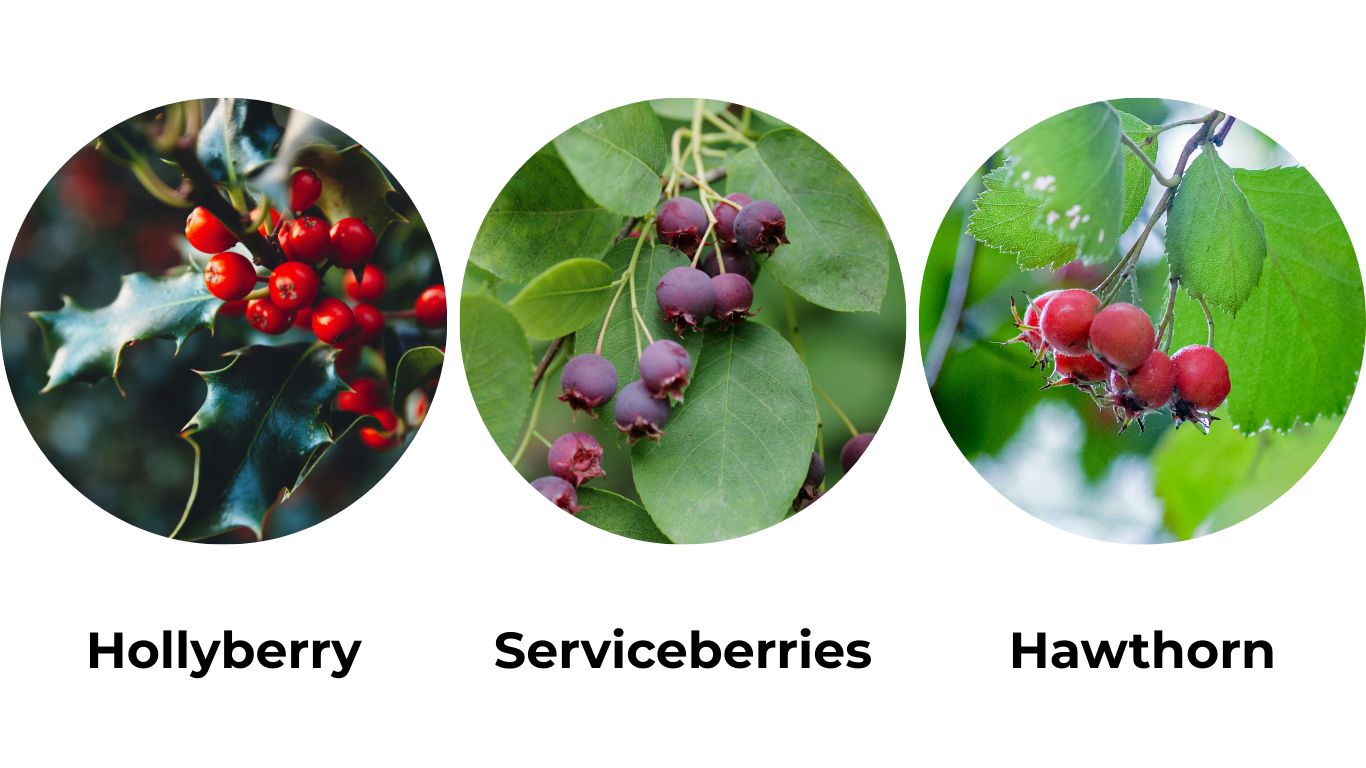
Fruit is a year round favorite for Robins. They rely heavily on berries in the fall and winter when food and insects become more scarce.
Robins love the fruit from holly, hawthorn, and serviceberry plants.
The bushes double as shelter for Robins, keeping them in your yard longer.
5. Bird Seed
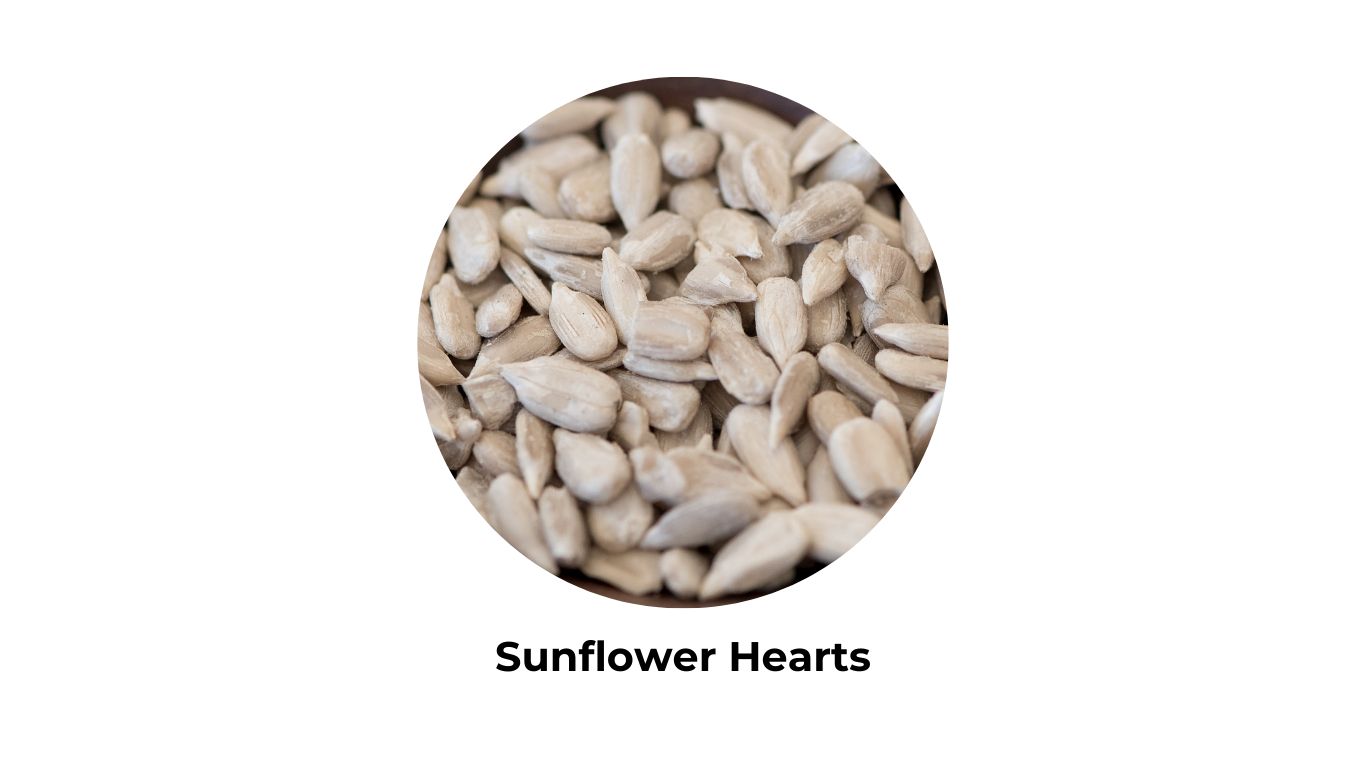
Sunflower Hearts for American robins are preferred since they don't eat nuts or seeds in shells.
That's because Robins can't crack shells. They're soft-billed birds and their beaks lack the "design", or point and strength, to crack shells on nuts and seeds.
Bird seed isn't a favorite for Robins since they prefer worms, insects, fruit, and suet.
A bird seed mix made of mostly suet and fruit could also help.
6. Fresh Fruit
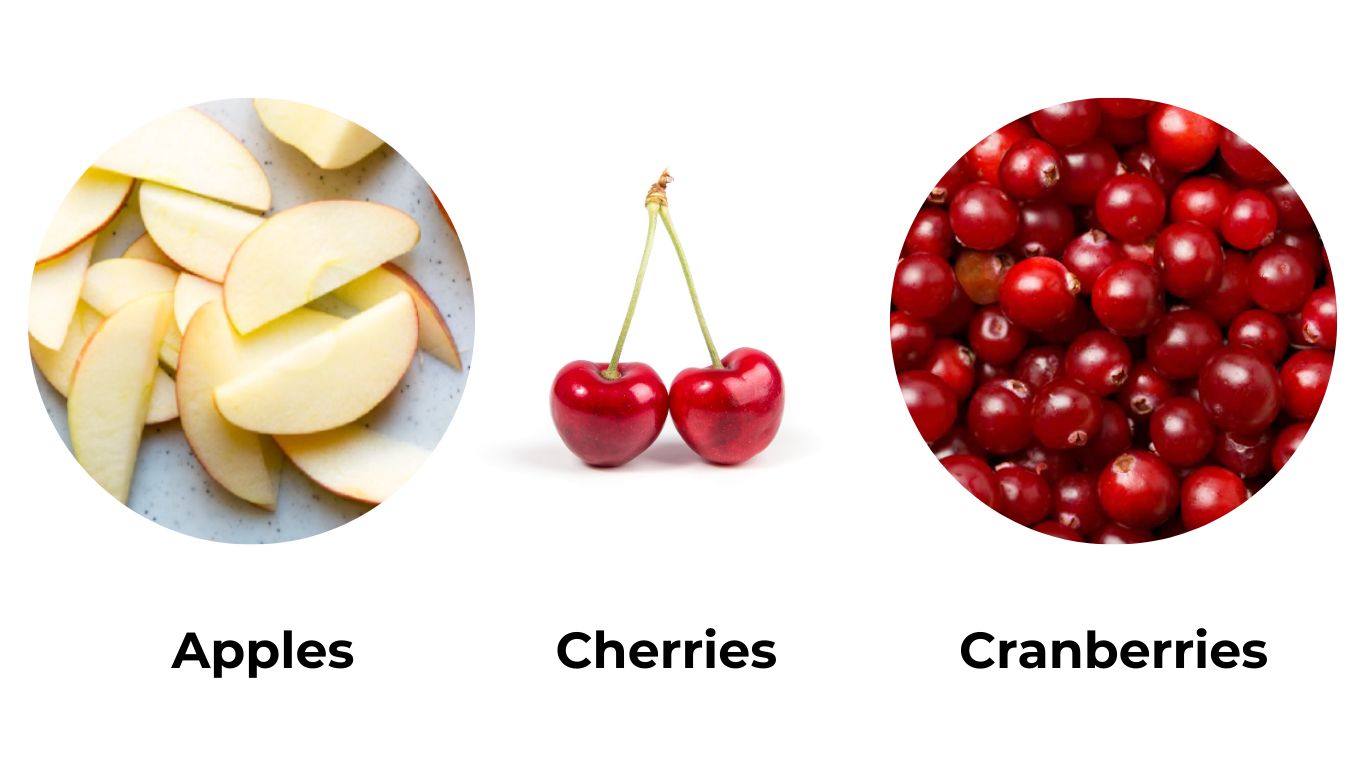
Whether you have berry bushes in your yard or not Robins can't resist fresh fruit. It's as easy as putting out freshly washed berries or sliced apple.
Make sure to wash store bought fruit to remove pesticides.
Place it in a ground tray or whatever ground level platform feeder you use. You can also scatter it about the yard.
7. Bird Baths
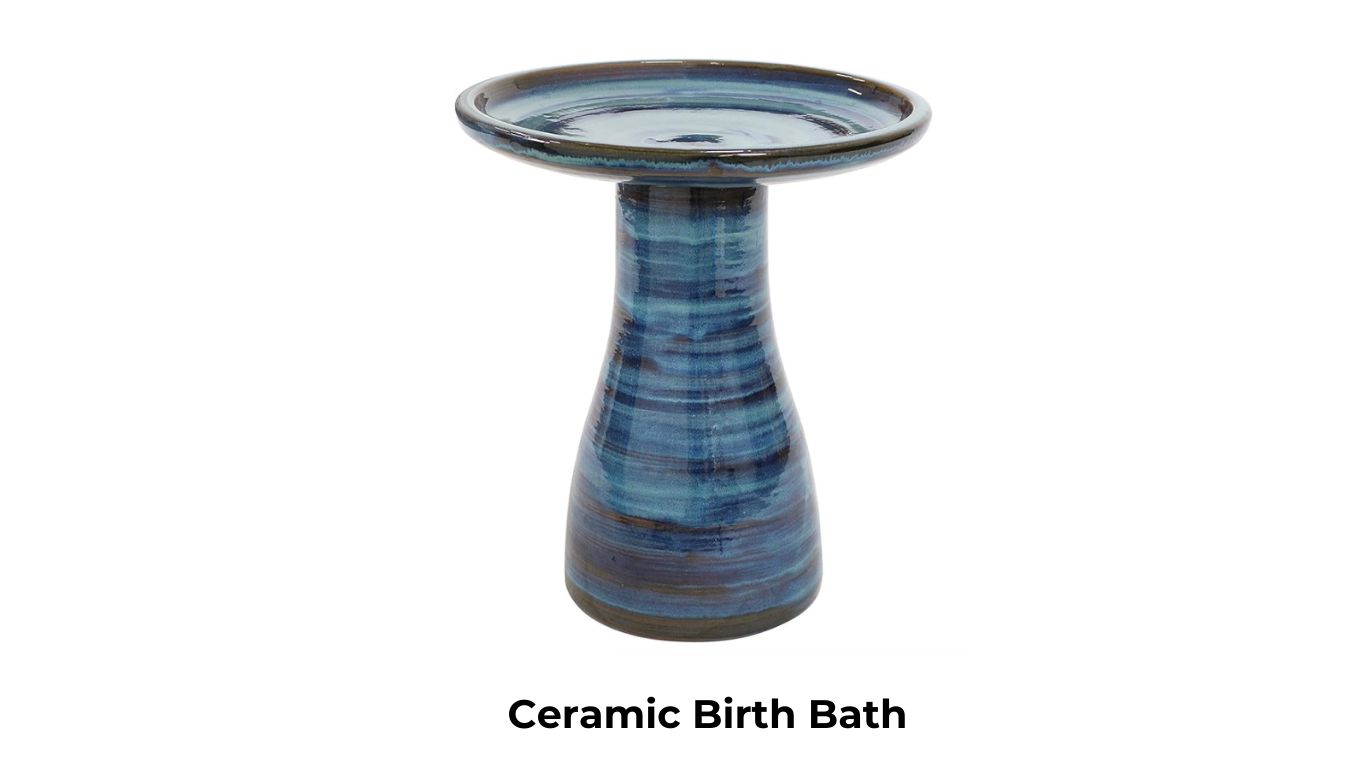
Robins love hanging out in bird baths. In fact, every bird loves them!
Ceramic bird baths are unique to warm weather climates, or the spring and summer months.
It's prone to cracking and breaking in cold temperatures so most bird enthusiasts swap out their ceramic bird baths for stone, metal, or plastic in cold weather.
Adding a bird bath to your yard is like making a one-stop-shop for birds.
8. Keep cats indoors
Cats are a major cause of death for wild birds. They’re natural hunters. If you want to be sure to attract birds instead of scare them off, it’s best to keep your cats inside.
Got outdoor cats? Consider a catio or adding predator guards around your feeders and bird houses.
Birds will avoid your yard if they feel unsafe.
9. Offer Yard Debris for Nests
Robins need materials to build their nests. Anything from lawn clippings, small twigs, and even wood chips can be helpful.
Dog fur for nests is a great resource for Robins’ nests. Birds like fluffy materials like animal hair for its durability and water resistance.
~ Don’t give birds dryer lint ~
It soaks up tons of water but birds don’t know the difference between that and animal fur.
A waterlogged nest can jeopardize or even kill their young.
Dryer lint also has harmful chemicals birds shouldn’t be exposed to.
10. Add Robin Bird Houses
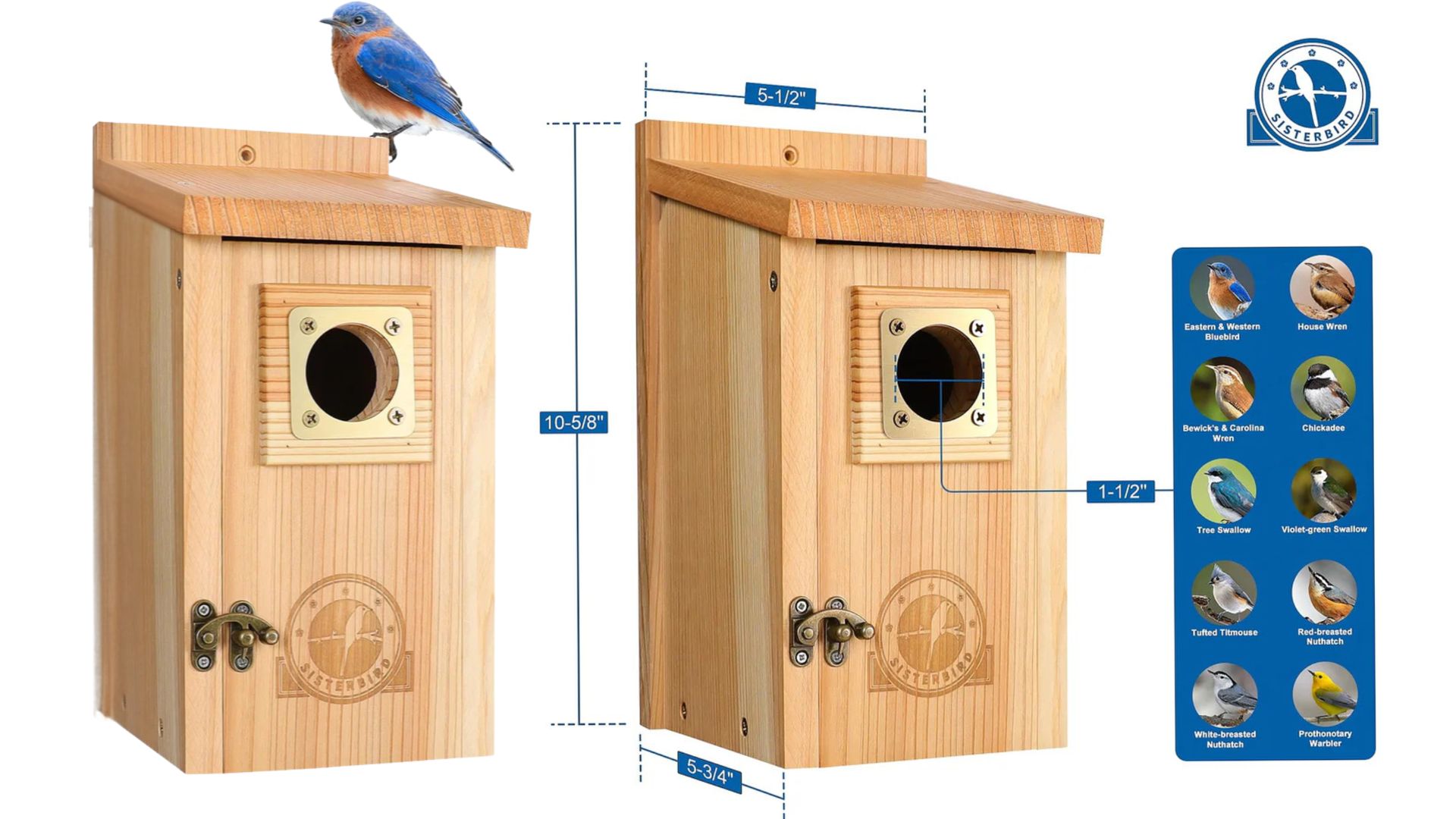
The food and water your bird feeders and bath provide make your yard a smart place to build a nest. Bird houses increase the real estate options for Robins.
Having some bird houses up in the early spring can increase your odds of keeping Robins in your yard.
Aim to have them up by Late February to early March for any “early birds”.
- Related: 9 Ways to Attract Hummingbirds
11. Grow Plants that Attract Insects
Choose native plants whenever you can. They support the local biodiversity and keep a healthy balance.
Consider planting these plants to support American Robins:
- Milkweed
- Sunflowers
- Dogwood
- Goldenrod
- Virginia Creeper
These attract a variety of bugs and insects that Robins eat like beetles, caterpillars, moths, and much more.

No comments yet.