
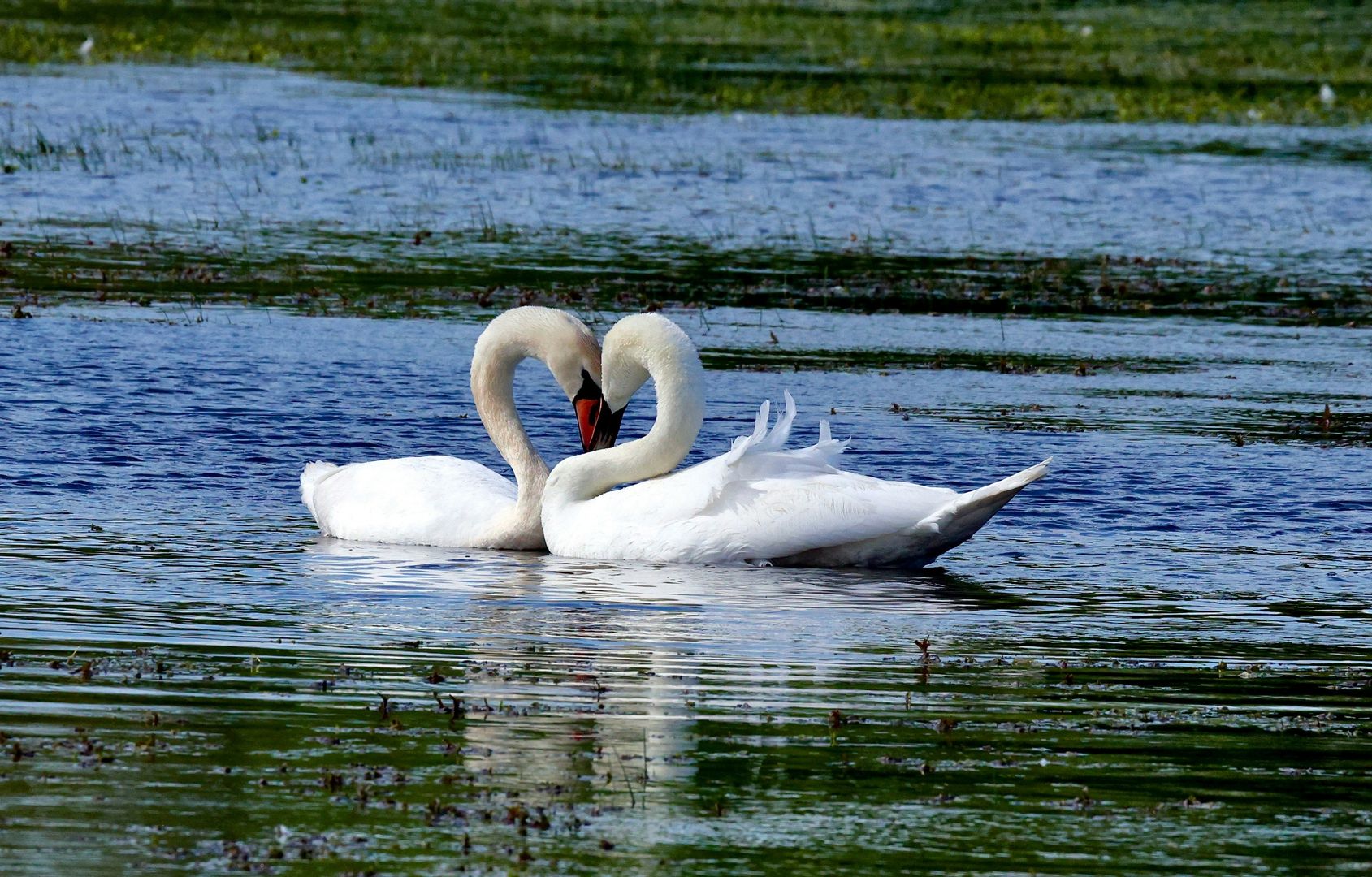
Bird watching used to be shorthand for "hobby you take up once your knees give out." Now it's what people do instead of paying $19 a month to get left on read. So why is bird watching so popular all of a sudden, and why is a 26-year-old standing in a New Jersey bog at 2 a.m. with a thermos?
The answer has less to do with birds than with everything birds aren't.
Why Is Bird Watching So Popular? Start With the Numbers
The birdwatching trend isn't a vibes-based magazine invention. It's a census.
According to the U.S. Fish and Wildlife Service's 2022 birding survey, 96 million Americans watch birds, which works out to roughly three in ten people over 16. Ninety-one million of them do it from home. Forty-three million travel to do it. Collectively, Americans spent 7.5 billion days birding in a single year, which is either inspiring or a damning indictment of our productivity, depending on who's asking.
The growth is the part that raises eyebrows. The number of birdwatchers has more than doubled since the previous federal survey in 2016, and while the methodology changed between surveys (statisticians would like a word), the direction is not in dispute. Cornell Lab's Merlin Bird ID app went from 300,000 active U.S. users in March 2020 to more than 1.5 million by March 2023. Checklists submitted to eBird doubled over roughly the same stretch.
It's also, improbably, an industry. Birders spent $107.6 billion in 2022, and birding now supports about 1.4 million American jobs. A hobby you can technically do for free out a kitchen window has become a $279 billion economic engine. Somewhere a business school professor is furious.
Why Birding Is Trending With Gen Z Specifically
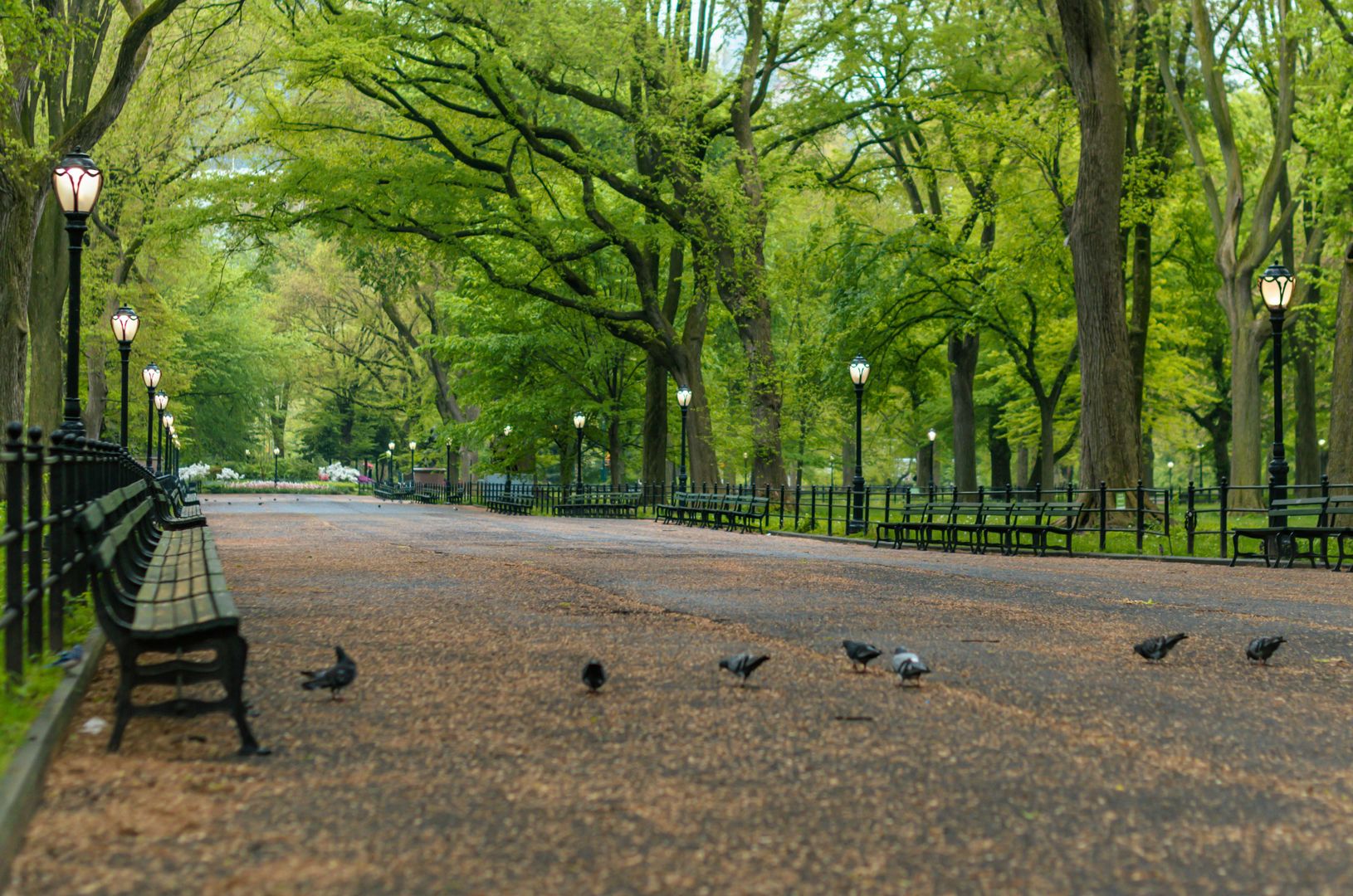
The stereotype says the average birder is a retiree in a khaki vest. The data says the average birder is 49, which is close enough to make the stereotype smug about it. But the growth isn't coming from that group.
The Atlantic reported in July that the National Audubon Society had 10 college chapters in 2019 and now has 117. South by Southwest hosted its first bird lovers' meetup last year and its first birding panel this spring. In Britain, the RSPB found regular birdwatching among 16 to 29 year olds jumped from about 61,000 people in 2018 to more than 700,000, a tenfold increase that made it the second fastest growing Gen Z hobby after jewelry making. (Jewelry making. We were beaten by jewelry making.)
4 Reasons Why Bird Watching Got Popular
1) The apps removed gatekeeping
For decades, birding had a brutal onboarding problem: you needed a field guide, a mentor, and roughly four years before you could confidently name a sparrow. Then apps started identifying birds by sound in real time, and the learning curve got a handrail. You can now be six minutes into the hobby and correctly identify a Carolina wren, which feels like cheating and is in fact just progress.
2) The pandemic pushed people outdoors
Birds were free, outdoors, and legally permitted. A lot of people who picked it up in 2020 out of sheer boredom simply never stopped. There's also evidence it's soothing for the nervous system making the it easy to build a habit out of.
3) People are broke, Birding is free
The economic floor under a 28-year-old birder is not the floor that was under the retirees who used to define this hobby. Harvard's Joint Center for Housing Studies found that 22.6 million renter households, fully half of all renters, are cost burdened, meaning housing eats more than 30% of what they earn.
The longer arc is starker than the monthly math: research from Raj Chetty's team at Opportunity Insights found that roughly 90% of Americans born in 1940 went on to out-earn their parents, compared with about 50% of those born in the 1980s. Earning potential & mobility dropped from 95% to 41%.
The Chicago Fed's work on intergenerational economic mobility fills in the rest: moving up the income ladder relative to where you started has slowed too, and the U.S. now trails most other wealthy countries at it.
Stack those together and a hobby with a zero-dollar entry fee stops looking quaintly frugal and starts looking like one of the few options available. The startup cost is a pair of eyes you already own, and the recurring cost is nothing, forever.
4) Social media made it visible
There are close to half a million #birdwatching posts on TikTok. Writing for British Vogue, Olivia Jordan Cornelius noted that birding has gone "from niche to popular culture", complete with a viral documentary about competitive birding and a Louis Vuitton binocular bag. Ariana Grande has publicly copped to being a fan. The vest is optional now.
From the Singles Tax to the Last Free Date
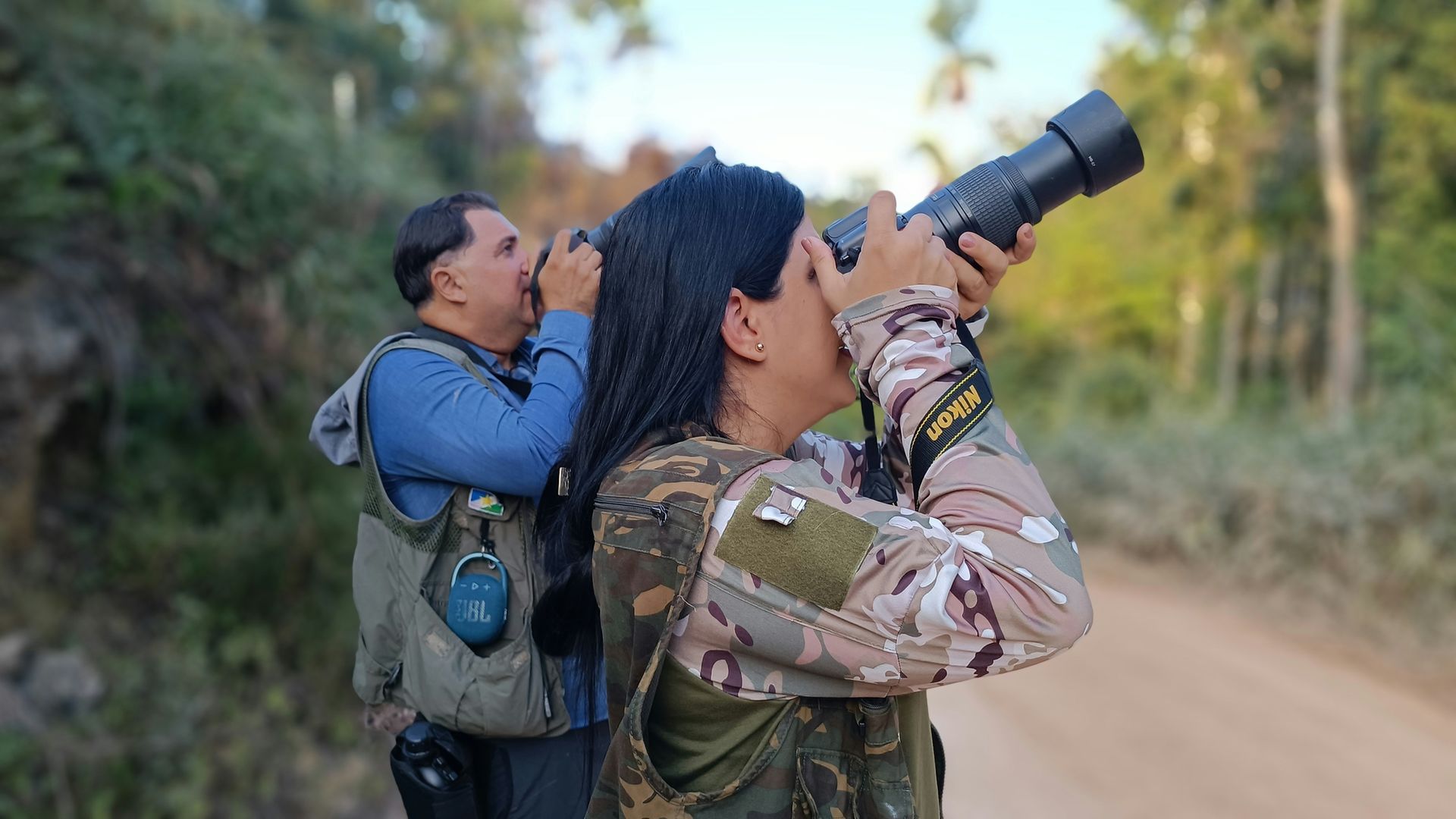
Let's be honest about the economics. Rent is absurd, the "singles tax" of living without someone to split costs with is real, and the dinner-and-drinks first date now runs about the same as a utility bill.
The Harris Poll's Gen Z Weekend Report found that 68% of Gen Z say going out isn't worth the effect on their wallet, and 49% cite saving money as the main reason they stay home. Meanwhile in 2024 69% of dating apps were deleted within a month, which is a customer satisfaction score you could frame.
So people started meeting through hobbies instead, and the numbers on that are wild. Eventbrite tracked events that explicitly signal meeting intent, using words like "singles" or "meet new people" in the listing, and compared the first half of 2026 against the year before. Trivia nights were up 403%. Mahjong was up 235%. And birdwatching events with explicit meeting intent were up 131%, with attendance up 82%.
Birding didn't just get popular. It got popular as a way to meet people.
It helps that we needed it. Harvard's research on the loneliness epidemic found that 29% of adults aged 30 to 44 report being frequently or always lonely, a higher rate than the age groups everyone assumes are lonelier, and 73% of adults point to technology as a direct contributor. Roughly half of American adults report regular isolation. When the standard paths to connection start feeling like a subscription service, people go looking for a side door.
What Watching Birds Actually Does to Your Brain
A study in the Journal of Environmental Psychology found that people who specifically watch birds report higher subjective well-being and lower psychological distress than people who take an otherwise identical nature walk. Research in the Journal of Urban Ecology found that paying deliberate attention to birdsong on a 30-minute urban park walk dropped cortisol by nearly 40% while lifting positive emotion by over 20%.
This is called ornitherapy.
As author and practitioner Holly Merker put it to Vogue, observing birds brings you into mindfulness without you having to try, because you're living in the present moment with the bird rather than with your inbox.
And the effect scales past the individual. An Ecological Economics study tracking 26,000 adults across 26 countries found that a 10% increase in local bird species diversity produced a bump in life satisfaction comparable to a 10% raise in household income. Your neighborhood warblers are, statistically speaking, giving you a cost-of-living adjustment.
For a first date, the practical upshot is that both of you arrive with your nervous systems already downshifted. There's a reason nobody's first date is a tax audit.
Low-Stakes, High-Reward
The other thing birding solves is the conversation problem.
Years of text-based interactiong have quietly eroded a lot of people's in-person muscles. Liking a post reads as too bold. Silence reads as disinterest. Everyone is exhausted from performing.
Birding removes the performance entirely. You don't need an outfit or rehearsed anecdotes. You show up, you look around, and there's a built-in third thing to talk about that isn't either of you. Silence stops being awkward the moment it becomes a shared act of listening. And the hobby has an unusually forgiving pace, which matters when roughly one in three young adults reports symptoms of anxiety.
The birds do most of the work.
Bird Watching as a Hobby Checks All the Boxes
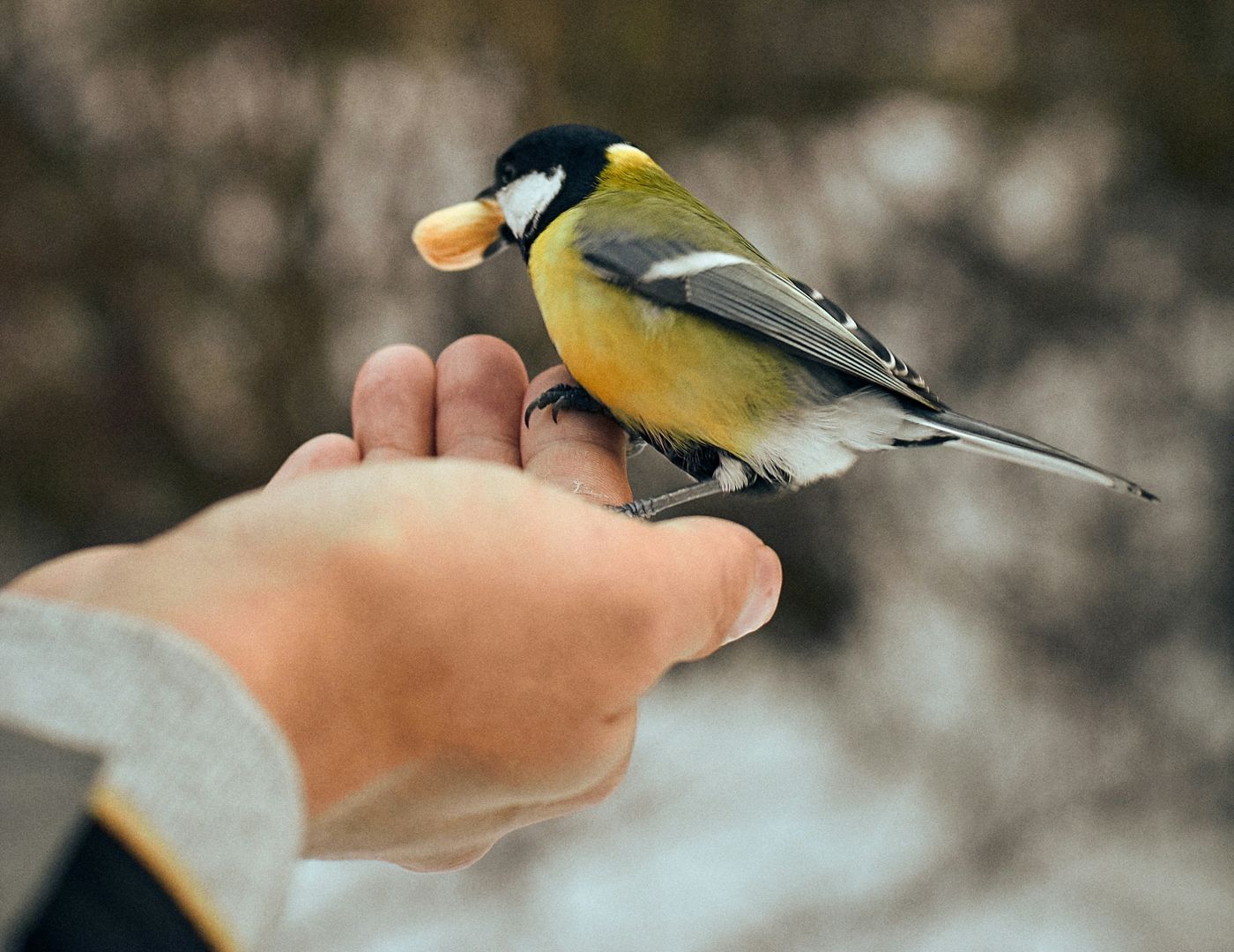
Strip out the trend coverage and the studies, and the reason this works comes down to five things, all of which happen to be the exact five things modern dating is short on:
- Affordable: No cover, no bottomless brunch, no $19 subscription. This is the box the entire trend is built on. And you don't need gear to start, which is the part most articles skip. Your phone identifies birds by sound, and your eyes work fine on anything the size of a robin.
- Wellness-aligned: Lower cortisol, higher present-moment attention, and an activity that gets easier the more anxious you were when you arrived.
- Community-oriented: Bird walks, club outings, and citizen-science counts are structurally social. Nobody has to be brave enough to start a conversation, because the group already has a reason to be standing together.
- Conversation-friendly: There's always something to point at. This is an underrated superpower.
- No gendered dating norms: No one's picking up a check. No one's driving. You both just show up and look at a heron.
Nothing new gets bolted onto that list. New reasons live inside it, which is why "you don't need binoculars" sits under Affordable instead of becoming its own heading.
How to Start Without Buying Anything
Don't buy binoculars. Not yet.
Go to a local bird walk and ask to look through someones binoculars, because birders are pathologically generous with their optics and you'll learn more in ten minutes of borrowing than in a week of reading spec sheets.
When you know you're in, our roundup of the best budget binoculars for birding will sort you out for far less than the internet thinks you need to spend. Everything else, where to go and what to actually look at, lives in our full guide to how to start bird watching.
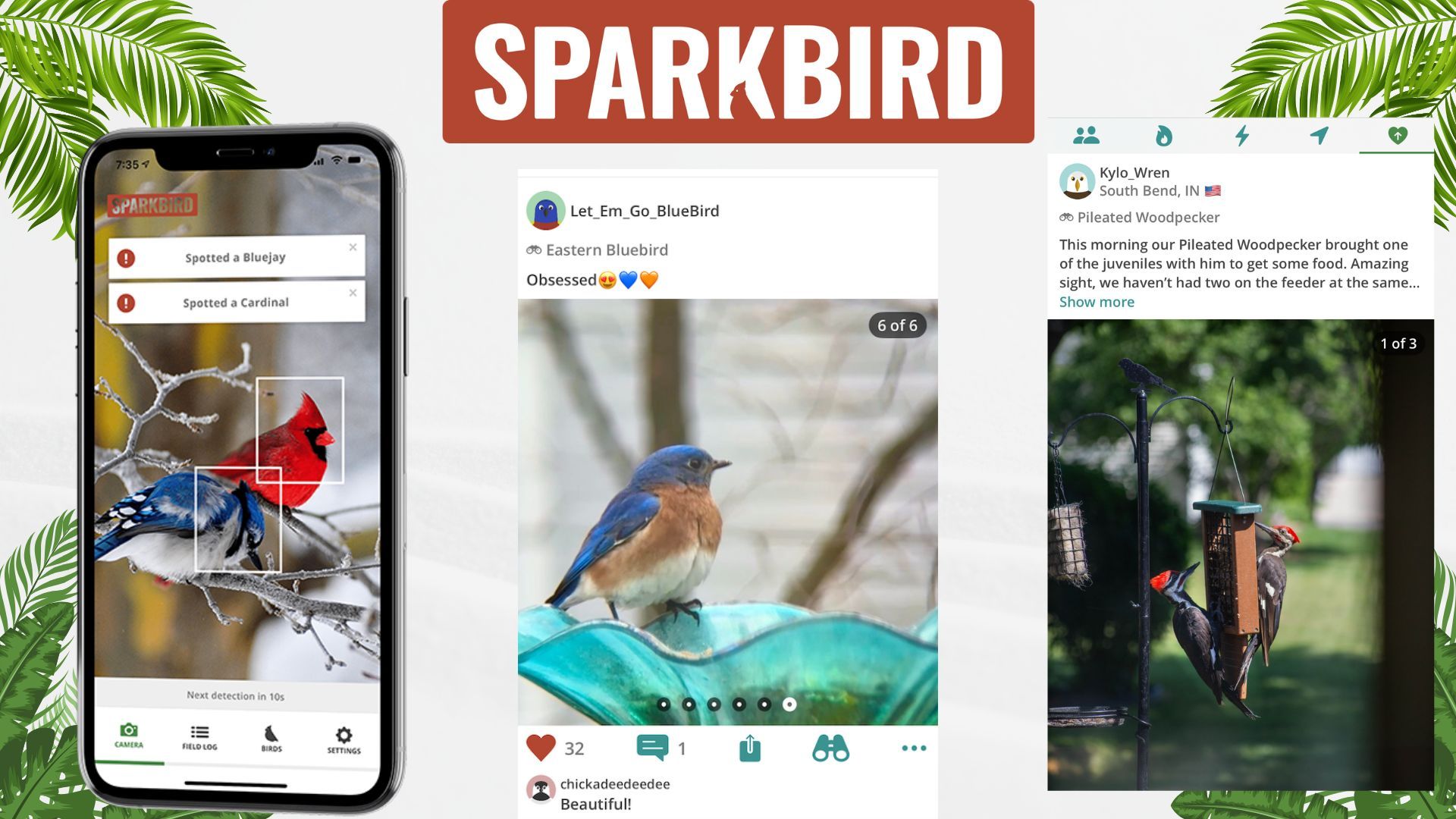
Sparkbird came out of that same instinct. Our founder Will built the first version back in 2018 while studying computer science in Minnesota, originally just to identify and journal whatever showed up at his feeder. It grew into a community platform to connect people IRL. Learn how to use the Sparkbird App here.
The New Way to Flirt
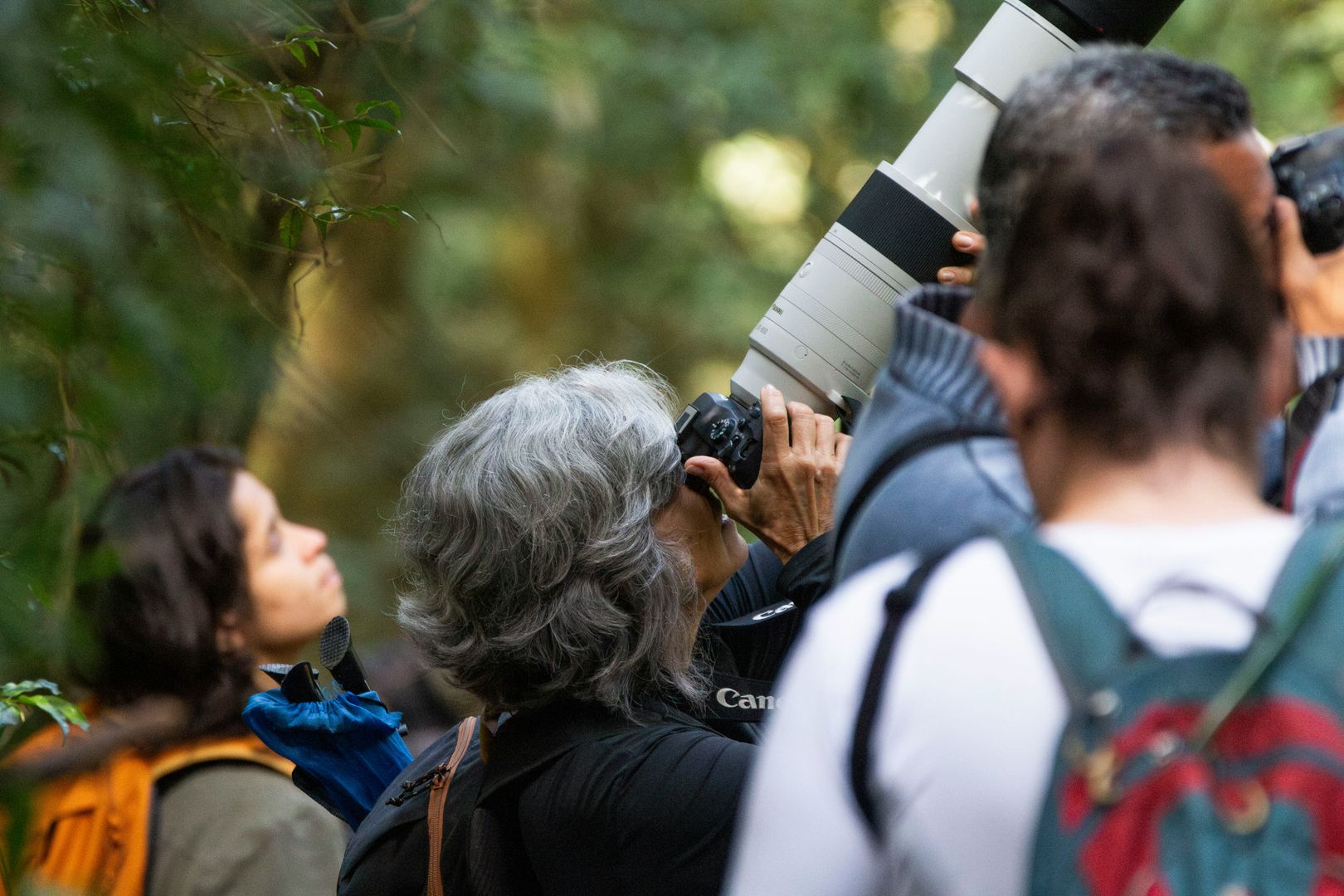
Birding has a magical way of drawing out the playful side of otherwise composed adults. One moment you're identifying a red-winged blackbird, and the next you and your date are naming him Larry and scripting an avian soap opera about his complicated love triangle with a sassy cardinal and a suspiciously quiet dove.
Those little moments of nonsense are the ones that turn into something. They don't come from swiping. And who knows, maybe someday at your wedding your partner raises a glass and says, "You were my real spark bird all along."
There's one more reason to go, and it isn't romantic. Bird populations across North America are down roughly three billion since 1970, and more than a third of U.S. species are now of conservation concern. Every person who learns to notice birds becomes one more person who notices when they stop showing up. That's not a small thing to get out of a Saturday morning.
Frequently Asked Questions
Why is bird watching so popular all of a sudden?
Three reasons. ID apps removed the years-long learning curve, the pandemic pushed millions of people toward free outdoor activities, and social media made the hobby visible. Add a generation that's priced out of paid nightlife, and you get 96 million American birders and a participation rate that's roughly doubled since 2016.
How do I find a bird watching group near me?
We made comprehensives guides for each to state to find a bird watching group near you.
Is the birding Gen Z trend real, or just a headline?
Real, and the institutional numbers are the tell. Audubon's college chapters went from 10 in 2019 to 117. British birdwatching among 16 to 29 year olds grew roughly tenfold since 2018. Those are membership rolls and survey panels, not TikTok views.
Ready to get started?
Download the Sparkbird App, find a walk near you, and go stand in a park at 7 a.m. You never really know when a spark is going to turn into a flame.

No comments yet.