
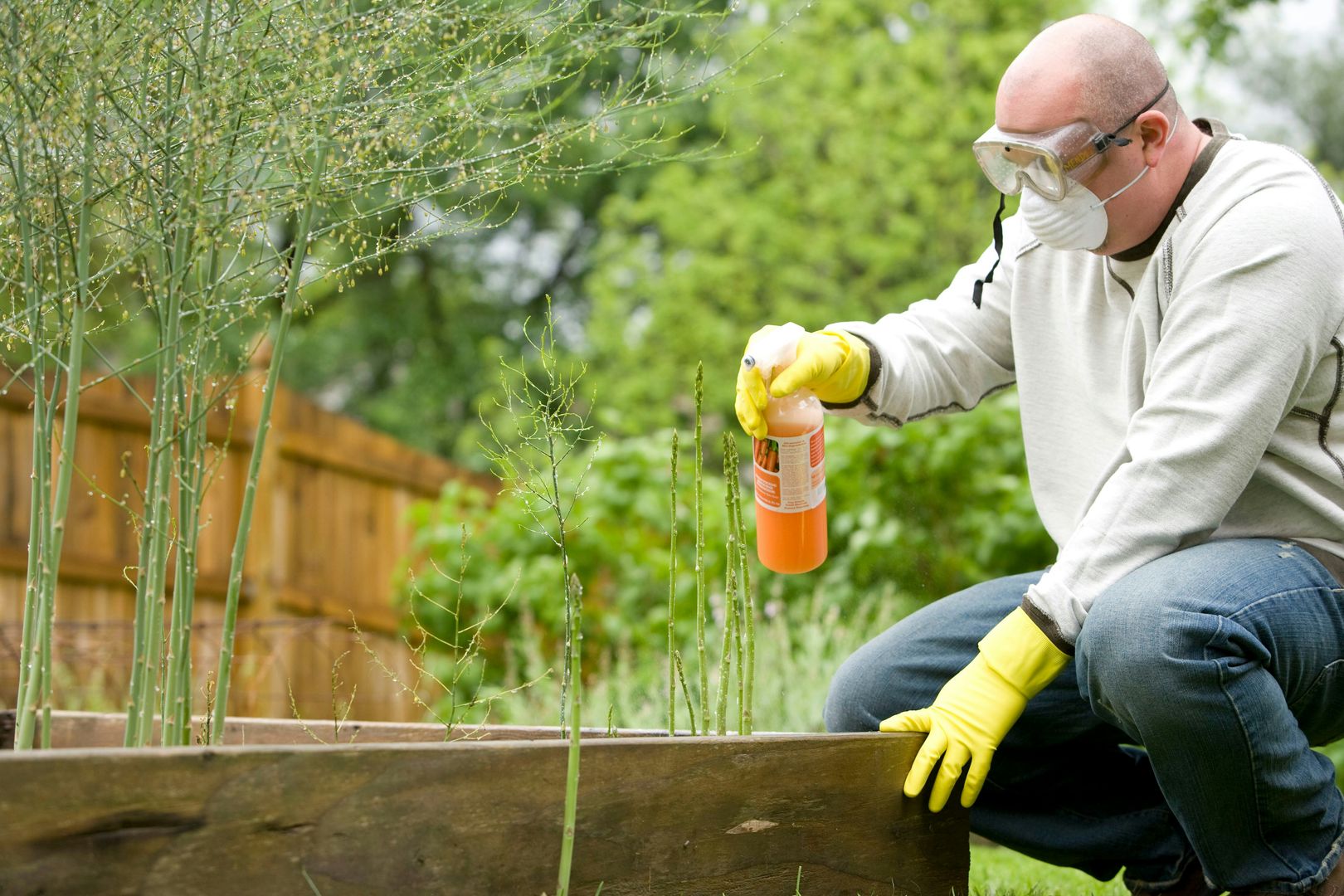
Pesticides and birds don't mix. They're not great for your plants, either. Pesticides poison food sources for nearly every wild animal.
Some pests actually destroy your plants and hurt the flora and biodiversity of local ecosystems. This can have widespread affects. How should they be handled?
Here's what we'll cover:
- Are Pesticides Bad?
- 4 Safe Insecticides for Home
- 4 Tips to Using Pesticide Alternatives
- 3 Recommended Products
Are Pesticides Bad?
Generally, yes.
In humans, chronic exposure to certain pesticides is linked to neurodegenerative diseases like Parkinson’s and Alzheimer’s, & impaired neurodevelopment in children.Some pesticides act as endocrine disruptors mimicking or blocking natural hormones.
This can lead to infertility, developmental delays, and metabolic disorders.
Indirect Food Web Collapse
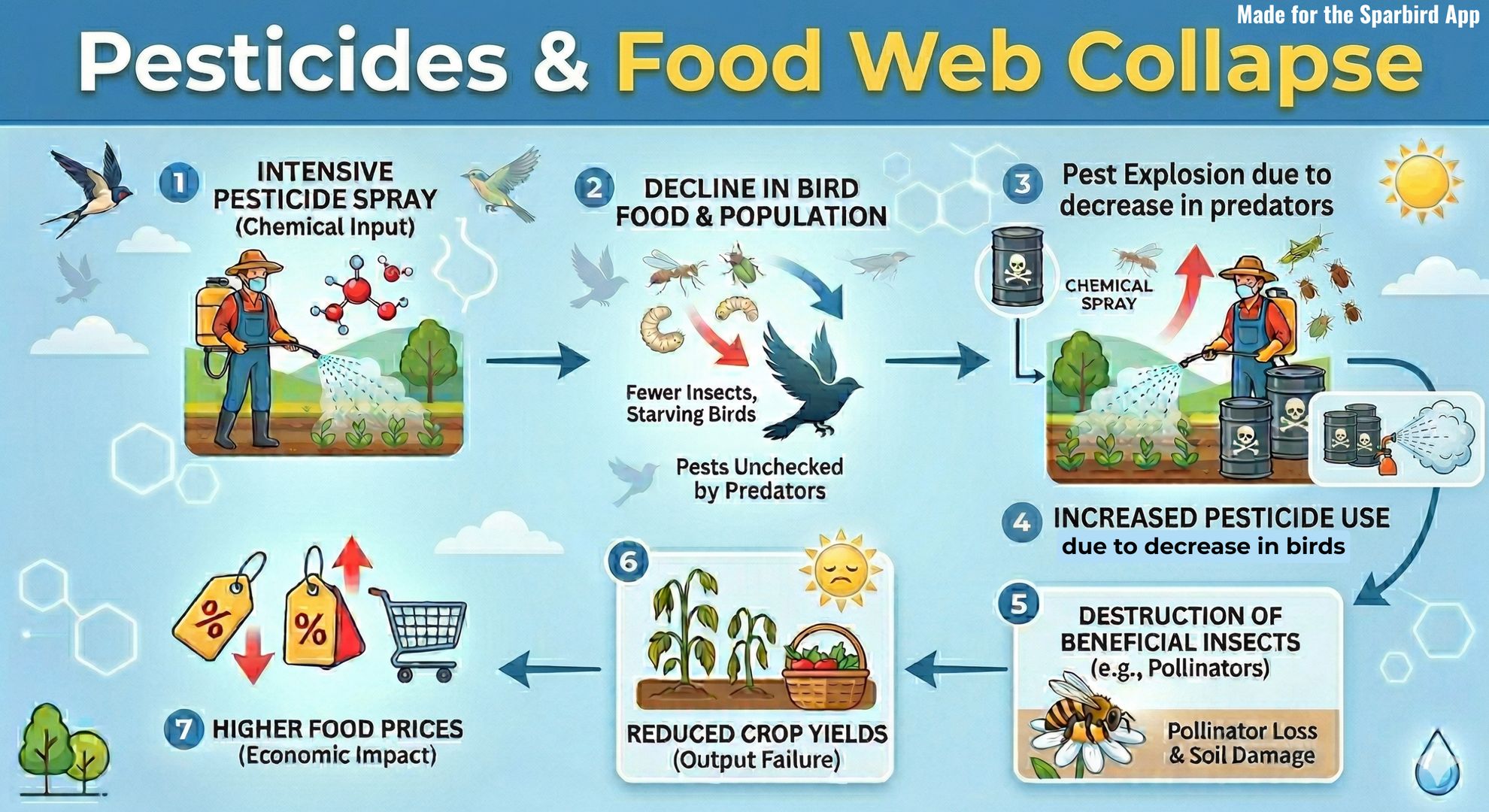
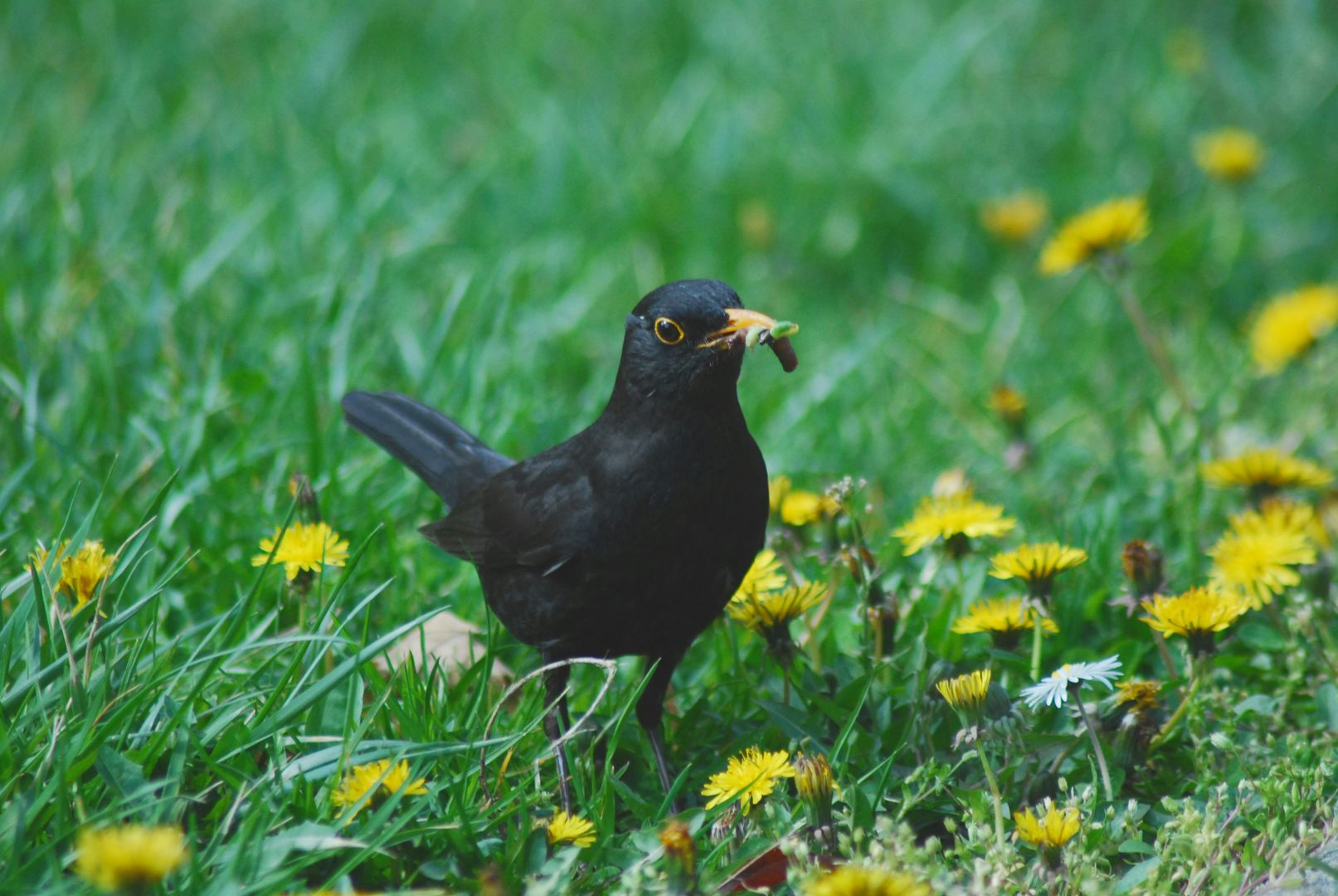
By killing off vast numbers of insects (#1 food source for birds) pesticides cause indirect starvation for birds. They reduce nesting success, leading to a massive decline of North American bird populations.
The American Bird Conservancy (ABC) is campaigning against the use of neonicotinoid pesticides citing that a single seed treated with neonicotinoid can kill a songbird.
Pesticides and Insecticides Always Affect You
Without birds eating thousands of insects daily, pest populations like locusts or beetles explode. The collapse of bird populations from pesticide use inevitably leads to reduced crop yields and higher food prices. It's best to use safe pesticides made from biodegradable plants sources.
4 Safe Alternatives to Pesticides for Gardens that are Bird Safe
As described above, pesticides and birds don't mix. These 4 safe insecticides for home gardens are a must. They target pests without causing widespread harm to the bird's natural food sources.
Ideal for repelling a variety of pests like aphids, beetles, slugs, whiteflies, mites, scales, leafhoppers, cabbage worms, squash bugs, and thrips.
1. Dish Soap Spray
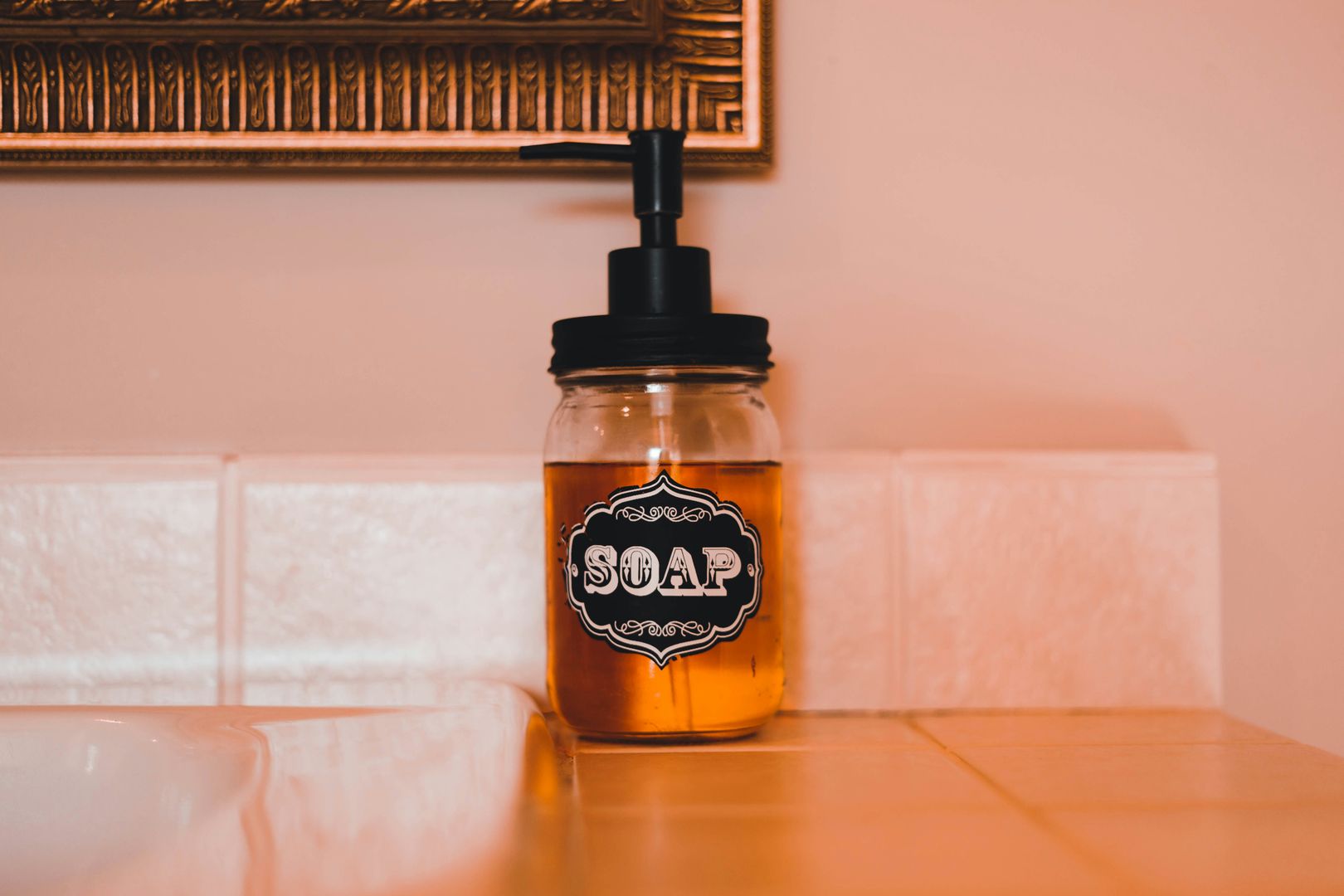
- 1 - 2 teaspoon mild soap
- 1 quart of water
Dissolve together and fill the spray bottle. Generously spray the whole plant. Reapply every few days.
Once pests subside, spray remaining residue off with clean water.
This is the simplest & easy to use homemade pesticide.
Castile soap is the better option since castile soap is safer for the environment than synthetic detergents due to their superior biodegradability and lower overall toxicity.
Castile soap has lower risks to beneficial insects and are readily biodegradable.
2. Oil Spray
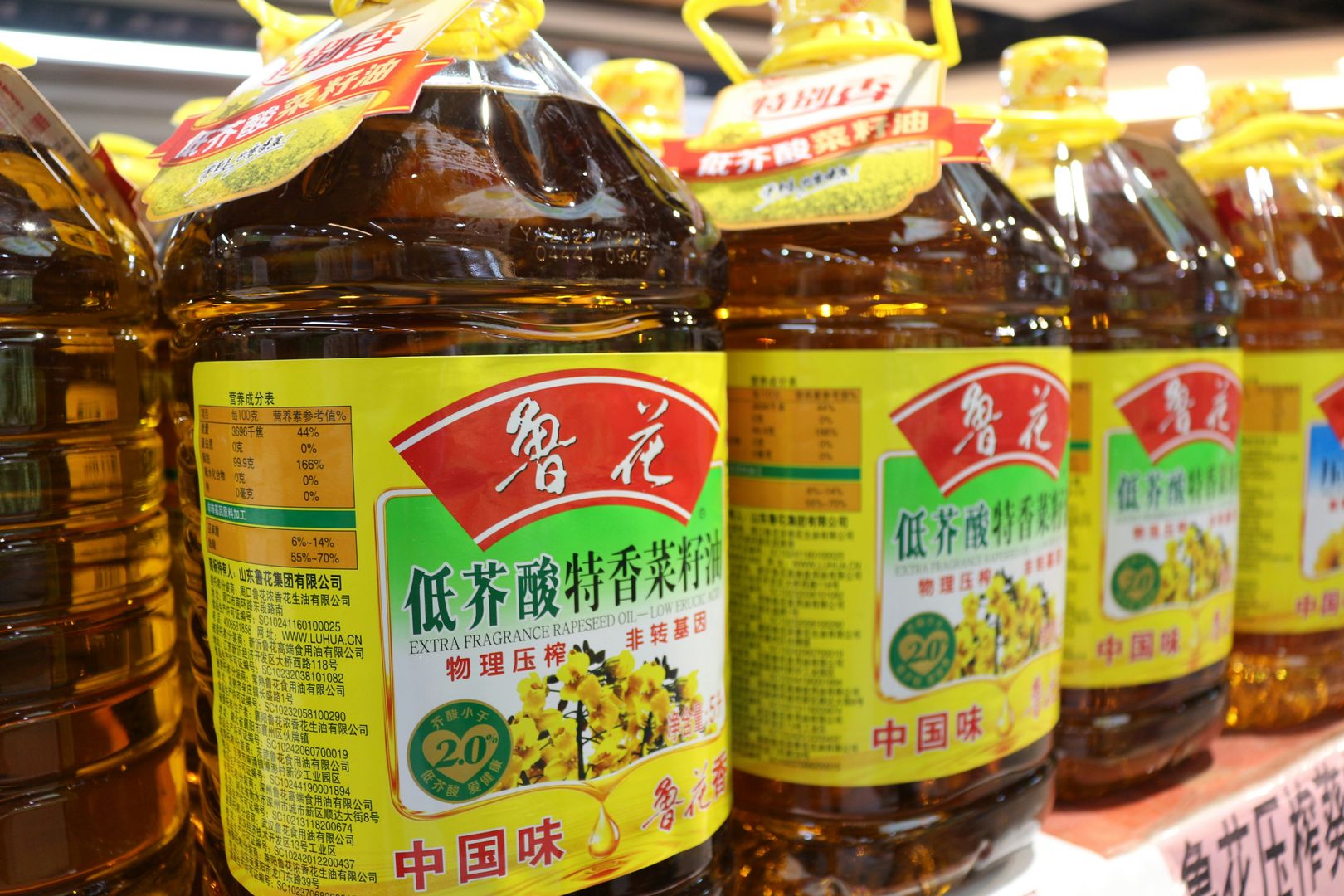
- 1 cup vegetable oil
- 1 tablespoon mild soap
- 1 quart water
Mix ingredients thoroughly and pour into spray bottle. Ready to use.
Spray plants completely. Reapply every few days. Rinse with clean water after pest population decreases.
3. Garlic Spray
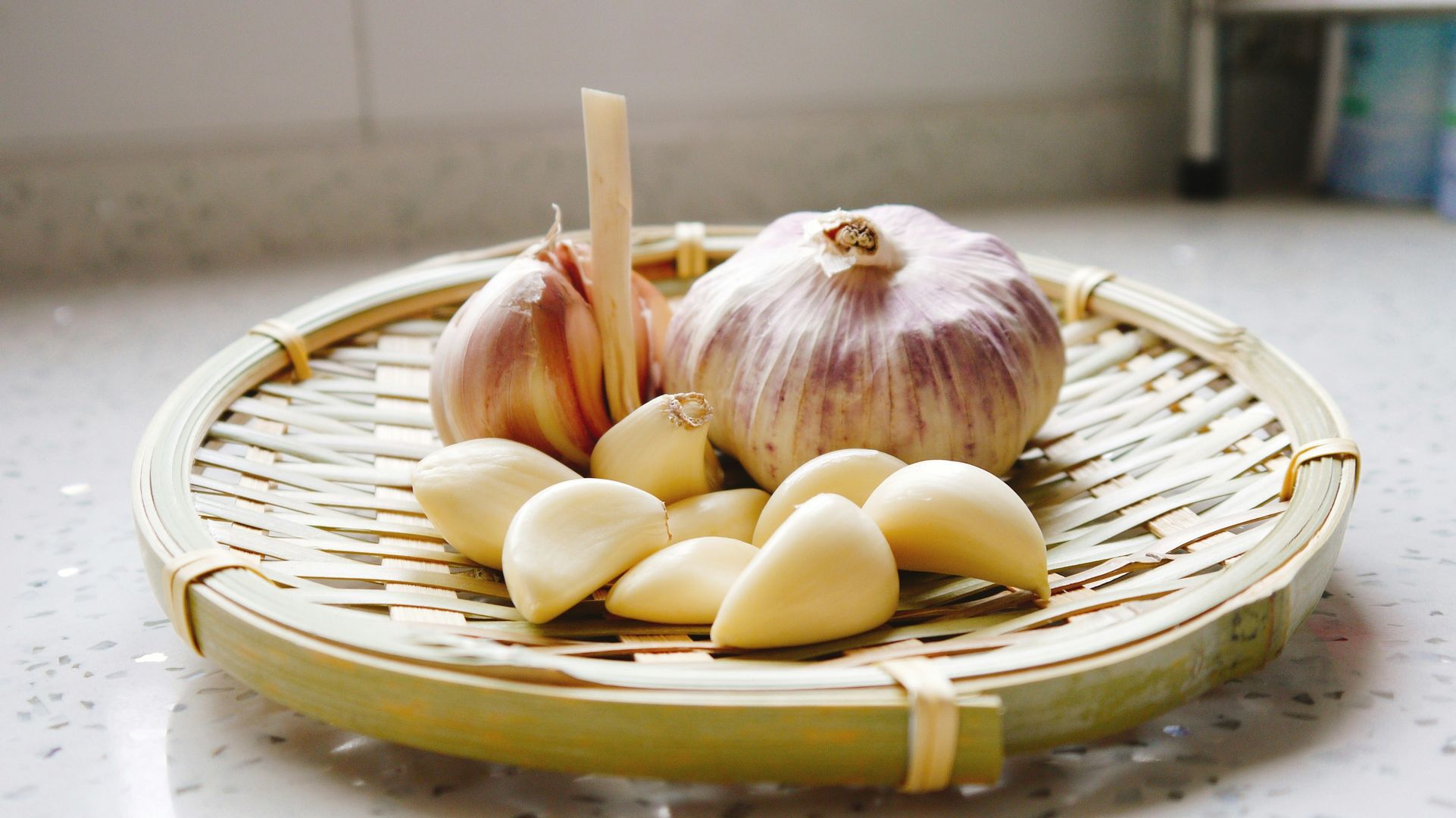
- 2 - 4 bulbs of garlic pureed
- 1 cup of water
- 1 teaspoon mild soap
Puree 2 bulbs of garlic with 1 cup of water and let sit overnight. Staring the garlic out of the water.
Combine garlic-water and soap in spray bottle. Fill the remainder o the bottle with water and shark to mix.
Apply it to your affected plants.
4. Hot Pepper Repellent
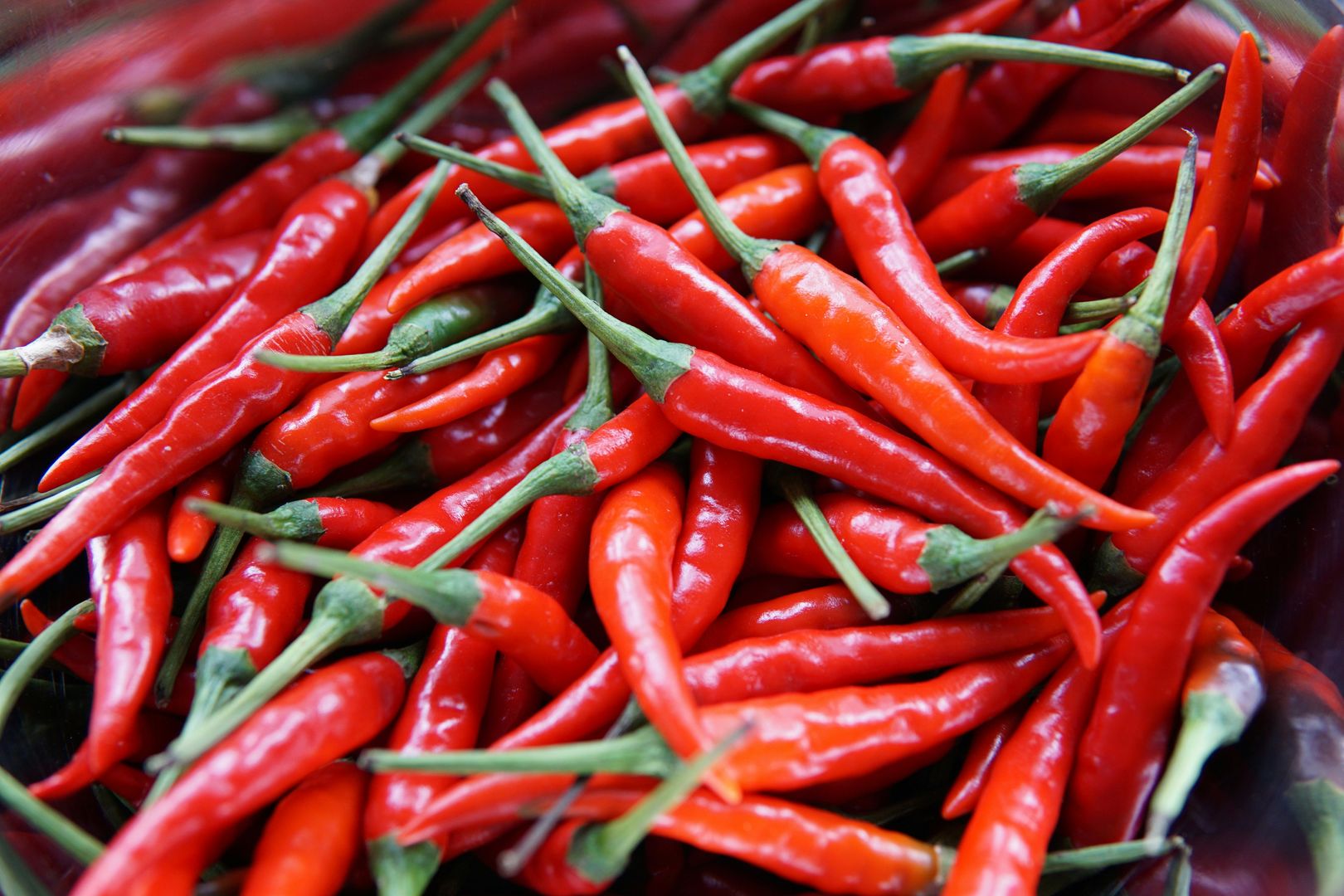
- 1 tablespoon dried chile powder
- 1 quart water
- 1 teaspoon mild soap
Mix ingredients together thoroughly and pour into a clean spray bottle. Spray plants directly anywhere pests are or may become a problem.
An alternative recipe:
- 1/2 cup of chopped peppers pureed in 1 cup water
- 1 quart of water
- 1 teaspoon mild soap
Mix puree into 1 quart of water. Bring to a boil. Let cool & strain.
Pour strained liquid into a spray bottle. Use as directed above.
4 Tips for Using Homemade Pesticide
1) Test First
Always test on one leaf 24 hours before full application to check for phytotoxicity.
2) When to Spray
Apply in the evening to avoid harming beneficial insects and prevent leaf burn from sun.
3) Avoid Overuse
Too high a concentration or too frequent application can damage plant foliage.
4) Filter Hard Water
Test for hard water or consider using distilled water for the mixture, as minerals can reduce the effectiveness of the soap.
You can also use an under the sink filter or water filter pitcher to remove some minerals.
3 Recommended Products for DIY Insecticides
Glass Spray Bottle with Silicone Bottom
- 16 oz multipurpose glass spray bottle
- silicon bottom prevents spills & being knocked over

Dr. Bronner’s Castille Soap

Dr. Bronner's Pure-Castile Liquid Magic Soap Refill - Made with Regenerative Organic Certified Oils, 86% Less Plastic - 18-in-1 Uses for Face, Body Wash, Hand Soap Refill & More - Peppermint, 32oz
Dr. Bronner's
Dr. Bronner's Multipurpose Castile Liquid Soap available in 32 oz and 64 oz
- Safe Pest Control: works by dehydrating insects on contact. Best for aphids, spider mites, flea beetles, and whiteflies
- Biodegradable: Because it is vegetable-based it's safer for the environment than synthetic soaps
- Garden Tool/Pot Cleaner: useful to clean pots and tools without leaving harmful chemical residues
Dawn Dish Soap
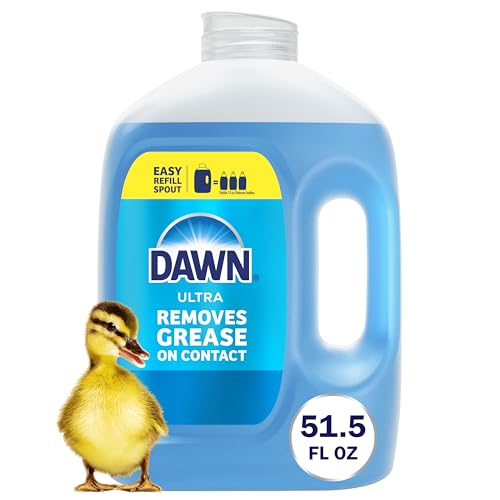
Dawn Ultra Dish Soap Refill Jug, Large Size Original Blue Liquid Dishwashing Detergent, Powerful Dish Soap for Grease, 51.5 oz
Dawn
Bonus: #1 Gardening Recipe - Castile Soap, Turmeric, & Milk Spray
A safe insecticide for home & garden that's great for fungal control, pest repelling, and general plant health.
A must watch video for bird lovers and gardeners who care about pesticides' effects on birds.
What backyard birds do you have ?
Share it on the Sparkbird App! Available in the Apple App Store.

No comments yet.