
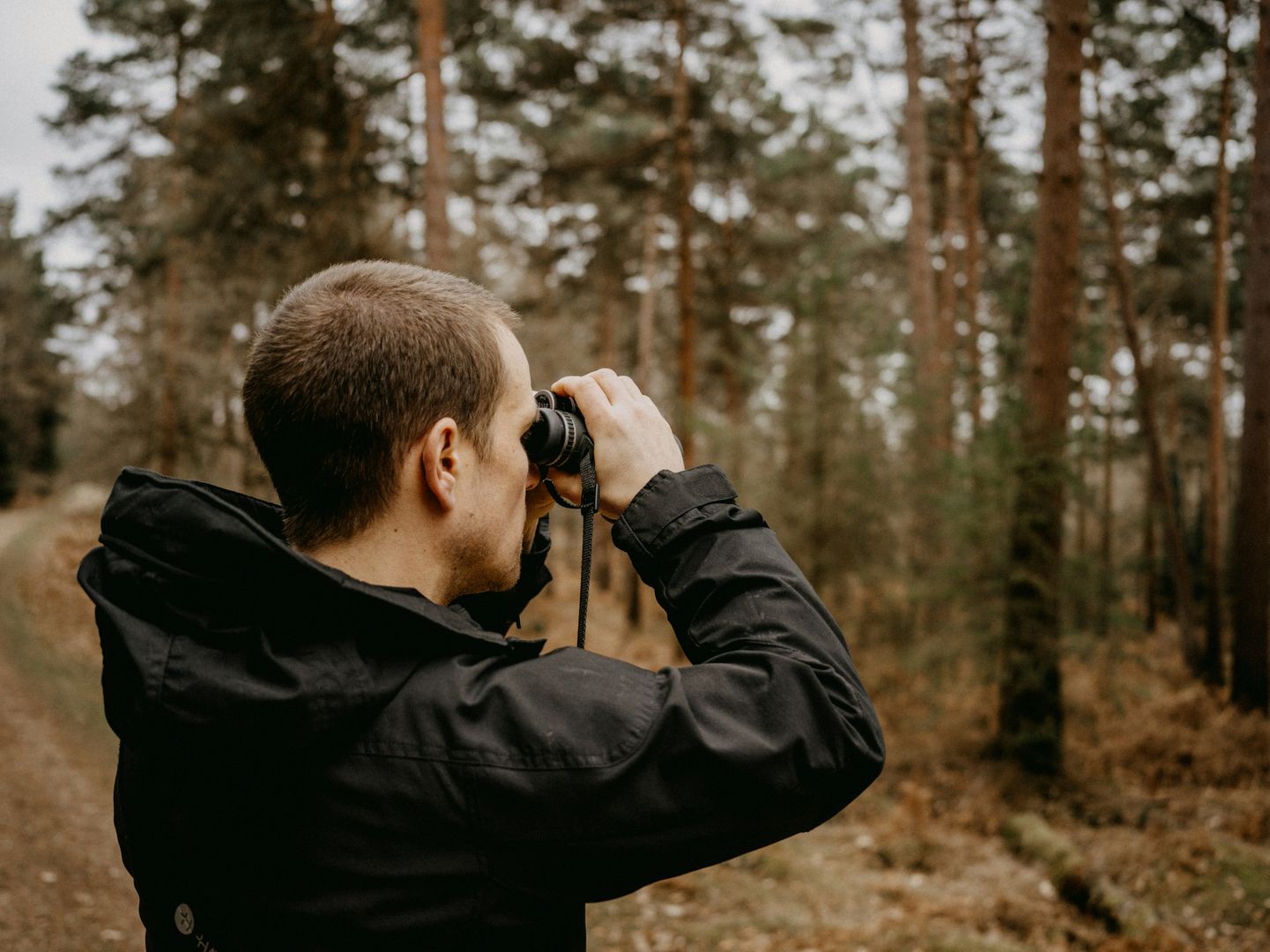
Binoculars are like reading glasses. You don't realize how badly you need them until you're squinting at a blurry brown smudge on a tree and someone next to you says, casually, "oh, that's a painted bunting."
Their binoculars cost $800. Yours cost nothing, because you haven't bought any yet.
There's one thing worth doing to find the best binoculars for your birding adventures, though.
Try Before You Buy
Most local bird clubs bring spare pairs on group outings, and experienced birders are almost aggressively generous about letting you try theirs for a few minutes. Beyond that, libraries across the country are lending binoculars the same way they lend books. No late fees on the warblers.
The reason this matters is that binoculars are surprisingly personal.
The focus wheel placement, the weight in your hands, the eye cup fit: these things differ from person to person in ways no spec sheet can capture.
Trying before you buy often means you'll actually enjoy what you end up with, and knowing exactly what pair a fellow birder is using and hearing them describe it in person beats reading five Amazon reviews.
The 5 Specs That Matter in Budget Binoculars
The binocular market will bury you in acronyms if you let it. Here's what actually matters at the budget end.
Magnification and objective lens size
The numbers in 8x42 tell you everything: 8x is the magnification, 42mm is the diameter of the front lens. Most birders recommend 8x42 as the most versatile size for general birding.
Higher magnification (10x or 12x) sounds tempting until you realize it also magnifies every hand tremor, and the narrower field of view makes tracking a moving bird harder.
Field of view
Measured in feet at 1,000 yards. A wider field of view makes it easier to locate and follow birds, especially in dense cover. Budget models typically offer 300–340 ft, which is fine for most situations.
Close focus distance
Aim for under 6 feet. This matters more than people expect once you're watching butterflies, dragonflies, or that warbler that lands directly in front of you and stares directly into your soul.
Waterproofing
If you're birding outdoors in any meaningful way (morning dew, light rain, marshy trails), waterproofed optics are worth the small premium. Look for "waterproof" rather than "water-resistant" in the product description.
Eye relief
If you wear glasses, look for 15mm of eye relief or more. Less than that and you'll spend every outing re-positioning your face to find the full image.
The Best Budget Binoculars for Birding
All of our picks consider the top 5 specifications for budget binoculars to keep you and your wallet happy.
Best Overall Budget Pick
Opticron Oregon 4 PC Oasis
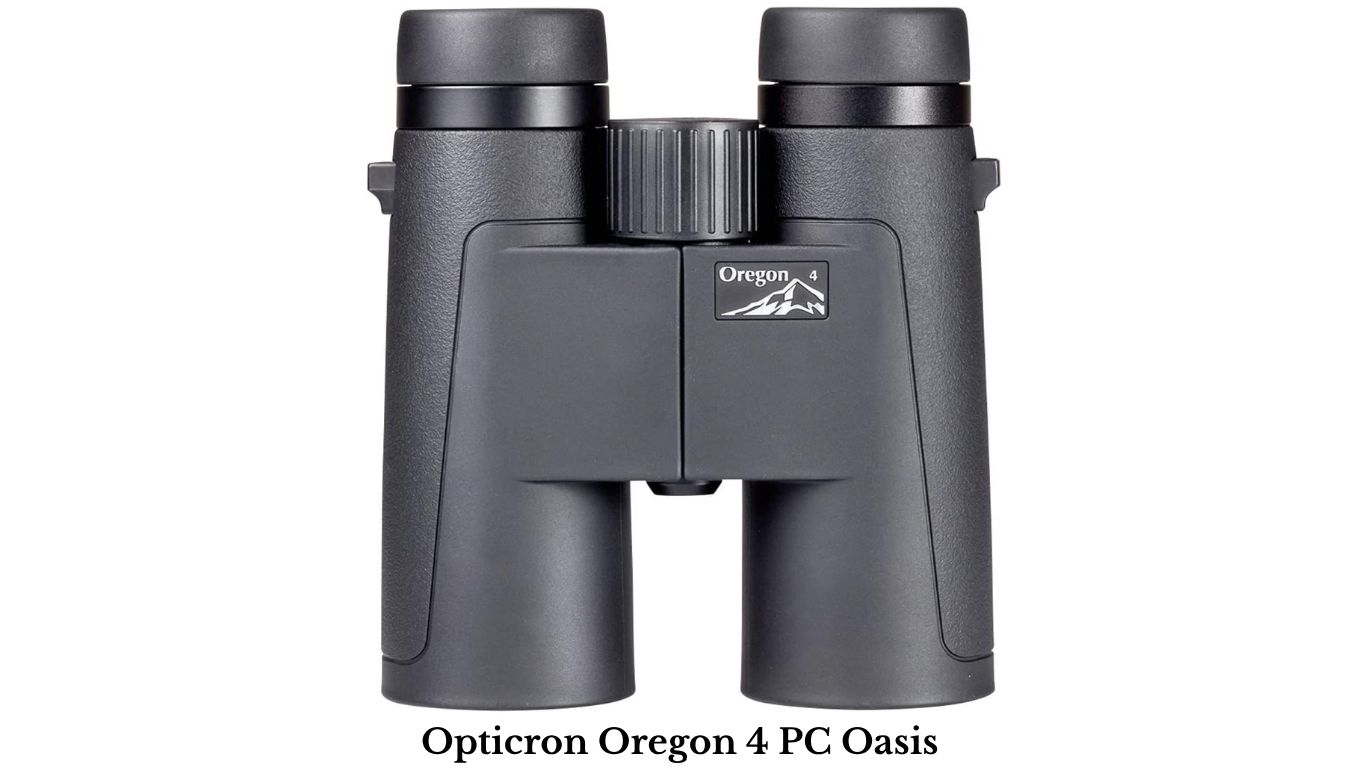
The Cornell Lab of Ornithology tested over 30 pairs of 8x42 binoculars across two price tiers, and the Oregon 4 PC Oasis was the only budget-tier model to land in their overall top picks, competing alongside binoculars costing two and three times as much.
It earns that spot with a sharp image, comfortable ergonomics, and a focus wheel that doesn't feel like you're operating industrial equipment. It sits at the top of the budget range, but given what you get, the price is fair.
Pros
- eye covers & rain guard
- comfortable ergonomics
- waterproof
- case & neck strap
Cons
- a bit heavy
Best Under $200
Celestron Nature DX ED
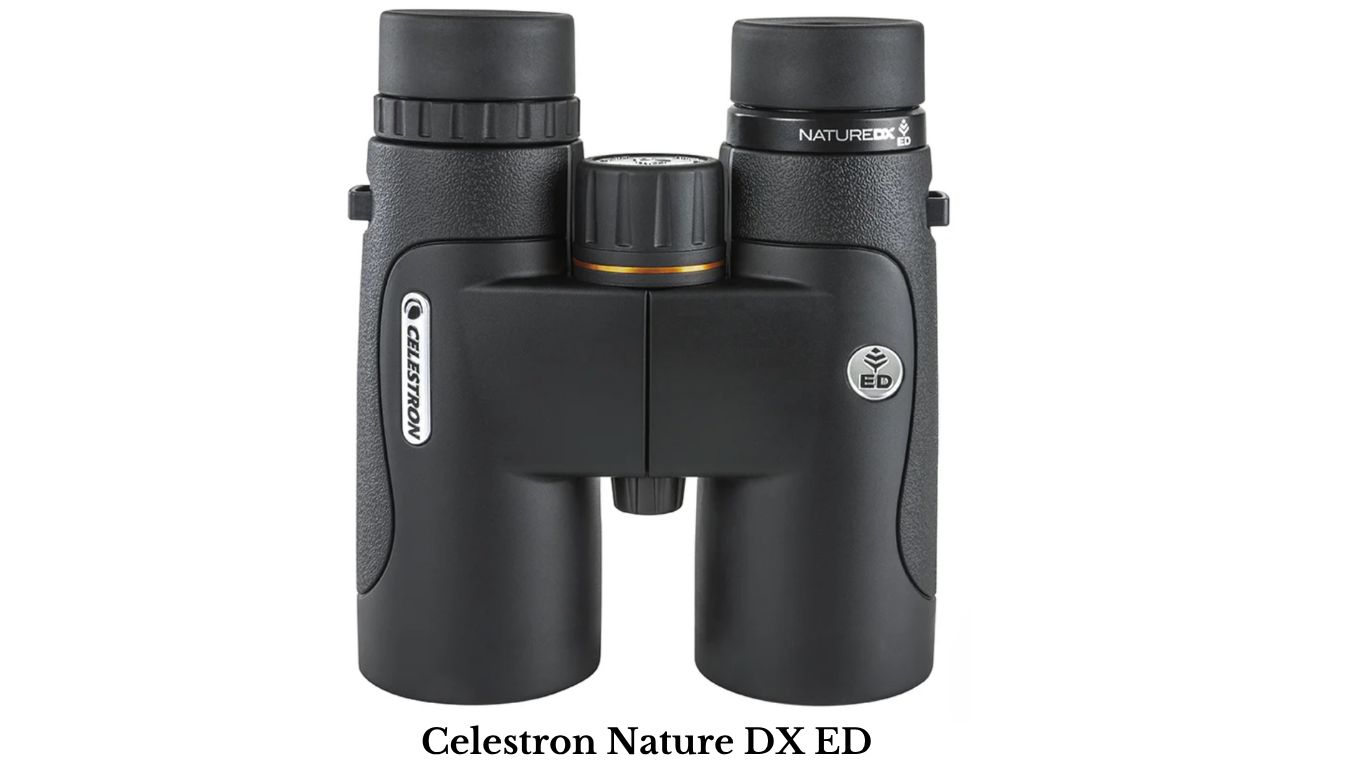
The Nature DX ED punches above its price with extra-low dispersion (ED) glass, which reduces color fringing and produces a noticeably cleaner image than most budget competitors.
It's fully waterproof, nitrogen-purged to prevent internal fogging, and comes with a case and strap that are actually usable.
Pros
- tripod adaptable
- Extra-Low Dispersion (ED) glass
- waterproof
- case & neck strap
Cons
- so-so ergonomics
Best for Peace of Mind
Vortex Crossfire HD
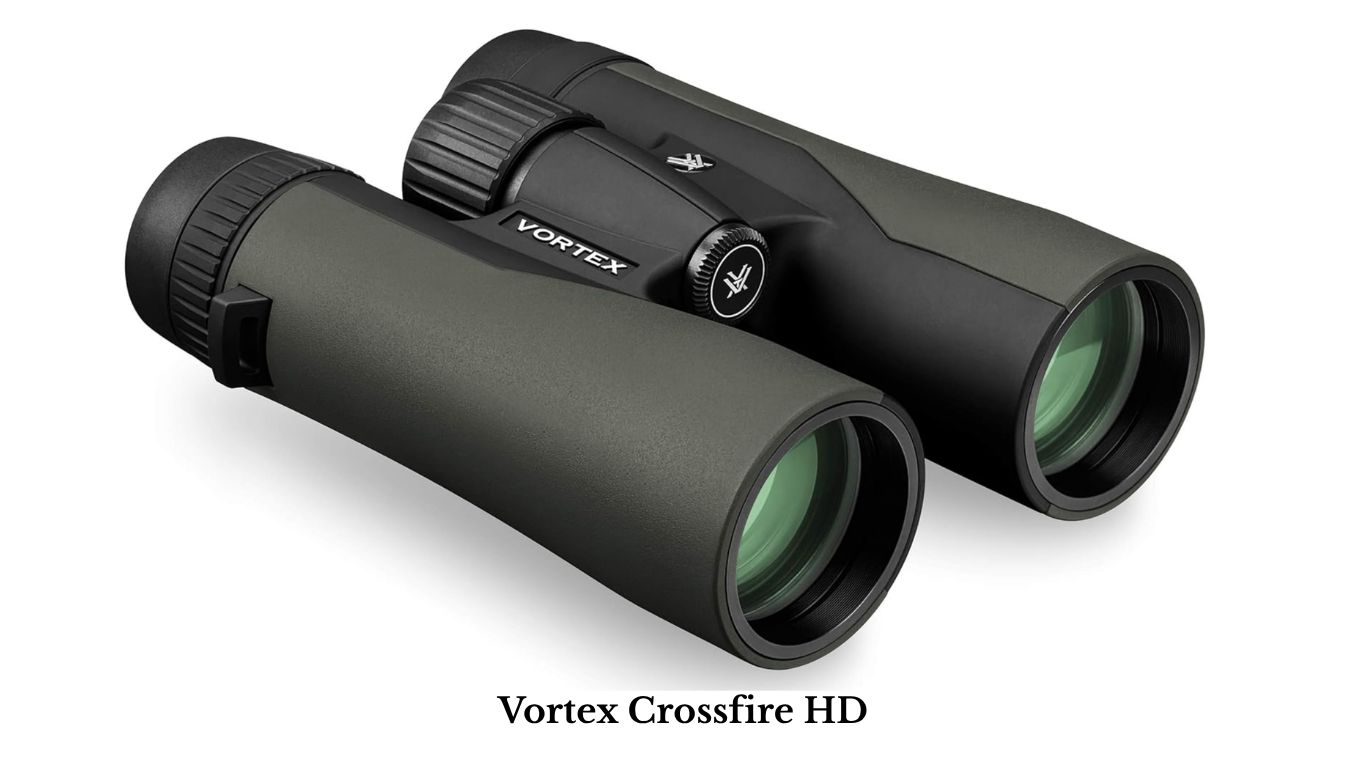
The Crossfire HD is a solid performer among affordable binoculars for bird watching: good image quality, manageable weight, fully waterproof. But the reason it earns a spot on this list is the Vortex VIP warranty. Unconditional. Lifetime. No registration required, no receipts needed, covers accidents.
If anything goes wrong, they fix or replace it, no questions asked. For a beginner who's still working out how not to drop things in the field (we've all been there), that warranty is genuinely meaningful.
Pros
- unbeatable guarantee
- rugged construction
- case & neck strap
Cons
- possible glare at night
Best for Glasses Wearers
Nikon ProStaff P7
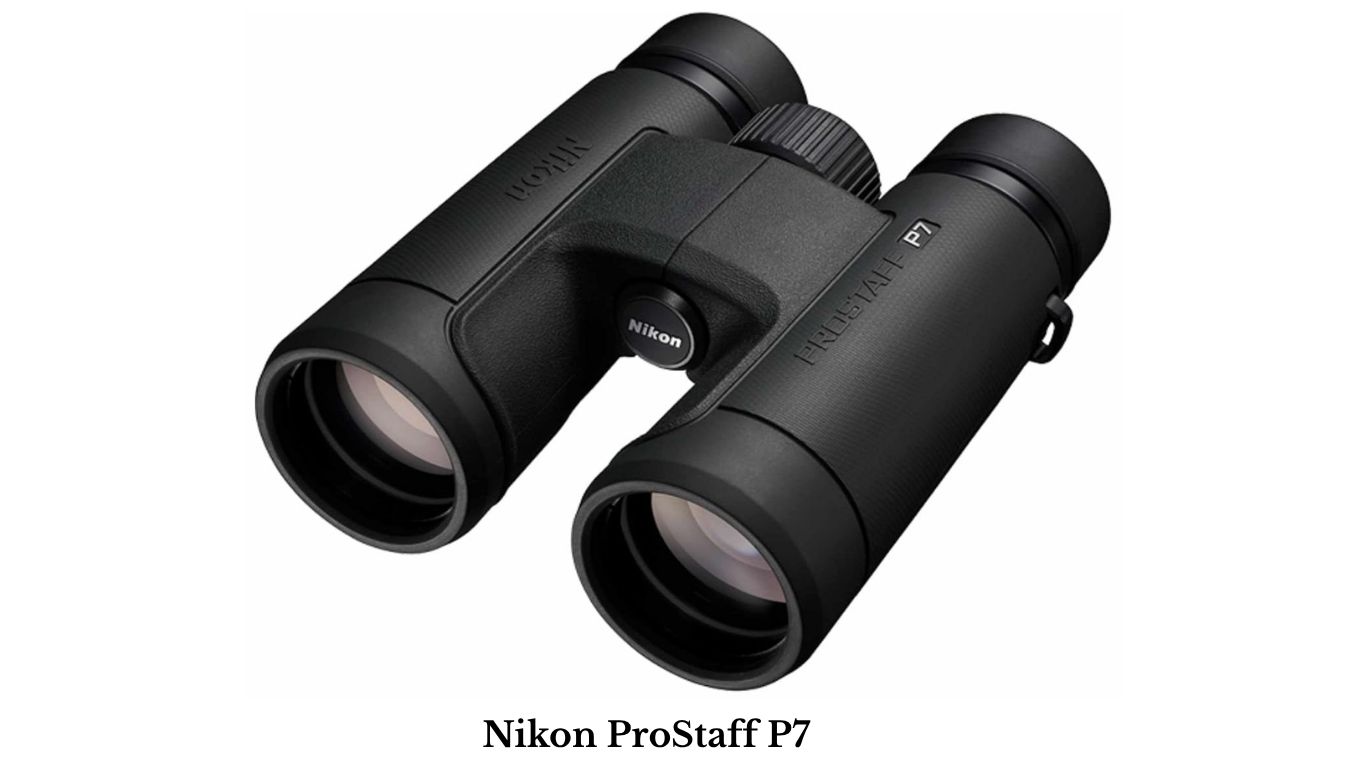
The ProStaff P7 offers 15.4mm of eye relief, making it one of the more practical cheap binoculars for bird watching if you wear glasses. The image is crisp, focusing is fast, and Nikon's build quality has enough of a track record to trust. If you've been burned by eye relief on a previous pair, look here first.
Pros
- Nikon Phase-Correction coating
- good apparent field of view
- case & neck strap
Cons
- lightweight but bulky
Best for Feeder Watching
Nikon ProStaff P3
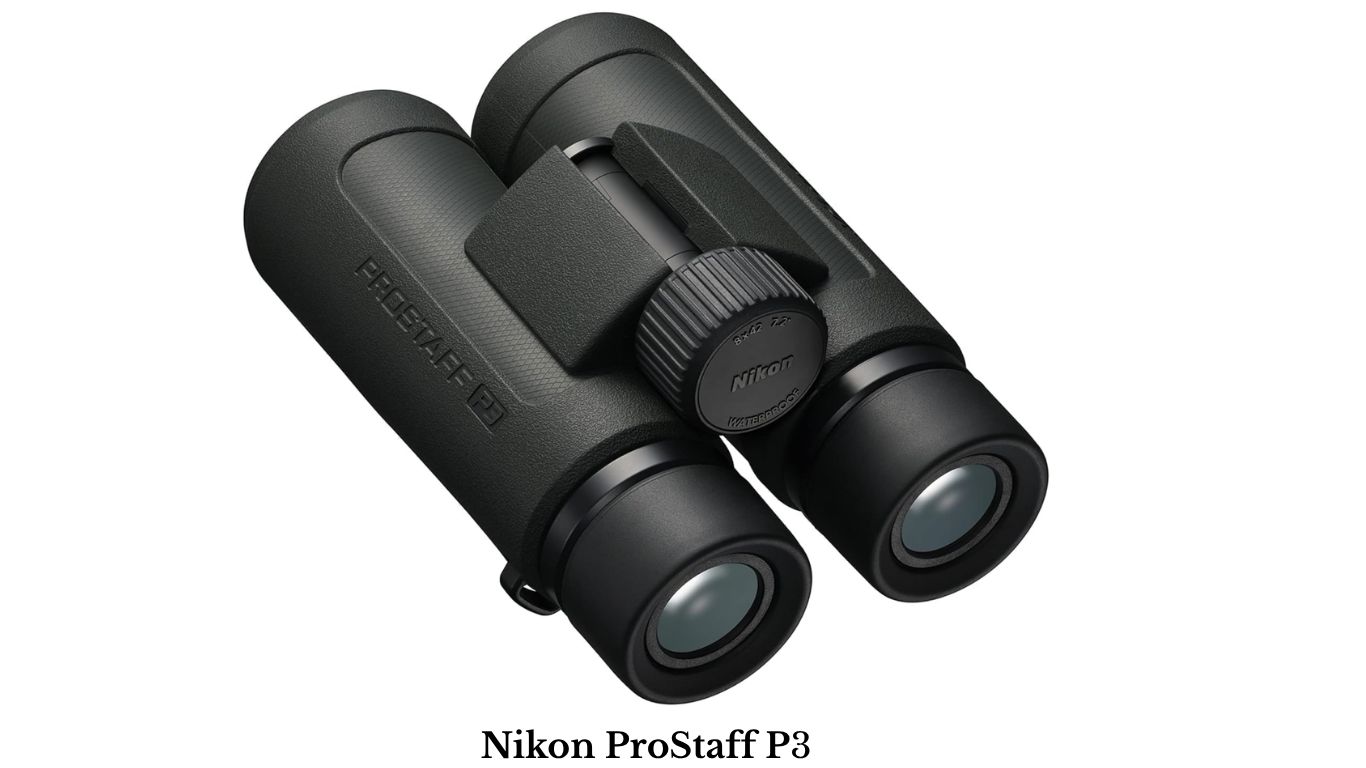
If your birding happens primarily in your backyard in good light, this is genuinely all you need. It's significantly less than the other binoculars on the list and delivers a clean, bright image for feeder birds at medium range.
It won't impress you in low light or at great distances, but paired with a smart bird feeder setup or a well-placed birdhouse, it's entirely sufficient and leaves room in the budget for a field guide.
These are the binoculars for you if 90% of your birding is from a lawn chair with a cup of coffee. Own that lifestyle with confidence.
Pros
- least expensive
- lightweight
- waterproof and fogproof
Cons
- no case or neck strap
Most Compact Lens for Birding
Nocs Provisions Zoom Tube
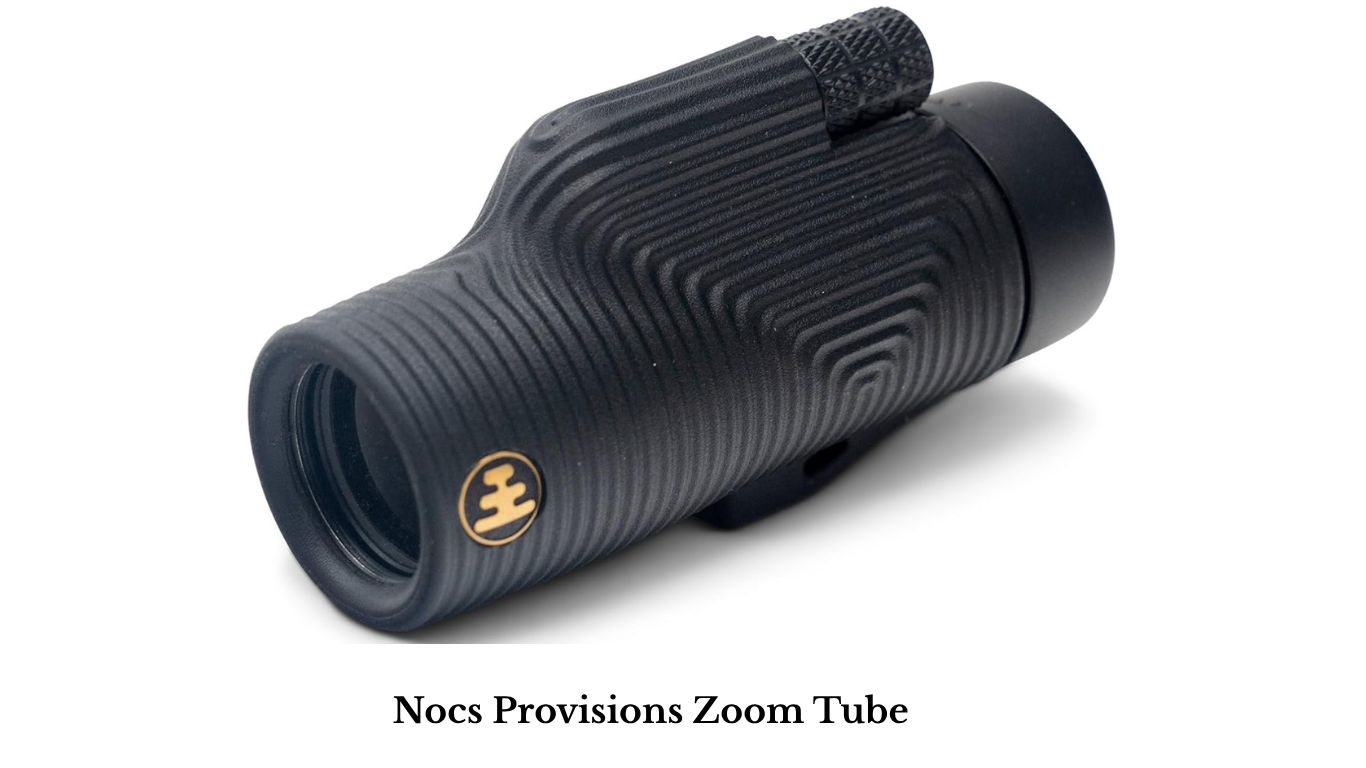
Technically a telescope not binoculars but it's a great compact option! This monocular lens can fit in your pocket, purse, and the palm of your hand. You don't have to sacrifice quality with size. The best compact bird watching lens that packs a punch!
Pros
- solid guarantee
- waterproof
- tripod adapter
- ultra lightweight - only 9.5oz
Cons
- 8x32mm (not 44mm)
When You Should Spend More
Budget binoculars shine in forgiving conditions: feeder birds in good light, medium range, subjects that hold still.
Step into the mid-tier range if you want to go birding in low light, track down fast birds through dense cover, watching shorebirds at long distances, or do any serious hawk-watching. Edge sharpness, focus speed, and low-light performance all improve meaningfully.
The Celestron TrailSeeker ED is worth considering for mid-range birding binoculars; it ranked first overall in the Cornell Lab's head-to-head test.
Don't let anyone talk you into spending more than you're comfortable.
Try some before making the plunge, and maybe start with a cheap pair before you know how much you'll use them.
Maybe that means getting $20 binoculars. They won't be great, but if its for you, who am I to stop you?
Don't Overlook Used Binoculars

A used pair of mid-range binoculars from five or ten years ago will often outperform a new budget pair at the same price. Optics don't degrade meaningfully if they've been stored well, and the used market for birding gear is surprisingly honest. Most birders are meticulous about their equipment.
Check eBay, local Audubon chapter boards, and club classifieds. If you can inspect a pair in person and do a quick test, even better. Used binoculars, maintained well, are perfectly good binoculars.
FAQ
How much should I spend on binoculars for birding as a beginner?
The sweet spot starts around $130 and caps around $220 for genuine optical quality. Anything under $100 tends to compromise noticeably on image quality, build, and durability.
Are cheap binoculars worth it for bird watching?
Cheap binoculars are worth it for feeder watching, casual walks in good light, and beginner birders who are unsure how much they'll use binoculars. They're less worth it if you're regularly birding in low light, at great distances, or tracking fast-moving birds through cluttered cover. For those situations, a mid-range pair is the better long-term investment.
What features should I prioritize in affordable binoculars for bird watching?
8x42 size, waterproofing, a solid manufacturer warranty, close focus distance under 6 feet, and at least 15mm of eye relief if you wear glasses. A wide field of view (330+ feet at 1,000 yards) is a bonus worth looking for. Anything beyond that is a nice-to-have at the budget price point, not a requirement.
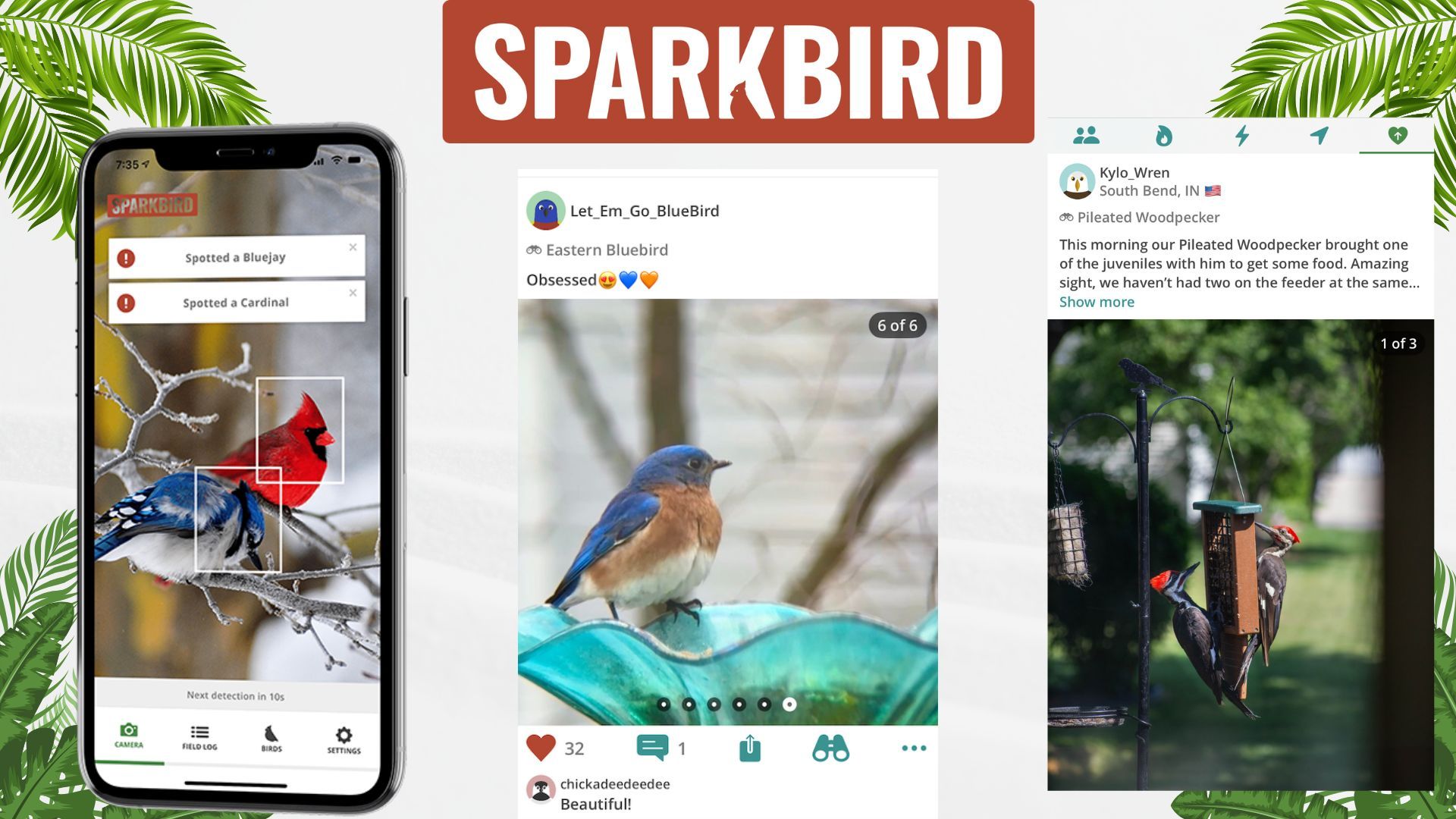
What binoculars do you use?
Tell us on the Sparkbird App. Your fellow birders will thank you!

"The binocular market will bury you in acronyms if you let it" Is this because binoculars herald from military contexts where acronyms are a dime a dozen?