
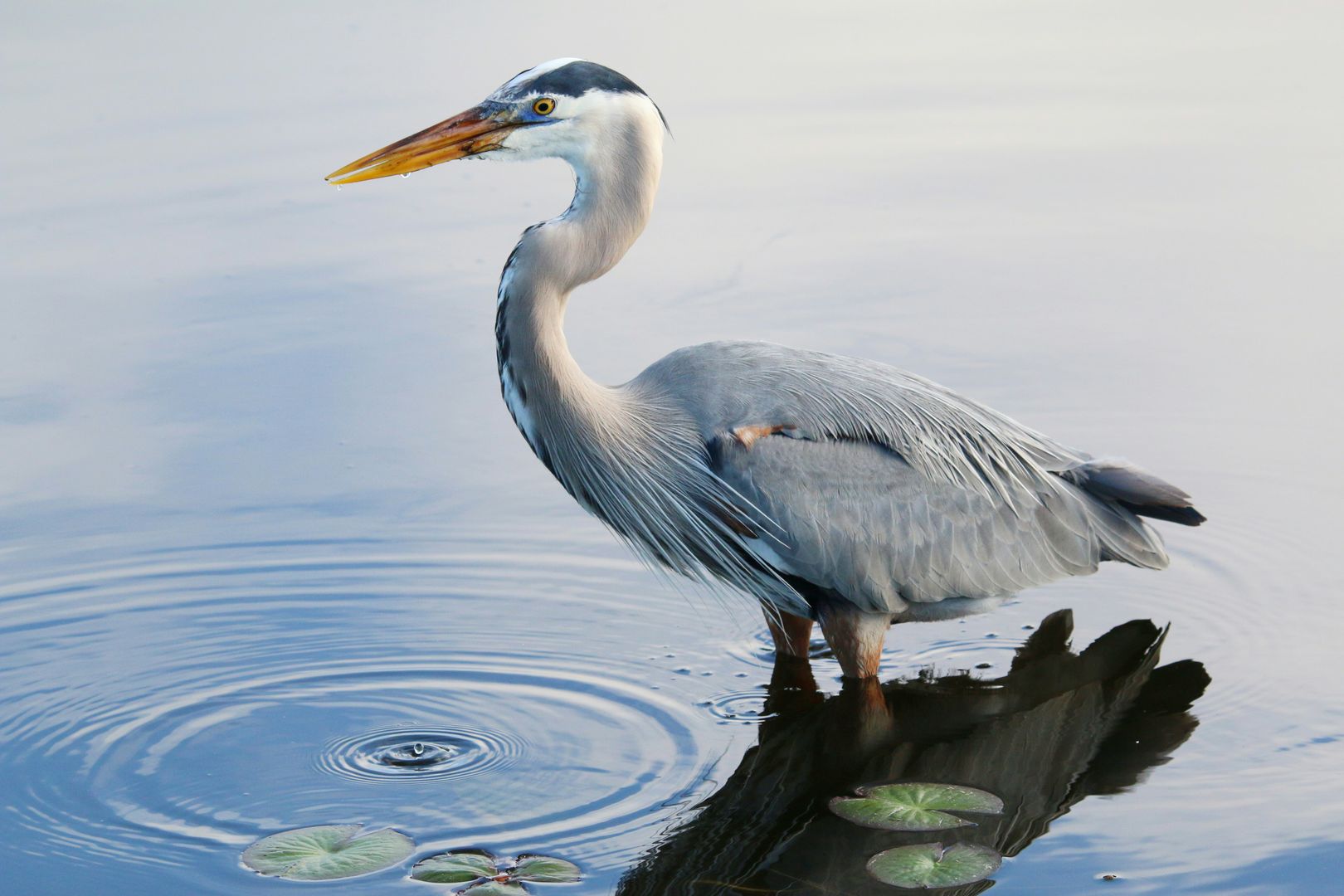
Watching a Great Blue Heron stand motionless is one of those genuinely prehistoric-looking moments in everyday birdwatching.
Perfectly still, neck coiled, waiting.
It's majestic right up until you remember its' six-foot wingspan and absolutely no moral framework for what it's about to eat.
Herons don't typically eat grown ducks. But ducklings are different.
Both the Great Blue Heron and the Grey Heron are documented duckling predators, particularly in spring when newly hatched broods are most vulnerable. If you've been watching a duck family at your local pond and the brood keeps getting smaller, a heron is a likely explanation.
Can Herons Eat Adult Ducks?
It would be a significant undertaking, and most herons won't attempt it.
Think of it as you trying to eat a whole sea bass without chewing. Not gonna happen.
Adult Mallards typically weigh 2 to 3 pounds and can reach 40 to 60 miles per hour in flight. Even a large Great Blue Heron, which tops out at 5 to 8 pounds, would have a genuinely hard time catching, subduing, and swallowing a full-grown duck.
Herons swallow their prey whole. They can't tear it apart the way a raptor would, which means size constraints are real and relevant.
That said, "typically won't" isn't "definitely never." The National Wildlife Federation has documented encounters between herons and adult ducks, and some result in serious attempts by the heron. The duck usually wins. Usually.
Do Herons Eat Ducklings?
Yup.
Ducklings are a completely different proposition from adult ducks. Newly hatched ducklings are small, slow, and spending their first weeks of life on open water with minimal cover. For a Great Blue Heron, a duckling is an appropriately sized, catchable meal.
Both the Great Blue Heron and the Grey Heron are known to target ducklings, particularly in spring during peak hatching season. Research on Grey Heron diet composition in the UK has found ducklings appearing consistently in their prey records between March and June, when broods are most abundant. It isn't incidental — in years and locations where ducklings are numerous, herons take advantage of that abundance.
This is worth knowing if you're tracking a duck family through the breeding season. Mallards typically hatch 8 to 12 eggs, and it's not unusual for fewer than half the ducklings to survive to independence. Predation from herons, snapping turtles, large fish, raccoons, and birds of prey all contribute to that attrition. Ducks Unlimited's research on waterfowl nesting ecology confirms that high early mortality is the expected baseline, not an anomaly.
Which Heron Species Are Most Likely to Hunt Ducklings?
The Great Blue Heron
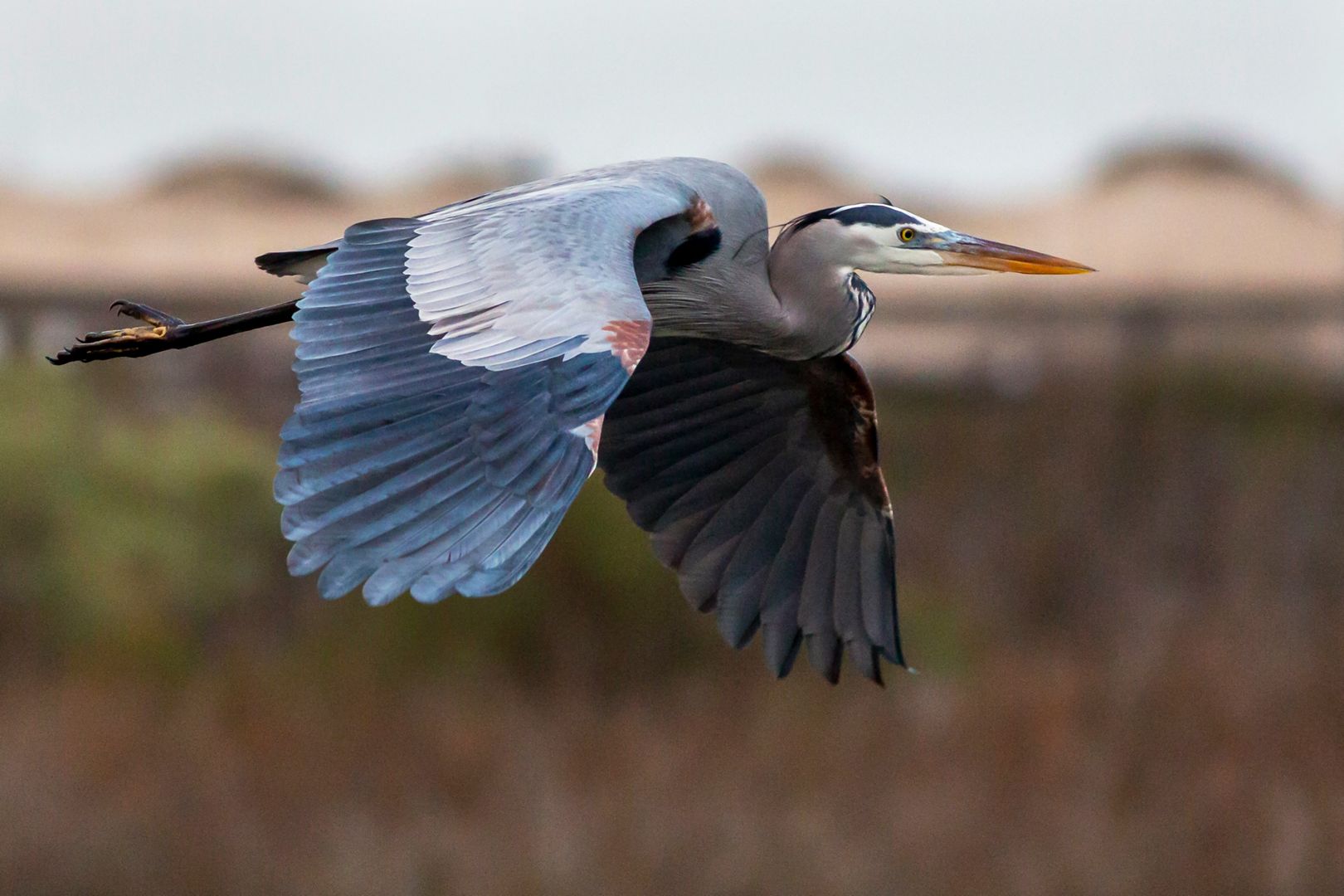
The species most North American birders will encounter. It's the largest heron in the Americas, standing up to 4.5 feet tall with a wingspan reaching 6.6 feet. Its diet is primarily fish, but they're opportunistic enough to incorporate ducklings, voles, snakes, frogs, and small mammals when fish are scarce or when easier prey is available.
In some inland populations with limited fish access, non-fish prey makes up a substantial share of the diet.
The Grey Heron
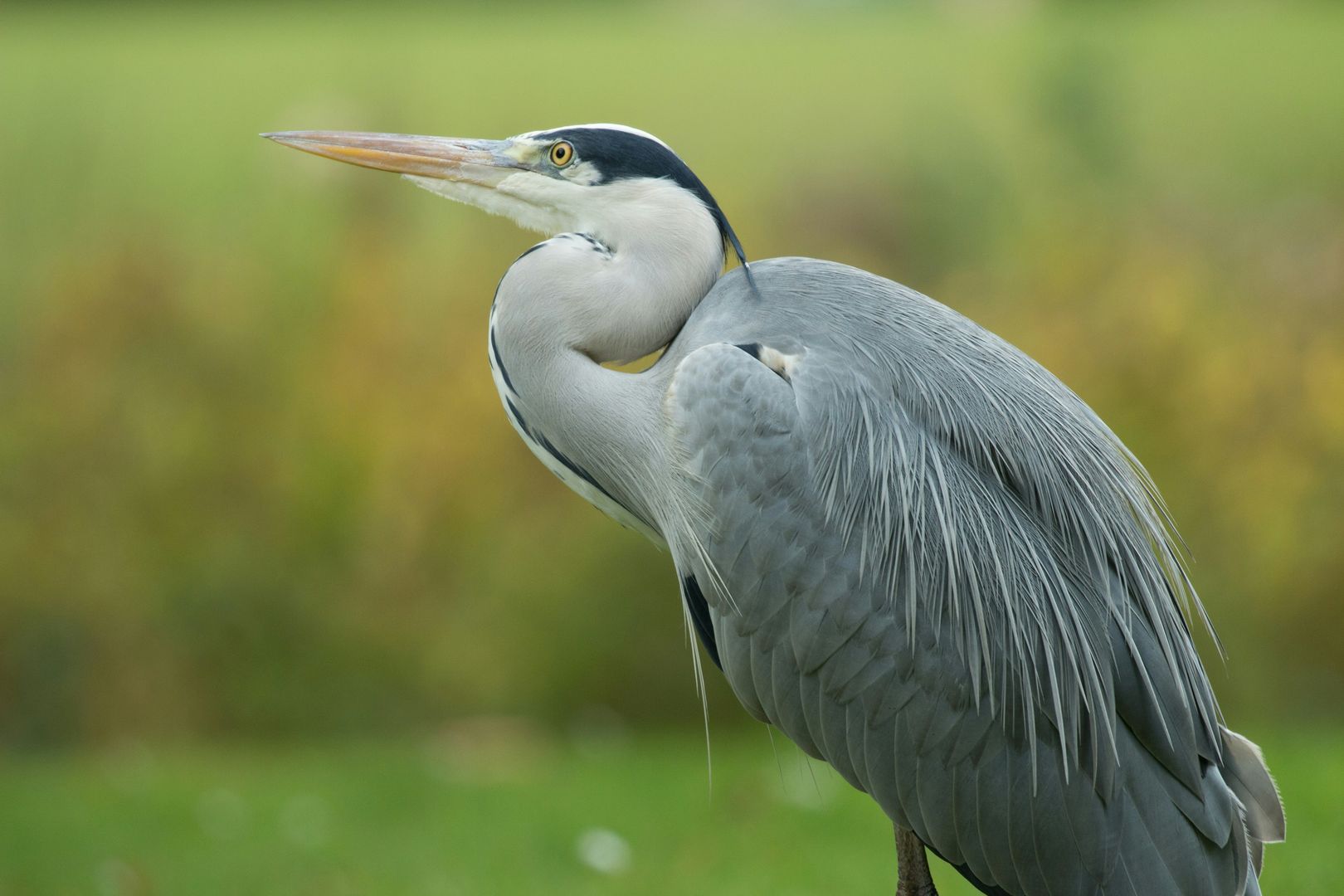
The ecological equivalent across Europe and Asia, is similarly documented as a duckling predator. Studies on Grey Heron populations in Nova Scotia found fish accounting for roughly 95% of diet composition, with small birds, including ducklings, filling much of the remaining percentage.
The Green Heron
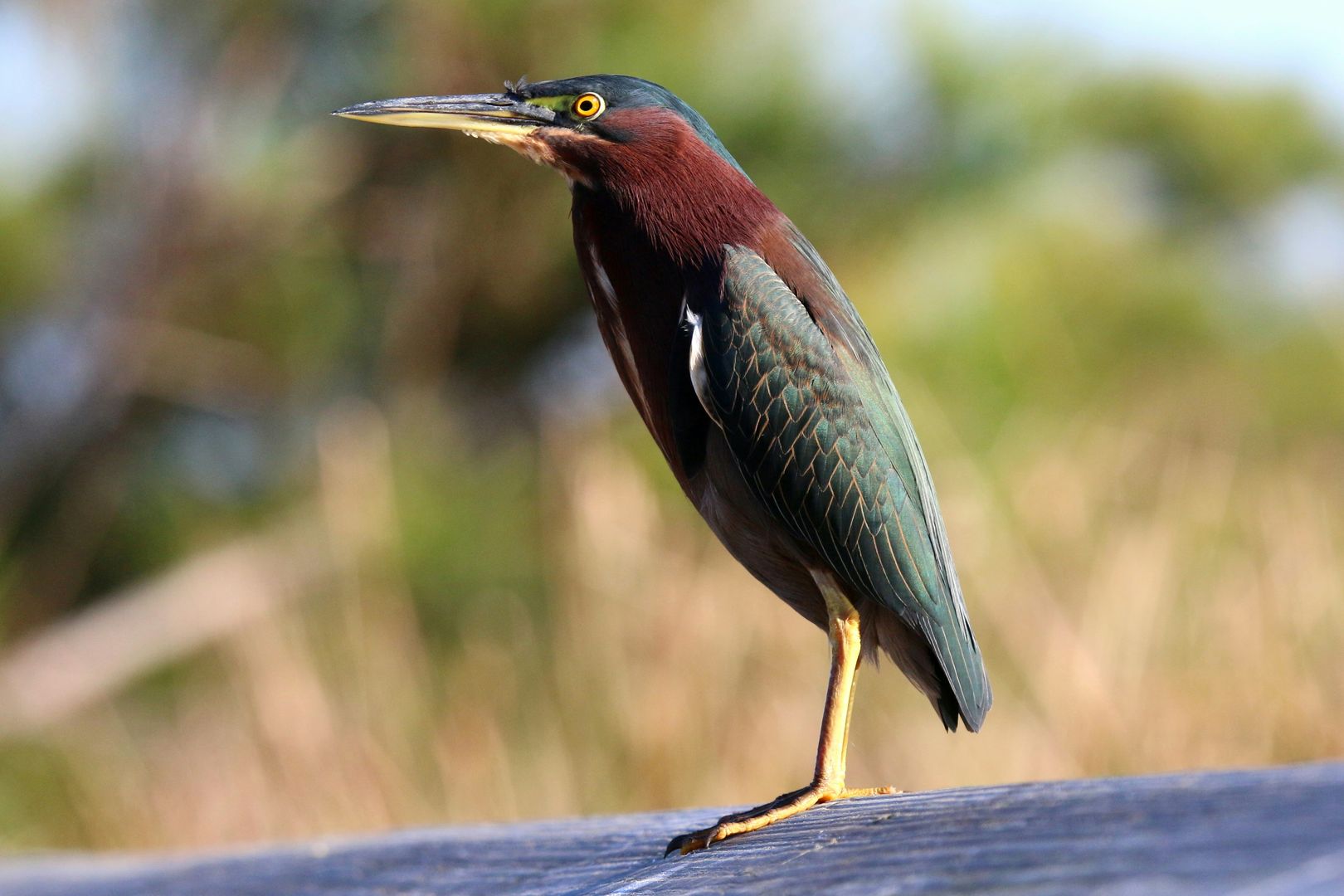
The short king of herons, and is less of a duckling threat, but worth knowing about for a different reason: it's one of very few bird species observed using lure fishing, placing small objects in water to attract fish to the surface before striking.
That puts it in an interesting category for anyone tracking cognitive behavior in birds.
If you want to log what heron species you're encountering at a specific wetland over time, the Sparkbird app is designed for exactly that kind of ongoing field documentation.
How Herons Hunt
The classic Great Blue Heron technique is one of the more impressive things you can watch in everyday birdwatching, mostly because it looks so inactive until it isn't.
The heron identifies a shallow hunting spot, becomes completely still, and waits. Sometimes for 20 minutes. When prey moves within range — a fish, a frog, a duckling swimming too far from its mother — the heron's coiled neck uncoils in a strike that takes less than a second.
It's the bird equivalent of that scene in Jaws where you've been watching calm water for a long time and then suddenly you're not.
Herons also use their environment strategically. They position themselves near reeds and muddy banks where their plumage blends into the background, hunt most actively at dawn and dusk when prey is moving and visibility is lower, and have been documented returning to the same productive hunting spots day after day.
Some observers have noted herons using slight movements of their wings to create shade on the water's surface, reducing glare to see prey more clearly. This technique is also observed in Black Herons and some egrets.
How Ducks Defend Against Herons
Ducks aren't entirely passive in this dynamic.
Adult ducks will dive or take flight when a heron approaches. Mother ducks guide broods toward denser emergent vegetation near shore when predator pressure is high. Ducks also use distinct alarm calls to signal danger to the brood and to other ducks in the area.
The structural challenge is that ducklings can't fly for the first 50 to 60 days of their lives. A brood crossing open water during that window is exactly the scenario a heron is looking for. The birds that survive that period tend to be the ones raised by mothers that made better nesting site choices, stayed near cover, and kept the brood moving. Natural selection working in real time, if you watch long enough.
Some research also suggests female Mallards select nest locations based on local predator activity from previous seasons, meaning experience matters in the equation. First-time nesters lose more ducklings.
Should You Try to Protect Ducklings from Herons?
Here's where the answer might disappoint you: generally, no. Heron predation is a normal part of wetland ecology.
Queue "Circle of Life" from The Lion King.
It's uncomfortable to witness, but duck populations are adapted to high early mortality rates through large clutch sizes and multiple nesting attempts per season.
The point is predators are alarming to watch. They're also doing exactly what they're supposed to do. The ecology of your local pond is not broken. The heron is just the heron.
Frequently Asked Questions
Can herons kill adult ducks?
A full-grown Mallard is generally too large for a heron to eat, though documented confrontations exist. Herons target smaller duck species and vulnerable juveniles far more readily.
What are other predators that eat ducks?
Common duck predators include snapping turtles, large freshwater fish like pike and largemouth bass, foxes, raccoons, mink, coyotes, and raptors including Red-Tailed Hawks and Bald Eagles. Eggs and ducklings face a broader range of predators than adult birds do.
Tracking a duck family as ducklings hatch?
The Sparkbird community connects you with birders doing the same thing!
And if you show up one morning and the heron is there and the ducklings are not...that's just the pond.
The heron was doing its job.

No comments yet.