
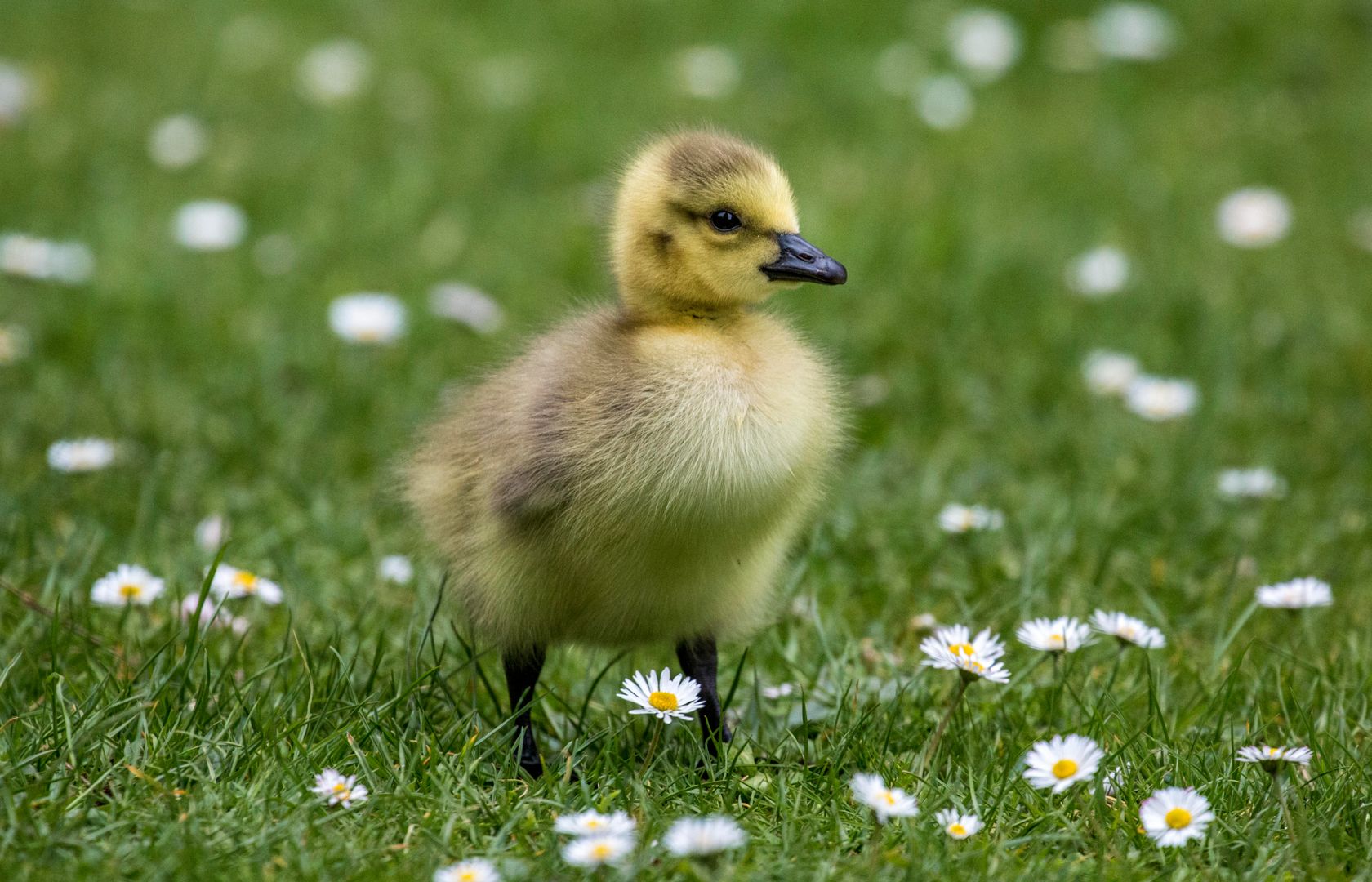
Watching a duck nest is one of those experiences that starts as a casual "oh, how cute" moment and becomes a 2 week long investment. Suddenly you're checking the nest before your morning coffee and feeling personally offended if nothing has happened yet.
No? Just me? Moving on.
The short answer is, on average, 28 days.
Muscovy duck eggs take longer, around 35 days, and bantam breeds like Call ducks come in faster at about 26 days. Once hatching begins, expect another 24 to 48 hours from the first pip before a duckling appears.
Duck Egg Incubation Period by Breed
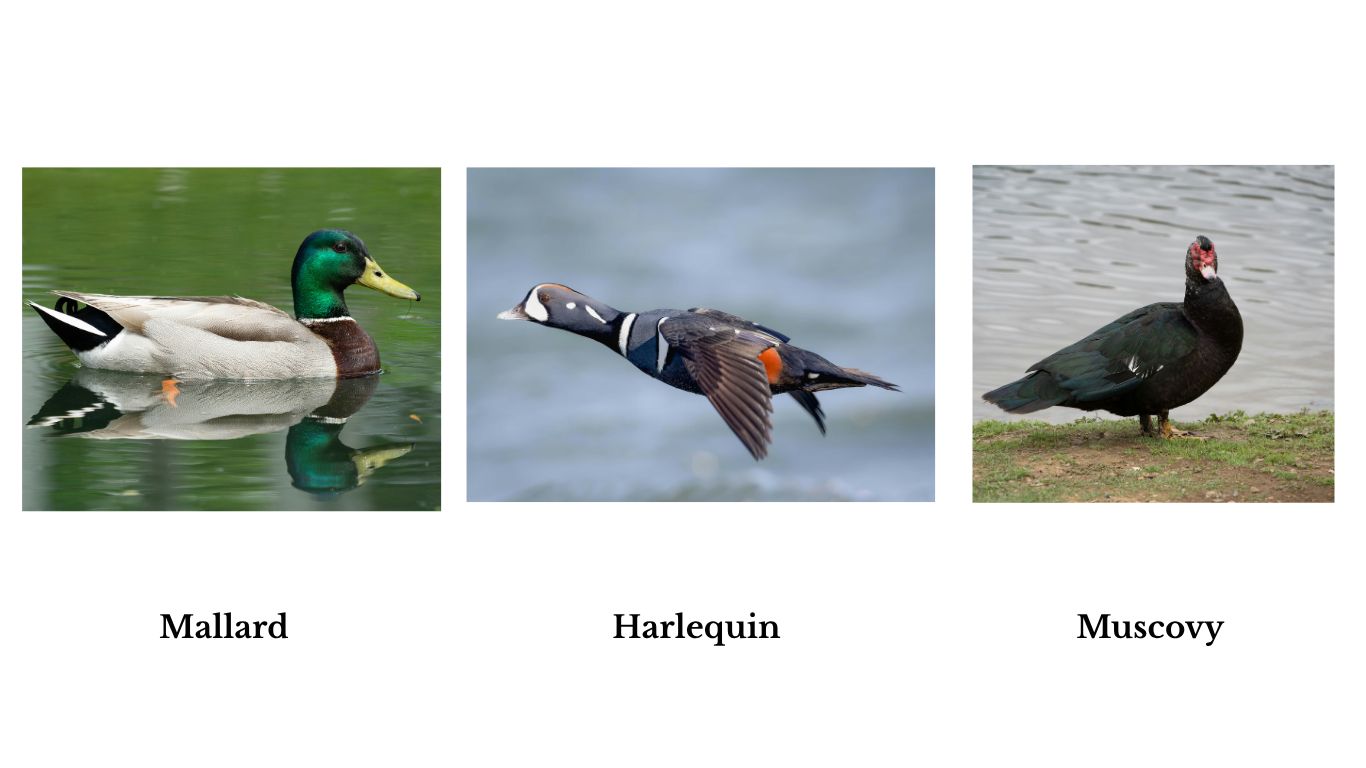
The 28-day rule holds for the vast majority of domestic and wild ducks, including Mallards, Pekins, Khaki Campbells, Welsh Harlequins, and most species you'd encounter at a park or pond. These are all mallard-derived breeds, and they've held onto that 28-day timeline regardless of how far removed they are from their wild ancestors.
There are two main exceptions worth knowing.
Muscovy ducks take about 35 days. Muscovies are technically a separate waterfowl species from other ducks. Their longer incubation period reflects that genetic distinction. If you're watching what you think is a standard duck nest and it's been over 28 days with no action, it might be a Muscovy.
Bantam breeds, particularly Call ducks and Black East Indies, hatch in as few as 26 days. They're smaller birds with proportionally smaller eggs, and they tend to wrap up the whole process a couple of days ahead of schedule.
Mixed-breed eggs generally stick to 28 days.
Natural Incubation vs. Incubator: Does It Change When Duck Eggs Hatch?
Not significantly in terms of timing, but it does change what can go wrong.
A broody duck sitting on her own eggs maintains temperature and humidity instinctively. She turns the eggs regularly, takes brief breaks to eat and drink, and does the whole job without a manual.
Muscovies are particularly committed sitters and can cover 12 to 15 eggs at a time. Wild Mallards are famously dedicated, sitting through rain, disturbance, and the occasional very curious dog.
Incubators require more active management
The ideal duck egg incubation temperature in a forced-air incubator is 99.5°F (37.5°C), with humidity at 55 to 60% for the first 25 days, then raised to 70 to 75% during the final lockdown period. Even small temperature swings can affect the outcome. Running consistently cool, say at 98°F throughout, can push hatch day to day 29 or 30. Running too warm increases the risk of developmental problems.
If you're incubating eggs yourself and they haven't hatched by day 28, check your temperature logs before assuming something has gone wrong.
More often than not, the eggs are fine and just running a day behind.
How to Tell If Duck Eggs Are Developing: Egg Candling
Candling is the practice of holding a bright light up to an egg in a darkened room to see what's developing inside. It's been done since the days of actual candles, which means it's one of those rare instances where the historical name is also the most accurate description.
Duck eggs have darker shells than chicken eggs, which makes candling trickier, but the technique still works. Here's what to look for at each stage of the duck egg incubation period:
- Day 7: A small dark spot with veins radiating outward, like a spider web. No visible veins suggests the egg isn't fertile.
- Day 14: A larger dark mass with pronounced veins. You may see movement if you hold the egg still long enough.
- Day 21: The egg appears mostly dark, with only the air cell visible at the wide end.
Clear eggs, the ones that look completely transparent with no internal development, can be removed. If you're watching a wild nest, candling isn't an option and handling wild eggs isn't something you should be doing anyway, which brings us to the next section.
From First Pip to Duckling: The Hatching Process
Here's where patience becomes non-negotiable.
The hatching process starts with an internal pip: the duckling breaks into the air cell inside the egg using a temporary egg tooth. You can't see this from the outside, but you may hear faint peeping coming from the egg. That sound is the duckling communicating with its siblings, synchronizing hatching times.
The external pip follows: a small crack or hole appears in the shell. This is the exciting part. It's also the part where the instinct to help kicks in, and where you need to resist that instinct firmly.
A duckling pulled out before it's ready often has an unabsorbed yolk sac, weak legs, or developmental issues it would have cleared on its own given more time.
From external pip to a fully hatched duckling can take 24 to 48 hours. Sometimes longer.
The duckling needs that time to rest, absorb the remaining yolk sac, and build the strength to zip, which is the process of slowly rotating inside the egg and cracking it open in a ring. Intervening early, even when it looks like the duckling is struggling, almost always does more harm than good.
The one exception: if a duckling has pipped externally and there's been no visible progress for 48 hours, and the membrane visible around the pip has dried and turned brown, that suggests a humidity problem.
In that specific scenario, careful & minimal intervention may be appropriate. Talk to a licensed wildlife rehabilitator or avian vet before attempting anything.
What Not to Do While Waiting for Duck Eggs to Hatch
Found a wild duck nest?
Watch from a respectful distance. Approaching the nest, touching the eggs, or attempting to move any part of it can cause permanent damage.
Ducks leave their nests regularly to eat and drink, sometimes for hours at a stretch, and what reads as abandonment is very often just a normal break. A hen that's disturbed too many times may genuinely abandon her nest, which means your well-meaning welfare check can cause the problem you were trying to prevent.
If you're confident a nest has truly been abandoned and you want to help, contact a licensed wildlife rehabilitator. Moving and incubating wild duck eggs without proper permits is illegal in most of North America under the Migratory Bird Treaty Act.
The Cornell Lab of Ornithology has clear guidance on when and how to respond to nests you encounter in the wild, and it's worth reading before you do anything.
Joining a local birding group can connect you with experienced watchers who've seen the whole process play out more times than they can count.
FAQ
Can a chicken hen hatch duck eggs?
Yes, and it works reasonably well for most standard duck breeds. Chickens will sit on and hatch duck eggs without issue.
The exception is Muscovy eggs, which take 35 days. Most broody hens give up around day 21, so Muscovy eggs usually need an incubator or a dedicated Muscovy hen to see the process through.
Do duck eggs need to be turned?
Yes. Eggs should be turned 3 to 5 times daily from day 1 until day 25, when turning stops and lockdown begins. Most modern incubators handle this automatically.
Worried your ducklings are struggling?
Tracking a wild duck nest and want to log what you're observing in the Sparkbird app.
The ducklings are almost certainly in there, working on it, unbothered by your schedule.

No comments yet.