
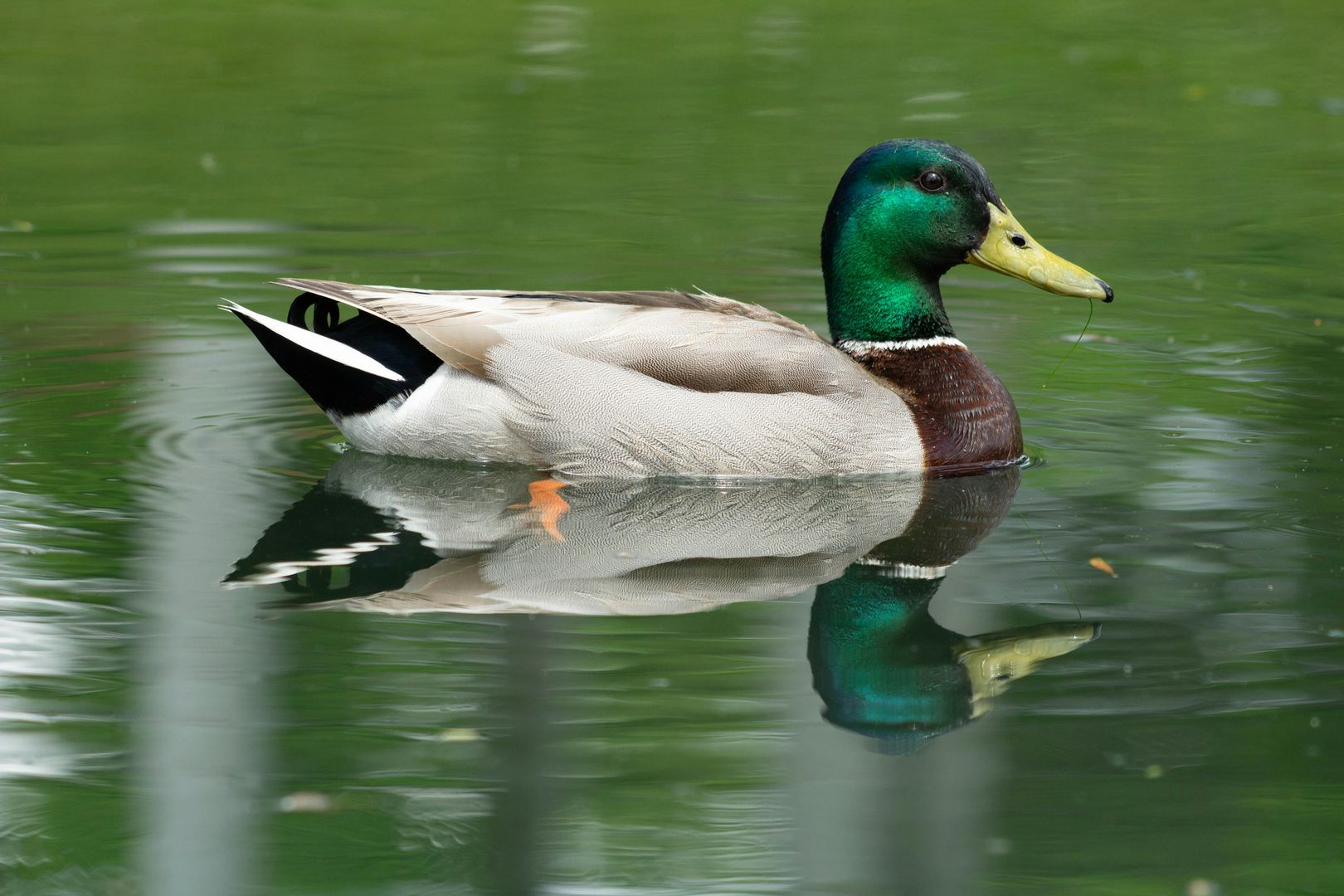
Most people who feed ducks bring bread.
It's convenient, the ducks accept it readily, and the tradition has about a hundred years of momentum behind it.
But enthusiasm for a food is not the same as what's healthy, and it turns out that what ducks can eat is quite different from what they'll accept.
The correct amount of bread to feed a duck?
None.
Can Ducks Eat Bread?
No. They'll eat it. They'll eat it with apparent enthusiasm. That enthusiasm is not evidence of wisdom.
Bread is essentially empty carbohydrates. It provides no meaningful protein, no vitamins, no minerals worth noting, and no fiber. Ducks that fill up on bread skip the natural foods they actually need. When this happens consistently, the nutritional deficit becomes real.
The most serious documented consequence is angel wing: a developmental deformity where a duck's wings grow incorrectly, causing the flight feathers to point outward from the body instead of lying flat against it. It's caused by an unnaturally high-calorie, low-nutrient diet during the growth phase, which is basically a diet heavy in bread. In most cases angel wing is permanent and can leave a duck flightless.
There's also the environmental problem. Uneaten bread in and around a pond attracts rats, promotes algae blooms, and degrades water quality for the whole pond community, not just the ducks. Moldy bread can cause illness directly.
Bread is nutritionally poor for birds. It causes malnutrition and, in young ducks, possible developmental harm. No bread, ever, under any circumstances.
What Do Ducks Eat in the Wild?
Wild mallards, the duck you almost certainly see at any park pond, are omnivores and opportunists. Their diets are seasonal. In warmer months they eat aquatic invertebrates: fly larvae, snails, freshwater shrimp, midges. In winter, their diet shifts to seeds, acorns, aquatic vegetation, corn, rice, and natural wheat.
he foods you offer them should reflect that logic: things that are reasonably close to what they'd find on their own, in portions that supplement rather than replace natural foraging.
8 Foods Ducks Can Actually Eat
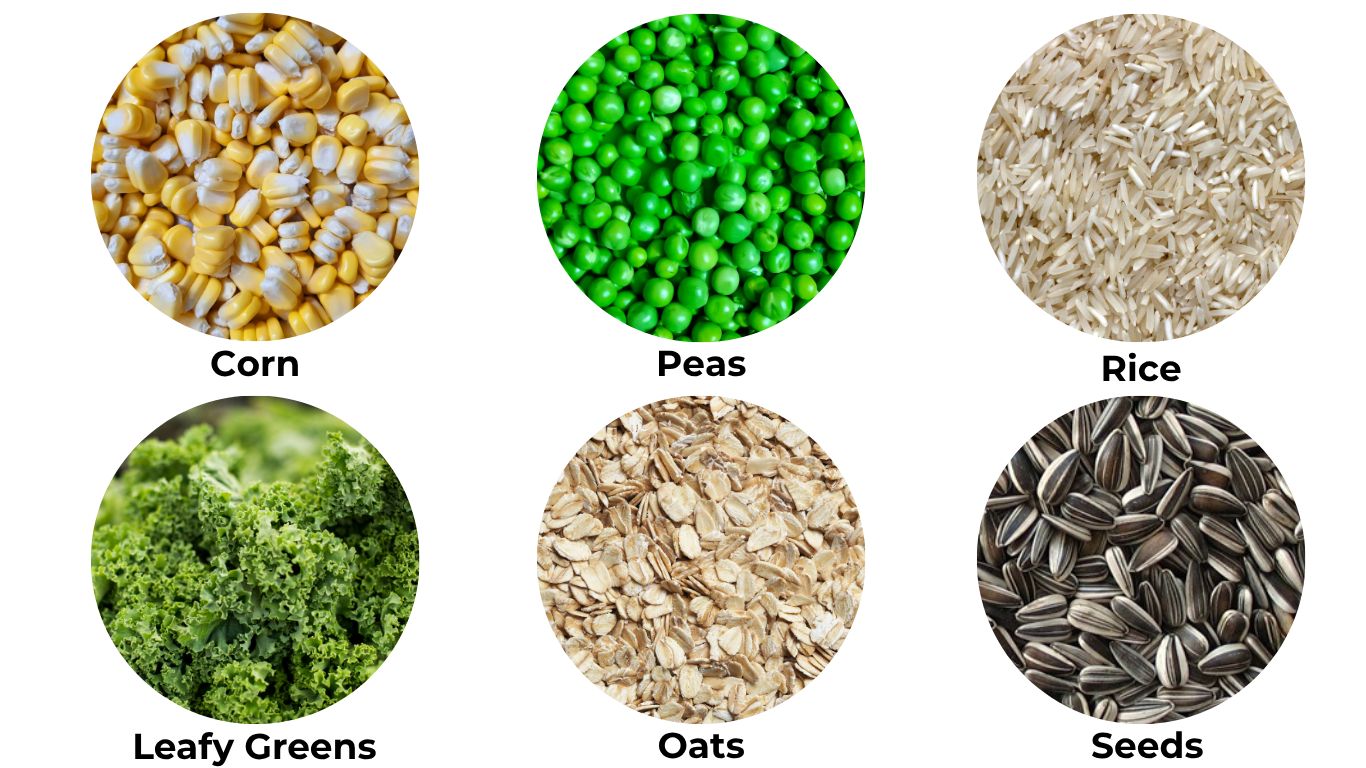
1. Corn
Corn is one of the most duck-appropriate things you can bring to a pond. Fresh, frozen, or canned (drained, not in brine) are all fine. Corn is a natural part of a duck's winter diet and offers actual calories and nutrients. Just skip the popcorn: the hulls are difficult to digest and can lodge in the throat.
2. Peas
Frozen peas work perfectly. No need to cook them, but let them thaw first. Ducks manage soft foods better than rock-solid ones. Peas are the right size, nutritionally solid, and consistently well-received. If frozen peas are the most useful thing currently in your freezer, you now have a secondary purpose for them.
3. Leafy Greens
Lettuce, kale, rocket, and cabbage are all good choices. Rip them into bite-sized pieces first. Ducks don't chew, so anything too large becomes a problem. A bag of salad that's reached its expiration date is a genuinely better gift for a local duck pond than it is for your compost bin.
4. Oats
Plain rolled oats, instant oats, or porridge oats all work well. Avoid flavored, sweetened, or salted varieties. Oats are calorie-appropriate, easy for ducks to eat, and consistently available.
5. Rice
Cooked or uncooked rice is fine. The old myth about rice swelling inside birds is not supported by evidence. Plain leftover rice (unseasoned, not fried) is a solid option and, like most items on this list, something most households have without making a special trip.
6. Seeds
Plain seeds from the bird food aisle or the baking section work well: sunflower seeds, millet, mixed birdseed. Ducks work through seeds with the same methodical patience they bring to everything.
NO SALTED SEEDS OR NUTS
Salt can cause renal failure in birds. Stick with unsalted bird-grade seeds and nuts.
7. Grapes
Cut them in half first. Whole grapes are a choking risk for smaller birds. Halved grapes are sweet, hydrating, and nutritionally richer than bread. Ducks tend to respond to grapes with what could generously be called enthusiasm, and in this case the enthusiasm is appropriate.
8. Blueberries
Ducks can eat blueberries. They're small enough to eat whole, high in antioxidants, and reasonably close to a natural treat. If you're going to offer something the ducks will enjoy and that won't harm them, blueberries are a defensible choice on both counts.
Foods to Avoid
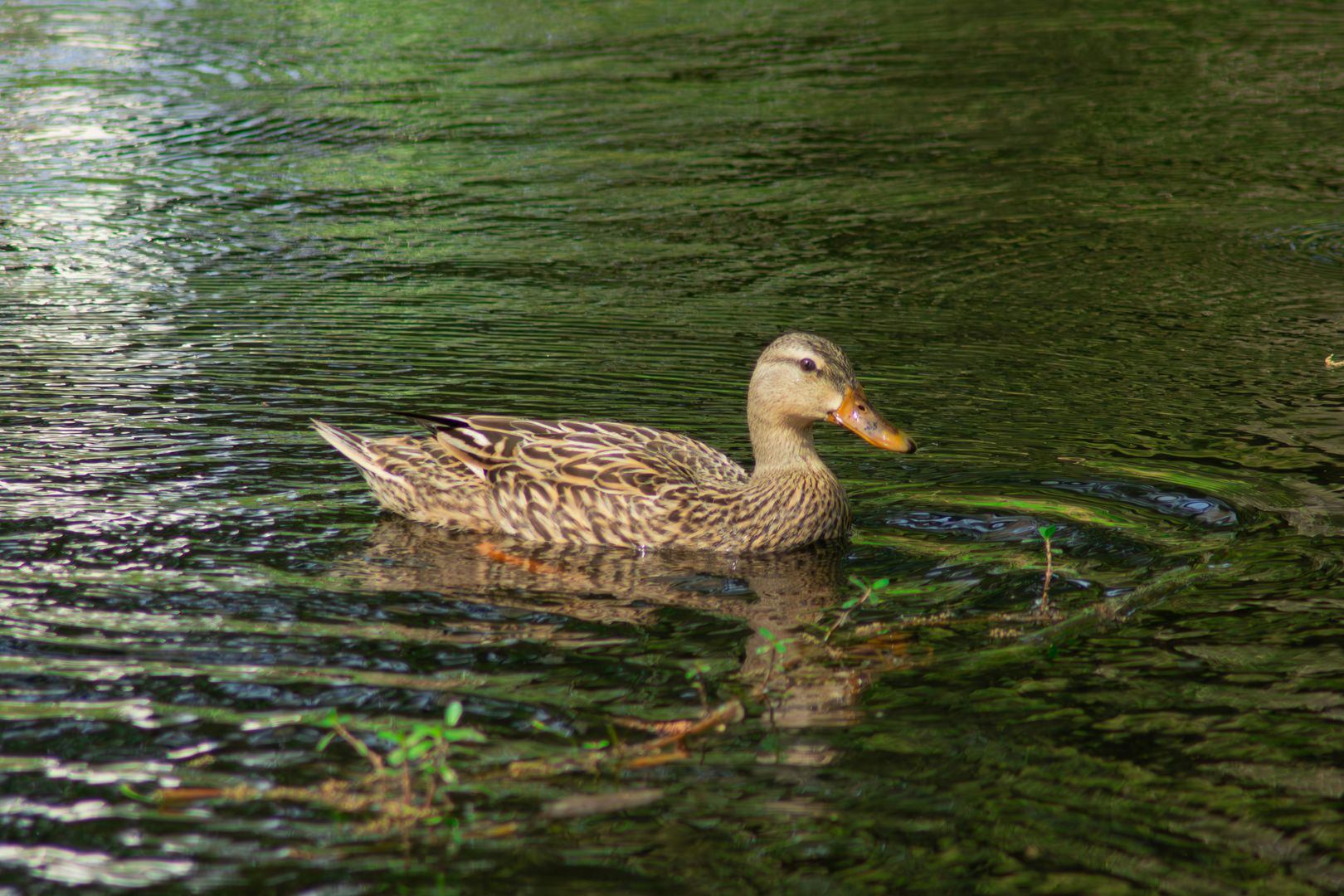
Beyond bread, a few other common offerings cause real harm:
Citrus fruits — oranges, lemons, limes, pineapple — cause digestive problems and can interfere with calcium absorption. Avoid them.
Onions can cause anemia and respiratory distress.
Spinach interferes with calcium production and can lead to egg-binding in female ducks. Both are off the list.
Avocado is toxic to birds. This is non-negotiable and applies to all parts of the fruit, including the skin and pit.
Junk food of any kind — chips, crackers, cornflakes, cereals — offers nothing useful and adds salt, sugar, and additives that duck digestive systems aren't equipped to handle.
Popcorn gets its own entry because people assume it's harmless. The hulls are difficult to digest and can lodge in the throat. Plain popcorn is still not appropriate duck food. Choose plain canned or frozen corn, never popcorn.
3 Tips for Responsible Duck Feeding
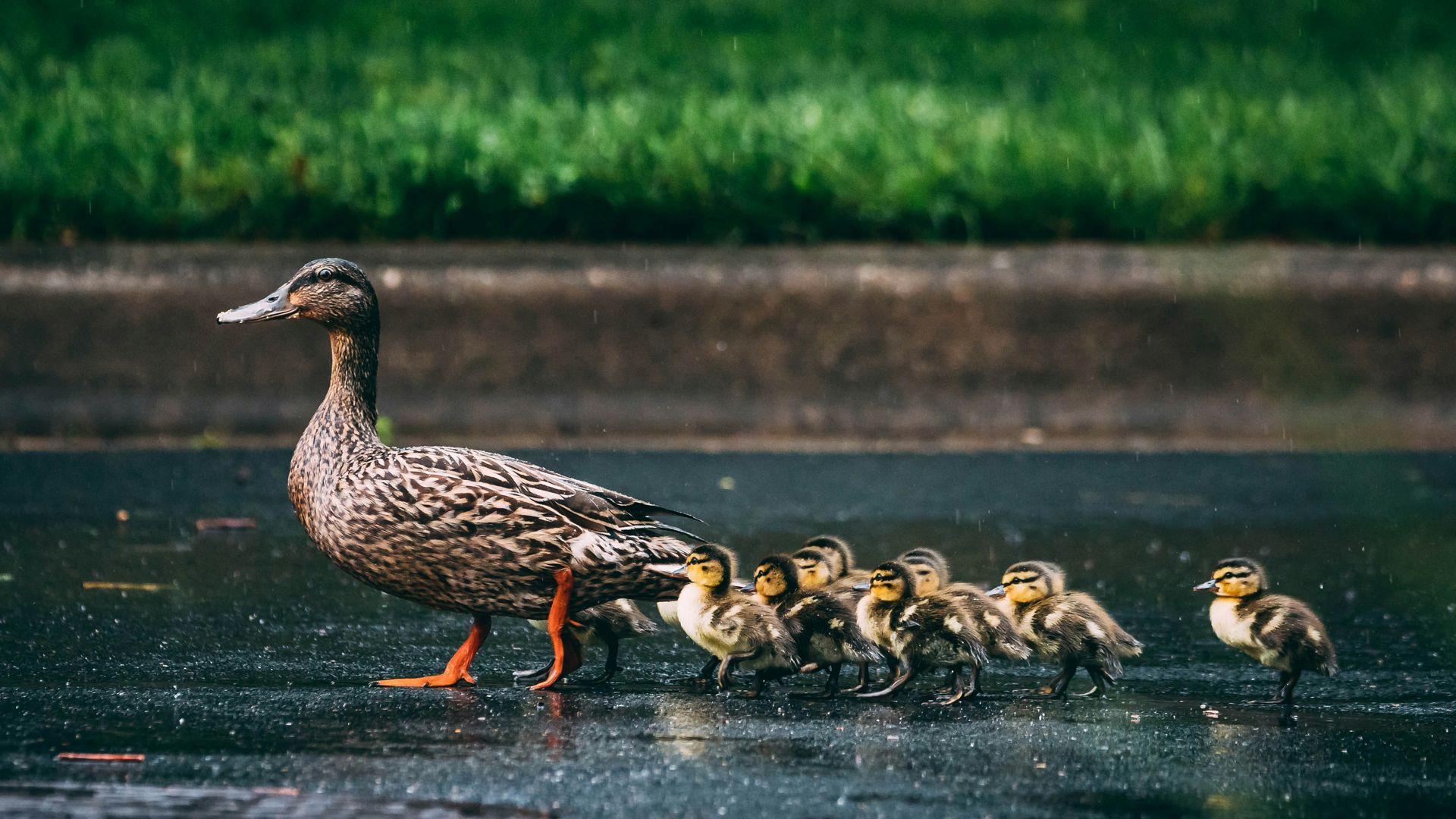
A few practical notes that most guides mention and most visitors ignore:
Ducks don't chew.
Cut or tear anything larger than about a centimeter into smaller pieces. Food that's too large is a genuine hazard.
Feed in moderation.
Occasional visits with appropriate foods are fine. Daily routines with large quantities condition ducks to rely on handouts rather than foraging, which harms their long-term nutritional health and natural behavior. The ducks, given a vote, would probably choose the daily handouts.
If food is left uneaten, stop.
Leftover food in a pond environment deteriorates quickly, attracts pests, and degrades water quality. If they're not eating what you brought, they're not hungry.
One of the easier ways to support local wildlife is through responsible wildlife feeding and conservation.
FAQ
Can ducks eat bread?
No. Ducks will eat bread but it provides almost no nutritional value. Imagine feeding a toddler only cookies. They'll gladly eat them but show signs of malnutrition and sickness after awhile. Both the toddler & the duck are full without getting any of the protein, vitamins, or minerals they need to survive.
What do ducks eat in the wild?
Wild mallards eat aquatic invertebrates and vegetation. Feeding ducks things that approximate this diet is far better than feeding them leftovers from your kitchen bread drawer.
Is it okay to feed ducks at all?
In moderation, with appropriate foods, yes. The problem is feeding them nutritionally empty food, or feeding them so frequently that they stop foraging naturally. A small amount of corn or peas on occasional visits causes no documented harm.
The ducks at your local pond do best with natural food. Swap the bread for a handful of frozen peas. The ducks won't thank you (they're ducks) but it makes a big difference.

No comments yet.