
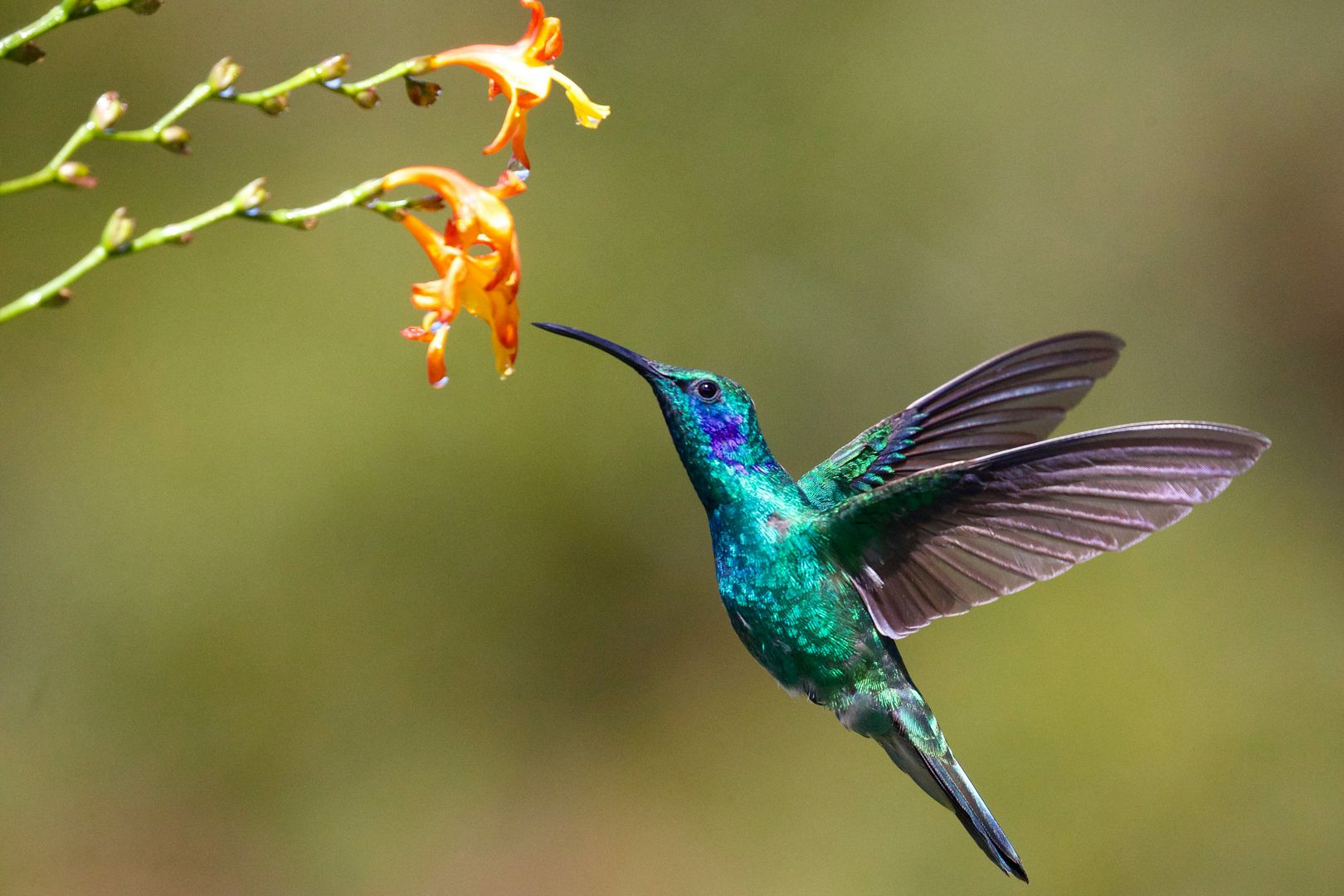
The Rufous Hummingbird weighs three grams and travels roughly 3,900 miles each way between its Alaskan breeding grounds and Mexican wintering territory. This is the avian equivalent of a thumbtack deciding to walk to Argentina — and doing it annually, on nothing but nectar and insects, without complaint.
The short answer: Most hummingbirds in the US and Canada migrate south to Mexico and Central America for winter. Migration is triggered by decreasing daylight hours, not temperature and not the presence of feeders.
They travel solo, gain 25-40% of their body weight before departure, and return to the exact same locations year after year. Anna's Hummingbird is the notable exception, staying year-round along the Pacific Coast.
Do All Hummingbirds Migrate?
Most North American species do, but not all. The Anna's Hummingbird (common along the Pacific Coast from California to British Columbia) is a year-round resident across most of its range. It adapts to cold through torpor rather than relocation and increasingly relies on backyard feeders to survive winter.
If you're in coastal California and your hummingbird is still around in January, that's almost certainly an Anna's, and it is making a calculated bet on your willingness to keep the feeder filled.
All other common North American species (Ruby-throated, Rufous, Black-chinned, Allen's, Broad-tailed) migrate south when fall arrives.
What Triggers Migration?
Decreasing daylight hours. Not temperature, not frost, not the absence of flowers, and definitively not your feeder, a myth worth retiring.
Hummingbirds have photoreceptors sensitive to the subtle shortening of days starting in late summer, and this is what initiates their departure sequence. The timing is internal; birds follow genetically encoded cues refined over thousands of generations of migration.
This matters for feeder management: leaving your feeder up will not prevent a hummingbird from migrating. They leave when their biology tells them to, on schedule. Your feeder is not holding them hostage.
It is, however, genuinely valuable to the late-departing juveniles on their first migration, more on that below.
How They Prepare: Hyperphagia
In the weeks before departure, hummingbirds enter a state called hyperphagia: a deliberate, dramatic increase in food consumption. They gain 25-40% of their body weight in fat reserves, which serve as fuel for the journey ahead.
A hummingbird that weighed three grams in July may weigh close to four grams by September. It's visiting hundreds of flowers daily and building reserves for a trip that will burn through everything it stores. Eating 40% of your body weight in anticipatory snacking before a long trip is, objectively, the correct approach to travel preparation.
This is why keeping feeders stocked through early fall matters: you're supporting the hyperphagia phase, not delaying migration.
The Journey: Solo, Low, and Longer Than It Looks
Hummingbirds migrate alone, not in flocks. The persistent image of hummingbirds riding south on the backs of migrating geese is a myth: no hummingbird has ever done this, no goose has agreed to it, and the logistics don't survive scrutiny.
They fly low, typically below tree level, following coastlines, river valleys, and mountain ridges that provide both food sources and navigational landmarks. The Ruby-throated Hummingbird crosses the Gulf of Mexico in a single non-stop flight of roughly 500 miles over open water, completed in 18-22 hours.
They fuel this leg entirely from fat reserves built during hyperphagia. There are no rest stops over the Gulf.
The Rufous Hummingbird, traveling from Alaska to Mexico, completes the longest migration relative to body size of any North American bird. Migration researchers have described the energy math involved as "barely possible," which is the scientific community's way of saying they're still not entirely sure how these birds do it.
Species by Species
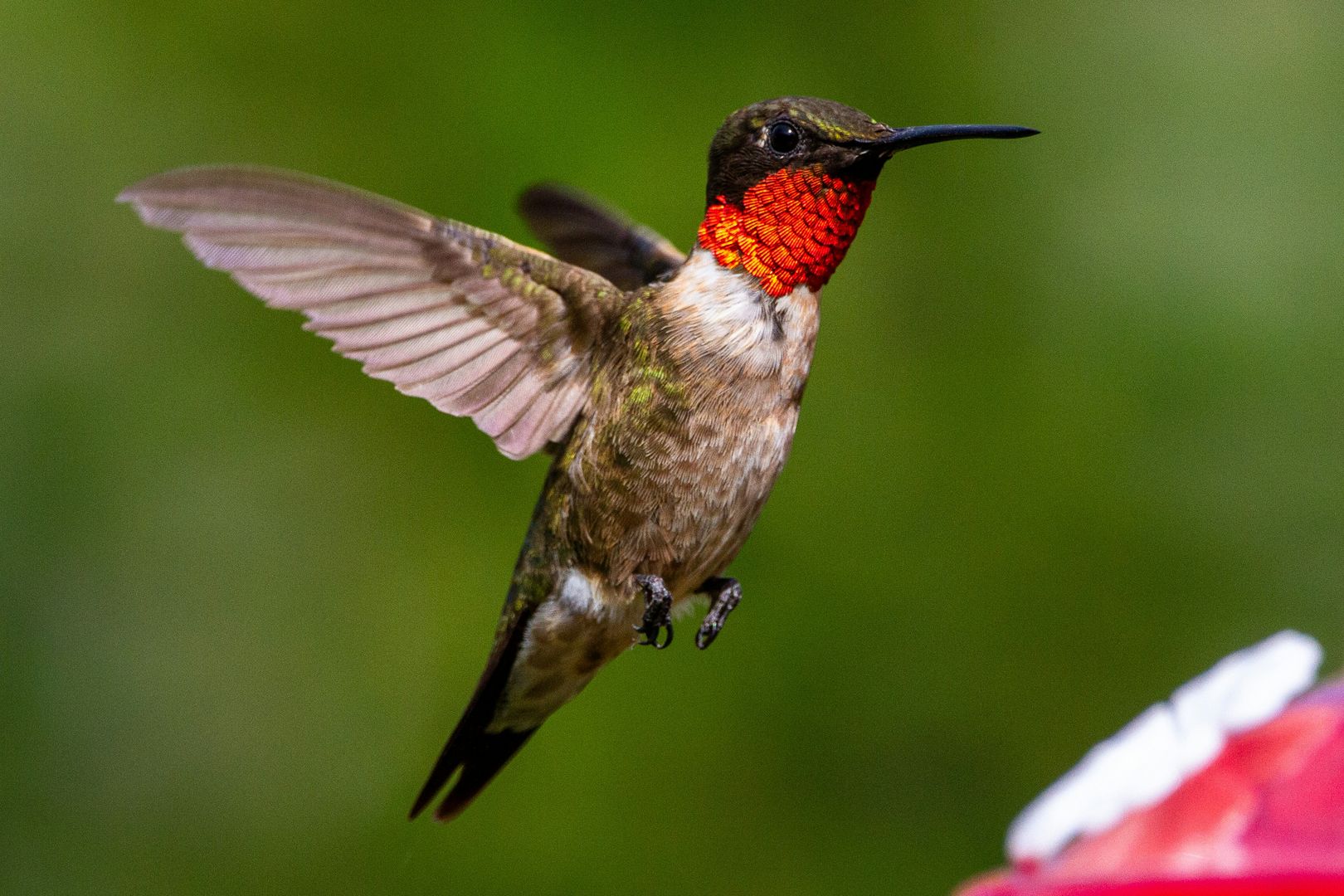
Ruby-throated Hummingbird
the most common eastern US species. Breeds east of the Mississippi, winters in Mexico and Central America, and makes the Gulf crossing both fall and spring.
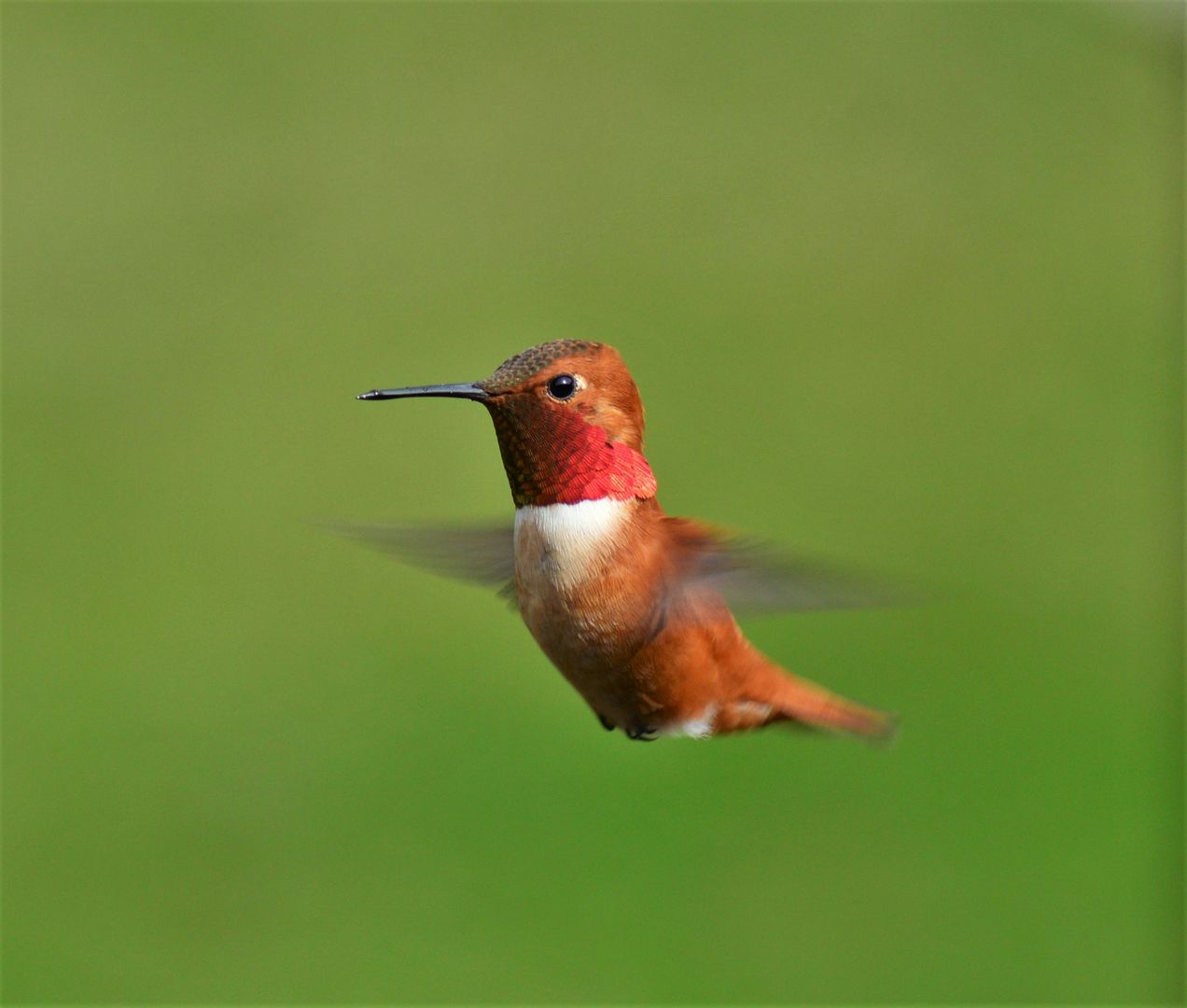
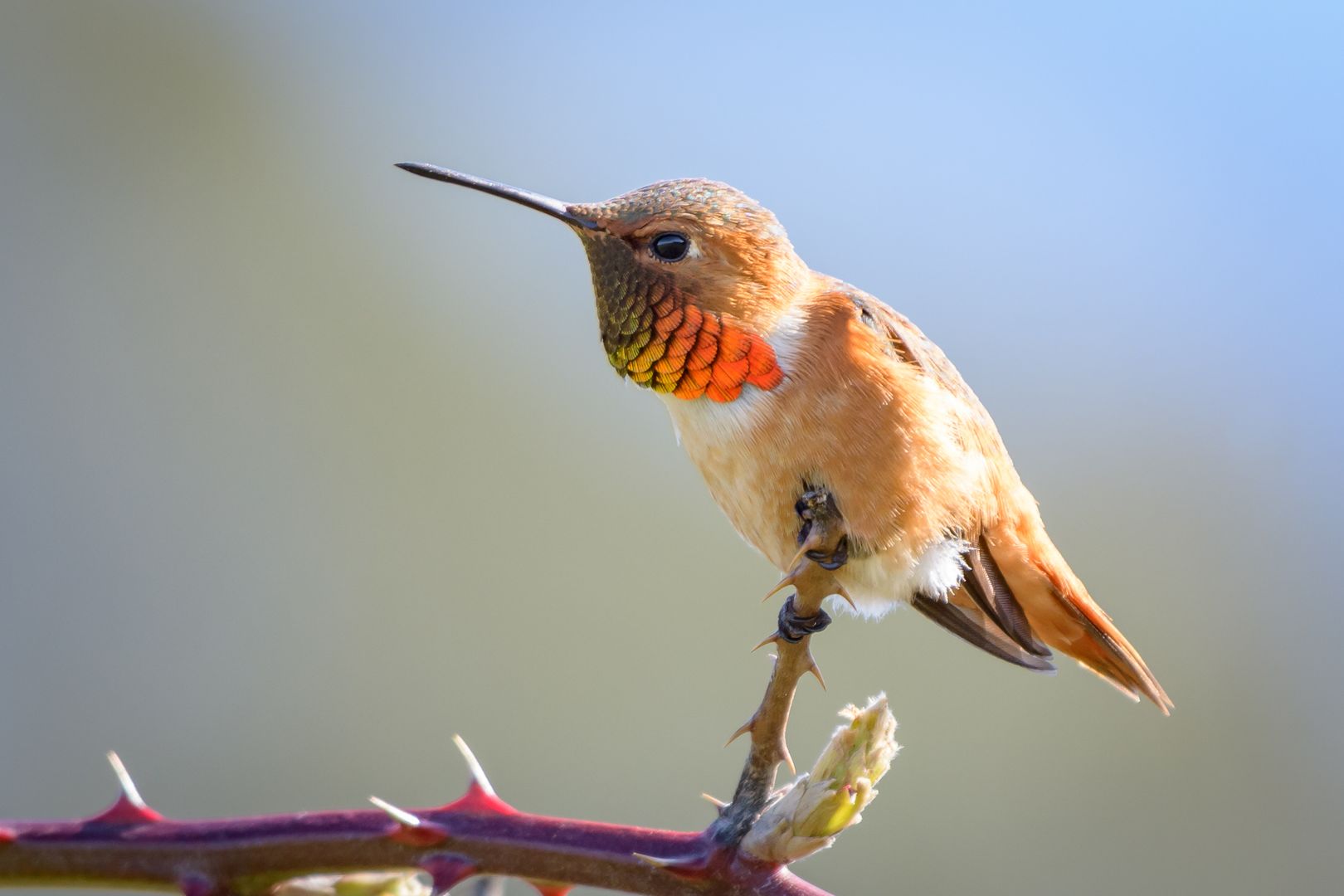
Rufous Hummingbird
breeds from the Pacific Northwest to Alaska and migrates the farthest of any North American hummingbird. Listed as Near Threatened.
Populations have declined significantly over the past 50 years due to habitat loss and climate change.
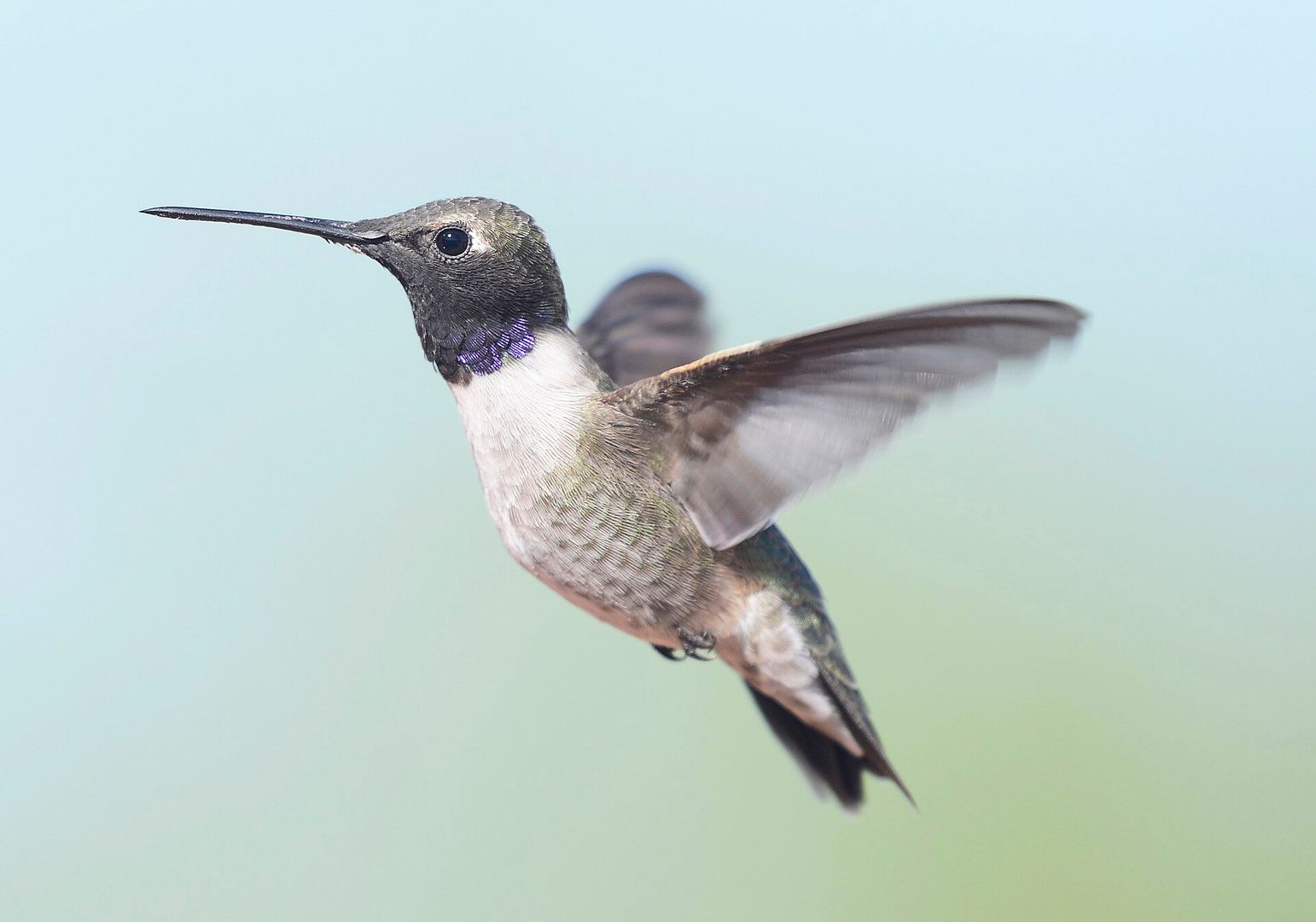
Black-chinned Hummingbird
Western counterpart to the Ruby-throated; breeds from British Columbia through the Great Basin and winters in Mexico.
Allen's Hummingbird
One of the earliest migrants, departing California breeding grounds as early as late June or July, before summer has fully arrived for most people.
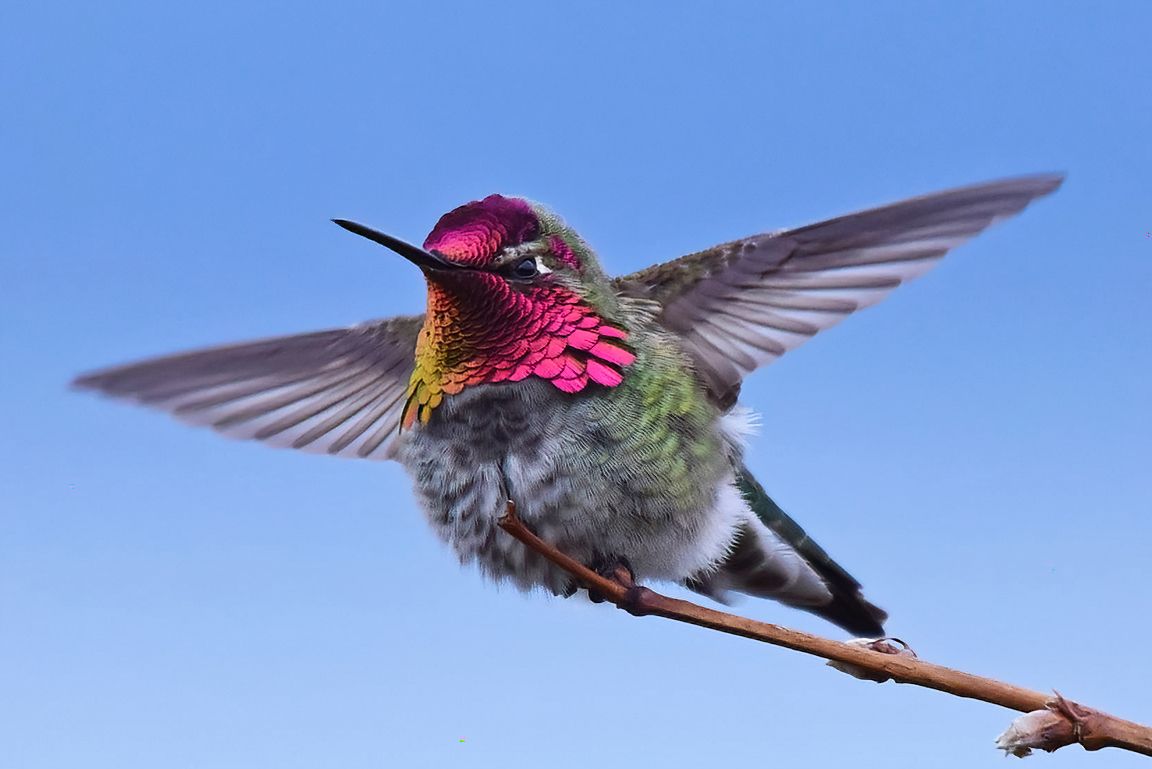
Anna's Hummingbird
The year-round resident along the Pacific Coast. If you're running a feeder through a coastal California winter, this is who's showing up.
Migration Timing: Spring and Fall
Fall migration begins in July and August for birds at northern latitudes, with peak movement through September and October.
The Pacific flyway sees Rufous and Allen's traffic through summer; Ruby-throated peak movement in the East runs late August through mid-September.
Spring migration runs February through May.
Birds arrive earliest in the Gulf Coast states and move progressively north as temperatures and flower availability allow. Ruby-throated Hummingbirds typically reach the southeastern US by late March and the northern edge of their range by May.
A reliable guideline: put your feeder out two weeks before you'd expect hummingbirds in your area in spring, and leave it up two weeks after the last sighting in fall.
The birds that show up in late October are often juveniles on their first migration: slower, less experienced, and more dependent on available food sources along the route.
They Remember Exactly Where You Are
Hummingbirds return to the same locations each year: the same yard, the same perch, sometimes the same feeder.
This is called site fidelity and it's been confirmed through banding studies.
Their spatial memory maps not just a general region but specific food sources within it. The hummingbird at your feeder in August is likely the same one from last August.
Whether they know you specifically is a question ornithologists haven't fully answered, though the territorial behavior some of them direct at the humans who refill their feeders suggests they're at least tracking the relevant personnel.
Climate Change and the Timing Problem
There's a complication developing in this otherwise well-choreographed system: climate change is disrupting the synchronization between migration timing and flower bloom timing.
Migration schedules evolved over millennia around predictable seasonal patterns, with hummingbirds arriving when specific wildflowers are in peak bloom to fuel spring recovery after a long journey.
As temperatures warm, those flowers are blooming earlier and birds are arriving to when their primary food sources have already peaked and declined.
A yard with plants that bloom throughout the season is the best way to help birds adjust to climate change.
This is called succession gardening.
Research published in Science has documented significant mismatches between migrating birds' arrival dates and peak food availability.
For the Rufous Hummingbird, already in population decline, the compounding pressure of a habitat system no longer timed to their biology is serious. Native plants in your yard that flower across the season do more practical work than any feeder, providing nectar at the times and in the places migratory birds depend on.
- Related: 17 Plants to Attract Hummingbirds to Your Yard****
FAQ
Do hummingbirds travel in flocks?
No. Hummingbirds migrate solo. The geese-riding story is false.
Where do hummingbirds go in winter?
Most North American hummingbirds winter in Mexico and Central America.
When should I take down my hummingbird feeder?
Leave it up for at least two weeks after your last sighting in fall. Juvenile hummingbirds on their first migration move through later than adults and benefit significantly from available feeders along the route.
Do hummingbirds come back to the same place every year?
Yes. Banding studies have confirmed that individual hummingbirds return to the same wintering and breeding sites year after year. The bird visiting your feeder this August is likely the same one from last year.

No comments yet.