
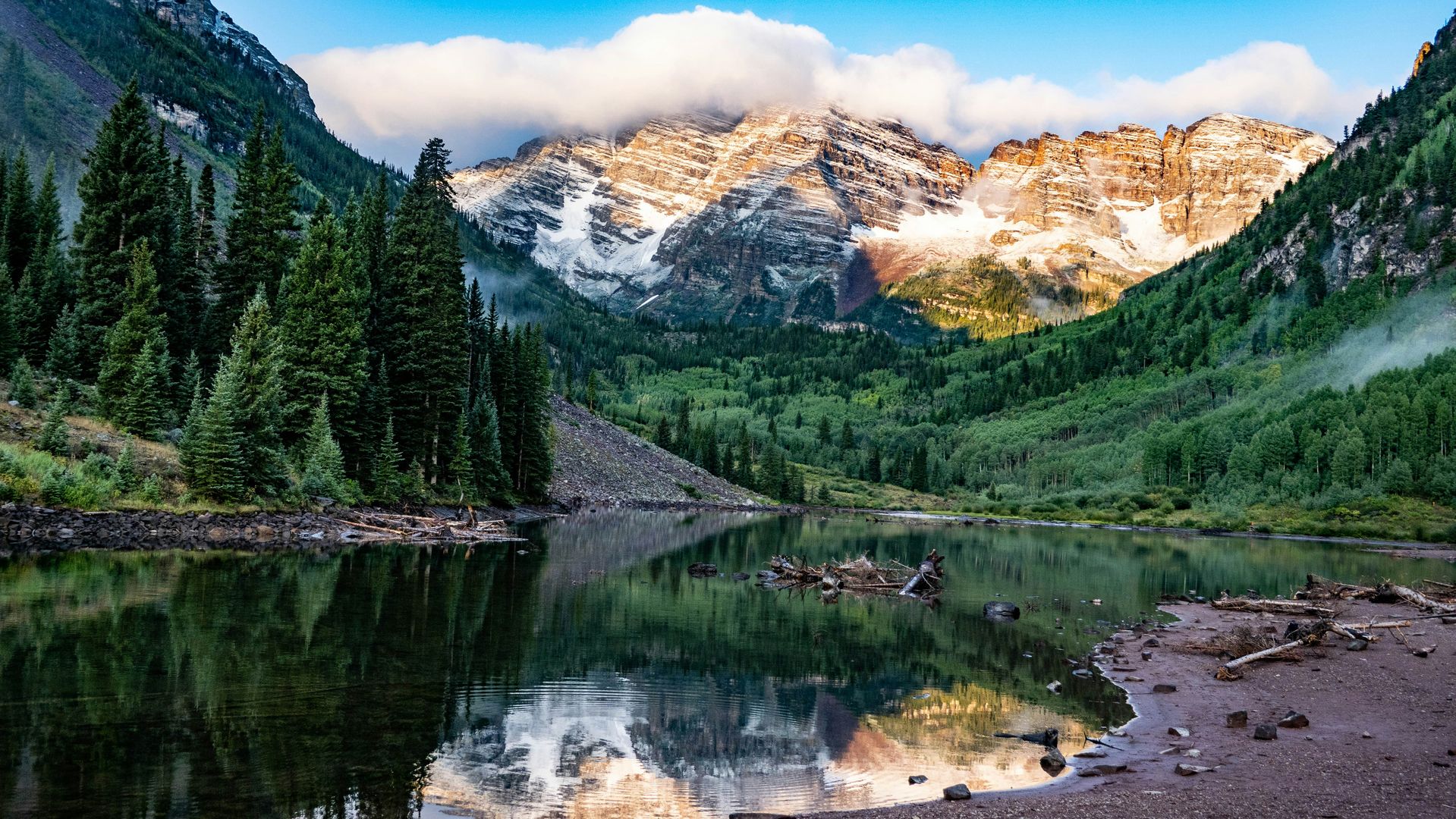
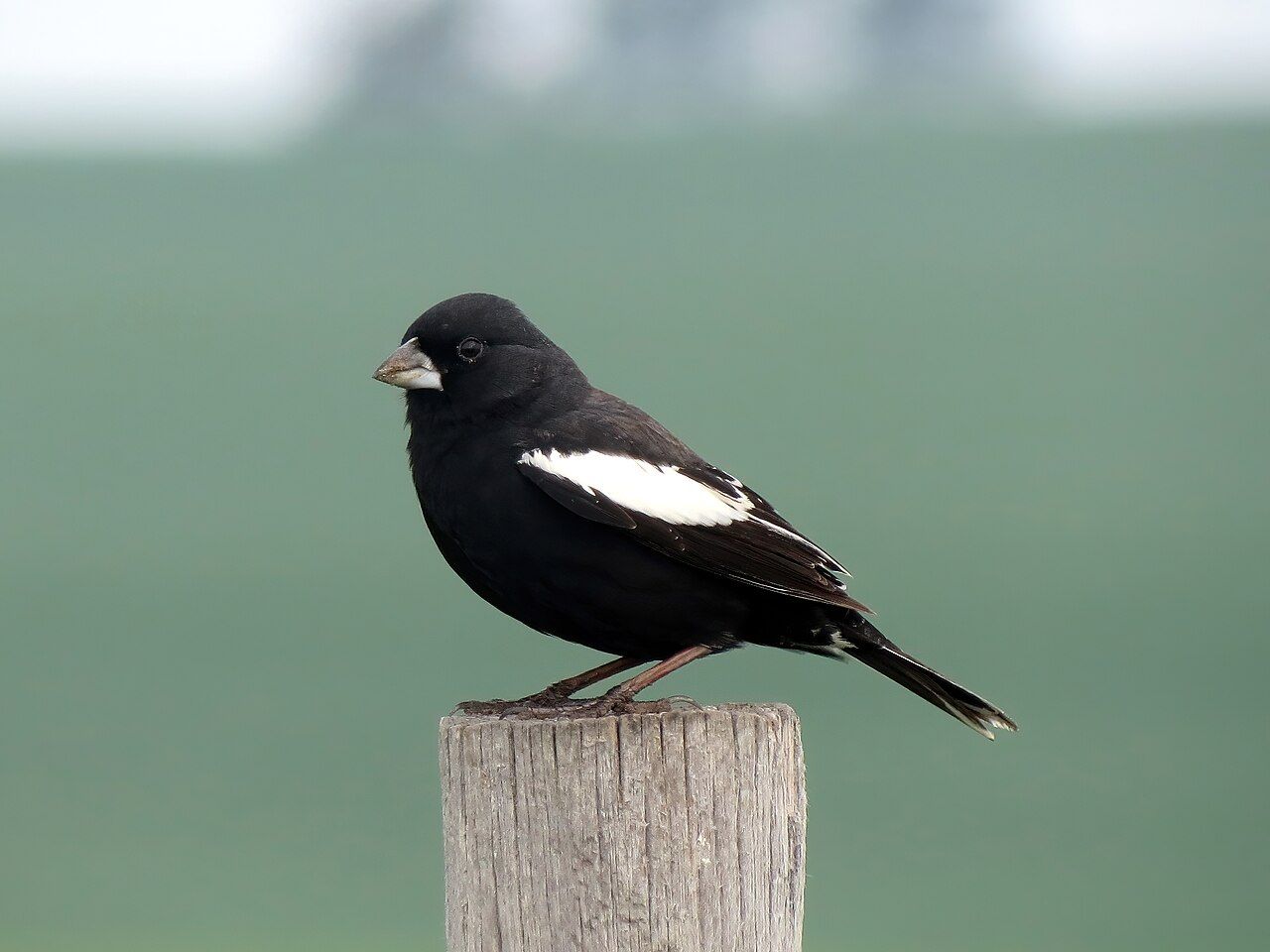
Colorado has about twenty active birding organizations, four statewide and the rest anchored to a particular valley, county, or stretch of foothills. The official state bird is the Lark Bunting. The state bird most residents will name for you is the orange traffic cone, which nests along I-70 from March until whenever the contract runs out.
The bird watching groups in Colorado are cheap to join and cheaper to visit. Local dues run roughly $10 to $45 a year, most field trips are free, and the largest clubs run public walks every week of the year.
The catch is that Colorado's two best birding experiences are not walk-up events. Grouse leks and the San Luis Valley crane season run on a booking calendar, and turning up without one gets you a locked gate or an empty field. That is covered below, because it is the part that goes wrong.
Why Join a Bird Watching Group at All
Solo birding has advantages. You set the pace, you leave when your feet get cold, and nobody watches you spend eleven minutes on a sparrow.
What a group gives you is a person who knows what the road is doing this week. Colorado birding is unusually condition-dependent: Trail Ridge Road stays buried until early summer, plains county roads turn to grease after rain, and alpine species are reachable only in a narrow window. That knowledge lives in people.
Groups are also the front door to community science. The Christmas Bird Count runs December 14 to January 5, has been going since 1900, and is organized locally by the clubs below. Beginners get paired with someone who can count geese.
One piece of advice before you spend money. A decent pair of binoculars for birding runs from about $150 to well past $500, and Colorado gives you a lot of free practice first. Denver Audubon lists its field trips as free events, Denver Field Ornithologists runs dozens of free trips a year, and Boulder Bird Club charges $10 for the year. Go on three walks, borrow whatever anyone offers, buy afterward. This is the part where a normal blog tells you to purchase the most expensive option available.
Statewide Bird Watching Groups in Colorado
Colorado Field Ornithologists (CFO)
The state ornithological society, and where Colorado's records get settled. CFO runs field trips, webinars, workshops, and an annual convention open to the public with registration. Members get earlier registration for capacity-limited events plus the quarterly journal Colorado Birds, but membership is not required.
Colorado Bird Records Committee (CBRC)
CFO's records arm, and the body that decides whether your vagrant counts. It peer-reviews reports against a standard the committee frames as whether the documentation would still convince someone decades from now, archives them at the Denver Museum of Nature and Science, and publishes the Field Check-List of Colorado Birds.
Audubon Rockies
National Audubon's regional office for Colorado, Utah, and Wyoming. A conservation and policy body rather than a walk-leading club, focused on sagebrush steppe, shortgrass prairie, and river restoration. Follow it for habitat news; for a Saturday outing, use a chapter.
Bird Conservancy of the Rockies
Headquartered in the Old Stone House at Barr Lake State Park in Brighton, and the source of the best entry-level birding experience in the state: public bird banding, six days a week in fall, closed Mondays. Fall 2026 runs August 22 to October 23. Registration required, $7 per visitor aged 3 and up, groups capped at 15, and you still need a parks pass.
Christmas Bird Count
Organized circle by circle, with most Colorado circles run by the chapters below. The easiest way to meet a dozen birders at once, and compilers are delighted when a beginner turns up.
Bird Watching Groups in Denver Metro and the Front Range
Denver Field Ornithologists (DFO) - Denver metro
Founded in 1935 as the Colorado Bird Club, making it the oldest birding organization in the state and still the most active. All-volunteer, with dozens of free field trips a year, every week of the year. Trips are explicitly open to members and non-members who register on the DFO site, and Developing Birder trips build skills rather than a list. Dues $30, $45 family, $15 student.
Denver Audubon - Littleton and the Denver metro
Operates the Kingery Nature Center at 11280 Waterton Road, serving Adams, Arapahoe, Broomfield, Denver, Douglas, and Jefferson Counties. Field trips post as free events led by Audubon Master Birders, and the Beginning Birdwatching Course, each April and September, pairs two virtual sessions with four field trips. The most structured on-ramp in Colorado.
Broomfield Bird Club - Broomfield and the northwest metro
Small, friendly, and refreshingly explicit about the rules. Walks visit the Erie Wetlands and Barr Lake, everyone registers in advance, and the site shows how many of the 15 places are gone. Non-members get one walk before being asked to join. Dues $20.
Bird Watching Groups in Boulder and Northern Colorado
Boulder County Audubon Society (BCAS) - Boulder County
Field trips, a fall and spring speaker series at the Unitarian Universalist Church of Boulder on Pennsylvania Avenue, and a Teen Naturalists program. Members get early registration for the popular Interludes trips, which is the reason to join rather than a gate on attendance.
Boulder Bird Club - Boulder area
The lowest-friction club in Colorado. Dues are $10 a year per household, deliberately, and the club states plainly that visitors and guests are welcome on all trips. If you are new and nervous, start here.
Northern Colorado Bird Alliance (formerly Fort Collins Audubon Society) - Fort Collins and Loveland
Renamed in February 2025, and most third-party directories still list the old name. It runs a full trip schedule including a Birding 101 series and an explicitly accessible walk in Loveland. Trips are open to the public.
Bird Watching Groups in Colorado Springs and the Pikes Peak Region
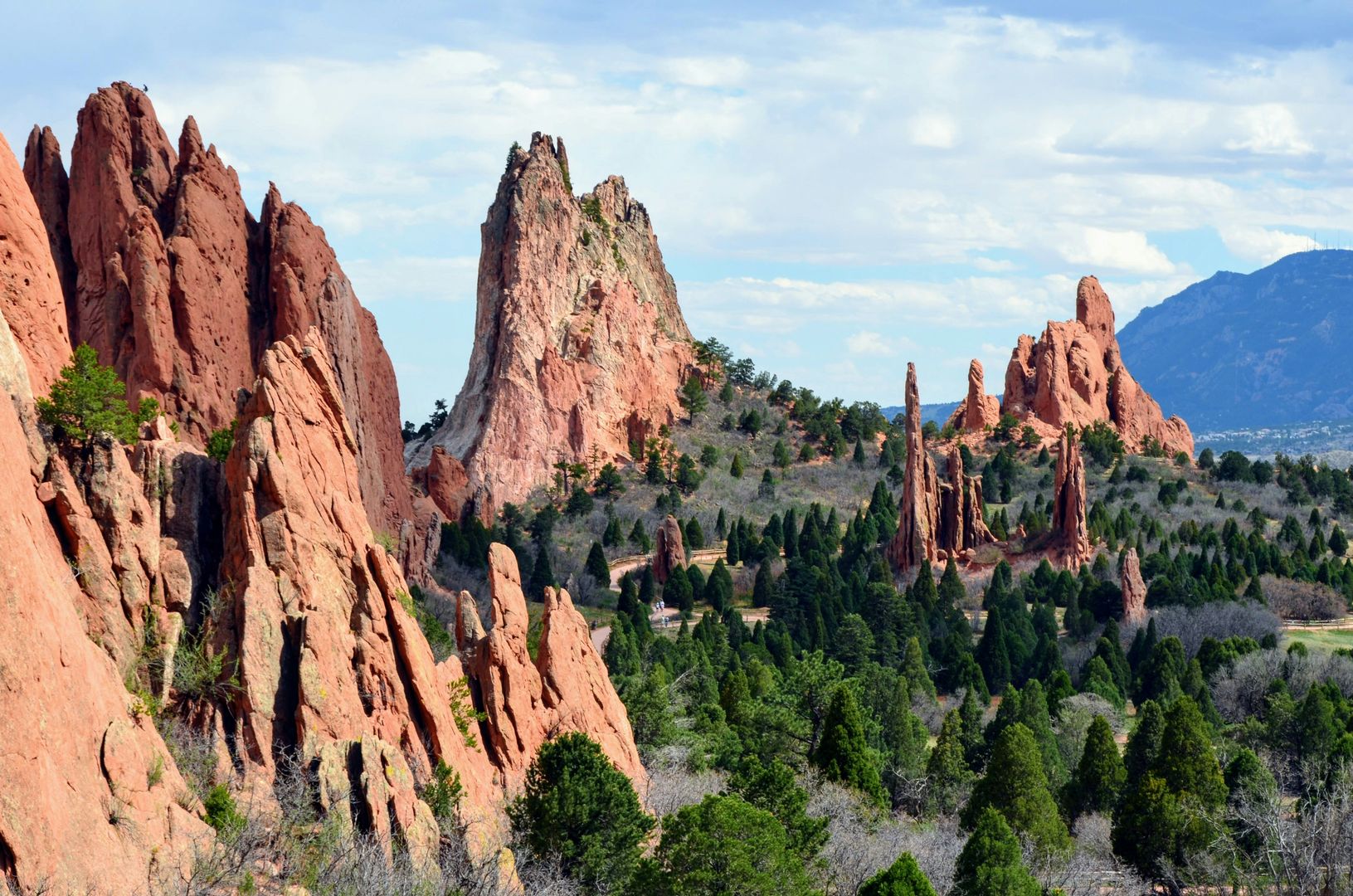
The Pikes Peak region has exactly one dedicated birding club, which is thinner than the birding deserves. It is a good one.
Aiken Audubon Society - Colorado Springs and the Pikes Peak region
Meetings on the third Wednesday, September through November and January through May, in person and on Zoom. The field trip calendar is genuinely busy: Aiken Canyon Preserve, Austin Bluffs Open Space, Fountain Creek Regional Park, Chico Basin Ranch. Chico Basin is private land with its own seasonal access window, so check the club's notice before driving out.
Bird Watching Groups on the Western Slope
Grand Valley Audubon Society (GVAS) - Grand Junction, Mesa County
Meetings on the third Monday at First Presbyterian Church, 3940 27 1/2 Road. GVAS also owns the Audubon Nature Preserve at 610 Dike Road, open to the public at no charge.
Black Canyon Audubon Society - Delta, Gunnison, Hinsdale, Montrose, San Miguel, and Ouray Counties
Covers close to 8,300 square miles and an elevation range from 4,695 to 14,309 feet, which is the most Colorado sentence in this article. Field trips are free but require an RSVP, sometimes to a named leader rather than a form. The chapter runs Eckert Crane Days at Fruitgrowers Reservoir in late March, when 20,000 or more Sandhill Cranes stage there.
Bird Watching Groups in the San Luis Valley and Southern Colorado
Arkansas Valley Audubon Society (AVAS) - Pueblo and southern Colorado
Active and posting through 2026, with walks at Runyon Lake, a Blanca Wetlands trip into the San Luis Valley, and a table at Vulture Day at the Pueblo Raptor Center. One warning: the old AVAS site at socobirds.org still resolves, has not been updated since roughly 2016, and is where several directories still point.
Weminuche Audubon Society - Pagosa Springs and southwest Colorado
Chapter meetings on the third Wednesday evening, plus presentations, field trips, and Christmas Bird Count organizing. The site says it as plainly as any chapter in Colorado: all events are open to the public.
Durango Bird Club - Durango, La Plata County
A separate organization from Weminuche, with field trips and expert presentations described as open to the community. Dues exist but the amount is not posted, so ask.
Bird Watching Groups in the Colorado Mountains and High Country
Evergreen Audubon - Evergreen and the foothills
Runs the Evergreen Nature Center at the Bancroft House, a weekday beginners' walk around Evergreen Lake and Dedisse Park, and a second-Monday walk at Wigwam Creek. Dues $25 individual, $40 family.
Roaring Fork Audubon - Eagle, Garfield, and Pitkin Counties
Naturalist Nights speakers in winter, birding outings in summer, mail to PO Box 1192, Carbondale. The website is the least-updated of any active Colorado chapter, so confirm outings by email before driving up the valley. The Aspen Center for Environmental Studies also runs birding programs at Hallam Lake and Rock Bottom Ranch further up the valley.
Colorado Crane Conservation Coalition (CCCC) - Hayden and the Yampa Valley
Runs the Yampa Valley Crane Festival, fifteenth edition September 3 to 6, 2026, out of Steamboat Springs. Daily crane viewings, speakers, live raptors, workshops. Registration required.
Other Ornithology and Research Groups in Colorado
Colorado Birding Trail
Colorado Parks and Wildlife's network of driving routes linking viewing sites across the Eastern Plains, Rocky Mountains, and Western Colorado. Free, and its events calendar is the best listing of Colorado bird festivals anywhere.
COBirds
The statewide listserv, established in 1995 and run by Colorado Field Ornithologists. Still busy: the morning this directory was compiled, the top thread was a dark juvenile gull at Barr Lake. Free, but you must subscribe to post.
Dinosaur Ridge Hawkwatch - Morrison, Jefferson County
Spring raptor migration counted from the Dakota Ridge hogback by Bird Conservancy volunteers, who help visitors pick birds out of the sky. Short but steep hike up. The 2026 season ran March 1 to May 10.
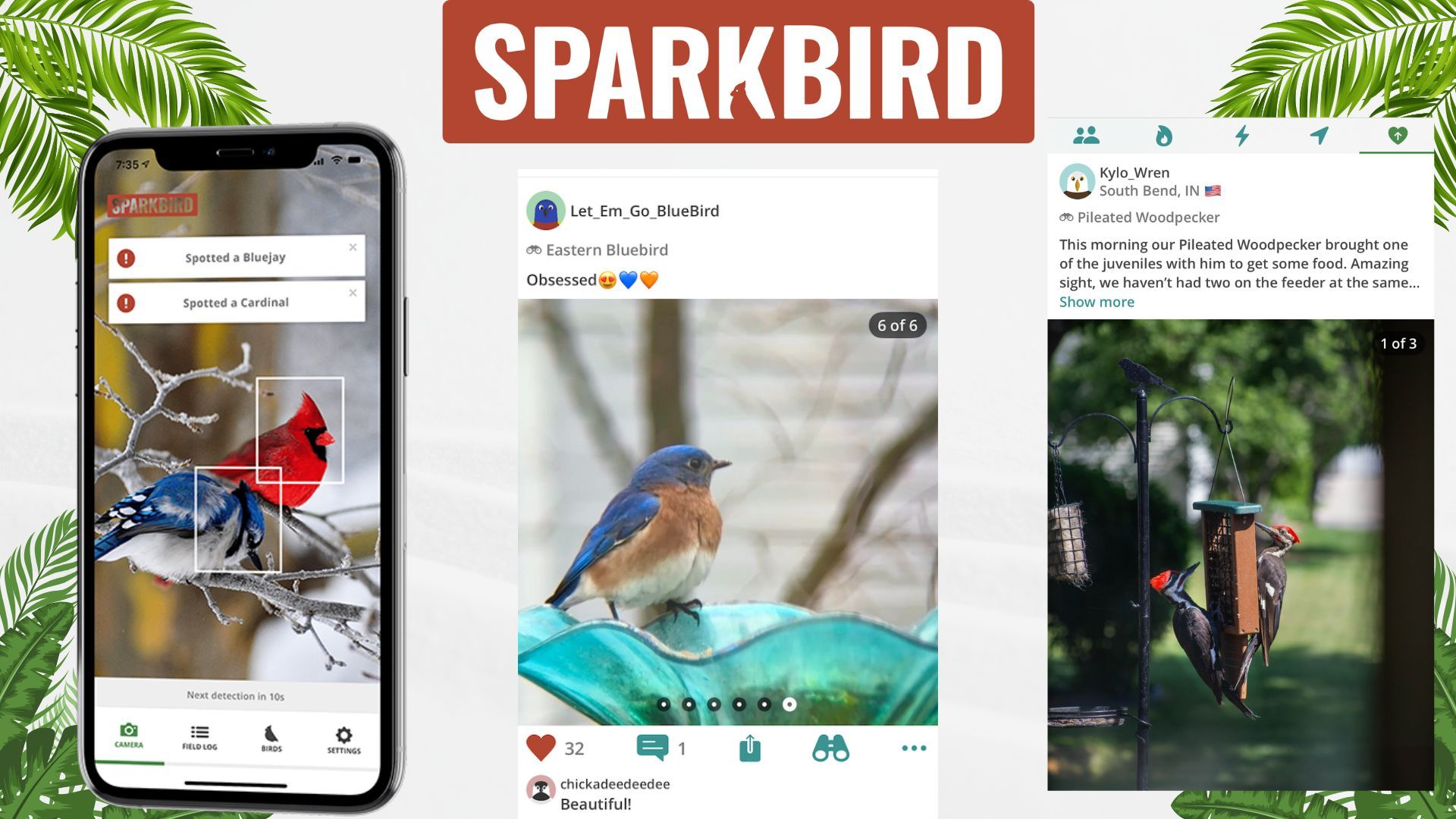
Sparkbird App - Community
We built Sparkbird for people who want a friendly community of birders rather than an argument. Track your life list, get identification help, and meet people who also stop mid-sentence to look at a tree. Here is how to use the Sparkbird app.
Grouse Leks and Crane Season: The Two Bookings That Matter
Colorado's signature birding cannot be improvised. Leks sit on private ranchland, State Land Board property, or State Wildlife Areas with hard seasonal windows, and the birds abandon sites that get disturbed.
Greater Prairie-Chicken at Wray
Run by the Wray Chamber of Commerce with the East Yuma County Historical Society and Colorado Parks and Wildlife. The 2026 season ran March 20 to April 19 at $120 to $135 per person, motel room included. Orientation the evening before is mandatory, and skipping it means you do not board the bus. A pre-dawn bus takes you to a purpose-built viewing trailer for roughly two hours, then breakfast. Reserve through the Wray Chamber at 970-332-3484 or the Wray Museum at 970-332-5063.
Gunnison Sage-Grouse at Waunita
The Waunita Watchable Wildlife Area, 19 miles east of Gunnison, is the only reliable public viewing for a species found essentially nowhere else, co-managed with the conservation nonprofit Sisk-a-dee. The Gunnison Basin holds roughly 87 percent of a world population now under 4,000 birds. It opens April 1 to 10 and April 20 to 30 and is closed the rest of the year, including the gap between. Arrive at least an hour before sunrise. No reservation is needed in your own vehicle, but everyone 16 or older needs a Colorado hunting or fishing license or a State Wildlife Area pass. Stay in the car, engine off, no flash, and do not leave until the birds finish.
Greater Sage-Grouse at Walden
North Park tours are capped at 20 people a day and start at 6:30 p.m. the evening before with a meal and a Colorado Parks and Wildlife program, then an early run to the lek. Fees go to the Walden Chamber of Commerce and cover meals, lodging, and access to State Land Board property. The 2026 window ran April 6 to 24.
Sharp-tailed Grouse near Hayden
Colorado Parks and Wildlife runs a few guided tours led by the local district wildlife manager; call 970-276-3338 and leave a message. There are also roadside leks along County Road 80 where Sharp-tailed and Greater Sage-Grouse both display, but that is private land viewed from a public road, so stay in the vehicle, and the road can be impassable into late April. Colorado Grouse Tours runs commercial trips near Steamboat Springs, mid-March to early May, $375 per person.
Lesser Prairie-Chicken
Do not plan a trip around this one. Colorado Parks and Wildlife will not disclose lek locations near Campo given how far the population has fallen, and there are no tours or blinds.
Sandhill Cranes in the San Luis Valley
The Monte Vista Crane Festival falls March 5 to 7, 2027, and is emphatic that you do not need a ticket to see cranes: the refuge is free and self-guided. A festival pass covers the talks, keynote, and film; tours and workshops are ticketed separately, capacity is limited, and they sell out. Children 15 and under are free. Cranes are in the valley from late February through mid-April.
Where to Go Birding in Colorado
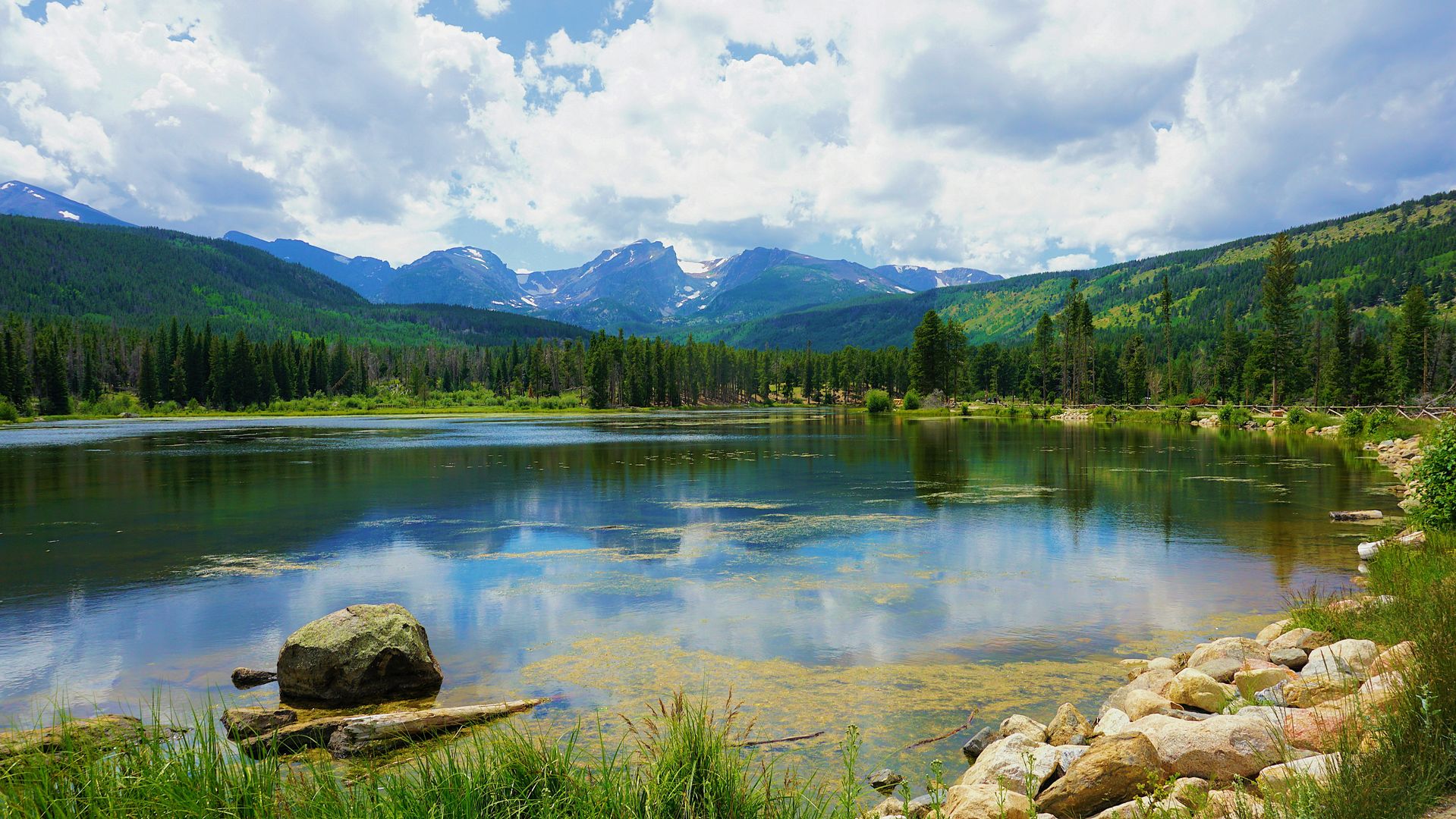
Every Colorado state park requires an entrance pass, so read the terms before you go.
- Barr Lake State Park (Adams County) — More than 371 species, a southern half managed as a wildlife refuge, and a boardwalk 1.3 miles from the Nature Center overlooking the rookery. Park 5 a.m. to 10 p.m.; Nature Center Tuesday to Sunday, 9 a.m. to 4 p.m. Daily vehicle pass $10 to $12 on Colorado plates, $15 to $17 out of state, $4 individual. As of August 3, 2026 the lake is closed to boating and parts of the Lake Loop close on weekdays for dam work.
- Rocky Mountain National Park (Larimer and Grand Counties) — Over 270 species and the realistic place to look for alpine specialties. Entrance is $30 a day, $35 for seven days, $70 annual. Separately, timed entry reservations are required from late May to mid-October, 9 a.m. to 2 p.m., or 5 a.m. to 6 p.m. for Bear Lake Road, booked only on Recreation.gov for a $2 fee. Trail Ridge Road is seasonal; status line 970-586-1222.
- Monte Vista National Wildlife Refuge (Rio Grande County) — No entrance fee, with the Wildlife Drive, trails, and pullouts open one hour before sunrise to one hour after sunset. Spring brings 18,000 to 21,000 Greater Sandhill Cranes and 5,000 to 6,000 Lesser, peaking the first week of March and again the second week of October. Refuge office 719-589-4021.
- Pawnee National Grassland (Weld County) — Shortgrass prairie 35 miles east of Fort Collins, with a free 21-mile self-guided birding tour from Crow Valley Recreation Area to Highway 14 and County Road 61. Allow three to four hours. Roads are gravel and can be impassable after rain or snow, there is no water and possibly no nearby gas, and public and private land interleave, so carry a Motor Vehicle Use Map.
- Chatfield State Park (Douglas County) — More than 212 species and the most convenient serious birding in the south metro. Open 5 a.m. to 10 p.m. Same daily pass rates as Barr Lake, or $80 annual. A reservoir mitigation project means ongoing tree removal and rolling closures, so check the alerts first. The free Rocky Mountain Arsenal National Wildlife Refuge and its 11-mile wildlife drive is the north-metro equivalent.
- John Martin Reservoir State Park (Bent County) — The eastern plains anchor, near Hasty about 20 miles west of Lamar on US 50. Bald and golden eagles plus nesting least terns and piping plovers across 12,286 acres. State park pass required, and shoreline access shifts with the reservoir level.
If you would rather start from your own window, our guide to hummingbird plants for Colorado covers what actually survives a Front Range spring.
Colorado Bird Books and Field Guides
A state guide plus a regional guide is the standard pair. Ask your chapter what they carry, since several keep county checklists that never reach the internet.
Birds of Colorado Field Guide
Stan Tekiela's Colorado volume, 136 species organized by color. See a yellow bird, turn to the yellow section. The least intimidating first guide for the state.

Birds of Colorado Field Guide (Bird Identification Guides)
Adventure Publications
The Sibley Field Guide to Birds of Western North America
The second edition, 715 species west of the Rockies, more than 5,000 illustrations, 652 updated range maps. If you plan to bird anywhere else in the West, start here.

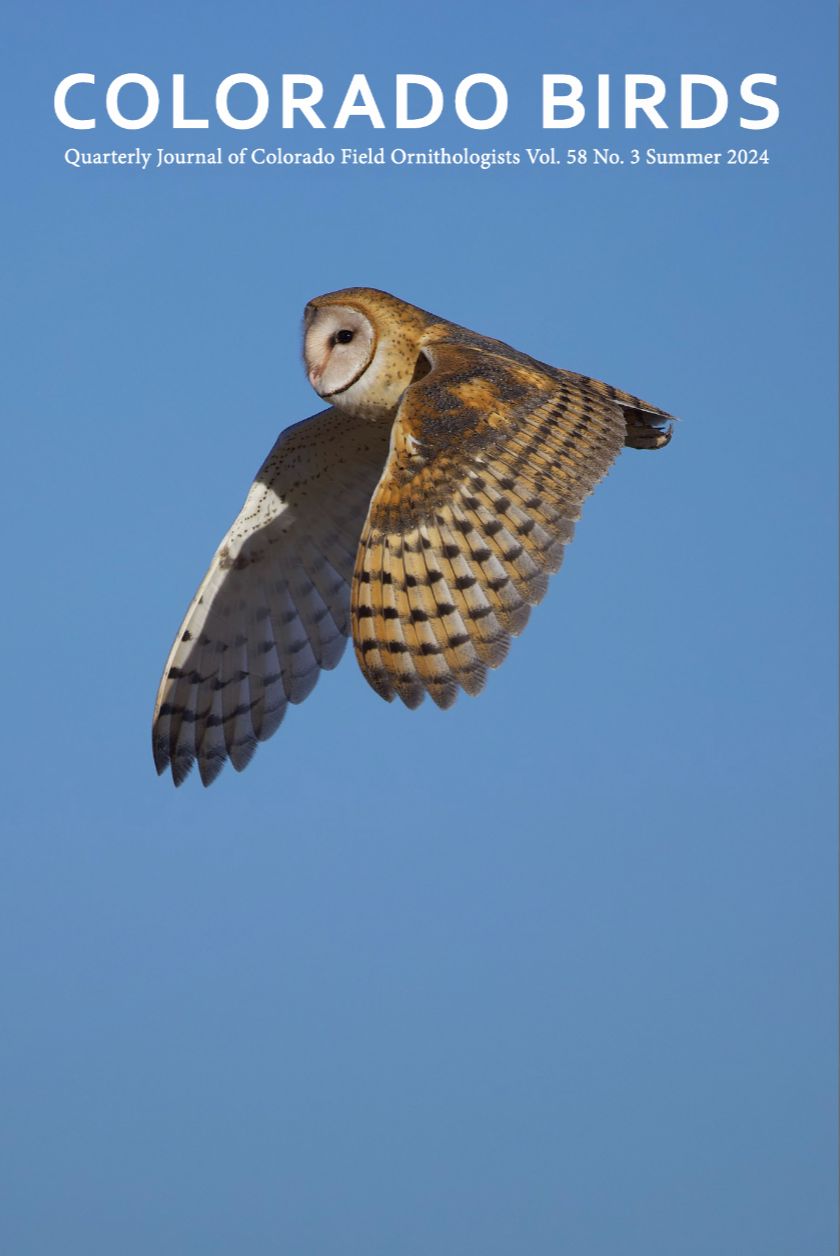
Colorado Birds, the CFO quarterly
Not a field guide. It is the journal of record for identification, distribution, and status in Colorado, a member benefit rather than a purchase, with an archive of back issues.
Colorado Bird Rescue and Rehabilitation
Always call first. Intake capacity and species restrictions change constantly, and some centers take raptors only.
Colorado Parks and Wildlife Wildlife Rehabilitation
The official starting point. CPW licenses every legal rehabilitator in the state and publishes a Wildlife Rehabilitators contact document here, though it is a licensing page with the list attached rather than a searchable directory. CPW's guidance is blunt: do not touch, move, or handle injured wildlife, and contact a licensed facility that specializes in that species. After hours, Animal Help Now is the referral tool Greenwood Wildlife points people to.
Rocky Mountain Raptor Program - Fort Collins, Larimer County
Raptors. Emergency line 970-222-0322. The facility at 720 E. Vine Drive is not open to the public.
Birds of Prey Foundation - Broomfield
Injured and orphaned raptors from all over Colorado, at 2290 South 104th Street. Intake 303-460-0674. Closed to public tours.
Greenwood Wildlife Rehabilitation Center - Lyons, Boulder County
Wild birds, waterfowl, and mammals, more than 200 species, covering the Front Range from north of Pueblo to the Wyoming border. Seven days, 9 a.m. to 4 p.m. Call 303-823-8455.
Northern Colorado Wildlife Center - Fort Collins, Larimer County
Songbirds, waterfowl, and other regional species as capacity allows, at 2637 Midpoint Drive. The homepage asks in capital letters that you call or text 970-283-7822 before bringing any animal.
Nature and Wildlife Discovery Center - Pueblo
Wildlife rehabilitation is part of its stated mission and it runs the Pueblo Raptor Center. Arkansas Valley Audubon is running a fire recovery fundraiser for it, so confirm intake status by phone first.
Grand Valley Audubon injured bird referral - Grand Junction and the Western Slope
GVAS is not a rehabilitation facility and says so. It refers injured or orphaned birds to the Pauline S. Schneegas Wildlife Foundation at 970-876-5676, the practical Western Slope contact.
Frequently Asked Questions
When can you see grouse leks in Colorado?
Spring, in narrow windows, and almost always with a booking. Wray's prairie-chicken tours ran late March into April in 2026, Walden's sage-grouse tours ran the first three weeks of April, and Waunita opens only April 1 to 10 and April 20 to 30. Reserve months ahead and expect a pre-dawn start.
What is the best time of year for bird watching in Colorado?
April and May are the peak— combining lek season, the tail of crane migration, and songbird arrival. Late summer into fall brings shorebirds, and the Barr Lake banding station runs late August into October. Winter is good on the plains and around open water.
Do you need a pass to go birding in Colorado?
Often, and it depends who owns the land. Every state park requires an entrance pass, from $4 for an individual to $17 for an out-of-state vehicle, or $29 for the annual Keep Colorado Wild pass. State Wildlife Areas require a hunting or fishing license or an SWA pass for anyone 16 or older.
Refuges like Monte Vista and Rocky Mountain Arsenal are free, and Rocky Mountain National Park charges entry plus a separate timed entry reservation in season.
Got a Colorado birding group to recommend?
New clubs start all the time, and if there is none near your county, starting one is less work than it sounds and mostly involves picking a meeting night. Tell us about yours in the comments or on the Sparkbird App.
Our goal is a birding community that connects people to nature and to each other.

No comments yet.