
Pennsylvania has more than 20 active bird watching clubs, running from the Delaware River to the Lake Erie shore, plus one of the oldest ornithological societies in the country. The state splits cleanly into a Wawa half and a Sheetz half. The birds don't respect the line. Neither do the clubs.
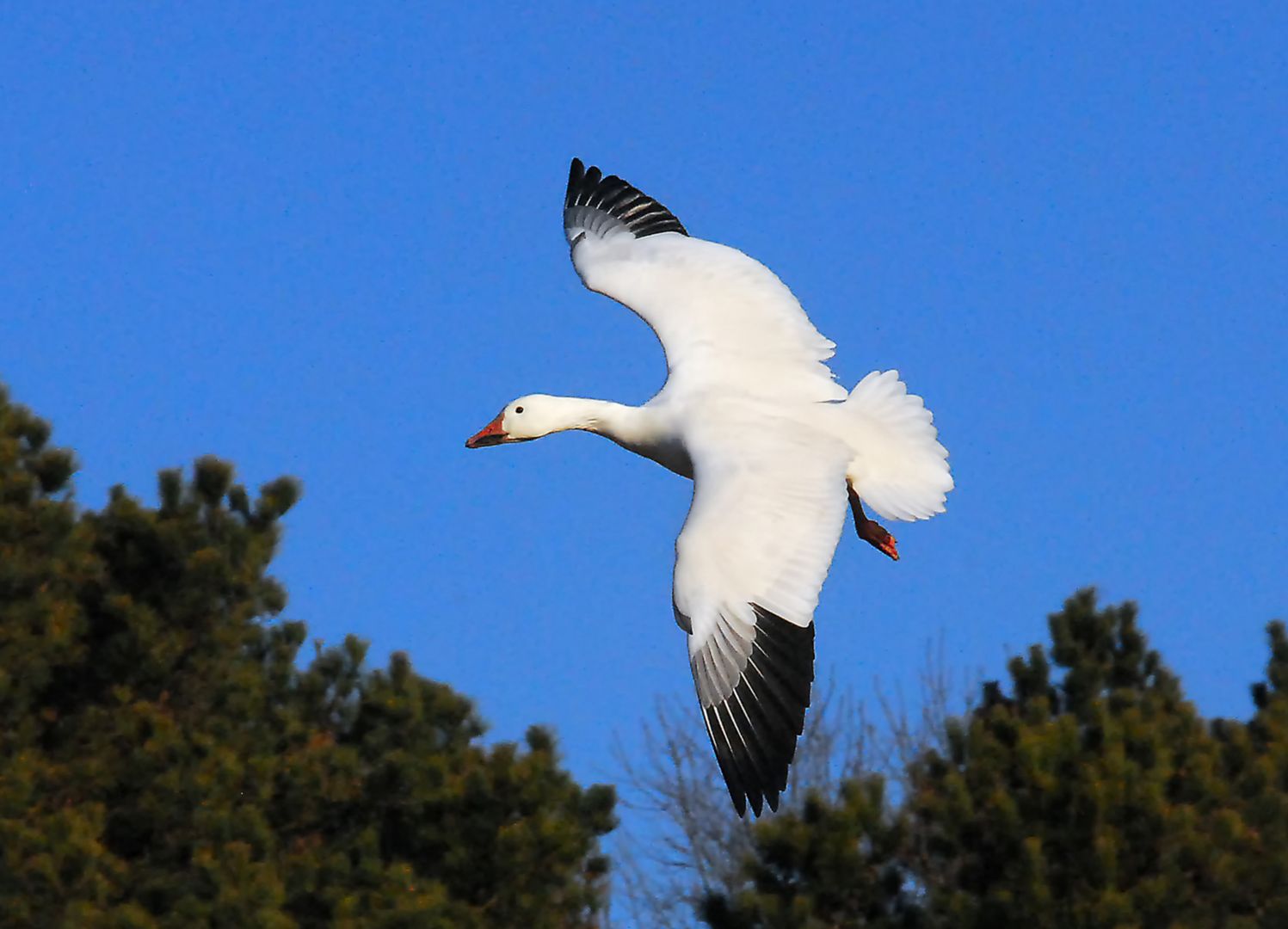
Whether you want Broad-winged Hawks at Hawk Mountain in September or Snow Geese lifting off a Lancaster County lake in February, there's a group nearby that knows where to stand.
Why Join a Bird Watching Group at All
Solo birding has real advantages. But with a club you get people who knows where the birds were yesterday. Pennsylvania's best birding sits on ridges and shorelines that only produce under particular conditions.
The Kittatinny Ridge is a globally significant migration flyway used by at least sixteen raptor species. But whether it's worth the drive on a given morning depends on a cold front that arrived overnight. Somebody in a club knows. Clubs are also the front door to community science like the Christmas Bird Count.
FYI before you buy
A serviceable pair of binoculars for birding runs from about $150 to well past $500, and several Pennsylvania organizations will simply lend you a pair.
The John Heinz National Wildlife Refuge at Tinicum loans binoculars free at its visitor center, and Audubon's Discovery Center in Philadelphia keeps binoculars to borrow. Borrow before you buy.
Statewide Bird Watching Groups in Pennsylvania
Pennsylvania Society for Ornithology (PSO)
The statewide ornithological society, publisher of Pennsylvania Birds, and host of an annual meeting and birding festival. PSO states that its members "range from neophyte birders to professional ornithologists," and membership isn't a prerequisite for attending events.
Audubon Mid-Atlantic
Not a walk-leading club but the National Audubon Society's regional conservation office for Pennsylvania, Maryland, and Washington DC. It runs two Pennsylvania sites: the John James Audubon Center at Mill Grove in Montgomery County, on the property where Audubon lived, and the Discovery Center in Philadelphia's Strawberry Mansion. Both offer beginner birding programs open to the public.
Christmas Bird Count
Running mid-December through early January, organized locally by individual clubs, and the easiest way to meet a dozen birders at once while getting acquainted with the winter birds of Pennsylvania. Beginners get paired with an experienced counter.
Bird Watching Groups in Philadelphia and the Southeast
Delaware Valley Ornithological Club (DVOC) - Philadelphia and the Delaware Valley
Founded in 1890, one of the oldest ornithological organizations in the United States, and publisher of Cassinia since 1901. Meetings are at the Academy of Natural Sciences with a Zoom option, and field trips are "free to all members and non-members." DVOC also runs BirdPhilly, free guided walks inside Philadelphia city limits.
Liberty Bird Alliance (formerly Wyncote Audubon Society) - Philadelphia and Montgomery Counties
The old wyncoteaudubon.org address redirects here, so update your bookmarks. Field trips, conservation work, and programs across both counties. Access terms aren't on the homepage, so check the calendar entry for the trip you want.
Valley Forge Audubon Society - Chester, Delaware, Montgomery, and Philadelphia Counties
Bird walks, hikes, and special events across the western Philadelphia suburbs. Its county-by-county hotspot pages are a useful reference on their own.
Honey Hollow Nature Center (formerly Bucks County Audubon Society) - New Hope, Bucks County
Renamed in January 2026, still a National Audubon chapter, at 2877 Creamery Road. Bird walks run the first and third Saturdays of every month except August. Nature center open Monday to Friday, 9am to 3pm. Trails daily dawn to dusk. The old bcas.org domain redirects here.
Bird Watching Groups in Pittsburgh and the Southwest
Three Rivers Birding Club of Southwestern Pennsylvania (3RBC) - Greater Pittsburgh
A 501(c)(3) marking its twenty-fifth anniversary in 2026, and the most active general-purpose birding club in western Pennsylvania. Meetings are hybrid, at the Audubon Society of Western Pennsylvania's Beechwood Farms auditorium with a Zoom link, and outings are posted publicly. Student memberships are available, which is rarer than it should be.
Audubon Society of Western Pennsylvania (ASWP) - Allegheny, Butler, and surrounding counties
An independent regional organization rather than a chapter, and a landholder in its own right. ASWP runs Beechwood Farms Nature Reserve outside Pittsburgh plus Buffalo Creek Nature Park, Succop Nature Park, Todd Nature Reserve, and the Audubon Center for Native Plants, with programs year round.
Bird Watching Groups in the Lehigh Valley and Poconos
Lehigh Valley Audubon Society - Emmaus and the Lehigh Valley
The chapter for the Lehigh Valley, based in Emmaus, and one that kept the Audubon name rather than rebranding. Events run through Meetup and Audubon's Mobilize platform rather than a fixed calendar, and the homepage publishes no dues or standing meeting night.
Lehigh Gap Nature Center - Slatington, Lehigh County
Legally the Wildlife Information Center, Inc., operating as Lehigh Gap Nature Center, and billed as America's first nature center on a restored Superfund site. It runs the Bake Oven Knob Hawk Count and community bird counts, with more than thirteen miles of free trails. Note that lehighgapnaturecenter.org doesn't resolve. lgnc.org is the working address.
Northeast Pennsylvania Audubon - Pike, Wayne, Lackawanna, and Susquehanna Counties
The chapter for the northern Poconos and Lackawanna valley, running public programs, workshops, and Christmas Bird Counts. The site updates less often than most here, so confirm before travelling.
Bird Watching Groups in Central Pennsylvania
Appalachian Audubon Society - Harrisburg and Southcentral Pennsylvania
Covering the Harrisburg region with what the chapter calls open-to-the-public meetings, events, and field trips, so you can turn up without joining anything. It also recruits the volunteer interpreters who staff Waggoner's Gap from mid-September to mid-November.
State College Bird Club - Centre County and within 25 miles of State College
Monthly meetings on Wednesdays at 7:00 pm at the Millbrook Marsh Spring Creek Education Building, with a Zoom option announced on the club listserv. All meetings are open to everyone and all field trips to members and non-members alike. Club volunteers also run the autumn hawk count at Stone Mountain.
Seven Mountains Audubon - Central Pennsylvania ridge-and-valley country
Monthly presentations on Zoom, Wednesday evenings at 7pm, plus First Saturday bird walks at 8:15 am rotating around regional preserves. The chapter doesn't publish its county boundaries, so email first if you're on the edge of its territory.
Lancaster County Bird Club - Lancaster County
Founded in December 1937, with more than 350 dues-paying members and a nearly ninety-year run. Crucially for a beginner: "nearly all LCBC events are free and open to the public." Lancaster County contains Middle Creek, which makes this a club worth knowing in February.
Bird Watching Groups in the Northwest and Erie
Presque Isle Audubon Society - Erie County
The chapter for Erie and the Lake Erie shoreline, based at 301 Peninsula Drive, with field trips and activities year round. It sits next door to the best migration site in western Pennsylvania, which does its trip list no harm.
Bartramian Audubon Society - Butler, Lawrence, Mercer, and Venango Counties
Named for the Bartram family of early American naturalists. Monthly programs run the second Monday of most months, September through December and March through May, at 7:00 pm at Jennings Environmental Education Center near Slippery Rock, and the public is welcomed and encouraged to attend.
Bird Watching Groups in the Northern Tier
Lycoming Audubon Society - Lycoming and Clinton Counties
The Williamsport-area chapter and the main organized birding presence in the northern tier, posting seasonal field trip schedules ahead of each spring and fall. Its birding hot spots page for the West Branch Susquehanna valley is the best local reference for a region that gets very little coverage.
Other Ornithology and Research Groups in Pennsylvania
Most don't run weekly walks, but several are worth a trip in their own right.
Pennsylvania Ornithological Records Committee (PORC)
Reviews and ratifies records of rare birds in Pennsylvania under PSO, publishing annual reports in Pennsylvania Birds. If you find something genuinely unusual, this is where the documentation goes.
PABIRDS Listserve
The statewide email list for sightings and rare bird alerts. Free and open to anyone, though only subscribers can post, and still the fastest way to hear that something extraordinary has landed in the Commonwealth.
Powdermill Avian Research Center (PARC) - Rector, Westmoreland County
Carnegie Museum of Natural History's banding station, one of the longest continuously running in North America. Banding happens year round, with mid-April to May and September to October best. Nets open half an hour before sunrise and close six hours later.
Free open houses and guided tours run during migration, but every visit must be booked in advance and the center has no capacity for drop-ins. The surrounding nature reserve trails are free, dawn to dusk.
Erie Bird Observatory - Erie County
Research and conservation on the Lake Erie shoreline, including a songbird banding station on Presque Isle now in its sixty-sixth year, plus Piping Plover monitoring. It runs public bird walks alongside the research.
Where to Go Birding in Pennsylvania
Pennsylvania state parks do not charge an entrance fee. That isn't true in most states, and it makes a Saturday of Pennsylvania birding remarkably cheap. The exceptions below are the sites that aren't state parks.
- Hawk Mountain Sanctuary (Kempton, on the Berks and Schuylkill county line) — Founded in 1934 as the world's first refuge for birds of prey, and worth planning a trip around. A private nonprofit covering 2,600 acres of the Kittatinny Ridge, emphatically not a state park, so the free-parks rule does not apply here. Trail fees are $10 for adults, $7 for seniors 65 and over, $5 for children 6 to 12, free under 6, and free for members, with no separate visitor center charge. Visitor center and trails open daily 9am to 5pm, closing on major holidays and select deer hunting dates. The autumn count runs August 15 through December 15 and averages roughly 18,000 raptors, with Broad-winged Hawks peaking in September and single-day counts topping 3,000. North Lookout has the best flight views, up the Lookout Trail with a 300-foot vertical rise over boulders requiring real rock scrambling. If that does not suit, South Lookout is 175 yards from the entrance gate on a groomed path, accessible to motorized wheelchairs and staffed by an observer daily September through early November, and the 900-foot Silhouette Trail is fully wheelchair accessible. Everything else is rocky and ungraded, and the sanctuary says so in capital letters.
- Middle Creek Wildlife Management Area (Lancaster County) — Roughly 6,000 acres of Game Commission land hosting one of the great wildlife spectacles in the eastern United States. Vast numbers of Snow Geese and Tundra Swans staging on the lake in late winter. The Game Commission names February to March as the peak, posts updated counts every two to three days, and runs a live webcam. Read the closures carefully, because they are counterintuitive. The visitor center closes from Thanksgiving until the Tuesday after Martin Luther King Day, and the driving tour road opens only March 1 through September 30, so it is shut for most of the goose spectacle. Plan on the trails and roadside pull-offs. Visitor center hours are Tuesday to Sunday, 8am to 4pm. No entrance fee.
- Presque Isle State Park (Erie County) — A sandy peninsula curling into Lake Erie, a National Natural Landmark, and the best migration trap in western Pennsylvania. Open every day of the year, 5:00 AM to sunset, and free. The Tom Ridge Environmental Center has free exhibits and a 75-foot observation tower, open daily 8:00 AM to 4:00 PM but closed Sundays and Mondays from November 1 through March 31.
- John Heinz National Wildlife Refuge at Tinicum (Philadelphia County) — The largest remaining freshwater tidal marsh in Pennsylvania, sitting improbably alongside Philadelphia International Airport. Free, trails open daily sunrise to sundown, visitor center Wednesday to Saturday, 9am to 4pm. Ten-plus miles of trails, including the 3.5-mile Wetland Loop and a wheelchair-accessible Big Boardwalk Loop under a mile. Binoculars are loaned free at the visitor center, which makes this the best place in the state to try birding before owning anything.
- Bald Eagle State Park (Centre County) — 5,900 acres around the 1,730-acre Bald Eagle Lake, west of State College. Open daily sunrise to sunset, no fee. Waterfowl in the colder months, and a regular winter destination for the State College Bird Club.
- Pymatuning State Park (northwestern Pennsylvania, near Jamestown) — At 16,892 acres one of the largest state parks in the Commonwealth, and the 17,088-acre Pymatuning Reservoir is the largest lake in it. Open daily sunrise to sunset, day use areas closing at dusk, free. A Fish and Boat Commission hatchery sits on site and the Game Commission maintains wildlife viewing areas nearby.
- Allegheny National Forest (northwestern Pennsylvania) — 514,029 acres on the Allegheny Plateau, and the state's best block of contiguous forest for breeding warblers and thrushes. No general entrance fee, though developed recreation sites can carry their own charges and the Forest Service had fee proposals out for comment through late 2026, so confirm rates for a specific campground.
The Kittatinny Ridge hawk watches
Hawk Mountain isn't the only place to watch the autumn raptor migration, and the Game Commission's raptor migration guide lists more.
Waggoner's Gap, near Carlisle on the Cumberland and Perry county line, is often described online as an Audubon site. It isn't. It's State Game Lands 230, owned by the Game Commission and managed in partnership with Hawk Mountain Sanctuary, with counters staffing it daily from August through December and logging more than 1,000 hours of migration data a season.
Bake Oven Knob is managed with Lehigh Gap Nature Center, Stone Mountain is counted by State College Bird Club volunteers from September 1 through mid-November, Allegheny Front on Shaffer Mountain in Bedford County is run by the Allegheny Plateau Audubon Society, and Tussey Mountain is sponsored by Shaver's Creek Environmental Center.
A word on State Game Lands, since several of these sit on them. They exist primarily for hunting and habitat management, with other recreation permitted under Game Commission regulations. Sunday is no longer automatically a hunting-free day in Pennsylvania, though hunting migratory game birds on Sundays remains prohibited. Wear blaze orange in season.
If you'd rather start from your own window, our guide to hummingbird plants for Pennsylvania covers what works here.
Pennsylvania Bird Books and Field Guides
Pennsylvania bird identification starts with the right field guide, and your local club may have region-specific checklists worth asking about.
Birds of Pennsylvania Field Guide
Stan Tekiela's state guide, organized by color rather than taxonomy. See a yellow bird, turn to the yellow section. Limited to species that actually occur in Pennsylvania, which removes most of the confusion a continental guide creates for beginners.

Birds of Pennsylvania Field Guide (Bird Identification Guides)
Adventure Publications
The Birds of Pennsylvania
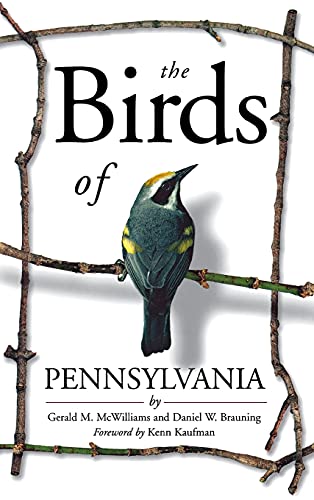
Gerald McWilliams and Daniel Brauning's status and distribution reference from Cornell University Press, with a foreword by Kenn Kaufman. Not a field guide, and it won't fit in a pocket. It's what you consult to learn whether a species is genuinely unusual for your county in March.
The Sibley Field Guide to Birds of Eastern North America
The second edition of the most authoritative portable guide to eastern birds, from illustrator David Sibley. If you buy one general guide, buy this.

The Sibley Field Guide to Birds of Eastern North America: Second Edition (Sibley Guides)
Knopf
Peterson Field Guide to Birds of Eastern and Central North America
The seventh edition of the other standard. Peterson's arrows pointing at diagnostic field marks remain one of the best teaching devices in birding.
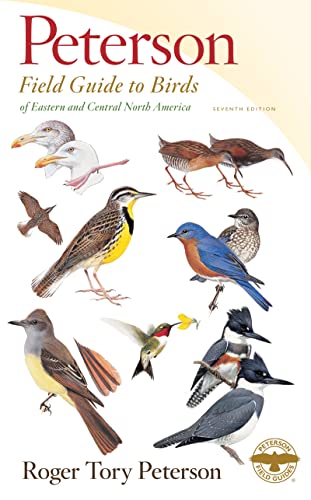
Peterson Field Guide To Birds Of Eastern & Central North America, Seventh Ed.: The Classic Birdwatching Guide with Updated Range Maps
Mariner
Pennsylvania Bird Rescue and Rehabilitation
Always call first. Hours and intake capacity vary constantly, and some centers take songbirds but not raptors, or raptors but not waterfowl.
The Pennsylvania Game Commission licenses wildlife rehabilitators but publishes no searchable directory of them on its own site. Its guidance points people to the association below, and to a regional office if nobody nearby can help.
Pennsylvania Association of Wildlife Rehabilitators (PAWR)
The county-by-county listing of licensed Pennsylvania rehabilitators, with names, addresses, phone numbers, and codes showing which species each may take. The directory the Game Commission itself points people toward. Start here.
Pennsylvania Game Commission regional offices
The fallback if the directory turns up nobody in range. Only licensed rehabilitators may legally care for injured or orphaned wildlife in Pennsylvania.
The Schuylkill Center Wildlife Clinic - Philadelphia County
At 304 Port Royal Avenue, open Monday to Saturday, 9am to 5pm. Takes native birds, small mammals, reptiles, and amphibians, but not deer, raccoons, foxes, groundhogs, bats, coyotes, or skunks. Call the hotline first.
Aark Wildlife Rehabilitation and Education Center - Chalfont, Bucks County
Open 10am to 5pm daily, year round, taking sick, injured, and orphaned birds, mammals, reptiles, and amphibians. Staff will talk you through by phone whether an animal needs help at all.
Red Creek Wildlife Center - Schuylkill Haven, Schuylkill County
At 300 Moon Hill Drive, open daily 9am to 4pm including weekends and holidays, taking everything from hummingbirds to eagles. An after-hours drop-off room at the front of the clinic alerts staff by motion sensor.
The Wilderz at Pocono Wildlife (formerly Pocono Wildlife Rehabilitation and Education Center) - Stroudsburg, Monroe County
Operating since 1983 and handling more than 4,000 animals a year, at 1161 Cherry Drive. The name changed recently, so older listings may show the old one.
Centre Wildlife Care - Port Matilda, Centre County
Open daily 8am to 8pm at 156 Natural Way, by appointment only. The site keeps a reference sheet to help you decide whether the animal needs intervention at all.
Humane Animal Rescue of Pittsburgh Wildlife Rehabilitation Center - Verona, Allegheny County
At 6000 Verona Road, open 8am to 4pm daily, treating all native Pennsylvania wildlife except White-tailed Deer, venomous snakes, and bears, more than 140 species a year. Call the helpline first.
Tamarack Wildlife Center - Saegertown, Crawford County
At 21601 Stull Road, serving northwestern Pennsylvania since 1989 and permitted for mammals, songbirds, raptors, endangered species, and native reptiles and amphibians. Messages checked hourly 8am to 9pm daily; admissions by appointment.
Frequently Asked Questions
When is the best time to visit Hawk Mountain?
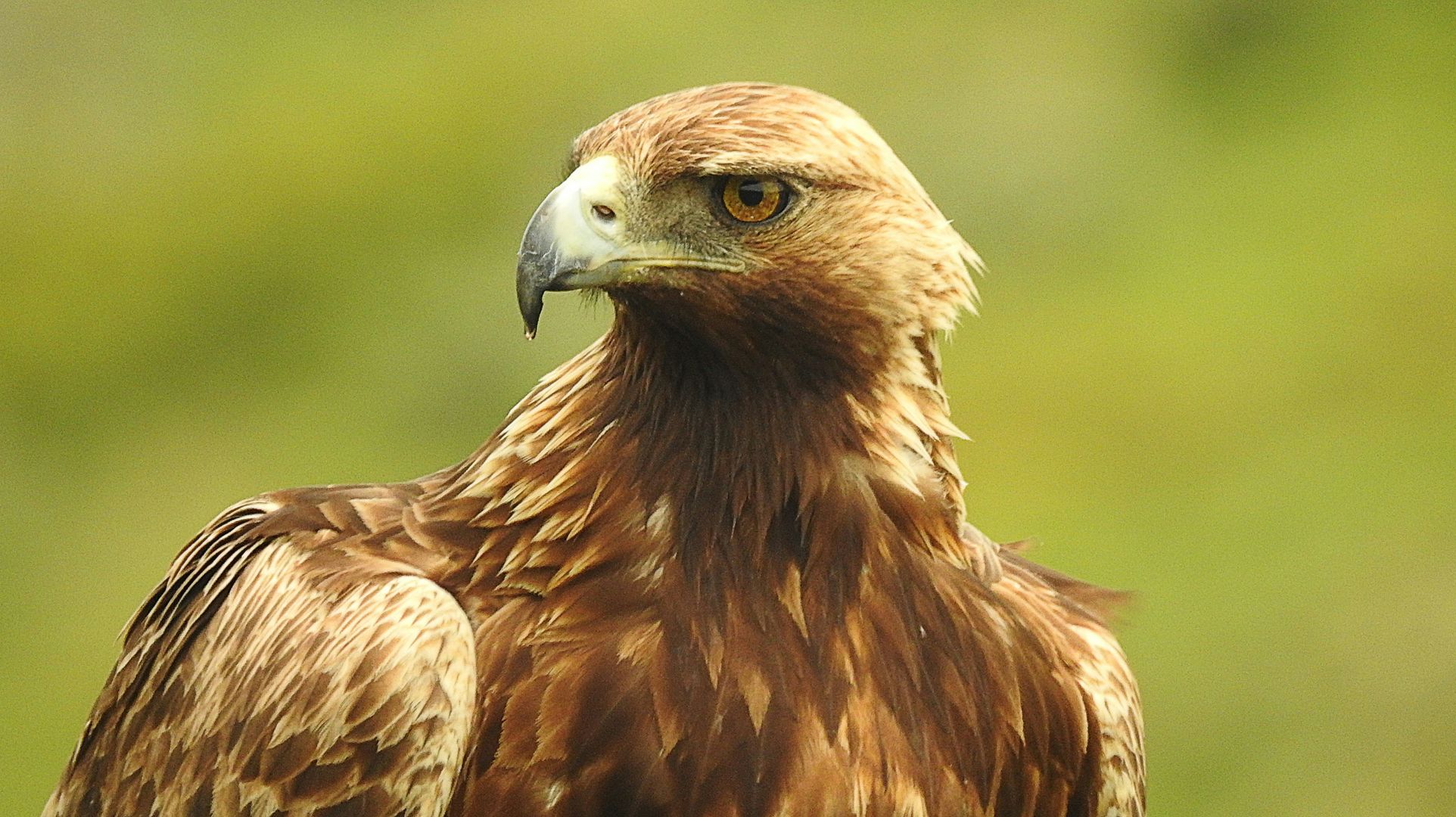
The autumn count runs August 15 to December 15, and mid-September is the classic window, when Broad-winged Hawks move through in numbers and single-day counts sometimes top 3,000. Late October and November shift toward Golden Eagles and Red-tailed Hawks. A north or northwest wind behind a cold front is the condition you want.
When do the Snow Geese arrive at Middle Creek?
The Game Commission names February to March as the peak for Snow Geese and Tundra Swans at Middle Creek. Numbers swing wildly with ice and weather, so check the posted counts before driving out.
Do Pennsylvania state parks charge admission?
No. The Department of Conservation and Natural Resources states plainly that Pennsylvania state parks don't charge an entrance fee. Camping and some programs carry their own charges. Hawk Mountain isn't a state park, and it does charge a trail fee.
Are there beginner-friendly bird watching groups in Pennsylvania?
Several go out of their way about it. BirdPhilly, run by the Delaware Valley Ornithological Club, offers free guided walks inside Philadelphia city limits with no membership requirement. Audubon Mid-Atlantic's Discovery Center runs beginner tours and lends binoculars, as does the John Heinz refuge.
Got a Pennsylvania birding group to recommend?
Let us know in the comments. If your group is missing, or you've caught a fact going stale, say so in the comments or through the Sparkbird App.
Our goal is to build a birding community that connects people to nature and to each other. Pennsylvania is unusually well set up for this.
- Related: How to Use the Sparkbird App

No comments yet.