
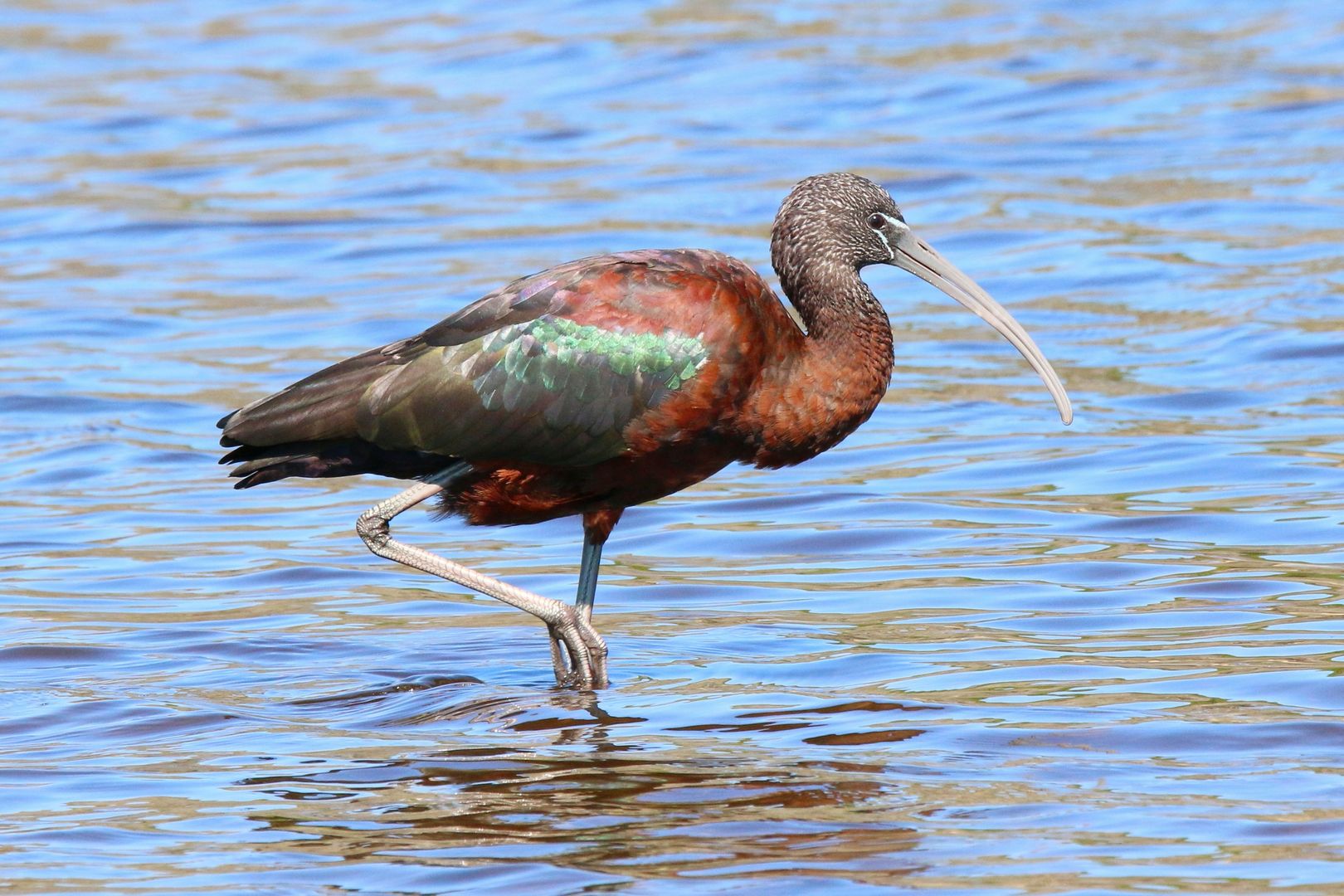
Virginia has more than twenty active bird clubs, grouped here by region rather than county, because Virginia has 95 counties plus 38 independent cities belonging to no county at all. Explaining that takes longer than the drive to the nearest bird walk.
Whether you're on the hawk platform at Kiptopeke in October or working a Fairfax County boardwalk on a Tuesday morning, there's a club within driving distance.
Why Join a Bird Watching Group at All
Solo birding has real advantages. But birding with others connects you with someone who knows where the birds were yesterday. That matters here, because Virginia is five biomes stacked end to end.
The birds moving through Cape Charles in October have nothing to do with the birds on the Skyline Drive ridgeline that week. Knowing which ridge is producing is knowledge that lives in people, not databases. Clubs are also the door into community science. The Christmas Bird Count runs December 14 through January 5, and nearly every Virginia count circle is organized by a club below.
FYI before you buy
One practical note before you spend money. A good pair of binoculars for birding runs from about $150 to well past $500, and you don't need to buy first.
The Virginia Department of Wildlife Resources says so in its own birding basics guide, which recommends an 8x42 and then tells you parks and nature centers will often lend you a pair. Northern Virginia Bird Alliance brings loaners to beginner walks.
Statewide Bird Watching Groups in Virginia
Virginia Society of Ornithology (VSO)
The statewide body and the spine of organized birding here, built out of local chapters and affiliated clubs. VSO publishes the journal The Raven, funds scholarships and grants, and runs multi-day trips of its own, recently to Chincoteague and the Eastern Shore, with members getting first priority to sign up.
Its chapter and club list is the best starting point in the state, though several entries point at older addresses than the clubs now use.
Virginia Avian Records Committee (VARCOM)
Established in 1989 under VSO, VARCOM evaluates records of vagrants and rare nesting species and maintains the official state list. If you find something genuinely unexpected, the documentation goes here.
Christmas Bird Count in Virginia
Less an organization than a season. Counts run December 14 to January 5, organized locally by the clubs below, and beginners get paired with experienced counters.
A note on Audubon in Virginia
There's no National Audubon state office for Virginia. Audubon Mid-Atlantic, the regional office people assume covers the Commonwealth, works in Maryland, Pennsylvania, and DC. The Audubon-affiliated groups on the ground here are independent local chapters, several of which have dropped the Audubon name.
Bird Watching Groups in Northern Virginia and the DC Suburbs
Northern Virginia Bird Club - Arlington, Fairfax, and surrounding counties
Close to 100 free bird walks a year, plus longer trips to the Blue Ridge and the Northern Neck. All experience levels welcome, membership not required for the weekly walks, and general meetings at St. Andrews Episcopal Church in Arlington.
Northern Virginia Bird Alliance (NVBA, formerly Audubon Society of Northern Virginia) - Reston and Northern Virginia
Founded in 1984 and renamed in 2024. Read the event listing before you go. Many classes and events are open to the general public, but NVBA also runs separate members-only outings, and members get discounts on paid classes. Beginners are welcome on the public walks.
Loudoun Wildlife Conservancy - Loudoun County
Not strictly a bird club, but it runs one of the busiest walk schedules in Northern Virginia, at Banshee Reeks Nature Preserve, Algonkian Regional Park, and Sweet Run State Park. Each walk has its own event page, so check before assuming drop-in access.
Bird Watching Groups in Richmond and Central Virginia
Richmond Audubon Society - Richmond and the greater Richmond region
Member meetings on the third Thursday at 6 p.m. at the First Unitarian Universalist Church of Richmond, and the club states plainly that you don't have to be a member to attend.
It also runs a Christmas Bird Count, the L. Robinson Winter Count, bird banding, a Young Birders Club, and Lights Out Richmond. Trips are posted to Google Calendar, Meetup, and Facebook rather than one page.
Piedmont Virginia Bird Club (formerly Monticello Bird Club) - Charlottesville and Albemarle County
Renamed in 2020. Meetings are 7 p.m. on the first Wednesday from September through May, and the club states that meetings and field trips are always free and open to the public.
Bird Watching Groups in Hampton Roads and the Coastal Plain
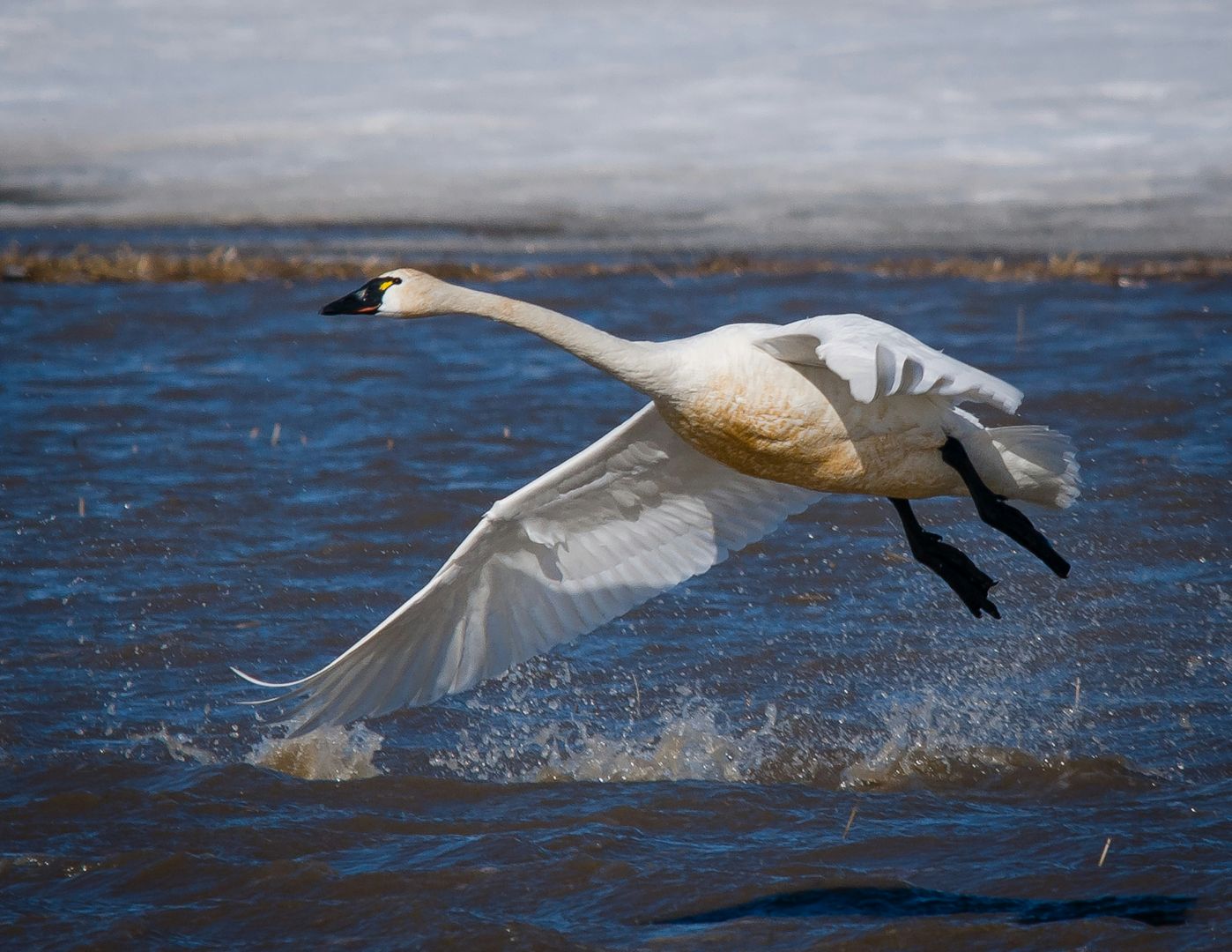
Hampton Roads Bird Club - Hampton Roads
Founded in 1951. Meetings are the second Thursday September through May, refreshments at 6:30 p.m. and program at 7. It also runs Fort Friday, a bird walk on the fourth Friday at 7 a.m. at Fort Monroe, one of the region's more reliable standing outings.
Williamsburg Bird Club - Williamsburg and the Historic Triangle
Meets at the Quarterpath Recreation Center and on Zoom, refreshments at 6 p.m. and program at 6:30. Dues are $20 individual, $25 family, $35 patron, $5 student. The monthly bird walk is free, open to the public, and kids are welcome, so dues buy you the club rather than the walks.
Cape Henry Audubon Society - Norfolk and coastal Virginia
Founded in 1952 and still running monthly bird walks at its Weyanoke Sanctuary, plus a Chimney Swift project and a Lights Out campaign. The site is an old Blogger build, so read the events list.
Virginia Beach Audubon Society - Virginia Beach
Membership meetings at Eastern Shore Chapel Episcopal Church on Laskin Road in September, November, December, January, March, and May. The club states that the public is invited to all activities.
Northern Neck Audubon Society - Kilmarnock and the Northern Neck
Active since 1970, covering the peninsula between the Potomac and the Rappahannock, an underbirded corner of the Coastal Plain with a lot of water and very little traffic.
Bird Watching Groups on the Eastern Shore
The Eastern Shore has fewer resident clubs than its birding reputation suggests, largely because two counties hold about 45,000 people between them. What it has instead is a nonprofit built around the migration itself.
Eastern Shore Birding and Wildlife Programs - Accomack and Northampton Counties
A nonprofit covering both Eastern Shore counties and the barrier islands, running educational programs and maintaining site-by-site birding information. Its county pages are the most useful free reference for a trip down Route 13.
For organized company, the Virginia Society of Ornithology, the Williamsburg Bird Club, and the Northern Virginia clubs all run multi-day Eastern Shore trips in autumn and winter. Coastal Virginia Wildlife Observatory, below, is who you'll actually meet at Kiptopeke.
Bird Watching Groups in the Shenandoah Valley and Blue Ridge
Augusta Bird Club - Staunton, Waynesboro, and Augusta County
Connecting people with birds since 1966. Monthly meetings September through May at Covenant Presbyterian Church in Staunton at 7 p.m., field trips posted with a note that all are welcome, membership $15 to $30. The older address still circulating in directories isn't the one to use.
Northern Shenandoah Valley Audubon Society - Clarke, Fauquier, Frederick, Shenandoah, and Warren Counties
Covers the top of the Valley and the northern approaches to Shenandoah National Park, with activities open to beginning and experienced birders alike, and it maintains the Audubon Arboretum. Some directories still list an older domain for this one.
Rockingham Bird Club - Harrisonburg and Rockingham County
Open to anyone interested in birds, gathering at 7 p.m. on first Thursdays September through June at the Virginia Mennonite Retirement Community in Harrisonburg. One caveat. The most recent meeting records on the site are from 2023, so confirm a date by email or Facebook before driving out.
Rockbridge Bird Club - Rockbridge County, Lexington, and Buena Vista
Programs are open to the public and membership is optional at $15 per household. Field trips are a mix of scheduled and impromptu outings announced by newsletter, so get on the mailing list.
Lynchburg Bird Club - Lynchburg, Amherst, Bedford, and Campbell Counties
Meets 7 p.m. on the second Wednesday September through May, except December, at Liberty University. Field trips run year round with leaders on hand for beginners, and the club is direct that many members consider themselves novices.
Roanoke Valley Bird Club - Roanoke Valley
Birding the Roanoke Valley since 1957. Monthly meetings September through May, and the club states that meetings are free and guests are always welcome.
Bird Watching Groups in Southwest Virginia
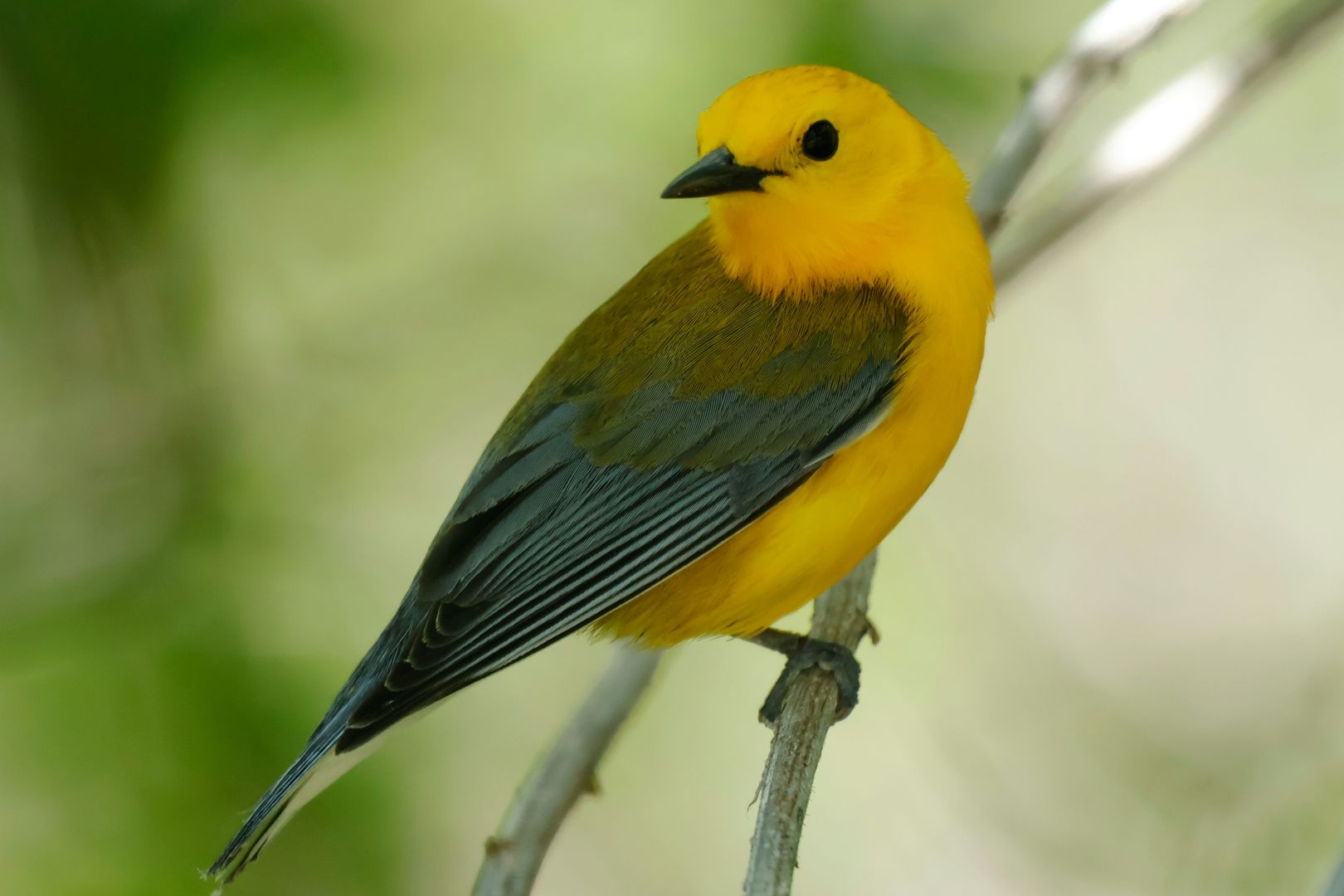
Bristol Bird Club - Bristol and the Tri-Cities
Founded in 1950 and unusual in being simultaneously a Virginia club and the J. Wallace Coffey Chapter of the Tennessee Ornithological Society. Meetings are 7 p.m. on the third Tuesday except June and October at the Bristol, Virginia Public Library, and everyone is welcome.
New River Valley Bird Club - Blacksburg, Radford, and Montgomery, Floyd, Giles, and Pulaski Counties
Meets the first Wednesday of the month September through April at 7 p.m. at the Blacksburg Community Center on Patrick Henry Drive, and states outright that members and non-members are welcome.
Buchanan/Russell County Bird Club - Buchanan and Russell Counties
The coalfield corner of Virginia, and the only organized birding presence for a long way in any direction. The club meets at 6 p.m. on the second Monday at the Buchanan County Public Library. Its website hasn't been updated since 2017, so confirm on Facebook before you drive.
Other Ornithology and Research Groups in Virginia
Most of these don't run field trips, but several are worth your attention anyway.
Coastal Virginia Wildlife Observatory (CVWO, formerly K.E.St.R.E.L.) - Kiptopeke and the lower Eastern Shore
Established in 1994 and the operator of the Kiptopeke Hawkwatch, which has run since 1977 and logged over a million birds of 23 species. Paid hawkwatchers and volunteers conduct the count from September 1 to November 30, and visitors are always welcome on the platform. CVWO also runs songbird and waterbird research.
The Center for Conservation Biology - William and Mary and Virginia Commonwealth University
Behind most of what's known about Virginia's Bald Eagles, Peregrine Falcons, Black Rails, and Ospreys. Its public tools are genuinely useful: an Eagle Nest Locator and the EagleTrak blog.
Virginia Bird and Wildlife Trail
A Department of Wildlife Resources network of 65 driving loops, with site pages listing habitat, target species, and access notes. Start here when planning a trip to an unfamiliar county.
Birding Virginia
A volunteer-run reference covering all 133 Virginia counties and independent cities, built by a team including the statewide eBird coordinator. Parts are still in progress and the team says so, which is more honesty than most birding sites manage.
VA-BIRD
The statewide listserv, used for rare bird reports and hawkwatch dailies from Kiptopeke. Unglamorous, and still one of the faster ways to hear about something unusual.
Sparkbird App - Community
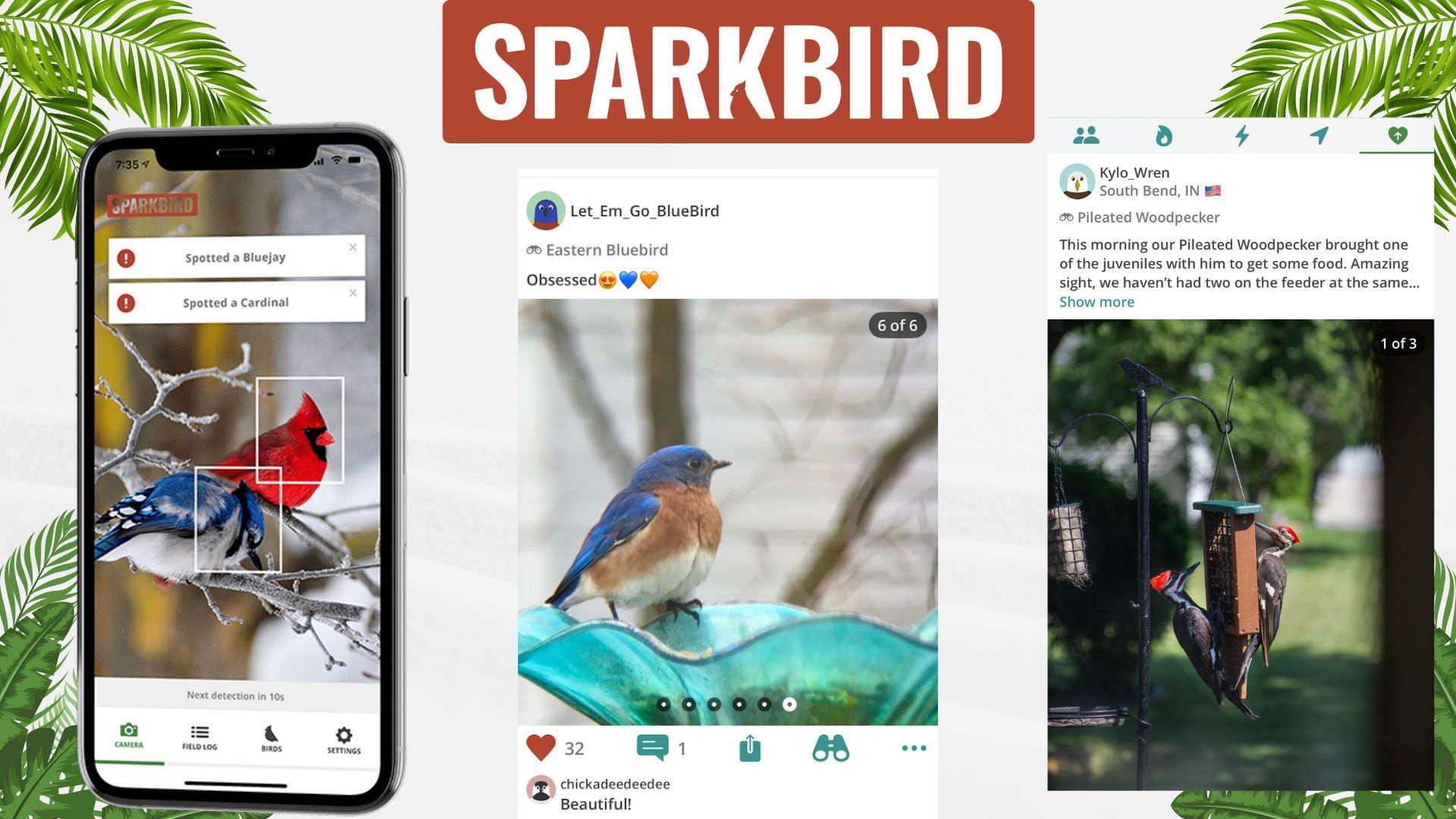
We built Sparkbird for people who want a friendly community of fellow birders. Track your life list, get identification help, and meet people who also stop mid-sentence to look at a tree. Instagram for birders, without the algorithms.
Where to Go Birding in Virginia
A club is the fastest route to local knowledge, but these seven sites produce reliably, and every one has access terms you should read first.
- Kiptopeke State Park (Northampton County) — The best single autumn morning in Virginia. Migrants funnel down the Delmarva and stack up at the tip, and the hawk observatory counts 15,000 to 20,000 raptors a year at what the Department of Wildlife Resources calls one of the finest raptor sites in the Americas. CVWO staffs the platform September 1 to November 30, sunrise to sunset, free and drop-in. Visitation is 6 a.m. to 10 p.m. Virginia State Parks charge a per-vehicle parking fee year round, and the amount differs by park, day, and season, so check the park's fee page first.
- Eastern Shore of Virginia National Wildlife Refuge (Northampton County) — Ten minutes from Kiptopeke, and the other half of the Eastern Shore autumn. General entrance is free. Roads and trails open half an hour before sunrise and close half an hour after sunset, the visitor center opens Friday to Sunday 10 a.m. to 4 p.m., and the Wise Point boat ramp costs $10. Anything not posted as trail, road, parking lot, or building is closed to entry.
- Chincoteague National Wildlife Refuge (Accomack County) — Piping Plovers, oystercatchers, terns, and fourteen managed moist-soil units of waterfowl and shorebirds. It charges: $10 daily, $25 weekly, or $45 annual, required year round except on posted free days, covering the refuge and Assateague Island National Seashore. Pedestrians and cyclists enter free; pets are prohibited entirely. And the famous ponies aren't federal wildlife. They belong to the Chincoteague Volunteer Fire Company, which grazes up to 150 of them on refuge land under a special use permit from the U.S. Fish and Wildlife Service.
- Shenandoah National Park (Skyline Drive, Front Royal to Rockfish Gap) — 105 miles of ridge road through breeding habitat for Cerulean and Black-throated Blue Warblers and Peregrine Falcon. Entry is $30 per vehicle for seven days, $15 on foot or bicycle, or $55 annually, and the park has been cashless since July 1, 2025. Skyline Drive is the park's only public road and portions close in bad weather, so snow and ice shut it for stretches every winter. The park has also closed sections overnight during deer hunting season, so check alerts before planning a dawn arrival.
- Huntley Meadows Park (Fairfax County) — A large freshwater wetland with a boardwalk, inside the Washington metro area, and the reason Northern Virginia birders are smug about rails. Admission for individuals and families is free; groups of 12 to 60 pay $30. From September 1 to November 30 the visitor center opens weekdays except Tuesdays 9 a.m. to 5 p.m. and weekends noon to 5 p.m. Dogs are banned on the boardwalk.
- Back Bay National Wildlife Refuge (City of Virginia Beach) — Winter waterfowl on a barrier spit. Entrance is $5 per vehicle daily or $20 annually, and hikers and cyclists enter free. Read the vehicle rules first: cars can't go past the visitor center parking area at all, and trailers can't be accommodated. The East and West Dike trails run April 1 to October 31 with only one open at a time, and both close November 1 to March 31 for wintering waterfowl. Grounds are open dawn to dusk year round.
- Great Dismal Swamp National Wildlife Refuge (Suffolk and Chesapeake) — More than 40 miles of trails through bottomland forest, plus Lake Drummond with Tundra Swans and Snow Geese in winter. The six-mile Lake Drummond Wildlife Drive is entered from Desert Road in Suffolk and costs $5 per vehicle, cash or check at a self-service permit station, free with a Duck Stamp or America the Beautiful pass. The gate opens at 7 a.m. from April 1 to September 30 and 7:30 a.m. from October 1 to March 31, closes earlier in winter, and shuts an hour before the drive does. Trails run sunrise to sunset, most are earthen roads that go muddy after rain.
If you'd rather start from your own back garden while you wait for October, our guide to hummingbird plants for Virginia covers what actually works in the Commonwealth's climate.
Virginia Bird Books and Field Guides
A field guide is the cheapest birding equipment you'll ever buy, and unlike binoculars you should just buy one.
Birds of Virginia Field Guide
Stan Tekiela's Virginia volume, organized by color rather than taxonomy. See a yellow bird, turn to the yellow section. Hard to beat as a first guide, and it sticks to birds you can actually encounter here.

Birds of Virginia Field Guide (Bird Identification Guides)
Adventure Publications
A Birder's Guide to Virginia
The American Birding Association's site guide, compiled by David W. Johnston, and the only full statewide birdfinding guide Virginia has ever had. It dates to 1997, so verify fees, hours, and road access against the managing agency before driving anywhere on its strength.

A Birder's Guide to Virginia (ABA Birdfinding Guide)
Brand: American Birding Association
The Sibley Field Guide to Birds of Eastern North America
The second edition of David Sibley's eastern guide, and the one most Virginia birders eventually carry. Step up to it once the color-coded guide stops answering your questions.

The Sibley Field Guide to Birds of Eastern North America: Second Edition (Sibley Guides)
Knopf
Peterson Field Guide to Birds of Eastern and Central North America
The seventh edition of the other standard. Peterson's arrows pointing at field marks remain one of the best teaching devices in birding.
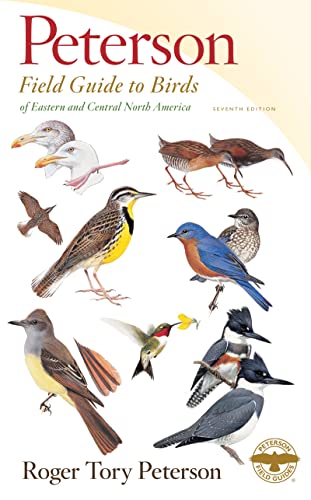
Peterson Field Guide To Birds Of Eastern & Central North America, Seventh Ed.: The Classic Birdwatching Guide with Updated Range Maps
Mariner
Virginia Bird Rescue and Rehabilitation
Always call first. Hours and intake capacity vary constantly, and some centers take only birds while others exclude whole groups of species.
Virginia DWR Permitted Wildlife Rehabilitators
The official state directory, an interactive map. Start here. If nobody's listed in your county, the department's advice is to try an adjacent one. The DWR helpline is 1-855-571-9003, weekdays 8 a.m. to 4:30 p.m.
Wildlife Center of Virginia - Waynesboro, Augusta County
One of the best-known wildlife teaching hospitals in the world, taking native wildlife including Bald Eagles. Admissions is 540.942.9453, and its find a rehabilitator page lists eight centers by region as a cross-check on the state map.
Blue Ridge Wildlife Center - Boyce, Clarke County
Native wildlife including raptors and waterfowl. The emergency hotline, (540) 837-9000, is staffed daily including holidays, 9 a.m. to 5 p.m. The best option for the northern Shenandoah Valley.
Wildlife Rescue League - Northern Virginia
A network of licensed rehabilitators across Northern Virginia and nearby counties. The hotline is (703) 440-0800, voice calls only, 9 a.m. to 5 p.m. November through March and 9 a.m. to 7 p.m. April through October.
Richmond Wildlife Center - Richmond and Central Virginia
Founded in 2010 and currently a temporary triage station with limited housing capacity while a permanent facility is built in Goochland County. Call (804) 378-2000 first.
Southwest Virginia Wildlife Center of Roanoke - Roanoke
State and federally licensed, on Coleman Road, 540-798-9836. Takes most native wildlife but not raccoons, striped skunks, deer, coyotes, venomous snakes, or domestic animals.
Tidewater Rehabilitation and Environmental Education (TREE) - Virginia Beach
A bird specialist, songbirds through birds of prey, over a thousand patients a year across some 150 species. Call (757) 235-3189.
Wildlife Response, Inc. - Hampton Roads
An all-volunteer group taking orphaned, injured, and displaced native wildlife across Hampton Roads, with a center in Virginia Beach. Hotline 757-543-7000.
Frequently Asked Questions
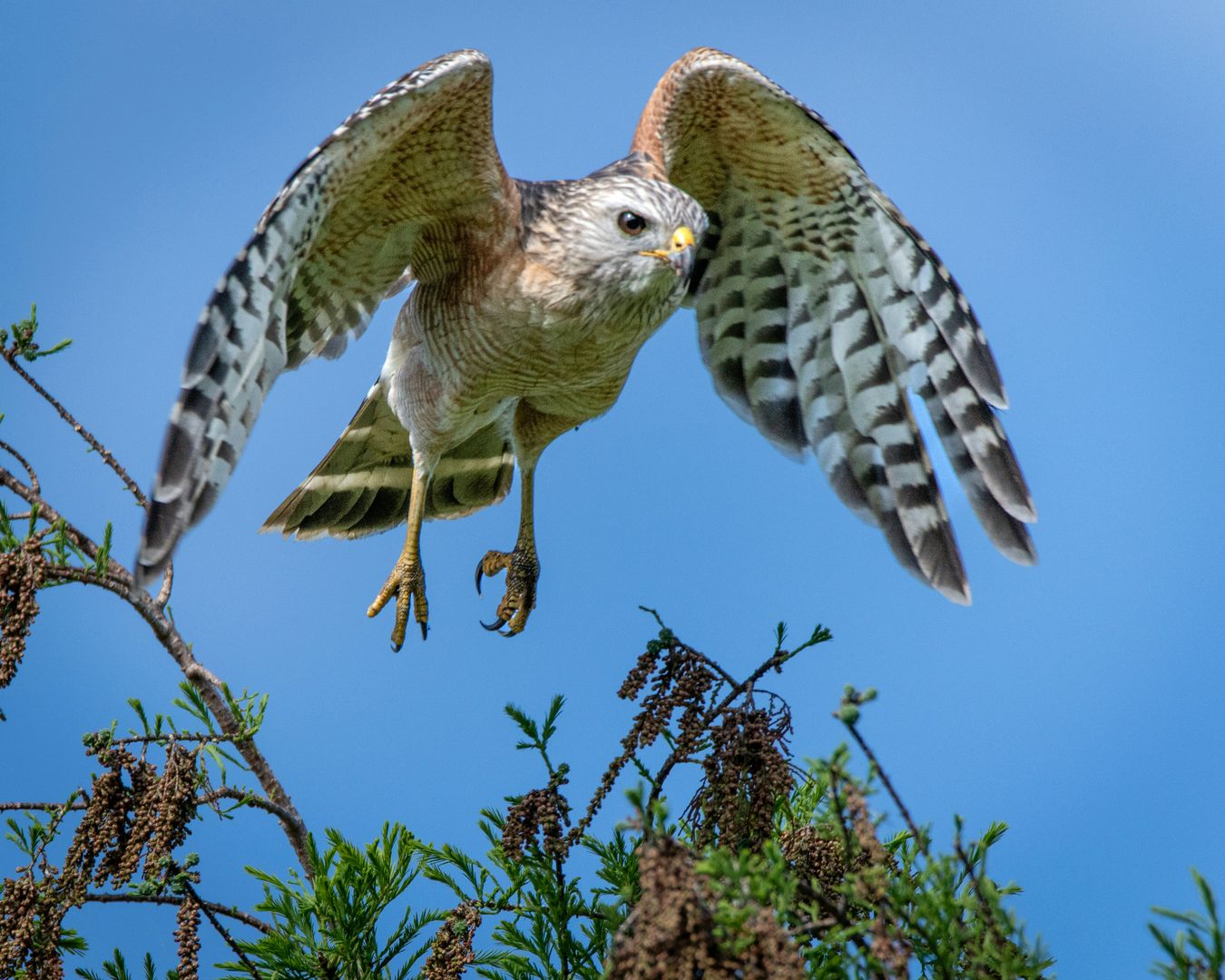
When does the Kiptopeke hawk watch peak?
Coastal Virginia Wildlife Observatory staffs the platform at Kiptopeke State Park from September 1 through November 30, sunrise to sunset, and the site averages 15,000 to 20,000 raptors a season.
September and October carry the bulk of the flight. Because it depends on wind, plan around a cold front rather than a date.
Does Chincoteague National Wildlife Refuge charge admission?
Yes. A daily pass is $10, a weekly pass $25, and a Chincoteague annual pass $45, required year round except on posted fee-free days. It covers the refuge and Assateague Island National Seashore for everyone in one private vehicle. Pedestrians and cyclists enter free, and pets are banned.
Where can you see the Eastern Shore migration in Virginia?
At the southern tip of the Delmarva Peninsula, where southbound migrants hit the Chesapeake and pile up before crossing. Plan around two sites: Kiptopeke State Park, with its hawk observatory, and the free Eastern Shore of Virginia National Wildlife Refuge just south of it.
Late September through October is the window.
Are there beginner-friendly bird watching groups in Virginia?
Several go out of their way about it. Northern Virginia Bird Alliance brings loaner binoculars to introductory walks, and the Lynchburg Bird Club puts leaders on every trip for people just getting interested. Nobody's going to quiz you on gull plumages.
Got a Virginia birding group to recommend?
Clubs form, rename, and occasionally forget to update their websites, which is where most of this directory's research time went. If your group is missing, or if we've got you meeting on the wrong Thursday, tell us in the comments or through the Sparkbird App in the Apple App Store.
- Related: How to Use the Sparkbird App

No comments yet.