
The best birding spot can be as covert as a retention pond behind a strip mall, sandwiched between a tire place and a store that has sold exclusively above-ground pools since roughly 1998.
Clubs and apps are some of your best options. After all, it's where birders go to gossip.
Start With eBird, Because Everyone Else Already Did
eBird is the largest citizen-science database in existence, and its hotspot layer is effectively a crowd-sourced map of where birds have actually been seen rather than where somebody thinks they should be.
A hotspot is a shared public location that multiple birders submit checklists to, and that aggregation is what makes the data useful. Personal locations stay private to you; hotspots aggregate. New ones are suggested by birders and approved by volunteer hotspot administrators, which is why your favorite patch might not be on there yet.
Three ways in:
- Explore Hotspots map. Go to the Explore page and open the hotspot map. It color-codes locations by species count, with warmer colors marking places where more species have been reported. Zoom to your town and the picture appears immediately.
- Explore Regions. Search your county. You get a dashboard of recent sightings, top hotspots, and an illustrated checklist showing what turns up when.
- eBird Mobile. The Explore tab does the same thing from a parking lot, which is where most of these decisions actually get made.
Each hotspot page gives you a species list, recent visits, top contributors, and an "Iconic Birds" section flagging what that location offers relative to everywhere else nearby. That last one is the most useful and the most overlooked.
Read the Species Count Skeptically
Nobody tells you this, and it will save you several disappointing mornings.
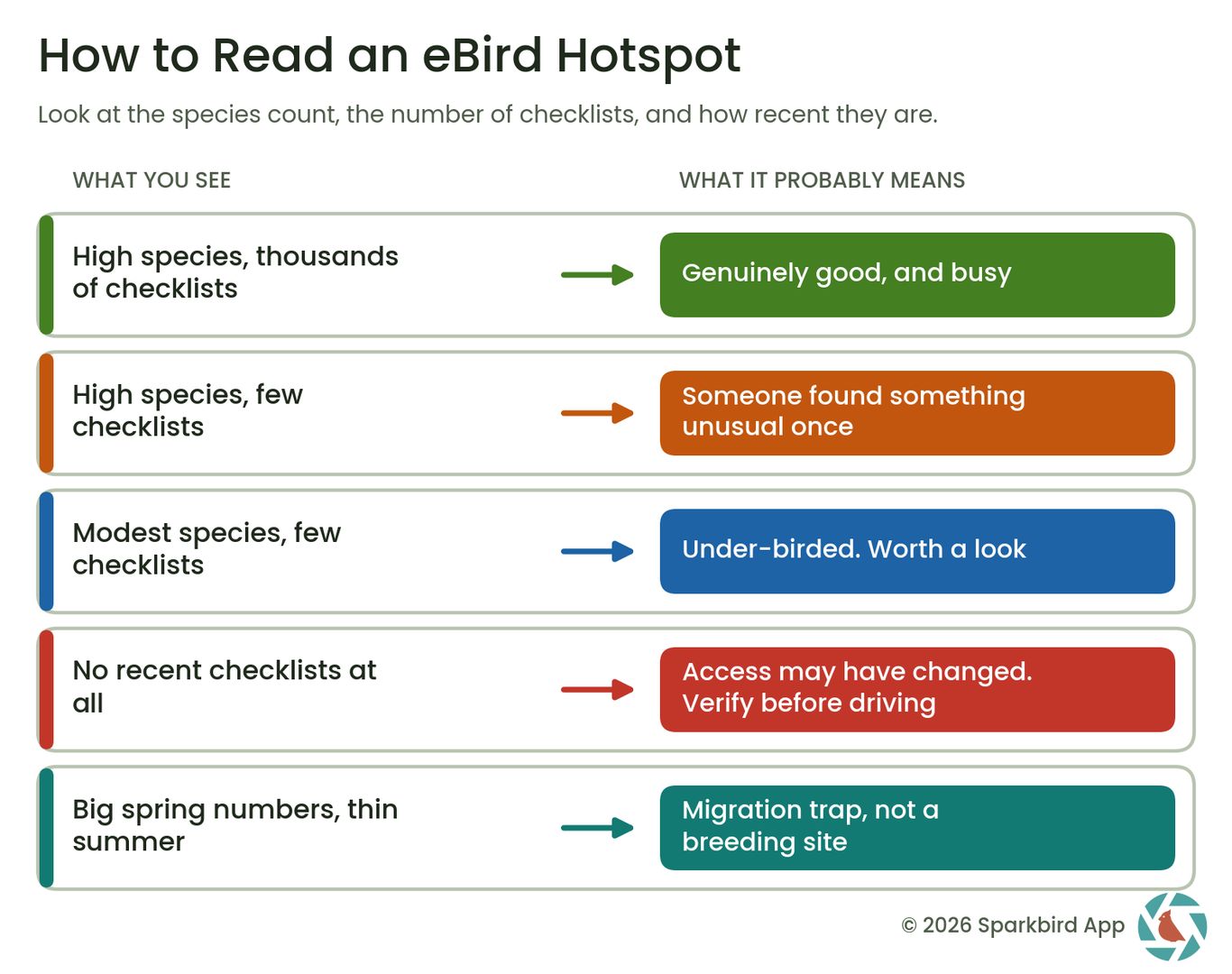
A high species count often measures birders, not birds.
A famous hotspot showing 280 species may have accumulated that list over fifteen years and forty thousand checklists. The unremarkable county park down the road showing 94 species might have twelve checklists total, all submitted by one retired guy in 2019. The first number reflects sustained attention. The second reflects an absence of it.
So before you drive anywhere, check two things on the hotspot page: how many checklists the total is built from, and how recent the sightings are. A location with 94 species from 12 checklists is not a worse spot. It is an under-birded one, arguably better, because the birds there have not been looked at much and nobody else will be standing in your way.
Use eBird's bar charts for the timing question. They show which species are present by week of the year, which converts "is this place any good" into the far more useful "is this place any good in late April." Plenty of great spots are dead in July.
The Sources eBird Cannot Give You
eBird maps places people log. It doesn't map places people know about and never bothered to log, and that category is larger than you would expect.
That's where we come in.
Bird Watching Club Directories by State — Sparkbird App
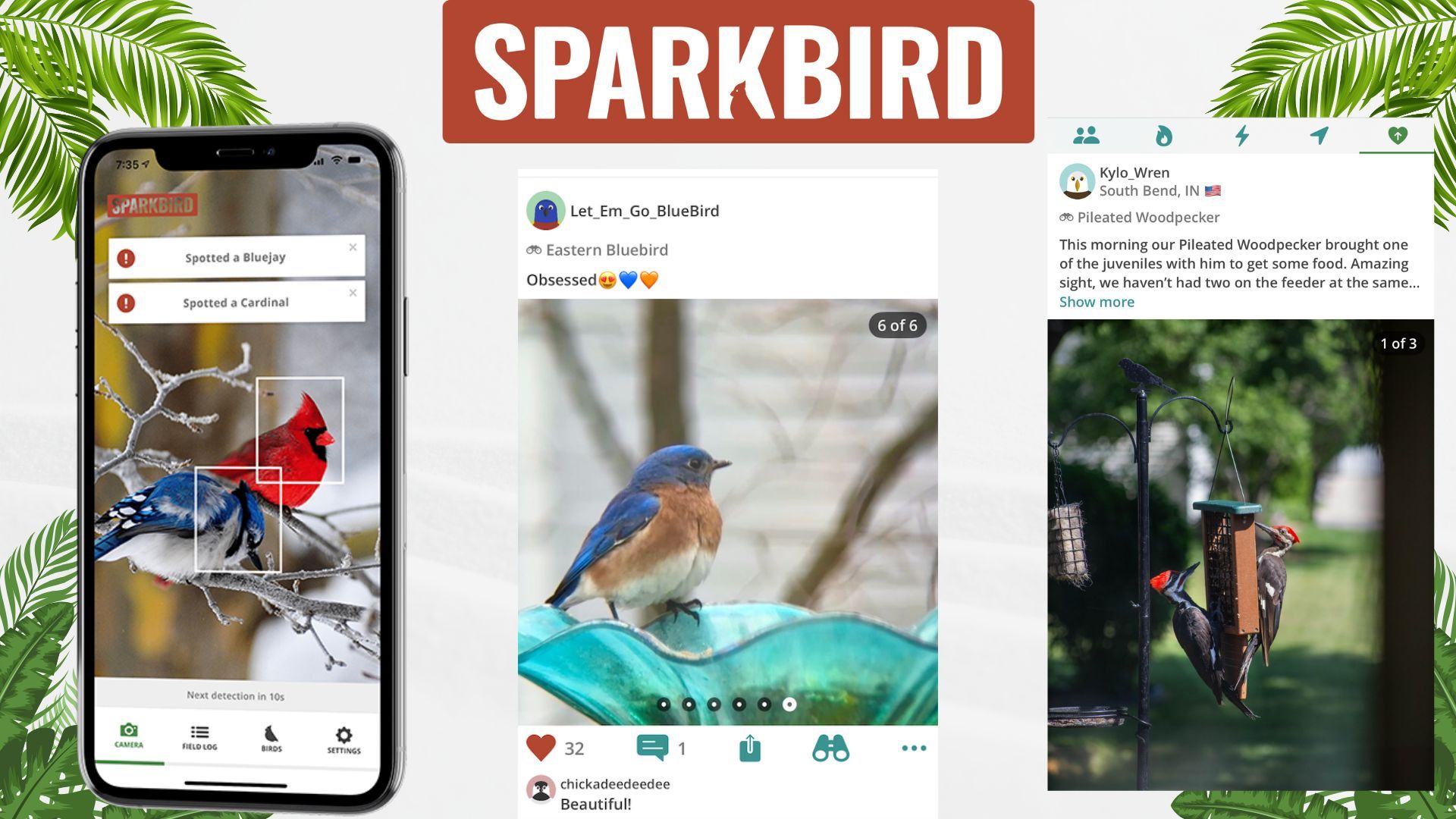
I saw that most directories and meetup group lists were outdated, incorrect, or just didn't exist. So I made the ultimate bird watching club lists for each state. The Sparkbird App has the most up-to-date lists for meetup groups, ornithology clubs, conservation, field guides, bird rescue and rehabilitation, and the top birding hotspots in every state.
The Sparkbird Bird Watching Club by State connects you with locals who know where best birding spots, best parking, and best routes to get there.
Here's a short list of birding hotspots eBird doesn't cover and where you might end up with a bird club:
- Local Audubon chapters. The single best resource, and consistently underused. Chapters run free public bird walks in nearly every state, most without requiring membership, and the person leading yours has usually been birding that county for decades. They know which gate is unlocked, which trail floods, and where the owls actually are.
- County parks and land trusts. Everyone thinks of national and state parks. County-level parks, conservation districts, and regional land trusts hold enormous amounts of accessible habitat and receive a fraction of the attention.
- Wastewater treatment plants and reservoirs. Genuinely. Water treatment facilities are famous among birders for shorebirds and waterfowl, many welcome visitors, and the birding is often outstanding. Yes, you have to explain yourself to your family.
- Cemeteries, campuses, and botanical gardens. Old cemeteries in particular are mature trees, open ground, low traffic, and no dogs, close to an ideal configuration.
- Airports, landfills, and sod farms. Ugly, productive, and beloved by anyone chasing open-country species.
What Actually Makes a Birding Spot Good
Once you know what to look for, you can spot productive habitat without any data at all.
Water. A pond, creek, marsh, or drainage basin will outproduce a comparable area of dry uniform ground almost every time. Water concentrates birds, especially in dry seasons and cold snaps.
Edges. The boundary where one habitat meets another, woods against field, marsh against scrub, holds more species than either habitat alone. Look for seams on a satellite map.
Structural variety. A place with ground cover, shrubs, understory, and mature canopy supports more species than a place with only one of those, which is why manicured parks with mown grass and isolated trees are so quiet.
Migration geography. Peninsulas, lakeshores, and river corridors funnel migrating birds and concentrate them at predictable pinch points. A modest park on a Great Lakes shoreline can outperform a large forest inland by an absurd margin in May.
Open satellite view and look for water plus edges plus structure. You can find birding spots this way that nobody has logged.
The Case for a Patch Instead of a Tour
Pick one ordinary place close to your house and go there constantly.
A patch is a spot you bird repeatedly rather than a destination you visit. It's usually unremarkable and it is almost always within ten minutes of home, because proximity is what makes the frequency possible. The U.S. Fish and Wildlife Service reports that 43 million Americans travel a mile or more to bird, averaging 34 days a year of it, and there is nothing wrong with that. But the birders who improve fastest are the ones with a patch, because repetition is what builds the mental baseline that makes something unusual stand out.
You can't notice that a bird is out of place until you know what belongs there. Fifteen minutes at the same retention pond four times a week will teach you more in a season than six ambitious day trips.
And the Best Hotspot Finder Is a Person
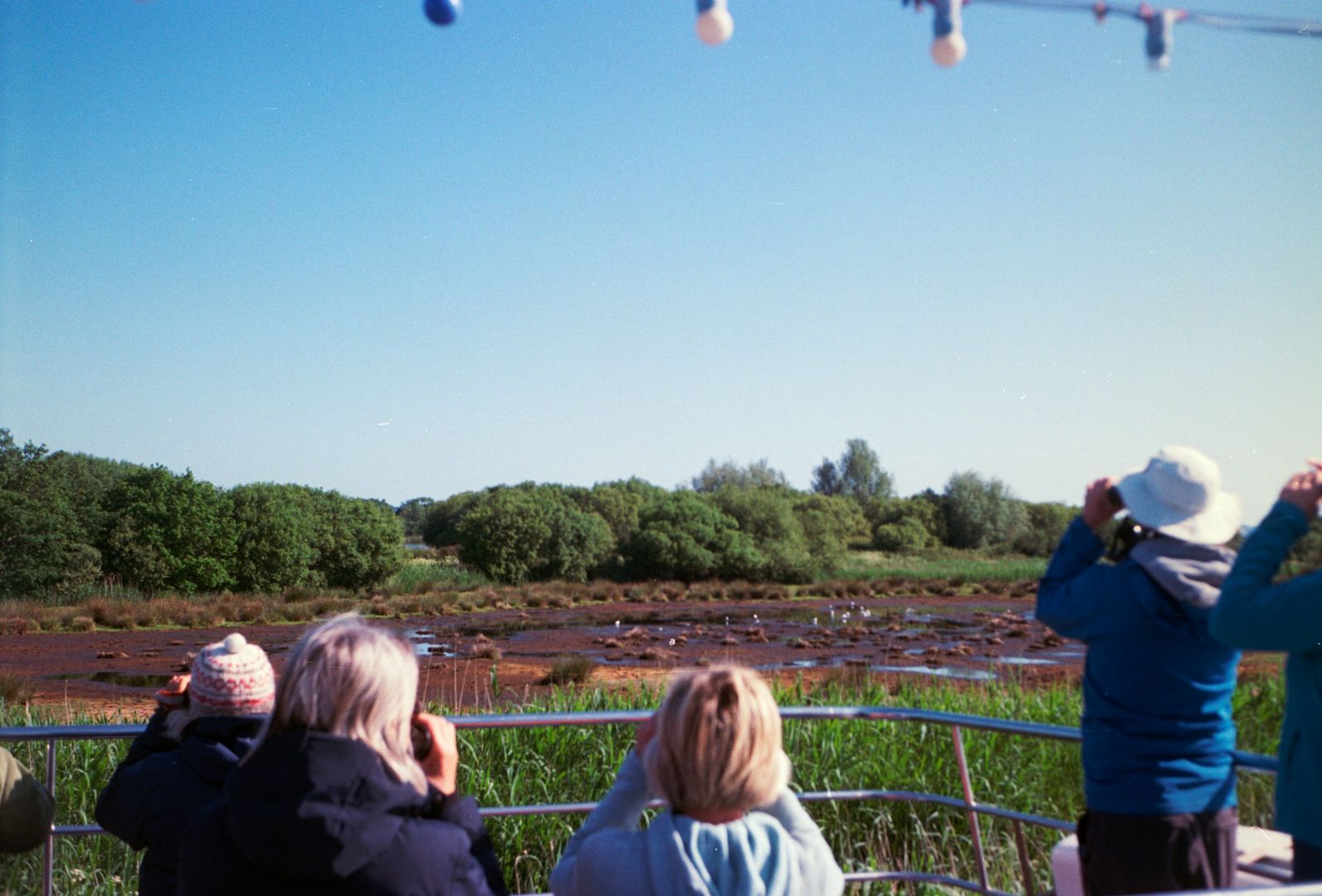
One more thing, since this is the hill this whole company stands on.
Every mapping tool in birding is built for a person alone with a phone. eBird will tell you what has been seen and where, and it will never tell you that the north entrance closes at dusk, that the good warbler run is the third trail not the first, or that a Barred Owl has roosted in the same hemlock for four years and everyone locally just knows. That information exists entirely inside people.
Go on one club walk. Ask where they go when they only have an hour. You will get better local intelligence in a single morning than a year of map-scrolling produces, and if you want to keep track of what you find afterward, our guide to using the Sparkbird app covers the logging side.
Frequently Asked Questions
Are hotspots with more species always better?
No. Check how many checklists the total species count is based on, and treat a location with solid numbers from few checklists as under-birded rather than inferior.
Where can I go birding if I live in a city?
City parks, cemeteries, botanical gardens, university campuses, reservoirs, and any waterfront.
What time of year is best for finding new birding spots?
Spring migration, roughly April through May in most of North America, produces the widest species variety and makes a location's potential obvious quickly.
Do I need permission to bird somewhere?
On public land, generally no, though hours and seasonal closures apply. Private property always requires permission.
What's your favorite spot to watch birds?
Tell us in the comments or through the Sparkbird App, available in the Apple App Store.
- Related: How to Use the Sparkbird App

No comments yet.