
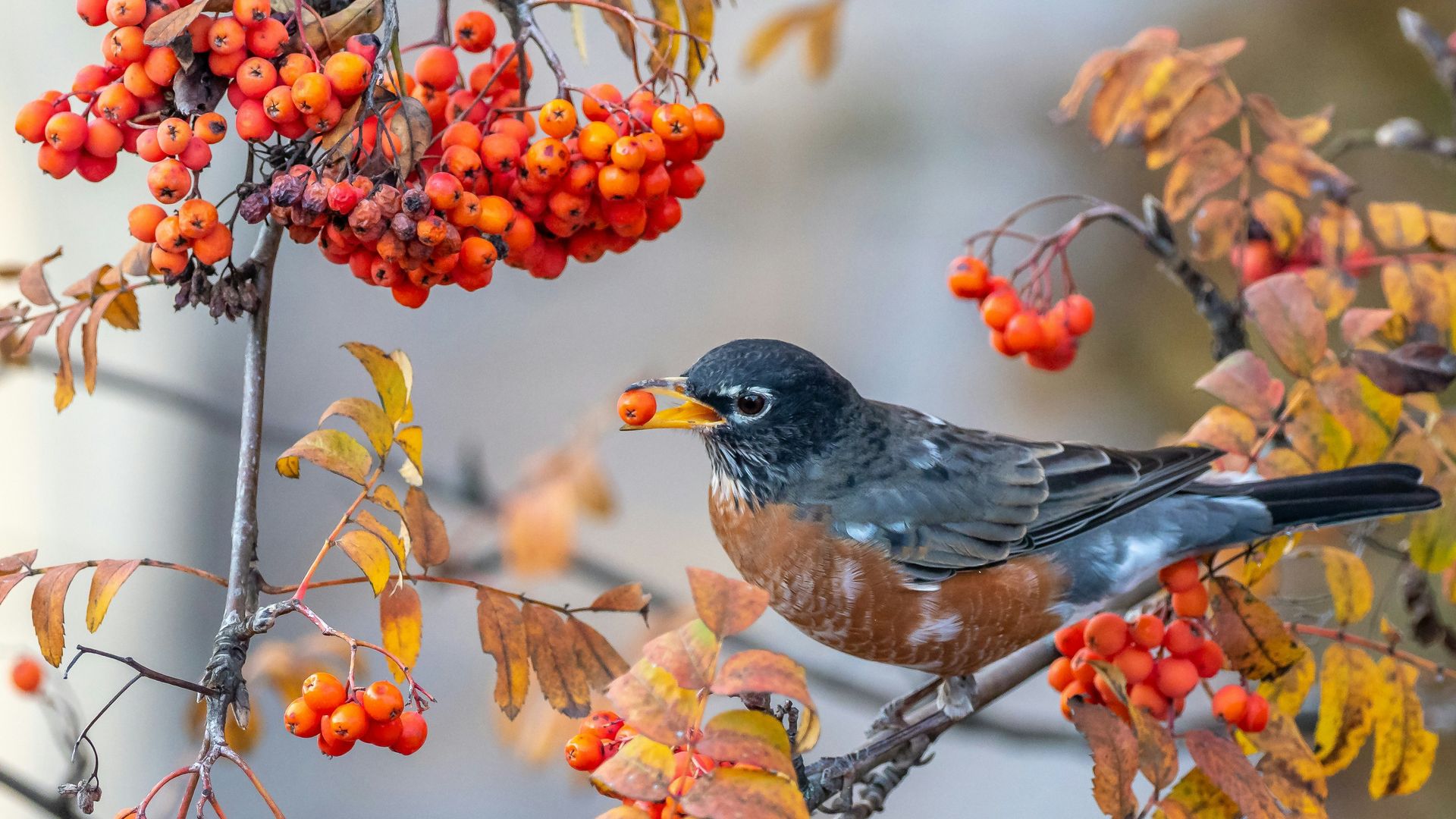
Every autumn, roughly four billion birds pack up and head south without asking anyone for directions. It's the biggest wildlife show in the country, it happens mostly while you sleep.
What's in this guide
- What fall migration is (& why it beats spring)
- When fall migration happens: a month-by-month timeline
- Who leaves, who arrives, and who stays put
- Most migration happens at night
- The four flyways
- Where and how to watch fall migration
- How to help birds on their way through
- Track it, log it, share it
- Fall bird migration FAQ
What Fall Migration Is, and Why It Beats Spring
Migration is a trade. Birds breed where summer brings a flood of insects, seeds and long days, then leave before winter shuts the buffet down. The trip south is not about escaping the cold so much as following the food. A warbler can handle a chilly morning. It can't handle a month with no caterpillars.
Fall is the bigger of the two seasons, and by a large margin. A Cornell Lab radar study counted about 4 billion birds crossing U.S. skies in autumn. Basically every pair of birds that nested this summer is now heading south with its kids in tow.
Spring birds race north in their brightest feathers to claim territory. Fall birds take their time, stop to refuel for days, and many of them are first-year birds in plain, confusing plumage making the trip for the first time with no one to follow.
As cool as it all is North America has 2.9 billion fewer breeding birds than it did in 1970, a drop of about 30 percent. If you love watching birds, you have to live like you want there to be birds to watch. Fall migration is when that responsibility is easiest to see, because it is when the most birds are passing through our yards.
For the navigation side (spoiler: they use the stars, the sun and Earth's magnetic field) and the overachievers who fly the farthest, go deeper here:
 Why Do Birds Migrate? (And Why Some Don't Bother)Why do birds migrate? It's about food, nesting space, and daylight, not just cold. Here's how birds know when to go, and why some birds stay put.(opens in a new tab)
 How Do Migrating Birds Know Where to Go?Migrating birds use a combination of sun and star compasses, a magnetic sense, landmarks, smell, and instinct. Here's what science knows.(opens in a new tab)
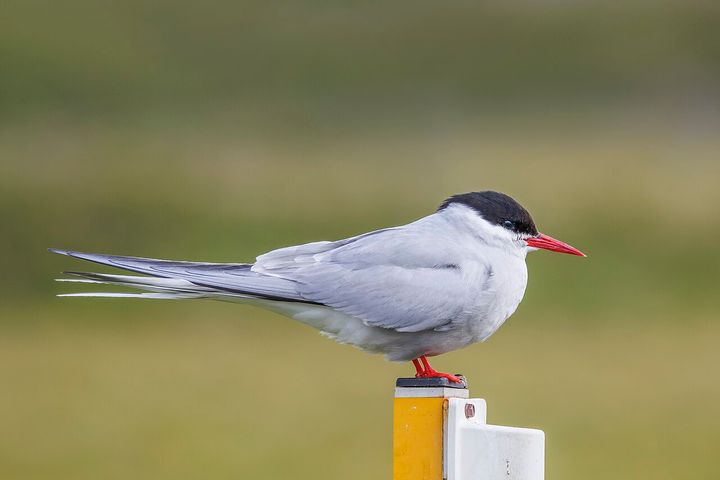 The 6 Longest Bird Migrations in the WorldThe longest bird migration belongs to the arctic tern, but godwits, swifts, and shearwaters set records too. Meet the farthest-flying birds on Earth.(opens in a new tab)
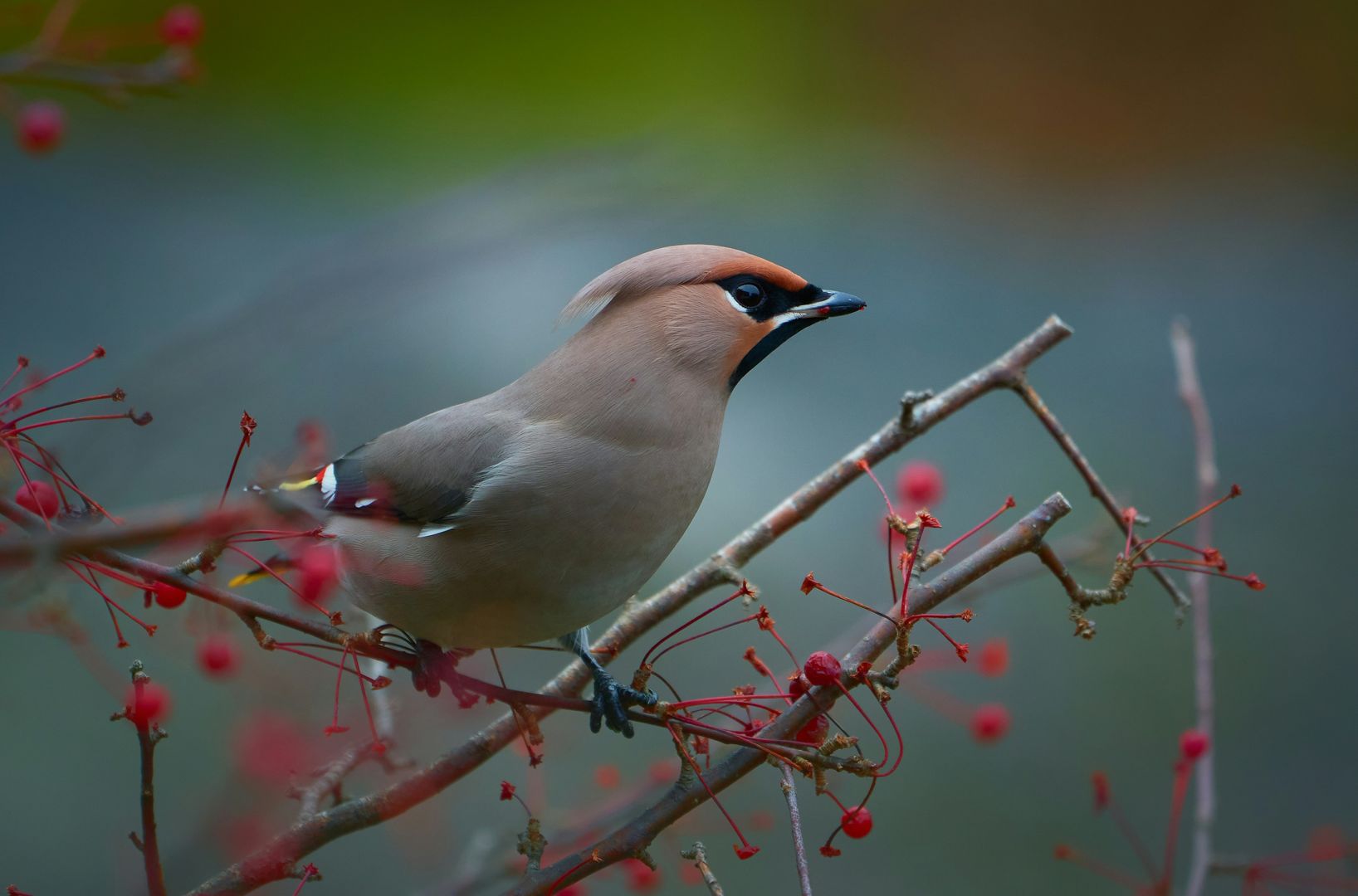
When Fall Migration Happens: A Month-by-Month Timeline
"Fall" migration starts in summer, which is a scheduling decision I respect. Here is the rough order of departures across the lower 48:
- Late June to August: Shorebirds go first. Sandpipers and plovers that nested in the Arctic start showing up on mudflats and beaches while you are still putting on sunscreen. Hummingbirds begin drifting south in August.
- Late August to September: Songbirds pick up speed. Warblers, vireos, tanagers, orioles and flycatchers pour through, and broad-winged hawks move in huge flocks in mid-September.
- Mid-September to mid-October: The peak. BirdCast puts the busiest stretch for the contiguous U.S. right here.
- October: Sparrows, kinglets, juncos and other short-distance migrants take over, along with the later hawks.
- November to December: Waterfowl, cranes and geese push south as lakes and marshes freeze, and winter visitors settle in.
Want it month by month, or just need to know when to take down the hummingbird feeder?
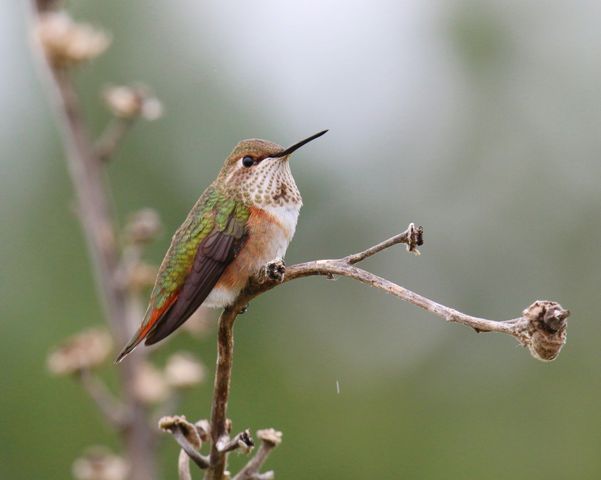 When Do Birds Migrate? A Month-by-Month Fall TimelineFall migration starts in July and peaks mid-September to mid-October. Here's the month-by-month timeline, plus need-to-know for spring migration.(opens in a new tab)
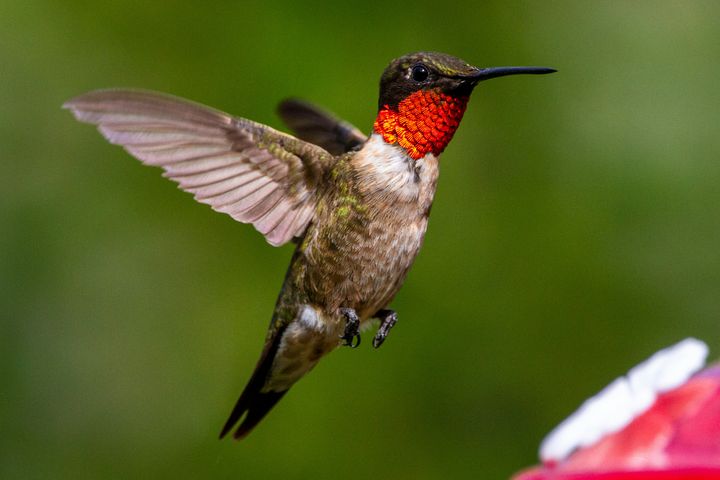 The Ultimate Hummingbird Migration Guide: Why Your Feeder Still MattersAlmost all hummingbirds migrate. Here's when they leave your state, where they spend winter, and why your feeder should stay up.(opens in a new tab)
Timing shifts with latitude (Minnesota runs weeks ahead of Georgia) and with weather. The biggest flights usually come right after a cold front passes, when north winds give birds a free tailwind. The eBird team's fall birding basics explain how to read those fronts if you want to plan a morning around them.
Who Leaves, Who Arrives, and Who Stays Put
Fall reshuffles your whole backyard cast. Some birds vanish for the winter, some new faces arrive from the north, and a surprising number never leave at all.
The ones who leave: Hummingbirds, orioles, most warblers, swallows, tanagers and many flycatchers head for the southern U.S., Mexico, Central America or South America. Some of them cover thousands of miles.
The ones who arrive: For much of the country, fall is when dark-eyed juncos show up (there is a reason people call them "snowbirds"), along with white-throated sparrows, kinglets and, in the north, the occasional snowy owl. If a new bird turns up at your feeder in October, there is a good chance it just flew in from Canada.
The ones who stay (sort of): This is where it gets fun. Cardinals, chickadees, titmice and most woodpeckers stay put year-round. Others are partial migrants, which means some individuals leave and some do not. Blue jays, American robins, goldfinches, bluebirds and some sparrows all fall into that confusing middle. The robins you see in January may be locals that switched from worms to berries, or they may be visitors from farther north. Goldfinches do not leave so much as change outfits, trading bright yellow for a drab olive that fools people every single year.
Start with the newcomers, the year-rounders, and where everyone else ends up:
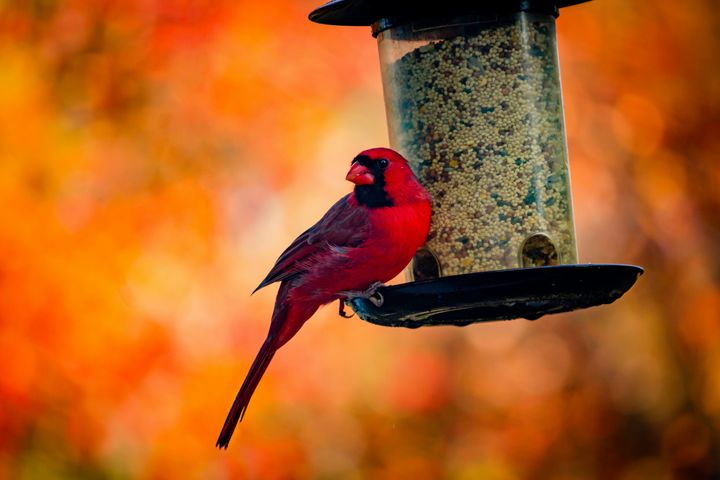 Fall Birds: 25 Birds to Look For This Autumn25 fall birds to look for this autumn: migrants passing through, winter arrivals, and year-round regulars in fall outfits, with notes by US region.(opens in a new tab)
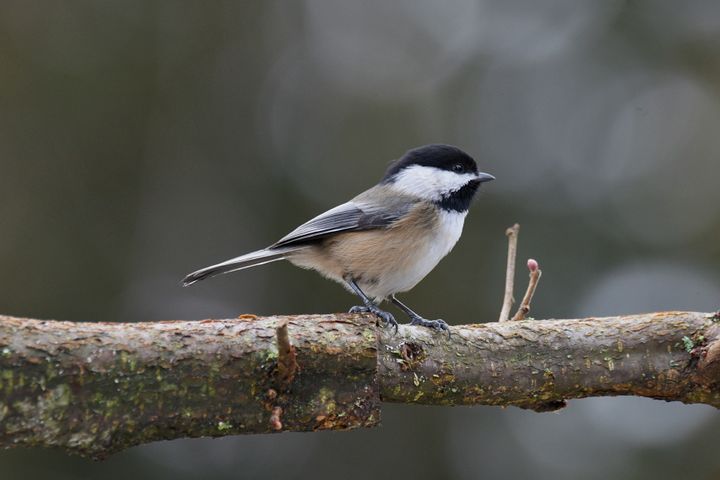 What Birds Don't Migrate? The Year-Round Birds at Your FeederMeet the cardinals, chickadees, woodpeckers, and other year-round birds that stay at your feeder all winter, and why.(opens in a new tab)
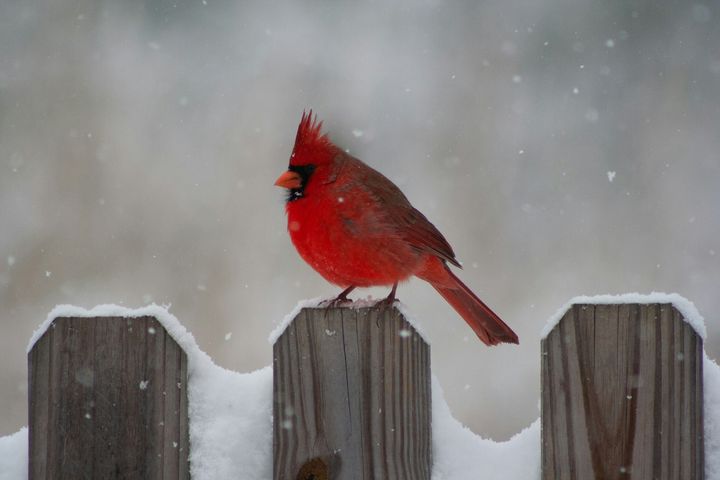 Where Do Birds Go in the Winter? (And How the Rest Survive)Where do birds go in the winter? Some fly to Mexico, the Caribbean, or South America, and others tough it out. Here's where they go and how they cope.(opens in a new tab)
Wondering about a specific bird?
- Blue jays: some go, some stay
- Robins: some go, some stay
- Goldfinches: mostly stay and change outfits
- Bluebirds: some go, some stay
- Sparrows: depends on the sparrow
- Baltimore orioles: pack up and leave
Most Migration Happens at Night
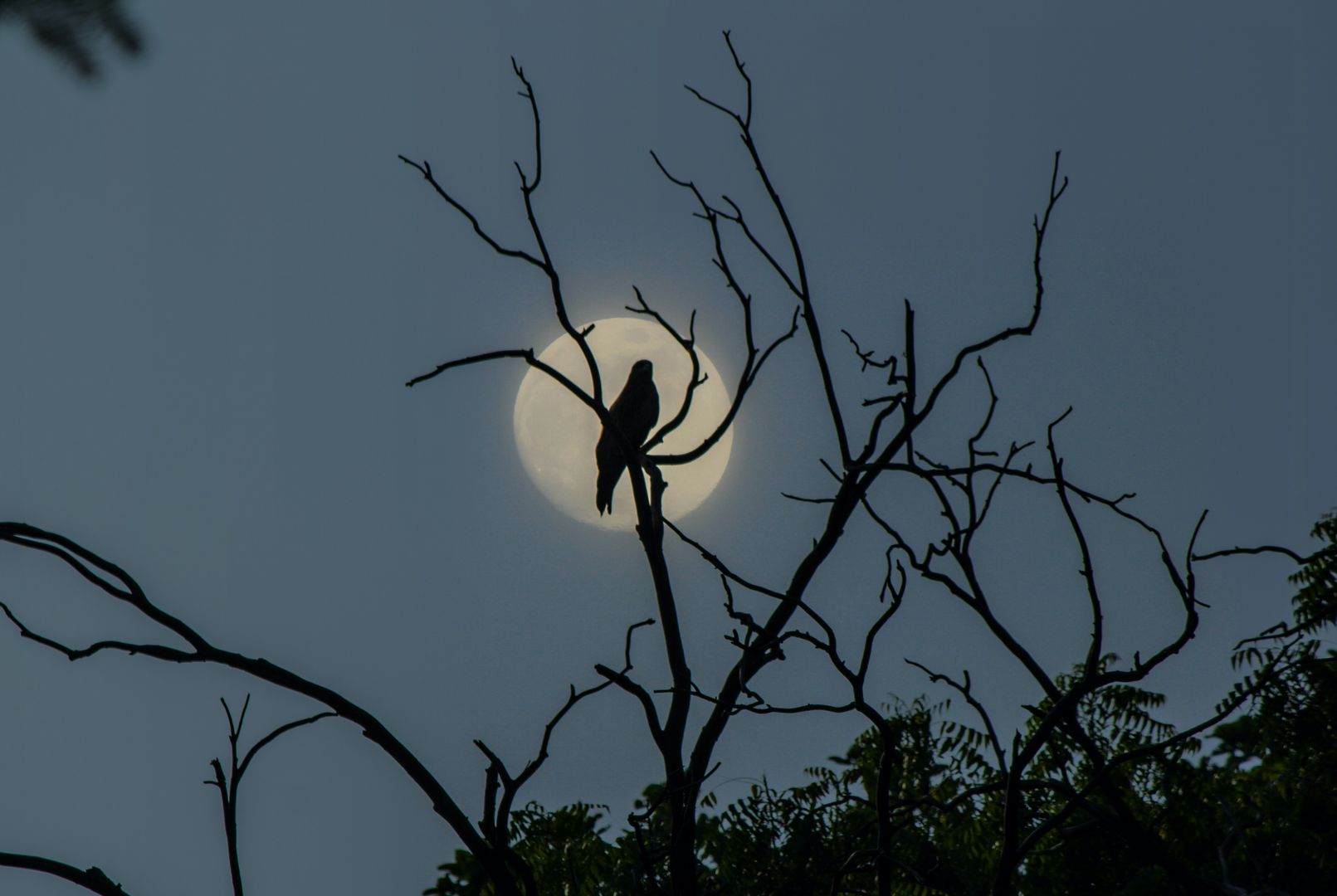
At least 80 percent of migratory bird species in the U.S. travel at night, and on a big autumn night more than a billion birds can be in the air at once. That quiet sky over your house in late September is basically rush hour.
Why the night shift?
Predators like hawks are asleep and birds can navigate by the stars. It also frees up the daytime for eating, which matters when you are burning through calories as fast as your phone when it's on 3 percent battery.
You can actually hear it. On a calm night during peak migration, step outside and listen for short, high "tseep" and "chip" notes coming from above. Those are flight calls, and each one is a bird passing overhead in the dark. It is one of the strangest and best free experiences in nature, and it works in a city just as well as the countryside.
Here's what's happening over your roof while you sleep:
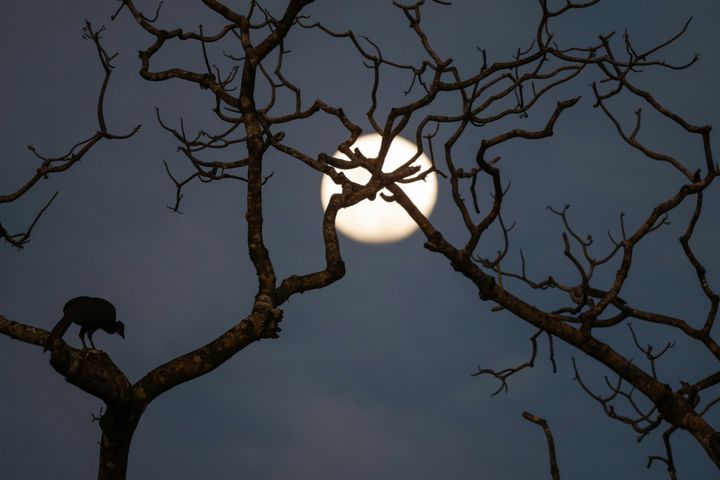 Where Do Birds Go at Night? (Some Are Flying Overhead)Most birds tuck into shrubs, cavities, and roosts to sleep. But in fall, millions are migrating right over your roof.(opens in a new tab)
The Four Flyways (and the Birds That Use Them)
Birds don't migrate in random directions. A flyway is a path in the sky developed over thousands of years by coastlines, river valleys and mountain ranges. The U.S. Fish and Wildlife Service groups them into four administrative flyways: the Atlantic, Mississippi, Central and Pacific.
Think of them less as highways and more as guides. A duck isn't checking a map to make sure it stays in the Mississippi lane. The four flyways are integral for waterfowl migration which is why wildlife agencies and duck hunters track them so closely.
Late fall belongs to the big birds.
Ducks. Ducks move as ponds freeze, following open water south. Whether ducks migrate or not depends on whether there's any unfrozen water and what food sources are available to them. My alma mater actually has a celebration for the return of the ducks each spring. A professor houses the ducks for winter and brings them back to the pond on Duck Day with a duck mascot, red carpet, and all sorts of quackery!
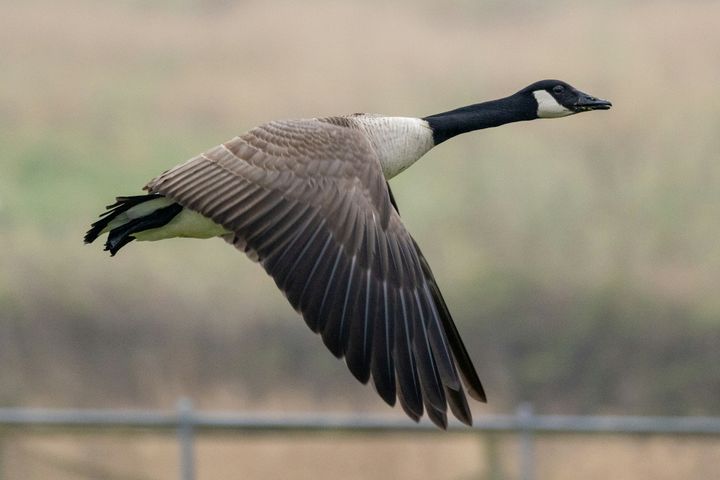
Canadian Geese. Canada geese form those famous honking Vs. Not all of them migrate, as any golf course in America can confirm. In fact, they took up permanent residence on my universities front lawn near the duck pond. There were always more geese than ducks.
Snow Goose. Snow goose migration involves them gathering by the tens of thousands at refuges along the flyways,
Sandhill Cranes. They stage at stopover sites where you can watch thousands come in to roost at dusk. If you ever wanted a live-action "we're gonna need a bigger boat" moment, stand under a sky full of snow geese. See our sandhill crane migration map for bird watching opportunities
Here's a peak into the duck day celebrations at my alma mater
Where and How to Watch Fall Migration
You do not need a plane ticket for this. Migrants have to land somewhere, and "somewhere" includes city parks, cemeteries, lakeshores and the one scrubby patch of trees behind the grocery store. Birders call good spots "migrant traps": green islands surrounded by pavement or water where tired birds drop in to rest.
A few habits make a huge difference:
- Go early. Songbirds that flew all night land at dawn hungry. The first two or three hours after sunrise are the busiest.
- Go the morning after a cold front. North winds overnight often mean more birds on the ground at sunrise.
- Look for water and fruit. Streams, ponds and berry bushes pull in hungry migrants.
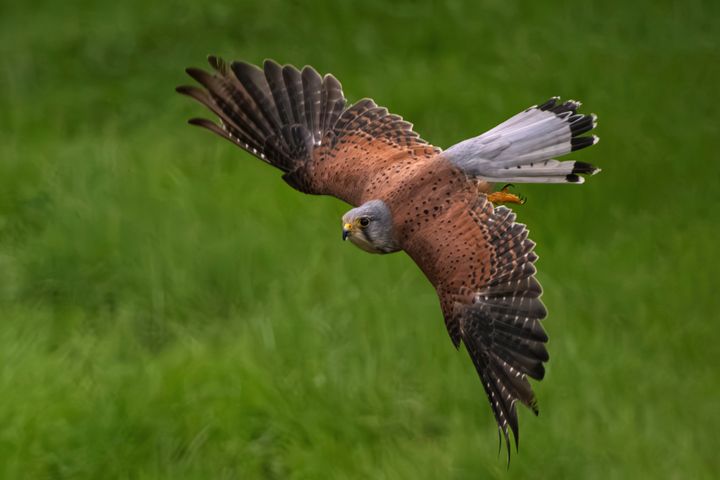
- Look up around midday for hawks. Ridges and coastlines funnel raptors on warm, sunny afternoons.
Hawk watching deserves its own shout-out. Broad-winged hawks travel in swirling flocks called kettles, and at Hawk Mountain Sanctuary about 95 percent of them pass in a two-week window in mid-September. Sit on a hawk watch platform on the right day and you can see hundreds spiral up on a thermal at once. Fall warblers are the other big draw, and also the big headache, since so many look like slightly different shades of "greenish-yellow bird that would not hold still."
One word on gear: you do not need to buy anything to enjoy migration. Borrow a pair of binoculars, or try someone else's at a local bird walk before you spend money. Whatever you use, follow the ABA Code of Birding Ethics and give tired migrants space. They have a long way to go.
Ready to get out there? Start with these:
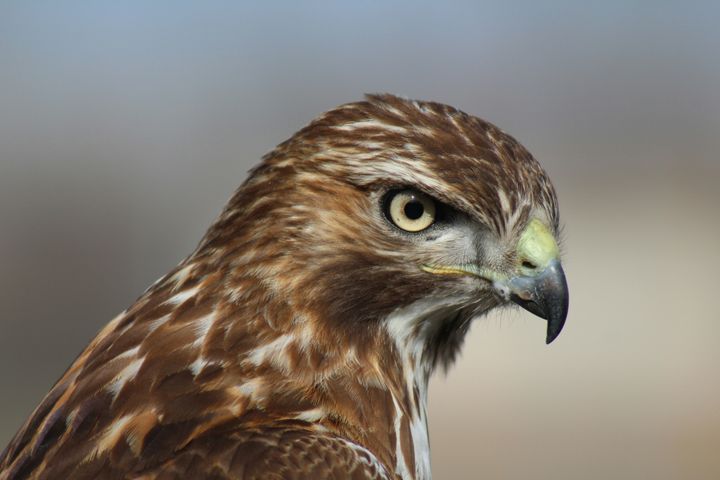 Do Hawks Migrate? A Beginner's Guide to Fall Hawk WatchingPlenty do, and fall is when to watch. Here's which raptors move, when hawk migration peaks, and where to see thousands at once.(opens in a new tab)
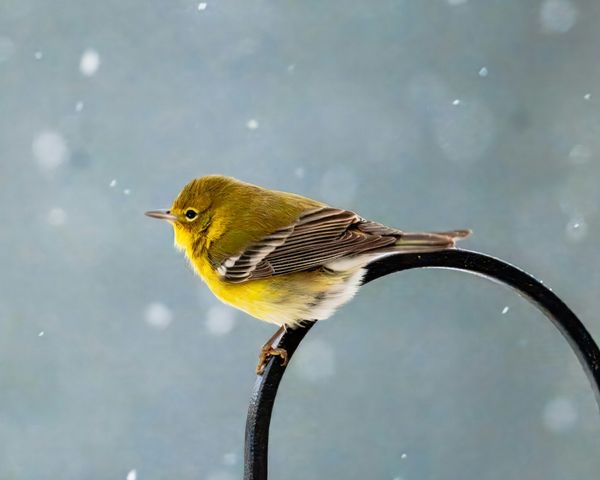 Confusing Fall Warblers: How to Tell Them ApartFall warblers trade bright colors for olive and gray. Here's how to tell confusing fall warblers apart by undertails, wingbars, streaks, and legs.(opens in a new tab)
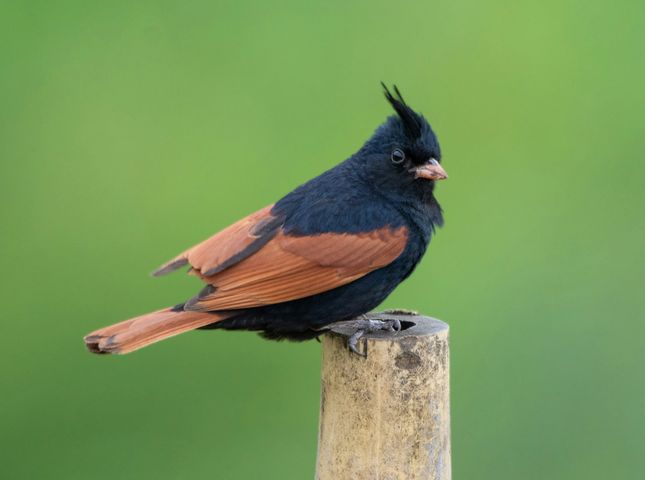 How to Find Birding Hotspots Near YouLearn how to leverage eBird, local clubs, and one underrated trick: the best spot is usually closer than you think(opens in a new tab)
For warbler timing, see when warbler migration peaks. We also have regional guides for Texas and Ohio. New to all of this? Start with how to start bird watching, or find a bird watching group in your state.
How to Help Birds on Their Way Through
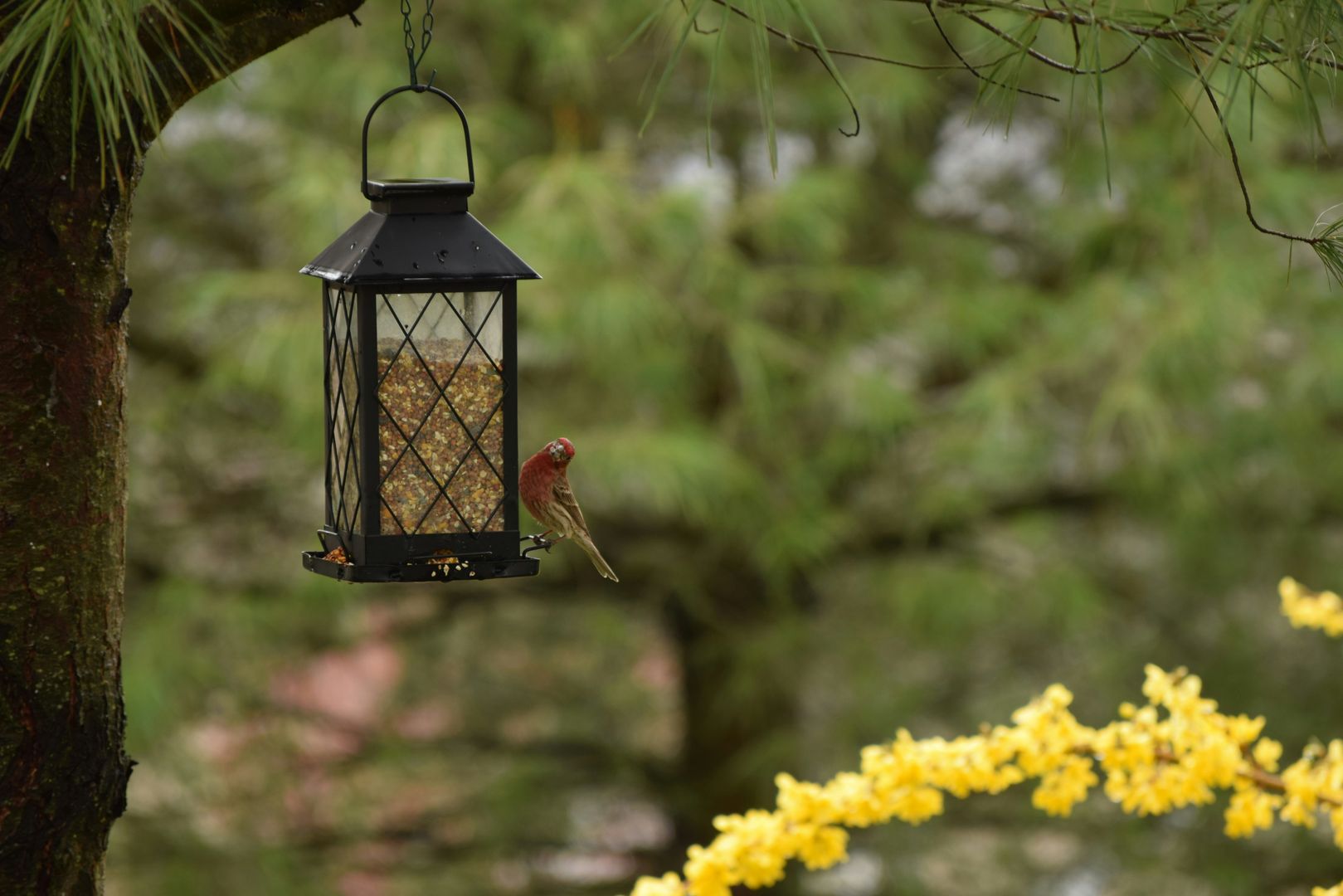
Migration is hard, and we have made it harder. Glass and light are two of the biggest problems. Building collisions kill more than one billion birds in the U.S. every year, and a big share of those deaths happen during migration, when night-flying birds get pulled off course by bright lights and then crash into windows at dawn.
When I was a kid in New England, a sparrow got stuck to the duct tape my dad used to patch our window air conditioner. He gloved up, peeled it free, and we nursed it in our chokecherry tree with birdseed and water in my kiddy cups. Most of the hazards migrating birds face come from ordinary things like tape, glass and a porch light we forgot to turn off.
The fixes are just as ordinary:
- Turn off lights you do not need at night during peak migration, especially outdoor and upper-floor lights. Many cities now run Lights Out programs for exactly this reason.
- Break up reflections on your windows with screens, exterior tape patterns or decals spaced closely together. (A single hawk sticker in the middle of a picture window mostly just decorates the window.)
- Keep cats indoors. Migrants that land in yards are exhausted and easy targets.
- Leave some mess. Seed heads, berry shrubs and leaf litter feed migrants better than a tidy lawn does.
- Keep hummingbird feeders up until about two weeks after you see your last one, for the late travelers.
Before you buy anything, use what you already have. Plain window screens and a strip of painter's tape work better than most people expect.
Start here, then see which window decals actually work.
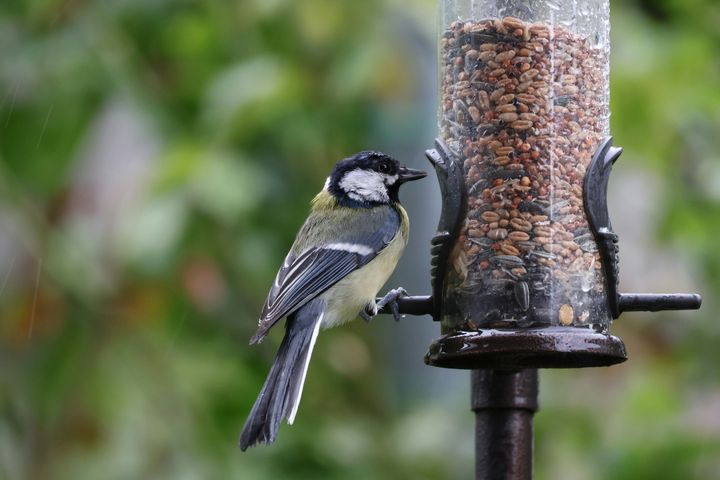 How to Keep Birds From Hitting Windows During MigrationWhy collisions happen, the 2x2 rule, cheap fixes, and what to do if a bird hits your window.(opens in a new tab)
Track It, Log It, Share It
Part of the fun of fall migration is that you can see it coming. BirdCast publishes nightly migration forecasts and live radar maps for the lower 48, so you can check tonight's forecast at dinner and set an alarm for a big morning.
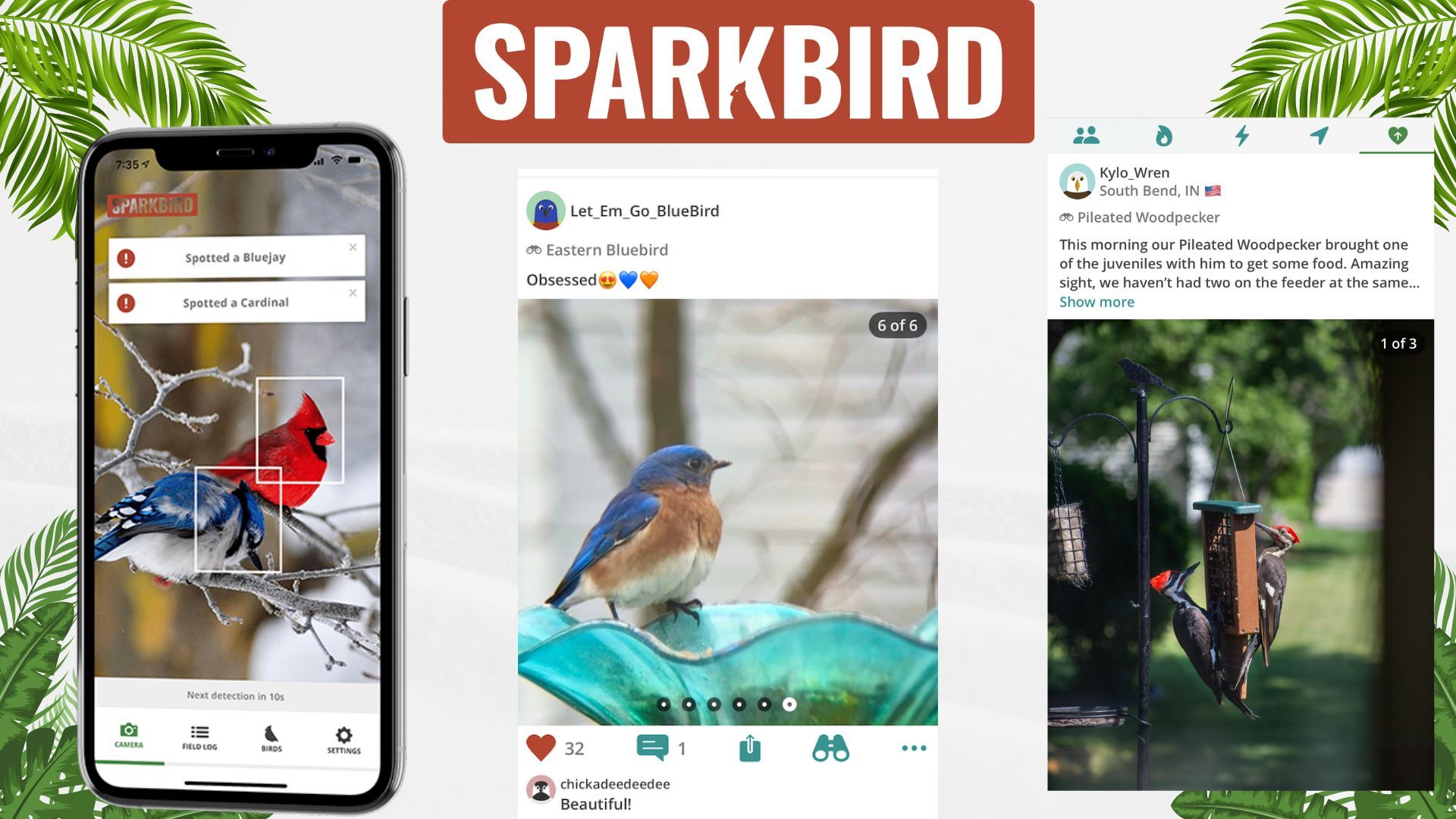
Then log what you see. Every sighting you record helps scientists track how bird populations are changing, and your own list becomes a surprisingly sweet diary of your fall. Sparkbird was built for exactly this. Our founder, Will, started it as a college student because he wanted to identify and journal the birds at his own feeder, and it grew into a way for birders to find each other in real life. You never know when a spark turns into a flame.
Here's how to read tonight's forecast:
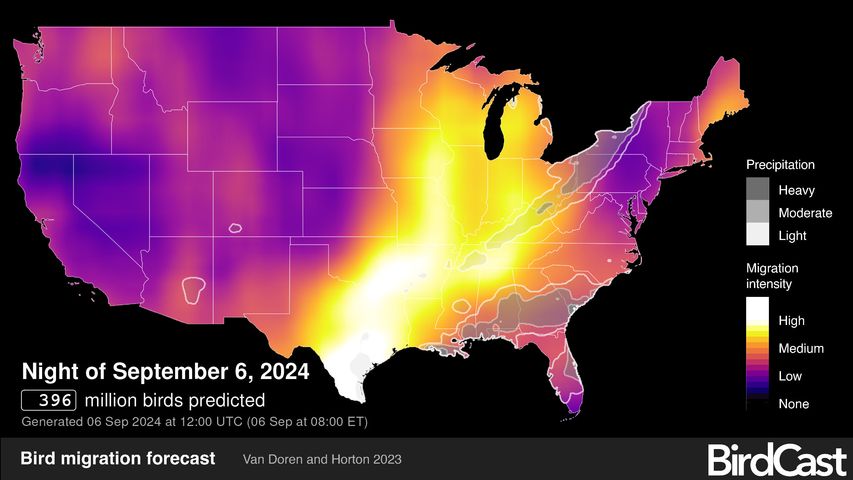 How to Use BirdCast to Predict Big Migration NightsHow to use BirdCast's forecast maps, live migration maps, county dashboard, and alerts to predict big migration nights and know when to go birding.(opens in a new tab)
Fall Bird Migration FAQ
When does fall bird migration start?
Earlier than most people think. Shorebirds begin moving south in late June and July, and hummingbirds start leaving in August. The peak for songbirds across most of the U.S. runs from mid-September to mid-October.
What time of year is fall migration at its peak?
For the contiguous U.S., BirdCast puts peak fall migration between mid-September and mid-October. Northern states peak earlier and southern states later.
What is the best time of day to see migrating birds?
The first few hours after sunrise, when night migrants land to feed. For hawks, late morning through mid-afternoon on sunny days is best, once warm air starts rising.
Do all birds migrate in the fall?
No. Cardinals, chickadees, titmice and most woodpeckers stay year-round. Others, like blue jays and robins, are partial migrants: some leave and some stay.
What have you seen this migration season?
Tell us in the comments or through the Sparkbird App, available in the Apple App Store.
- Related: How to Use the Sparkbird App

No comments yet.