
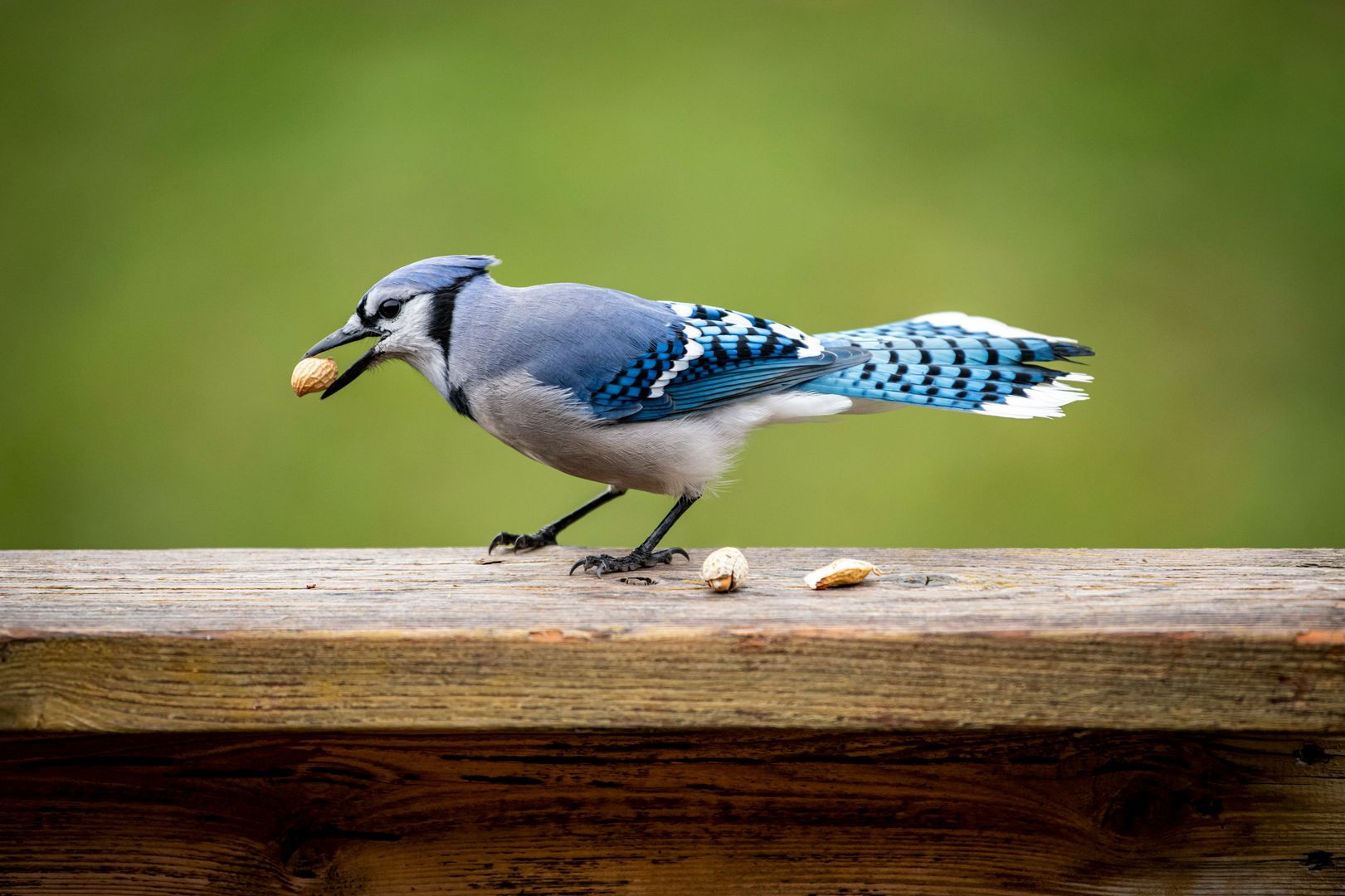
The Toronto Blue Jays fly to Dunedin, Florida, every spring for training.
The feathered kind are far less predictable. I asked our CEO Will to explain blue jay migration in one sentence. He's still talking.
Blue Jay Migration: A Mystery in a Blue Coat
Hummingbirds and most warblers leave. Cardinals and chickadees stay. Blue jays treat migration like a gym membership.
According to Cornell's Blue Jay life history, this is the only New World jay that migrates north and south, yet the proportion that actually migrates is probably less than 20 percent. Some jays are present all winter in every part of the range. Young birds may be more likely to travel than adults, but plenty of adults go too.
And here's the part that confuses ornithologists. Some individual jays migrate south one year, stay north the next winter, and then head south again the year after. No one knows why.
So if you've ever asked "do blue jay birds migrate, or did mine just get bored of me?" the honest answer is "yes, partly, and we're not entirely sure."
When and Where Blue Jay Migration Happens
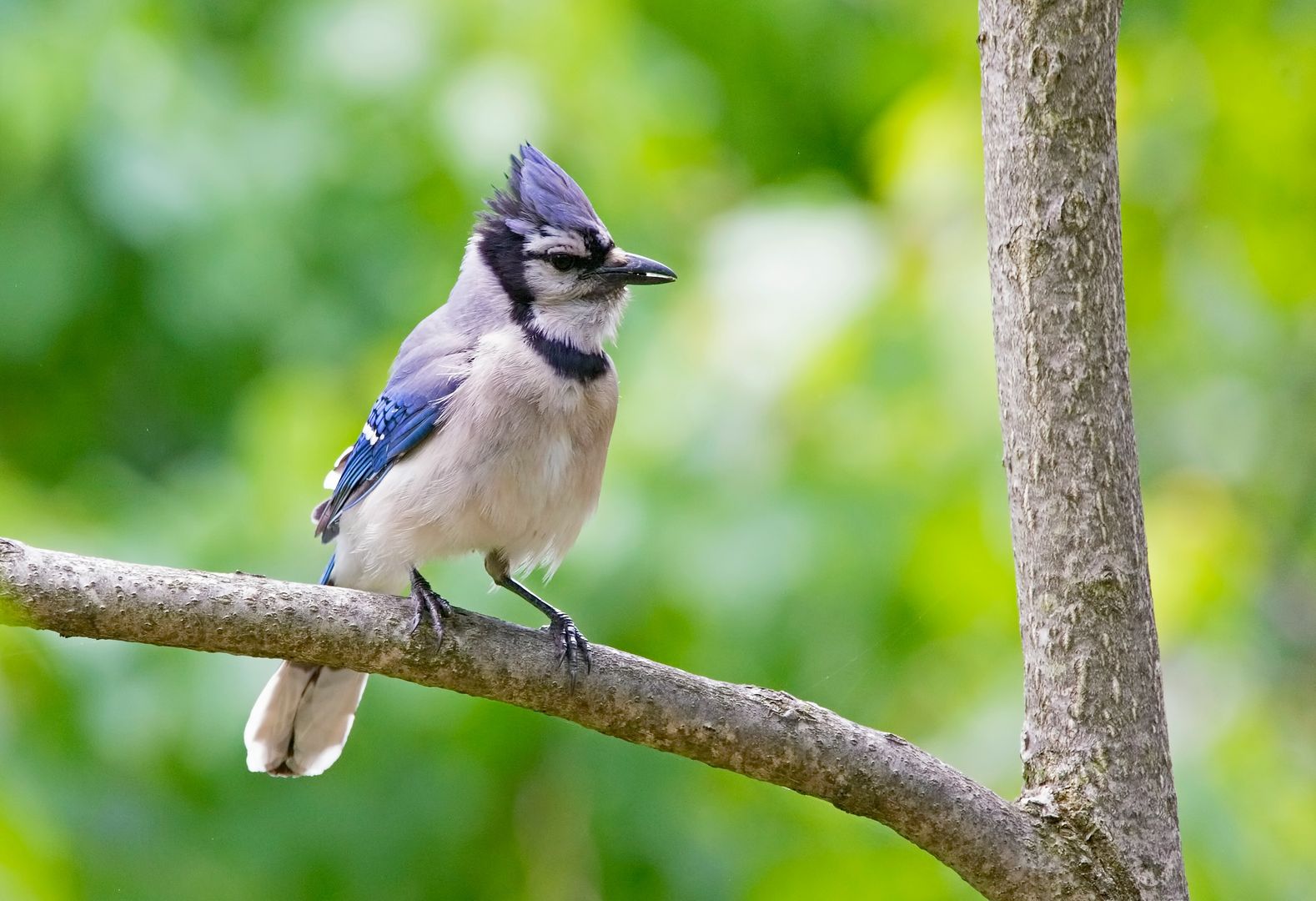
Unlike most songbirds, which travel after dark, blue jays migrate during the day, just like their corvid cousins the crows. The Natural Resources Council of Maine points out that most blue jays don't migrate at all, but in spring and fall you can still see high-flying flocks zipping past, sometimes by the thousands at certain spots during peak days.
Fall is the main event. In Ontario, the typical peak runs from about September 15 to October 15, with the biggest numbers in late September and early October, funneling along the north shores of Lakes Ontario and Erie. Geoff Carpentier, writing about the fall blue jay migration spectacle, reports that Holiday Beach Migration Observatory averaged 292,126 jays a year over 28 years, with a single-day count of 264,410 on September 28, 2001.
On the U.S. side, Hawk Ridge in Duluth, Minnesota, is the place to be. In 2023, counters there tallied a record 75,869 blue jays for the fall season, including 14,054 on September 10 alone. Along the Atlantic Coast, the jays work the shoreline in loose flocks, and spring brings a smaller return trip, with Cape Cod's jay traffic peaking as late as the end of May.
Our guide to fall bird migration covers who's moving, when, and where to watch.
Why Some Blue Jays Migrate
Blue jays run on nuts. Cornell notes that their diet over a year is only about 22 percent insects, with acorns, nuts, fruits, and grains making up nearly everything else. One study found that six radio-tagged jays each cached 3,000 to 5,000 acorns in a single autumn. And I can't even find my keys.
So it makes sense that food drives the decision. Carpentier writes that when crops of acorns, beechnuts, and hazelnuts are poor, Ontario jays leave in greater numbers. But it's not quite that tidy. During Duluth's record 2023 flight, naturalist Laura Erickson pointed to a huge mast year with acorns everywhere, and jays were stopping in yards under oak trees to refuel along the way.
Food clearly matters. Exactly how it flips the switch is still one of birding's open questions.
Where Do Blue Jays Go in the Winter?
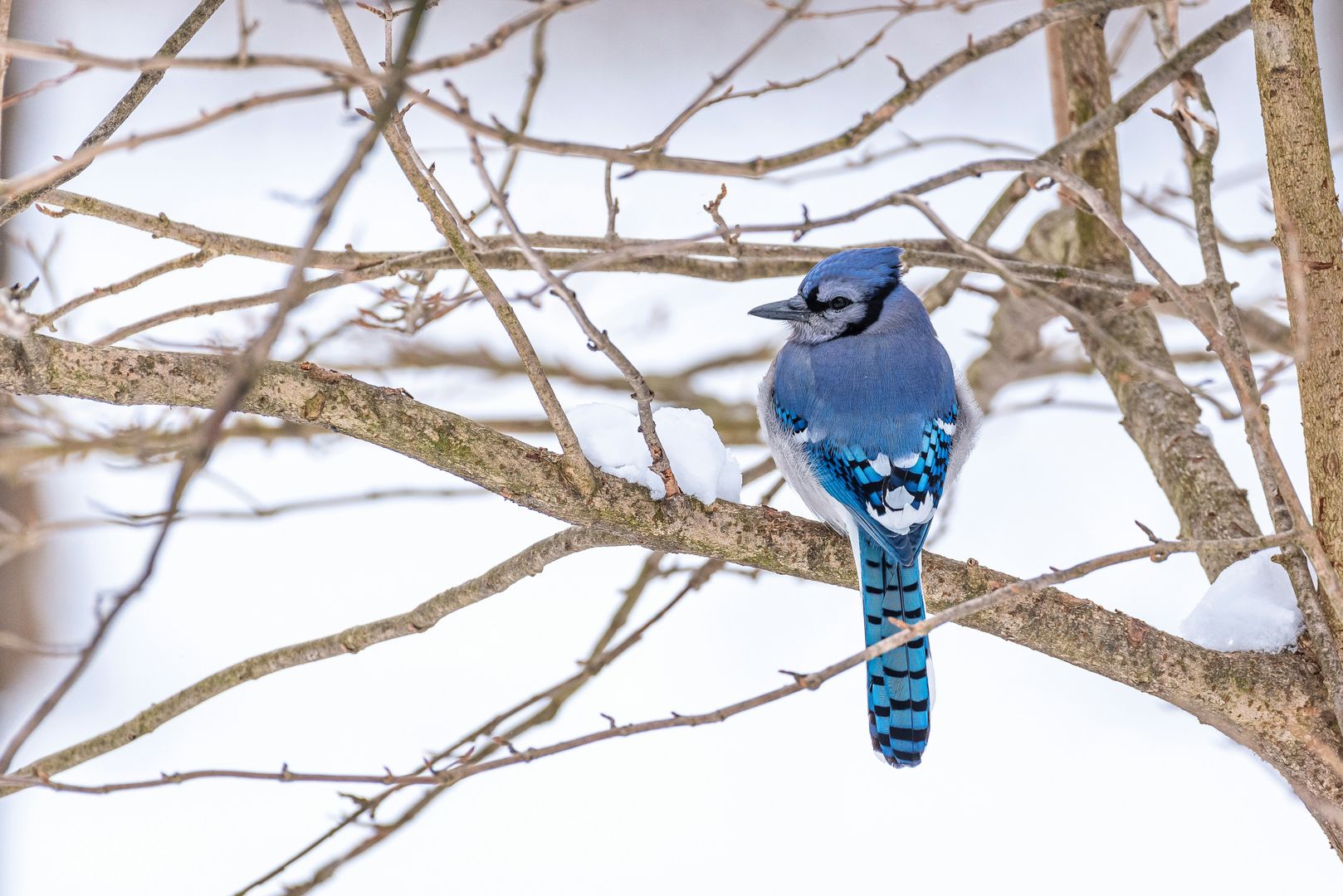
Not far, by migration standards. Migrant jays push into the southern U.S., including Florida, the Gulf Coast states, and Texas, but according to Cornell's Birds of the World (as summarized by the Natural Resources Council of Maine), there has never been a documented record of the species in Mexico or the Caribbean.
These birds aren't jet-setters. They're more "drive down to Grandma's for the holidays."
Meanwhile, plenty of jays never leave. That means the jay at your feeder in January may not be the same jay you saw in July. Some northern birds slide south into your area while your summer locals slide farther south. It all looks the same from the kitchen window. If you need a refresher, blue jay facts roundup covers the basics.
Blue Jays in Winter: What to Expect at the Feeder
Blue jays in winter are loud, bold, and surprisingly easy to push around. Cornell reports that Red-bellied Woodpeckers, Common Grackles, and gray squirrels often dominate blue jays at feeders.
They prefer tray feeders or hopper feeders on a post over hanging feeders, and they love peanuts, sunflower seeds, and suet. Planting an oak is the long game, and a birdbath helps too. For more ideas, see our guide on how to attract blue jays.
Skip the Fancy Jay Feeder
Here's where I'll save you some money. You don't need a special "blue jay feeder" with a jay-shaped price tag. A flat tray, an old baking sheet on a stump, or a clean patch of ground works fine. Use what you have first.
And when you buy peanuts, buy them in bulk, in paper or your own reusable bag, and skip the plastic tubs. Recycling won't bail us out here: the U.S. recycled only about 5 to 6 percent of its plastic waste in 2021, and about 85 percent went to landfills, according to Smithsonian. Reducing and reusing is the part that actually works. The jays won't notice the packaging. Your trash can will.
Curious which of your other backyard regulars stick around all winter? Our upcoming guide to birds that don't migrate.
So, do blue jays migrate?
Sometimes. Whenever they feel like it. Honestly, skipping winter on alternate years is an enviable strategy.
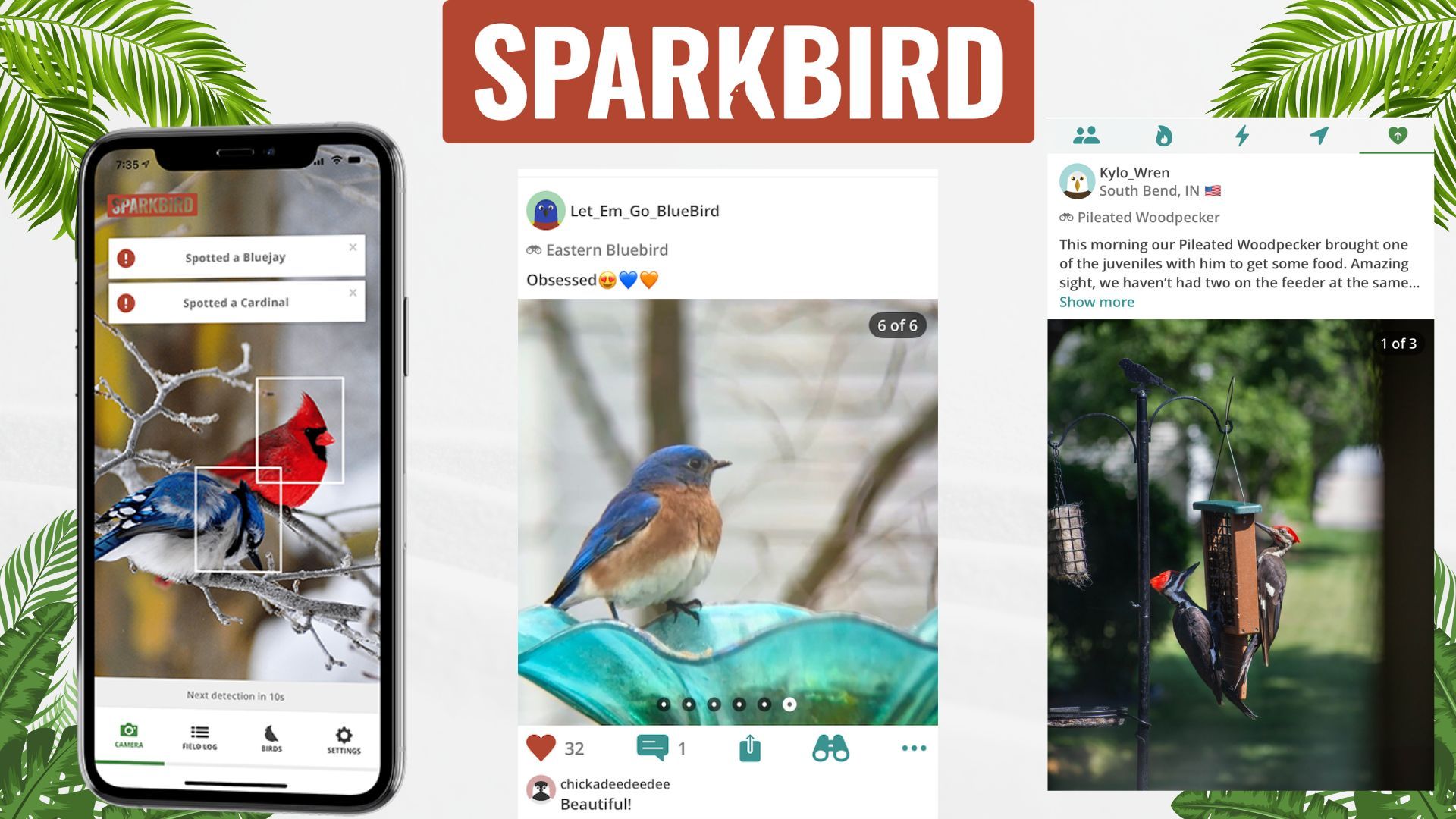
Share your winter blue jays on the Sparkbird App.
- Related: How to Use the Sparkbird App

No comments yet.