
Blue Jays are gorgeous birds! Everyone likes seeing them in their yard.
Here are 6 proven tips to help attract them.
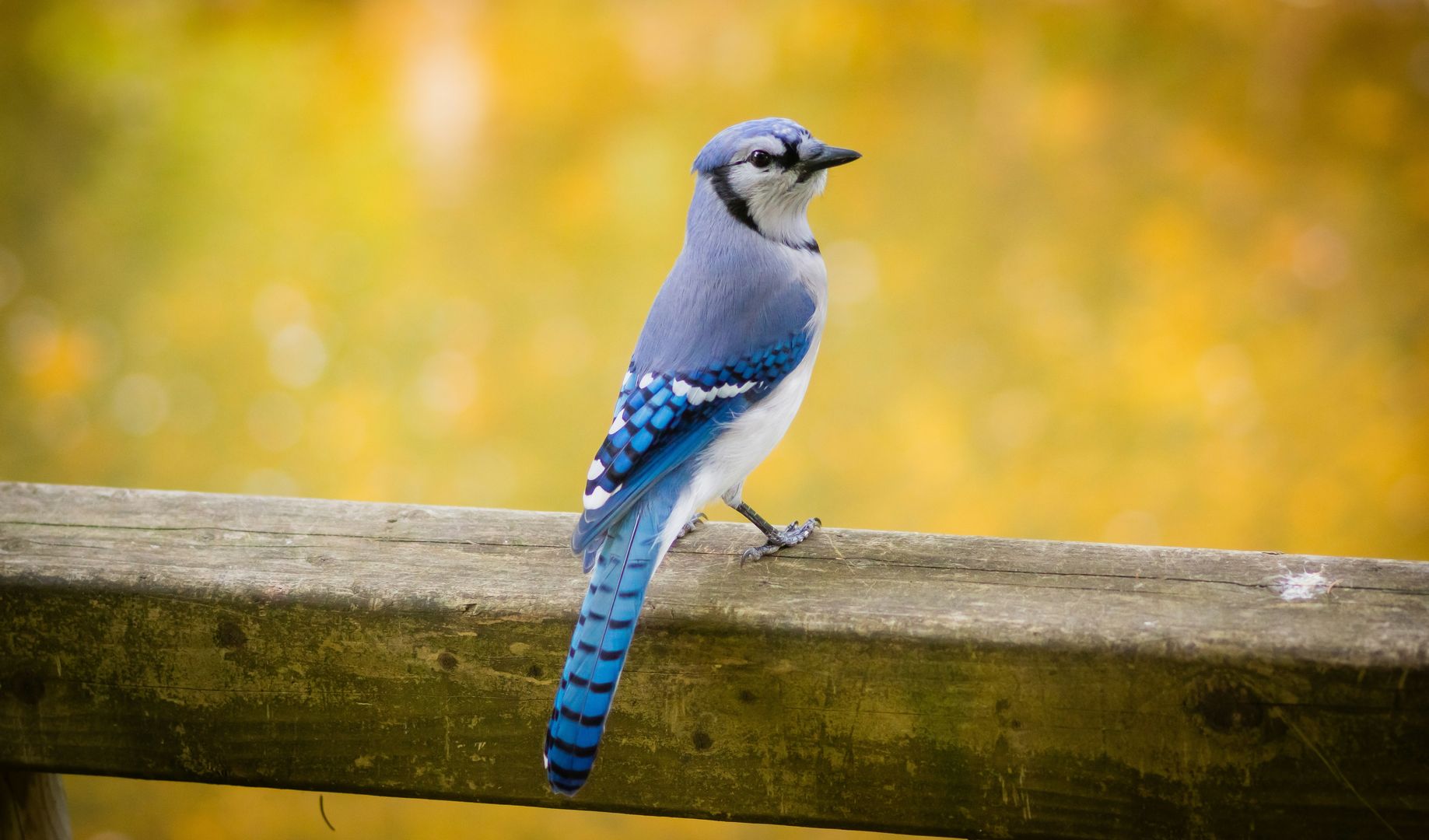
1. Use their Favorite Foods
The best way to attract Blue Jays is with their favorite foods. Blue Jays have a few favorite foods you can add to your bird feeders.
A. Mealworms, fresh or dried
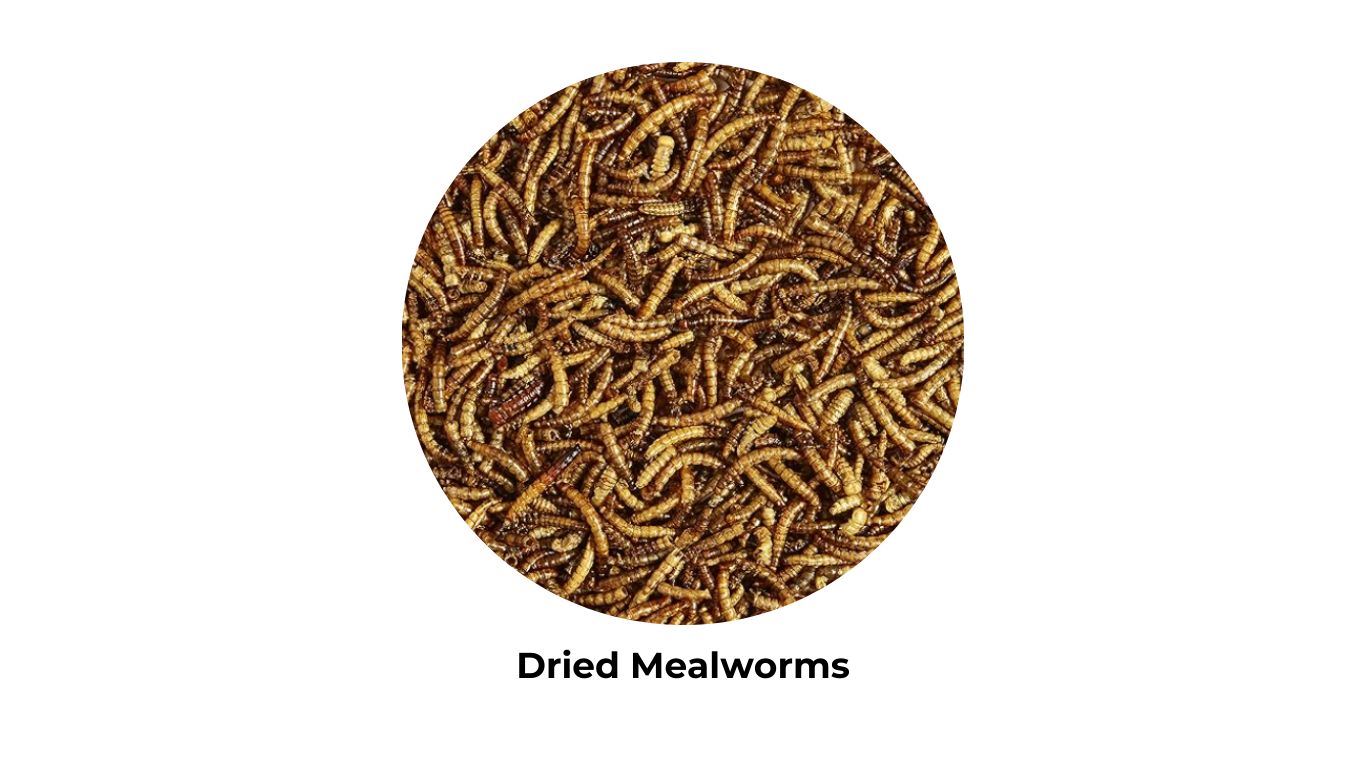
Many birds eat worms, bugs, and insects. It's a great way for birds to get protein.
You can use fresh or dried mealworms. Fresh might be a little tricky so we recommend getting the dried ones. They're easier to keep and won't go bad.
Add mealworms in the spring when Blue Jays start nesting since fledglings need more protein. Simply sprinkle them in the tray with the rest of the bird food.
B. Suet
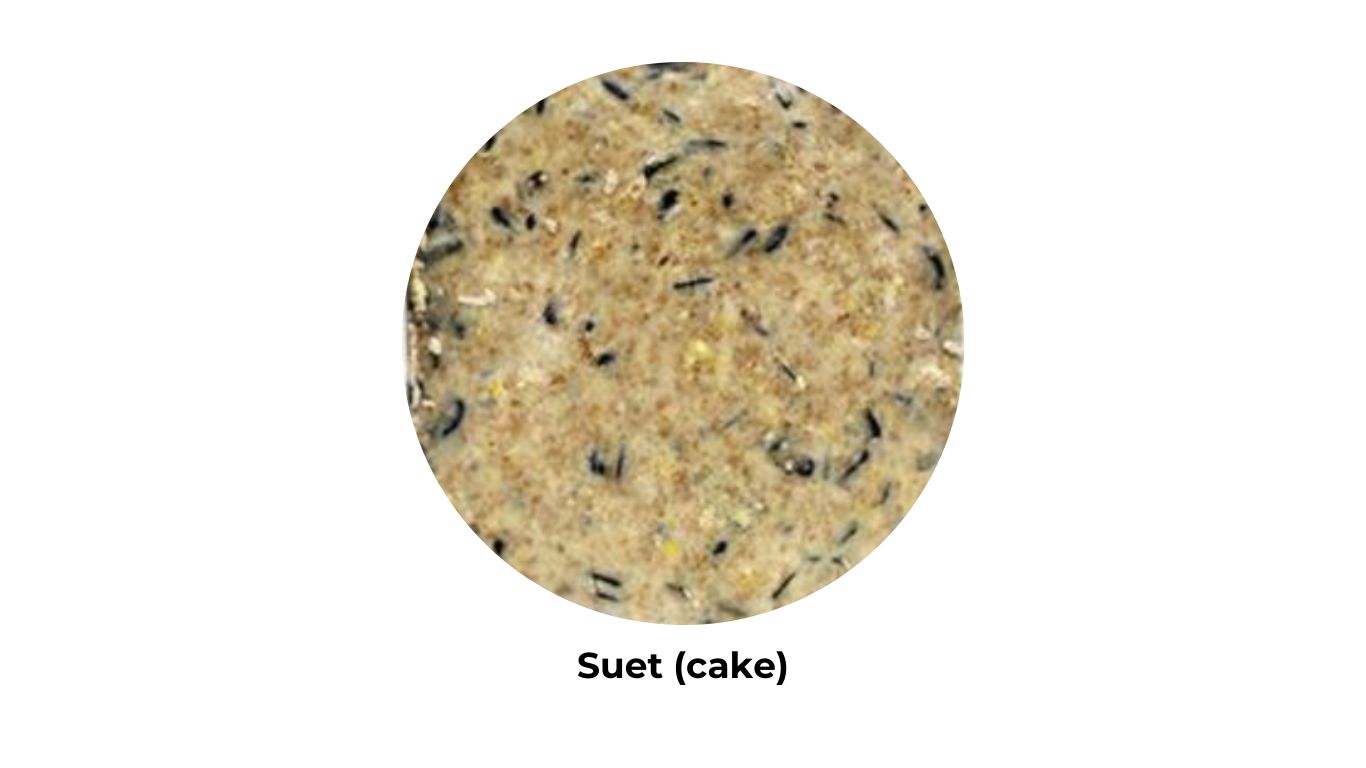
Suet is a high fat food ideal for winter. This high calorie food comes in cakes, nuggets, and butter.
Suet cakes are popular for attracting woodpeckers but it can attract all kinds of birds.
Peanut or fruit-flavored suet is best for attracting Blue Jays.
C. Corn
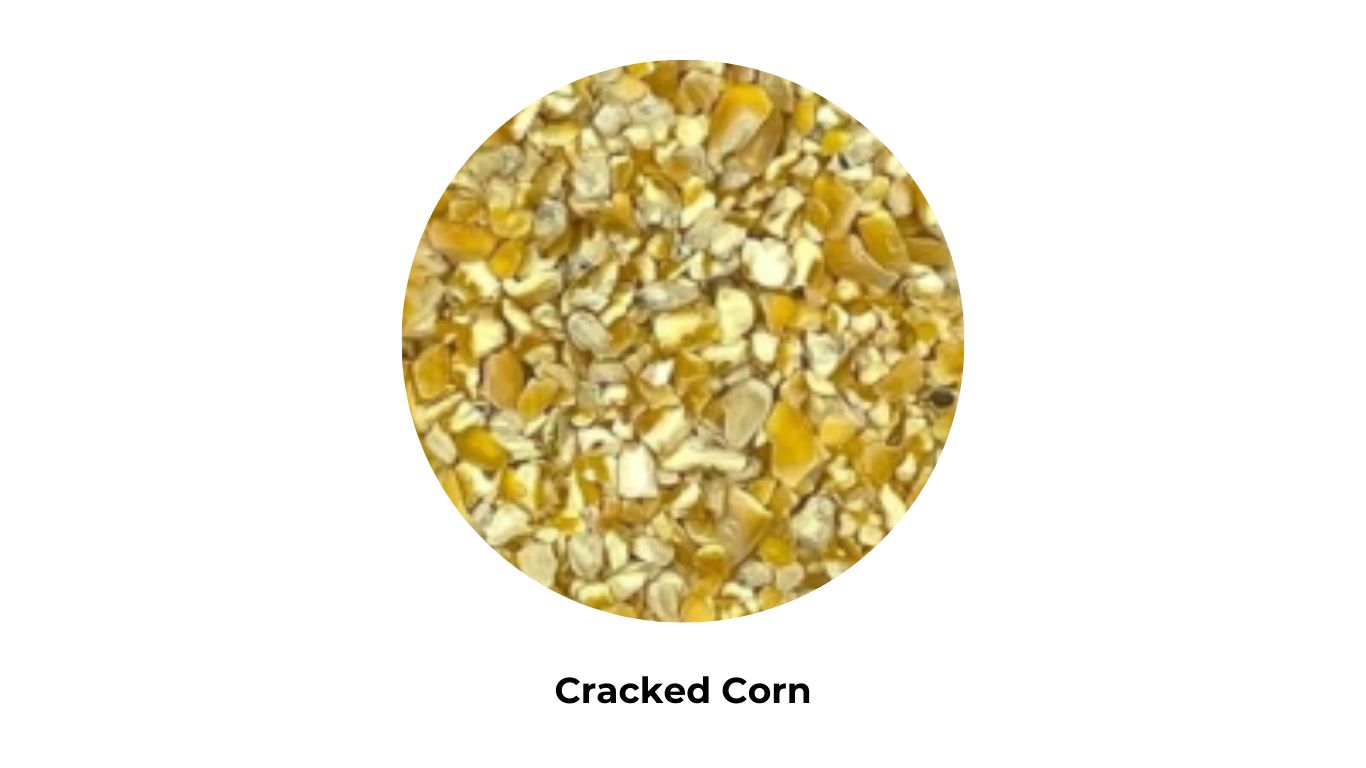
Cracked or whole kernel— Blue Jays will come knocking.
Cracked corn is a common bird food and you can find it frozen. The whole kernel works just as well.
Plus, it's great to have on hand for ducks. Don't feed birds bread. It's bad for them. Instead, keep a bag of dried or frozen unsalted corn to toss in the water for ducks.
Either way, corn is a great treat for Blue Jays and other birds. Variety in your feeders attracts a variety of birds.
D. Peanuts in the Shell
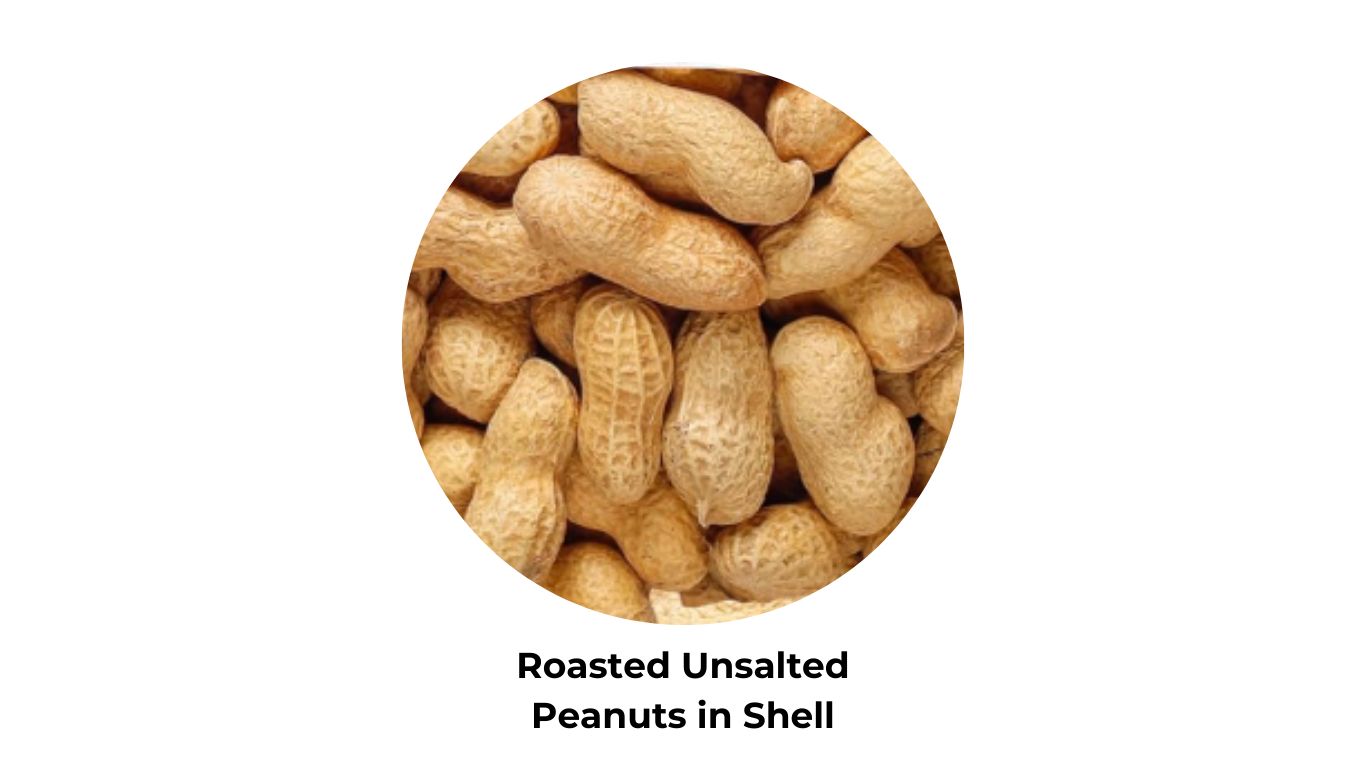
Blue Jays go bananas for peanuts! Even better if they’re in the shell.
It’s probably their favorite food on the whole list. Make sure to use unsalted peanuts for bird health and safety. Roasted is preferred when you can find it.
You can scatter the peanuts with other feed on your tray or platform bird feeder, or…
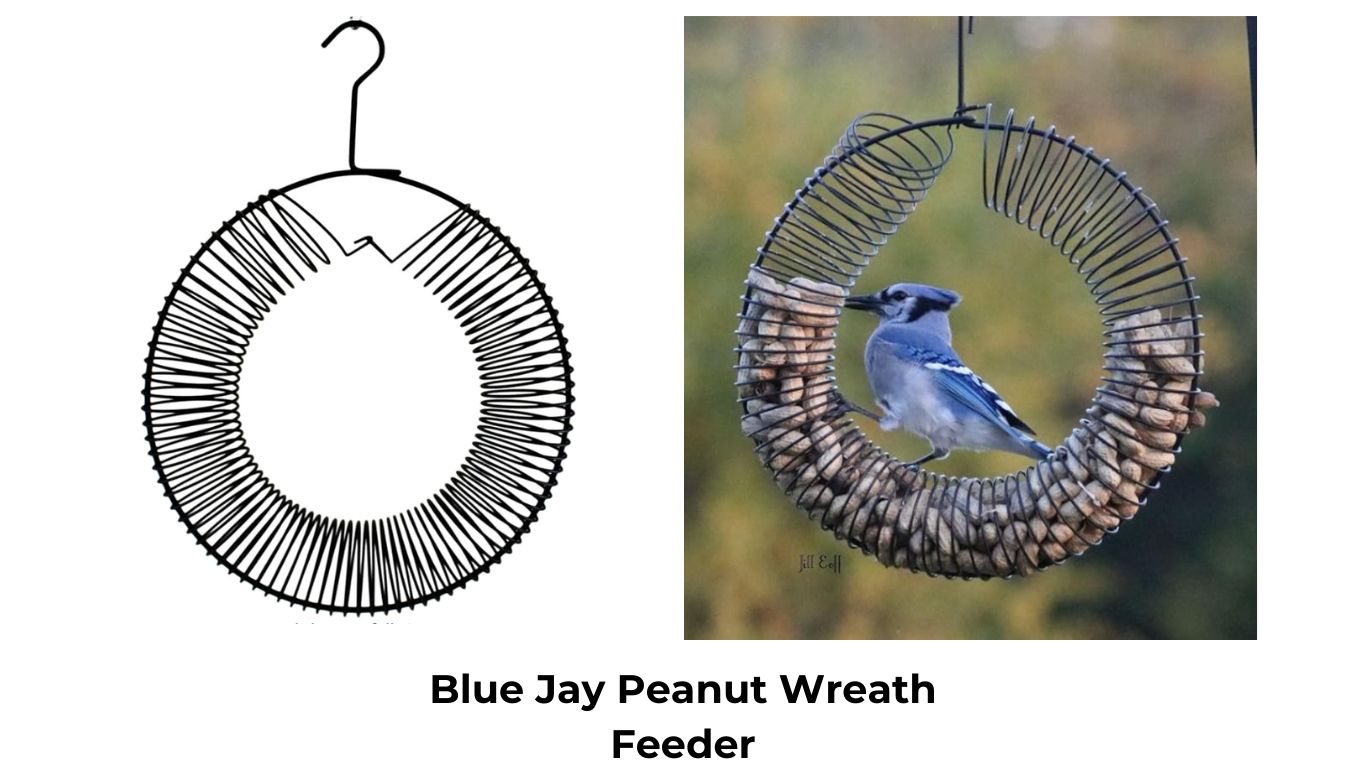
2. Peanut Bird Feeder
… use a designed peanut feeder. Peanut feeders help deter squirrels which is a big plus.
These hold a bunch of peanuts at a time so you can spend less time resupplying peanuts and more time enjoying the Blue Jays.
3. Blue Jay Bird Feeders
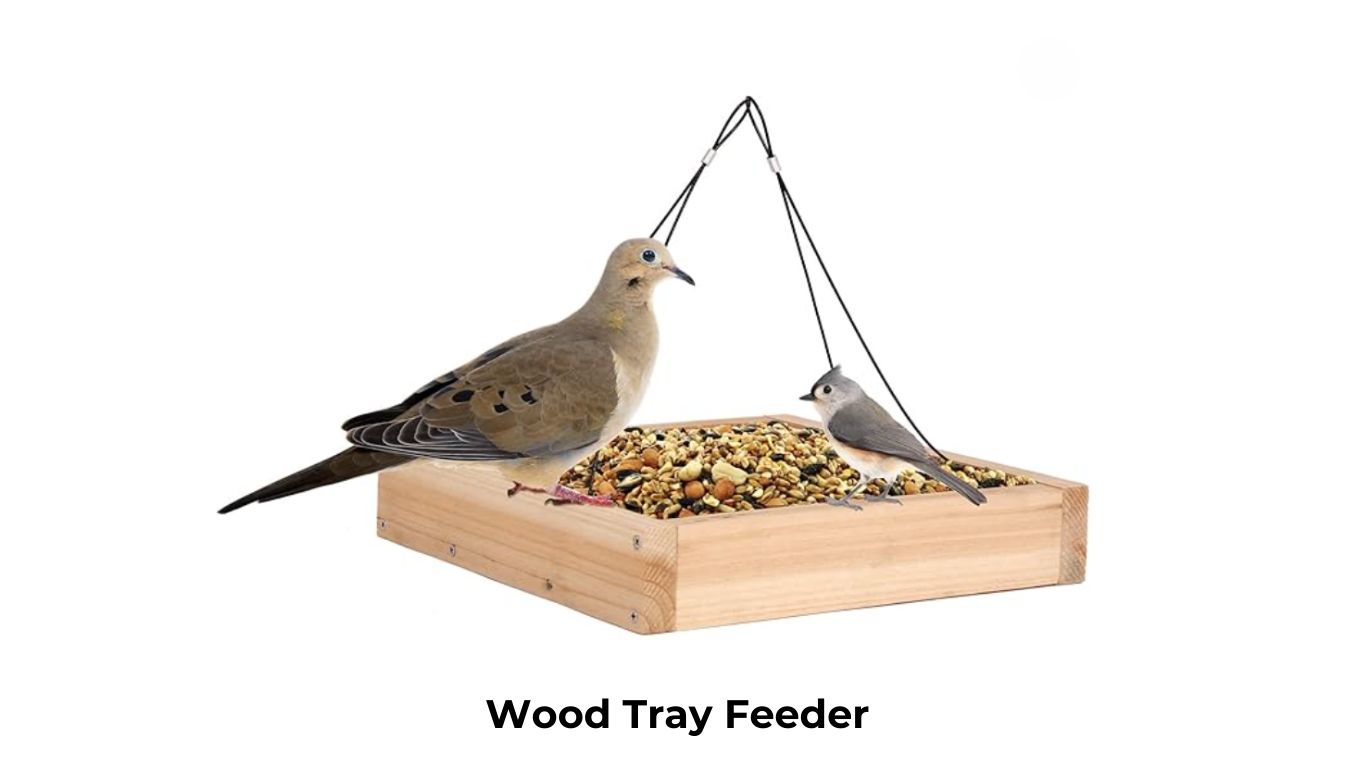
Platform feeders, also known as tray feeders, are by far the most popular Blue Jay bird feeders. Platform feeders give blue jays ample space to perch and eat which is why we think they're the best.
They'll also visit other kinds of feeders like tube and hopper bird feeders. Platforms are just the most versatile and welcoming for larger birds like jays.
4. Natural Shelter
Blue Jays rarely use bird houses. Instead, they prefer mature coniferous and deciduous trees.
Evergreens are a Blue Jay favorite in cold winters.
Refrain over-pruning to make sure the Blue Jay's natural shelter is dense. You can always plant trees close together so as they grow, you'll have prime bird shelter.
Leave some yard debris along the edges of your yard for them to build their nests in spring. Many birds use twigs, leaves, and the like for building nests.
5. Bird Baths
Make sure there’s at least 2 inches of water in your bird bath. Some are quite shallow for smaller song birds.
Blue Jays, however, are larger. They need more water to properly bathe. Aim for 2-3 inches of water.
The key to attracting any birds is really a combination of food, water, shelter, and safety. They all go hand in hand with one another.
Want to attract Blue Jays in the winter?
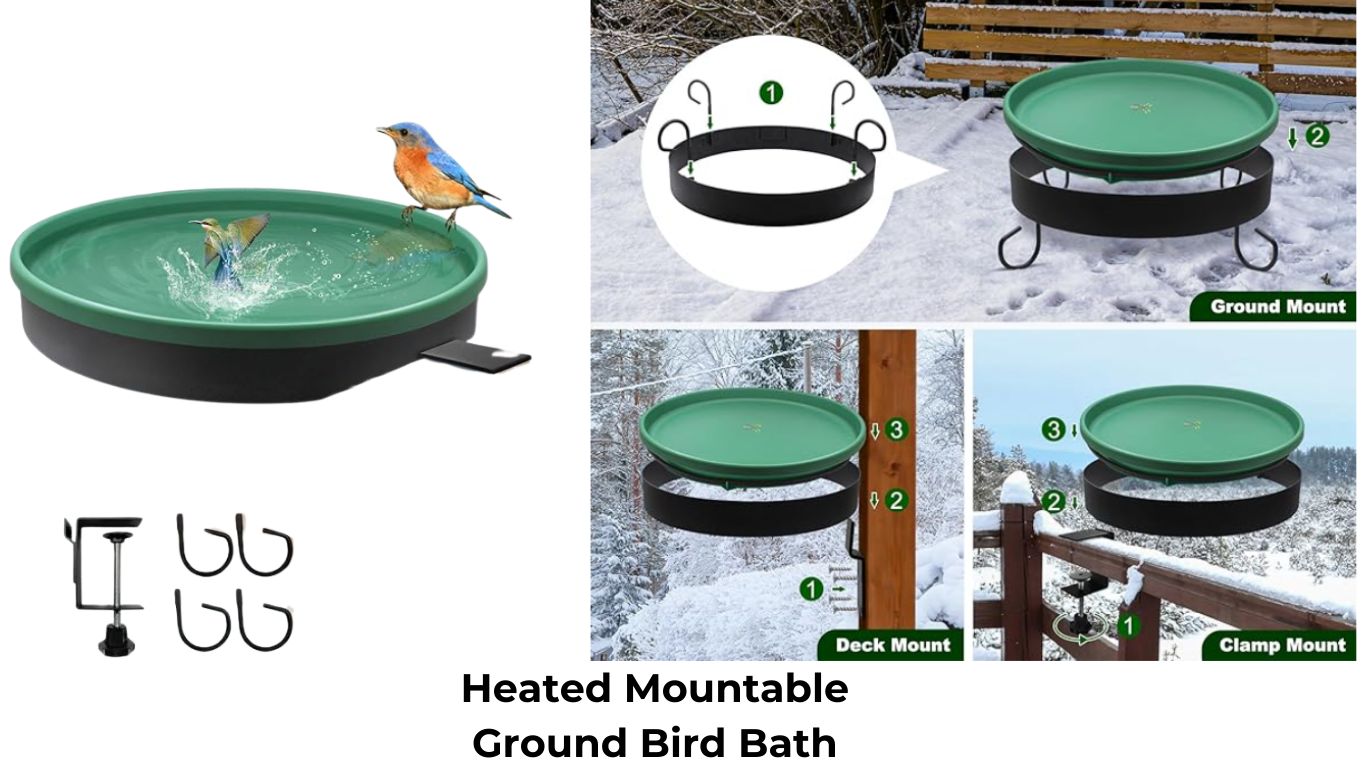
Simply add a deicer to an existing bird bath or use a heated bird bath. They all have sensors that regulate and shut off the heaters so they're perfectly safe.
Make sure to clean your bird bath regularly. Aim for every couple of weeks to make sure it's free of debris.
See our detailed guide for more: How to Clean your Bird Bath Safely (6 different ways!)
6. Predators & Feeder Placement
Blue Jays let out a call that warns when predators are nearby. They've also been caught faking hawk calls to clear bird feeders and have it all to themselves. And eating birds' eggs.
Either way, hawks and cats are common predators of Blue Jays.
Make sure to place bird feeders close enough to trees or shrubs for cover, but away from natural perches where prey hang out. Branches can make it easy for squirrels and mice to reach feeders.
Add predator guards if you want to be extra cautious.
Blue Jays want a clear view of their surroundings so make sure your feeder is free and clear to ensure their safety.
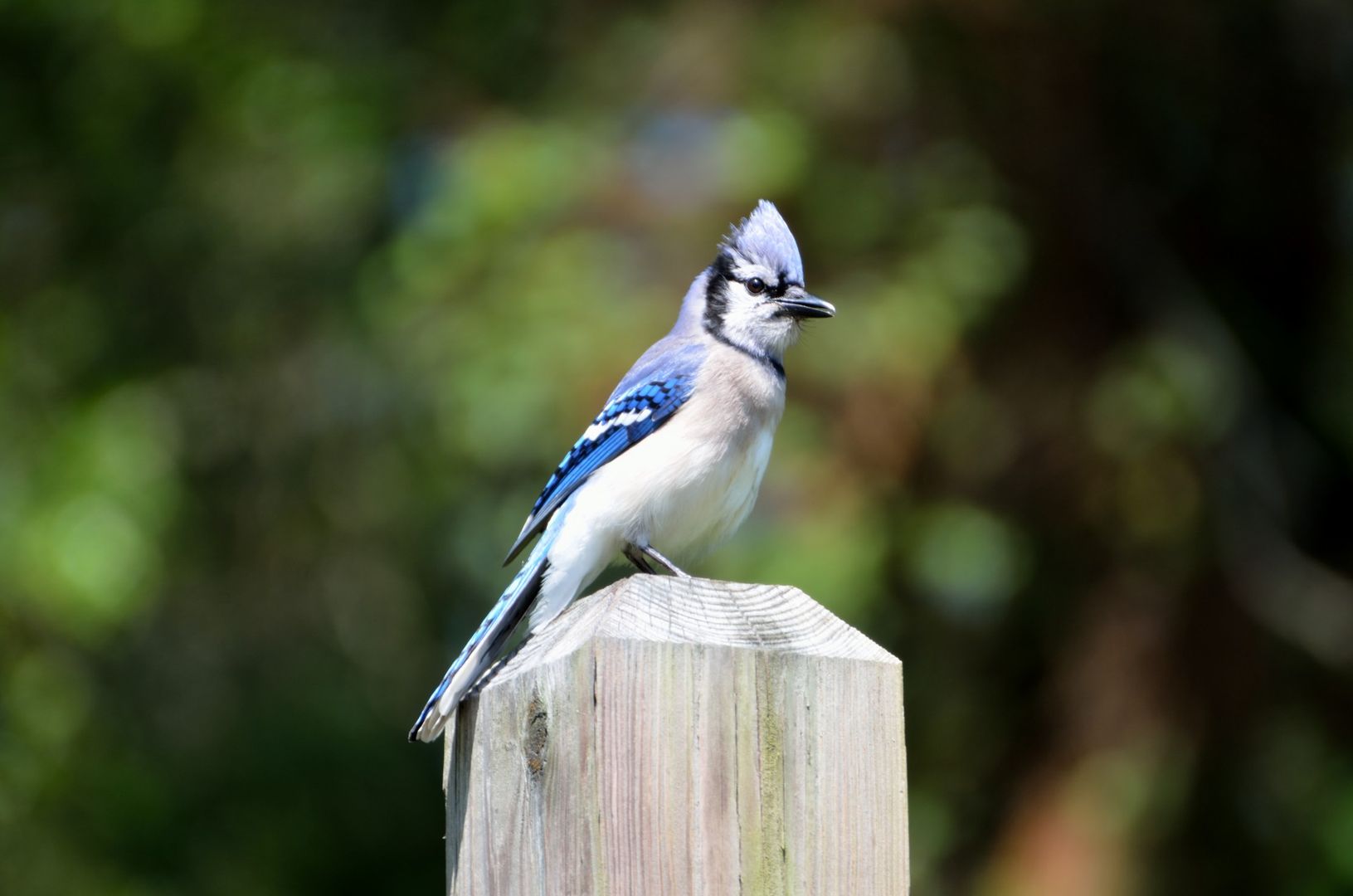
What Blue Jays have you seen lately?
Share them on the Sparkbird App! Available in the Apple App Store.
- Related: How to Use the Sparkbird App
No comments yet.