
Clean bird baths are a must to attract birds!
They prevent disease and keeps birds healthy and happy.
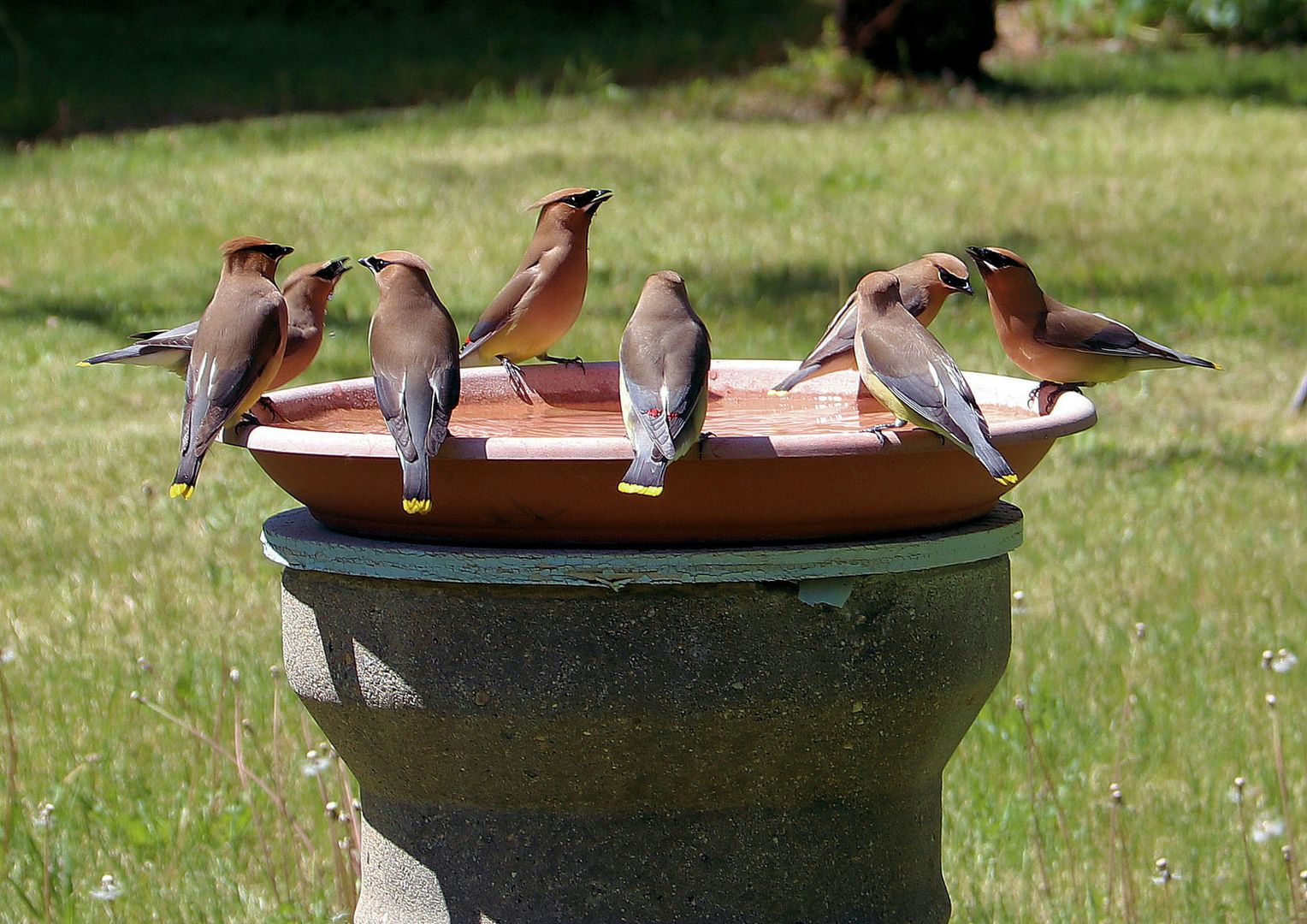
Cleaning bird baths outdoors safely requires you to use a method that's non-toxic to plants and animals.
Read on to see how best to use each cleaning method and on what bird bath materials.
Bird Bath Cleaning Supplies
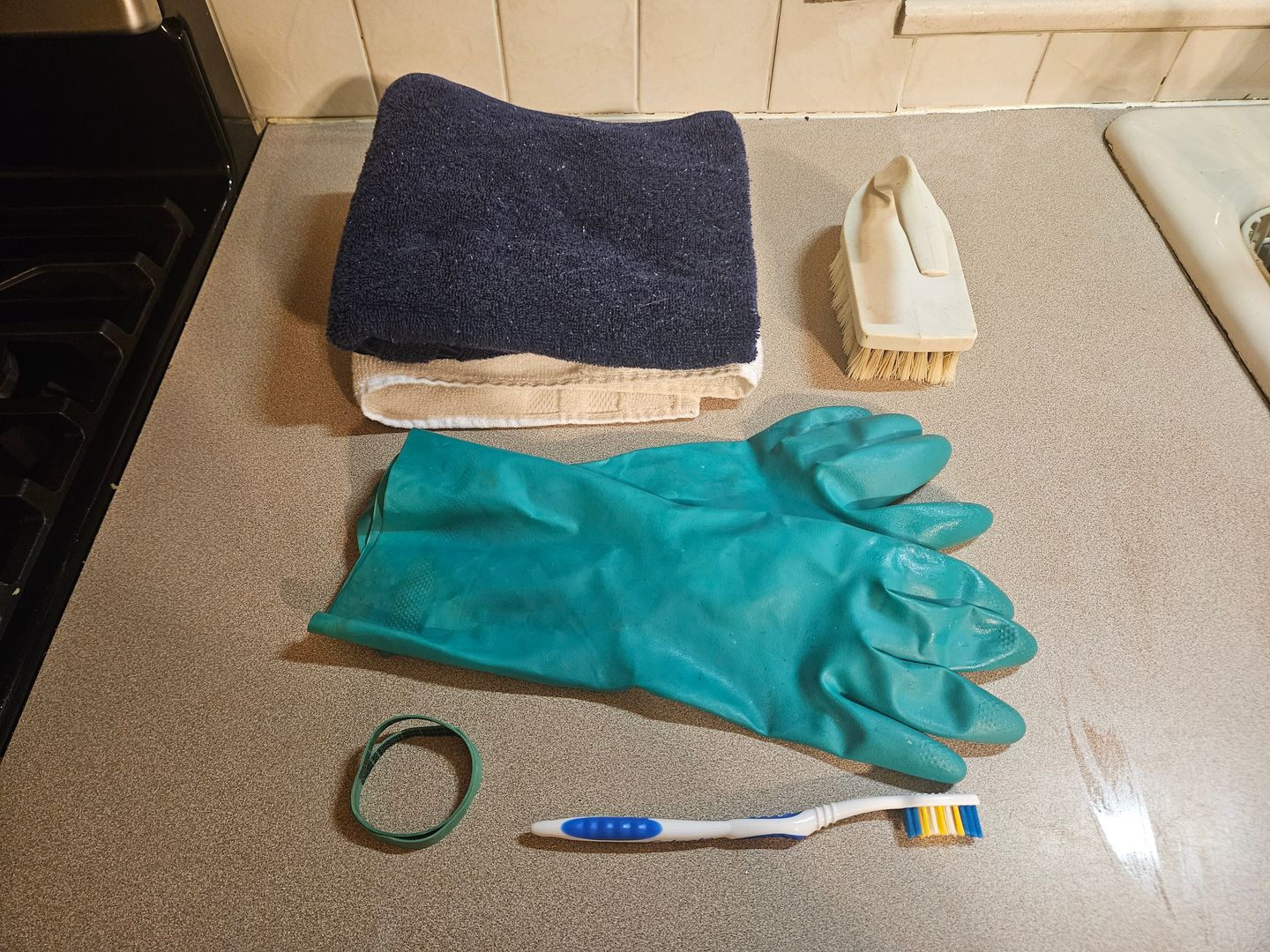
Here’s a list of materials you’ll need to clean your bird bath
- Rubber kitchen gloves
- Bristled brush for scrubbing
- Basin or plastic bin (optional)
- Hand towel
- Toothbrush (optional for fine details)
- Wire brush (concrete and stone only)
I personally hate when water drips down my rubber kitchen gloves so I use large rubber bands to keep the tops closed.
The towel as needed to keep yourself comfortable and dry.
1. Scrub Brushes
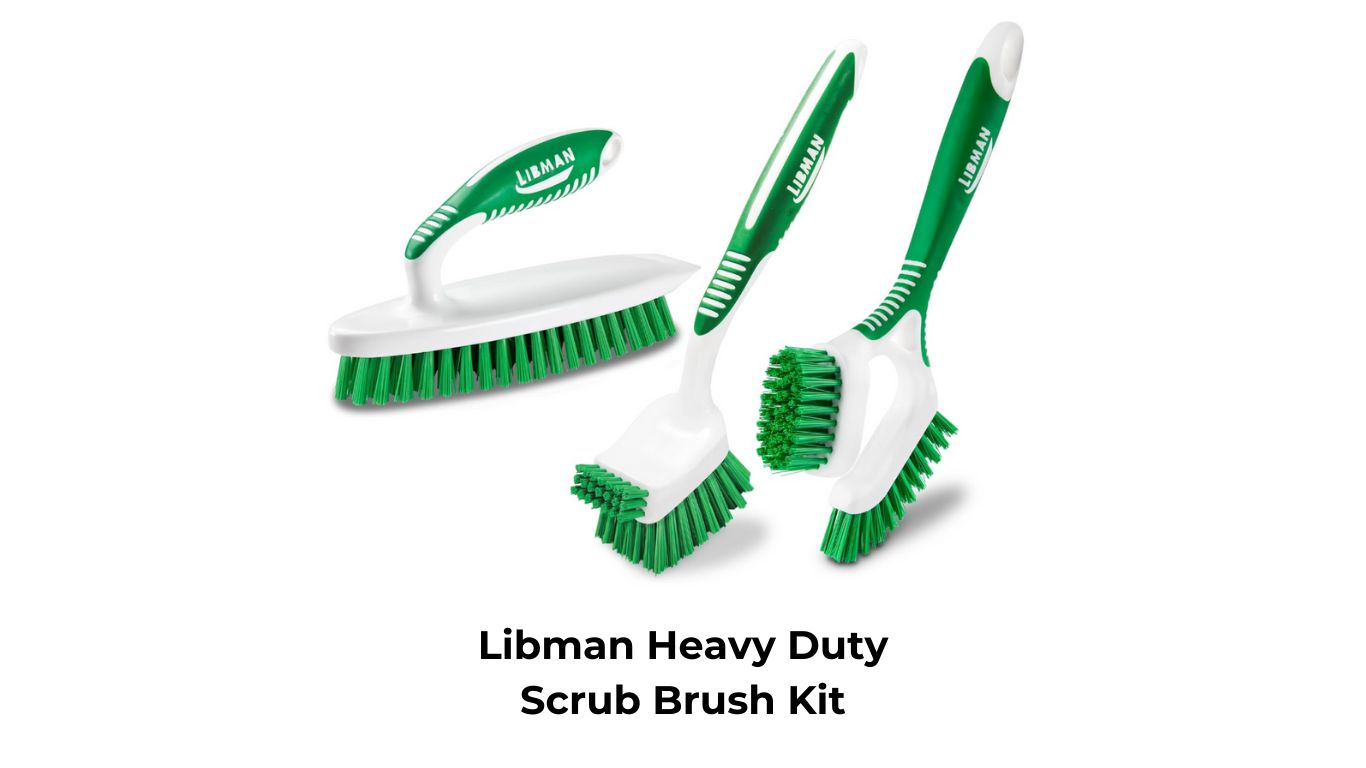
A heavy duty bristled brush set is a versatile household staple. You can use it to clean most surfaces in and outside the house.
You can use a sponge but the bristles can help clean built up grime that might be missed by a soft sponge.
It's a great way to make sure the bird bath is thoroughly clean.
2. Rubber Gloves
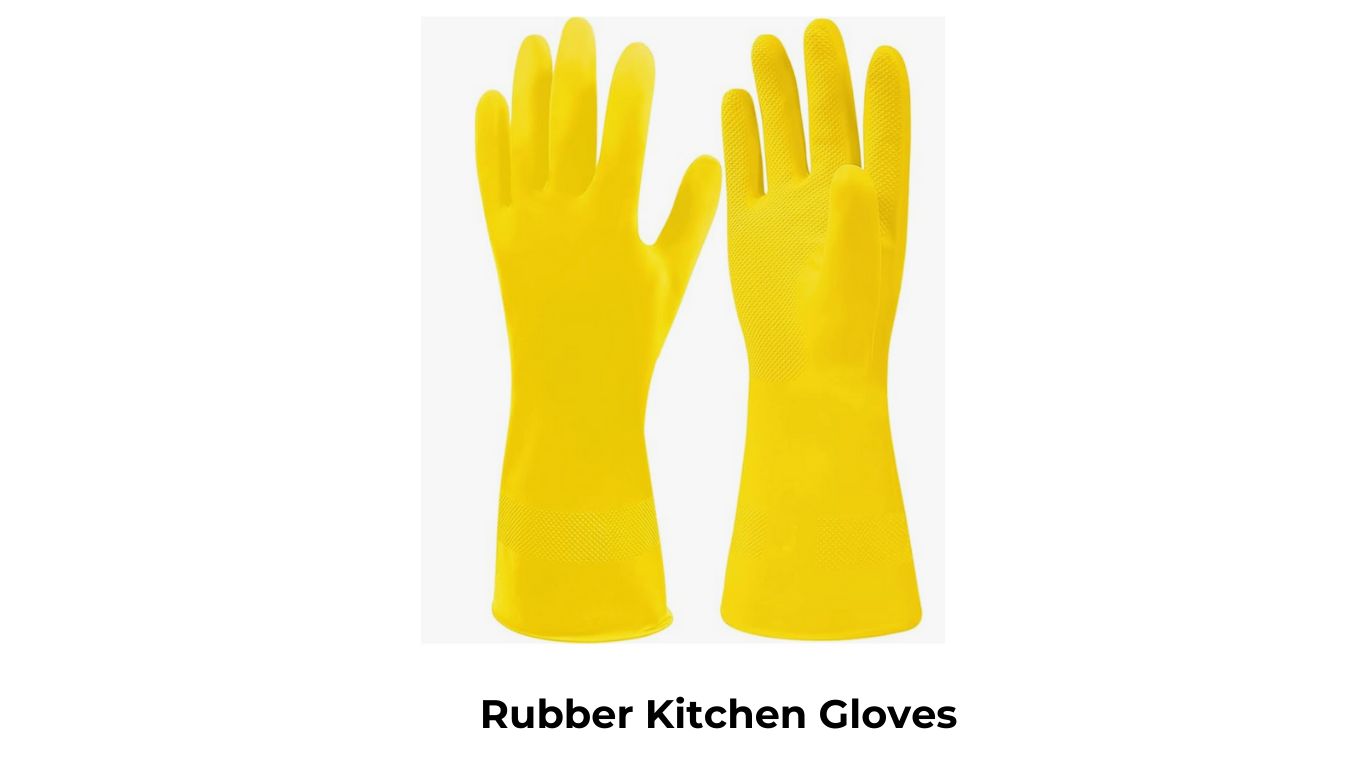
Always wear gloves when cleaning bird baths due to the germs you can pick up from birds and their droppings.
They're reusable and great for general household cleaning.
3. A Basin or Plastic Bin
You can clean your bird bath outdoors or you can submerge it in a basin or rubber tote.
Whether you use a basin to wash a bird bath or clean it directly outside depends on the cleaning solution you choose.
6 Safe Cleaning Solutions for Bird Baths
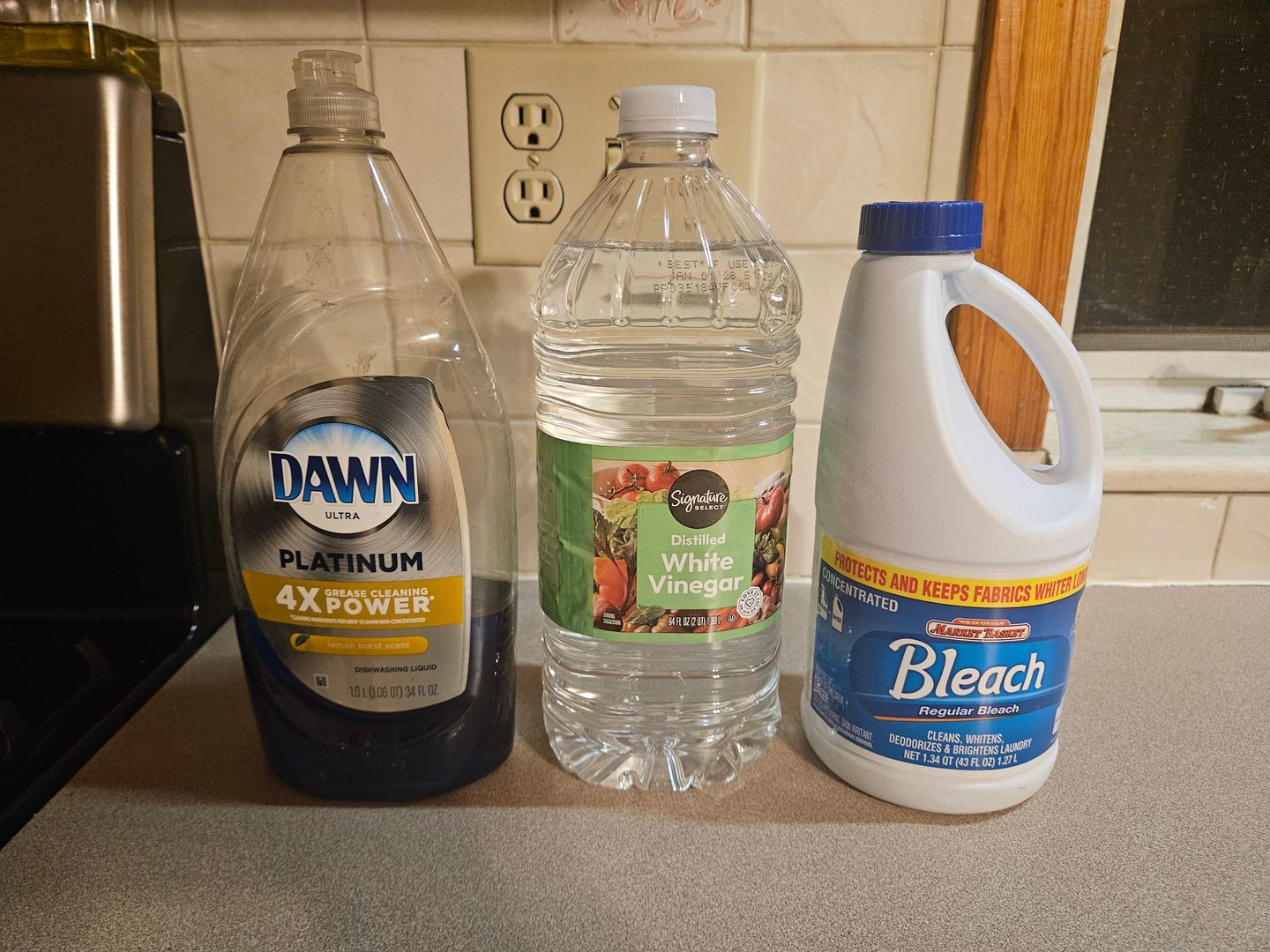
The ultimate goal is to keep your bird bath safe for birds— clean water that won’t spread disease or illness.
Your options for cleaning bird baths are:
- Soap
- Vinegar
- Hydrogen peroxide
- Baking soda
- Bleach solution (deep cleaning only)
- Pressure washer
Natural soap or diluted hydrogen peroxide solutions are fine to wash outdoors since they won’t kill plants or animals. Other bird bath cleaning solutions should be handled indoors to avoid harming wildlife.
Soap
pic
Mild dish soap and water is an excellent way to clean your bird baths.
Castile soap is the best option if you want to keep the bird bath where it is to clean it since its safe and nontoxic for plants and animals.
Empty your bird bath and add a few drops of soap. Using a stiff bristled brush scrub the basin for 30-60 seconds, then rinse until the water runs clean.
Vinegar
Vinegar is the most popular option for cleaning bird baths. The acidity breaks down bacteria and algae without being toxic to birds.
Mix 1 part distilled white vinegar with 1 part water with 9 parts water. Let the solution soak in the bird bath basin for 15-20 minutes, scrub the basin thoroughly with the brush, and rinse clean.
Hydrogen Peroxide
Hydrogen peroxide cleans bird baths similarly to a vinegar solution. It’s environmentally friendly and doesn’t leave any toxic residue.
Mix 1 part 3% Hydrogen Peroxide to 1 part water, or about 1 tbsp per gallon of water. Let soak for 15-20 minutes, scrub with brush, and rinse thoroughly.
It’s less popular than vinegar in some birding circles but works just as well.
Baking Soda
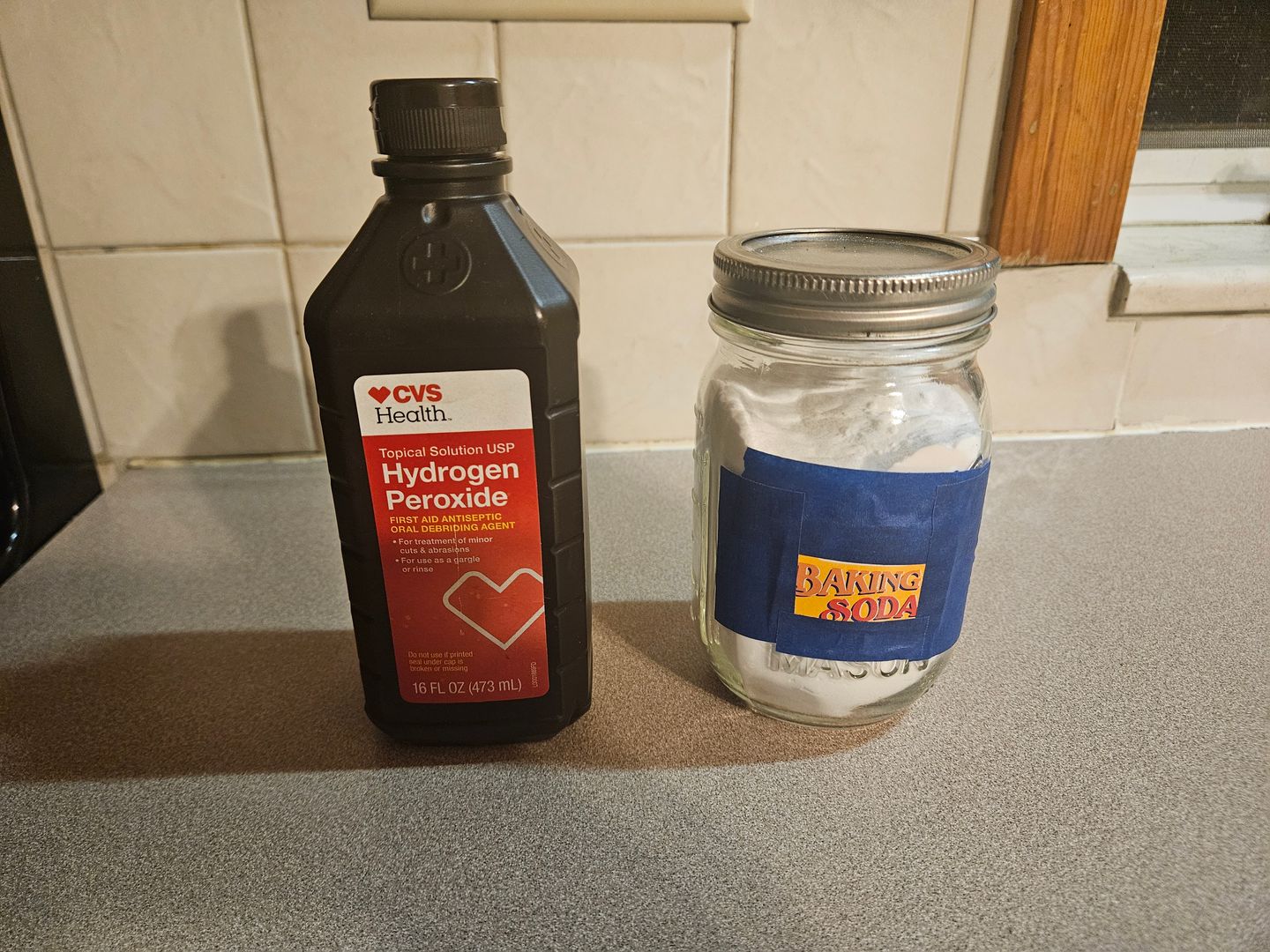
Can help remove mold but technically won’t “clean” your bird bath because it can’t kill germs or bacteria. Cleaning your bird bath with baking is good for removing stuck on grime like bird droppings or mold. I recommend washing with either soap or vinegar both before and after using baking soda.
Empty the bird bath basin and sprinkle with fresh baking soda. Add a few drops of clean water and mix into a paste with your hands. Let sit for 10-15 minutes before scrubbing with a stiff bristled brush and rinse clean. Use a wire brush if the residue is tough to budge
Don’t use baking soda on metal bird baths. It will remove and polish the natural patina which most people want to preserve.
Bleach
Bleach is best for deep cleaning bird baths instead of regular maintenance because it’s time consuming to ensure proper safety for the birds. You need to rinse the bird bath thoroughly multiple times and dry it in the sun to make sure any possible residue is neutralized in the sun.
Mix 1 part bleach to 10 parts water for stone, concrete, plastic, and ceramic bird baths. Let the solution soak in the basin for about 10 to 20 mins then scrub vigorously with your brush. Rinse several times with clean warm water and air dry in the sun before refilling.
Deep clean your bird bath once a season or as needed to prevent algae and disease, especially if there’s an outbreak.
Pressure Washer
This won’t clean or kill germs. Instead, pressure washing bird baths is great for blasting off stuck on gunk, stains, or droppings on stone or concrete bird baths (and sometimes metal). Other bird bath materials could break under the pressure.
Use a PSI under 1000 and a wide angle tip to safely clean tough spots without damaging the stone.
Pressure wash your bird bath before you clean it with any of the aforementioned cleaners.
How to Choose the Best Cleaning Method
Keeping bird baths clean and safe varies based on 2 factors:
Weather & bird bath material.
1. Weather Determines Cleaning Schedule
Your bird bath cleaning schedule depends on the season, temperature, and weather.
Winter Schedule
Replace the bird bath water and clean the basin about once a week in cold winter climates. It's less likely to grow algae and other funky stuff in cold temperatures so you can get away with changing the water less often
Summer Schedule
Replace the water every 2 or 3 days in hot weather or tropical climates. Keep bird baths partially shade in the summer to slow algae growth.
Adjust the frequency of cleaning based on how many birds visit and how often they’re there.
2. Bird Bath Materials
Materials can impact the cleaning solution you choose to use. There are 7 bird bath materials you’ll find:
- Concrete and Stone
- Resin and Ceramic
- Metal
- Plastic
- Glass (less common)
Most materials can be washed using most of the cleaning methods with a few exceptions.
- Never use baking soda on metal bird baths. It can remove the patina.
- Concrete and stone bird baths need a hard bristle or wire brush
- Wire brushes can damage the finish on ceramic bird baths
What birds haven you seen at your bird bath?
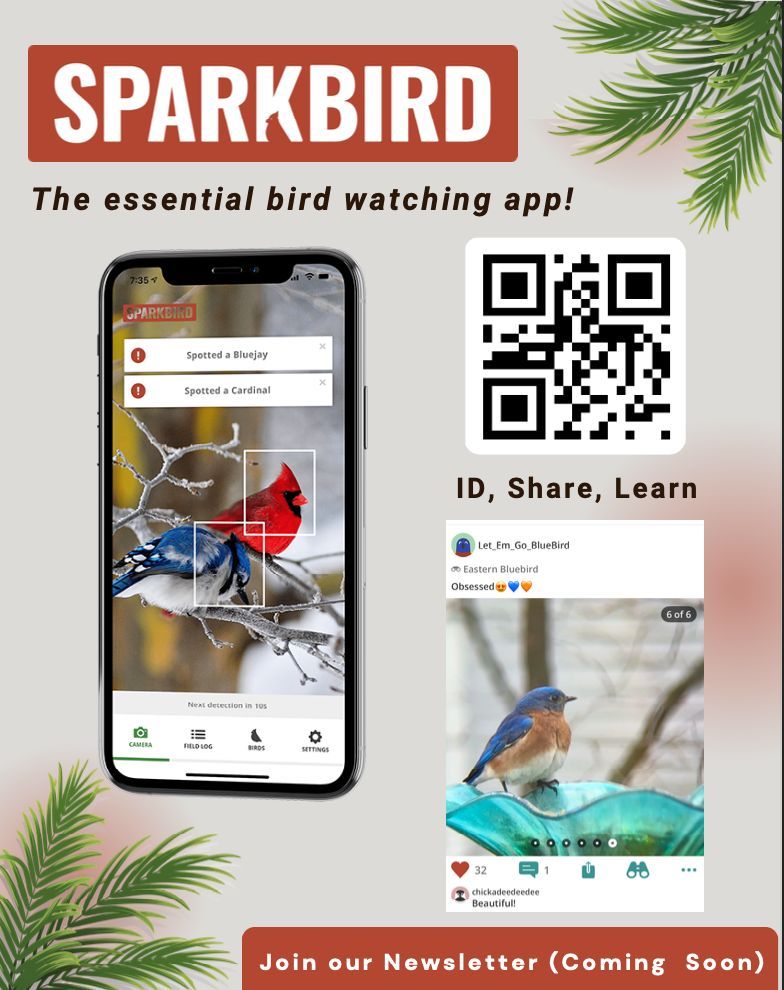
Share them on the Sparkbird App! Available in the Apple App Store.
- Related: How to Use the Sparkbird App
No comments yet.