
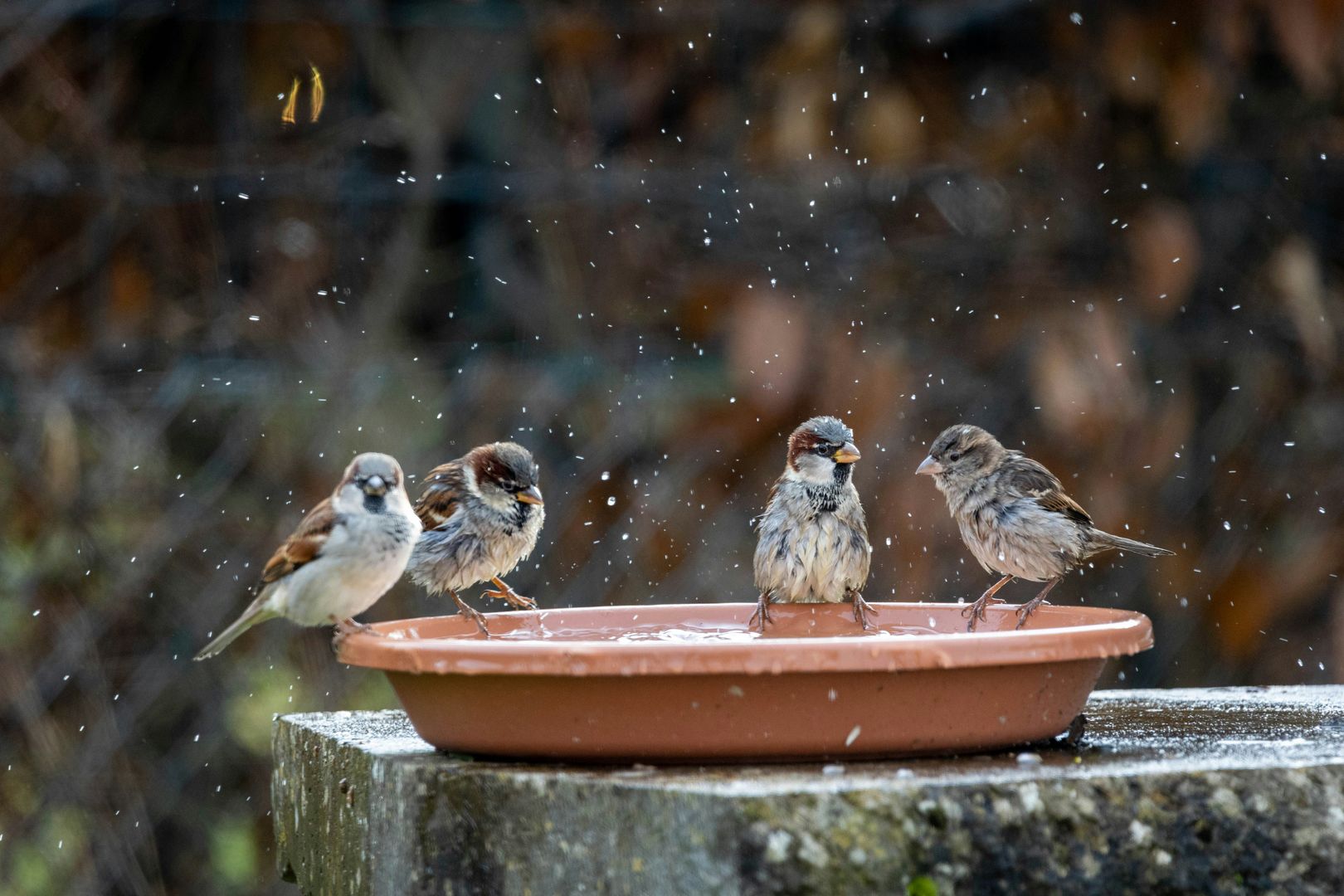
Homemade solar bird bath heaters are a great option for keeping winter bird baths thawed. A bath without a solar battery has a few unique challenges:
- The temperature and sun exposure varies daily
- No heat source to prevent freezing overnight
- Common bird bath materials lose heat in the cold
The Problem With Solar Bird Bath Heaters
There aren’t any solar bird water heaters with battery backups, or solar batteries, ready to buy. They'd be more expensive to make and pricey to buy.
The lack of sun is the main reason why they won't work, not just the cost.
There's much less sun in winter to power the heater to keep them running.
Some people have built their own solar powered bird water heaters but it's labor intensive and not worth it for most people.
We'll cover several ways to leverage solar power in the winter to keep bird baths warm:
- bird bath placement
- heat retention
- importance of moving water
The Setup
Solar works best when your bird bath is in the sun the longest. Choose the spot that gets the most sunlight throughout the day.
In winter, the earths axis shifts away from the sun which is why there’s less sunlight and warmth (depending on where you live). That means less solar power to heat your bird bath.
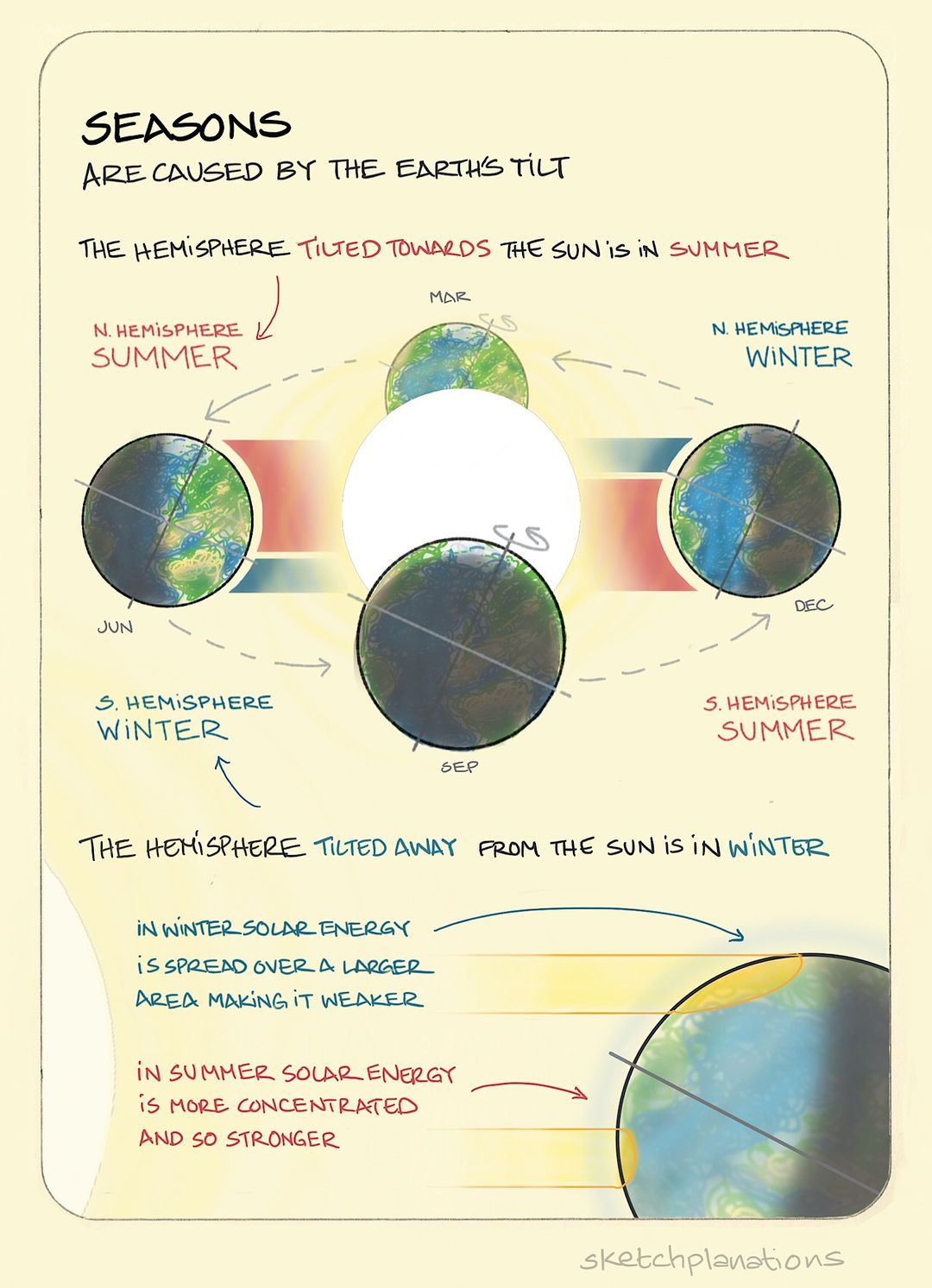
The sun also peaks in winter between 9am and 3pm with its biggest peak at solar noon, a.k.a. the moment the sun is at its highest point, between about 12 and 1pm.
Choose an area where you get the most sunlight in this 6 hour window for your bird bath.
Snow might affect how much light you think you’re getting so remember that snow can make areas of your yard seem brighter without it getting as much sunlight.
Not Near Bird Houses
Birds don't eat and sleep in the same area. Similar to bird house and bird feeder placement birds are less likely to use one or the other because the safety risks imposed with predators being attracted to food or young fledglings in the spring.
Place bird baths at least 10 feet or more away from bird houses.
- Related: 5 Best Winter Bird Houses of 2025
The Build
Bird bath materials, colors, and keeping water moving are the keys to making the most of the sunlight you get.
Use Dark Colored Bird Baths
Some bird bath materials hold heat easier than others. You want to pick a bird bath with a dark or black basin because it absorbs more heat from the sun. Dark colors absorb more wavelengths of light and therefore more energy and heat.
Common bird bath materials and the pros/cons:
- Plastic or Resin - These are your best option for solar bird bath heaters that are homemade. They won’t break and are decent at retaining heat.
- Stone, Ceramic, or Concrete - With electric bird bath heaters these can be fine. Relying on solar to heat your porous stone bird bath makes them prone to cracking in winter. Unless your temperatures stay above freezing, or you want to get serious with insulation, store your stone bird bath for warmer weather.
- Metal - good at retaining heat but also bad at staying warm without sunlight or heater. These are best for warmer seasons and climates; might rust but won't crack or break in cold
- Glass - will break in cold winter temps; Don’t use it unless you live in a warmer climate
Stone and ceramic are porous and can crack from water expanding as it freezes so we don't recommend using them as part of your solar bird bath heater routine unless you take all possible precautions.
Bird Bath Liners
If you have a ceramic, metal, or stone bird bath you want to use you can try adding a black bird bath liner. They’ll help insulate the basin to retain heat. It might also help keep it from cracking if it gets below freezing but can't prevent water absorption from snow or rain.
Alternatively, line your bird bath with a black rubber tarp or mat. Just make sure there’s no holes.
These are a great way to winterize bird baths that are light colors, or traditional pedestal bird baths made of ceramic or metal.
Insulate Your Bird Bath
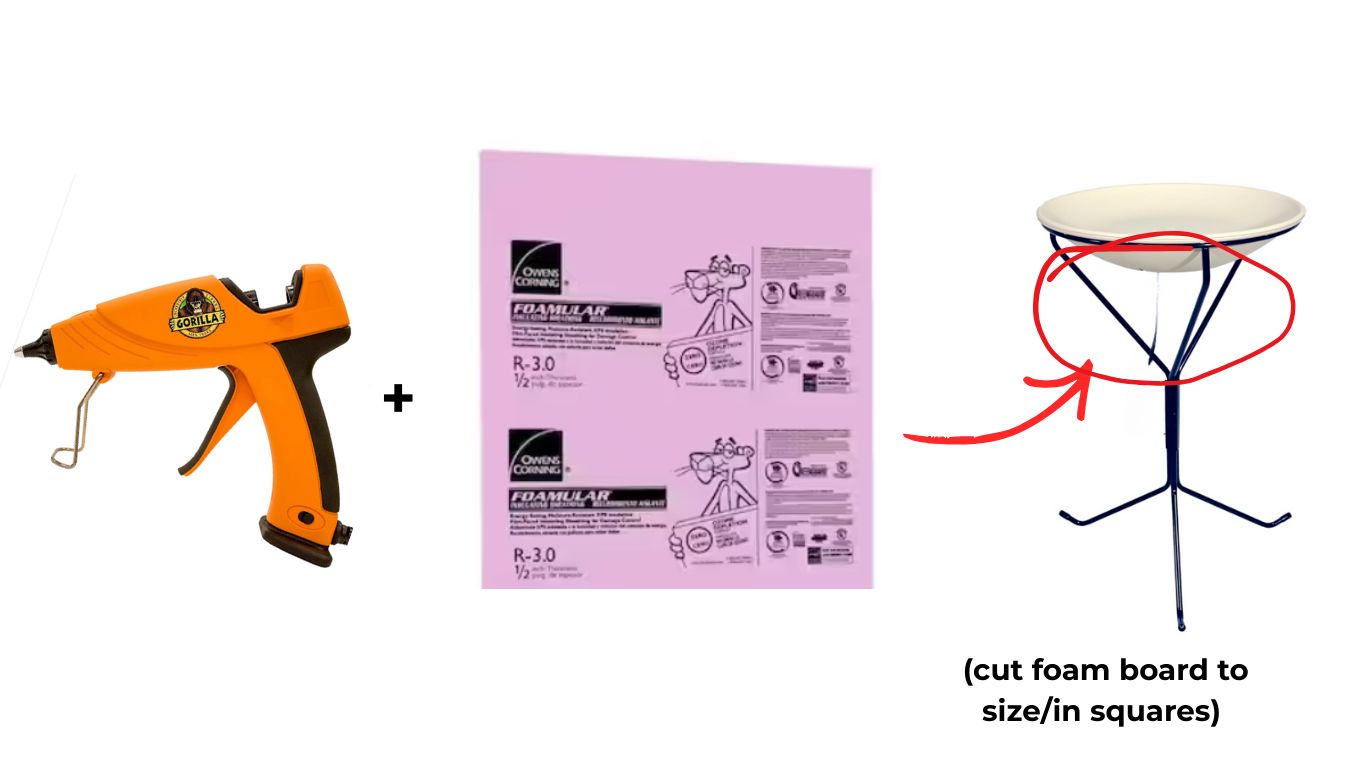
Use foam board or styrofoam to insulate the basin, especially if you’re using a metal, ceramic, or stone bird bath. They lose heat fast in the cold.
Place your existing feeder in a container like a plastic storage bin. Fill in the gaps with foam, placing the bird bath on the foam if it's a tray bird bath.
Another easy solar bird bath heater homemade solution is to line your bird bath with a black trash bag before filling it. Pull taught to cover most of the underside. This will allow you to hot glue or super glue foam board on the underside of the basin (preferably to the bag or liner so you can remove it in summer).
You can also experiment with making a solar bird bath “lid” fitted to your bird bath.
Cut a piece of styrofoam to fit as a lid for your bird bath. Make sure to cut out a hole large enough for birds to get to the water. Wrap and secure the styrofoam with a black material like a black trash bag for superior heat retention.
Add Rocks
Dark rocks or stones naturally retain heat. They’ll act as solar batteries and store heat longer in cold temperatures.
A large, baseball-sized rock might stay warmer longer because of the surface area. You can also put a layer of black rocks at the bottom, or use a variety of sizes.
Either way, it'll help keep the bird bath warmer.
Moving Water is a Must
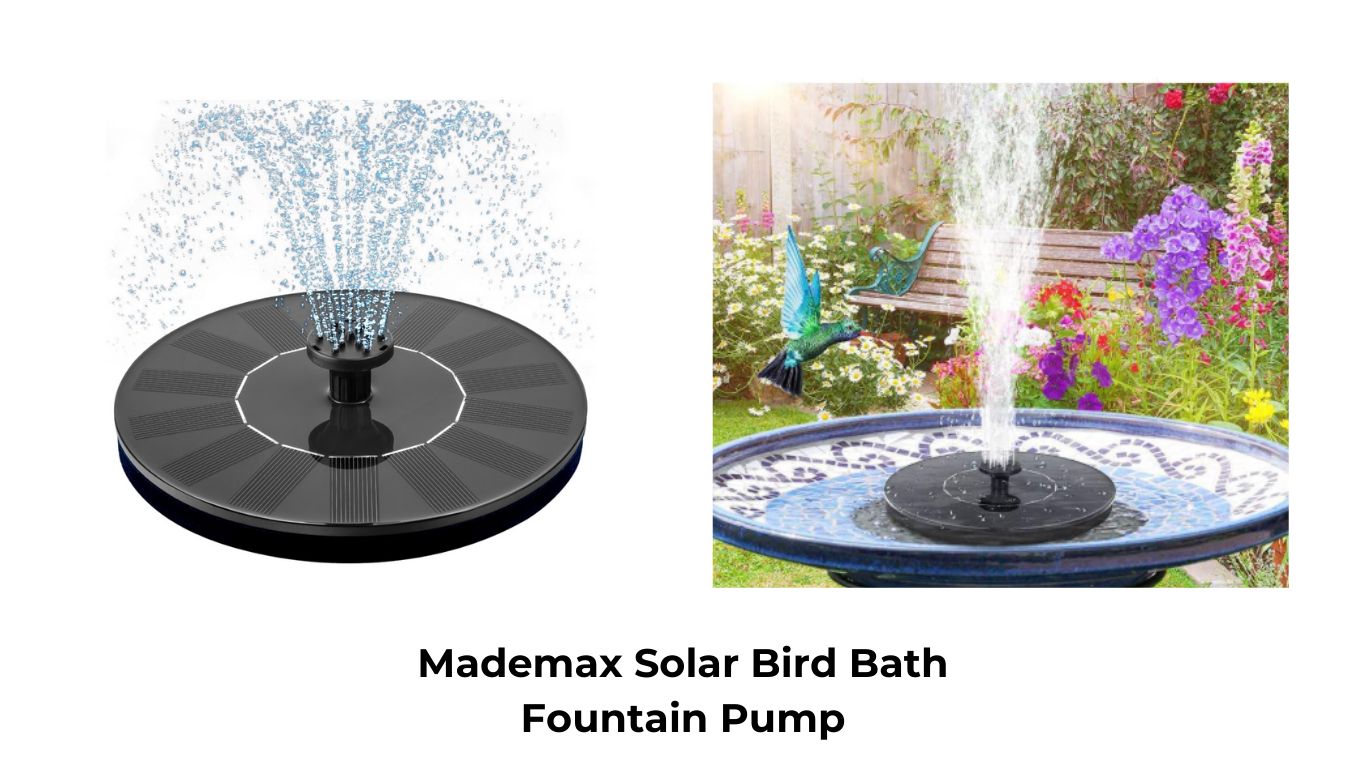
Moving water is less likely to freeze. Just add a simple solar powered bird bath fountain or water pump.
While these don't keep the water warm continuous movement will delay or stop the water from freezing.
Birds love water fountains so you can use it year round! Moving water attracts more birds, too.
Use some dark rocks on the fountain base to keep it submerged. Add floating objects like ping pong balls, cork, or even rubber ducks to help.
Tips for Success
Add boiling water
A quick, overlooked winter bird bath hack is to thaw the water. Add a cup of boiling water in the morning to speed things up.
Use bottled salt water
Salt water has a lower freezing point. It can also heat up faster and will help keep the water around it slightly warmer. Use any small bottle, like a mini disposable water bottle, and seal it tight with heavily salted tap water.
DO NOT USE ANTIFREEZE. It’s toxic to birds. Birds drink the water in bird baths so don’t add salt to the water, either.
The salt water bottle is a safe bird bath tip because salt water can’t poison birds if the bottle leaks. It could eventually lead to kidney failure though, which is why the water must be bottled.
Attract More Birds with Feeders
Bird feeders help foraging birds with scarce food and possible crop failures in winter. It's an easy way to add variety and bring plenty of winter birds to your yard.
Clean your bird bath
Use warm water and a mild cleaner to prevent algae buildup and bird droppings. Clean as needed or every couple of weeks. Clean water will attract birds and prevent spreading disease.
What birds have you seen at your bird bath this winter?
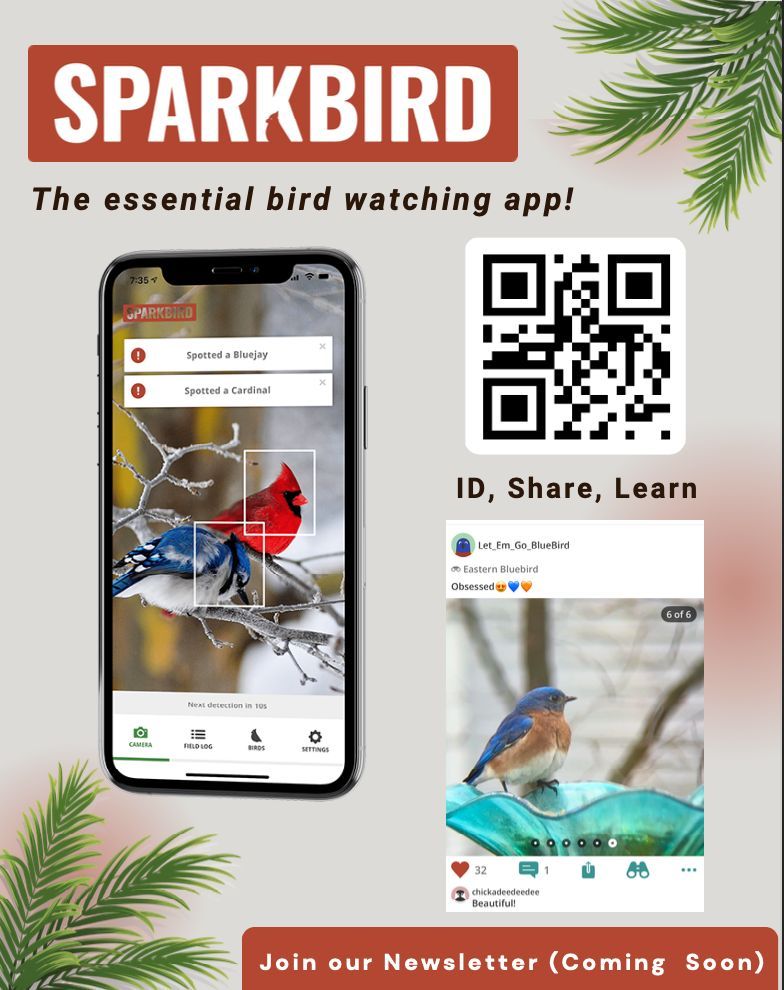
The bird community would love to see them. Share them on the Sparkbird App! Available in the Apple App Store.
- Related: How to Use the Sparkbird App
No comments yet.