
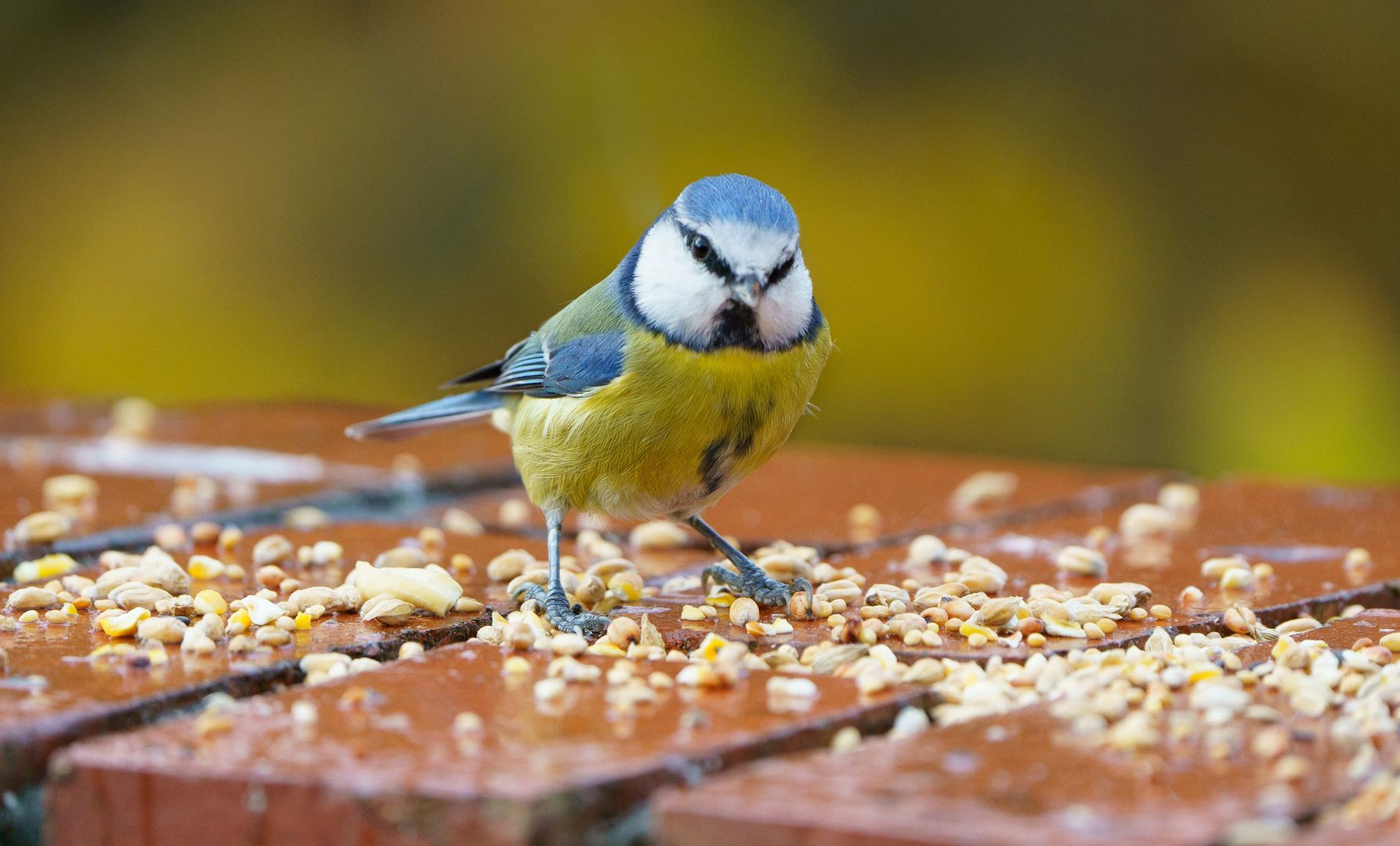
Whether you want to know what bird food to choose for your feeder or just want to read about bird eating habits, you're in the right place.
In this article we'll cover the best food for bird feeders, bird eating habits, bird seed types and common bird food mistakes.
Why Feed Birds?
As covered in Bird Feeders 101 there are a few reasons to feed birds. Many people do it for the enjoyment of bird watching but there’s more:
- feel connected to nature
- helps food supply
- positive impact on health
Humans evolved to feel safe when birds sing. That’s because birds only sing when they’re safe– from natural disasters, weather, and predators. Bird song is an indicator that you can relax.
There's a lot of communion with nature through birds that just feels right. Animals and humans have a long standing relationship integral to our evolution, survival, and happiness. Choosing the best bird food for feeders can help strengthen that relationship.
Whatever your reason for feeding the birds you're on track for living a balanced life.
Does feeding birds harm them?
You might be curious if birds can become reliant on you for food. The short answer: it depends.
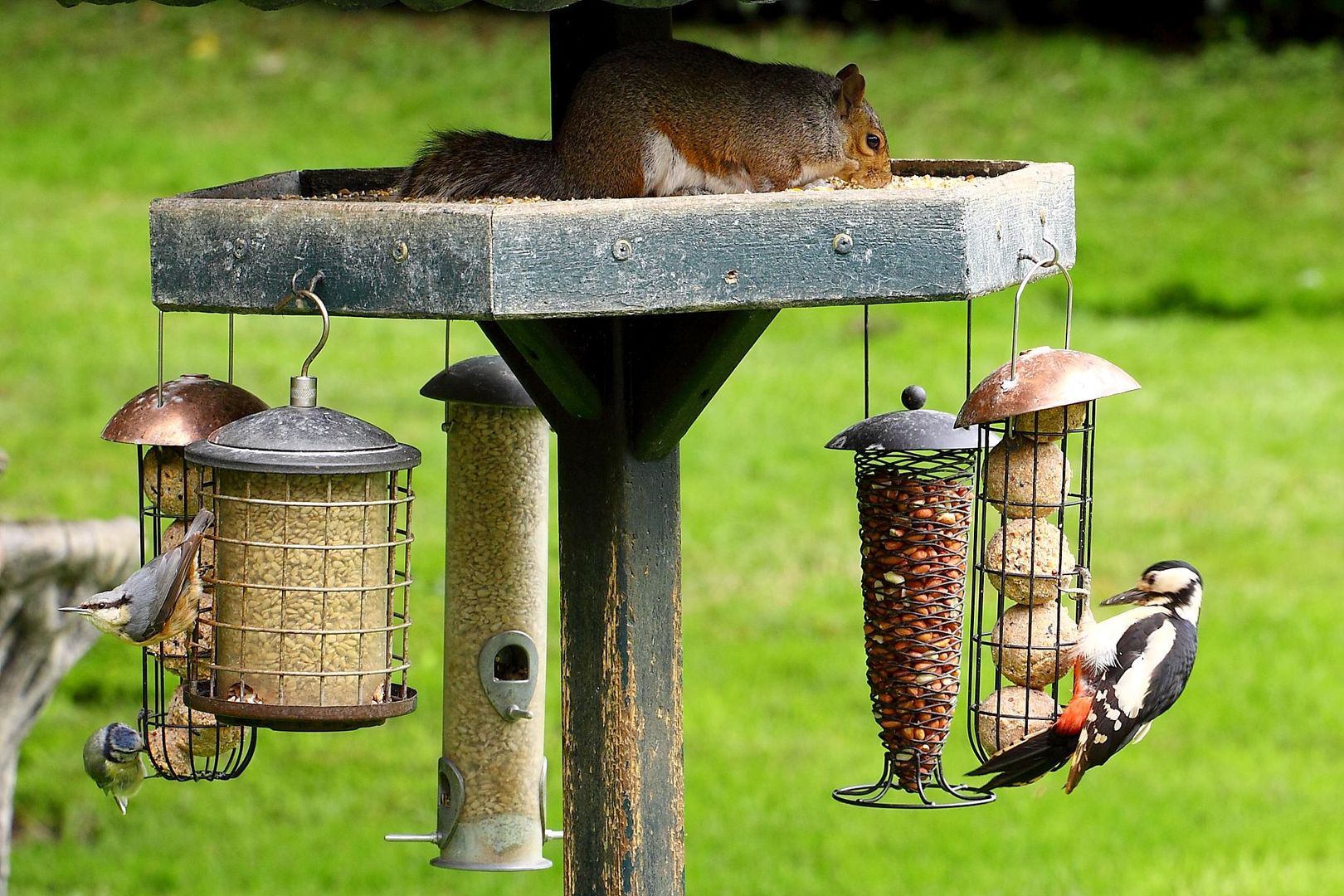
Foraging birds practice what's called optimal foraging theory. The high metabolic rates of smaller birds and risk of predation makes them opportunistic foragers. They have a variety of sources of seeds, nuts, fruits, and grain in addition to feeders. This resource partitioning ensures a balanced diet and minimizes 'patch' depletion.
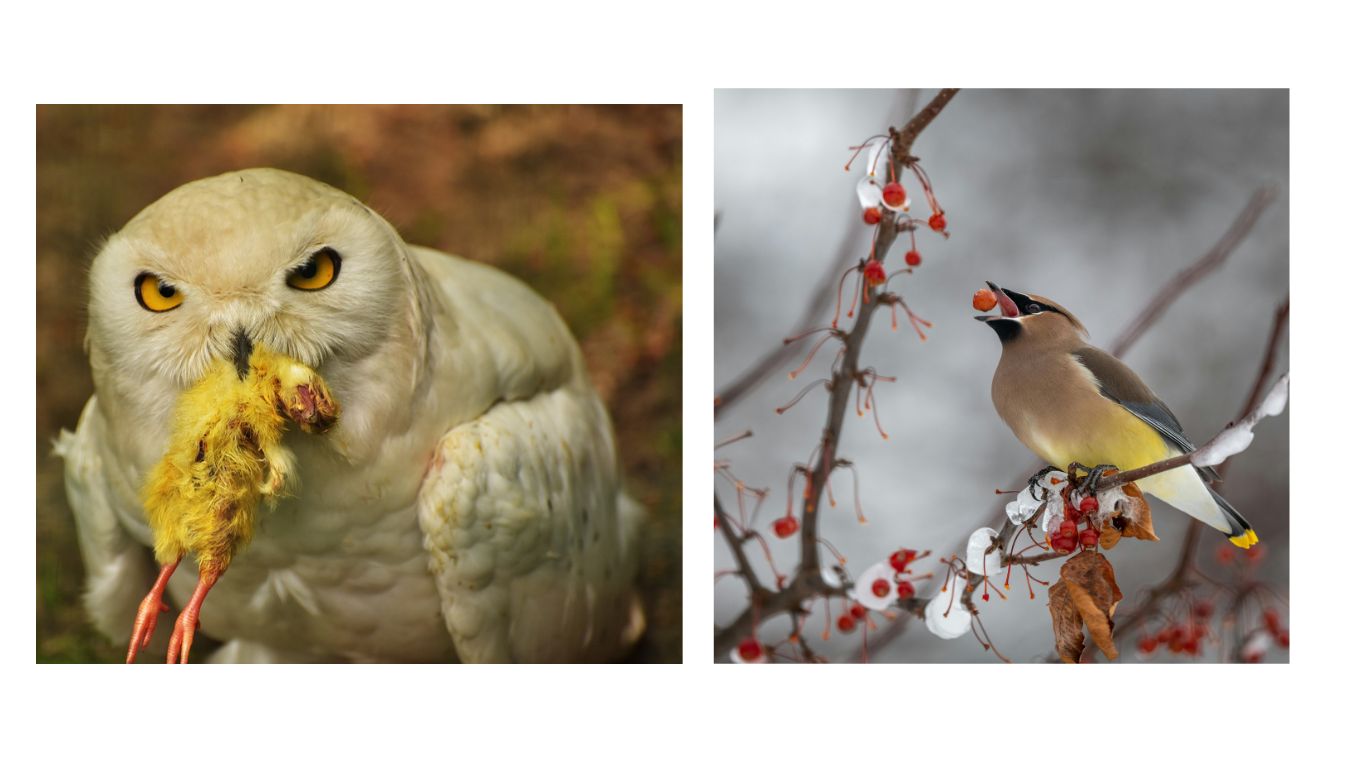
In contrast, birds of prey are intermittent hunters. While songbirds are 'grazers' of the landscape, raptors are 'stake-out' predators that prioritize caloric efficiency over constant movement.
Songbirds requires constant energy intake and variety, while raptors are defined by feast-and-famine cycles.
Never Feed Predators
The same goes for many wild animals like bears, foxes, owls, snakes, etc.
Food conditioned behavior arises when animals associate humans with food and become bold, sometimes aggressive beggars. Feeding wild predators disrupts their natural hunting instincts and can lead to aggression and unrest towards people.
Invasive Species
Many birders try to deter invasive species from their bird feeders and bird houses.
Many introduced, nonnative birds cause harm that the ecosystem can’t recover from. These species end up thriving because they lack natural predators and let them “bypass” the food cycle.
They can cause millions of dollars in crop damage and decimate native species leading to possible ecological collapse. Feeding birds that visit feeders is completely ok despite nonnative birds.
Bird Feeding Types
The first step in choosing the best bird food for feeders is knowing what birds need. Bird diets vary based on needs of different species, time of year, and are also influenced by crop failures.
Eating habits, though, are based on the food a specific species generally eats and how it obtains that food. Many are subtypes of a larger category.
There are 5 main types of bird feeding habits: fruigivores, granivores, insectivores, nectarivores, and carnivores.
The first four are all types of omnivores. Carnivores include insectivores but not all carnivores are insectivores.
1. Frugivores
These birds primarily eat fruit like berries, crabapples, mountain ash, and chokecherries. They expand their diet in the spring to worms, insects, and spiders to meet their higher protein demands.
Features of frugivorous birds are short intestines for rapid seed passage, and occasionally special digestive enzymes. Many birds in tropical environments are frugivores like toucans.
Frugivorous birds in North America include orioles, waxwings, robins, bluebirds, and many pigeons.
2. Granivores
They eat seeds and grain. Their strong beaks crack shells of a variety of seeds and nuts which is the primary source of nutrients for their diets. Granivores help spread seeds in the ecosystem through endozoochory, or pooping them out.
Features of granivorous birds include conical or cone-shaped beaks and gizzards that have grit to help grind food. A gizzard is an organ in the digestive system that basically chews food for the bird since it doesn't have teeth.
Most bird feeders for seeds and nuts are for these kinds of birds. Bird seed types and mixes cater to granivorous birds like finches, sparrows, doves, cardinals, grosbeaks, and waterfowl like ducks and geese.
3. Nectarivores
Birds that eat nectar and pollen are called nectarivores. Nectar is a high sugar, high glucose food that gives rapid energy because it's quickly digested and absorbed. These birds supplement with insects when needed.
Features of nectivorous birds include long bills and tongues for nectar collection, special enzymes for rapid digestion, smaller gizzards for quick absorption, and kidneys that excrete water faster.
Nectarivorous birds in North America include hummingbirds, orioles, warblers, some woodpeckers, tanagers, and mockingbirds.
- Related: 9 Ways to Attract Hummingbirds
4. Insectivores
There are two kinds of insectivores— aerial and perch, aka foliage, insectivores. Aerial insectivores catch flying insects in the air while "hawking", coined after hawks occasionally catching prey in the air. Perch insectivores “sally” or stalk and snatch food from its perch.
Features include gaping mouths for catching bugs, short sharp beaks to extract bugs from trees or the ground, and rictal bristles. You can include dried insects in bird feeders for variety, too!
Insectivorous birds in North America include swallows, nightjars, woodpeckers, and flycatchers. In fact, woodpeckers are named after their eating habits! They peck through bark for their food.
5. Carnivores
Carnivores are animals who eat animal meat or flesh. This category encompasses birds, fish, snakes, mice, and even shell fish, bugs, and spiders.
Birds of prey are carnivores, and carnivores hunt whereas omnivores gather. Some carnivorous birds are scavengers that eat decaying animal carcasses. Features of carnivorous birds include sharp talons and hooded beaks for tearing flesh, and keen eyesight for spotting prey on the ground or in the air. Birds of prey will eat nearly any vertebrate animal.
Birds of prey in North America include owls, hawks, eagles, ospreys, falcons, and vultures.
Other Omnivorous Birds
Many birds are omnivores as noted earlier. They eat a combination of seeds, fruits, and animals, vertebrates and invertebrates alike. This category is included to give a spotlight to all the North American birds that are adaptive eaters.
These birds include crows, jays, magpies, gulls, starlings, chickens, ducks, and many of the aforementioned species, too!
What Bird Food Should I Choose?
It depends what birds are in your area. You’ll likely want to put out food that corresponds to the species that are native to you.
Outdoor bird feeders are usually for some combination of bird seed, grain, fruit, and insect protein. What bird food you put out depends on the time of year and geography.
Seasons Matter
Winter bird food is different from spring bird food because birds have different calorie and nutritional needs each season. That, and bird migration matters a great deal.
Birds in winter store more fat to burn for energy and stay warm to survive until spring. Birds in spring seek out more protein because insects become abundant and their young need them to thrive.
Winter bird food should be higher fat:
- Suet
- Black Oil Sunflower Seeds
- Grain & Seed combos
- Nuts
- Nyjer
Spring bird food should be higher protein and variety:
- Insects and mealworms
- Fruits and berries (fresh and dried)
- Seeds
- Nectar
Bird Seed 101
Bird feeders cater to different types of eating habits, like ground feeders or nectar feeders. They can accommodate a mix of bird seed, grain, nuts, berries, and dried bugs.
Check out our in depth guide Everything You Need to Know About Bird Feeders.
These are the best bird foods to attract birds to feeders and yards:
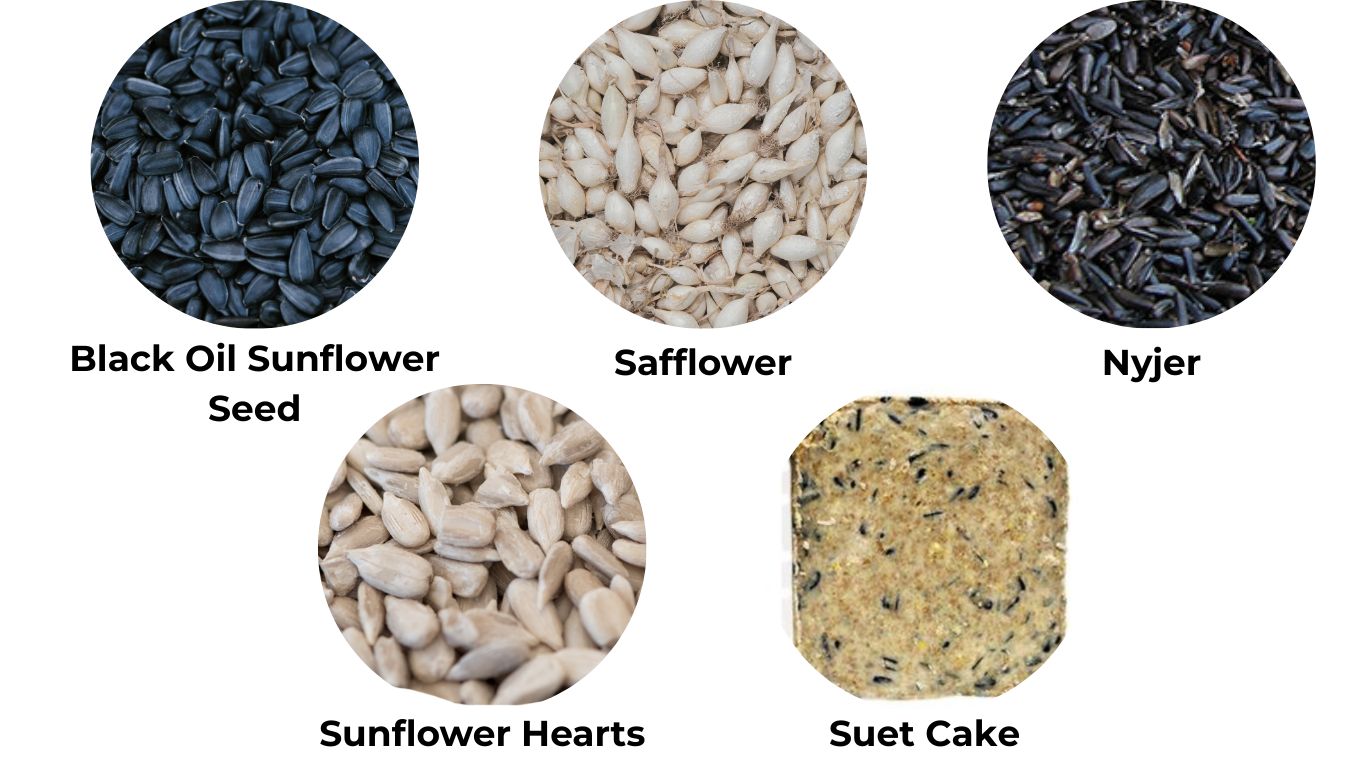
- Black Oil Sunflower Seeds: a universal seed that’s easy to crack and attracts the widest variety of birds. It’s nutrient dense with a high fat and high protein content, especially for winter bird feeders. Overall the best choice year round and for winter bird food.
- Safflower Seeds: the "secret weapon"— most birds love safflower seeds, but squirrels and grackles hate the bitter taste. You can cater to birds without attracting pests or invasive bird species. This is another best food for bird feeders because it can help deter bully birds.
- Nyjer (Thistle): Nyjer seeds are small black seeds from the African Daisy plant. It’s high in oil making it a great high-energy food for birds. Nyjer is often labeled thistle even though it’s not. Marketers chose this because finches love thistle and it would grab the attention of people who already catered their to finches. If you want to attract finches to your yard and feeder use a Nyjer feeder.
- Shelled Sunflower Seeds: less mess without shells leftover by the birds and still nutritionally dense. Bird seed will always be unsalted, but if you're feeding birds from your own pantry it can be only unsalted seeds and nuts. Shelled sunflower seeds and shelled nuts are ideal for winter bird food since it saves the birds' energy by not having to crack shells.
- Suet: not a bird seed but a common winter bird food. Suet is made of tallow fat or peanut butter fat, or sometimes both. Some suet has seed and other foods mixed in. There are loads of bird food recipes for how to make suet at home.
Seed Mixes & Fillers
Bird seed mixes often have filler foods that are less popular or picked over by birds. We recommend avoiding mixed bird seed unless you're ok reading labels.
Red milo is edible for some ground feeding birds but most birds don’t eat it. They prefer other seeds, grains, and nuts making red milo a common filler ingredient in bird feed mixes. No sense buying something most birds at your bird feeder won’t eat.
Any combination of the bird seeds, nuts, and fruit above can be good choices. Birds love variety but it's not necessary.
Bird seed cakes and bird seed houses are another fun way to feed birds. They're made by using gelatin or corn syrup to "glue" or bind bird seed in the shape of a wreath or bird house. Bird seed wreath recipes use a bundt pan or any fun cake pan for the mold.
Striped Sunflower Seeds for Birds
Believe it or not striped sunflower seeds are harder for birds to crack. These are the sunflower seeds you or I see in grocery stores for snacking. They're also lower in fat/oil content making them less nutritionally dense for birds in winter.
While black oil sunflower seeds are considered the best food for bird feeders, shelled sunflower seeds are great, too. They're also the best food for cardinals, chickadees, and many other popular birds.
Wheat vs Human Wheat
Many birds eat wheat berries but the wheat in human food is nutritionally poor without the bran or germ. Removing the bran strips away fiber, antioxidants, and essential vitamins, and removing the germ strips away healthy fats and protein.
Birds feel full without getting any nutrients, leading to malnutrition and possible death. The best home sourced bird food won't use any bread or crackers.
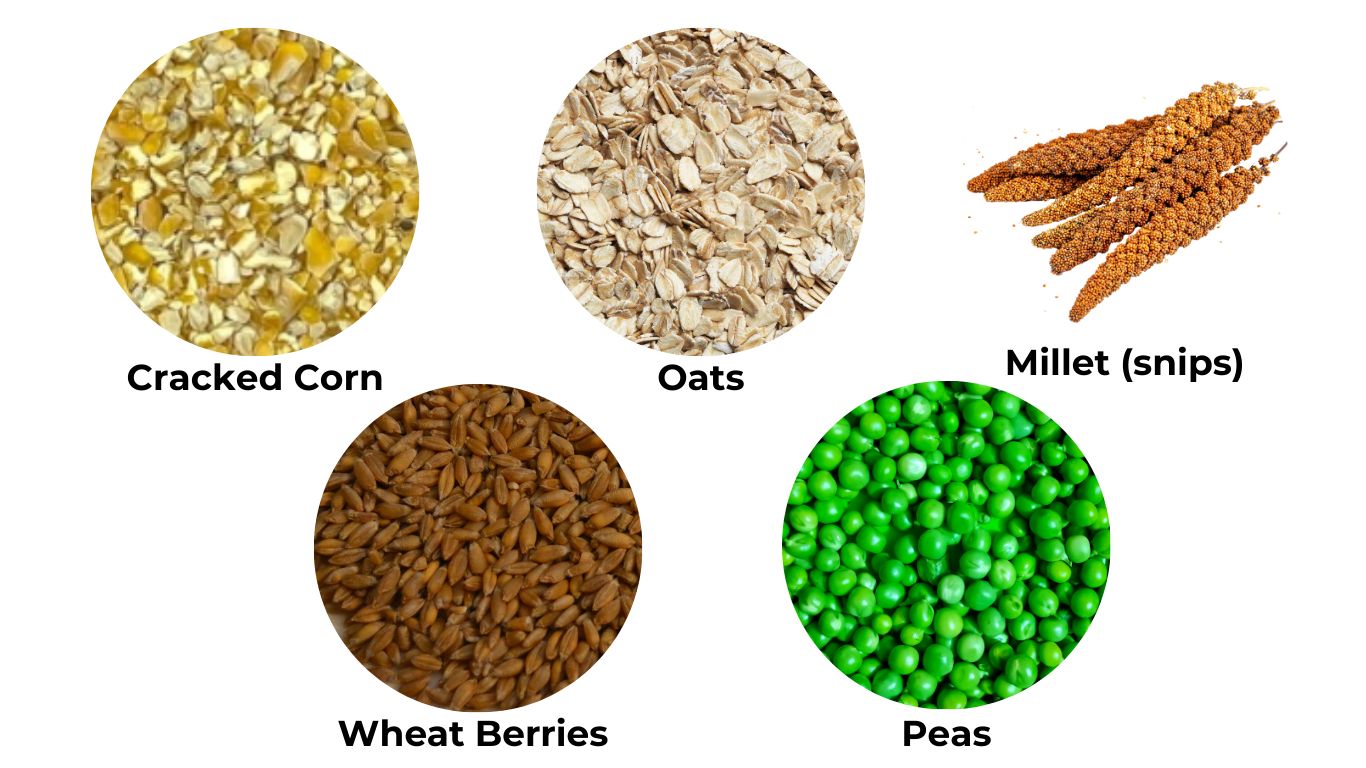
Peas, Plain Oats, and Corn
Can be good in moderation but are hardly a main food source for most birds. Peas and plain oats can be fed to birds but we recommended using them only in addition to your core four bird foods.
Corn is enjoyed by ground feeding birds like turkeys, doves, juncos, and ducks. But it attracts rodents and other small animals, including “bully” species like Grackles, Starlings, and House Sparrows. Cracked corn is a great treat but not the best food for feeders unless mixed with other seeds.
Peanuts & Nut Mixes
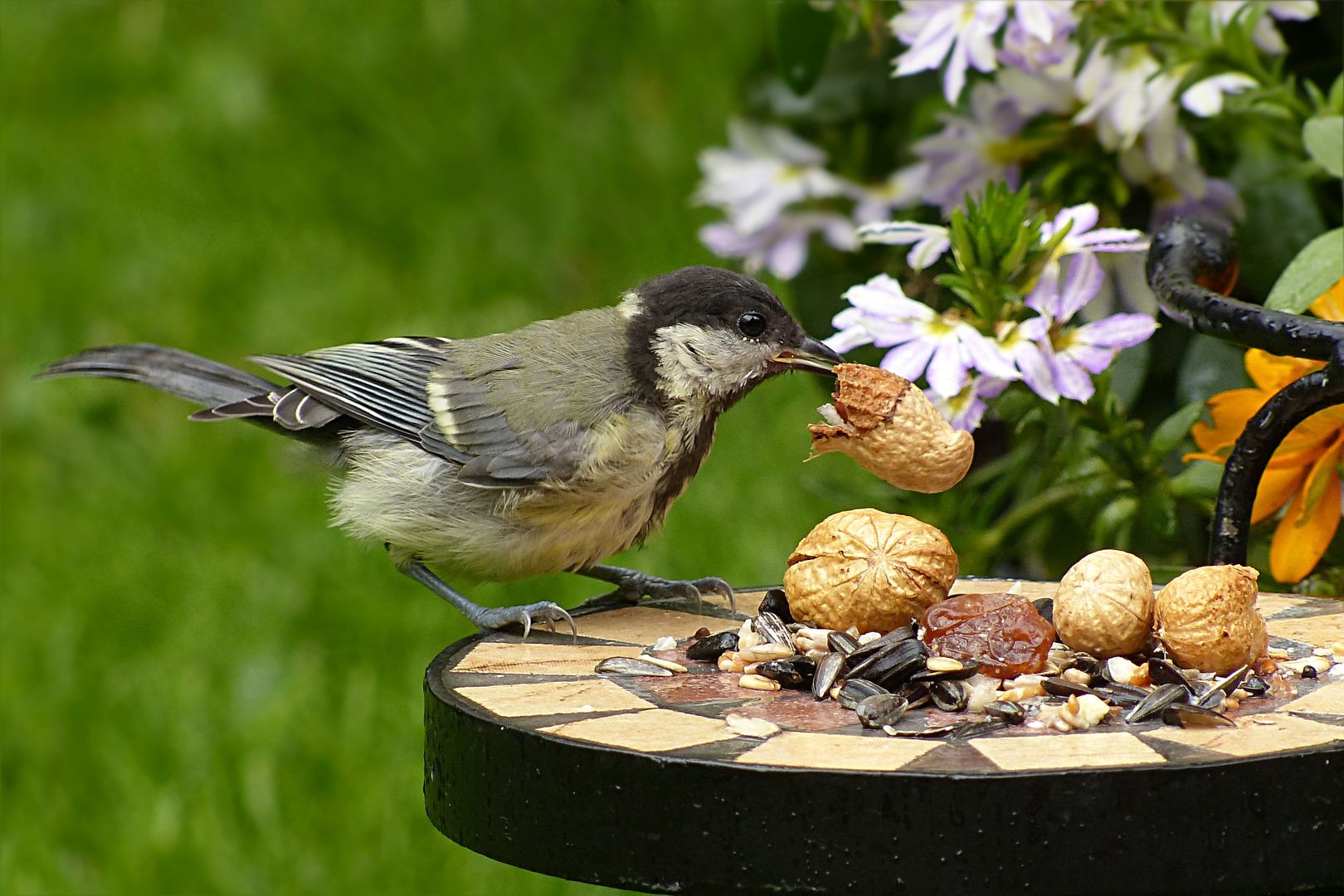
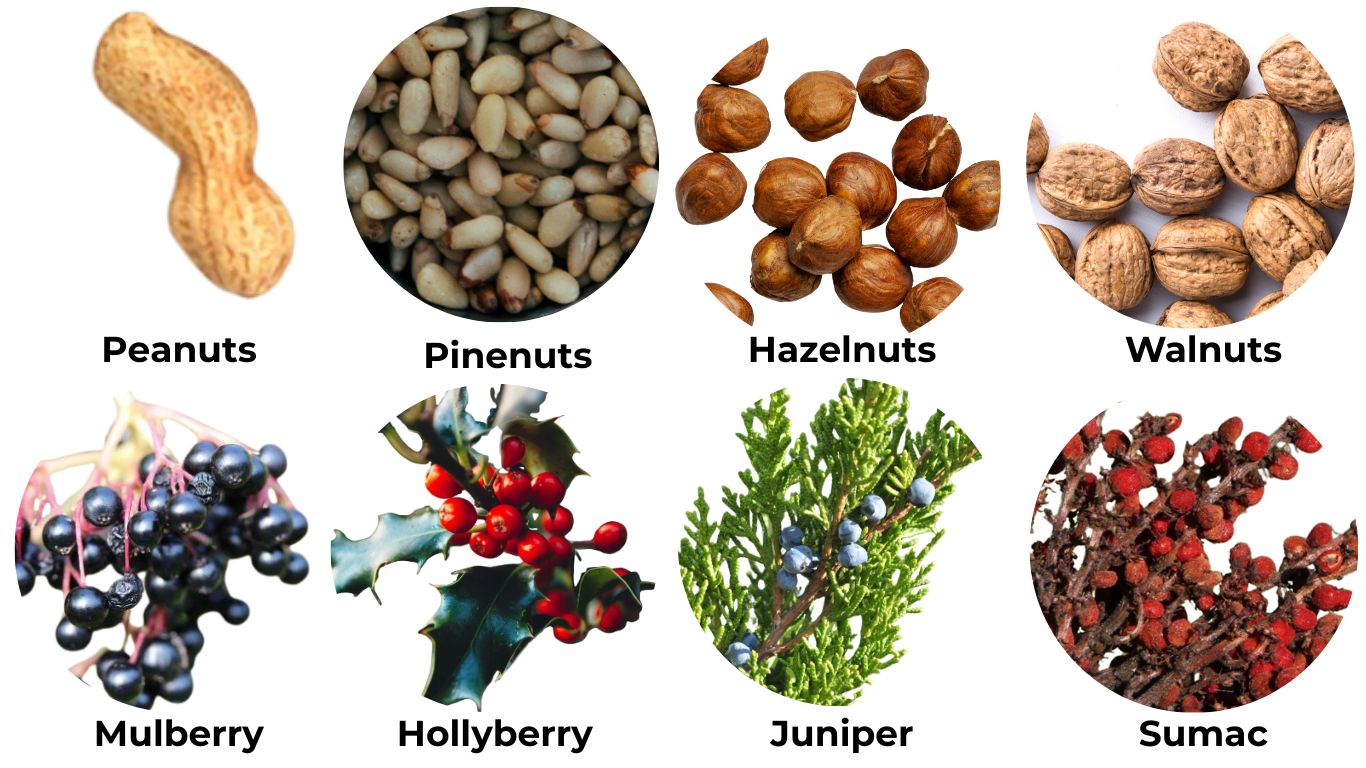
Birds love nuts. We recommend shelled nuts for less feeder mess but in the shell are fine. You can use peanuts, pine nuts, pecans, almonds, and many more. When it comes to using raw or roasted peanuts for birds, roasted and unsalted nuts are best. The roasting process kills any possible mold like aflatoxin that could be transmitted to birds in raw nuts.
If you want to learn how to attract blue jays, peanuts are essential. They're one of the best bird food for blue jays and woodpeckers (other than suet). Blue jays love peanuts so much that there are special peanut feeders for blue jays.
Mixing favorite foods like peanuts and black oil sunflower seeds will attract cardinals and blue jays among other birds.
Fruit
Fresh or dried fruit (without added sugar) are great foods to add to your feeders. Lesser known berries, or ones that are rarely in your grocery aisle, are the most popular like holly, juniper, and mulberry.
You can even tie slices or oranges and grapefruit to trees or scatter them outside. Many wild birds can eat orange peels so there shouldn't be anything leftover for scraps.
There are bird fruit feeders that hold slices of fruit and sometimes nectar for orioles. Just know that bird fruit feeders aren't necessary. You can add fruit to tray feeders or suet cages.
Planting native fruit bushes is a great way to attract birds to feeders and bird houses.
- Related: 34 Winter Birds in Michigan
What Foods Do Birds Like?
Some birds have specialized beak shapes and nutritional needs that dictate their favorite foods. Providing a variety of these foods is the best way to attract a range of birds. There's also plenty of overlap!
Many birds don't have a strict preference for bird seed types. Generally the best food for feeders that we talked about above are great choices for most birds with some variance.
The key to attracting birds to your feeder is offer variety. See below to see what food birds prefer.

Black Oil Sunflower Seeds
- Almost everyone— Northern Cardinals, Chickadees (Black-capped, Carolina), Titmice, Nuthatches, Blue Jays, Mourning Doves, Grosbeaks, and House Finches.
Suet
- Woodpeckers (Downy, Hairy, Red-bellied, Pileated), Nuthatches, Chickadees, Starlings, Wrens, Bushtits; occasionally Bluebirds, Orioles, and Warblers if the suet has fruit or mealworms.
Safflower Seeds
- Northern Cardinals, Grosbeaks, Mourning Doves, House Finches, and Chickadees.
Nyjer
- Top pick for Finches of all kinds (American Goldfinches, Lesser Goldfinches, House), Pine Siskins, Common Redpolls
Shelled Sunflower Seeds (Hearts & Chips)
- Almost everyone— Goldfinches, Juncos, Sparrows, and Indigo Buntings, Jays, Titmice, Nuthatches, Mourning Doves, Grosbeaks
Fruits and Berries
- Cedar Waxwings, American Robins, Gray Catbirds, Northern Mockingbirds, Eastern Bluebirds, and Orioles.
Note: In winter, hermit thrushes and various woodpeckers will also turn to berries when insects are scarce.
Cracked Corn
- Mourning Doves, Wild Turkeys, Blue Jays, Northern Cardinals, Ring-necked Pheasants, and Quail.
- Use ground or tray feeders for Dark-eyed Juncos, various Sparrows like Song Sparrows and White-throated Sparrows, and Towhees
Peas
- Jays, crows, ravens, ducks, turkeys, and cranes
Foods to Avoid
Some companies use filler foods like milo, beans or peas which lack the nutrients birds need as a main food. Companies use it to increase their profit margins by making you feel like you got a good deal.
As opposed to filler foods which are simply low in nutrition, there are other toxic foods for birds. In general, many people foods snacks are bad for birds.
Bad and toxic foods for birds:
- Bread, Crackers, Cookies – no nutritional value and will cause malnutrition
- Chocolate & Caffeine – toxic to birds
- Avocado – toxic to birds
- Salted Foods–can cause dehydration and kidney failure (pay attention to nuts)
- Honey & Raw Sugar – can harbor deadly mold and bacteria
- Dairy Products – birds are lactose intolerant, can spread mold and disease
- Raw or Cooked Meat & Bones – attracts pests and spreads disease
- Beans - only if soaked and cooked, don’t bother
- Any Processed Pet Foods – dogs and cats have vastly different needs than birds
5 Tips for Bird Food
1. Bird Food Storage Proper bird food storage is in air tight containers to prevent mold and fungus from growing. Keep it away from direct light or heat which can torch its nutritional value. A rule of thumb for bird food storage--- if food is exposed to moisture or let in high heat for long periods, throw it out
2. Avoid fillers If you want to attract a variety of birds and deter pests, avoid fillers. You can keep cracked corn on hand for special occasions like when wild turkeys show up, or use fresh or canned peas for waterfowl like ducks. Otherwise, stick to the 5 best foods for feeders.
3. Clean feeders Birds can carry many diseases and illnesses. Clean with warm soap and water, then a mix of water and bleach to ensure cleanliness. Do this between refilling your bird feeder and halt feeding if there are alerts of avian diseases in your area.
Pickup spilled bird seed from the ground. It can grow mold and rapidly spread disease. Do this every few weeks in dry conditions, or every few days in humid or wet conditions.
4. Cater to birds you want to see There’s no sense filling your feeders with millet if what you really want to see is a Cedar Waxwing. Pick bird seed that caters to the birds you want to see. You don’t have to cater to all birds. Consider adding bird houses to your yard several feet away from any bird feeders.
- Related: 5 Best Winter Bird Houses of 2025
5. Bully Bird Breeds If you have trouble with "bully birds" like Starlings or Grackles, switching to pure safflower can send them elsewhere. You can switch back to sunflower seeds or millet after they have time alone with the safflower seeds to learn not to return.
Got a favorite bird food brand worth sharing?
Share them on the Sparkbird App! Available in the Apple App Store.
Our goal is to create a birding community that connects people with nature and together. We think bird watching groups are a great way to make new friends with less social anxiety and pressure to perform.
Want Sparkbird bird watching groups in your city? Let us know on the app. Maybe your city will be the first!
No comments yet.