
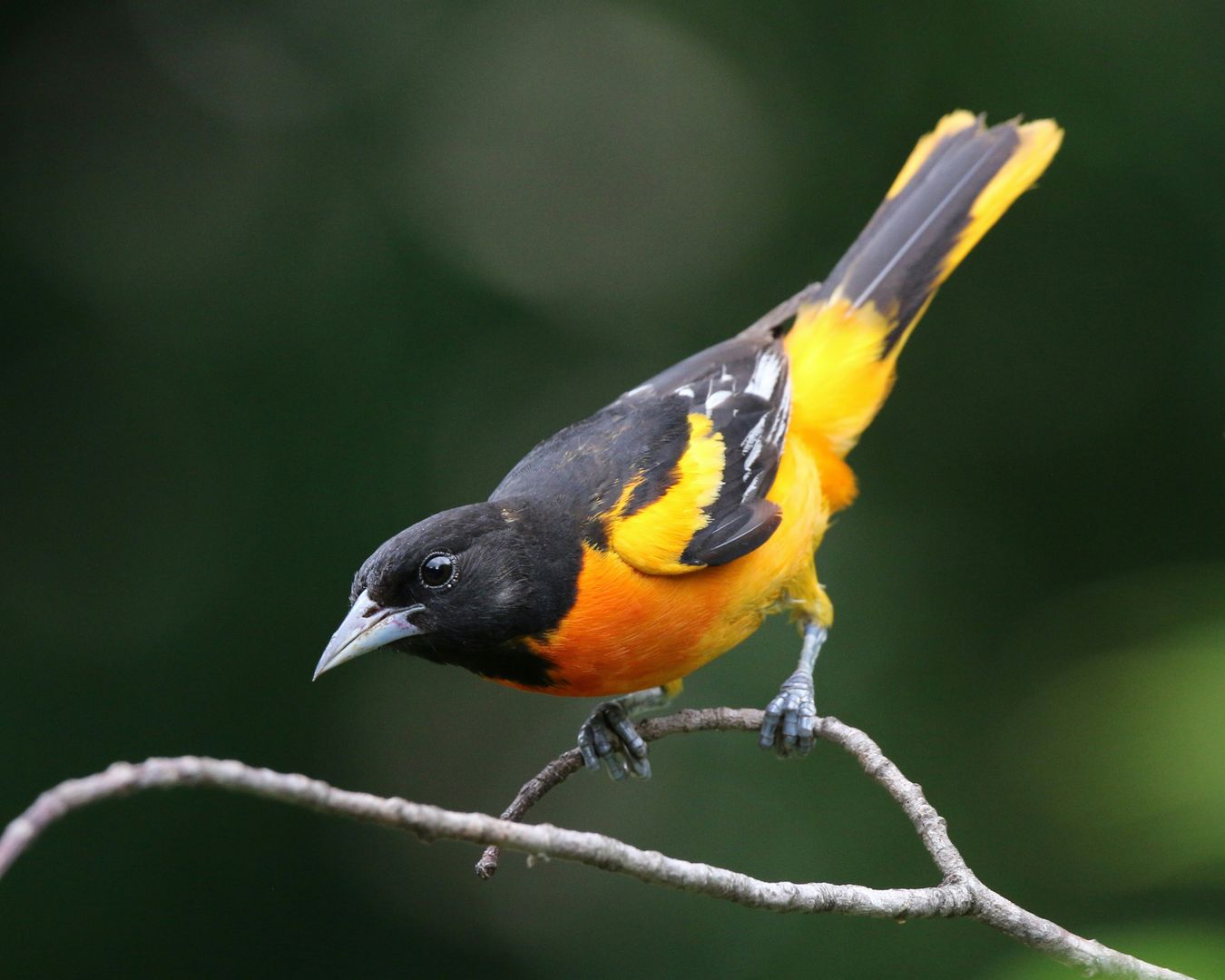
Standing in the yard holding half an orange like a jilted prom date's no fun.
Baltimore Orioles leave early, and any decent Baltimore oriole migration tracker will show you they've been packing since midsummer.
When Do Orioles Migrate in Fall?
Orioles are early leavers, the friends who slip out of the party before the cake comes out. Audubon's Baltimore Oriole field guide notes that fall migration "begins early, with many birds departing in July and August," and that they migrate in flocks. So when do orioles leave your yard, specifically?
It depends on how far north you live, but a New Hampshire oriole migration roundup puts the peak of southbound migration in August and September, with most birds on their wintering grounds by October.
Haven't seen one since Labor Day? That's normal.
Cornell's Baltimore Oriole life history says orioles "migrate at night, when they can become disoriented by lights or rainstorms and crash into tall structures." Our guide to [fall migration timing] covers the whole season, and our month-by-month fall timeline.
Where Baltimore Orioles Spend the Winter
They winter in Florida, the Caribbean, Central America and the northern tip of South America. Like Andy Dufresne in Shawshank, they've got somewhere warm in mind and they're not taking questions from the warden.
According to Cornell, Baltimore Orioles on their Central American winter range "occupy open woodlands, gardens, and shade-grown coffee and cacao plantations."
Cornell also notes that in spring and fall, "nectar and ripe fruits compose more of the diet," because those sugary foods convert readily into fat, the fuel that powers migration.
Orioles in the Spring
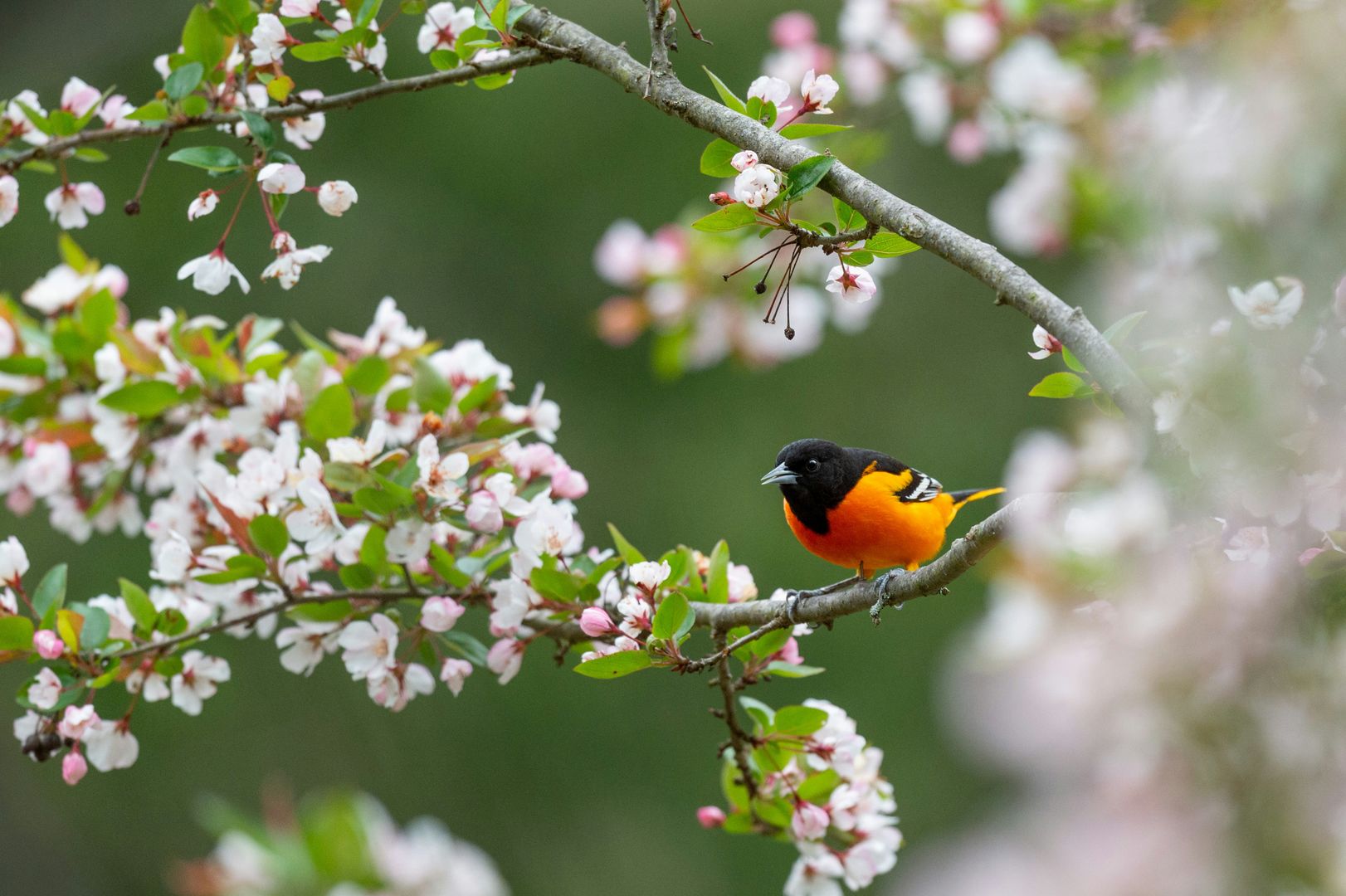
Birds & Blooms' spring arrival guide says orioles "reach the Gulf Coast by late February or early March, pass through the southeast in April, and usually have made it northward by Mother's Day." In New Hampshire, the roundup above reports arrivals from late April to late May.
So put the oranges out in late April, not mid-May.
The Best Baltimore Oriole Migration Tracker and Map Options
- Journey North's Baltimore Oriole project is the classic Baltimore oriole migration tracker. Volunteers report first-of-year sightings, which build a live map you can watch move north each spring, and Journey North also runs a separate fall Baltimore Oriole map for logging your last sighting of the year.
- eBird's Baltimore Oriole page is where Birds & Blooms recommends checking real-time sightings near you. It's the closest thing to an oriole Doppler.
- The Audubon Bird Migration Explorer's oriole page is the best Baltimore oriole migration map if you want the big picture: seasonal ranges, abundance by month, and pathways from individually tracked birds.
Feeding Orioles: Oranges, Jelly and a Little Restraint
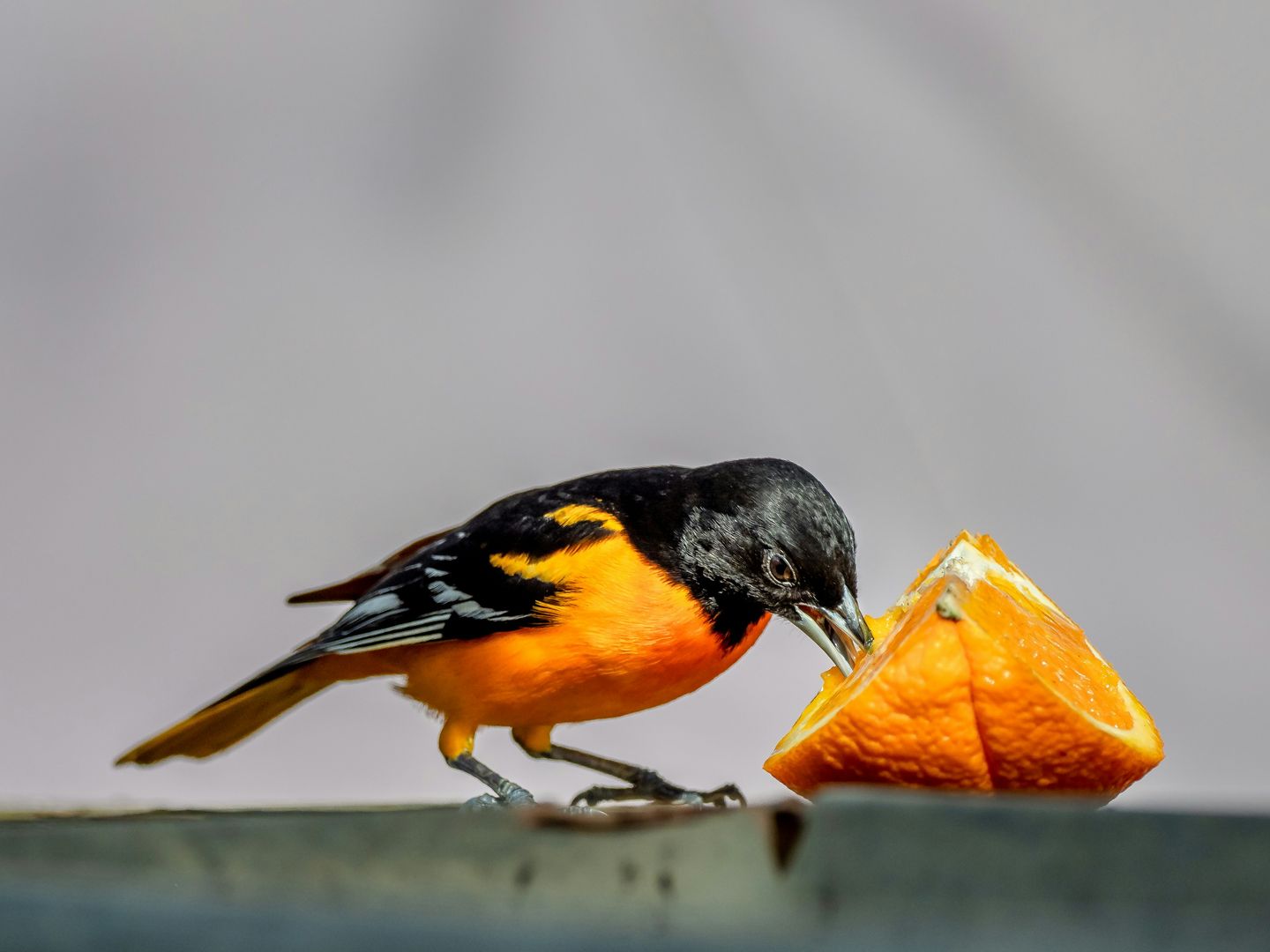
Cornell's Baltimore Oriole overview gives the simplest feeding plan: cut oranges in half and hang them from trees, offer sugar water in an oriole feeder, or put out "small amounts of jelly." They also prefer ripe, dark fruit, like the deepest-purple grapes.
On jelly, the operative word is small.
Skip anything with artificial gunk
That includes artificial coloring, additives or high-fructose corn syrup which Wild Birds Unlimited's jelly guidance flags as the real concern.
Jelly also attracts ants, a lesson I learned when a walking black line marched across my tiny apartment kitchen to the window. I went to war with diatomaceous earth...and lost. Don't bring that energy near bird food.)
At a feeder, use an ant moat, a little cup of water ants can't cross.

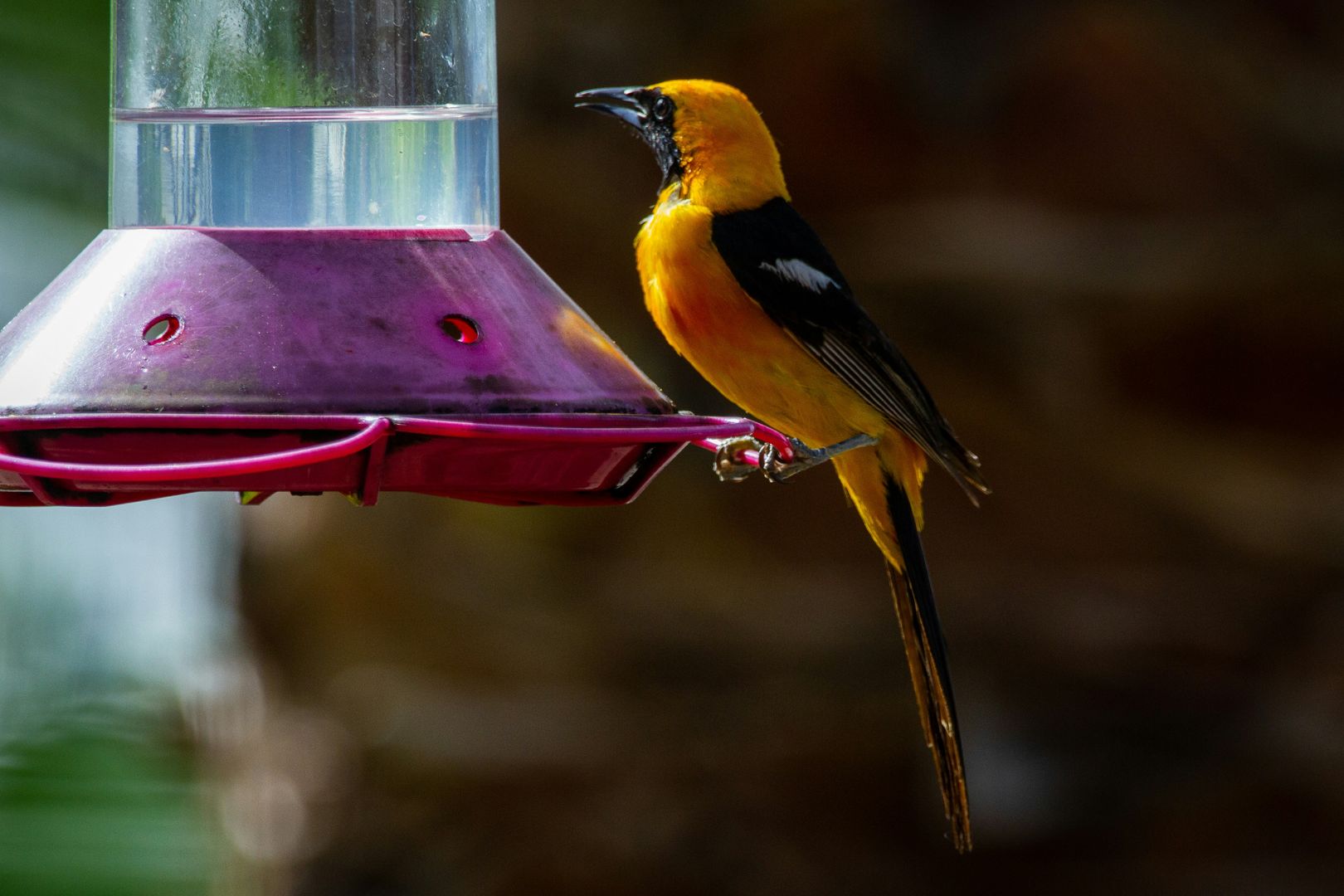
Orioles will also visit nectar feeders
Our guide to hummingbird migration is handy for knowing when to bring yours in. For setup basics, see everything you need to know about bird feeders.
You don't need a plastic oriole feeder. A nail and half an orange is a feeder. A reused glass jar lid holds jelly just fine. And don't count on the plastic one getting "recycled" when it cracks. According to Smithsonian's report on U.S. plastic recycling, only about 5 to 6 percent of U.S. plastic waste was recycled in 2021, and about 85 percent went to landfills. Reusing what's already in your kitchen beats the recycling bin every time.
Orange you glad that one's free?
Puns aside, a simple nectar feeder goes a long way. You can also make these 6 DIY hummingbird feeders for free.

Nature's Rhythm Bird Feeder 4 bee Guard Plastic Feeding Port 8oz Glass Pinch Waist Hummingbird Feeder,1pcs
Nature's Rhythm
Frequently Asked Questions
When do orioles leave in the fall?
Many start leaving in July and August. Migration peaks in August and September, and most are gone by October.
Where do Baltimore Orioles go in the winter?
Florida, the Caribbean, Central America and northern South America, often in open woodlands, gardens and shade-grown coffee plantations.
Is grape jelly bad for orioles?
Not in small amounts. Skip jellies with artificial coloring, additives or high-fructose corn syrup.
How did the Baltimore Oriole get its name?
According to Cornell, it's named after the heraldic crest of England's Baltimore family.
What have you seen this migration season?
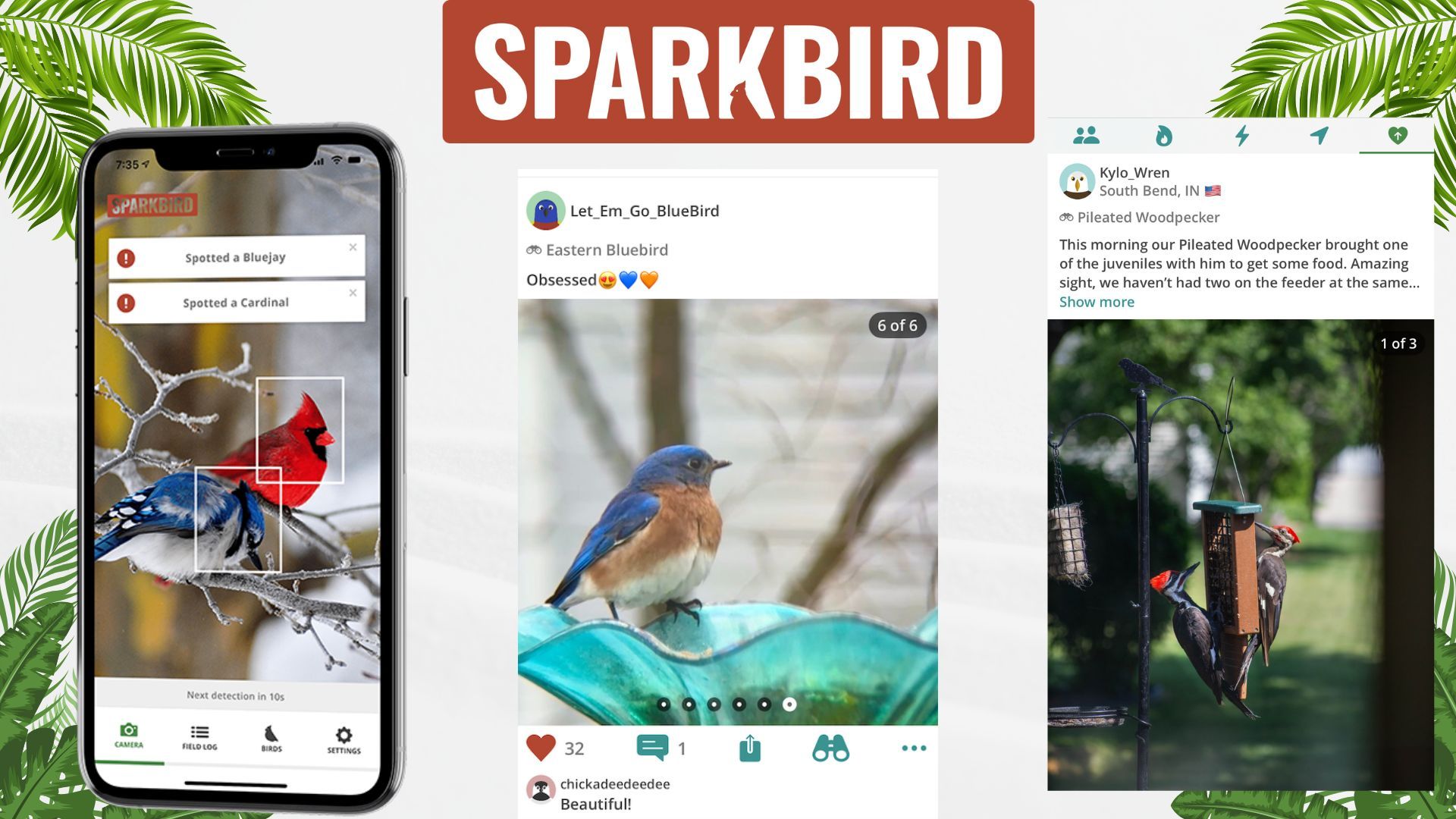
Tell us in the comments or through the Sparkbird App, available in the Apple App Store.
- Related: How to Use the Sparkbird App
No comments yet.