
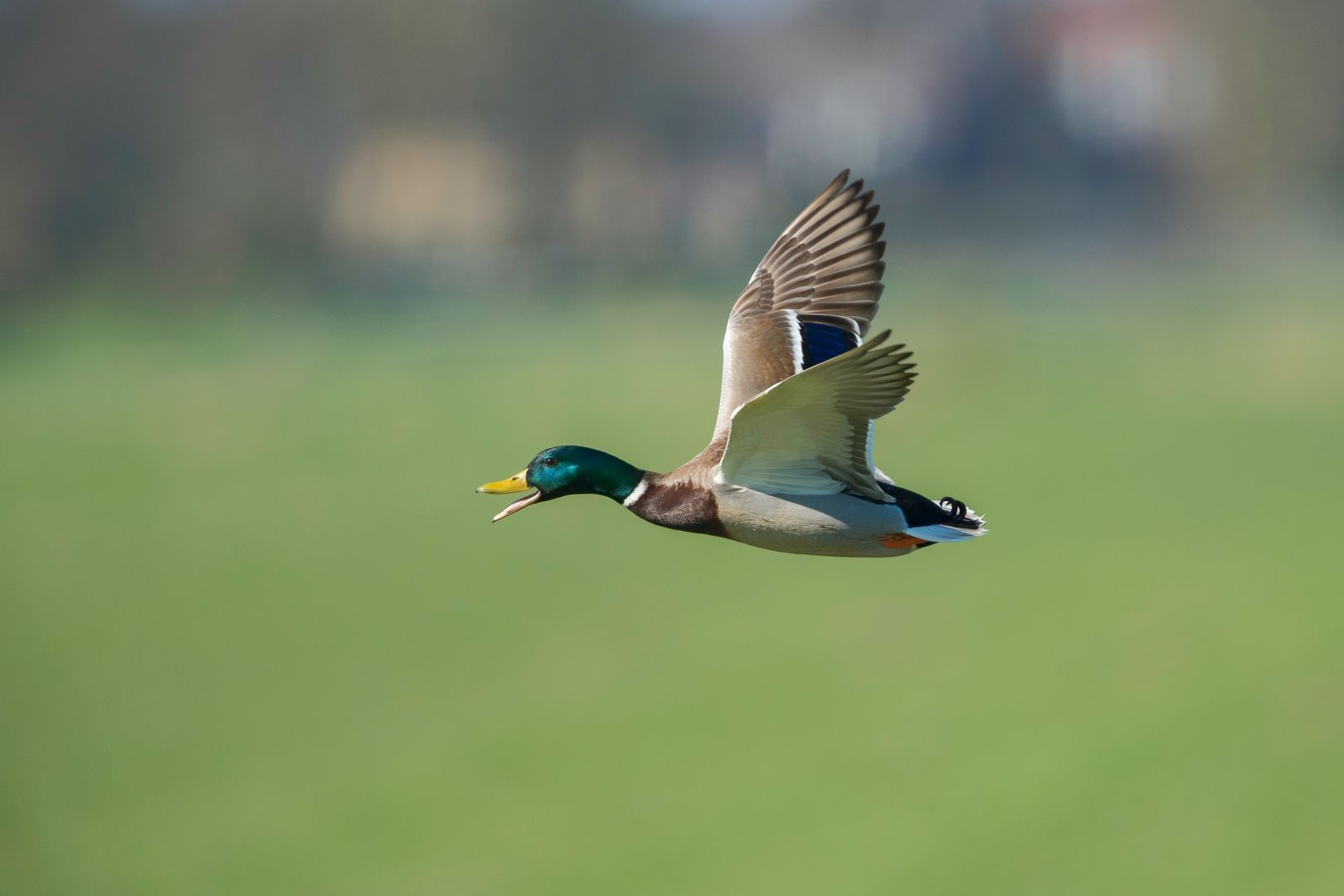
Every fall, a ragged V of ducks passes over the pond. It looks a lot like Canadian geese migrating, except the ducks are much nicer.
But do some ducks stay while others go?
Do Ducks Migrate?
According to Ducks Unlimited's explainer on why waterfowl migrate, the urge is physiologically hardwired and tied to changing day length. Before leaving, ducks even get restless in a way researchers call zugunruhe, which is German for "migratory restlessness". It's also a great name for a garage band.
Day length sets the internal clock, but weather pulls the trigger. Big fall flights tend to ride north to northwest winds, falling temperatures, and high-pressure systems, and once snow and ice lock up the water, the less hardy species have no choice.
Ducks need open water to feed and rest, so a frozen pond is basically an eviction.
Which Ducks Migrate: Dabblers, Divers, and Sea Ducks
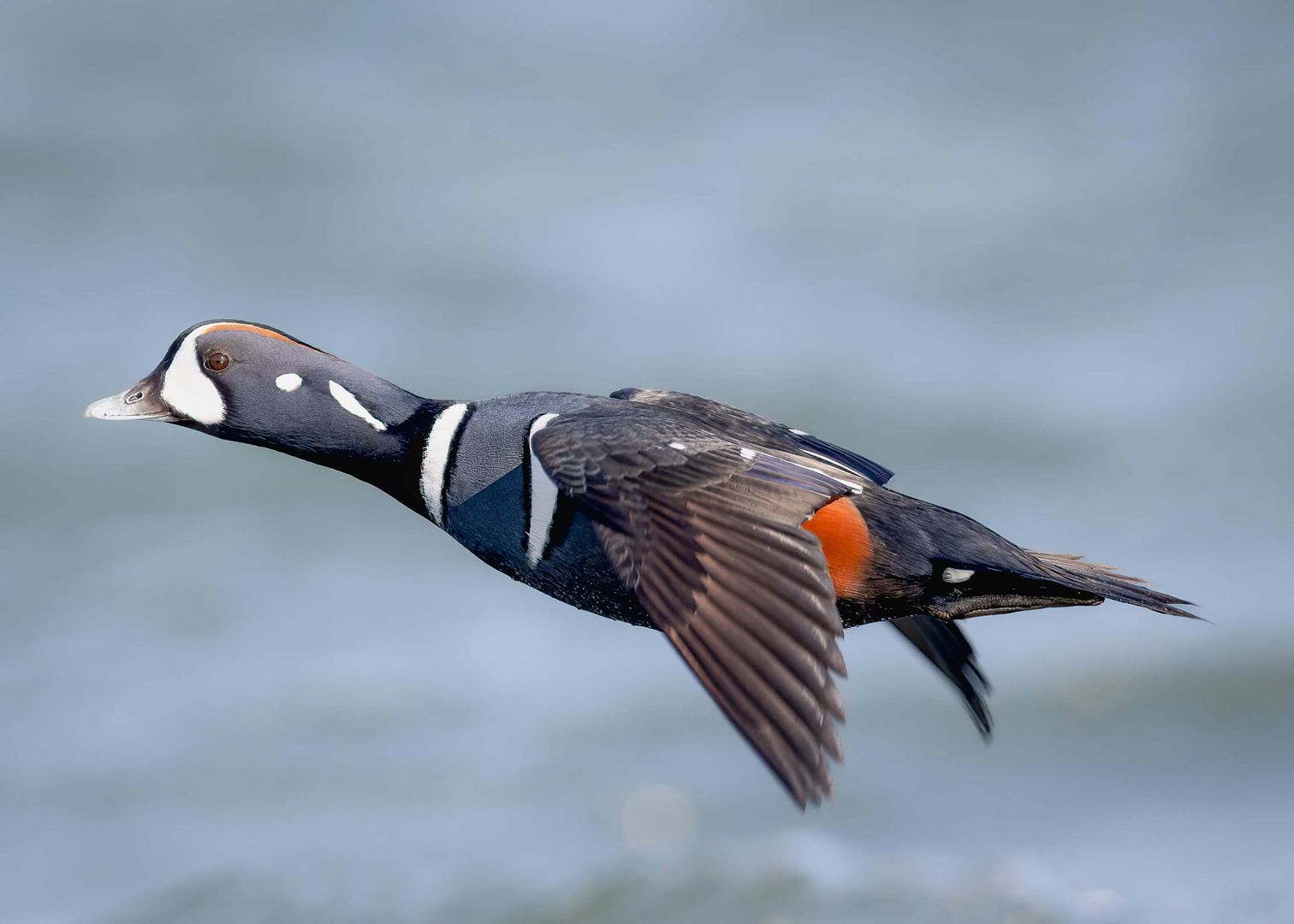
North America's migratory ducks fall into three rough groups, and knowing which is which tells you a lot about when and where you'll see them.
Dabbling ducks
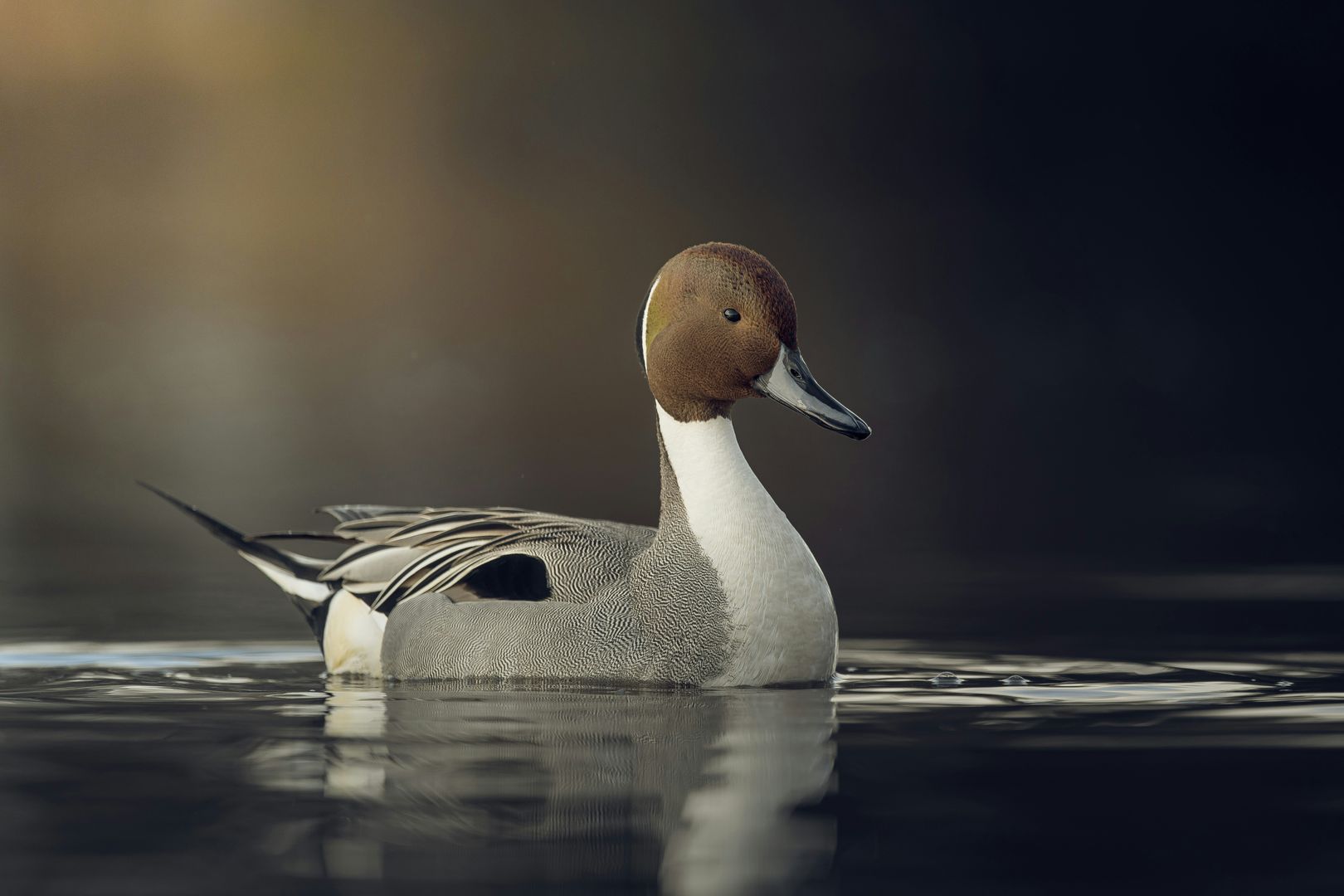
Dabblers, also called puddle ducks, feed in shallow water by tipping their tails up and their heads down, which Field & Stream describes as "tipping up" and which I describe as the duck equivalent of looking for your keys. This group includes mallards, Northern Pintails, Blue-winged and Green-winged Teal, American Wigeon, gadwalls, and Northern Shovelers.
Dabblers are some of the earliest and the latest migrants. Blue-winged Teal leave early in fall and return late in spring, while mallards hang around as long as the water stays open.
Diving ducks
Divers like scaup, Redheads, Canvasbacks, and Buffleheads go under for their food, diving roughly 10 to 30 feet for clams, mussels, crayfish, and submerged plants. They prefer bigger, deeper water— large lakes, rivers, and reservoirs. Divers often gather in big rafts out on open water, so if you see a dark mass of birds floating in the middle of a lake in November, that's probably them.
Sea ducks
Sea ducks, such as scoters, eiders, and Long-tailed Ducks, breed in the far north and spend winter on the ocean, which is the most "I'll be fine, I brought a jacket" decision in nature. Cornell's All About Birds says Long-tailed Ducks can feed as deep as 200 feet, swimming with their wings, and they winter mostly along ocean coasts and on the Great Lakes.
Which Ducks Don't Migrate (or Barely Bother)
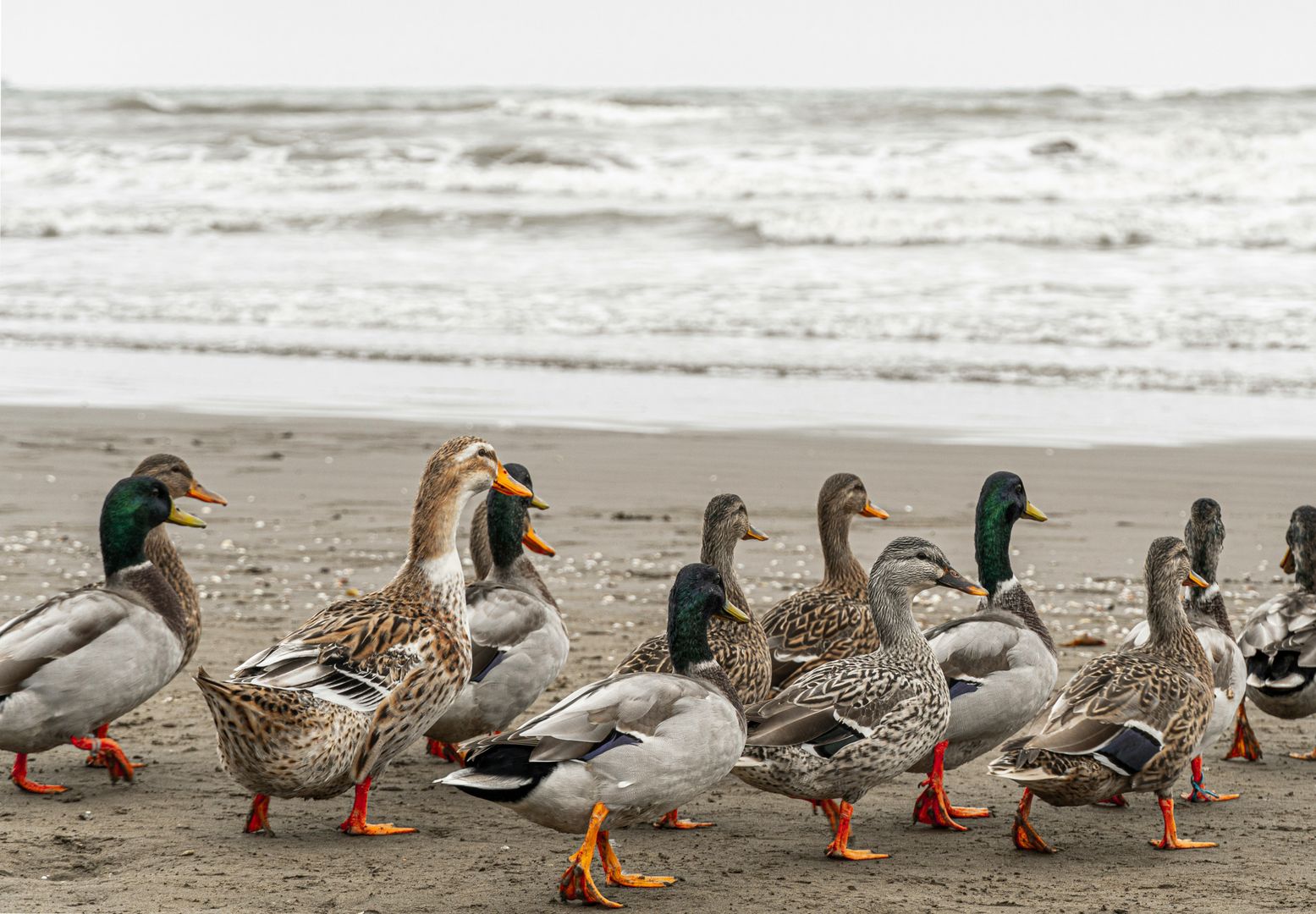
Many mallards
The Mallard is what Audubon calls a partial migrant. Wild mallards in North America generally do migrate, but they're among the latest to leave and often stay as far north as open water allows. Pennsylvania's Game Commission says mallards and black ducks often remain "as far north as open water prevails," and banding shows nearly 80 percent of mallards harvested there in hunting season are present in the state during summer.
So the mallard you saw in June might be the mallard you see in January. It didn't skip migration. It just found a good spot and committed, like the regulars at Cheers.
City and park ducks
Those year-round ducks at your local park are often feral mallards or mallard mixes, and Audubon notes that feral populations "may be permanent residents." Reliable handouts and open water near outflows and fountains make leaving optional.
Domestic ducks
Domestic ducks can't migrate. Nearly every domestic breed descends from the Mallard (the Muscovy is the exception), but generations of breeding gave them heavier bodies and smaller wings. National Geographic reports that most domestic ducks can't fly, and that abandoned Easter ducklings dumped in ponds often starve or are found frozen to the water in winter. If you're thinking about ducklings as a gift, this is your sign not to buy them.
Southern wood ducks
In the South, Mississippi's wildlife agency notes that many Wood Ducks migrate but some stay year-round where wetlands are stable and food is plentiful.
When Do Ducks Migrate South?
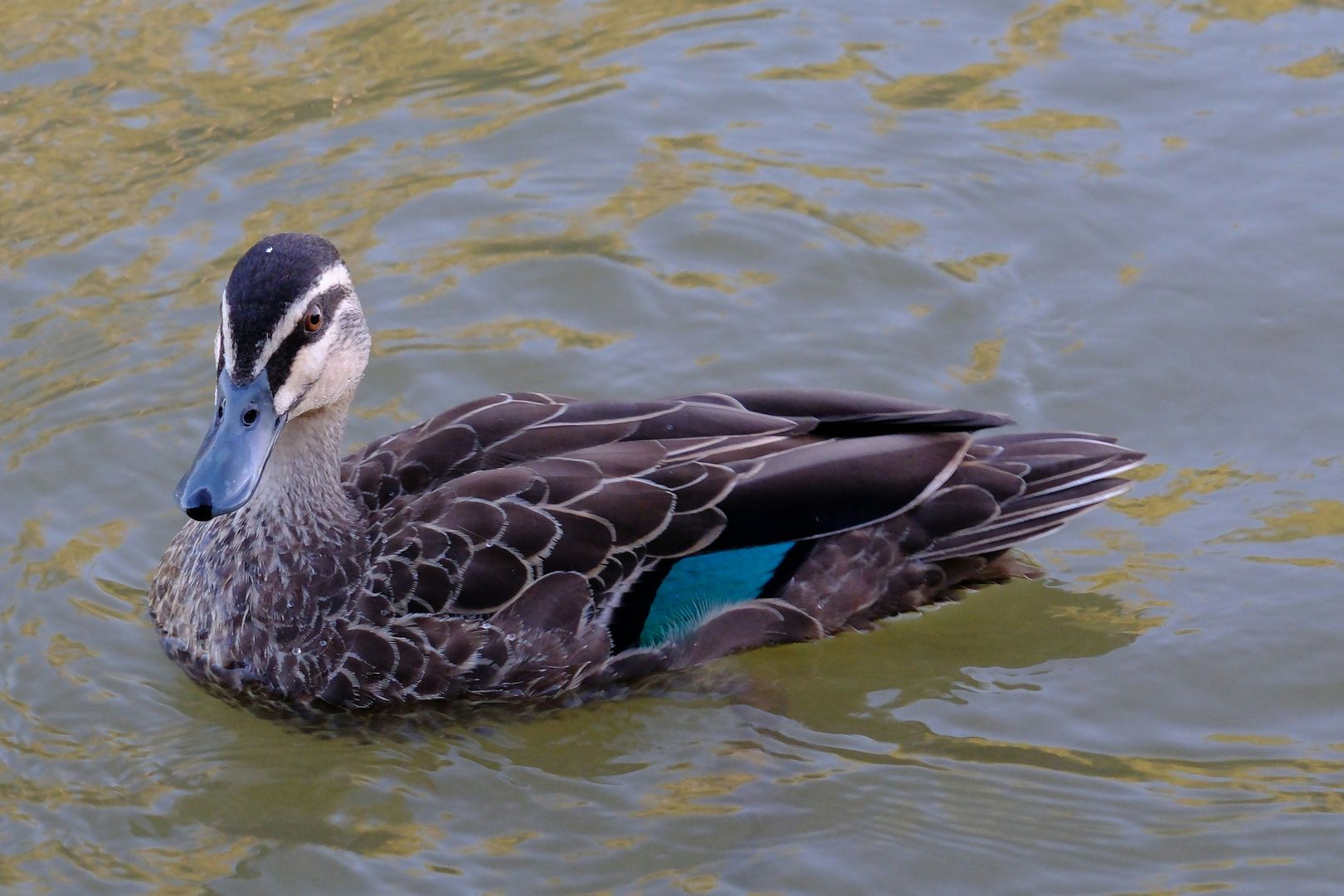
Duck migration runs from late summer into early winter, and it rolls out species by species.
The early birds are Blue-winged Teal and Northern Pintails. Teal are among the first ducks to head south, often moving in August and September, and at California's Sacramento National Wildlife Refuge, pintails are the first ducks to arrive, sometimes as early as mid-August.
Later in fall come the big waves. At Sacramento, Green-winged Teal, American Wigeon, and Northern Shovelers pour in, joined by gadwalls, mallards, Buffleheads, Ruddy Ducks, and Ring-necked Ducks, and the refuge says duck numbers peak in November and December.
The last to leave the north are the hardy ones. Mallards and black ducks often wait until freeze-up forces the issue, staying as far north as open water lasts. As with songbirds, the biggest fall flights tend to follow cold fronts with north winds.
Spring runs in reverse, with mallards among the first to return north and Blue-winged Teal among the last.
How Far Do Ducks Migrate?
It ranges from "a couple of states over" to "a different continent." Some highlights from Cornell Lab's species accounts:
- Northern Pintail: migrates at night at around 48 miles per hour, with a longest recorded nonstop flight of 1,800 miles.
- Blue-winged Teal: some go all the way to South America. One bird banded in Alberta was recovered in Venezuela within a month.
- Mallard: migrating flocks have been estimated at 55 miles per hour, though many only travel as far as the nearest reliable open water.
- Sea ducks: tracking by the Sea Duck Joint Venture found female Black Scoters flying from the Northwest Territories around Hudson Bay to New Brunswick, then down the Atlantic coast as far as Georgia, according to Audubon.
Migratory Ducks and the Flyways, Briefly
Waterfowl managers split North America into four administrative flyways: Atlantic, Mississippi, Central, and Pacific. They're management boundaries more than literal highways, but they do track the broad north-south routes migratory ducks use.
The Mississippi Flyway is the heavyweight for mallards, with big winter concentrations in Arkansas, Missouri, Tennessee, and Illinois. Getting your ducks in a row, it turns out, is a federal program.
We go deeper on the routes, the geese, and the swans in our full guide to [waterfowl migration]. Ducks are also the headliners of fall migration's waterfowl finale, the last big act of the season after the warblers and hawks have left.
How to See Migratory Ducks This Fall
The single best move is to visit a National Wildlife Refuge with wetlands between October and December. For a sense of scale, the Sacramento National Wildlife Refuge regularly peaks at more than 500,000 ducks and 250,000 geese. Many refuges have auto tour routes, which means you can watch from a car with a thermos.
A few tips that help:
- Go early or late. Dawn and dusk are when ducks are most active and the light is kindest.
- Bring binoculars you already own. You don't need a spotting scope for your first refuge trip. Borrow one from a friend or a local club first and see if you actually miss it.
- Learn three silhouettes. Pintail (long neck, pointy tail), Northern Shoveler (giant spoon of a bill), and Bufflehead (small, round, mostly white) will get you surprisingly far. Then branch out to the weird ducks and where to find them.
- Consider a Federal Duck Stamp. Over 98 percent of Duck Stamp sales go to wetlands for the National Wildlife Refuge System, and a current stamp gets you into any refuge that charges an entry fee.
- Give them room. Flushing a resting flock costs birds energy they need for the trip. The ABA Code of Birding Ethics puts bird welfare first, and so should we.
Please Don't Feed Ducks Bread
Never. Not the heels. Not even just this once for the kids.
Maine Audubon puts it plainly: bread is basically like giving them candy. There's no nutritional value. A diet heavy in wheat is linked to angel wing, a deformity where the last joint of the wing twists and the flight feathers stick outward. Maine Audubon notes it's typically incurable and fatal, which rules out migration pretty firmly.
If you want to feed ducks, small amounts of lettuce, peas, corn, or rice are far better. We've got the full list of what ducks can eat.
Frequently Asked Questions
Where do ducks go in the winter?
It depends on the species. Many dabblers winter across the southern US and Mexico, Blue-winged Teal reach Central and South America, divers gather on big lakes and reservoirs, and sea ducks winter on the Atlantic and Pacific coasts and the Great Lakes. Mallards winter across most of the US wherever water stays open.
Can ducks migrate if they're domestic?
No. Domestic ducks have been bred for heavier bodies and smaller wings, so most can't fly well enough to migrate. That's why releasing pet ducks into a pond is ill advised.
Do ducks migrate at night?
Many do. Northern Pintails migrate at night, and more than 80 percent of US migratory bird species travel after dark.
Do ducks come back to the same place every year?
Often, yes, especially females. A USGS study on homing in mallards, gadwalls, and teal found that mallard and gadwall hens that nested successfully were more likely to return the next year, though Blue-winged Teal returned far less often.
How do ducks that stay survive the winter?
As long as they have open water and food, they're well equipped. A countercurrent heat exchange system in their legs means ducks can stand on ice for hours without injury.
What ducks have you seen this migration season?
Tell us in the comments or through the Sparkbird App, available in the Apple App Store.
- Related: How to Use the Sparkbird App

No comments yet.