
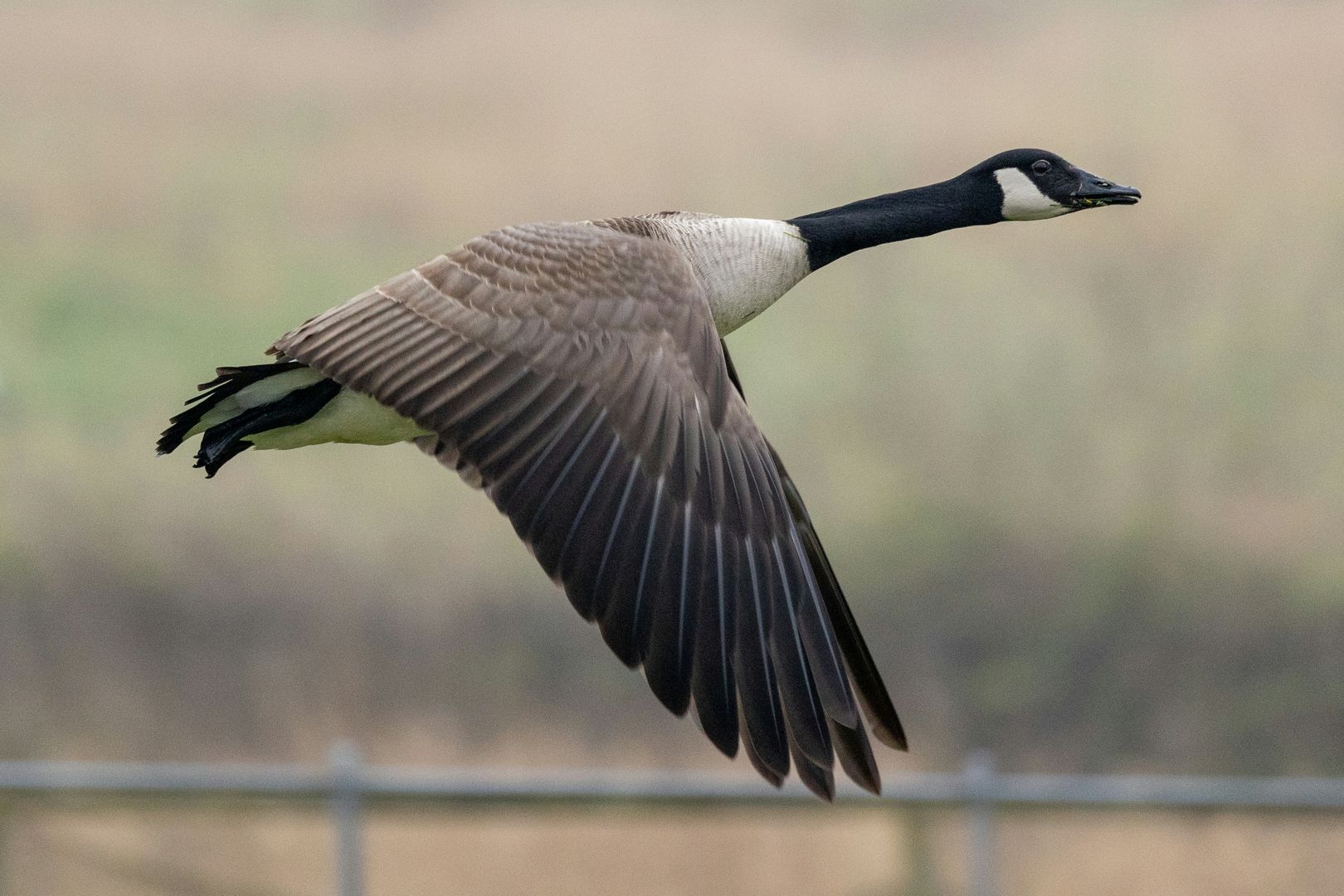
Every fall, billions of birds pack up and fly thousands of miles, and every fall I struggle to leave my apartment for brunch.
So why do birds migrate at all, when staying home seems so much easier?
Food Is the #1 Reason
It's a trade. According to the Cornell Lab's guide to how and why birds migrate, birds that nest in the Northern Hemisphere move north in spring to cash in on a few months of plenty: exploding insect populations, budding plants, and wide-open forest and tundra with far less competition than the crowded tropics.
Because the buffet closes. Once insects vanish and plants stop producing, a northern summer home can't feed a bird through winter, so birds fly south to where food still exists.
Cornell notes that escaping cold isn't a major driver by itself, since many birds, even hummingbirds, can handle freezing temperatures if they have enough to eat. If you want the bigger picture, here's how fall migration works from start to finish.
Sun Matters, Too
Then there's daylight. Closer to the poles, summer days are long, which gives parents more hours to feed hungry chicks. More feeding time means more babies make it. It's a strategic tern of events.
How Do Birds Know When to Migrate?
They read the light. Shrinking days, falling temperatures, and changing food supplies all tell birds it's time. Caged migrants even get visibly restless during migration season, a behavior German scientists named zugunruhe, which is proof that the timing is built in.
To find their way, birds use the sun, the stars, Earth's magnetic field, landmarks like ridgelines and rivers, and even smell. [When birds migrate] gives you a more in depth timeline.
Flight Patterns Explained
Birds use what's called flyways, which is like a bird superhighway. These are broad paths in the sky that have been tracked over time to see what migration routes birds naturally take. The United States Fish and Wildlife Service studied banded birds to determine the flyways as a way to support migratory birds.
Birds also fly in specific patterns. Rarely do you see birds fly in a simple straight line. Instead, they fly with the wind. Naturally the wind's path and direction is shaped by natural and man-made structures giving birds their flyways.
Do All Birds Fly South for the Winter
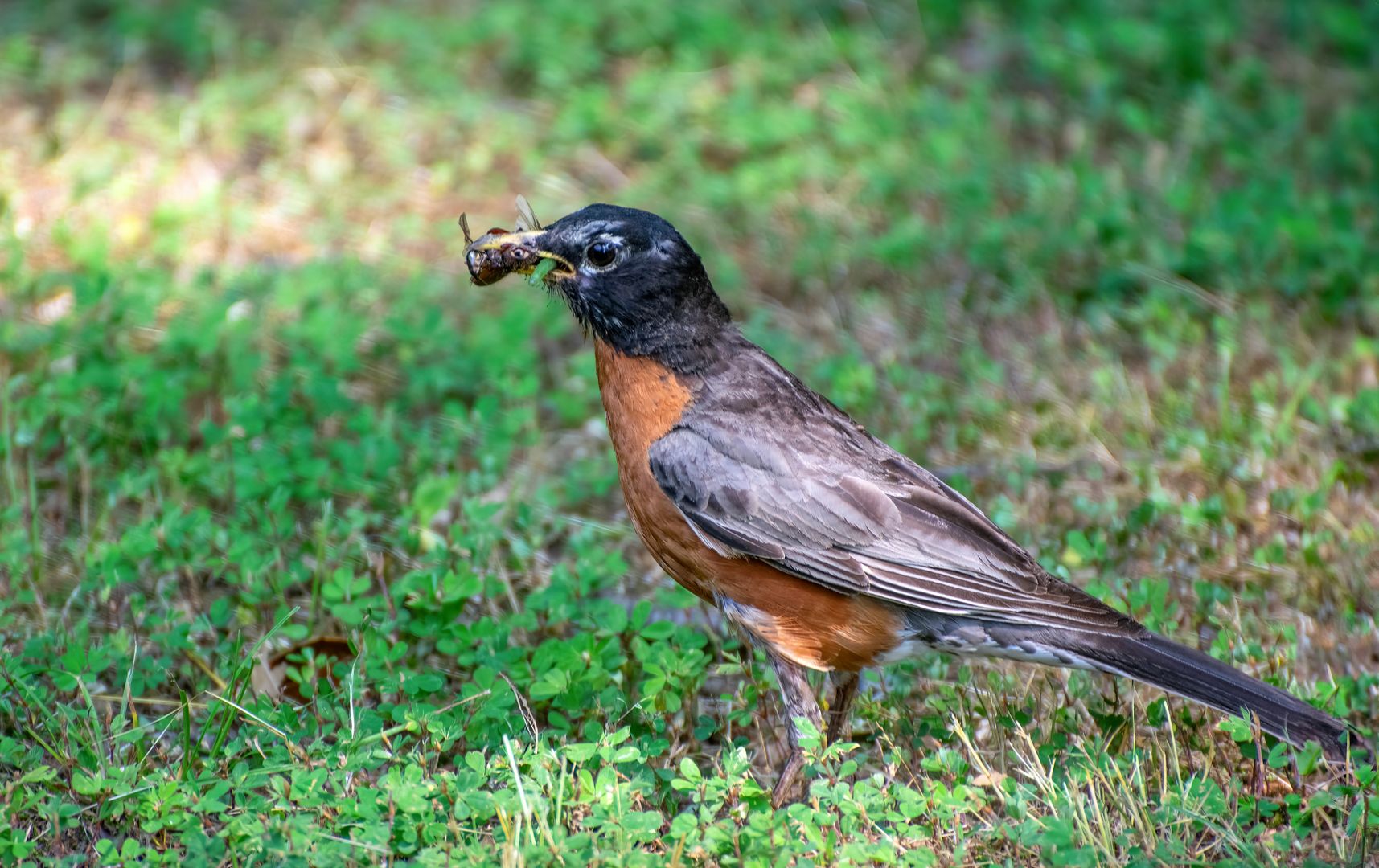
Nope. Plenty of birds never leave. Others are partial migrants meaning some individuals go and some stay. American Robins are a great example. The American Bird Conservancy explains that robins partly move south, but many stick around, switch from worms to winter berries, and go quiet, which is why people assume they've left.
Then there's the Northern Cardinal, which has decided migration is for the birds. Cardinals stay put all year, so they're a big part of why your feeder still looks festive in January.
Our Northern Cardinal facts have more, and we've also got a full list of birds that don't migrate.
If You Love Birds, Live Like You Want Them Around
Here's my one opinion. Migration is getting harder, and we're part of why. North America has 2.9 billion fewer breeding birds than in 1970, about 30% gone, according to the Cornell Lab.
The fixes aren't glamorous, but they work.
- Turn off unneeded outdoor lights during migration, which is the whole idea behind Audubon's Lights Out program, since bright artificial light disorients night-flying birds and can lead them into buildings.
- Avoid insecticides and pesticides — (learn why here and here)
And no, you don't need to buy a fancy new bird feeder to help. Use the one you have and keep it clean.
Frequently Asked Questions
What triggers birds to migrate?
Changing day length is the main trigger, along with temperature and food supply. Weather decides the timing, since birds tend to fly with helpful winds. Something kind of just feels right to them.
Do birds fly south because of the cold?
Not really. Many birds can survive freezing temperatures as long as they find enough food, so the real problem in winter is the disappearing food, not the cold.
How do birds know where to go?
Birds navigate using the sun, the stars, Earth's magnetic field, and landmarks like coastlines and mountain ridges. Young birds on their first trip rely heavily on instinct.
What have you seen this migration season?
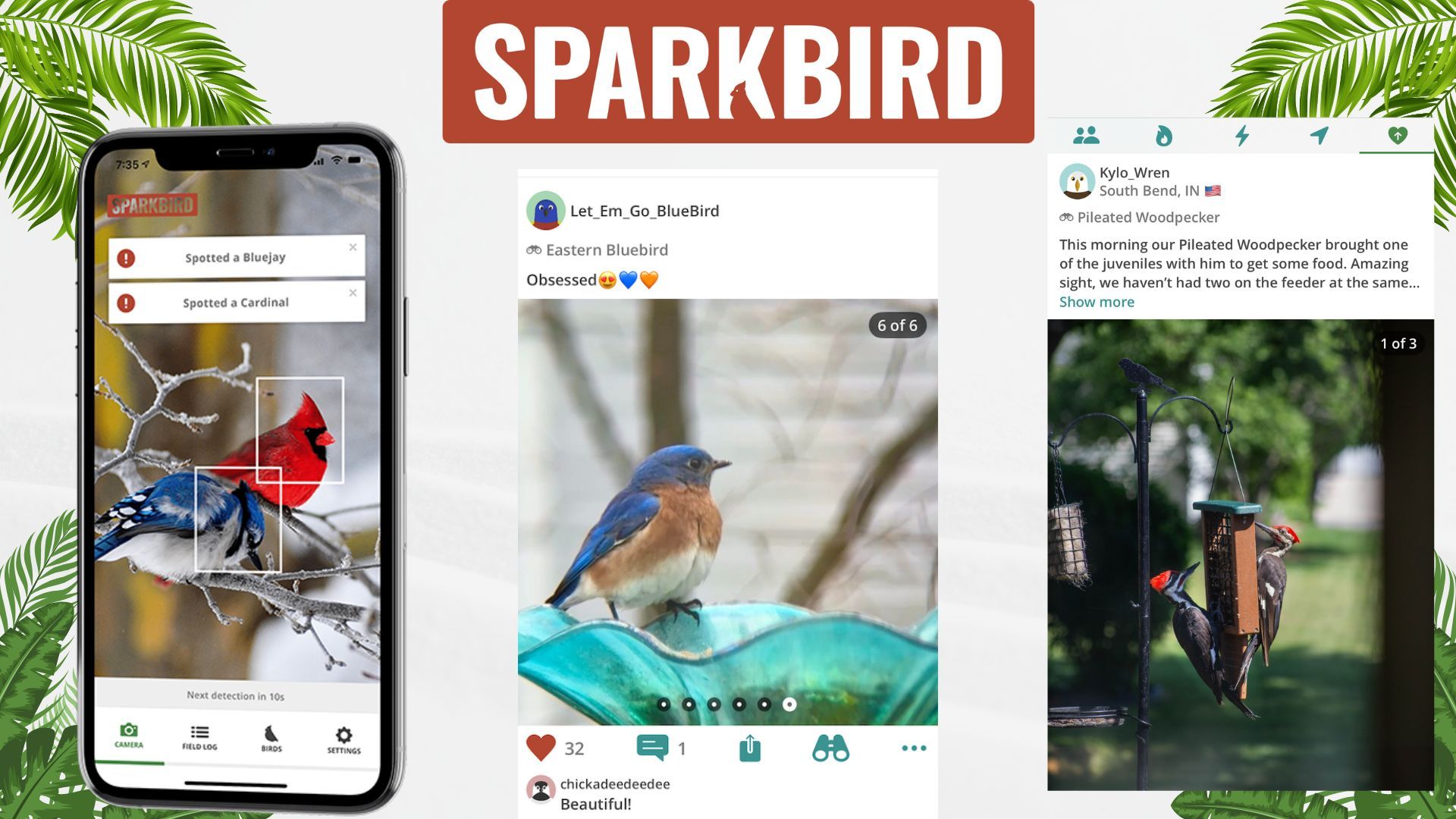
Share in the comments or through the Sparkbird App, available in the Apple App Store.
And keep in mind, the next time a flock heads south without you, don't take it personally. It's not your fault. It's the insects.
- Related: How to Use the Sparkbird App

No comments yet.