
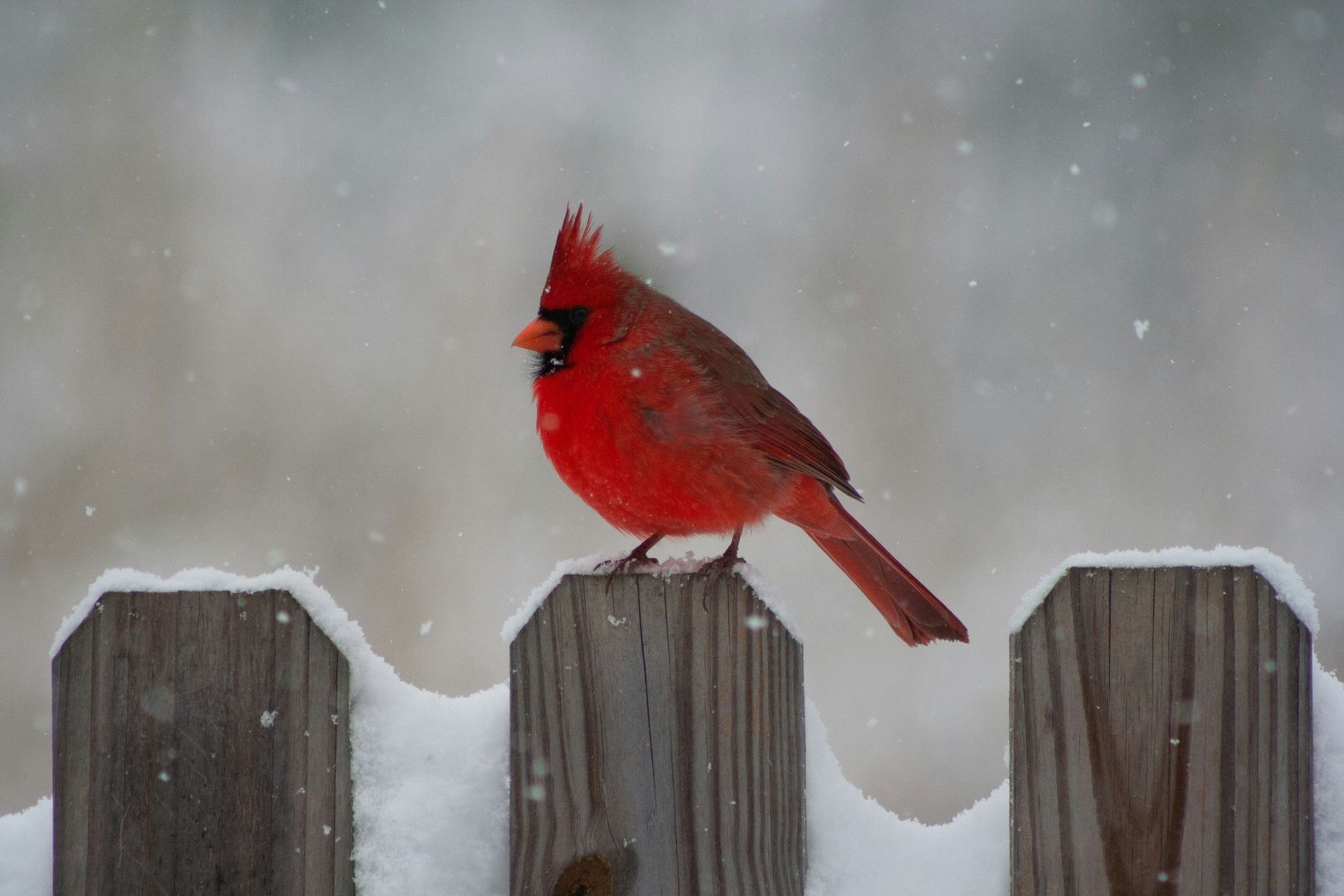
Retirees who spend winters in Florida are called snowbirds, which is funny, because the actual birds were doing it first and never once complained about the traffic on I-95. So where do birds go in the winter?
Here's who goes where, and how the stay-at-home crowd pulls it off. For the full season-by-season story, check out the fall bird migration guide.
What Birds Migrate South for the Winter, and Where Do They Go?
Where do birds migrate in the winter? Basically, to wherever the food is. Each species has its own destination, and as Birds & Blooms explains in its guide to where migrating birds spend the winter, the map ranges from southern Canada all the way to southern Argentina. Here's the general breakdown.
The Southern US and Gulf Coast
Not everyone books an international flight. Many ducks and geese, including Snow Geese, winter in the southern US, from Texas and Louisiana to the Carolinas. Tree Swallows, Eastern Phoebes, Yellow-rumped Warblers, Gray Catbirds, and Brown Thrashers also settle into the southern states.
Mexico and Central America
Wood Thrushes and Ruby-throated Hummingbirds spend at least half the year here. A hummingbird wintering in Mexico is basically Red at the end of Shawshank, minus the prison and plus a lot more nectar.
The Caribbean
Black-throated Blue Warblers, Cape May Warblers, Indigo Buntings, and American Redstarts head to the Caribbean islands. Same, to be fair.
South America
The long-haul crowd includes Scarlet Tanagers, Eastern Kingbirds, Bobolinks, Chimney Swifts, and Rose-breasted Grosbeaks. The tiny Blackpoll Warbler, which weighs less than an ounce, may fly nonstop from eastern Canada to northern South America. Purple Martins all head to the Amazon basin, though some start back north by mid-January. (Short vacation. Workaholics.)
Want to know what drives these trips in the first place? Our post on [why birds migrate](PENDING — cluster post not yet published) covers the food, the nesting, and the daylight.
Where Do the Birds Go in Winter If They Don't Migrate?
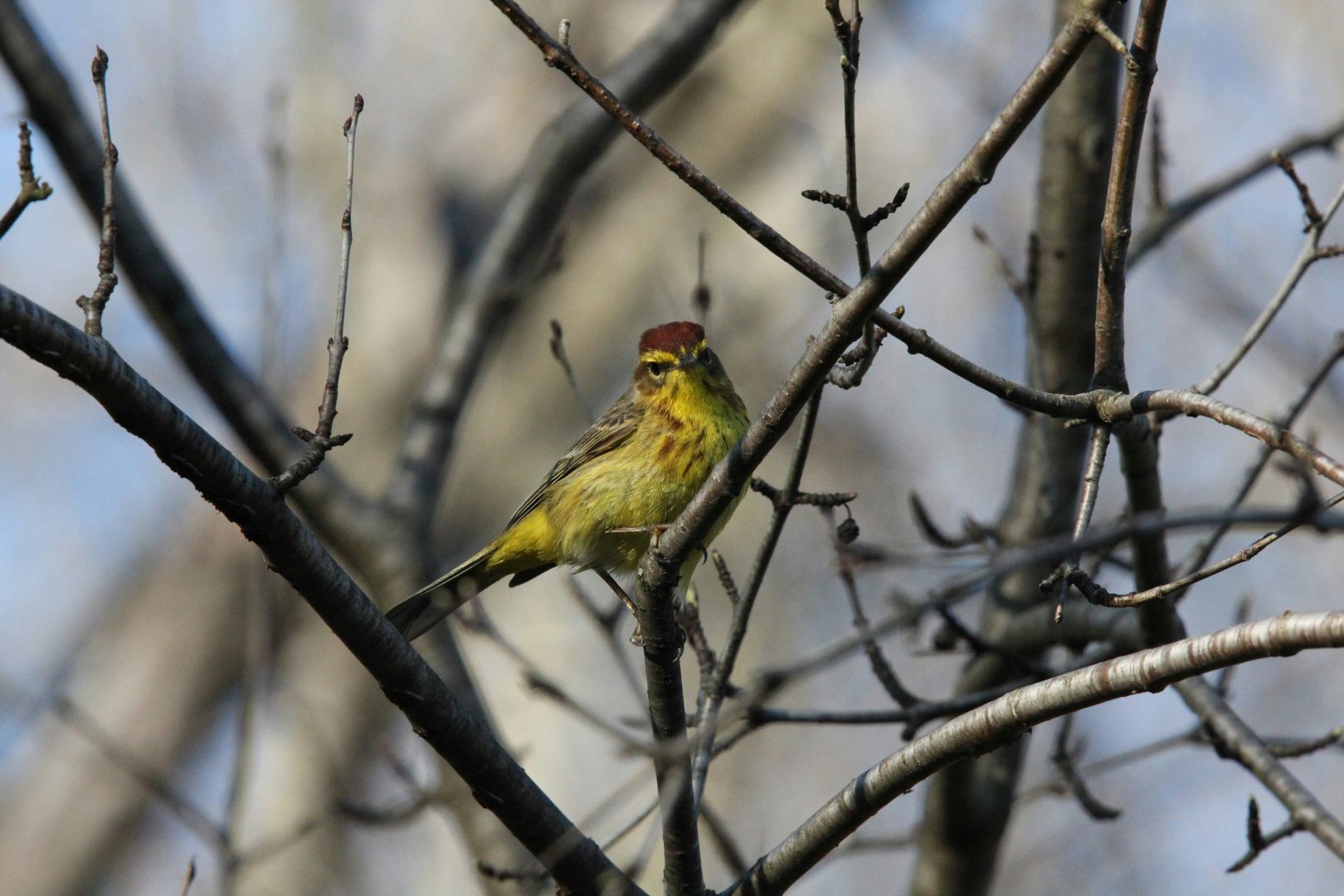
They go... nowhere.
And they're fine. Cardinals, chickadees, woodpeckers, and many other birds stay put all winter, and some northern birds, like Dark-eyed Juncos, Common Redpolls, and American Tree Sparrows, actually come south to us for the season. If you live up north, our guides to winter birds in Minnesota and winter birds in Pennsylvania show who sticks around.
So where do birds go during the winter when they don't leave? Mostly, they go somewhere sheltered and get creative.
They Fluff Up
According to Audubon's guide to how birds cope with cold weather, when birds fluff their feathers they create hundreds of tiny air pockets that trap heat. That round little ball on your feeder isn't overweight. It's wearing a puffer coat.
They Huddle and Hide
Birds share body heat by lining up or clustering together, and they tuck into tree crooks, cavities, and even man-made structures for shelter. Some even balance on one leg and tuck the other into their feathers. (Flamingo cosplay, but make it Minnesota.)
They Eat. A Lot.
For small birds like chickadees and finches, fat can make up more than 10% of their winter body weight. Chickadees also hide food, and a single chickadee can store up to 80,000 seeds and remember where they are. I can't remember where I put my keys.
Chickadees Turn Down the Thermostat
This is the coolest trick, literally. The National Wildlife Federation notes that a chickadee can lower its body temperature in a controlled way by about 12 to 15 degrees Fahrenheit at night, saving precious energy until morning. It's not quite hibernation, more like a really committed power nap.
Help Migrants From Your Coffee Mug
Here's my one opinion. You can protect birds' winter homes without leaving your kitchen, because how you shop matters.
Many of the birds above winter in coffee country. The Cornell Lab reports that 42 migratory songbird species commonly winter in heavily shaded coffee farms, including Baltimore Orioles, Scarlet Tanagers, and 17 species of warblers, and those shaded farms hold seven times more bird species than sun-grown coffee. The Smithsonian's Bird Friendly coffee certification requires coffee to be organic and grown under diverse native trees, so look for its seal.
Now the important part: don't throw out the coffee you already have. Finish the bag, then make your next one Bird Friendly. The birds are patient. They're on vacation.

Java Planet Low Acid Organic Guatemalan Medium Roast Whole Bean Coffee 16oz
Java Planet

Frequently Asked Questions
Where do most birds go in the winter?
Most North American migrants spend the winter in the southern US, Mexico, Central America, the Caribbean, or South America. Exactly where depends on the species and what it eats.
Where do hummingbirds go in the winter?
Ruby-throated Hummingbirds, the hummingbird most of the eastern US sees, spend the winter in Mexico and Central America. Our post on hummingbird migration covers when they leave and when they come back.
How do birds stay warm in the winter?
Birds fluff their feathers to trap warm air, huddle together, roost in sheltered spots like tree cavities, and eat a lot to build fat reserves. Some, like chickadees, lower their body temperature at night to save energy.
What birds stay in the North during winter?
Cardinals, chickadees, and woodpeckers like the Downy Woodpecker are common year-round residents. Northern visitors like Dark-eyed Juncos and American Tree Sparrows also arrive for the winter.
What birds have you seen this winter?
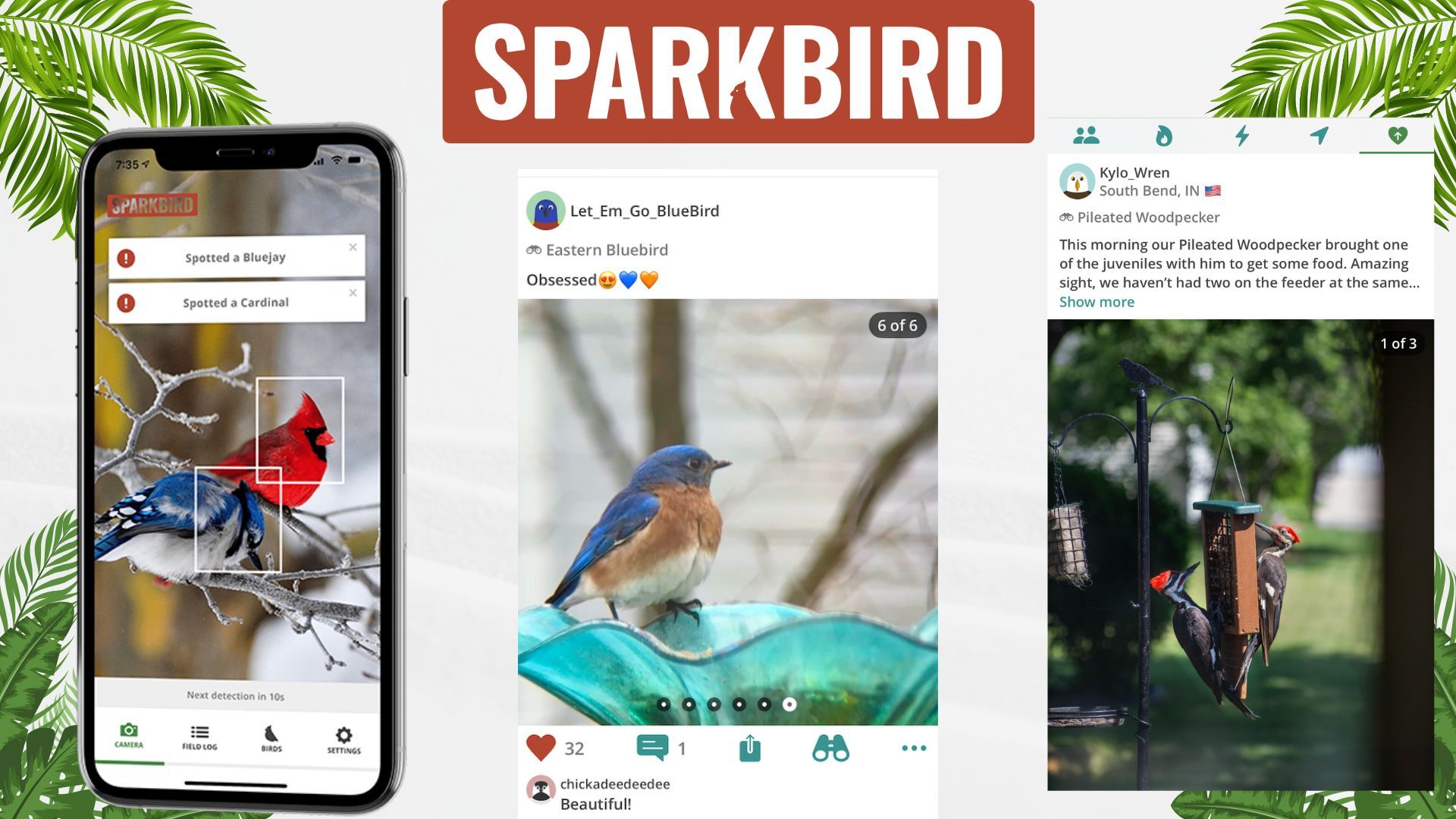
Tell us in the comments or through the Sparkbird App, available in the Apple App Store.
- Related: How to Use the Sparkbird App

No comments yet.