
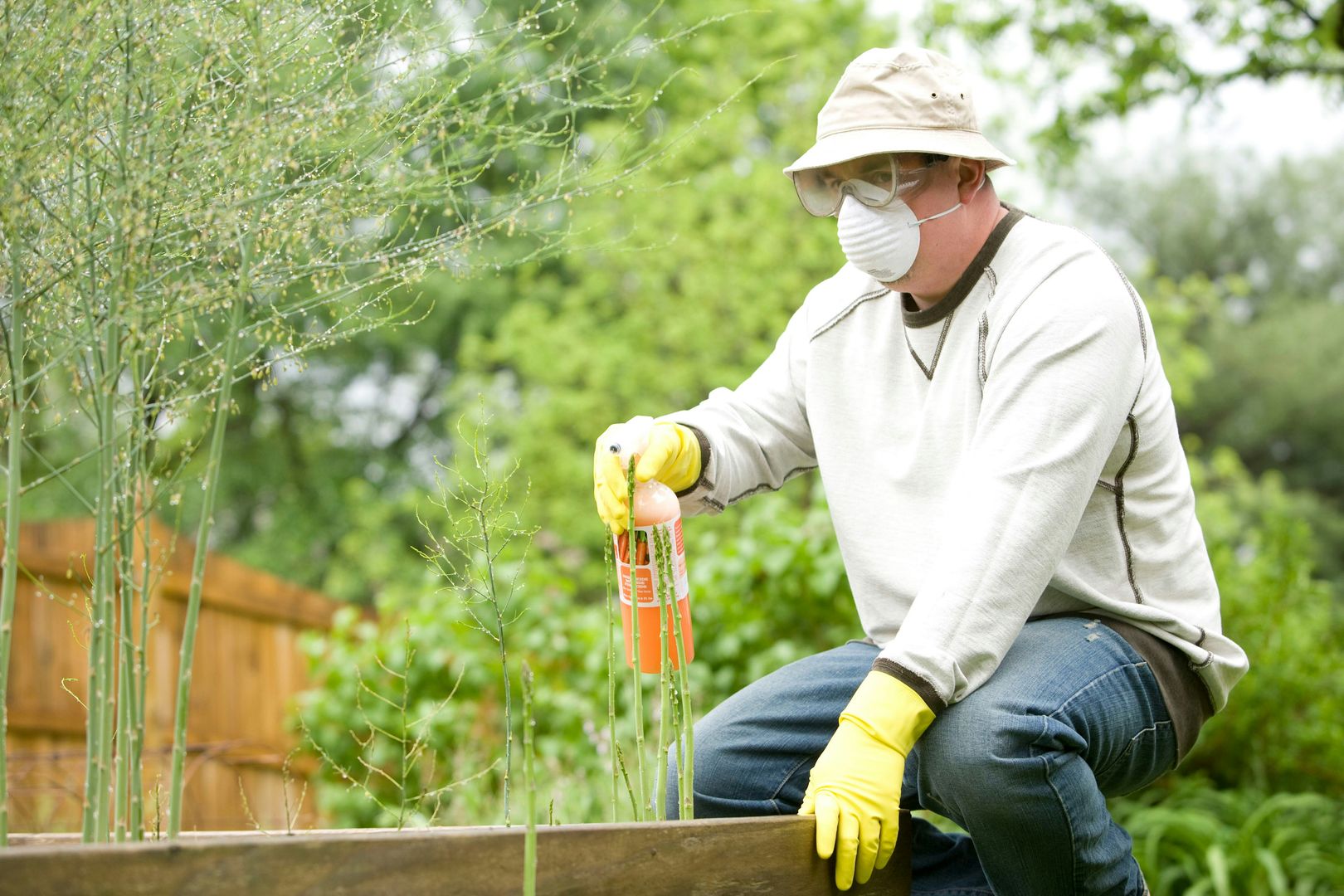
Nothing says "I have made peace with violence" quite like standing in your driveway with a pest control spray bottle. Before you buy anything, let's talk about which insecticides for spotted lanternfly actually work.
And more importantly, which ones you probably don't need.
Do You Even Need a Lanternfly Spray?
If you've got a handful of nymphs on the porch railing and a few adults doing their weird hop-flutter near the grill, you have a squishing problem, not a spraying problem. Step on them, scrape the egg masses off tree trunks and patio furniture into a bag of rubbing alcohol, and call it a Tuesday.
The complete guide to getting rid of spotted lanternflies walks through the manual methods first because they're safest.
Most yards don't need broad-spectrum insecticide
Reaching straight for a sprayer when you've got a light infestation is a bit like calling an exterminator because you saw one ant. It's overkill, and it comes with a cost that doesn't show up on the receipt. Broad-spectrum insecticides don't discriminate between the lanternfly on your maple and the chickadee working the same branch for actual food.
The American Bird Conservancy estimates that as many as 67 million birds may be killed by pesticides every year in the United States, and that's before you count the pollinators. If you'd rather recruit the birds already patrolling your yard, our post on which birds eat spotted lanternflies and how to attract them is genuinely the more Sparkbird-coded move here. Turns out blue jays and other native birds have been quietly doing pest control the whole time.
Save the spray for genuinely heavy infestations, egg mass on egg mass, adults swarming a Tree of Heaven by the dozen, sap so thick your patio feels sticky underfoot. That's when insecticide earns its place in the toolkit.
How These Insecticides for Lanternflies Compare
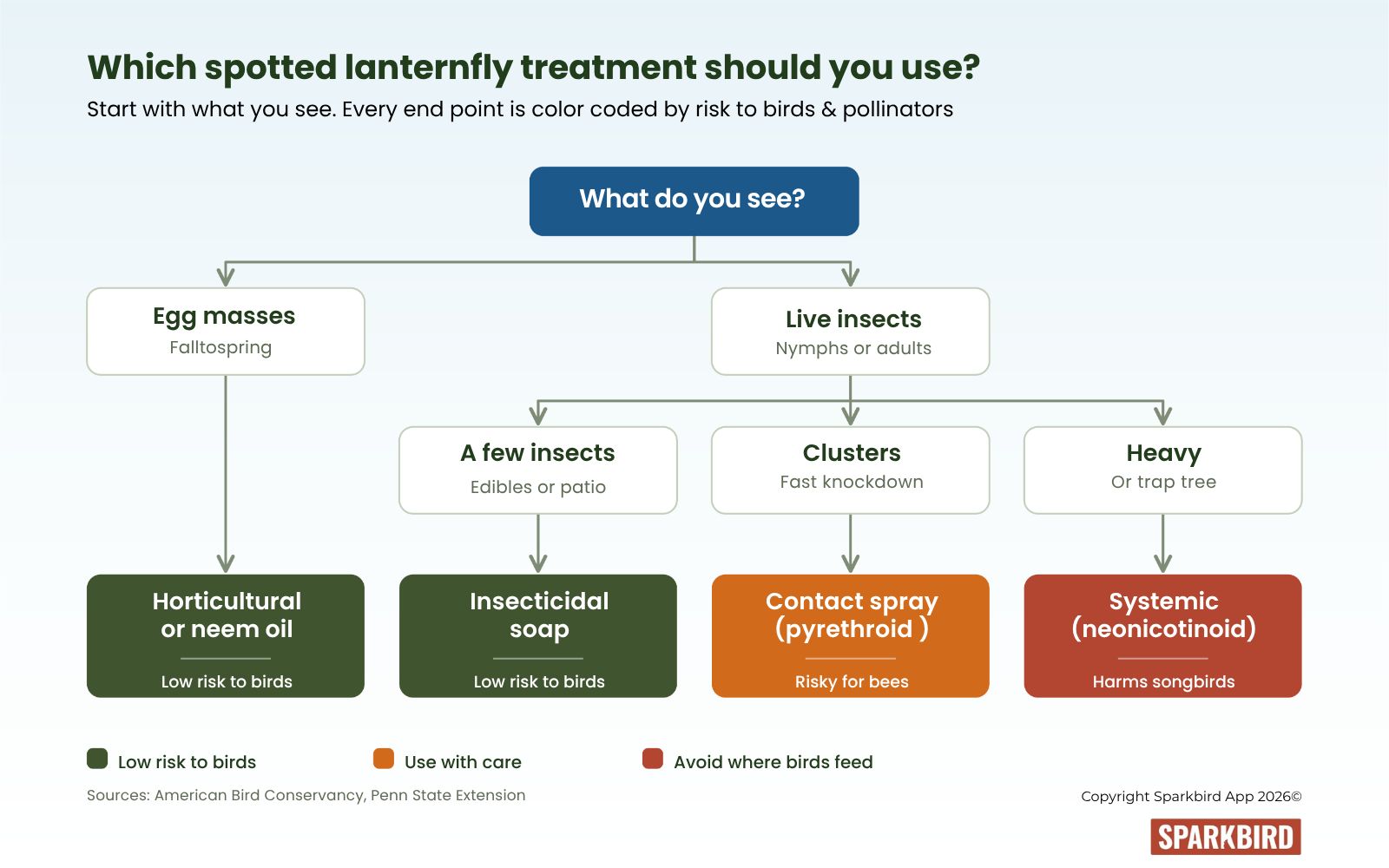
Before you buy anything, here's how the main categories stack up on effectiveness, application, and how much collateral damage they do to the rest of your yard's wildlife:
| Type & active ingredient | Best for | Pollinator / bird impact | Application |
|---|---|---|---|
| Contact insecticide (pyrethroids, e.g. bifenthrin) | Visible clusters of nymphs or adults, fast knockdown | Toxic on contact to bees and beneficial insects if sprayed on blooms; low residual risk to birds once dry | Direct spot spray on the insect; short residual (roughly one to two weeks) |
| Systemic insecticide (neonicotinoids: dinotefuran, imidacloprid) | Heavy infestations, trap-tree treatment | Documented pollinator harm; ABC notes a single treated seed can kill a songbird, and residue moves through sap, pollen, and prey insects | Trunk injection, bark spray, or soil drench on one target tree; lasts weeks to months |
| Insecticidal soap (potassium salts of fatty acids) | Light infestations, edible or ornamental plants, patios | Low toxicity to birds; must contact the insect directly, minimal residue for pollinators | Direct spray on nymphs/adults; no residual control |
| Horticultural oil or neem oil | Egg masses, light infestations, organic gardens | Low toxicity to birds; can affect pollinators if sprayed on open blooms, so timing matters | Direct spray on insects or egg masses; breaks down quickly |
Contact Insecticides: Pyrethroids Like Bifenthrin
Pyrethroids are the "kill it now" option. Products built around bifenthrin, such as Bifen I/T concentrate, work by contact, meaning they kill lanternflies they physically touch when wet.
Penn State Extension's spotted lanternfly management guide lists bifenthrin among the contact options recommended for nymphs and adults, with residual activity generally lasting anywhere from a few days to about two weeks depending on the product and weather.

The Catch:
Contact sprays don't provide lasting protection. Spotted lanternflies are mobile and new ones will show up from the neighbor's yard the day after your spray dries.
That means repeated applications if the pressure keeps up, which also means repeated exposure risk for anything else that lands on that plant. Spot-treat where you see clusters (a trunk, a fence line, a patio umbrella they've claimed as their own) rather than blanket-spraying the whole yard, and never spray anything in bloom while pollinators are active.
Systemic Insecticides: Trap Tree Treatment with Dinotefuran and Imidacloprid
This is the category that does the most work with the least spraying. It's also the one that deserves the most caution. Systemic insecticides like dinotefuran and imidacloprid are absorbed into a tree's vascular system through trunk injection, bark spray, or soil drench, then move through the sap.
A lanternfly that feeds on that tree ingests the insecticide and dies over the following days to weeks. No direct spray contact required.
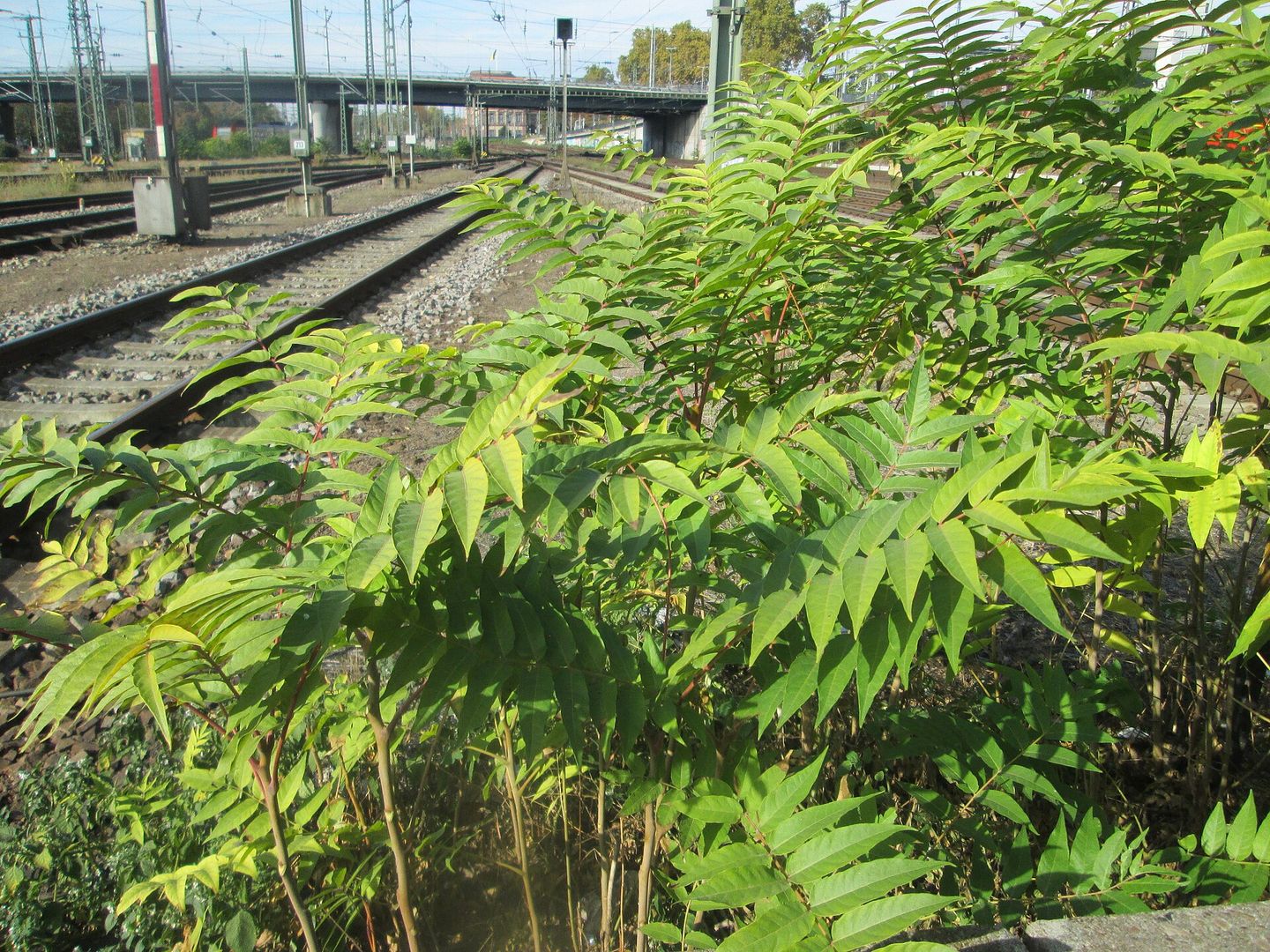
The classic use case is trap tree for lanternflies:
- Identify a Tree of Heaven. Leave a few male trees standing while removing the seed-bearing females, and treat only the remaining males systemically.
- Use a systemic insecticide like dinotefuran, found in products such as Safari 20SG.
- Lanternflies get lured in by the tree they already prefer, feed, and die, while everything else in the yard stays untouched by spray drift.

Valent Professional Products Safari 20SG Sprayable Systemic Insecticide - 12 Ounce jug
Valent Professional Products
This targeted approach is far better for the rest of your yard's wildlife than broadcasting a systemic product across every plant you own. If you're going systemic at all, treating one trap tree instead of your whole property should be the plan.
Neonicotinoids like dinotefuran and imidacloprid carry real, documented risk to birds and pollinators. The American Bird Conservancy has reported that a single neonicotinoid-treated seed can be enough to kill a songbird, and because these chemicals move through pollen, sap, and the insects that feed on treated plants, the exposure doesn't stop at the lanternfly you were aiming for.
Be safe and protect the food chain by keeping it to a single, targeted trap tree away from bird feeders and pet-accessible areas, never treat anything currently in bloom, and treat it as a last resort for heavy infestations rather than a first move.
Insecticidal Soap and Neem Oil: The Gentler Lanternfly Spray
If your infestation is more "annoying" than "biblical," insecticidal soap and neem oil are where I'd actually point you. Both work on direct contact, breaking down an insect's outer coating (soap) or disrupting feeding and growth (neem), and both lose their punch fast once they dry.
That's why they're gentler on everything else living in your yard.
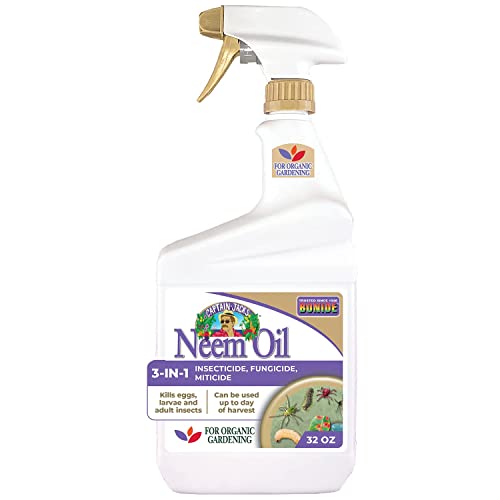
Products like Bonide Insecticidal Soap or Bonide Captain Jack's Neem Oil are reasonable choices for spraying nymphs directly on ornamentals, vegetable gardens, or fruit trees, since both are labeled for edible plants when used per the label.
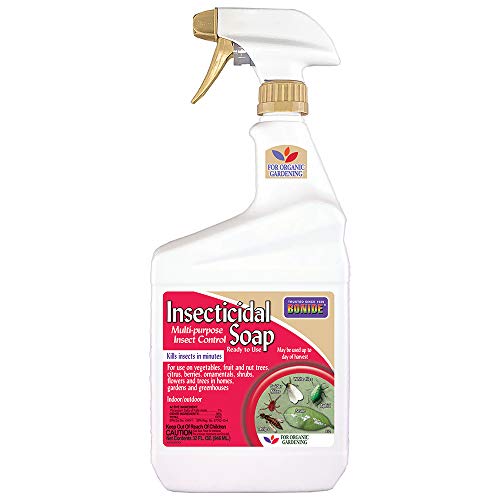
Bonide Insecticidal Soap, 32 oz Ready-to-Use Spray Multi-Purpose Insect Control for Organic Gardening Indoor and Outdoor
Bonide
They work best for the average annoyance in your yard not a plague upon your house kinda' thing.
Use them on your porch railing, tomato bed, the crepe myrtle by your driveway.
They get the job done without the pollinator and bird liability of a neonicotinoid. For best results spray in the early morning or evening when bees are less active, and avoid coating open flowers directly.
What Not to Use
Skip the homemade sprays.
Dish soap and water, vinegar concoctions, and pepper sprays circulate constantly as lanternfly hacks. Penn State Extension has specifically warned against home remedies for spotted lanternfly control. Unlabeled mixtures can injure plants, lack any tested application rate, and, in the case of anything applied outside label directions, are technically not legal to use as pesticides.
It's more about using something proven to be effective and reducing possible injury to the environment.
If a recipe didn't come with a label, skip it. And if your lanternfly numbers are genuinely light, skip insecticide entirely. That's rule one, and it's the whole point of this post.
When Not to Buy an Insecticide at All
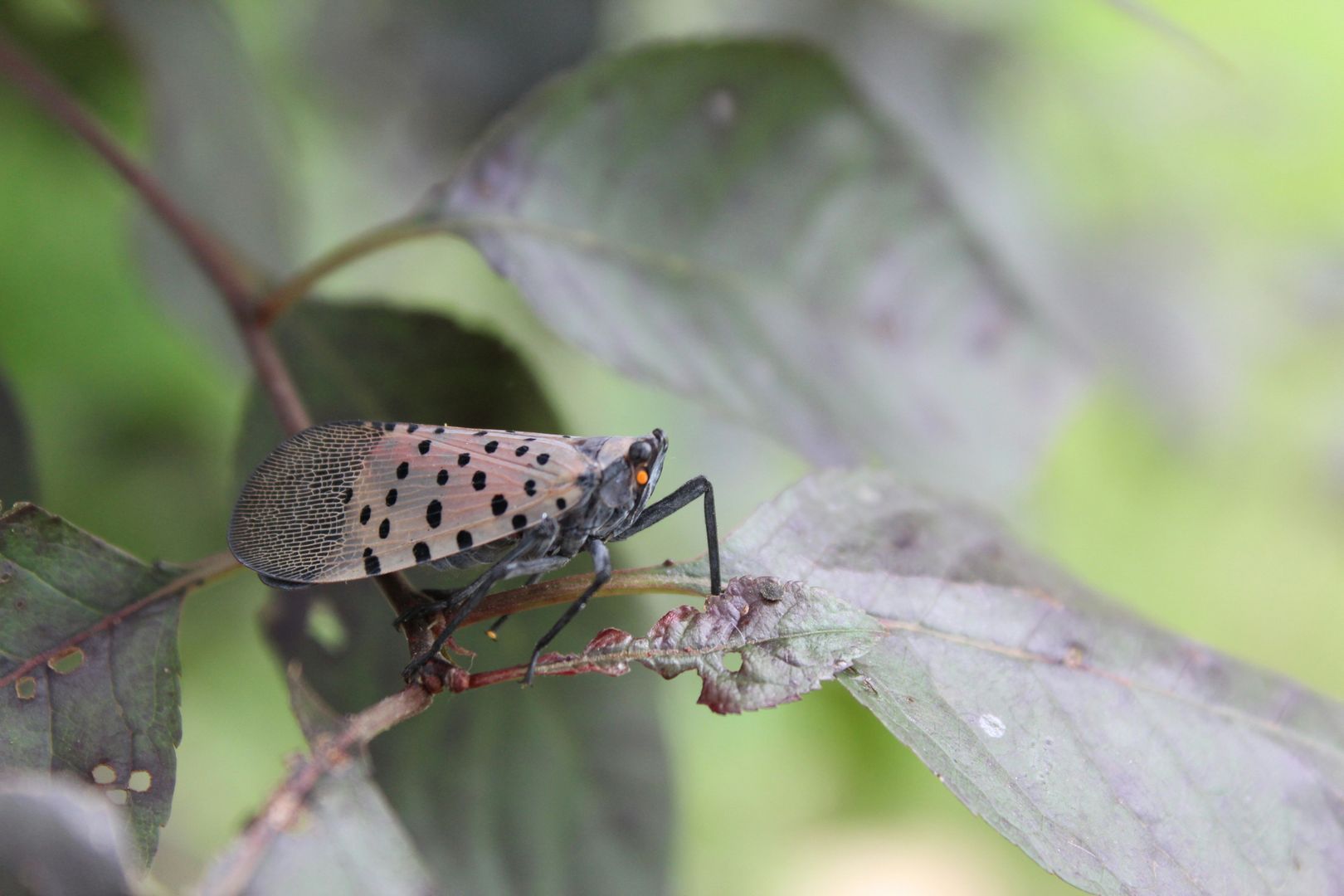
Don't buy a spray for just a handful of lanternflies.
Squish what you find, strip egg masses before they hatch in spring, and consider a sticky band or circle trap on affected trees, all covered in more detail in our full spotted lanternfly control guide. Manual removal costs nothing, harms nothing else in your yard, and for the vast majority of home yards, it's genuinely enough.
If you do end up needing a product...
Buy the smallest, least toxic option that solves the problem you actually have. That's usually:
- insecticidal soap or neem oil before anything systemic
- a spot treatment before a whole-yard spray.
- Save neonicotinoids for the trap-tree scenario on heavy infestation
And if lanternflies are freaking you out for reasons beyond the yard damage, worth knowing they're a nuisance and a plant stressor, not a threat to you personally, more on that in our post on whether spotted lanternflies are dangerous to humans.
Frequently Asked Questions
Does dish soap kill spotted lanternflies?
Dish soap and water can kill some insects on contact, but it isn't a registered pesticide. Penn State Extension specifically advises against homemade sprays for spotted lanternfly control in favor of labeled insecticidal soap products made for this purpose.
Is it safe to spray insecticide near bird feeders?
No. Systemic insecticides can infect pollen and the insects birds eat, and even small amounts of certain neonicotinoids have been linked to bird deaths.
Can I use insecticide on a Tree of Heaven to trap lanternflies?
Yes. This is called a trap tree. Extension guidance generally suggests leaving a few male trees and systemically treating those while removing seed-producing females.
What are you tips for spotted lanterflies?
Share them in the comments and the Sparkbird community. Nothing beats local knowledge when it comes to backyard birding.

No comments yet.