
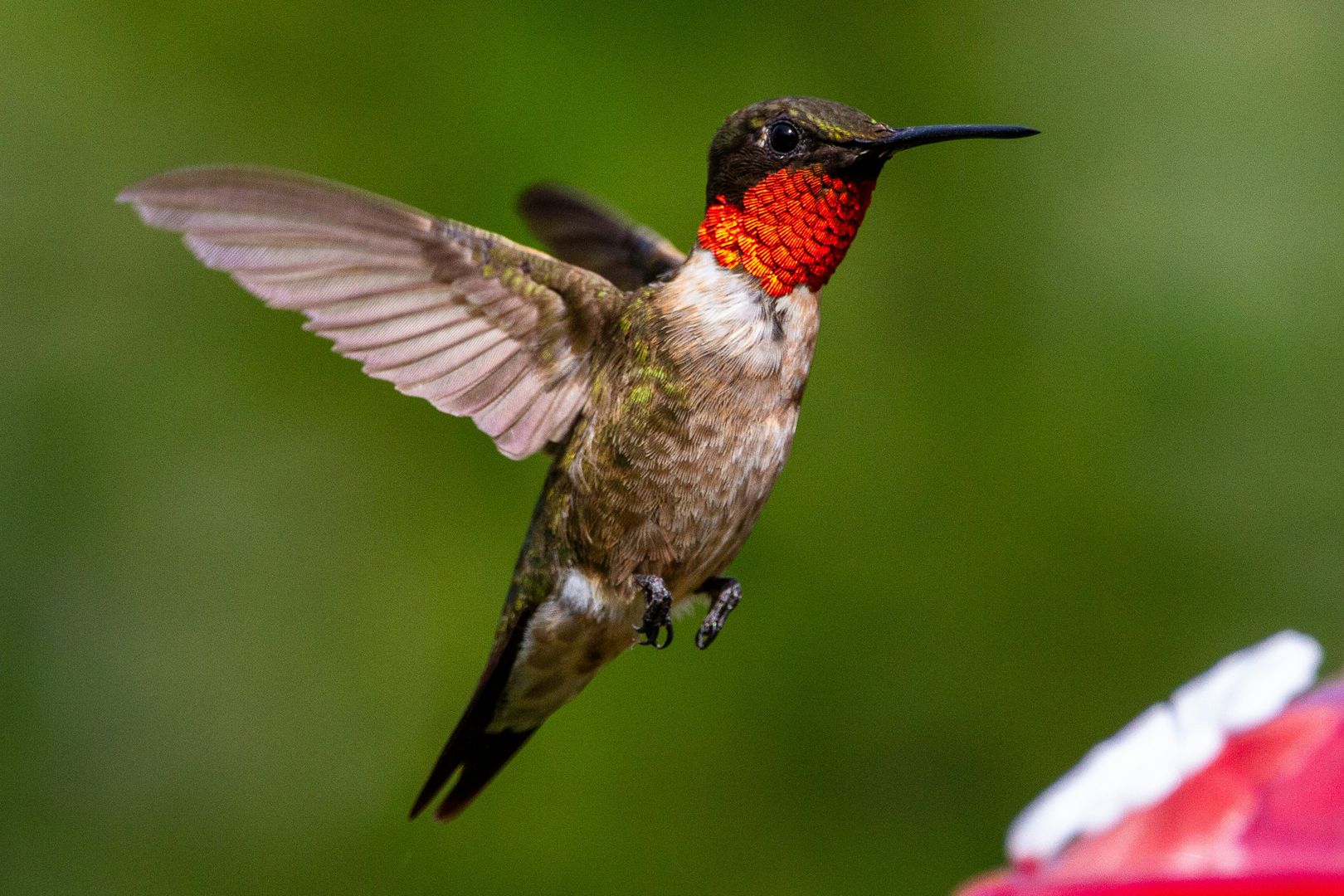
The Rufous Hummingbird weighs about three grams and travels roughly 3,900 miles each way between Alaska and Mexico. Nearly every one in the US and Canada does, every fall, on nothing but nectar, bugs, and spite.
Here's when they leave, where they go, and what your feeder has to do with it.
Do Hummingbirds Migrate?
Most North American hummingbirds are migrants. The Ruby-throated, Rufous, Black-chinned, Allen's, Broad-tailed, and Calliope all head south once breeding season wraps up. The holdout is the Anna's Hummingbird, a year-round resident from California up to British Columbia that handles cold nights with torpor— a kind of overnight power-saving mode— instead of relocating.
The Anna's is also on the move in a different sense. A century ago it lived only in southern California and Mexico, and Audubon notes its range now reaches British Columbia and even Alaska. If you see a hummingbird in coastal California in January, it's almost certainly an Anna's. It's like the Kramer of birds.
What Triggers Migration?
Decreasing daylight. Not temperature, not the first frost, and not your feeder. Hummingbirds sense subtle changes in day length starting in late summer, and the urge to leave is genetically encoded.
Leaving your feeder up won't stop a hummingbird from migrating. No bird has ever looked at a full feeder and decided to skip Mexico. What a fall feeder does is fuel the stragglers, especially juveniles on their first trip.
How They Prepare
Before departure, hummingbirds enter hyperphagia, a deliberate and dramatic increase in eating. They pack on 25 to 40 percent of their body weight in fat, so a three-gram bird might be pushing four grams by September. Eating 40 percent of your body weight in anticipatory snacking before a long trip is their go-to approach. A stocked fall feeder supports this phase.
When Do Hummingbirds Migrate South?
Earlier than you'd think. Hummingbird fall migration starts in summer: Audubon points out that some male Rufous Hummingbirds leave the Pacific Northwest by mid-June, and in the East, Ruby-throats can start moving at the end of July, with the push intensifying through August and early September.
The departure order is the same almost everywhere. According to Journey North's fall migration tracking, adult males leave first (they don't help raise the kids, so they're free to go), females follow about a week after their young fledge, and juveniles go last. So the birds at your feeder in late September are often juveniles, not your summer regulars.
When Do Hummingbirds Leave? Fall Departure by Region
Dates shift with latitude, weather, and the individual bird, but here's what state agencies and bird groups report.
Southeasterners, note that Georgia row. The state's wildlife agency calls winter its second hummingbird season when Rufous, Black-chinned, Calliope, and other western species turn up at feeders.
For everything else on the move, we've mapped out the rest of fall migration and when birds migrate by species.
| Region | Main species | Departures start | Most are gone by | Stragglers |
|---|---|---|---|---|
| Maine and northern New England | Ruby-throated | August (adult males first) | First week of October (Maine Audubon) | Anything after Oct. 15 is worth reporting |
| Minnesota and the Upper Midwest | Ruby-throated | Mid-August | End of September (Minnesota DNR) | Most years, into October |
| Northern Illinois | Ruby-throated | Late July to early August | End of September (Forest Preserve District of Will County) | Through early October |
| Georgia and the Southeast | Ruby-throated | Adult males mostly gone by end of August | October (Georgia DNR) | Western species arrive November to February |
| Texas coast | Ruby-throated (passing through) | August | Peak mid-Sept, through Oct (Gulf Coast Bird Observatory) | Many stop for a few days to refuel |
| Pacific Northwest | Rufous | Males by mid-June | Many reach Arizona by early July | Juveniles later in summer |
| California coast | Allen's (migratory birds) | Males in late spring and early summer (Kern Audubon) | Summer | Back as early as January |
| Pacific Coast, CA to BC | Anna's | Doesn't leave | Doesn't leave | Eats your nectar all winter |
How Far Do Hummingbirds Migrate?
Farther than seems physically reasonable. Hummingbirds migrate alone (humming to themselves, since they never learned the words) and fly low, following coastlines, river valleys, and mountain ridges where food is easy to find.
The Ruby-throated Hummingbird's party trick is the Gulf of Mexico. Many make a 500-mile journey over open water in under a day, with no rest stops and no in-flight snacks, running entirely on hyperphagia fat. In fall, plenty also take the scenic route along the Gulf Coast through Texas.
The Rufous wins on distance. Its 3,900-mile trip works out to more than 78 million body lengths, one of the longest migrations of any bird in the world relative to body size. Researchers have described the energy math as "barely possible," which is also how I'd describe my last move.
And no, they don't hitch rides on geese. The geese-riding story is charming and false, and no goose has ever agreed to it.
Hummingbird Winter Migration
Most head to Mexico and Central America. Ruby-throats spread from the Yucatán to Costa Rica and across Central America, while Rufous Hummingbirds winter in the mountain forests of Mexico. Some western birds, especially Rufous and Black-chinned, spend winter along the Gulf Coast and in the Southeast instead, which is exactly why Georgia's DNR recommends leaving at least one feeder up all winter, filled about halfway.
Species by Species
Ruby-throated Hummingbird. The East's hummingbird, breeding east of the Mississippi and wintering in Mexico and Central America.
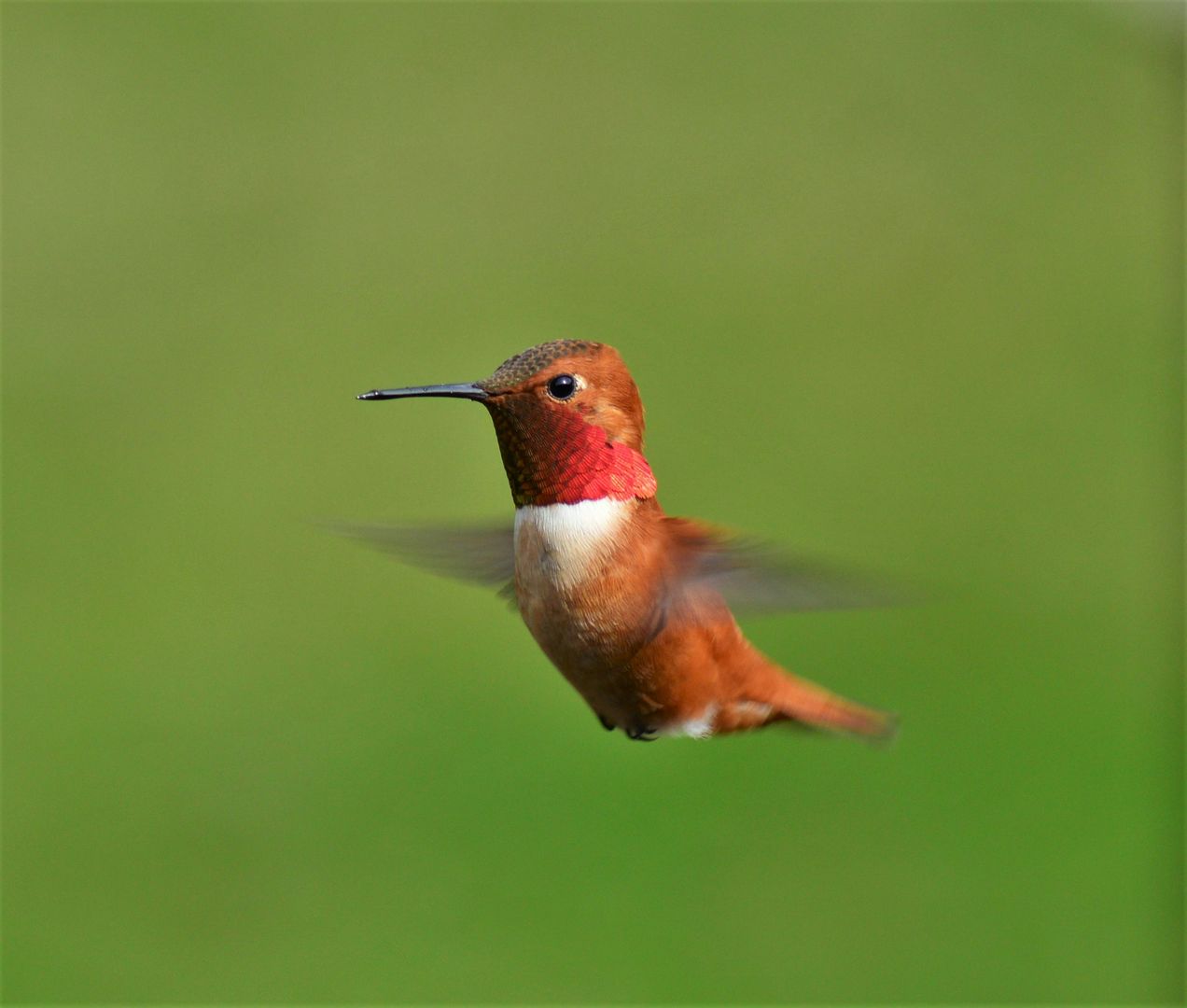
Rufous Hummingbird. Breeds from the Pacific Northwest to Alaska and runs a clockwise loop: up the Pacific Coast in spring, down the Rocky Mountains in late summer. It's listed as Near Threatened after decades of decline linked to habitat loss and climate change.
Black-chinned Hummingbird. The western counterpart to the Ruby-throat, wintering in Mexico and along the Gulf Coast.
Allen's Hummingbird. One of the earliest migrants of any North American bird. Males start heading south before summer has properly started, and returning birds can show up in California in January. (Some Allen's in southern California don't migrate at all, which feels like cheating.)
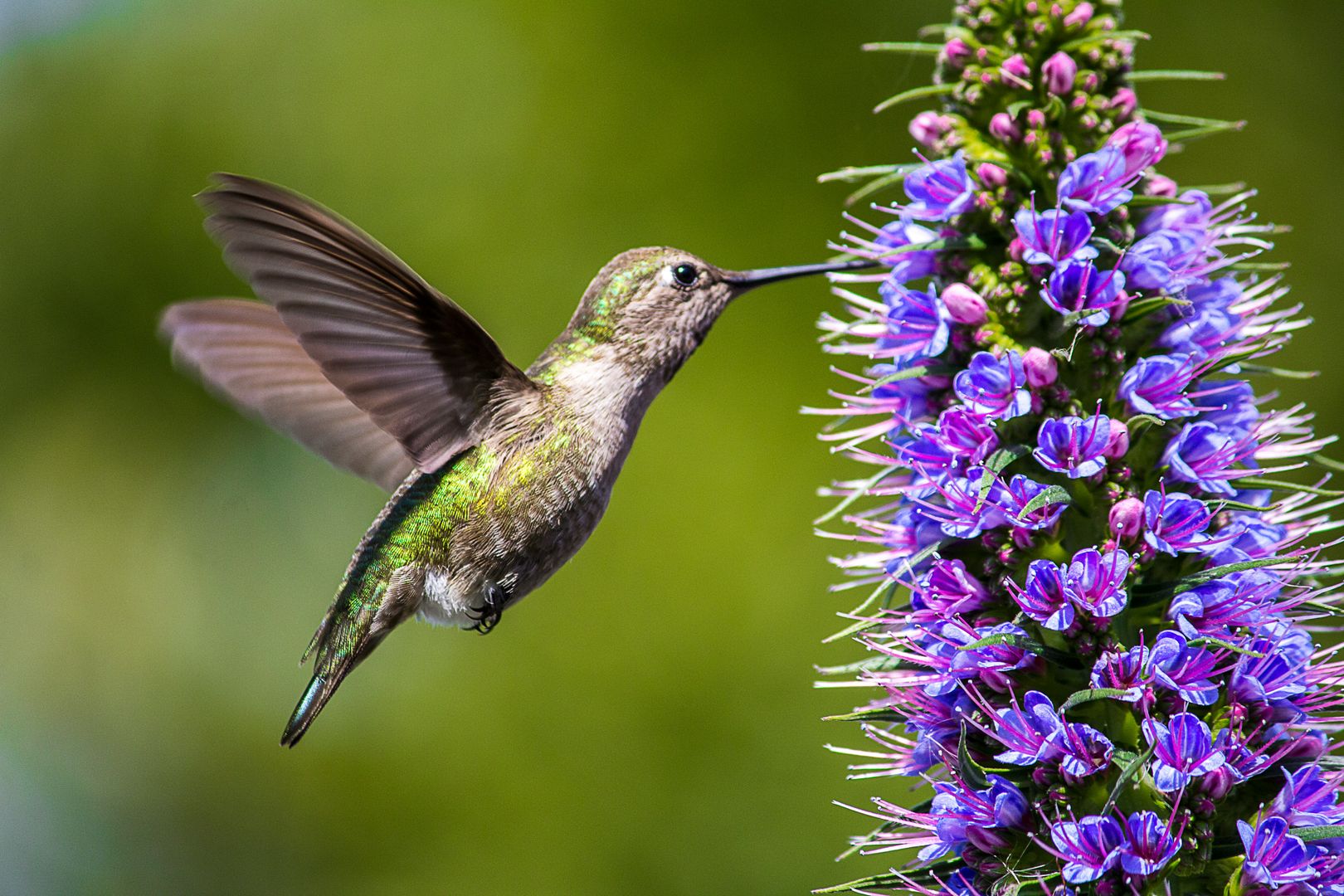
Anna's Hummingbird. The year-round Pacific Coast resident, and the reason Californians never fully take their feeders down.
Your Fall Feeder Game Plan
Hummingbirds remember exactly where you are. They return to the same breeding and wintering sites year after year, something confirmed through banding studies. They keep detailed mental maps of food sources. Whether they recognize you personally is an open question, but the ones that dive-bomb you mid-refill clearly track the relevant personnel.
Leave your feeder up for about two weeks after you see your last hummingbird. Late birds are often juveniles on their first migration (slower, less experienced, and more dependent on a reliable stop). In spring, when birds return between February on the Gulf Coast and May up north, put it out about two weeks before your usual first arrival.
You don't need a new feeder for fall. Use the one you have, change the nectar every few days in warm weather, and keep a routine for how to clean hummingbird feeders. If yours is genuinely done for, check the four features every hummingbird feeder needs before you buy.
How timing and climate affect them
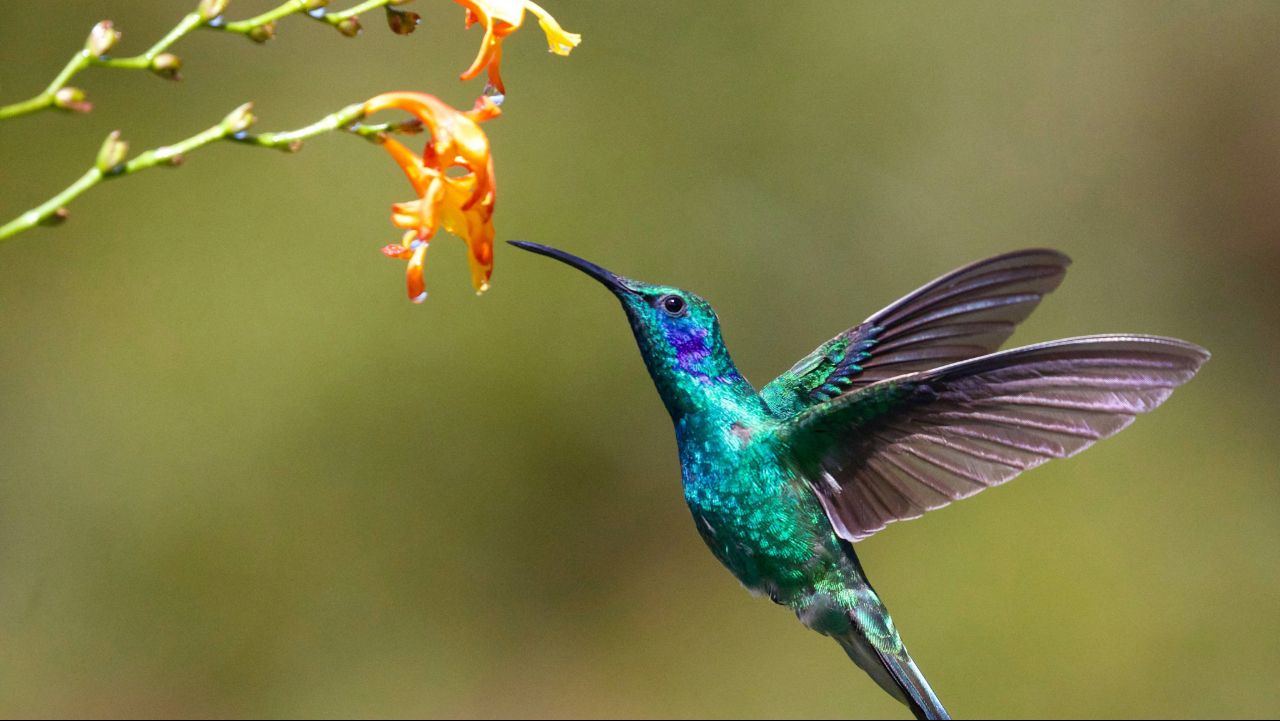
Hummingbird migration evolved around predictable bloom schedules, and warming is scrambling them. In the Rocky Mountains, researchers found the gap between the first Broad-tailed Hummingbird arrival and the first glacier lily bloom shrank by 13 days over four decades, and projected that the birds could miss the first flowers entirely within about two decades.
Feeders are just the first step to support hummingbirds with these changes.
Native plants that bloom in sequence from spring to fall feed migrants when and where they need it, no sugar water required. Start with our plants that attract hummingbirds and aim for something blooming every month. For everything else these birds can do, see our 10 interesting facts about hummingbirds.
Frequently Asked Questions
Where do hummingbirds go in the winter?
Mostly Mexico and Central America. Some Rufous and Black-chinned Hummingbirds winter along the Gulf Coast and in the Southeast, and Anna's stay on the Pacific Coast.
Do hummingbirds travel in flocks?
No. They migrate alone, and riding on geese is a myth.
Do hummingbirds come back to the same place every year?
Yes. Banding studies show they return to the same sites, so the hummingbird at your feeder this August is likely the same one from last year. If it leaves without saying goodbye, don't take it personally. It's not you, it's photoperiod.
Seen any hummingbirds lately?
Tell us in the comments or through the Sparkbird App, available in the Apple App Store.
- Related: How to Use the Sparkbird App

No comments yet.