
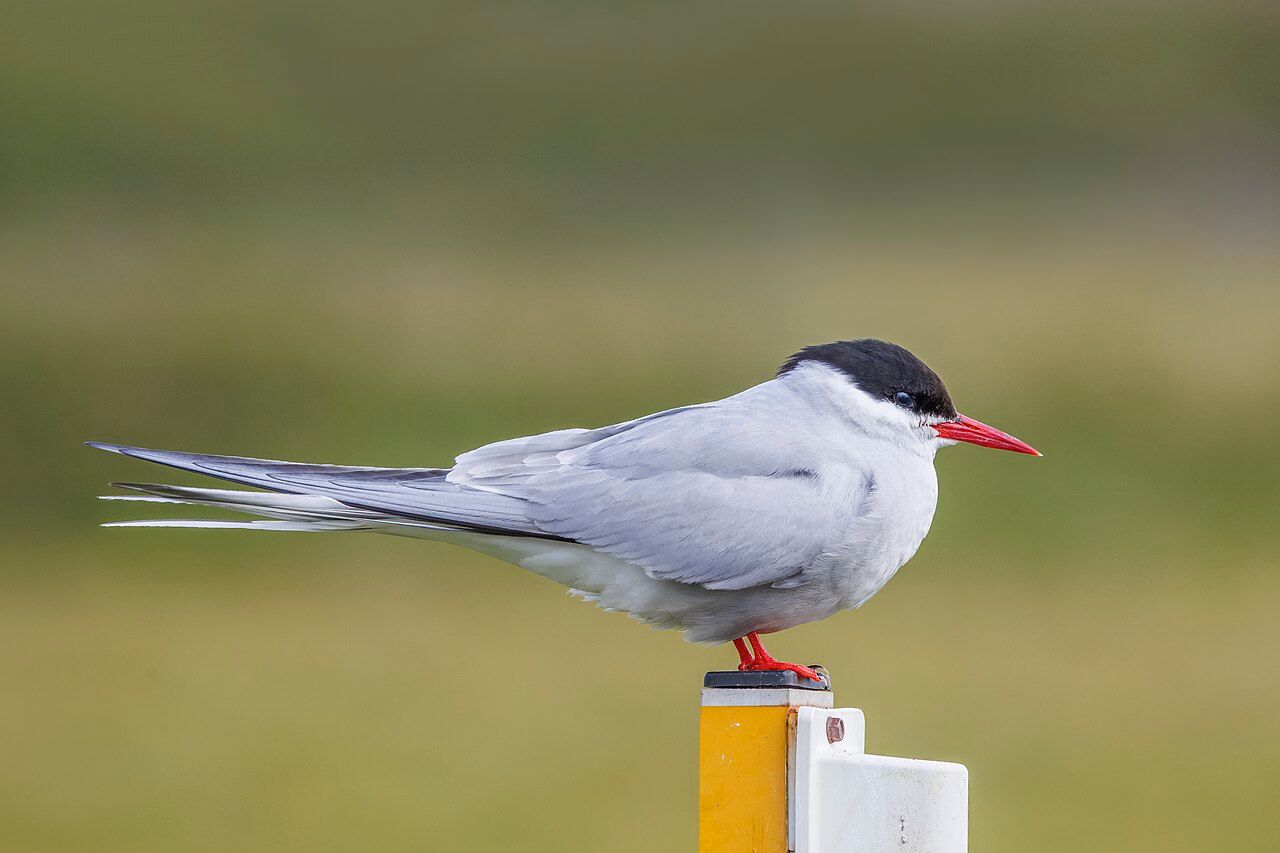
Think your last layover was rough? There's a bird that flew for 11 days straight without stopping for so much as a pretzel.
Suddenly a delayed connection feels tolerable.
Here's the longest bird migration in the world, plus the other birds that make our road trips look like a walk to the mailbox. Looking for the fastest bird instead? That's a different record, and it's covered in our peregrine falcon facts.
1. Arctic Tern
If birds had frequent-flyer status, the farthest migrating bird on Earth would have its own lounge. This four-ounce seabird breeds in the Arctic and spends the northern winter in Antarctica, which means it sees TWO summers a year and more daylight than just about anything alive.
A 2010 study led by the Greenland Institute of Natural Resources, using tiny 1.4-gram geolocators, found arctic terns fly about 44,000 miles a year, roughly twice what scientists had assumed according to National Geographic's coverage of the arctic tern study. They don't fly straight, either. They zigzag to ride global wind systems and stop for about a month in the open North Atlantic to fuel up. Over a 30-year life, that adds up to about 1.5 million miles, or three round trips to the moon.
One overachiever raised the bar. A female tern tagged on the Farne Islands off England flew about 59,650 miles in a single year. And researchers say even that's an underestimate!
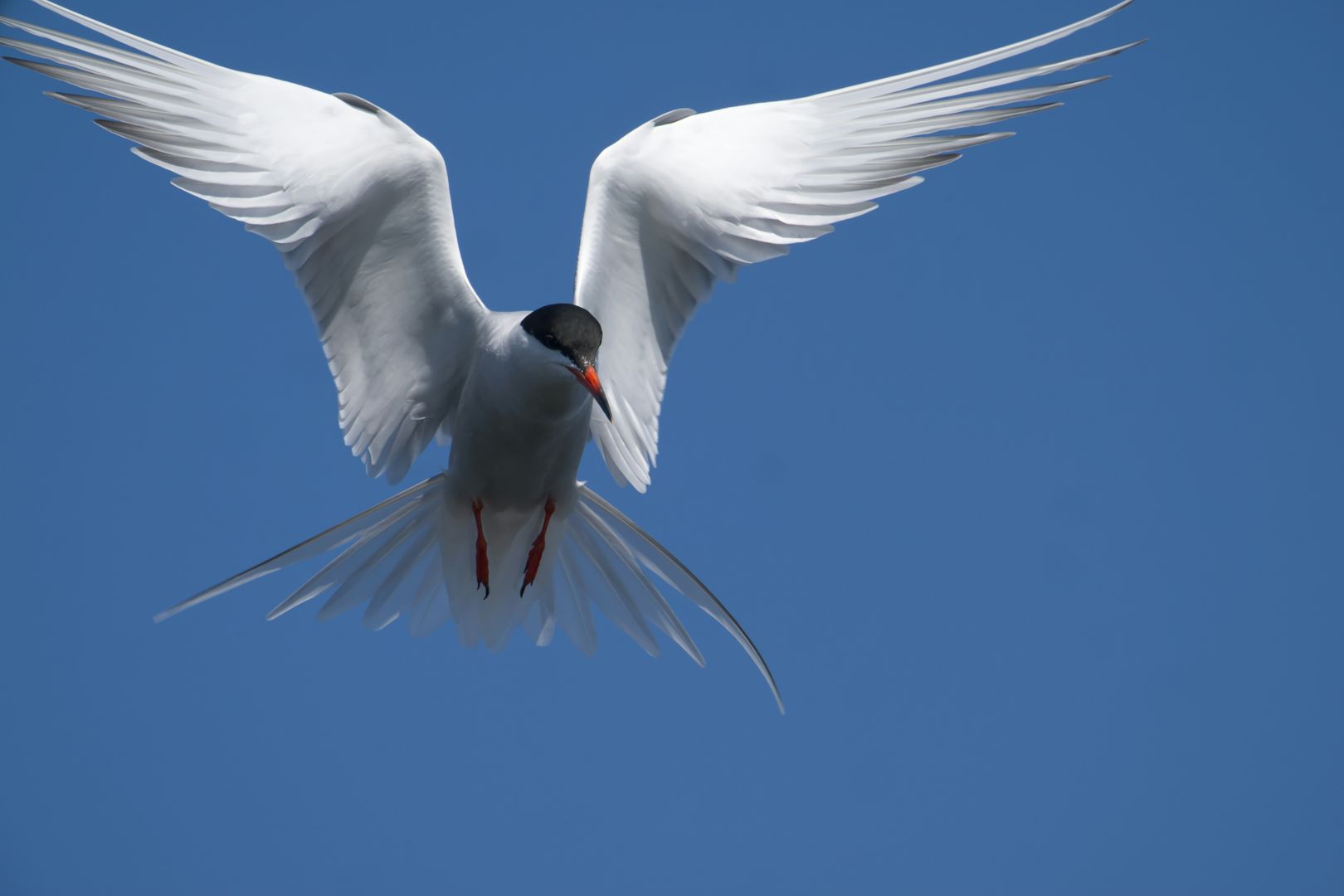
2. Bar-Tailed Godwit
The arctic tern stops to eat. The bar-tailed godwit doesn't. In October 2022, a godwit known as B6, only about four months old, left Alaska on October 13 and landed in Tasmania on October 24. That's 8,425 miles (13,560 km) over the Pacific in 11 days without a single break, which the USGS calls the longest documented nonstop flight by any animal.
To pull it off, godwits bulk up in Alaska before they leave and burn through that fuel in the air. B6 did this on its very first migration with no parent to follow.
Meanwhile most of us use a GPS to find a store we've been to a dozen times.
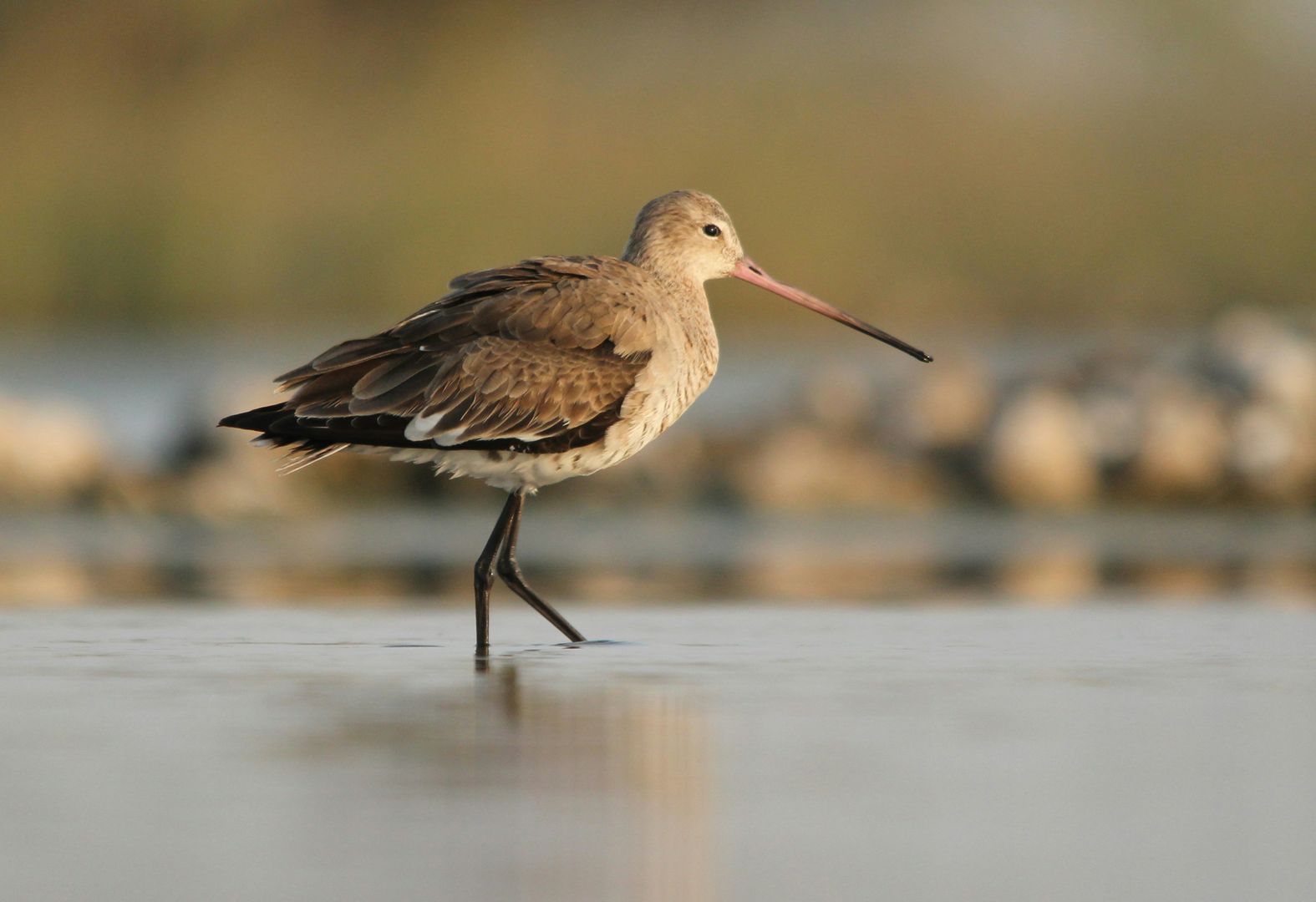
3. Common Swift
How long can birds fly? For the common swift, the honest answer is "most of the year."
Researchers at Lund University tracked 13 swifts and found some spent 99.5 percent of their 10-month nonbreeding period in the air, and a few never landed at all, according to BBC Science Focus.
They even eat in flight and may even sleep while gliding.
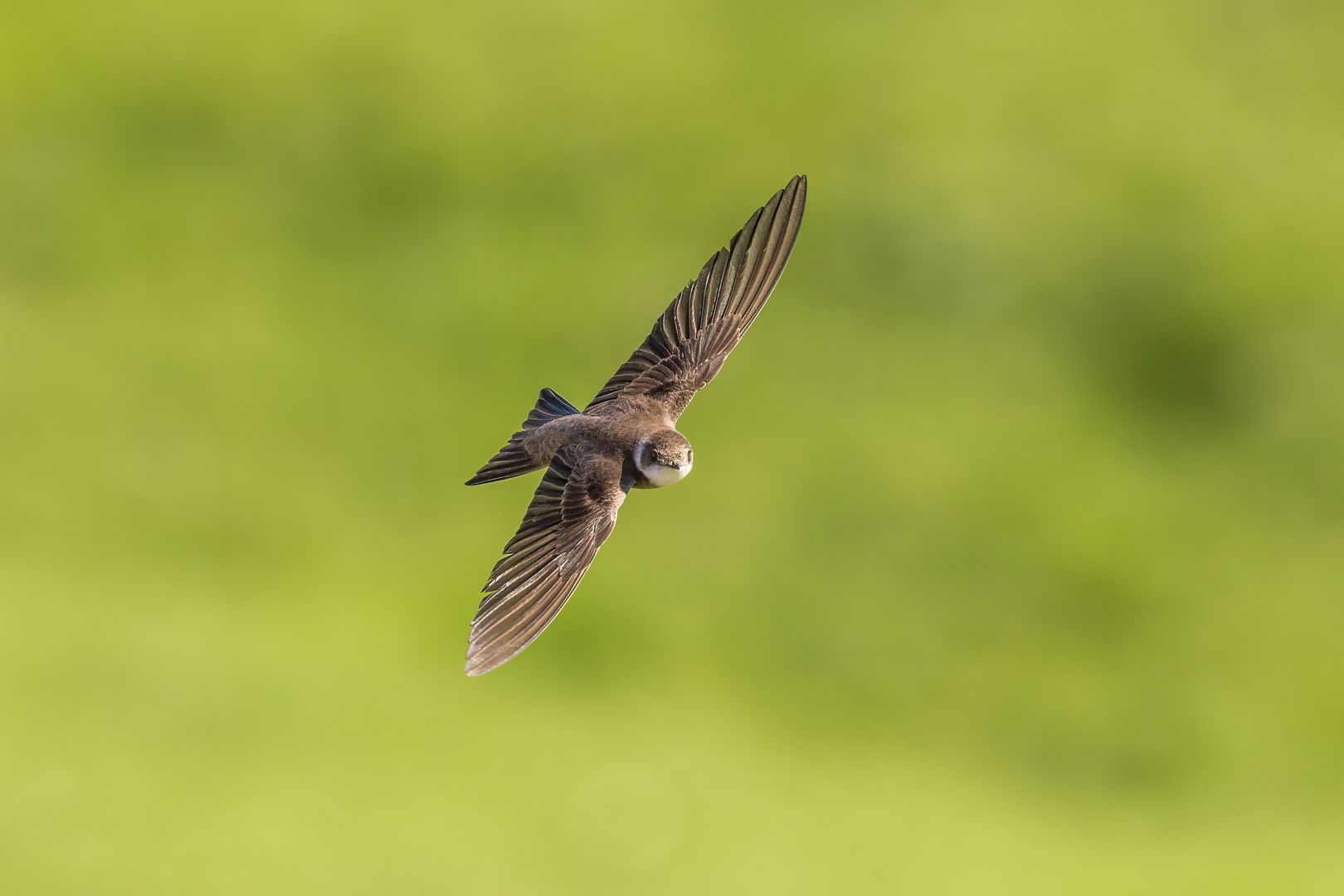
4. Sooty Shearwater
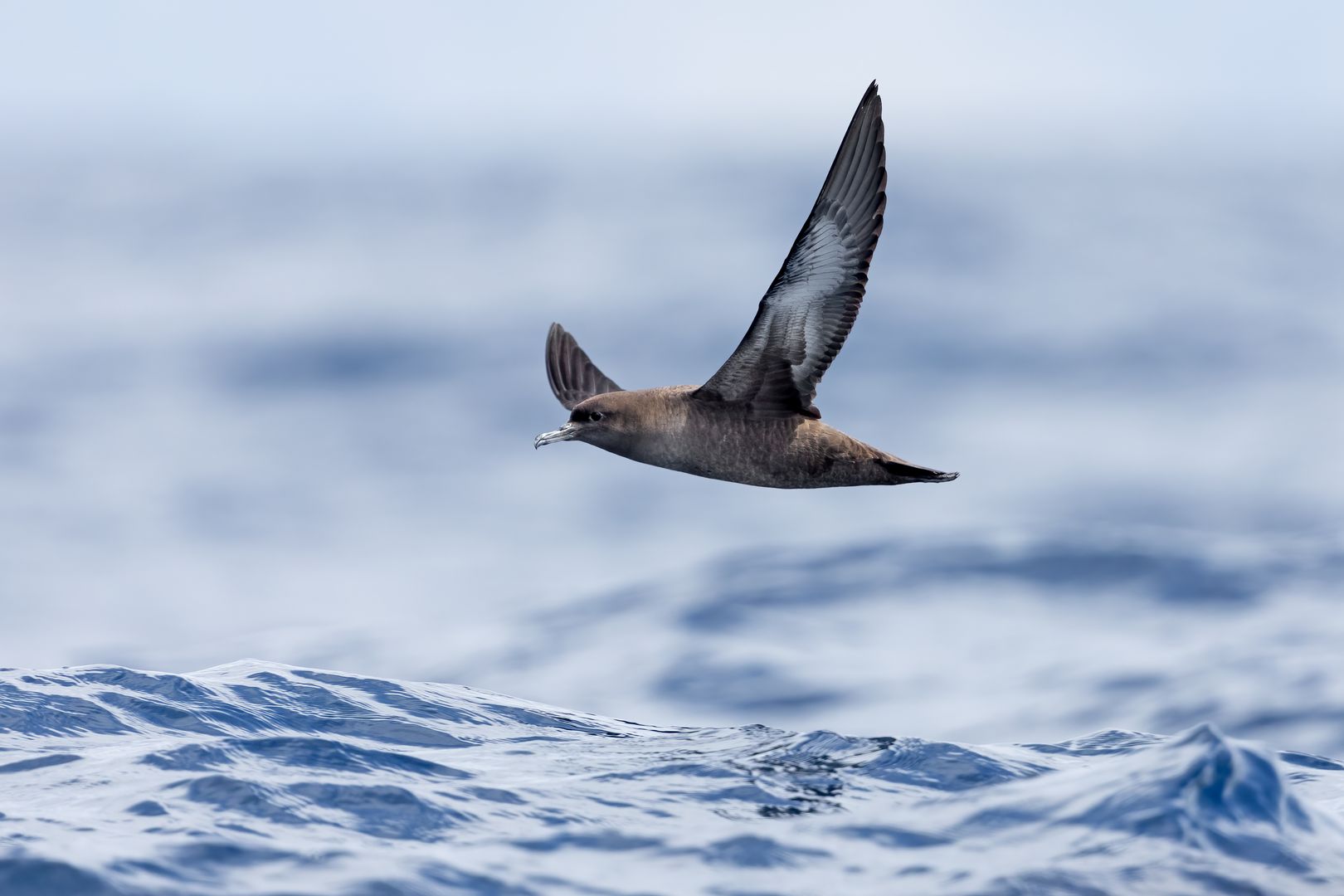
Sooty Shearwaters breed in New Zealand and Chile, then trace giant figure eights across the entire Pacific.
A UC Santa Cruz-led tracking study clocked their annual loop at about 65,000 km (39,000 miles), chasing an endless summer of food from one hemisphere to the other.
Seabirds spend their lives feeding at sea, and that's exactly where our plastic ends up. CSIRO researchers estimated that 90 percent of seabirds alive today have eaten plastic, and projected that 99 percent of seabird species will be affected by 2050. You can't personally fix the Pacific, but you can skip the plastic-wrapped produce, bring your own bags, and pick the brand with less packaging.
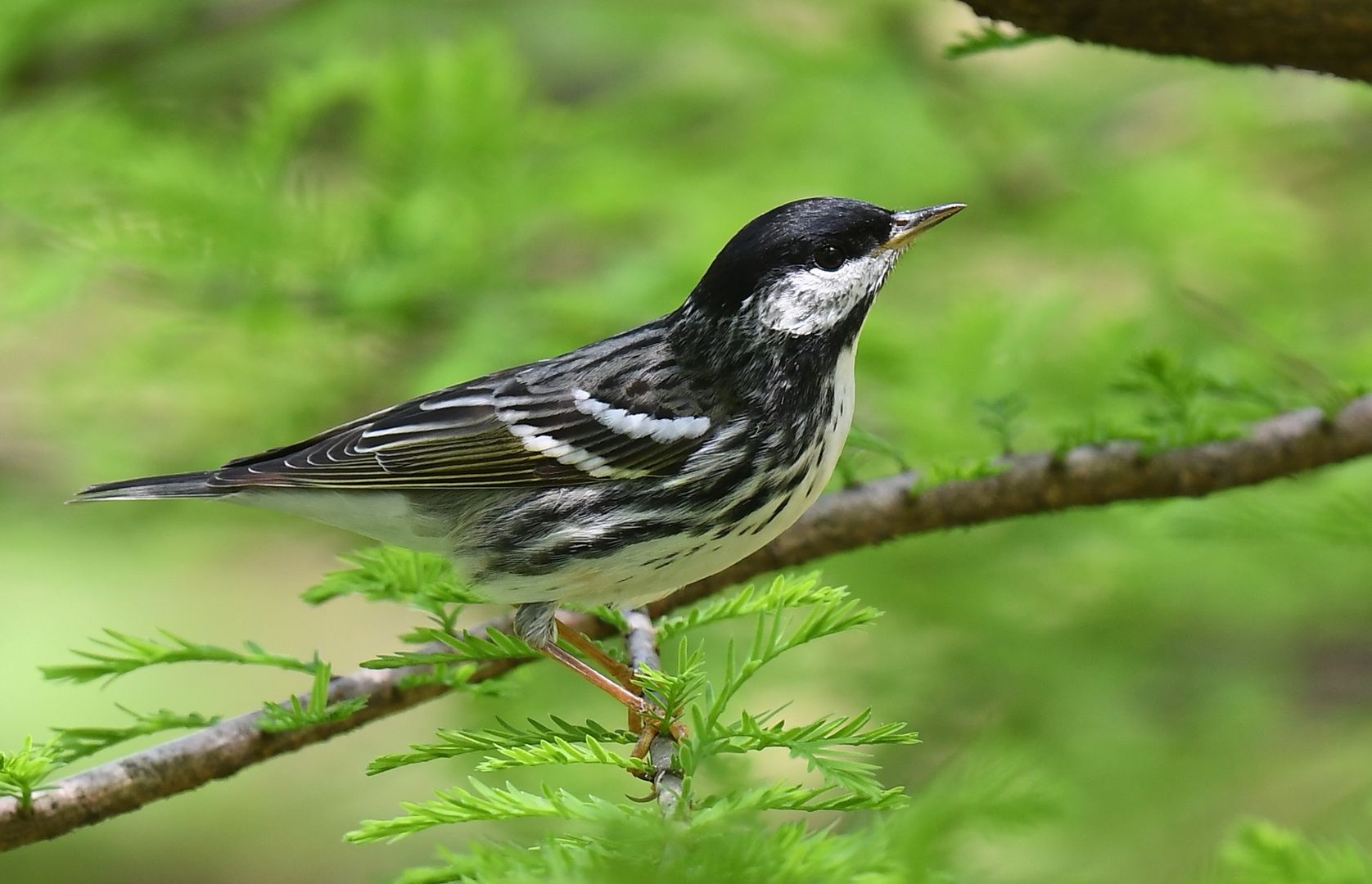
5. Blackpoll Warbler: The Tiny Ocean-Crosser
Blackpoll warblers weigh about 12 grams, roughly the same as two Canadian loonies. Every fall, many leave the northeastern U.S. and Atlantic Canada and fly straight out over the Atlantic toward South America. A University of Guelph-led study confirmed they cover 2,270 to 2,770 km nonstop in about two and a half to three days. For a songbird that size, it's one of the boldest commutes on the planet.
These birds really know how to wing it.
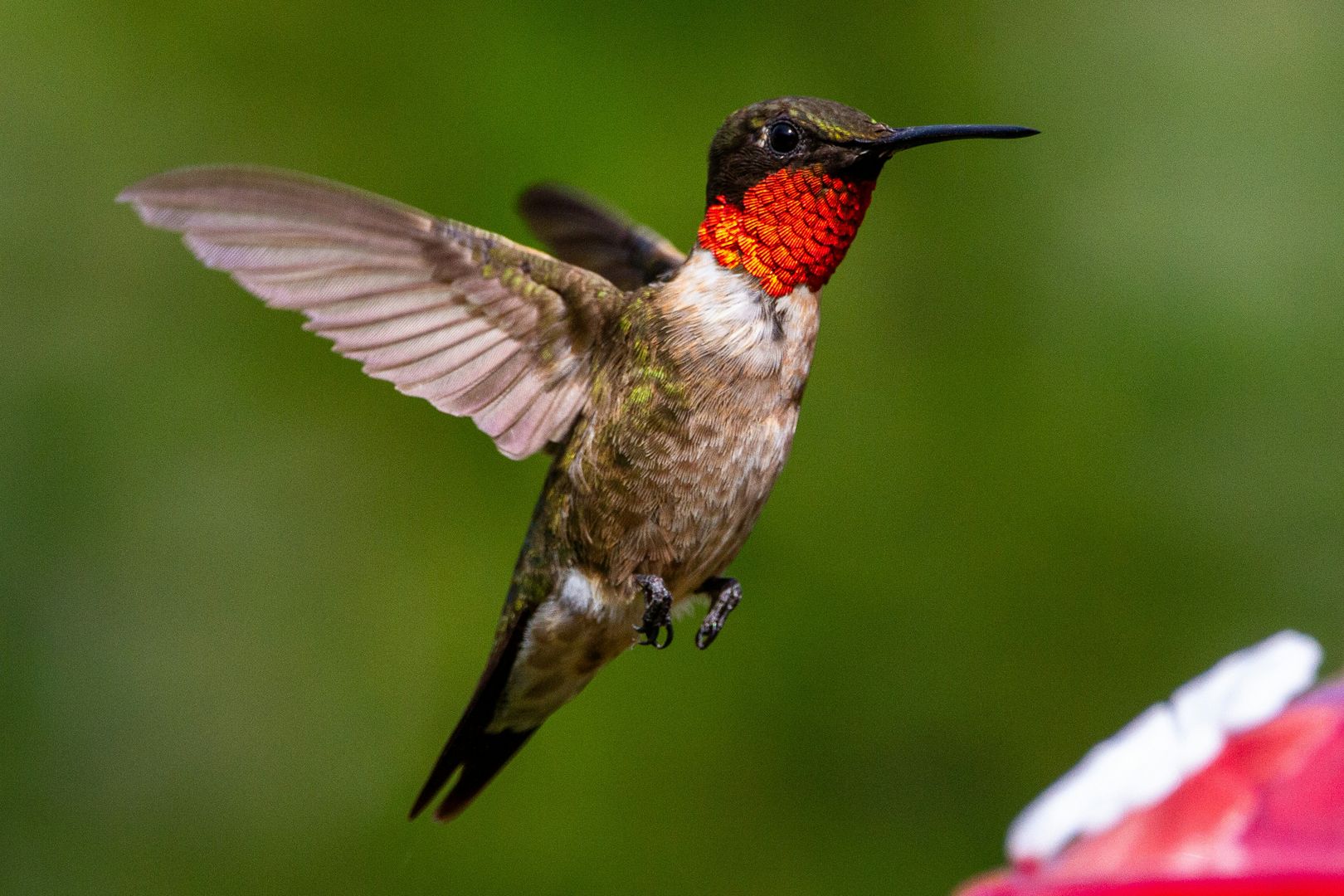
6. Ruby-Throated Hummingbird
The ruby-throated hummingbird weighs about as much as a penny, yet some fly nonstop across the Gulf of Mexico, a 500-mile flight, according to Audubon.
To prepare, they double their body mass in fat. If you've ever topped off a feeder in September, you were basically running a fuel stop.
Our guide to when hummingbirds migrate has the full timeline.
Why Fly That Far?
Long-distance migrants are chasing food and daylight. Breeding in the far north means long days and a summer buffet of insects. Heading south (or all the way to the other pole) means escaping winters that would kill them.
We get into the trade-offs in why birds migrate. And if you're wondering how a four-month-old godwit finds Tasmania without a map, that's the subject of how migrating birds know where to go. Plenty of the same record-breakers are on the move during fall bird migration, too.
Frequently Asked Questions
How long can birds fly without landing?
Common swifts win this one. Some tracked swifts stayed airborne for their entire 10-month nonbreeding period without landing once.
What arctic bird has the longest migration?
The arctic tern, which breeds in the Arctic and winters in Antarctica. The bar-tailed godwit, which nests in Alaska, holds the separate record for the longest nonstop flight.
Which North American songbird has the longest migration over water?
The blackpoll warbler is a standout. It flies nonstop over the Atlantic Ocean for up to about 2,770 km in roughly three days on its way to South America.
What have you seen this migration season?
Tell us in the comments or through the Sparkbird App, available in the Apple App Store.
- Related: How to Use the Sparkbird App
And just remember— somewhere over the Pacific a godwit is on day 8 with no snacks. Remember that when your flight only gives you a snack bag of pretzels. You'll probably be fine.


No comments yet.