
Spring gets all the press, with May warblers and crowded boardwalks, but fall bird migration in Ohio is the underrated sequel.
Fall bird migration in Ohio runs from late summer into December. And the Lake Erie shoreline in northwest Ohio is the place to be.
Why Lake Erie Makes Ohio a Migration Hotspot
Small songbirds don't love crossing big water, and Lake Erie is a big obstacle. The Cleveland Museum of Natural History's migration explainer describes the lake as a 241-by-57-mile barrier that makes birds stop along the shore and in coastal wetlands to rest and refuel.
In spring, up to 20 million birds can pass over northern Ohio in a single night dubbing northwest Ohio has earned the nickname "Warbler Capital of the World."
The logic flips in the fall. Birds coming south from Canada cross the lake (or skirt around it) and pile up on the Ohio side, hungry and tired. That's great for you, and a lot of work for them. Ohio sits within the Mississippi Flyway, one of the four administrative flyways in the U.S., so you get a steady stream of everything from warblers to waterfowl. For how Ohio fits into the national picture, our guide to [fall migration across the U.S.] covers the whole country.
When Is Bird Migration in Ohio? A Fall Timeline
The best fall timing breakdown for Ohio comes from the Black Swamp Bird Observatory's fall migration timing guide, which draws on decades of banding at Navarre Marsh. Here's the condensed version.
Late June through August. Shorebirds start early. Adults come through first, with juveniles following weeks later, and the shorebird season stretches all the way into early December. Late August also brings the first warblers, like Yellow, Chestnut-sided and Tennessee.
September. This is the big one. BSBO calls September "the biggest month for fall warbler migration," with the most variety in the first three weeks. Broad-winged Hawks move mainly this month too. Blackpoll Warblers are abundant in late September and early October, mostly close to Lake Erie.
October. Warblers are past peak, but Yellow-rumped Warblers stay common through the month and into November, and Palm Warblers hang around late. Sparrow migration becomes a major feature, with White-throated Sparrows arriving from late September through October. Golden-crowned and Ruby-crowned Kinglets, Hermit Thrushes and Winter Wrens peak. Dabbling ducks pick up from late September onward.
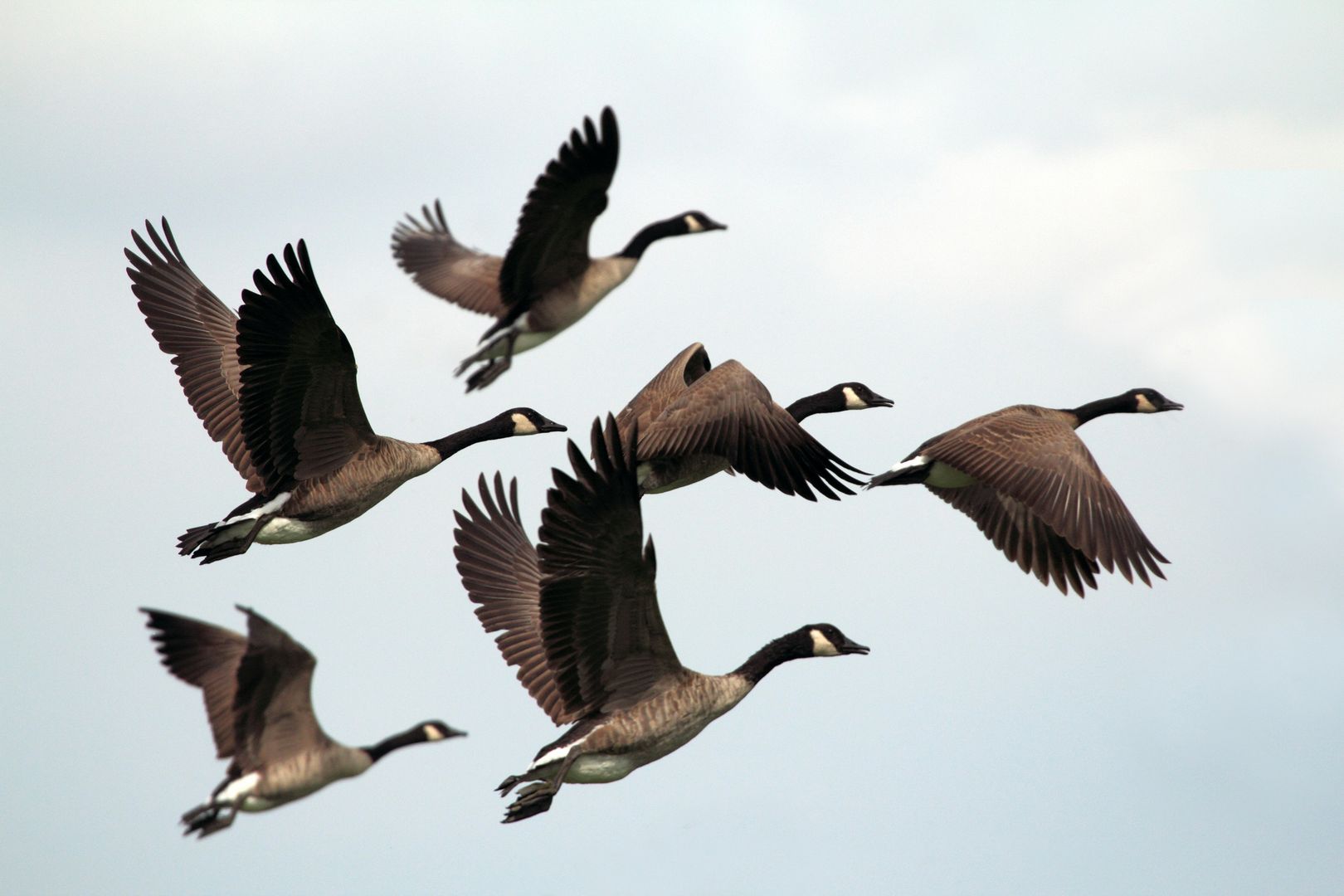
November. Red-tailed Hawks can push through in late October and November. Northern Saw-whet Owls move through in significant numbers in late October and November, and Rusty Blackbirds pass mainly in late October and November. Waterfowl is the main event, with many ducks, geese and Tundra Swans peaking this month. Diving ducks move from the end of October into early December.
December. Sandhill Cranes have been migrating later in recent years, and BSBO says their peak passage through Ohio is now often in December.
- Related: Ohio Bird Watching Groups
Warbler Migration in Ohio: The Fall Edition
If you only care about one thing in Ohio birding, warbler migration is probably it. Fall warbler migration in Ohio is quieter than the May circus, but it's still excellent, and you'll have more boardwalk to yourself.
The catch is that fall warblers are harder. Many have traded their bright spring outfits for muted yellows and olives, and the young birds hatched this summer look like they got dressed in the dark. (Honestly, relatable.) Our guide to [confusing fall warblers].
A few highlights to watch for in Ohio's warbler season:
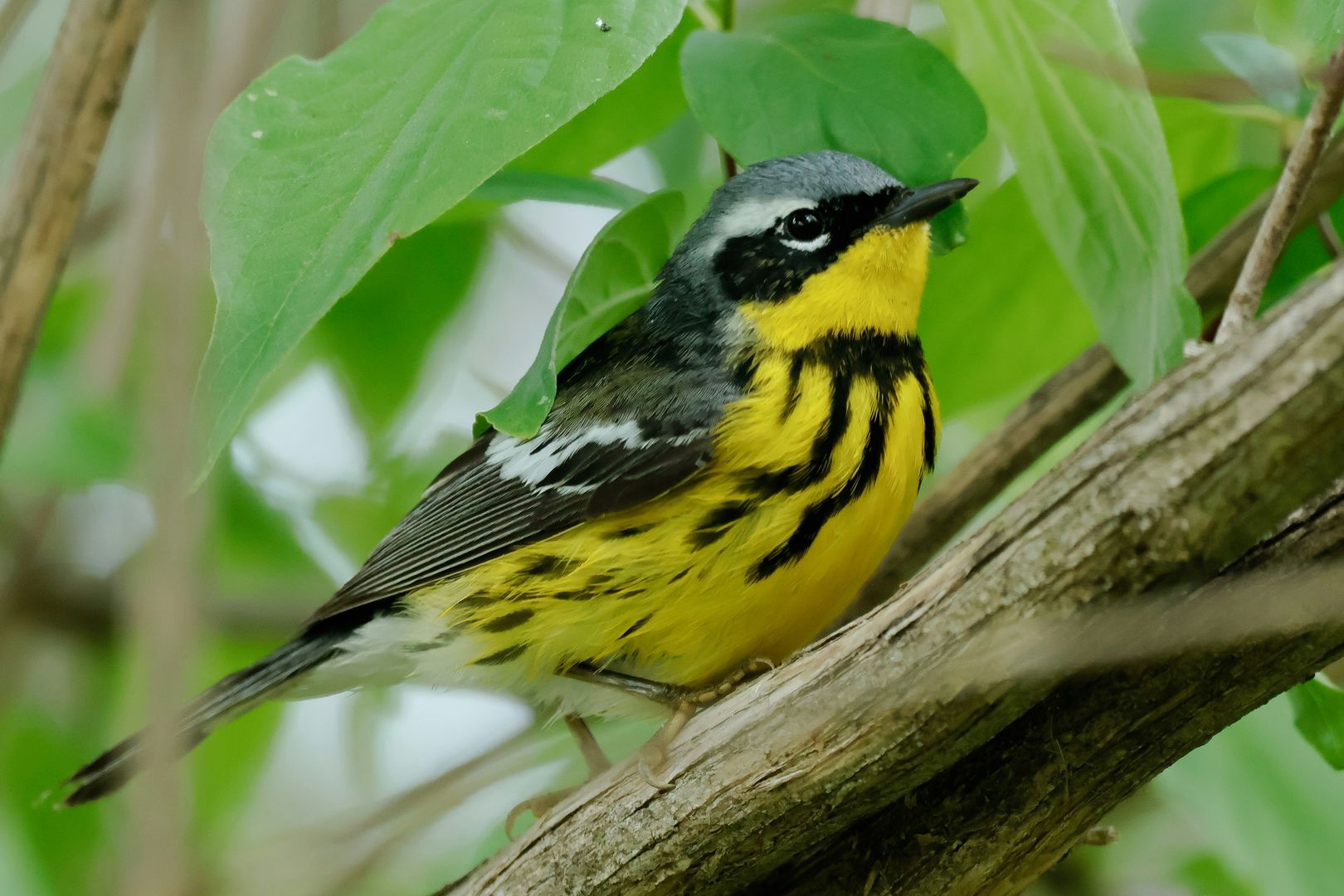
Magnolia Warblers are regulars at Magee Marsh in mid-September. Blackpoll Warblers are abundant along the lake in late September and early October, and they're worth a moment of respect. According to The Nature Conservancy's guide to Ohio migrations, Blackpolls make an 1,800-mile direct flight across the Atlantic. That's the warbler equivalent of a red-eye with no snack service. Yellow-rumped Warblers are the last ones standing, common into November.
For the full warbler calendar beyond Ohio, see our guide to [when and where to see the most warblers].
Where to See Migratory Birds in Ohio This Fall
Magee Marsh Wildlife Area
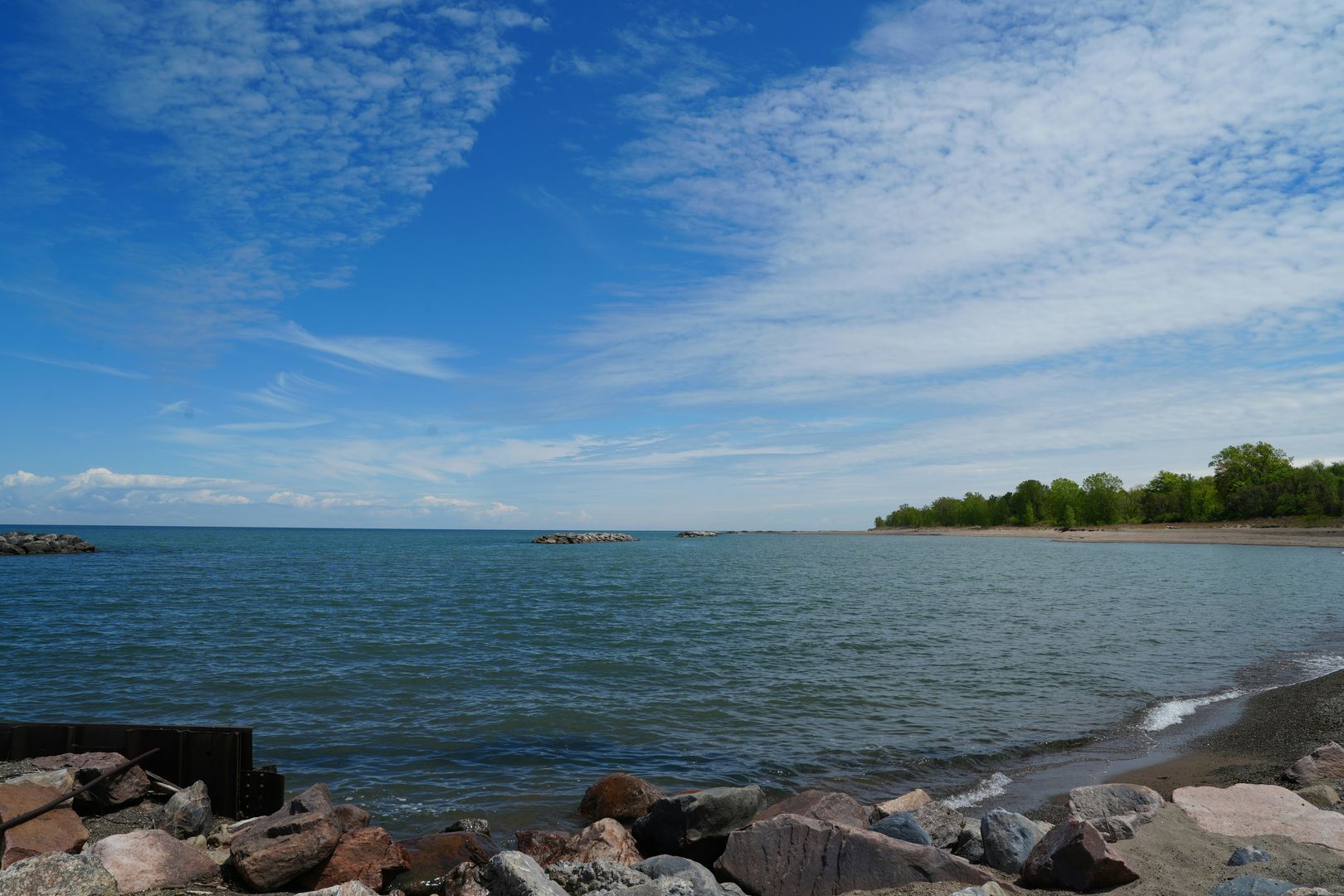
Magee's boardwalk crosses about 7 acres of woodland on a beach ridge between Lake Erie and the marshes, according to the Biggest Week in American Birding's location guide. It's one of the most famous birding sites in North America in May. In September, it's the same habitat with the same tired migrants dropping in after crossing the lake, minus the crowds.
Black Swamp Bird Observatory
BSBO sits at the entrance to Magee Marsh in Oak Harbor and runs the long-term banding studies at Navarre Marsh that drive most of what we know about Ohio's fall timing. Its visitor center is open Fridays through Sundays from 11 a.m. to 4 p.m. year-round, plus Mondays in September. Stop in, ask what's being seen, and buy a sticker. (Supporting your local bird observatory counts as birding. I've decided.)
Ottawa National Wildlife Refuge
Next door, Ottawa National Wildlife Refuge covers more than 5,000 acres of managed wetlands, forests and prairies. The seven-mile Wildlife Drive only opens on select dates, and the fall 2026 schedule includes October 10 to 12, November 26 to 29, and December 6, 12 and 13. Expect Bald Eagles, Sandhill Cranes, pelicans and ducks. High wind and flooding can close it, so call the refuge before driving out.
Cleveland's Lakefront
If you're in northeast Ohio, the Cleveland Museum of Natural History points to the Cleveland Lakefront Nature Preserve, Wendy Park, Sandy Ridge Park and Mentor Marsh State Nature Preserve. Wendy Park's 22 acres of cottonwoods sit right where tired migrants make landfall.
The Detroit River Hawk Watch (Yes, It's in Michigan)
I know. An Ohio guide sending you to Michigan. Put the football rivalry aside for one afternoon. The Detroit River Hawk Watch at Lake Erie Metropark, just over the line in Brownstown, Michigan, is one of the premier fall hawk sites in North America. This year, counters logged nearly 36,000 Broad-winged Hawks on September 18 and another 31,963 on September 21, according to FOX 2 Detroit's hawk watch report. October brings Red-shouldered, Red-tailed and Cooper's Hawks plus Turkey Vultures, and November brings Golden Eagles and Rough-legged Hawks.
Birds Migrating Through Ohio Now
If you're reading this in early to mid-October, migratory birds in Ohio are kinda all over the place. Warblers mostly past peak but Yellow-rumps everywhere. There's a big wave of sparrows (White-throated, plus Fox Sparrows later in the month).
Kinglets are in every shrub, and Hermit Thrushes on the trail edges. Hawks shifting from Broad-wings to Red-tails, and dabbling ducks building on the marshes. A cold front with north winds overnight is your signal to get out early the next morning.
You don't need new gear to see any of it. But if you need a pair of bioculars, and your library doesn't have a loaner pair, our budget binoculars guide keeps it under control.
Ohio Lights Out and the Lake We All Share
Fall migration has a dark side in Ohio's cities. Lights Out Cleveland started patrolling downtown in 2014, and in its first four seasons, volunteers collected about 5,000 dead or injured birds that had hit buildings. About 1,600 survived rehab and were released. Its volunteers have patrolled downtown from 5 a.m. to 8 a.m. during fall migration, roughly mid-August through October.
The lake itself needs help too. Researchers at the Rochester Institute of Technology estimated that 22 million pounds of plastic enter the Great Lakes every year, and Lake Erie takes about 2,500 metric tons of it, the second most of any Great Lake. That's the same shoreline the birds are landing on. This is where you get a vote with your wallet.
Skip the plastic-wrapped snack packs for your birding trip, bring a reusable bottle, and buy the stuff that comes in less packaging. Consumers really can be the change here, one granola bar at a time.
What birds have you seen this migration season?
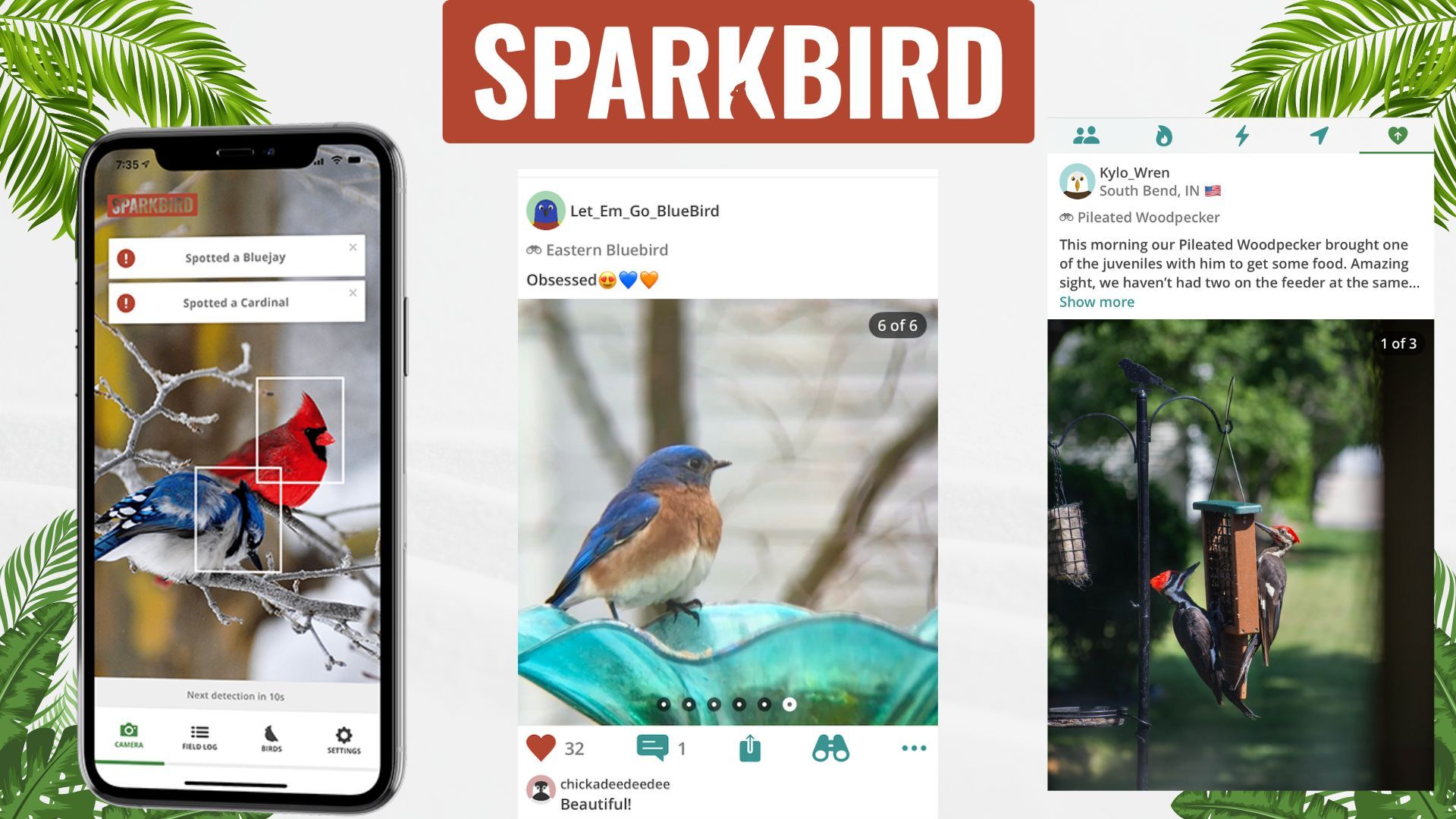
Tell us in the comments or post a picture in the Sparkbird App.
- Related: How to Use the Sparkbird App

No comments yet.