
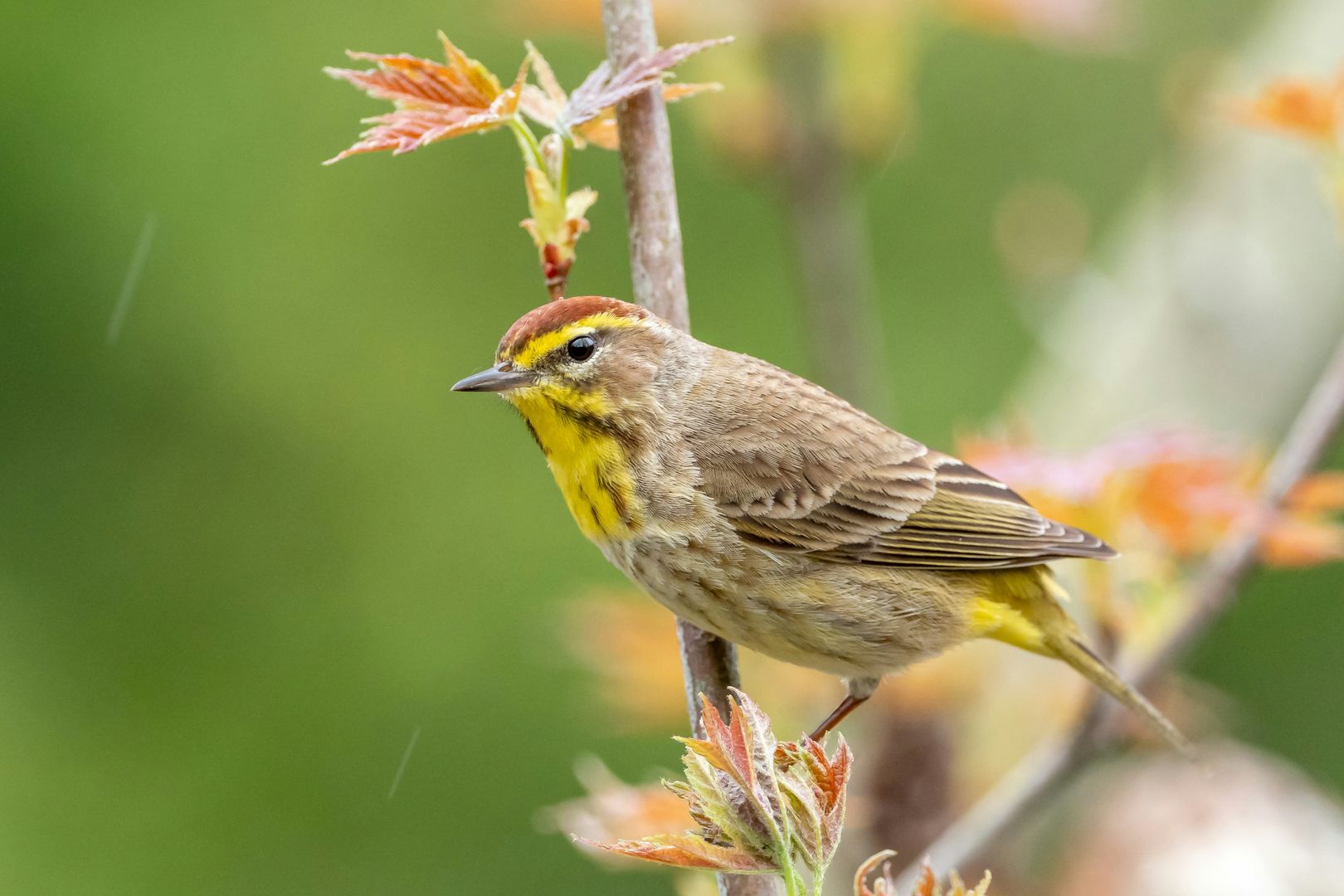
Ohio has more than 20 active bird watching clubs. That's a solid number for a state whose unofficial flower is the orange construction barrel. You'll pass several on the way to the marsh. They migrate too, just more slowly.
The good news is that the bird watching groups in Ohio are cheap. Whether you want a Tuesday evening program or a boardwalk in May with thirty warblers on it, it's below.
Why Join a Bird Watching Group at All
Solo birding has real advantages. What a club gives you is someone who knows where the birds are this week. That matters more here than in most states.
Migrants pile up on the Lake Erie shoreline in early May because they won't cross open water until conditions are right. Which woodlot is loaded on which morning is knowledge that lives in people, not databases.
Clubs are also the front door to community science. The Christmas Bird Count runs December 14 to January 5 every season and has done since 1900, and nearly every Ohio count circle is run by a group below. Beginners get paired with someone experienced.
Try before you buy
FYI a decent pair of binoculars for birding runs from $150 to well past $500, and you don't need any of them this week. The Ottawa National Wildlife Refuge visitor center lends binoculars and field guides free.
Borrow before you buy, go on a few walks, then decide.
Statewide Bird Watching Groups in Ohio
Ohio Ornithological Society (OOS)
The only statewide organization devoted specifically to wild birds. OOS publishes The Ohio Cardinal, maintains the official state checklist, funds grants and youth scholarships, and runs regional director bird walks. Its annual meeting doubles as a symposium, the next one on November 21 at the Lake Erie Nature & Science Center in Bay Village, built around gull identification.
It also sponsors the free Ohio-Birds mailing list, hosted at Miami University, open to anyone and over a thousand subscribers deep. That's still where Ohio rare bird reports circulate.
Ohio Bird Records Committee (OBRC)
The nine-member committee that validates rare bird records and maintains the official Ohio state list. It reviews documentation rather than sightings, a distinction worth understanding before you submit. A photo, recording, specimen, or full written description is what gets looked at.
Audubon Great Lakes
National Audubon's regional conservation office for Illinois, Indiana, Michigan, Ohio, and Wisconsin. A policy and habitat organization rather than a walk-leading club, its Ohio presence runs through two staffed centers, Grange Insurance Audubon Center in Columbus and Aullwood Audubon near Dayton.
Magee Marsh and the Biggest Week in American Birding
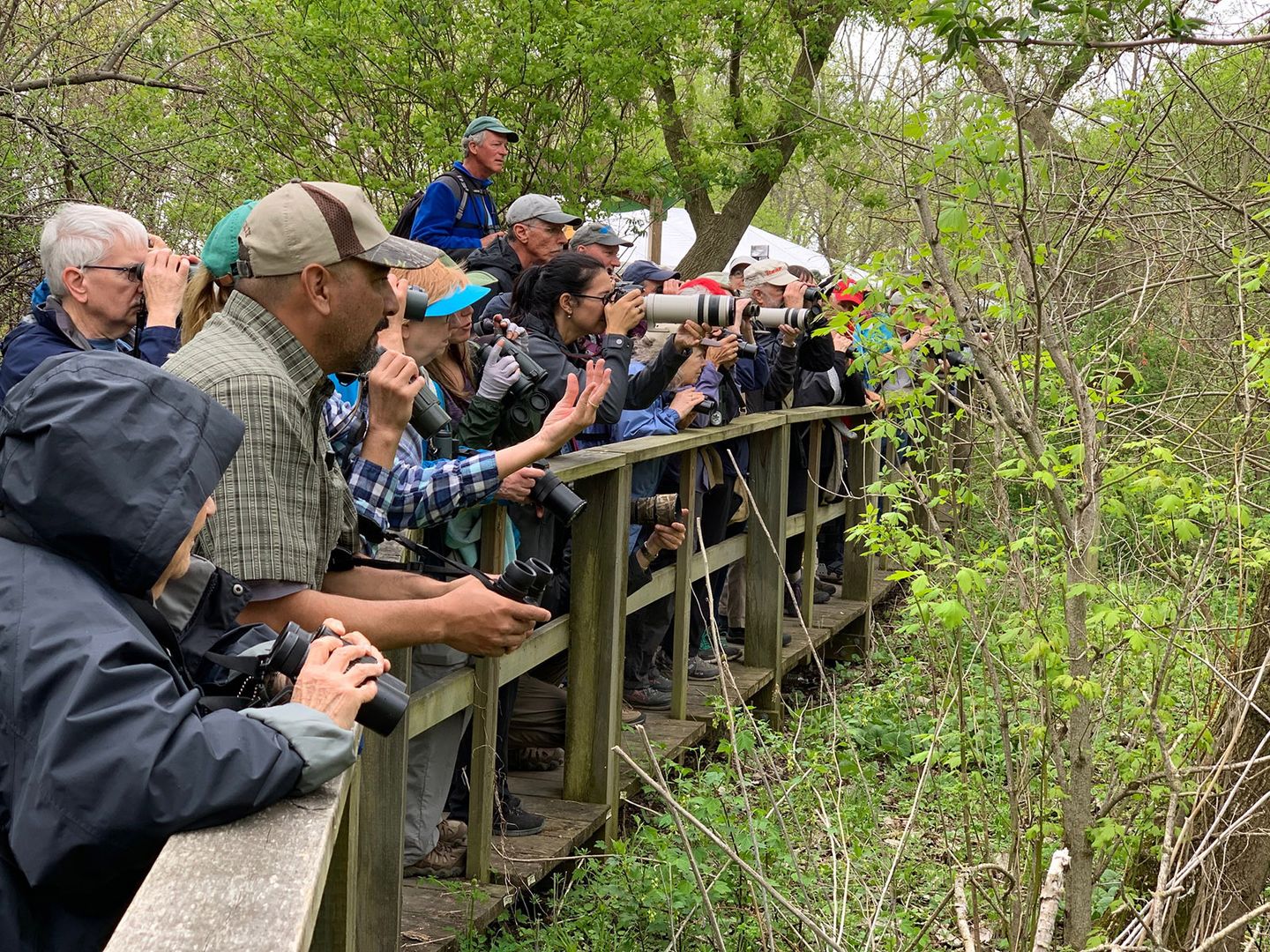
If you do one thing in Ohio, do this one. The Lake Erie shoreline in early to mid May is arguably the best warbler watching in North America, and the boardwalk at Magee Marsh is where it happens. It's also genuinely crowded.
Magee Marsh Wildlife Area - Ottawa County, near Oak Harbor
Managed by the Ohio Division of Wildlife. Boardwalk and trails open year round sunrise to sunset at no charge, and the area closes nightly at sundown with no overnight parking. The boardwalk takes wheelchairs and walkers; only service dogs are allowed on it.
Two things to plan around. From May 1 to 15 tripods must be used as monopods, and parking is allowed only in designated lots. Those fill early on good May mornings. Access is restricted during controlled waterfowl hunts, early October to mid December. The visitor center opens mid March through October, weekdays 10am to 3pm and weekends 10am to 4pm.
Black Swamp Bird Observatory (BSBO) - Oak Harbor, at the Magee Marsh entrance
A research and education organization at 13551 W. State Route 2, right at the entrance road to Magee. BSBO runs the Navarre Marsh Banding Station inside Ottawa National Wildlife Refuge, one of the continent's largest songbird banding operations, averaging about 6,000 spring and 5,000 fall captures a year.
It also runs the morning flight count and the Ohio Young Birders Club. Important for planning: the visitor center is closed until further notice for renovation.
The Biggest Week in American Birding
Ten days built around peak warbler migration, founded and organized by BSBO, headquartered at Maumee Bay Lodge in Oregon. The next running is May 7 to 16, 2027.
You don't have to register to attend. The public wildlife areas stay free and open, guides are stationed along the Magee boardwalk, and you can simply turn up and bird. Registration covers the programs, workshops, van trips, and socials. Standing on the boardwalk looking at warblers is free.
Ottawa National Wildlife Refuge - Ottawa and Lucas Counties
Next door to Magee, run by the U.S. Fish and Wildlife Service, and explicitly free. Trails open dawn to dusk; the visitor center opens Thursday through Sunday 10am to 4pm, lending binoculars, field guides, and a track chair.
The Wildlife Drive is the catch. It runs on scheduled dates, mostly weekends, and gates close an hour before sunset, so check the refuge calendar first.
Metzger Marsh Wildlife Area - Lucas County
558 acres twenty miles east of Toledo off State Route 2, adjoining 182 acres of refuge land. The woodlot beside the parking lot is the April and May draw; the causeway and pier give you open water. Free, but waterfowl hunting happens here, so check the season in autumn.
Bird Watching Groups in Northwest Ohio
Toledo Naturalists' Association (TNA) - Toledo and Northwest Ohio
Broad natural history rather than birds alone, with a long-running field trip program. Their own site is clear that all TNA events are open to the public as well as members unless an event says otherwise.
Firelands Audubon Society - Erie and Huron Counties, plus Marblehead
The chapter for the Sandusky end of the lake, within reach of both the marsh region and the central basin shoreline. Field trips, talks, and workshops for all levels, $15 per person a year.
Tri-Moraine Audubon Society - Lima and the northwest interior
The chapter for the part of northwest Ohio that isn't shoreline. Field trips and environmental education, including a summer picnic at Kendrick Woods. Event details live on their Facebook calendar, not the website.
Bird Watching Groups in Cleveland and Northeast Ohio
Kirtland Bird Club - Cleveland and Northeast Ohio
Founded in 1940 and still the serious birders' club of northeast Ohio. Monthly speaker meetings and field trips September through June, all regular programs free. Membership is optional: $10 student, $20 single, $30 household.
Western Cuyahoga Audubon Society (WCAS) - West side of Cleveland
A spring bird walk series, monthly speakers, a book club, and the Lakewood Circle Christmas Bird Count. Their birding hotspot index is worth reading before you pick a west-side park.
Audubon Society of Greater Cleveland (ASGC) - Greater Cleveland, based in Solon
Four sanctuaries you can visit, a speaker series, junior birder programming, and the Chagrin River Bird Quest. Their calendar was live with autumn 2026 field trips, which not every chapter here can say.
Black River Audubon Society - Lorain County
Established 1958. Monthly speakers September through May at the Carlisle Visitor Center in LaGrange, plus weekly walks and monthly field trips around the state.
Greater Akron Audubon Society - Greater Akron
Chapter meetings, bird walks, the Christmas Bird Count, and a summer census, all open to the public. The website looks dated, but the meeting schedule runs into the autumn 2026 season.
Canton Audubon Society - Stark, Tuscarawas, Coshocton, and Wayne Counties
Speaker programs on the third Wednesday at 7pm at the Exploration Gateway at Sippo Lake, September through May, with pre-meeting walks and first Saturday nature walks year round. Everything they do is open to the public.
Greater Mohican Audubon Society - Ashland, Holmes, Richland, and Wayne Counties
The chapter for north central Ohio's hill and farm country, recognized by National Audubon in 1999. The website is thin on schedule detail, so contact them first.
Bird Watching Groups in Columbus and Central Ohio
Columbus Audubon - Franklin County and Central Ohio
One of the largest National Audubon chapters in the country, close to 3,000 members, with monthly programs on the fourth Tuesday at the Grange Insurance Audubon Center. Their field trip guidance says you don't need to register unless an event says so.
Grange Insurance Audubon Center - Scioto Audubon Metro Park, Columbus
Not a club but a staffed Audubon center at 505 W Whittier St, open 10am to 5pm, and the first built this close to the heart of a major American city. Beginner bird walks, kayak trips, and family programming.
Bird Watching Groups in Cincinnati and Southwest Ohio
Audubon Society of Ohio - Greater Cincinnati
Despite the statewide-sounding name, this is the Cincinnati chapter of National Audubon. Nine monthly evening programs a year at the Sharon Woods visitor center, skipping July, August, and December, plus an annual identification class. Monthly field trips are open to the public and deliberately broad, taking in wildflowers and amphibians too.
Audubon Miami Valley (AMV) - Butler and Preble Counties
The Oxford-based chapter covering the Miami University end of southwest Ohio. Membership starts at $20 for students and $35 for an individual. Their calendar page is sparse, so email before you drive to a program.
Bird Watching Groups in the Dayton Area
Aullwood Audubon - 1000 Aullwood Road, Dayton
A National Audubon center and working farm north of Dayton, drawing over 120,000 visitors a year. Open Wednesday through Saturday 10am to 5pm and Sunday 11am to 5pm, closed Monday and Tuesday, last admission 4pm. Programs and trails rather than a membership club.
Dayton Audubon Society - Greater Dayton
Still a listed National Audubon chapter, and membership is $20. Read this one with care. The events and field trip pages haven't been updated in years, the most recent posted trip dating to 2020. Meetings historically ran Wednesday evenings at the Woodbourne Library in Centerville and at Aullwood. Email before you go.
Bird Watching Groups in Southeast Ohio and the Hocking Hills
This is the honest gap in Ohio's club map. The Appalachian foothills have no National Audubon chapter, and no independent club with a live public schedule turned up during verification. The region isn't birdless. Your organized options are just statewide ones.
Ohio Young Birders Club (OYBC) - Southeast Chapter and six others
A Black Swamp Bird Observatory program for birders aged 12 to 18, founded in 2006, running seven regional chapters including a Southeast chapter with its own advisors and trips. The eighteenth annual conference is set for November 7 at the Grange Insurance Audubon Center. If you have a teenager who has started noticing birds, start here.
Wayne National Forest - Southeast Ohio
Over a quarter of a million acres of Appalachian foothill forest, managed from ranger districts in Nelsonville and Ironton. Not a club, but the largest block of public land in the region and the practical answer to where to bird down here.
For organized outings down here, Ohio Ornithological Society regional bird walks and the Ohio-Birds list are the most reliable way to find company.
Other Ornithology and Research Groups in Ohio
Ohio Bird Conservation Initiative (OBCI)
A collaboration of nonprofits, businesses, agencies, and citizens working on bird conservation statewide. Its most visible public program is Ohio Lights Out, aimed at collision risk to migrants in cities.
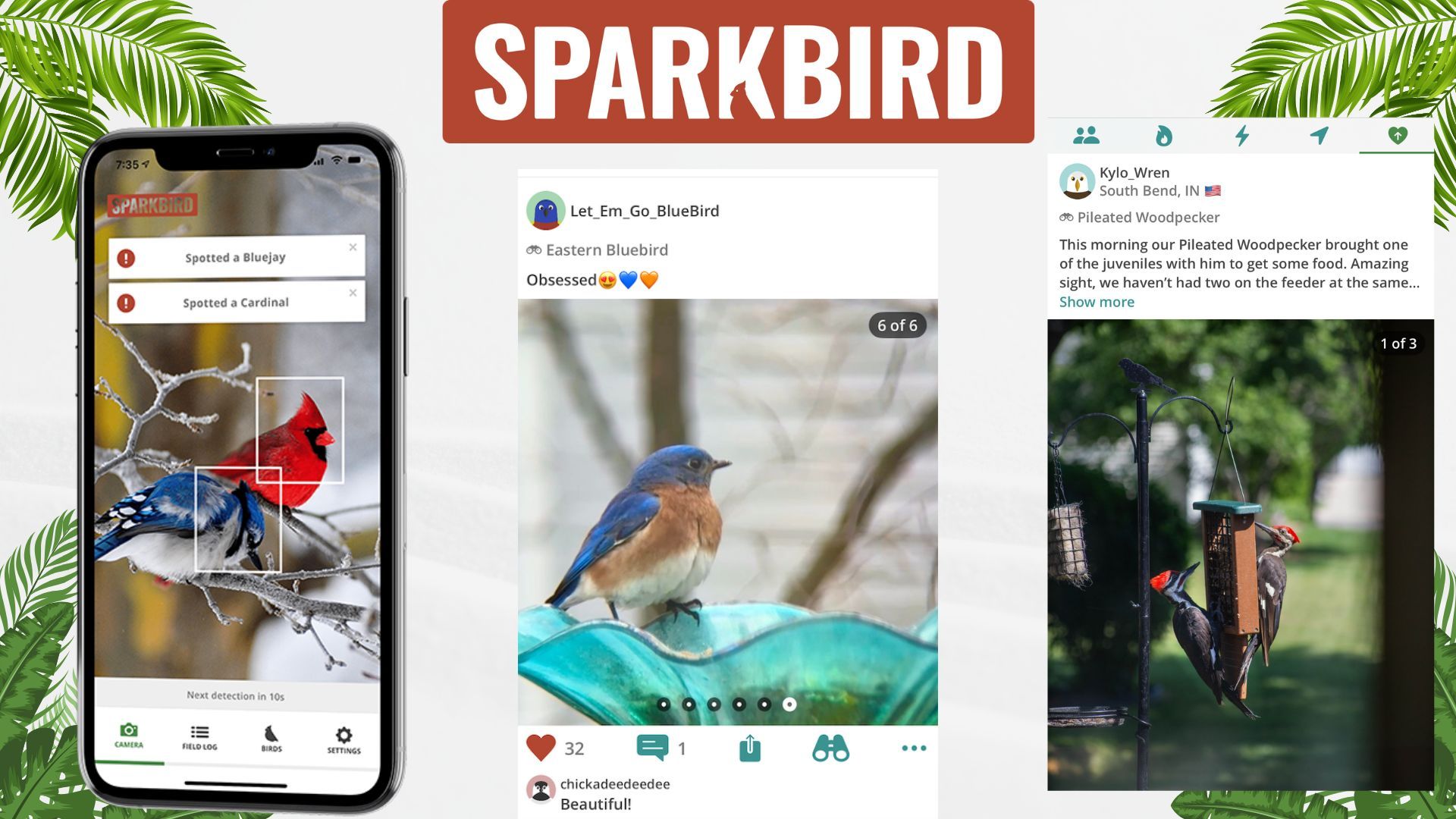
Sparkbird App - Community
We built Sparkbird for people who want a friendly community of fellow birders. Track your life list, get identification help, and meet people who also stop mid-conversation to look at a tree.
Where to Go Birding in Ohio
Magee, Ottawa, and Metzger are covered above. These carry the rest of the year and the rest of the state. Ohio state parks charge no admission and no parking fee, which isn't true everywhere. Wildlife areas and state forests are free too, but managed for hunting, so check the season and wear blaze orange in autumn.
- Maumee Bay State Park (Lucas County) — 1,336 acres on the lake at Oregon, open 6am to 11pm, more than 300 species recorded, and a Bird's Nest observation tower added in 2025. The two-mile accessible boardwalk has been closed for repairs, so check the park page first.
- Headlands Beach State Park (Lake County) — Ohio's largest natural sand beach, free day use, open a half hour before sunrise to a half hour after sunset. The adjoining Headlands Dunes State Nature Preserve protects a rare dune community and is where the rarities turn up.
- Mentor Marsh (Lake County) — A four-mile marsh basin run by the Cleveland Museum of Natural History, a National Natural Landmark since 1966 and an Audubon Important Bird Area. Trails free, dawn to dusk, year round. The nature center on Corduroy Road opens Sundays noon to 5pm April through October, with free 2pm hikes.
- Cuyahoga Valley National Park (Cuyahoga and Summit Counties) — About 250 species recorded, 28 of them of conservation concern, and Bald Eagles nesting since 2006. An Audubon Important Bird Area between two cities, with no entrance fee and no pass required.
- Killdeer Plains Wildlife Area (Wyandot and Marion Counties) — 9,054 acres of prairie remnant, wetland, and pine plantation southwest of Harpster, with a long reputation among Ohio birders as a winter owl destination. Free, but a hunting area first so you gotta check seasons and stay on the roads.
- Big Island Wildlife Area (Marion County) — 5,872 acres five miles west of Marion on State Route 95, with a viewing deck off the highway over prairie and wetland. Bitterns, Northern Harriers, Bobolinks, Upland Sandpipers, and Trumpeter Swans all use it. Free, hunted, and subject to water drawdowns and levee work.
- Hocking Hills State Park (Hocking County) — Hemlock gorges, sandstone cliffs, and the northern-feeling forest birds that come with them. Trails free, open a half hour before sunrise to a half hour after sunset, and the Old Man's Cave visitor center opens 10am to 4pm daily. Camping and shelters need reservations. The adjoining Hocking State Forest adds 9,815 acres and far fewer people.
- Shawnee State Forest (Scioto County) — Ohio's largest state forest at more than 60,000 acres, nicknamed the Little Smokies, with an 8,000-acre wilderness area closed to motorized travel and a 46.4-mile backpack trail. Open 6am to 11pm. A working forest with timber management and hunting, and the best breeding warbler habitat in southern Ohio.
If you'd rather start from your own window while you wait for May, our guide to hummingbird plants for Ohio gardens covers what actually works here.
Ohio Bird Books and Field Guides
A state guide plus one regional reference will carry you a long way. Ask your chapter too; several sell county checklists that never make it online.
American Birding Association Field Guide to Birds of Ohio
Ethan Kistler, photographs by Brian E. Small, published by Scott & Nix. 278 species, 492 photographs, one bird per page, and a full Ohio checklist in the back. The obvious first purchase.

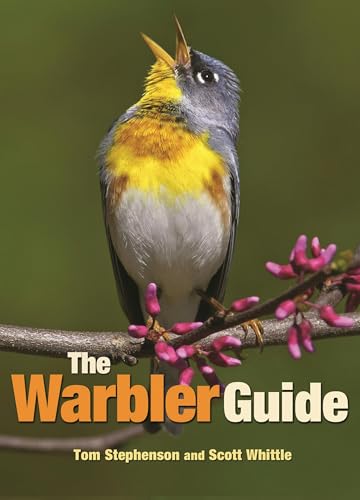
The Warbler Guide
Tom Stephenson and Scott Whittle, Princeton University Press. All 56 warbler species in the United States and Canada, with the undertail views and sonograms no other guide bothers with. In the state that calls itself the Warbler Capital of the World this is less a luxury than a prerequisite, though at 560 pages it stays in the car.
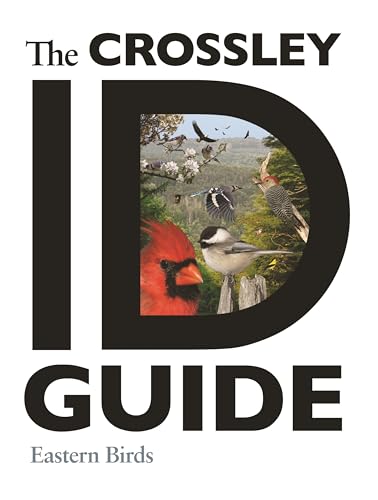
The Crossley ID Guide: Eastern Birds
Richard Crossley, Princeton University Press. 640 composite habitat scenes built from more than 10,000 photographs, showing birds near, far, and in flight. The best book going for learning shape.
A Season on the Wind
Kenn Kaufman's book about one spring on the Lake Erie shore in northwestern Ohio and the science of migration. Kaufman lives in the region, and it's the best explanation in print of why this shoreline matters. Not a field guide. It's also the one book here you'll read cover to cover.
OOS also publishes a free printable Ohio birding checklist with difficulty codes.

Ohio Bird Rescue and Rehabilitation
Always call first. Intake capacity, hours, and species vary, and several of these centers take only raptors or only birds. Ohio has no statewide licensed-rehabilitator directory that reliably loads. The Ohio Department of Natural Resources pages covering wildlife rehabilitation were returning content errors during verification, so call the nearest center below.
Ohio Wildlife Center - Central Ohio
A free wildlife hospital admitting nearly 5,000 native mammals, reptiles, and birds a year. Check their site for the hospital address and hours, and call ahead.
Ohio Bird Sanctuary - Mansfield, Richland County
Birds only, raptors and songbirds, at a site that is also a nature preserve. Open Tuesday through Saturday 10am to 4pm and Sunday noon to 4pm. Phone 419-884-4295.
Medina Raptor Center - Spencer, Medina County
State and federally licensed, taking raptors and native songbirds but not waterfowl or mammals. Phone (330) 591-7300. Prior authorization and an appointment are required before you visit.
Lake Erie Nature & Science Center - Bay Village, Cuyahoga County
28728 Wolf Road, open 9am to 4pm, with a rehabilitation program taking injured and orphaned animals. Call (440) 871-2900.
RAPTOR Inc. - Milford, east of Cincinnati
Birds of prey only, roughly 400 a year, serving Ohio and Kentucky from 961 Barg Salt Run Rd. Phone 513.825.3325. Free open houses the last Sunday of the month, March through November.
Glen Helen Raptor Center - Yellow Springs, Greene County
Native birds of prey, more than 200 animals a year, and the region's only raptor rehabilitation center by its own account. Phone (937) 767-6656.
Brukner Nature Center - Troy, north of Dayton
Native Ohio wildlife including birds, at 5995 Horseshoe Bend Road. Phone (937) 698-6493. Their instruction is explicit: don't bring an animal in before speaking with staff.
Coverage thins in the far southeast. In the Appalachian counties, start with Ohio Wildlife Center and expect a drive.
Frequently Asked Questions
When is the best time to go to Magee Marsh?
Early to mid May, specifically the first 3 weeks. Warblers concentrate on the shoreline because they won't cross open water in poor conditions. Arrive at sunrise. The lots fill early.
Do you need to register for the Biggest Week in American Birding?
Not to attend. The festival's own guidance is that the public wildlife areas stay free and open, guides are stationed along the Magee Marsh boardwalk, and you can turn up and bird without paying. Registration covers the programs, workshops, van trips, and socials. The next festival runs May 7 to 16, 2027.
Where can you go birding in Ohio outside of May?
Cuyahoga Valley National Park and Shawnee State Forest hold breeding warblers through June and July, and Headlands Beach produces shorebirds and gulls from late summer into winter. Killdeer Plains and Big Island are the winter destinations, with harriers, waterfowl, and a long reputation for owls.
Are there beginner-friendly bird watching groups in Ohio?
Yes. Canton Audubon says plainly that everything it does is open to the public, and Columbus Audubon requires no registration for most field trips. The Ottawa refuge lends binoculars if you don't own a pair yet.
Got an Ohio birding group to recommend?
New clubs form all the time, and southeast Ohio is waiting for someone to start one. If that someone is you, it's less work than it sounds. Tell us about your group in the comments or on the Sparkbird App.
Our goal is to build a birding community that connects people to nature and to each other. Ohio is unusually good at this especially in May when strangers gather to point at the same small yellow bird.
- Related: How to Use the Sparkbird App

No comments yet.