
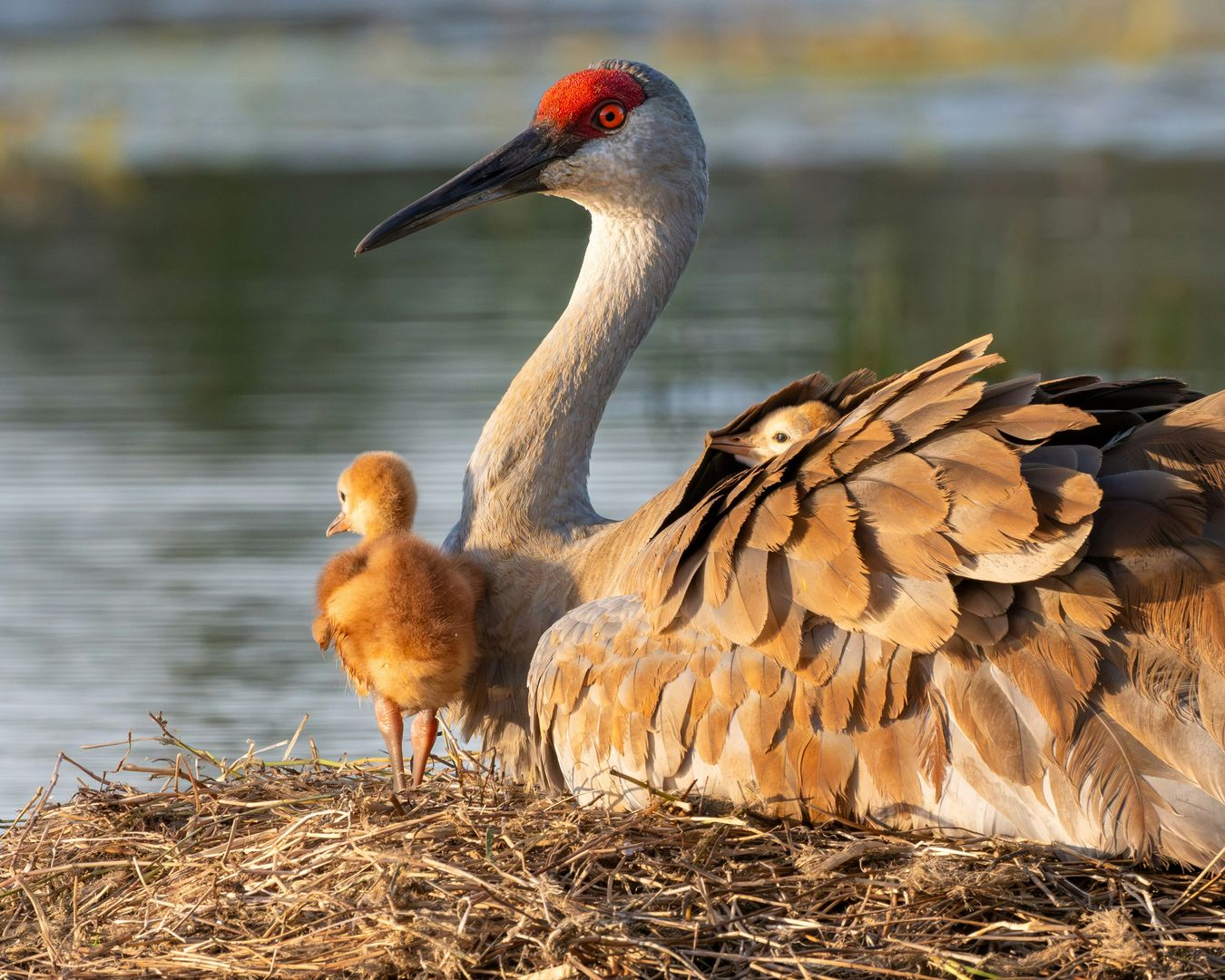
New Mexico has 4 National Audubon chapters, 1 statewide ornithological society, and a scattering of independent groups. A small roster for a state this size, which tracks.
The good news is that the bird watching groups in New Mexico are cheap. Whether you want fifty thousand Snow Geese leaving a pond at Bosque del Apache or Mexican strays up a canyon in the Gila, there's a group within reach.
Why Join a Bird Watching Group at All
Solo birding has real advantages. What a club gives you are people who already knows which side of the tour loop the cranes used this morning.
New Mexico rewards that more than most states. The birding here is vertical as much as horizontal, from Chihuahuan desert scrub at 4,000 feet to spruce-fir at 11,000. A good morning and a wasted tank of gas are often one turnoff apart. Clubs are also the front door to community science. The Christmas Bird Count runs December 14 to January 5 every season and has been going since 1900, one of the longest continuous wildlife datasets anywhere.
Try before you buy
A decent pair of binoculars for birding runs from about $150 to well past $500. You've got no business buying either until you know what bothers you about a cheap pair.
Go on three free walks first and borrow. Ask the trip leader; somebody always has a spare set in the truck.
Statewide Bird Watching Groups in New Mexico
New Mexico Ornithological Society (NMOS)
The statewide body, and the one to join if you care about the records side of birding. NMOS publishes the quarterly NMOS Bulletin and NMOS Field Notes, maintains the official state checklist, and held its 63rd annual meeting in March 2026. Dues are $25 regular, $10 student, $500 life.
Its volunteer field expeditions are genuinely expeditions rather than walks. A Short-eared Owl search in Union and Quay Counties. An overnight backpacking survey for Boreal Owls in the Jemez. Bring your own transport and food.
Audubon Southwest
Not a walk-leading club. This is National Audubon's regional office, covering both Arizona and New Mexico after the two state offices were combined. So anything still labelled "Audubon New Mexico" is a former name.
It supports 12 independent chapters across the two states and runs the Randall Davey Audubon Center in Santa Fe. Follow it for Rio Grande water policy, not for a Saturday outing.
New Mexico Bird Records Committee (NMBRC)
Operating under NMOS since 1994, six at-large members plus a secretary, evaluating and archiving records of unusual birds and maintaining the official state list. If you find something that shouldn't be here, this is where the documentation goes. The Review List and Sketch Details List were both updated in March 2026.
The society's separate rare bird alert page points at the eBird New Mexico alert for current reports.
Bird Watching Groups in Albuquerque and the Middle Rio Grande
Bird Alliance of Central New Mexico (formerly Central New Mexico Audubon Society) - Albuquerque
The state's largest chapter, renamed from Central New Mexico Audubon Society. Its old website is gone and the old domain has been taken over, so if you've got newmexicoaudubon.org bookmarked, delete it.
Board meetings run the second Wednesday of the month at 6:00 p.m., mostly virtual. Non-members can ask to attend through the contact form, and the summer members meeting is open to all.
Thursday Birders - Albuquerque and the Middle Rio Grande
Run under the Bird Alliance of Central New Mexico, and the single best entry point for a beginner in this state. Trips go out nearly every Thursday, year round, two and a half to three hours. They depart between 7:00 and 8:00 a.m. from a meeting spot that changes weekly.
No membership required, and no experience required. A voluntary $1 per trip goes to a nature organization. Most trips need no advance notice, and the schedule was live through late September 2026 when we checked.
Bird Watching Groups in Santa Fe and North Central New Mexico
Sangre de Cristo Audubon Society - Santa Fe and Los Alamos
The chapter for north-central New Mexico, and refreshingly clear about access. Field trips are generally free and open to the public, no registration fee. Contact the trip leader directly for time and place, because cancellations happen.
Free illustrated evening talks run at 7:00 p.m. on the second Wednesday in spring and fall at the Unitarian Universalist Church. Fall 2026 dates are September 9, October 14, and November 11.
Randall Davey Audubon Center and Sanctuary - Santa Fe
A 135-acre sanctuary at 1800 Upper Canyon Road with more than 190 species recorded. Free and open to the public, 8:00 a.m. to 4:00 p.m. February through December, closed December 22 through January 31. Free bird walks every Saturday at 8:30 a.m. If you have one Santa Fe morning, this is it.
Pajarito Environmental Education Center (PEEC) - Los Alamos
Not a bird club, but it runs the Los Alamos Nature Center at 2600 Canyon Road, organizes the Los Alamos Christmas Bird Count, and holds a five-year local breeding bird atlas completed in 2021. Open 10:00 a.m. to 4:00 p.m. Monday and Thursday to Saturday, to 6:00 p.m. Wednesday, closed Tuesday and Sunday.
Bird Watching Groups in Las Cruces and Southern New Mexico
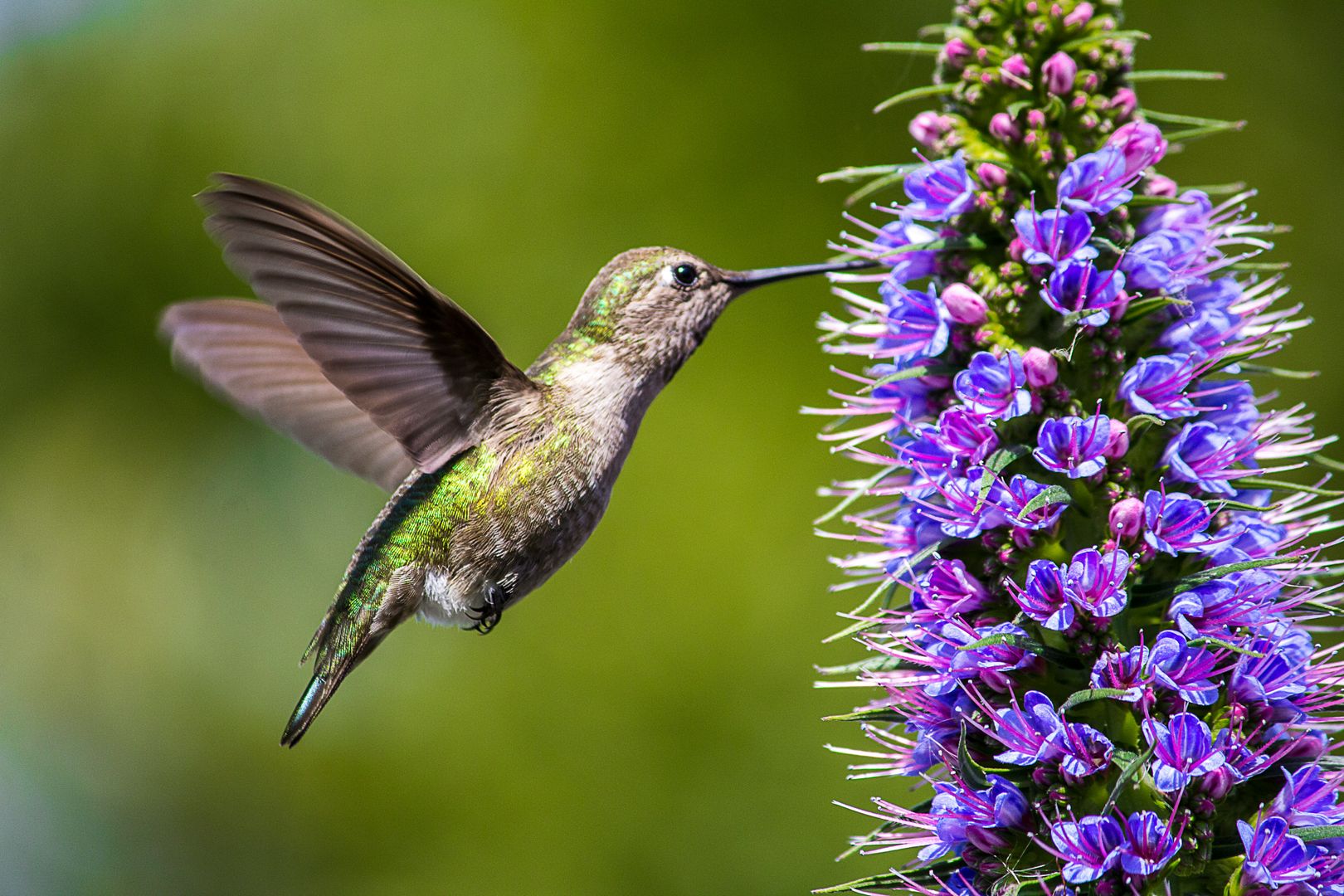
Mesilla Valley Audubon Society (MVAS) - Doña Ana, Otero, and Sierra Counties
The southern chapter, and the most predictable walk schedule in the state. Three monthly bird walks, all 8:00 to 10:00 a.m.: first Saturday at Mesilla Valley Bosque State Park, second Saturday at Sagecrest Park east of the Las Cruces dam, last Saturday at Leasburg Dam State Park.
You don't have to be a member. But you'll sign a sheet beforehand, and groups are capped at 10 under state park rules, so arrive on time.
Monthly meetings are at NMSU Knox Hall Room 142 with a Zoom option. Two of the three walks sit inside state parks, so read the fee note below first.
Bird Watching Groups in Silver City and Southwestern New Mexico
Bird Alliance of Southwestern New Mexico (formerly Southwestern New Mexico Audubon Society) - Catron, Grant, Hidalgo, and Luna Counties
The chapter for the Gila country, renamed from Southwestern New Mexico Audubon Society. Its former domain is now a foreign-language online casino blog, so ignore any link that still points there.
The current chapter is unusually programme-rich for its size: evening talks at Western New Mexico University's Harlan Hall from 7:00 to 8:30 p.m., a Grant County feeder tour, kids' bird walks at the San Vicente trailhead, a Big Sit at the Iron Bridge Nature Conservancy site, and the local Christmas Bird Count and winter raptor survey.
Programmes are free and open to the public. The board meets every other month on the first Monday at 5:00 p.m. Dues are $20 individual, $30 household, $10 student. Their free PDF birding guides for Silver City and the southwest are worth downloading first.
Bird Watching Groups in the Northwest and Farmington
There's no Audubon chapter and no bird club we could verify anywhere in San Juan, McKinley, Rio Arriba, or Cibola County.
A San Juan Audubon Society appears in older lists. But it's absent from National Audubon's current New Mexico roster, and we couldn't load a working site for it, so we left it out rather than send you to a dead link. The nearest organized activity is in Los Alamos or Albuquerque.
Navajo Lake State Park - San Juan County
Not a club, but the region's most reliable place to bird with other people around, between 5,600 and 6,600 feet at Navajo Dam with the San Juan River quality waters below.
FYI before you go. The park's water system doesn't currently meet Safe Drinking Water Act requirements and is under a boil advisory, so bring your own.
Bird Watching Groups in the East and Roswell to Portales
The eastern third of the state is the other gap. No chapter, no verifiable club, and a very good national wildlife refuge doing the work instead. If you live in Roswell, Portales, Clovis, or Carlsbad, your community is Bitter Lake National Wildlife Refuge and the Christmas Bird Count.
The refuge runs a volunteer programme, and its visitor centre staff are the closest thing the region has to a birding hotline, on (575) 244-6256. The centre is open 9:00 a.m. to 4:00 p.m., Monday to Friday June through August and Monday to Saturday the rest of the year.
Bottomless Lakes State Park - Chaves County, 15 miles southeast of Roswell
Eight sinkhole lakes 17 to 90 feet deep, with viewing blinds around the park, a natural pairing with a Bitter Lake morning. Fishing is allowed only at Devil's Ink Well and Pasture Lake, keeping the quietest water quiet.
Other Ornithology and Research Groups in New Mexico
Hawks Aloft - Albuquerque
A research and education nonprofit at 6715 Eagle Rock Ave NE, covering avian research, conservation education, and raptor rescue. It runs photography workshops and nature trips, and keeps a raptor rescue hotline at (505) 999-7740, separate from the office line at (505) 828-9455.
Friends of the Bosque del Apache National Wildlife Refuge
The nonprofit partner to the state's flagship refuge, founded in 1993, running the nature store, the education programming, and the Festival of the Cranes. Read the festival note in the FAQ before planning a November trip around it. Their site sits behind a bot-check some browsers stumble on; the refuge's get involved page links through.
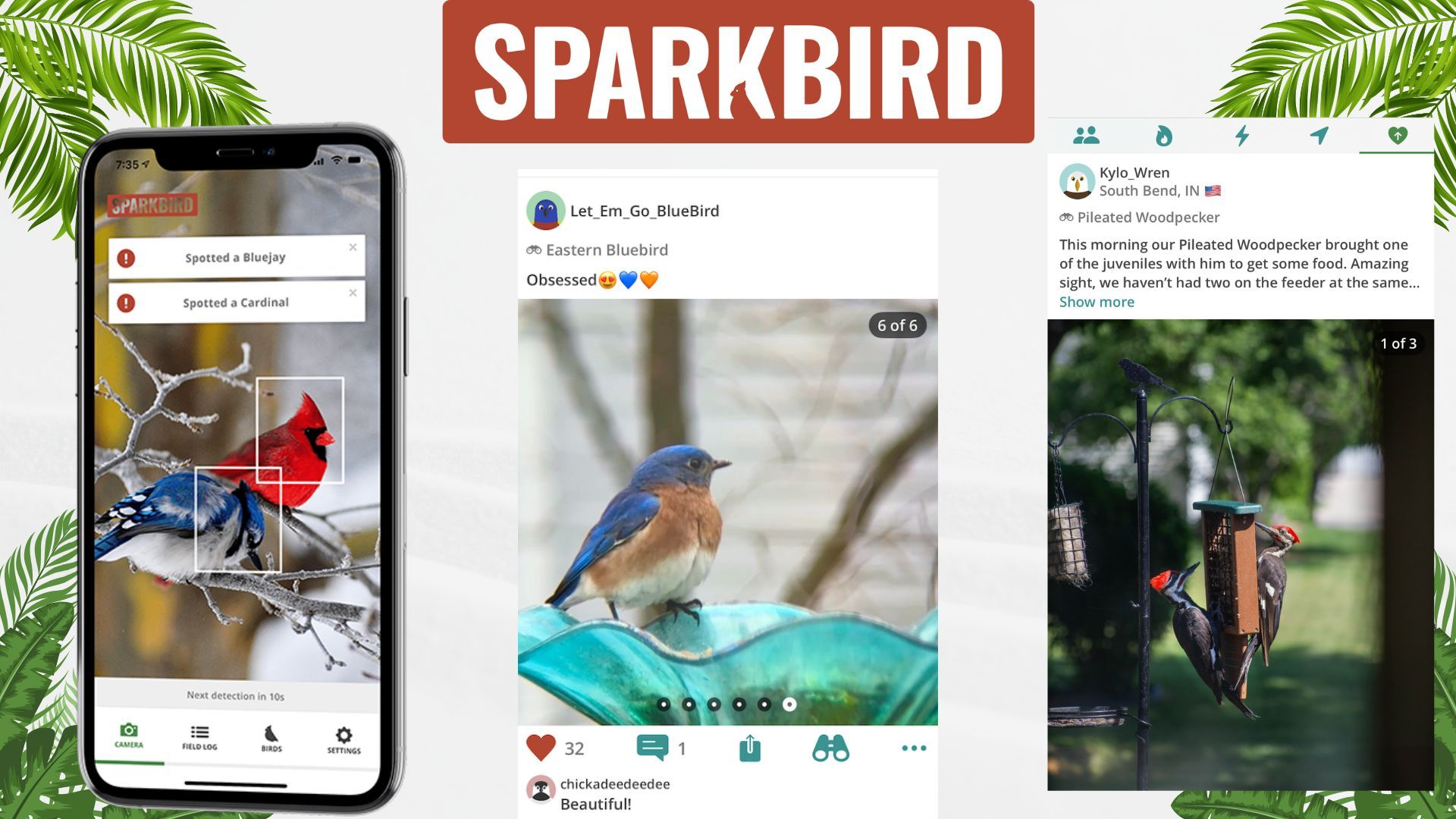
Sparkbird App - Community
Track your life list, get help with identification, and meet people who also stop mid-conversation to look at a cottonwood. Like Instagram for bird watchers, without the shady algorithms.
Where to Go Birding in New Mexico
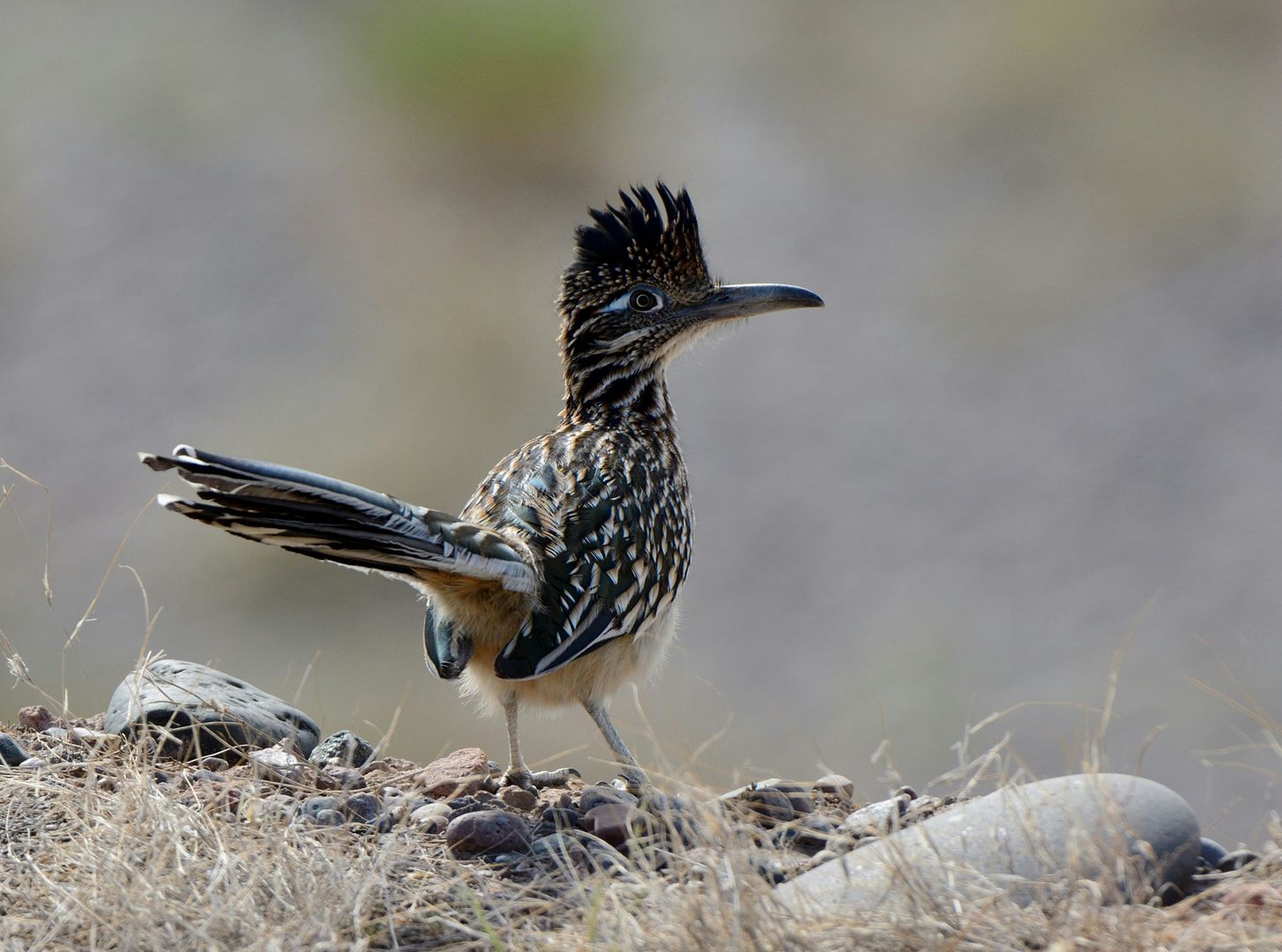
Joining a club is the fastest route to local knowledge. These sites produce regardless. Note that New Mexico State Parks do not accept federal passes, America the Beautiful included, so a federal-land day and a state-park day are priced separately.
- Bosque del Apache National Wildlife Refuge (Socorro County) — The headline. Tens of thousands of Snow Geese, Sandhill Cranes, and ducks winter here, and the dawn blast-off, when the whole goose flock leaves a roost pond in one detonation, is a signature North American wildlife event. Peak is early November to late January, and you want to be parked before first light. The 12-mile Scenic Drive is gravel, open one hour before sunrise to one hour after sunset year round; the visitor centre opens Thursday through Monday, 9:00 a.m. to 4:00 p.m. Entry is $5 per vehicle daily or $15 annually, free with a Federal Recreation Lands Pass, Duck Stamp, or Every Kid Outdoors pass. No camping or overnight parking.
- Bitter Lake National Wildlife Refuge (Chaves County) — The eastern counterpart, and free. More than 26,000 Lesser Sandhill Cranes and more than 50,000 Snow Geese and ducks use it in fall migration, cranes peaking around Thanksgiving. The 6.5-mile Wildlife Drive is open daily sunrise to sunset, with six hiking trails off it. It also holds over 100 dragonfly and damselfly species, if you need a summer reason to go.
- Rio Grande Nature Center State Park (Bernalillo County, Albuquerque) — City birding on the flyway, at 2901 Candelaria Rd NW: observation blinds over the ponds, 1.2 miles of interpretive trail, and the bosque trails beyond. Park hours 8:00 a.m. to 5:00 p.m., visitor centre 9:00 a.m. to 4:00 p.m., day use only. Day-use fee is $5 per vehicle for residents, $10 for non-residents; residents are exempt October 1 through April 30, and walk-in and bicycle visitors pay nothing.
- Randall Davey Audubon Center and Sanctuary (Santa Fe County) — 135 acres at the head of Upper Canyon Road, 190-plus species, free, 8:00 a.m. to 4:00 p.m. February through December. Closed December 22 through January 31. Free guided walks every Saturday at 8:30 a.m.
- Water Canyon, Magdalena Mountains (Socorro County) — The elevation ladder an hour from Bosque del Apache, on the Cibola National Forest between Socorro and Magdalena. The campground sits at 6,800 feet, open year round with periodic winter weather closures, and forest roads climb toward South Baldy at 10,783 feet. Stage 1 fire restrictions were in effect forest-wide when we checked, and Bear Trap Campground on the same district is closed for all of 2026. Call the Magdalena Ranger District at (575) 854-2281 for road and fee status first.
- Catwalk Recreation Area and the Gila (Catron County) — Whitewater Canyon at Glenwood, the most accessible of the southwestern canyons that pull Mexican strays north. Day use only, dawn to dusk, $5 per vehicle, with America the Beautiful and Military passes honoured. The low-water crossings on NM 174 flood and become impassable during high flows, meaning afternoon monsoon storms and spring snowmelt. Elsewhere in the Gila, several of the best riparian spots are State Game Commission lands, including Bill Evans Lake and Lake Roberts; a group of up to four adults there needs one hunting, fishing, or trapping licence or a Habitat Management and Access Validation between them.
- Rattlesnake Springs (Eddy County) — A detached wooded riparian unit of Carlsbad Caverns National Park, and the reason 357 species have been recorded in a park most people visit for a cave. Bell's Vireo nests here; Gray Vireo and Varied Bunting, both state-threatened alongside it, occur in the surrounding canyons. The Park Service publishes no separate hours or fee for the springs, so call (575) 785-2232 before planning a dawn arrival.
If you'd rather start from your own patio while you wait for the cranes, our guide to hummingbird plants for New Mexico covers what works at altitude.
New Mexico Bird Books and Field Guides
A national guide won't tell you which of two near-identical hummingbirds turns up in the boot heel in August. Start local, then go regional.
Birds of New Mexico Field Guide
Stan Tekiela's second edition, 149 New Mexico species across 384 pages, sorted by colour. See a yellow bird, go to the yellow section. Six species added over the first edition, range maps redrawn. The best first guide for the state.

Birds of New Mexico Field Guide (Bird Identification Guides)
Adventure Publications
New Mexico Bird Finding Guide
The fourth edition, edited by William H. Howe with John Parmeter, Sandy Williams, and Bill Wittman, published December 2021, with colour plates by Dave Krueper and line drawings by Dale Zimmerman. This is the site guide: where to stand, which road, which season, plus an annotated state checklist.
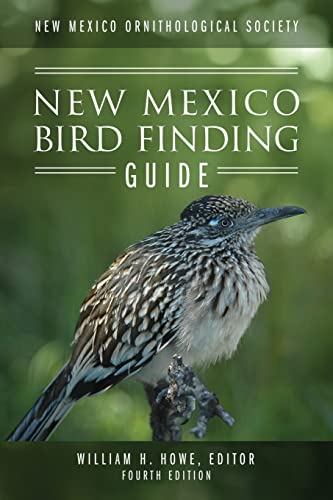
New Mexico Ornithological Society - New Mexico Bird Finding Guide: Fourth Edition
Outskirts Press
Stan Tekiela's Birding for Beginners - Southwest
53 regional species plus a genuinely useful first section on feeders and seed, covering New Mexico, Arizona, Utah, southern Nevada, and west Texas and Oklahoma. If somebody in your house is birding-curious rather than birding-committed, this is the one that converts them.

Stan Tekiela’s Birding for Beginners: Southwest: Your Guide to Feeders, Food, and the Most Common Backyard Birds (Bird-Watching Basics)
Adventure Publications
The Sibley Field Guide to Birds of Western North America
The revised second edition, 715 species west of the Rockies, over 5,000 illustrations. The standard portable western guide, and what you graduate to when the state guide feels thin.

New Mexico Bird Rescue and Rehabilitation
Always call first. Intake capacity and hours change constantly, and some centres take only raptors. Driving an injured bird to a closed door helps nobody.
New Mexico is one of the states with no public searchable directory of licensed rehabilitators. The state agency, now the New Mexico Department of Wildlife after its rename from the Department of Game and Fish, hosts one rehabilitation document dating to 2022 that points at a single centre.
If none of the numbers below fits, call (888) 248-6866 and ask for a licensed rehabilitator near you.
New Mexico Wildlife Center - Rio Arriba County (Española)
19 Wheat Street, Española. Admits 800 to 1,000 wild animals a year and takes intakes seven days a week, but call ahead at (505) 753-9505. Visitor hours Tuesday through Sunday, 9:00 a.m. to 4:00 p.m. The best option for northern New Mexico.
Wildlife Rescue, Inc. of New Mexico - Bernalillo County (Albuquerque)
2901 Candelaria Rd NW, the Rio Grande Nature Center address, so the drop-off is somewhere you may already be birding. All-volunteer, founded 1981, open for intakes every day 9:00 a.m. to 3:00 p.m. Call (505) 344-2500 first.
Hawks Aloft Raptor Rescue - Albuquerque and central New Mexico
Raptors specifically, on (505) 999-7740, which is not the office line. Hawks, falcons, and owls rather than a fledgling robin.
Santa Fe Raptor Center - Santa Fe
Established 2004, taking raptors and other injured birds. Call (505) 699-0455. Their advice is the standard — use a dark, warm, dry box, and don't try to feed it. Their website hasn't been refreshed in some time, so ring before driving.
Frequently Asked Questions
When can you see the cranes at Bosque del Apache?
Early November through late January, when concentrations of Sandhill Cranes, Snow Geese, and ducks are largest. Go at dawn for the blast-off and again at dusk for the fly-in. The refuge opens an hour early and the birds don't wait.
Does the Festival of the Cranes need booking?
Historically yes, and heavily, because workshops and tours have limited seats. But treat it as unconfirmed until you see current dates. The Friends of the Bosque del Apache cancelled the 2025 festival and ran a reduced programme instead, and no 2026 dates were posted when we checked. The refuge is open all winter regardless.
Where can you see hummingbirds in New Mexico?
Southwestern New Mexico in late summer. The Bird Alliance of Southwestern New Mexico builds programming around it, including an August hummingbird festival at the Mimbres Cultural Heritage Site.
Which New Mexico Audubon chapters have changed their names?
Central New Mexico Audubon Society is now the Bird Alliance of Central New Mexico, and Southwestern New Mexico Audubon Society is now the Bird Alliance of Southwestern New Mexico. Both old web addresses have since been picked up by unrelated commercial sites, so check the address bar before trusting a bookmark.
Got a New Mexico birding group to recommend?
If you start one in Farmington or Roswell, tell us and we'll put you in here. Tell us about any group in the comments or on the Sparkbird App.
Our goal is to build a birding community that connects people to nature and to each other. Bird watching groups are good at this, mostly because everyone faces the same direction and nobody has to make eye contact.
- Related: How to Use the Sparkbird App

No comments yet.