
Ask a birder "do hawks migrate?" in September and you'll lose them for the afternoon. That makes fall the best time of year to see a lot of hawks at once.
Here's who's moving, when, and where to sit so they come to you.
Which Hawks Migrate (and Which Don't)
Hawk migration isn't one-size-fits-all. As the Old Farmer's Almanac puts it in its guide to fall hawk migration, migration varies by species, age, food supply, and location. Some hawks travel thousands of miles. Others move a short way or stay in the same region all year.
The long-haul flyers
- Broad-winged Hawk. The headliner of eastern hawk watching. According to Hawk Mountain's Broad-winged Hawk profile, most broad-wings that breed in the eastern U.S. and southeastern Canada winter in southern Central America and central South America, and many that breed in Canada winter in Brazil. They travel in flocks that can number in the thousands.
- Swainson's Hawk. Cornell's Swainson's Hawk life history calls its trip to Argentina one of the longest migrations of any American raptor. They "flock up" by the thousands in late summer, and once they're off the breeding grounds they eat almost nothing but insects like grasshoppers, crickets, and dragonflies, often snatched in midair. (A hawk that flies to Argentina to eat crickets. Honestly, I respect the commitment to the bit.)
- Peregrine Falcon. Technically a falcon, not a hawk, but every hawk watch counts them, so we're counting them too. The Florida Keys hawk watch once tallied a world-record 3,836 peregrines in a single season. If you want the rest of their résumé, here are our favorite interesting facts about peregrine falcons.
The "it depends" crowd
Plenty of hawks are partial migrants. It's when some of a given species migrate while others don't. Sometimes its a short migration. They migrate just far enough south to find dependable food and open water, according to the Almanac.
All of these usually show up at Hawk Watches in good numbers:
- Sharp-shinned Hawks
- Cooper's Hawks
- American Kestrels
- Ospreys
- Red-tailed Hawks
So the hawk you see on the side of the highway this January could be a resident, or it could be an out-of-towner who just got in.
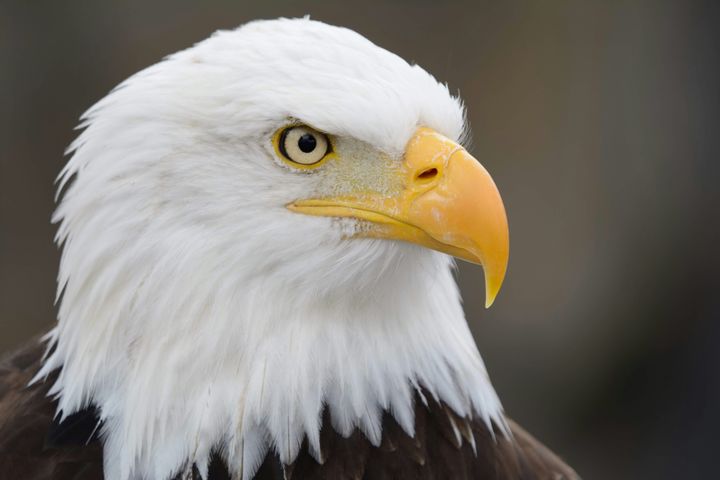
Bald Eagles migrate too, at least the northern ones. Hawk Ridge in Duluth, Minnesota, set its seasonal record with 6,099 Bald Eagles in 2017. Our bald eagle facts roundup covers the rest of the national bird's highlight reel.
 10 Shocking Facts About Bald Eagles Learn about the Bald Eagles' massive nests, reputation, and more (#3 will shock you!)
(opens in a new tab)
How Hawks Migrate: Kettles, Thermals, Ridges, and Coasts
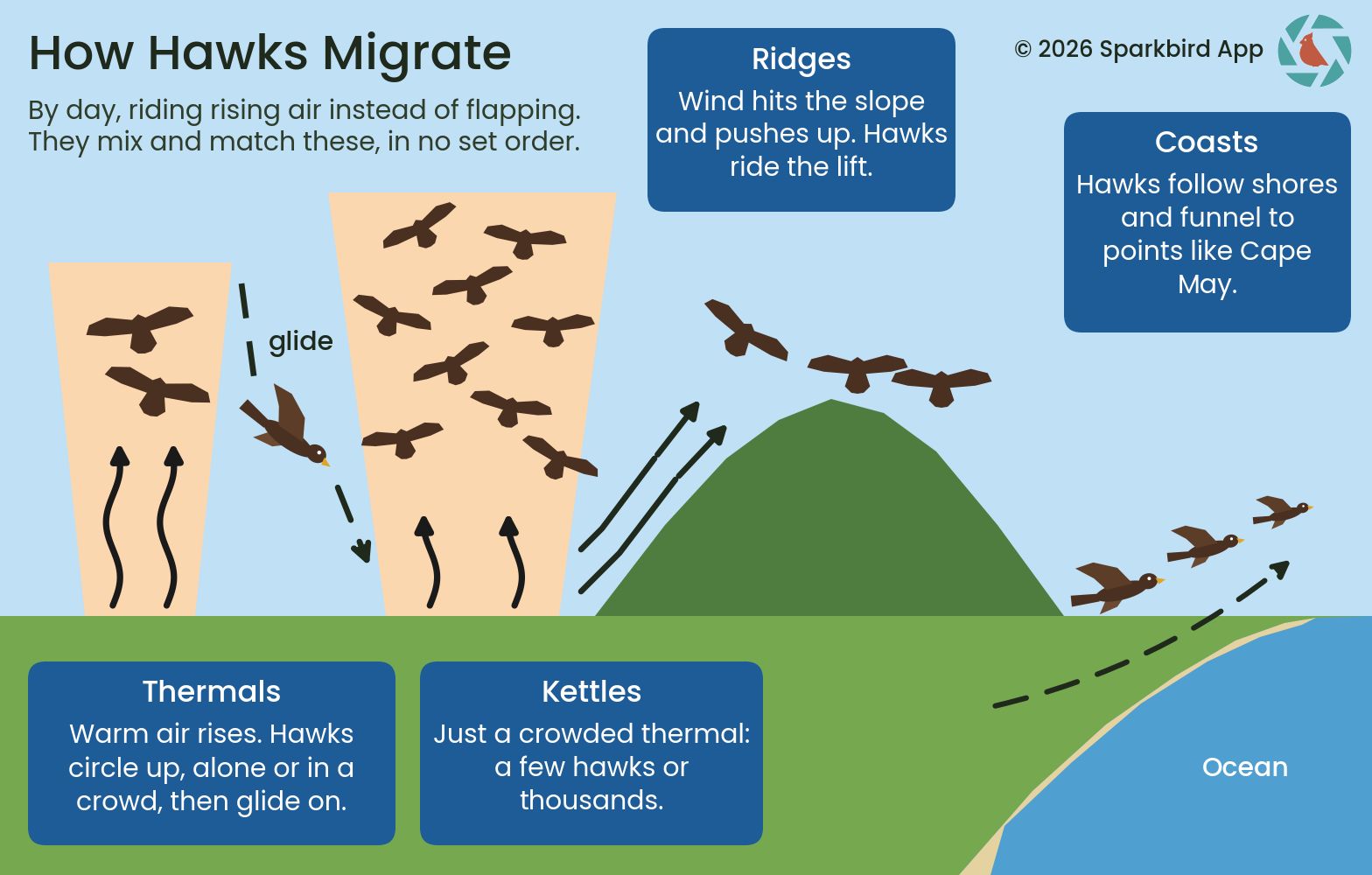
Unlike most songbirds, which fly at night, hawks migrate by day. They're big, heavy birds, and flapping for hundreds of miles is exhausting, so they cheat.
Thermals. As the sun heats the ground, columns of warm air rise. Hawks find a thermal, circle up inside it without flapping, then glide south to the next one. Cornell describes Swainson's Hawks doing exactly this: soar up, tuck the wings and tail, and use gravity to cover ground.
Kettles. When lots of hawks share one thermal, the swirling flock is called a kettle. Hawk Mountain says broad-wing kettles range from a few birds to thousands. The first time you see one, you'll understand why people bring folding chairs. It's the only kettle worth watching that doesn't whistle at you.
Ridges. Wind hitting a mountain ridge gets deflected upward, which creates lift. Hawks ride that updraft along the ridgeline like a conveyor belt, which is why Pennsylvania's Hawk Mountain sits right on top of one.
Coasts and lakeshores. The Almanac notes that favorable winds concentrate hawks along shorelines and the edges of big lakes, too. At Cape May, New Jersey, the state narrows to a point between Delaware Bay and the Atlantic, and Audubon's guide to hawk watching describes fall migrants of all kinds funneling down to the tip.
When Is Hawk Migration?
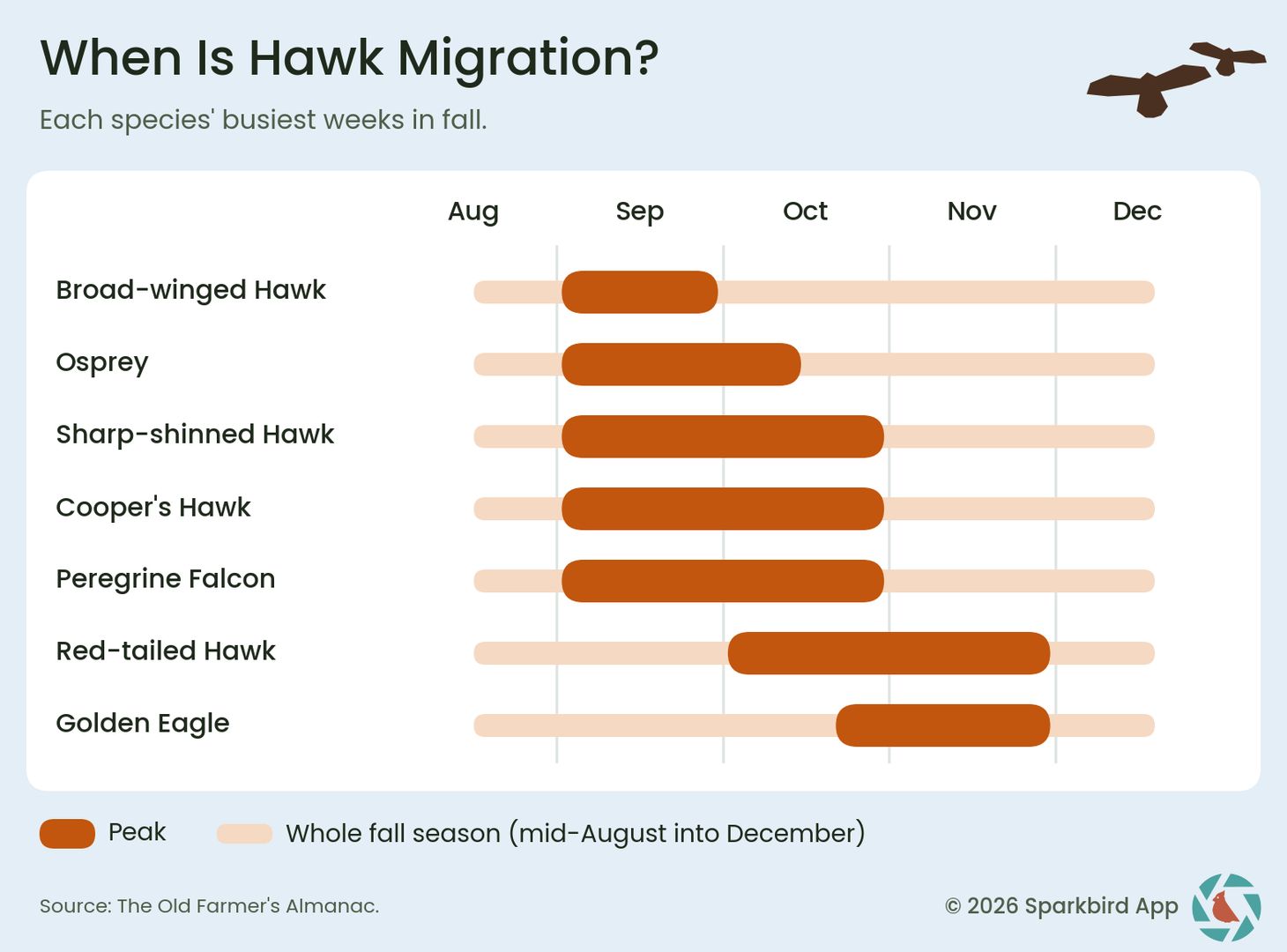
Fall hawk migration runs from mid-August into December, but each species has its own rush hour. This table follows the Almanac's peak periods.
Broad-winged hawk migration: the mid-September frenzy
If you only go once, go in mid-September. At Hawk Mountain, 95% of migrating broad-wings pass in a two-week window in the middle of the month. Hawk Ridge's record day was September 15, 2003, when counters logged 101,698 Broad-winged Hawks. (I can't count that high without losing my place. They did it with clickers.)
Later in the season
After the broad-wings clear out, the season shifts to Sharp-shinned and Cooper's Hawks, then Red-tailed Hawks, then Golden Eagles. Hawk Ridge notes that Golden Eagles and owls typically move later in fall. If you're more of a late-October person, you'll trade huge numbers for bigger birds, which is a fair deal.
Best weather and time of day
According to the Almanac, clear weather following a cold front often produces good flights, and northwest winds push birds onto ridges and shorelines. Most migrating hawks fly between about 8 a.m. and 5 p.m., with the best windows from roughly 9:30 to 11:30 a.m. and 2:30 to 4 p.m. Translation: you can sleep in. That makes this the most civilized branch of birding.
Hawks fly by day, so the radar forecasts in our guide to predicting big migration nights with BirdCast won't count them directly, but the weather logic is the same: cold front, north winds, go.
For everything else on the move, here's the month-by-month fall migration timeline, and the full fall migration calendar lives in our big fall migration guide.
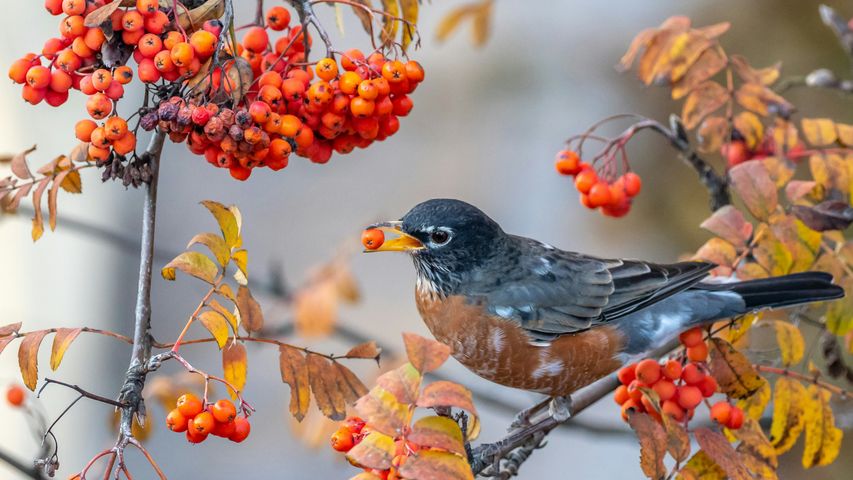 The Ultimate Guide to Fall Bird Migration in the U.SFall bird migration peaks mid-September to mid-October. Learn how it happens, which birds leave or stay, and how to watch it near you.(opens in a new tab)
The 5 Best Hawk Watch Sites
A hawk watch is a spot where volunteers or staff count every migrating raptor that passes, usually daily, all season. Show up, sit near the counters, and you'll get free ID help from people who can name a speck at two miles. It's like getting a backstage pass, except the band is 400 Sharp-shinned Hawks.
Hawk Mountain Sanctuary — Pennsylvania
Audubon notes that Hawk Mountain's rocky knobs were once a vantage point for shooters, but in 1934 the mountain became a refuge for birds of prey, and binoculars replaced the guns. Today, Hawk Mountain's autumn hawk watch runs daily from August 15 to December 15, with an average of 18,000 raptors passing each fall. There's a North Lookout for the classic view and a wheelchair-accessible South Lookout.
Cape May Hawk Watch — New Jersey
The Cape May hawk watch is the official count platform at Cape May Point State Park, run by New Jersey Audubon. On days when northwest winds follow a cold front, Audubon says hundreds or even thousands of raptors can pass overhead. Sharp-shinned Hawks are the most numerous, but Cape May is famous for Ospreys, Merlins, and Peregrine Falcons, too.
Hawk Ridge Bird Observatory — Minnesota
Duluth's Hawk Ridge Observatory averaged 76,000 migrating raptors a season from 1991 to 2013, and it's where that 101,698-broad-wing day happened. Raptor migration there runs from late August through November.
Corpus Christi HawkWatch — Texas
The Corpus Christi HawkWatch, at Hazel Bazemore County Park about 17 miles west of the city, is where hawk counts go to break records. According to HawkWatch International, the count runs August 1 to November 15 and tallies between 445,000 and more than 1,000,000 migrants each fall, with Broad-winged Hawks making up 88 to 98% of the total. In 2004 it became the first site in North America outside of Mexico to top a million in a season.
Golden Gate Raptor Observatory — California
West Coast birders, you're covered. The Golden Gate Raptor Observatory counts from Hawk Hill in the Marin Headlands, and Audubon lists Red-tailed Hawks, Turkey Vultures, and Sharp-shinned Hawks as the most prolific migrants there.
Find a hawk watch near you
You don't need a famous mountain. The Hawk Migration Association of North America runs HawkCount, which HMANA describes as a free guide to hawk-watching sites across North America with daily reports and monthly and seasonal summaries. Check it the night before to see what your nearest site counted. Even city parks get in on it: NYC Bird Alliance reports that 10,000 raptors of 15 species have been counted over Central Park in a single autumn.
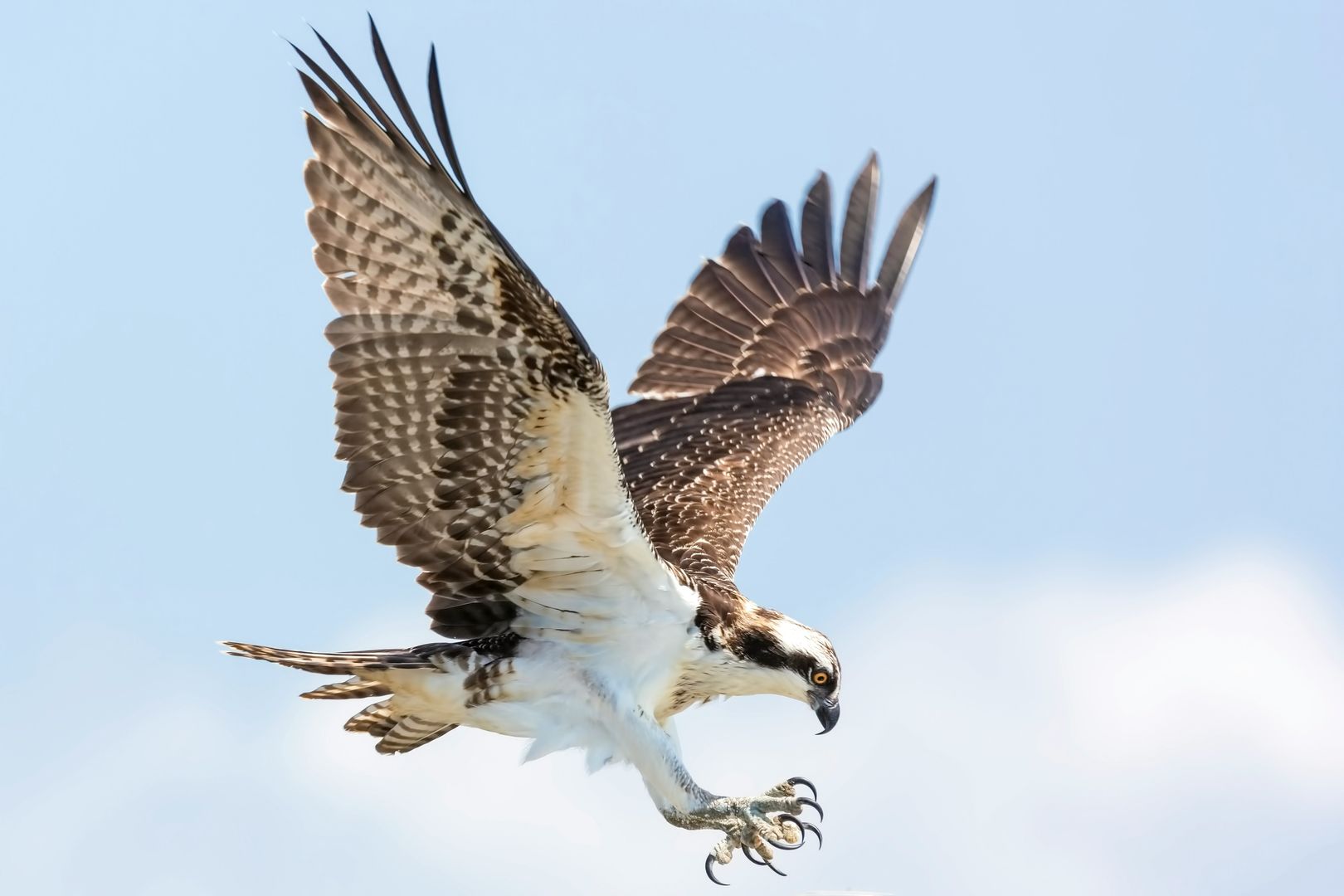
Hawk Watching for Beginners: Gear and Etiquette
What to bring (and what not to buy)
The Almanac's packing list is refreshingly short: binoculars if you have them, sunscreen, a hat, sunglasses, food, water, and warm layers. Add a cushion or a folding chair, because you'll be sitting on rock for a while.
Here's what you don't need: a spotting scope. I'm not going to hawk you one. Most of the birds you'll actually enjoy are kettles and close passes, and the counters at most sites are happy to point out the distant specks. Use whatever binoculars you already own. If you truly don't have a pair, borrow some, or start with our guide to the best budget binoculars before you even look at a scope.
 The Best Budget Binoculars for Birding Our top picks, what specs actually matter, and the one piece of advice most guides never tell you(opens in a new tab)
Hawk watch etiquette
The counters are working, not hosting. The Hawk Migration Association of North America asks visitors to respect the counter's space and not touch their equipment, and to leave pets at home or keep dogs leashed. When you spot something, call it out with a landmark ("over the dead tree, left of the cloud") instead of just yelling "HAWK" and pointing at the entire sky.
And pack out everything you pack in, including the orange peels. Follow the ABA Code of Birding Ethics and you'll fit right in.
The #1 Way You Can Protect Hawks
Hawks have to eat all winter. A lot of what they eat is rodents, and rat poison doesn't stay with the rat.
A study of eagles from across the U.S. found that 82% of the Bald and Golden Eagles tested from 2014 to 2018 had been exposed to anticoagulant rodenticides, and 4% died from them. NYC Bird Alliance reports that 84% of dead birds of prey found in New York City tested positive for rat poison.
So if you've got a mouse problem, use snap traps, seal gaps half an inch or larger with stainless steel mesh, keep garbage in sealed containers, and ask your landlord or exterminator about poison-free pest management. It's not glamorous. It's also the single most useful thing a hawk fan can do from their kitchen.

Victor Metal Pedal Mouse Traps, 12-Pack, Reusable Wooden Snap Traps | FSC Certified Wood, Indoor Mice Control Pest Elimination, Rodent Killer Control, Clean & Quick Trapping, Mice Traps for House
Victor
Frequently Asked Questions
Where do hawks go in the winter?
Some winter in the southern U.S. or Mexico, while long-distance migrants like Broad-winged and Swainson's Hawks continue to Central and South America. Others stay near their breeding territory if food holds out.
What do hawks eat?
Hawks are primarily birds of prey. That means they primarily eat other animals. The range of food includes rodents, frogs, snakes, rabbits, smaller birds, and sometimes fish.
Are hawks dangerous?
Yes, if you encroach on their nest. Never approach their nesting site. Follow these safety tips for coexisting with birds of prey.
Do red-tailed hawks migrate?
Some do. Northern red-tails move south, but many others stay put or only shift far enough to find reliable food and open water. That's why you see red-tails along highways all winter.
What hawks have you seen recently?
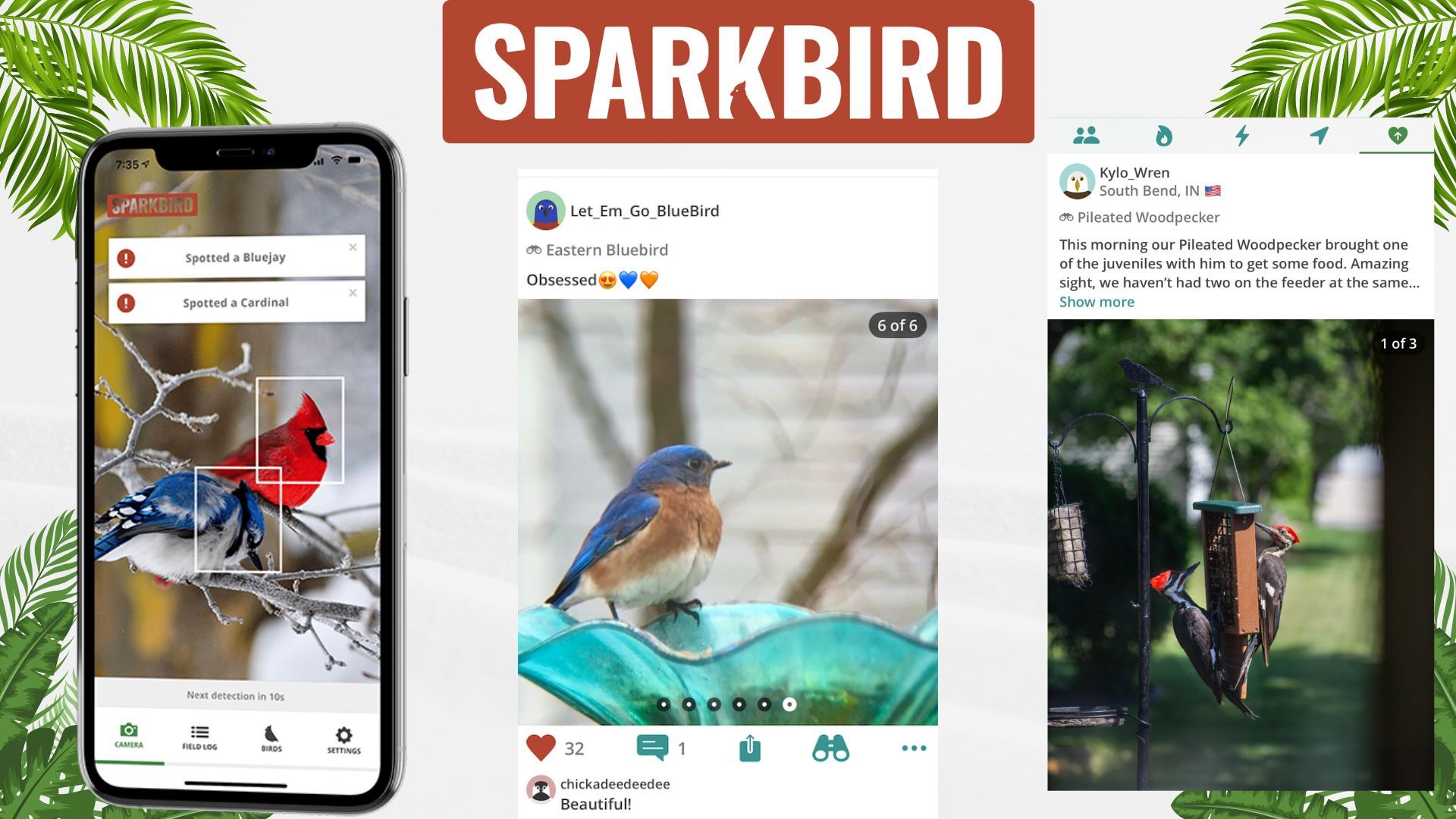
Tell us in the comments or through the Sparkbird App, available in the Apple App Store.
- Related: How to Use the Sparkbird App

No comments yet.