
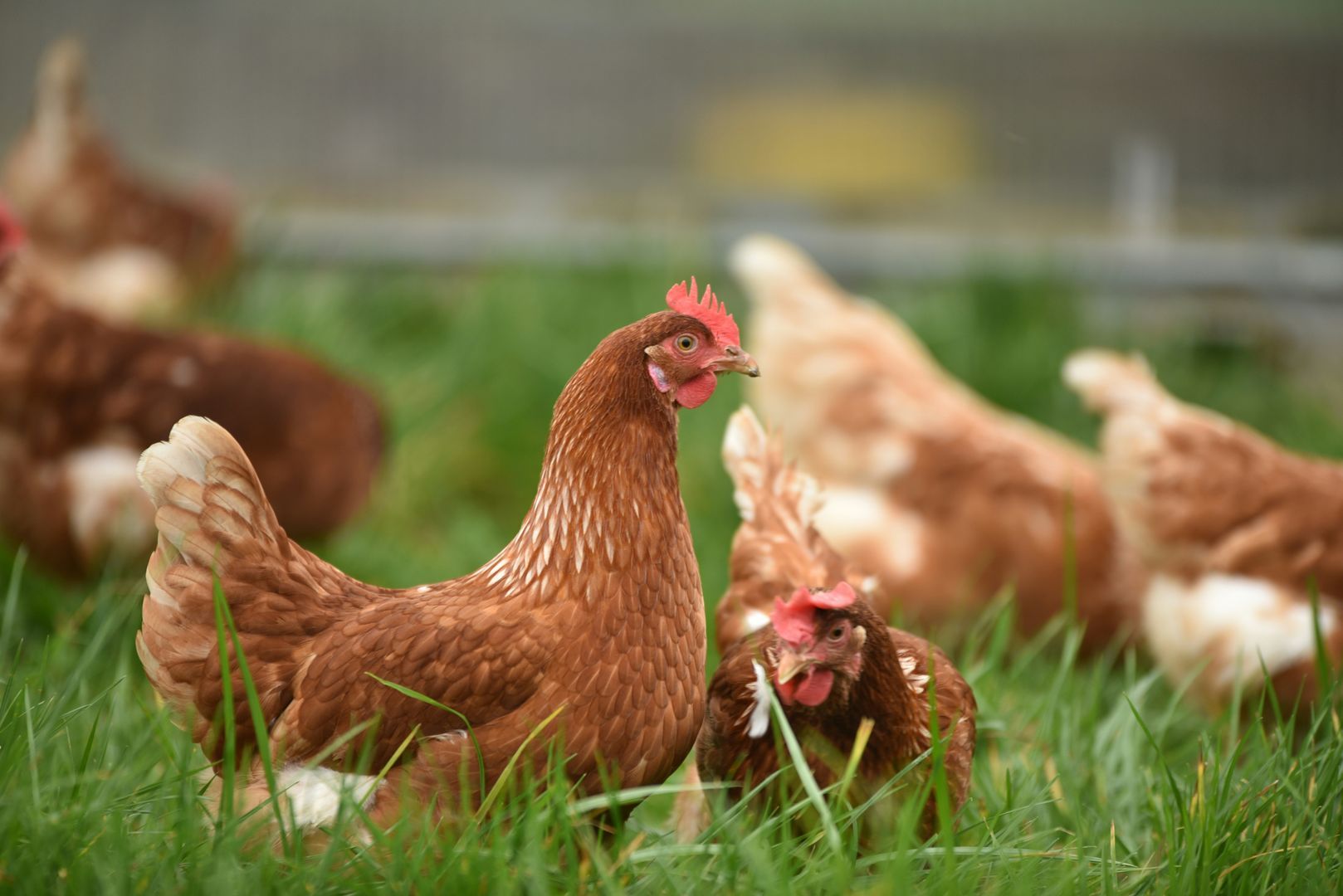
Somewhere along the way, chickens became the internet's favorite Halloween artists. Their medium is pumpkin. Their tool is beak. Their critic is no one, because they will also eat the canvas.
If you've seen the viral videos and wanted to try chicken pumpkin carving with your own flock, this is the guide. It covers setup, pumpkin safety, what to avoid, and how to extend the activity to wild backyard birds once your chickens are finished with their commissions.
Can Chickens Eat Pumpkin?
Yes, and they genuinely enjoy it. Pumpkin flesh is about 90% water, low in calories, and high in vitamins A, C, and E — a small serving of raw pumpkin provides over 200% of a laying hen's optimal daily vitamin A intake. It's a legitimately good treat, not just a seasonal gimmick.
Every part of the pumpkin is safe:
- Flesh: Nutritious and easy to eat. Chickens will peck through it eagerly.
- Seeds: Safe raw or lightly roasted at 350°F with no added salt or oil. Good source of zinc and magnesium.
- Leaves: Edible but mildly bitter — chickens may or may not be interested.
- Flowers: Edible. Chickens, if given the chance, will eat the flowers before you've decided whether to let them.
Pumpkin should stay in the "treats" category — roughly 5% of their daily feed. It's supplemental, not a meal replacement.
What About Pumpkin Seeds as a Natural Dewormer?
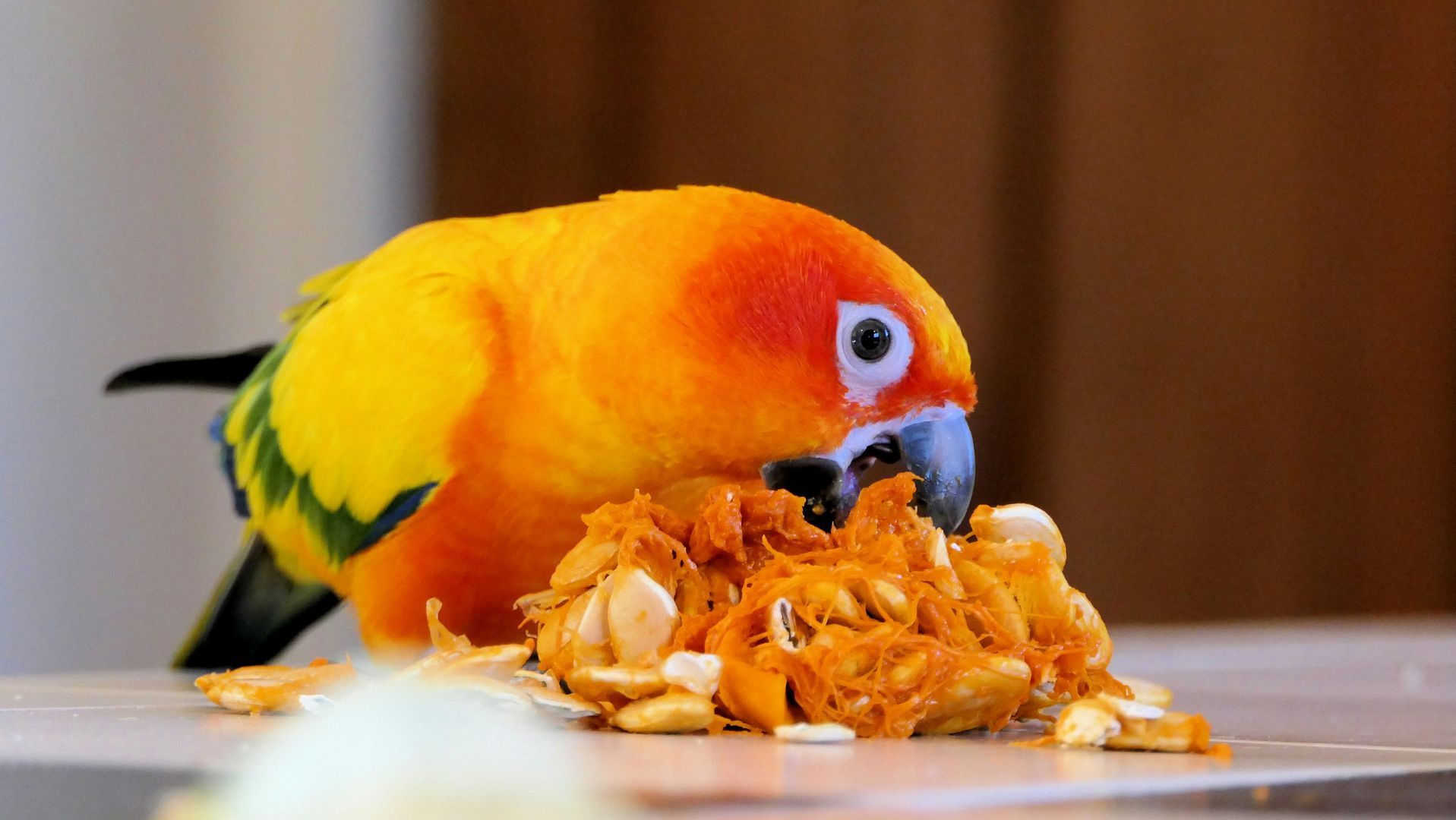
This claim is everywhere in the backyard chicken community, and the honest answer is the evidence doesn't support it.
Pumpkin seeds contain cucurbitin, an amino acid that has shown some ability to paralyze worms in laboratory settings. But as The Chicken Chick has documented thoroughly, no controlled studies have ever been conducted on chickens specifically, cucurbitin concentrations vary wildly between pumpkin varieties, and there's no established dosing guidance for poultry. If your chickens have a genuine parasite load, fecal testing and a vet-recommended treatment are the right move. Pumpkin seeds are a good treat. They're not medicine.
What to Avoid
Before the step-by-step, the short list of what not to do:
- Moldy or rotting pumpkins. The flesh is safe; mold is not. If it's soft, slimy, or smells off, compost it instead.
- Painted or decorated pumpkins. Craft paint and decorative coatings can be toxic. Fresh, plain pumpkins only.
- Pumpkins that held candles. The wax residue and soot inside a used jack-o'-lantern make it unsuitable for eating.
- Store-bought pumpkins with unknown pesticide history. Home-grown is safer; if you're buying, a rinse with water before use is a reasonable precaution.
- Treating this as a substitute for proper feed. Chicken pumpkin carving is enrichment. Feed, water, and appropriate nesting conditions come first.
How to Do Chicken Pumpkin Carving: Step by Step
Step 1: Choose and Prepare Your Pumpkin
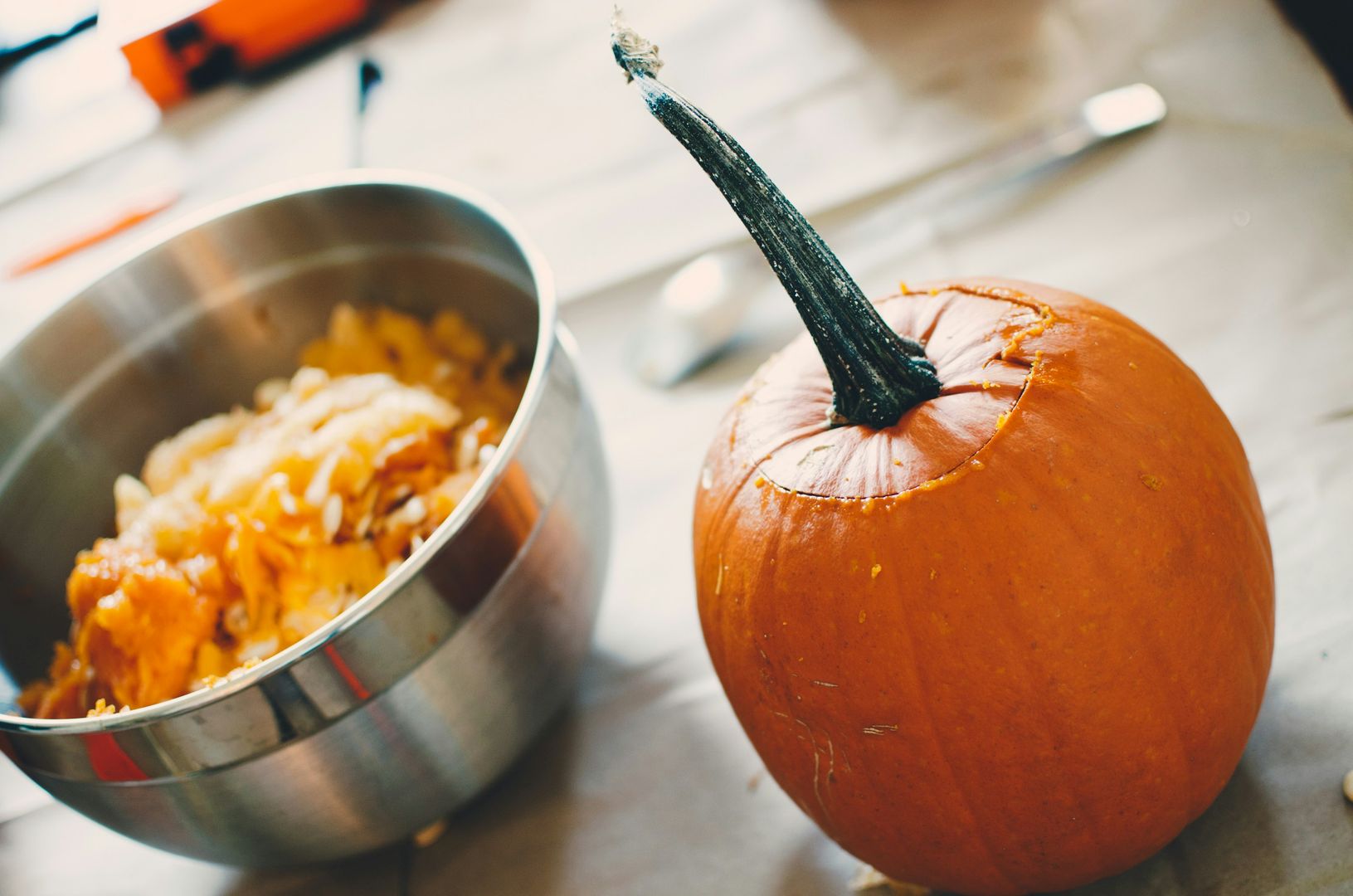
Pick a medium to large pumpkin. Too small and the chickens' designated pecking areas will end up overlapping. Your jack-o'-lantern will look like it has one enormous eye in the center, which is either spooky or not, depending on your tolerance for ambiguity.
Make sure the pumpkin is fresh, firm, and free of mold. Cut a hole around the stem large enough to fit your hand. Gut the pumpkin with a large spoon or ice cream scoop, saving the seeds and guts to either feed back to the chickens later or roast for yourself.
Gutting is optional, the chickens can peck through an un-gutted pumpkin. But gutting first means you can add a candle for Halloween night.
Step 2: Score Your Design
You need to surface carve or score the design you want the chickens to follow.
Use a small sharp knife or pumpkin carving tool to score — not cut all the way through — the design you want onto the pumpkin's surface. Remove just enough skin to expose the lighter flesh beneath. The scored lines act as a road map. Chickens will peck at the contrast between orange skin and pale flesh, following the pre-carved lines to complete the design. Simple shapes work best: triangles for eyes, a jagged mouth.
Step 3: Set Up the Pumpkin
Place the pumpkin on flat, stable ground in your chickens' outdoor area. It should not roll or tip when pecked. A chicken that has to chase a moving pumpkin will lose interest faster than one that can peck from a stationary position. Set it out during the part of the day when your flock is most active. Mid-morning, after they've eaten but before the afternoon nap situation develops, tends to work well.
Step 4: Monitor and Rescue the Pumpkin in Time
Here's the part that catches people off guard: chickens are not invested in the artistic outcome. They want to eat the pumpkin. Once they've pecked through the scored areas and created a passable jack-o'-lantern, they will immediately keep going.
Watch the progress and remove the pumpkin before it becomes structurally compromised. A caved-in pumpkin is still perfectly usable...just less photogenic. Take your photos early.
Bonus Activity: The Pumpkin Gut Food Fight
If you gutted the pumpkin in Step 1, the scooped-out flesh makes an excellent outdoor fall activity for kids who enjoy organized chaos. Wear a hat. I can confirm that pumpkin guts in hair are stubborn.
Can Wild Backyard Birds Eat Pumpkin?
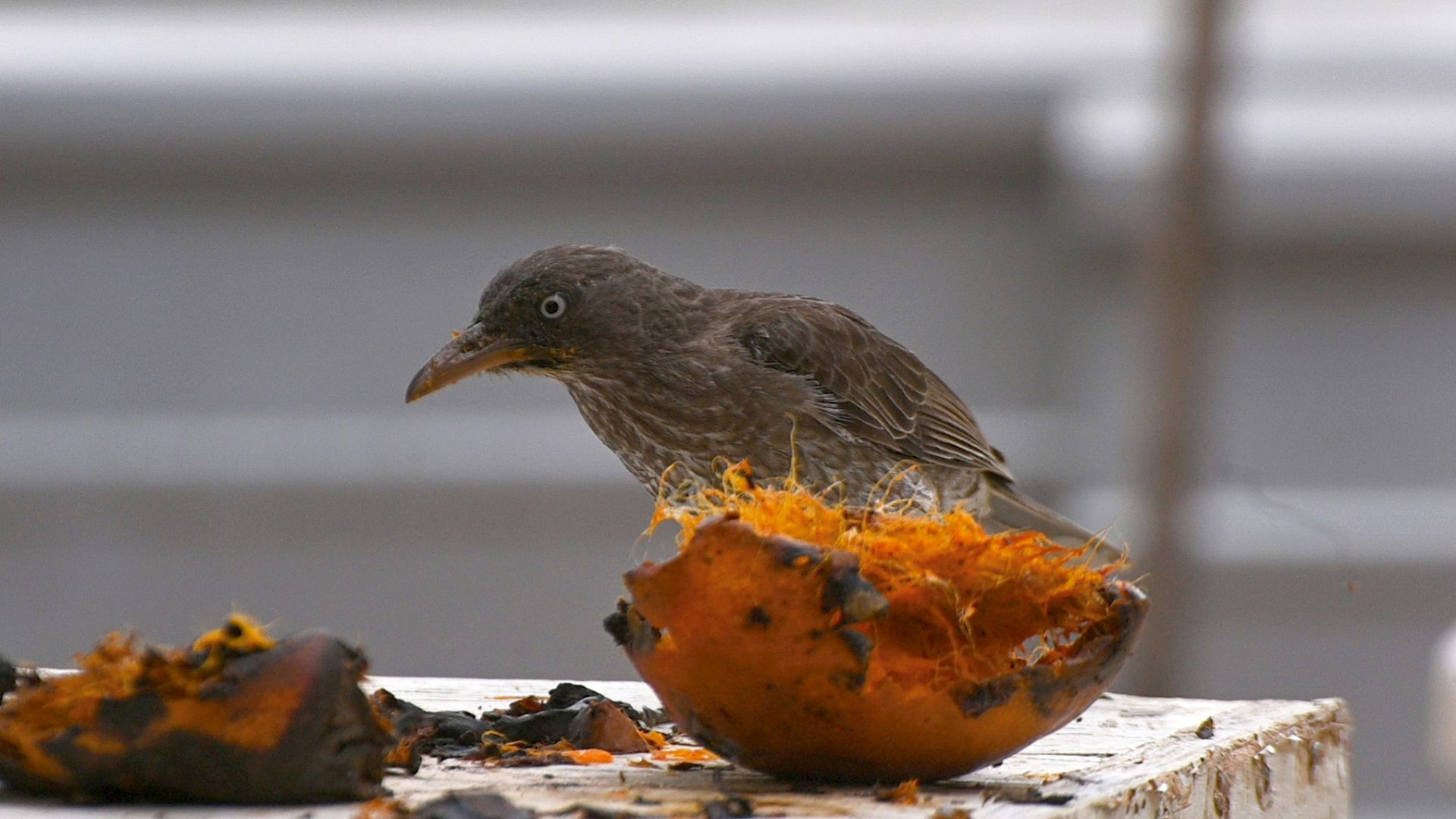
Yes. The experiment doesn't have to stop with the chickens.
Wild birds, including sparrows, finches, nuthatches, woodpeckers, and Carolina Wrens, will investigate and eat pumpkin flesh and seeds. The setup is slightly different from the chicken version:
- Pre-carve the surface features you want the birds to peck, since wild birds are less aggressive foragers and need more exposed flesh to get started.
- Don't gut the pumpkin before setting it out — the intact interior stays fresh longer.
- Place it on a patio table or hang it near an existing bird feeder to help deter squirrels. (They will still try.)
Pumpkin also works as a bird feeder on its own.
Cut a small pumpkin in half, gut it, fill the cavity with birdseed, and hang it from a branch with twine. It lasts a week or two before the squash starts to break down, at which point the birds will pivot to eating the pumpkin.
Frequently Asked Questions
How long does a chicken pumpkin carving session take?
Most flocks will produce a recognizable jack-o'-lantern in 20-40 minutes. The variables are pumpkin size, flock size, and how hungry your chickens are at the start. A very hungry flock working a small pumpkin can demolish your art project in under ten minutes. Manage expectations accordingly.
Will chickens keep pecking after the design is done?
Yes. Immediately. Remove the pumpkin when the design is complete.
What wild birds will eat pumpkin?
Sparrows, finches, nuthatches, and woodpeckers are reliable pumpkin visitors. Ducks and geese will eat pumpkin if it's accessible.
A Note on Wildlife and Your Pumpkin
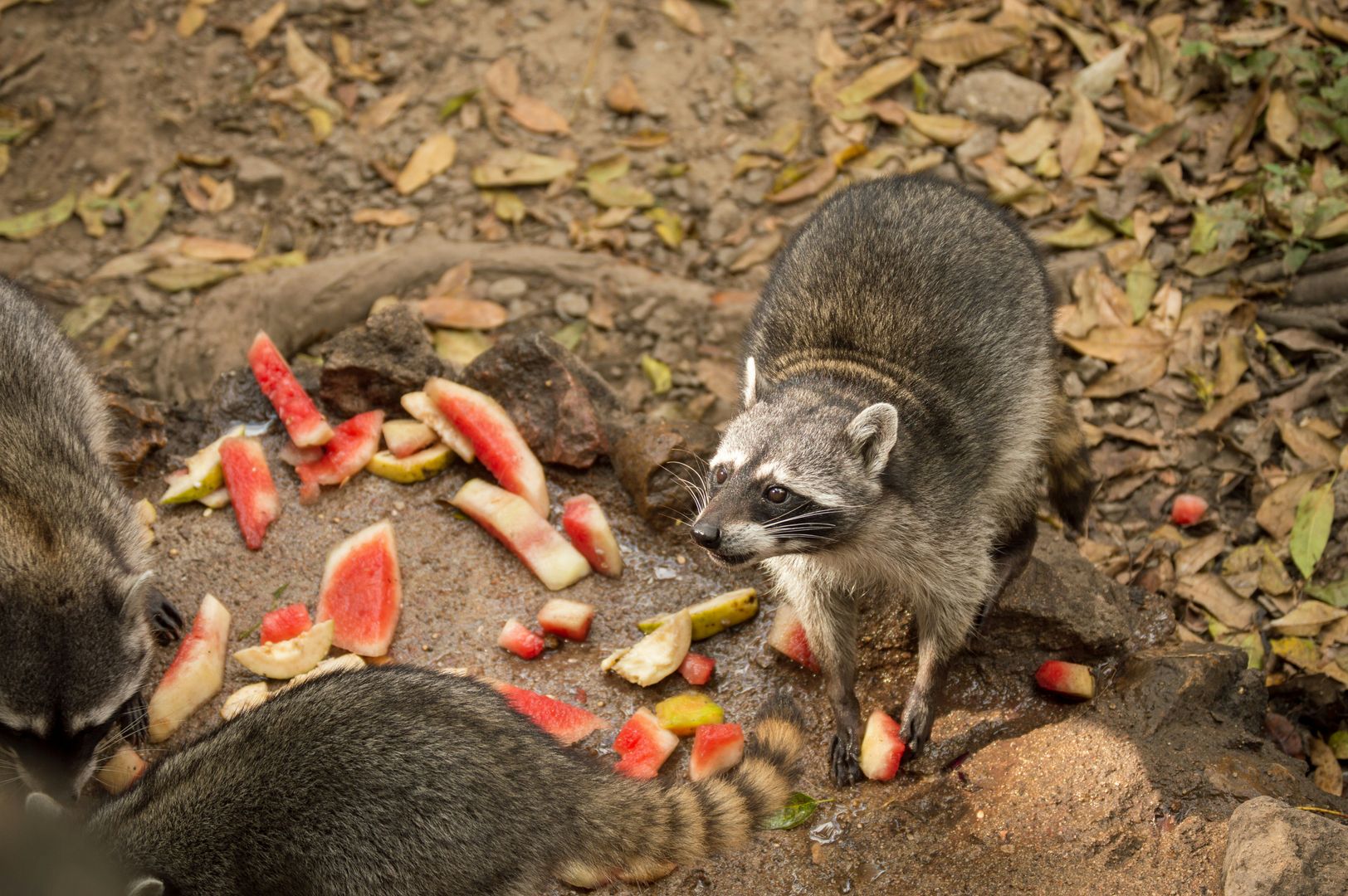
Carved pumpkins left outside overnight will attract raccoons, deer, mice, and other wildlife. A raccoon that finds a carved pumpkin on your porch is genuinely delighted.
Bring carved pumpkins inside overnight if you'd rather keep the wildlife experience at a distance. When the pumpkin starts to sag past the point of photogenic, cut it into pieces and leave it near a bird feeder as a seasonal treat, or compost it.
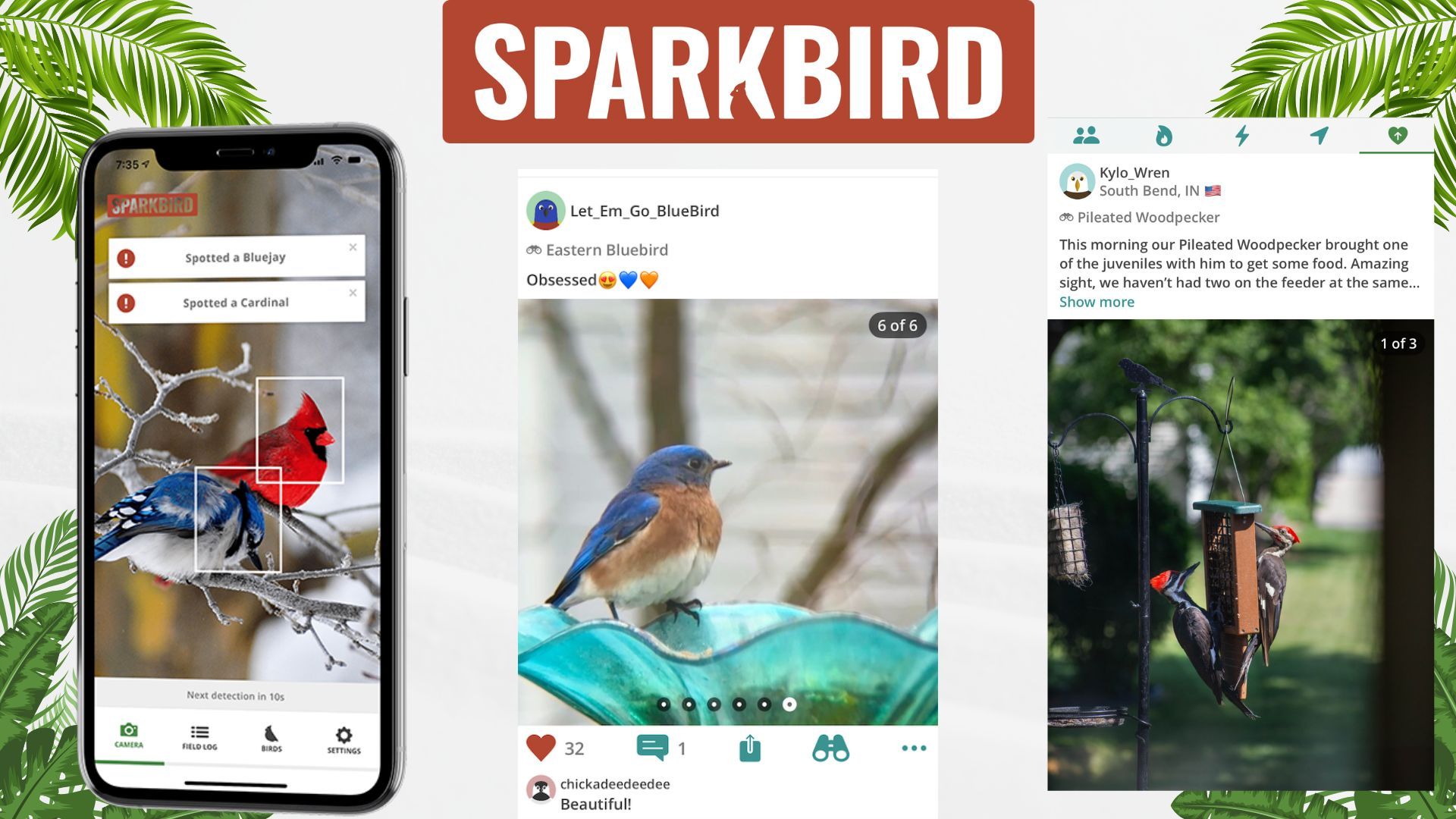
Share your chicken jack-o'-lantern on the Sparkbird app
The birding community has seen many things, but probably not enough chicken art.

No comments yet.