
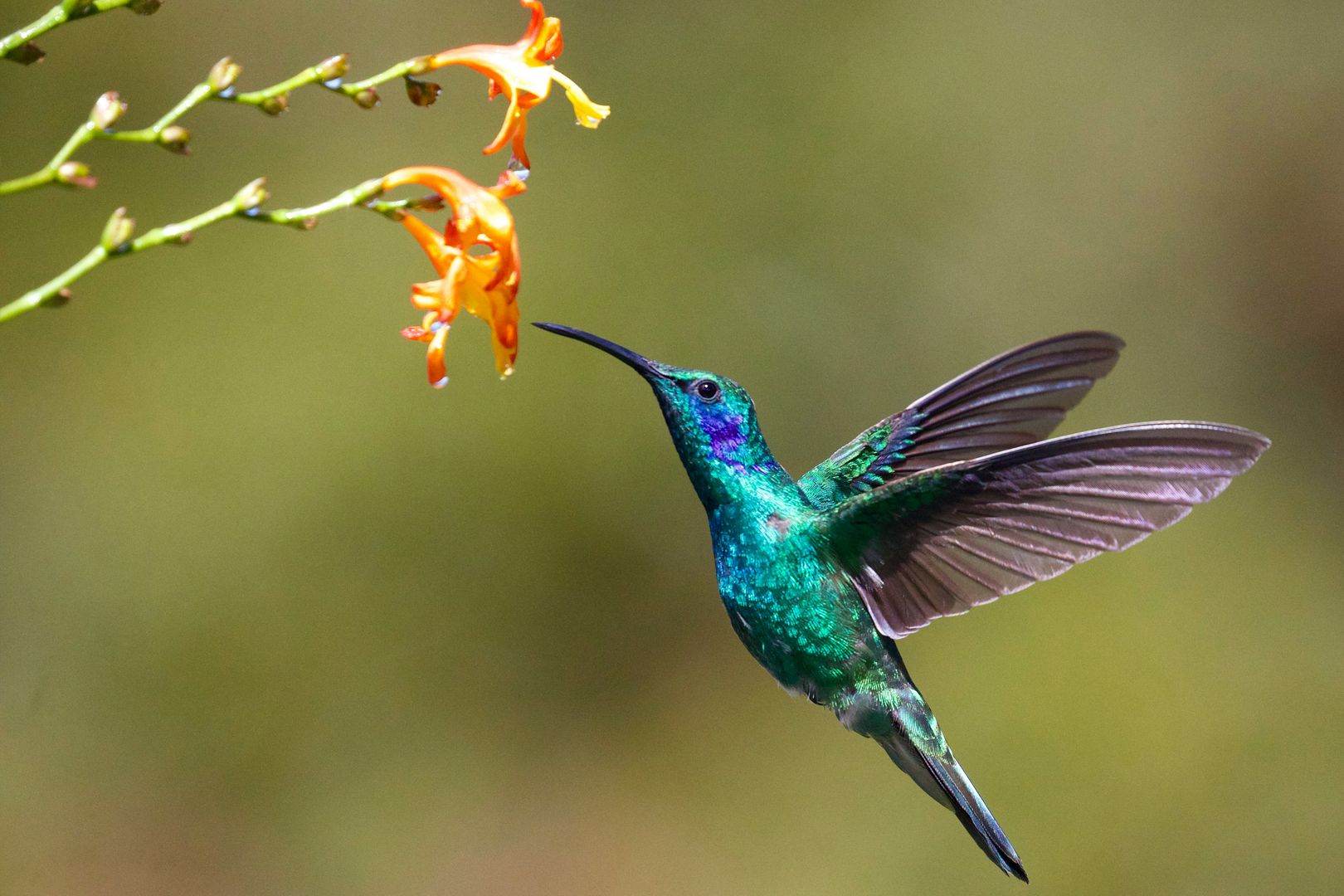
Attracting hummingbirds to your yard is easy!
Make sure your flowers are ready for hummingbird migration
Hummingbirds migrate from the south up through North California as early as January. Their migration peaks in April
Southbound hummingbird migration starts late July and ends in September.
Here's what to expect:
- 14 Flowers in California Hummingbirds Love
- 5 Tips for Using Plants to Attract Hummingbirds
- Links to popular hummingbird articles
1. Cardinal Flower (Lobelia cardinalis)
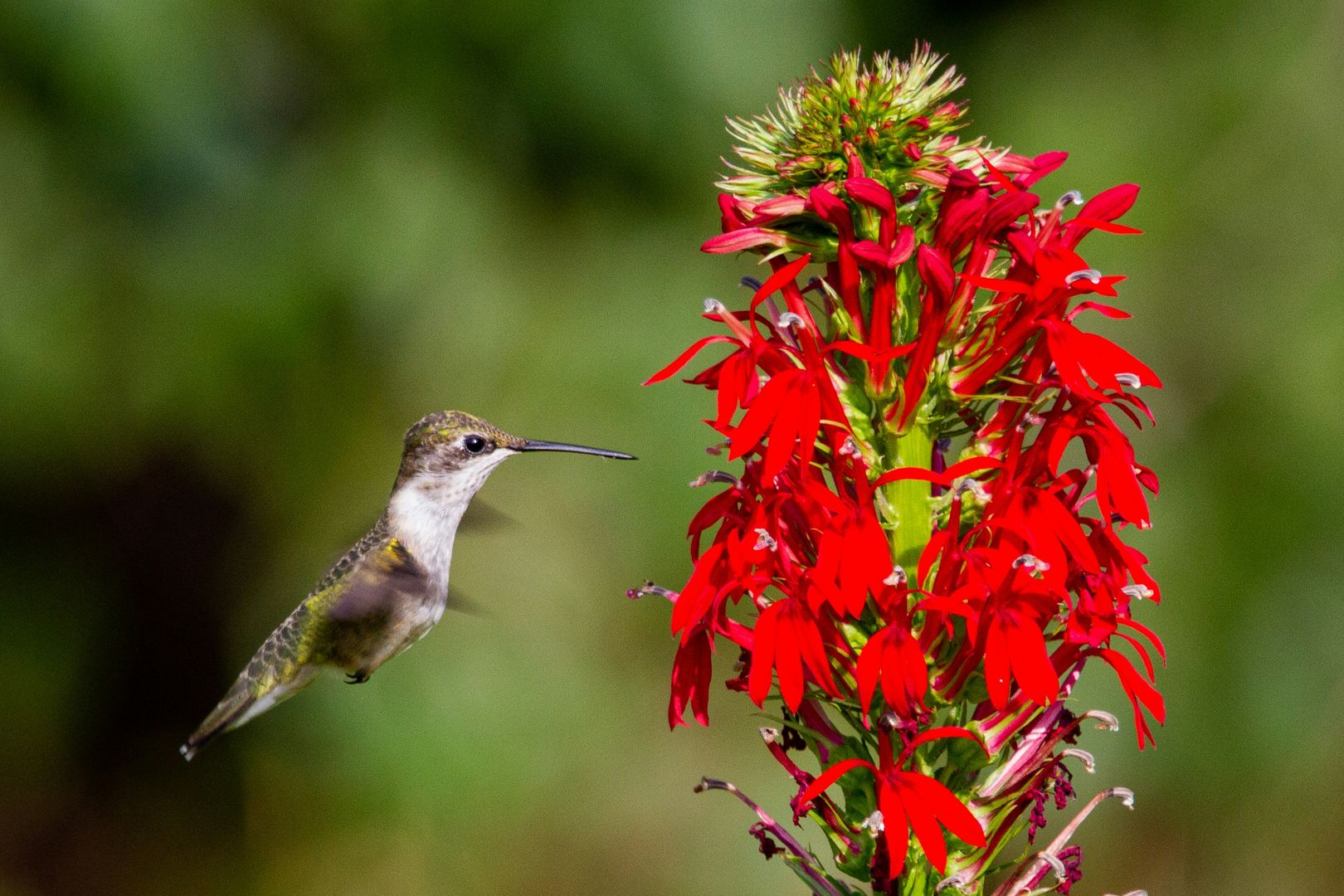
- Perennial
Names: Scarlet Lobelia, Indian Pink
The Cardinal Flower depends on hummingbirds since many insects find the flowers difficult to navigate.
Every hummingbird garden must have Cardinal Flower since it’s practically a beacon for hummingbirds!
The flowers bloom from late summer through early fall, which is when young hummingbirds are feeding and adults are fueling up for migration.
2. Hummingbird Mint (Agastache)
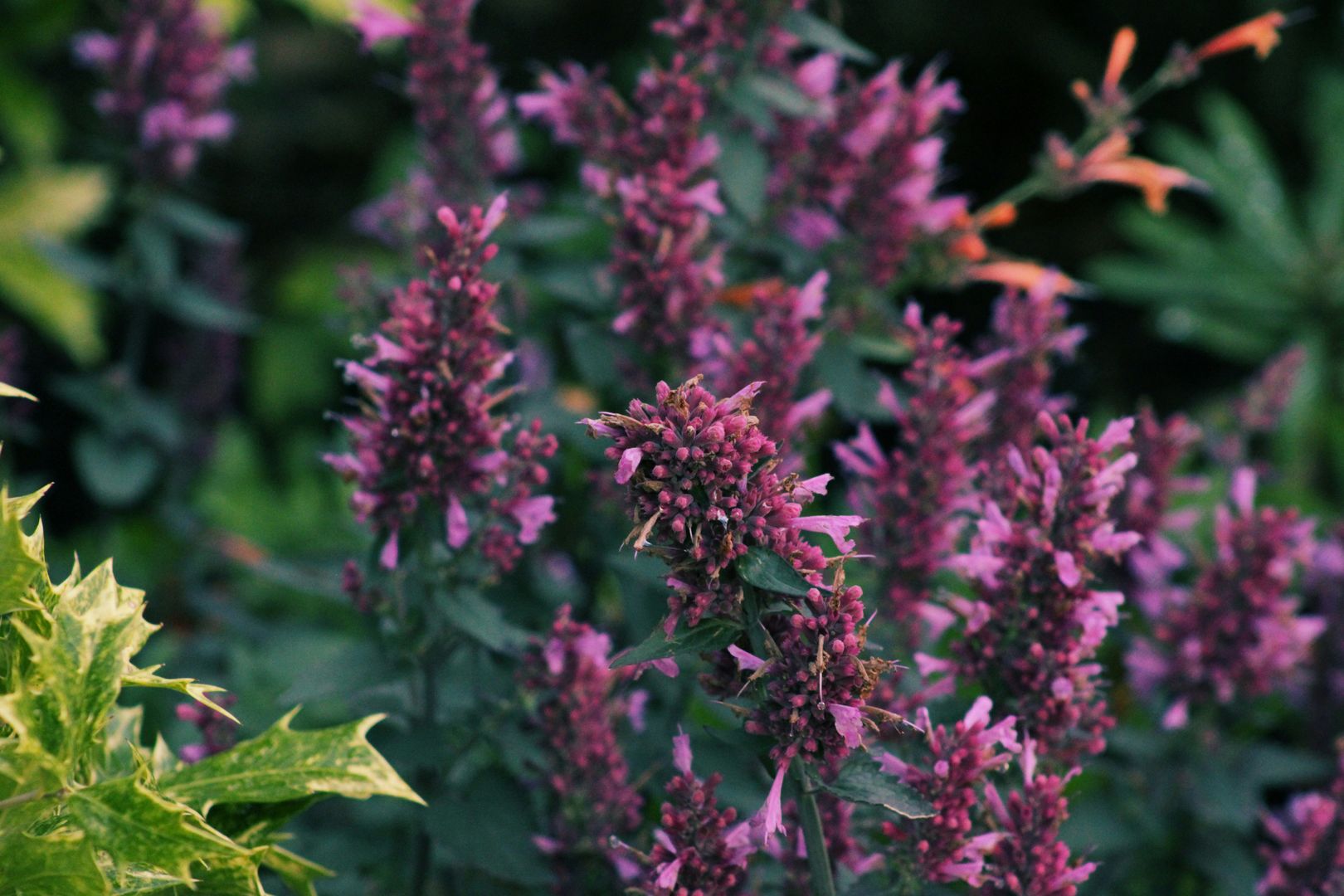
- Perennial
Names: Anise Hyssop
Hummingbird Mint has tubular, nectar rich flowers that are perfect for hummingbirds (hence its name).
A hardy drought resistant flower makes it a suitable plant for hummingbirds in California gardens.
The fragrant lavender-blue flowers bloom from mid-summer to fall.
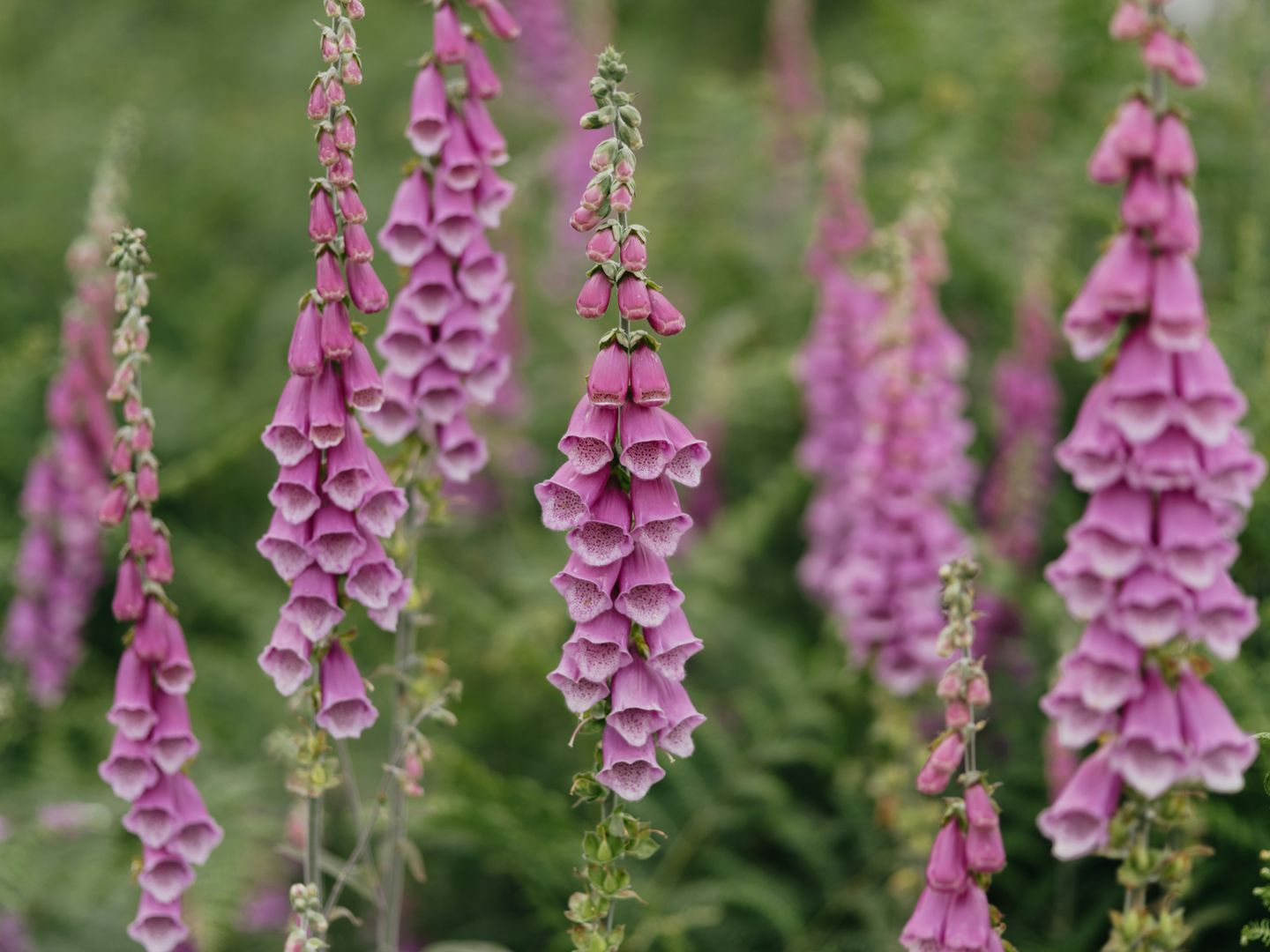
3. Foxglove (Digitalis)
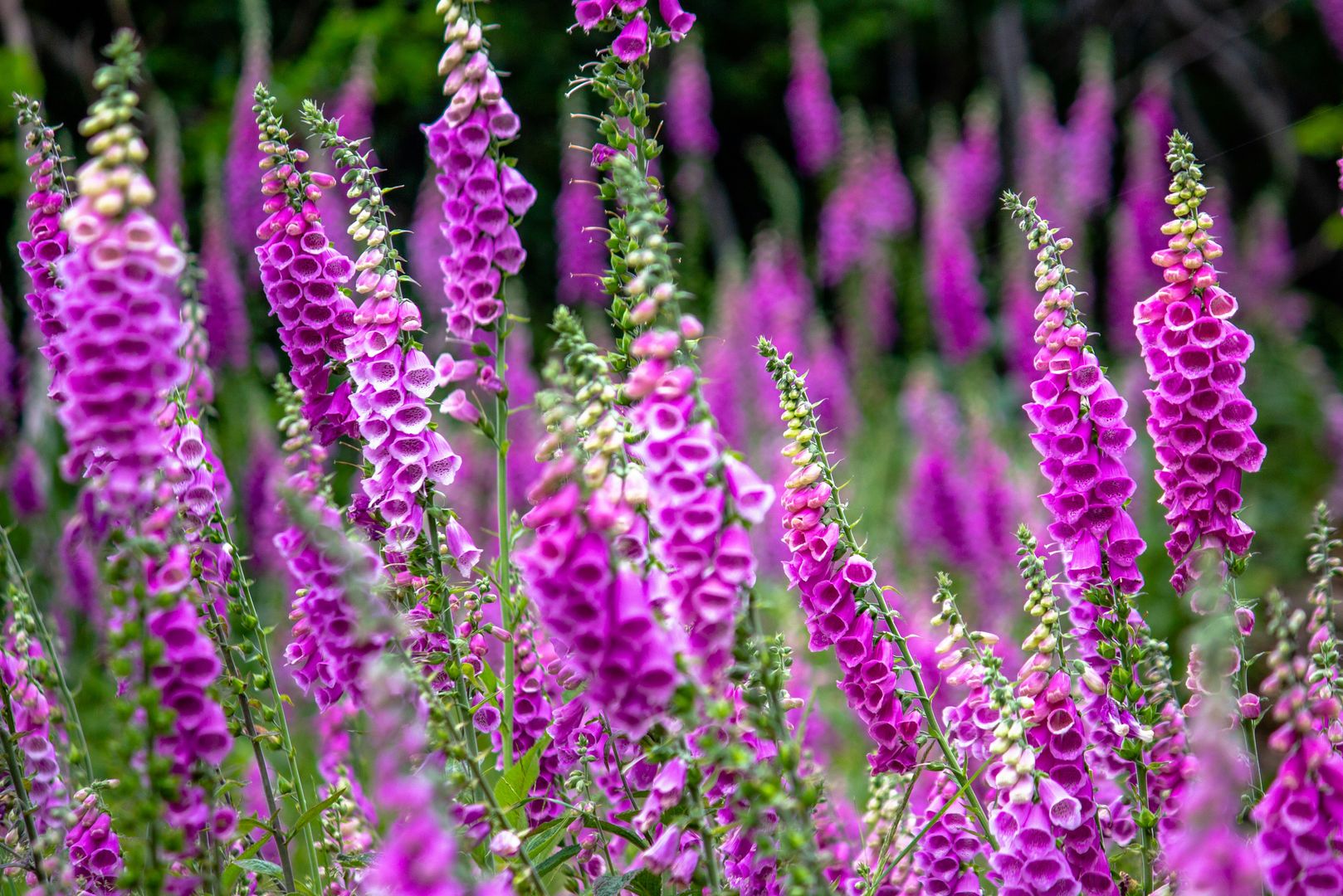
- Perennial
Foxglove is known for its purple and pink spire-like flowers. They’re native to Europe but have adapted to the Americas.
Foxglove is great for partially shaded areas. It’s an ideal hummingbird flower for rural or suburban yards where deer may appear as it’s considered deer resistant.
Beware— Foxglove is toxic. All plant parts cause severe poisoning.
4. Columbine (Aquilegia)
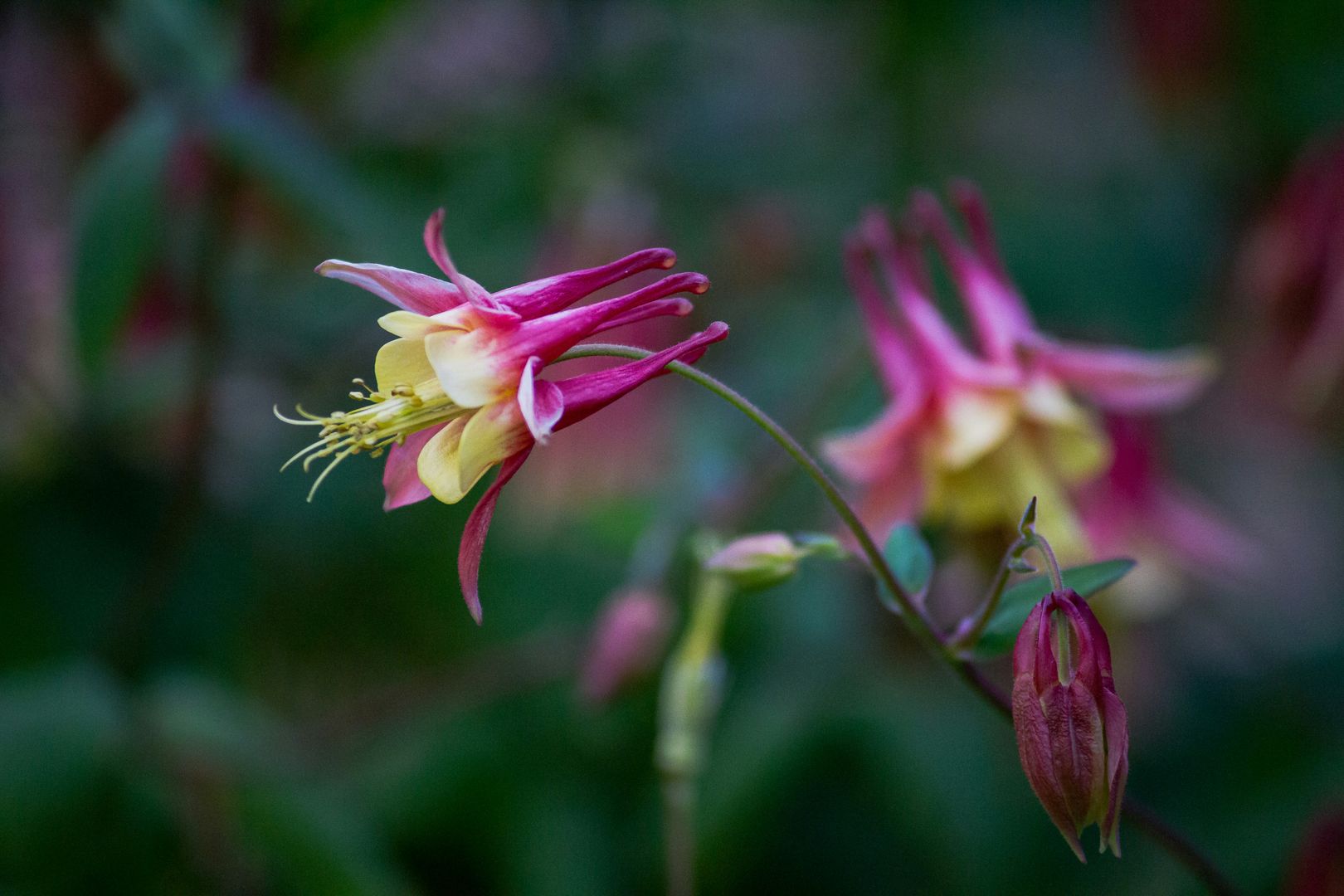
- Perennial
The red, yellow, and tube shape of Red Columbine is a hummingbird favorite.
It blooms late March if there's a mild winter which is ideal for hummingbird migration in California.
It's the perfect flower for hummingbirds in California because it's drought resistance.
5. Cuphea
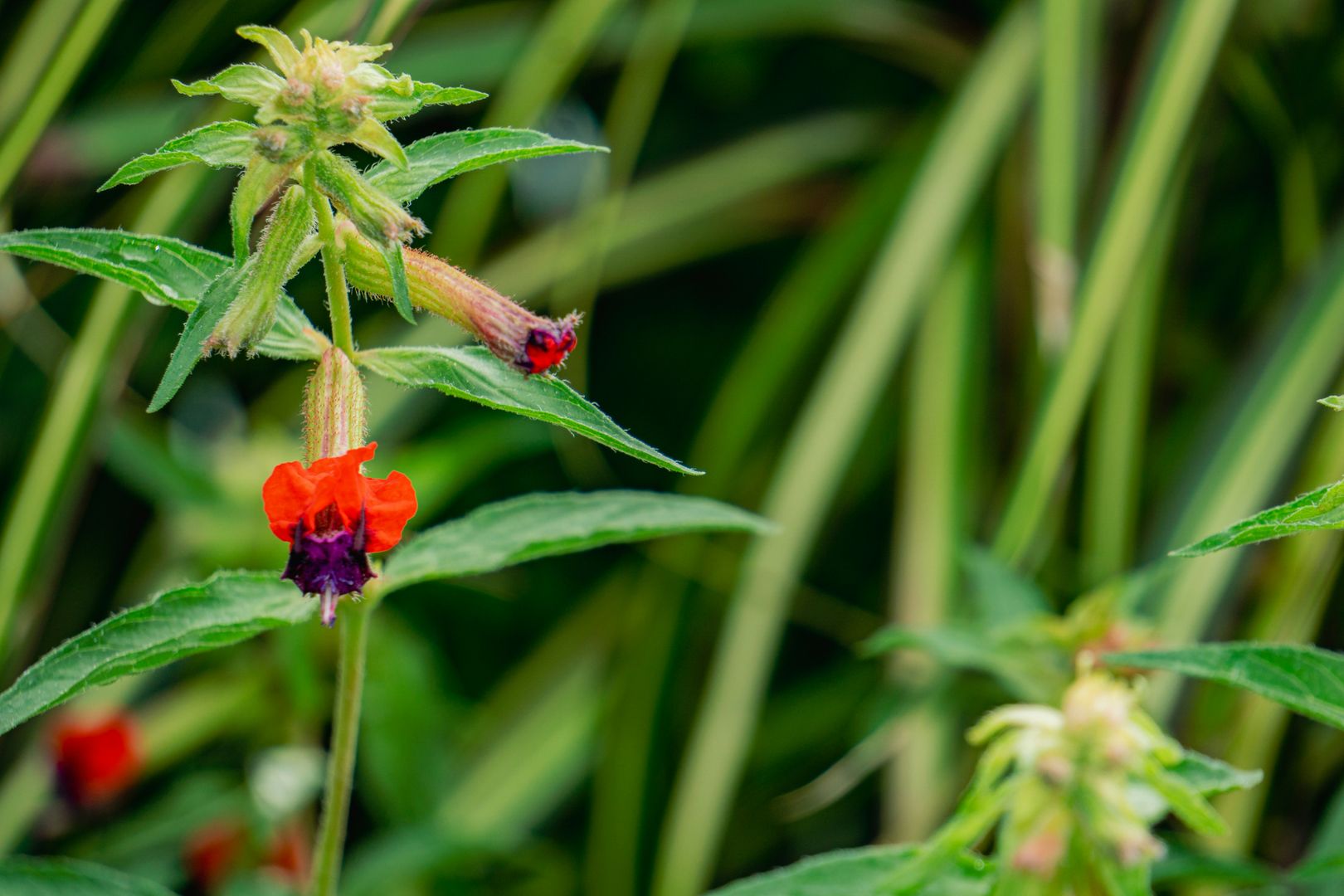
- Annual
Names: Red Cigar Flower, Firecracker Plant
Cuphea is perfect for attracting hummingbirds to your yard. Its non-stop tube-shaped flowers bloom from spring to fall.
Choose varieties like Vermillionaire and Hummingbird's Lunch which are perfect for containers, hanging baskets, and mass plantings.
6. Lantana
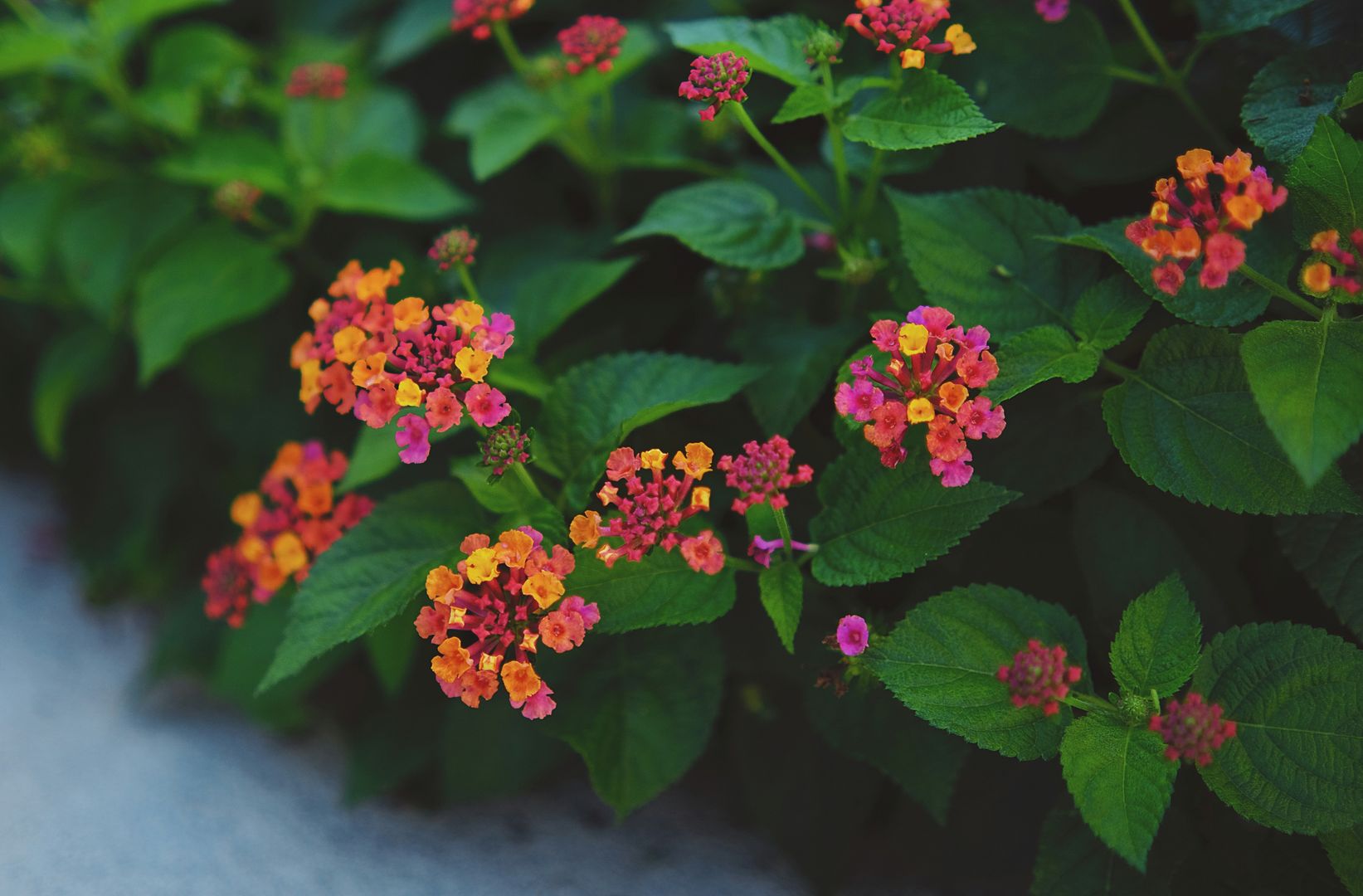
- Annual
Names: shrub verbena, wild sage, red sage, or Spanish flag
The rich cluster of tubular flowers of the Lantana plant are a favorite for hummingbird gardens.
Butterflies and bees love them, too, dubbing the plant a pollinator workhorse.
This drought resistant flower is great for hummingbirds in California.
7. Fuchsia
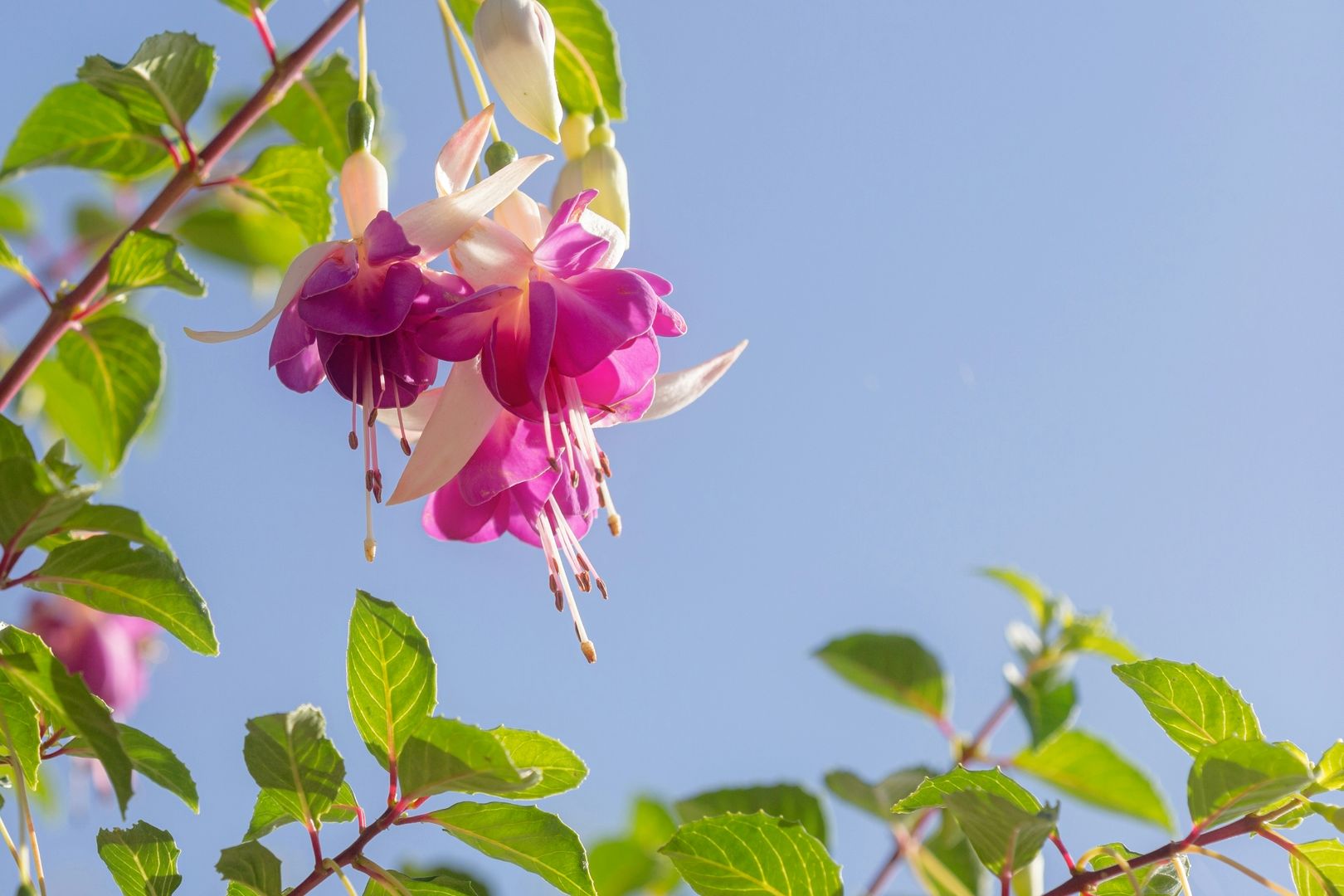
- Annual
Fuchsia is known for its bell shaped upside down hanging flowers. They remind me of Bleeding Hearts
Try any of these four varieties for your hummingbirds: Gartenmeister Bonstedt (tubular orange), Jungle (red/orange), Christelchen (small red), or Garden News (magenta-rose).
Aim for partial shade and well draining soil.
8. Beardtongue (Penstemon)
- Perennial
A drought tolerant delicate flowering plant. The nectar rich tubes attract hummingbirds and other pollinators.
Beardtongue comes in a number of pinks and purples sure to please your hummingbirds.
Choose varieties like Husker Red, Dark Towers, and Blackbeard.
- Related: 9 Ways to Attract Hummingbird
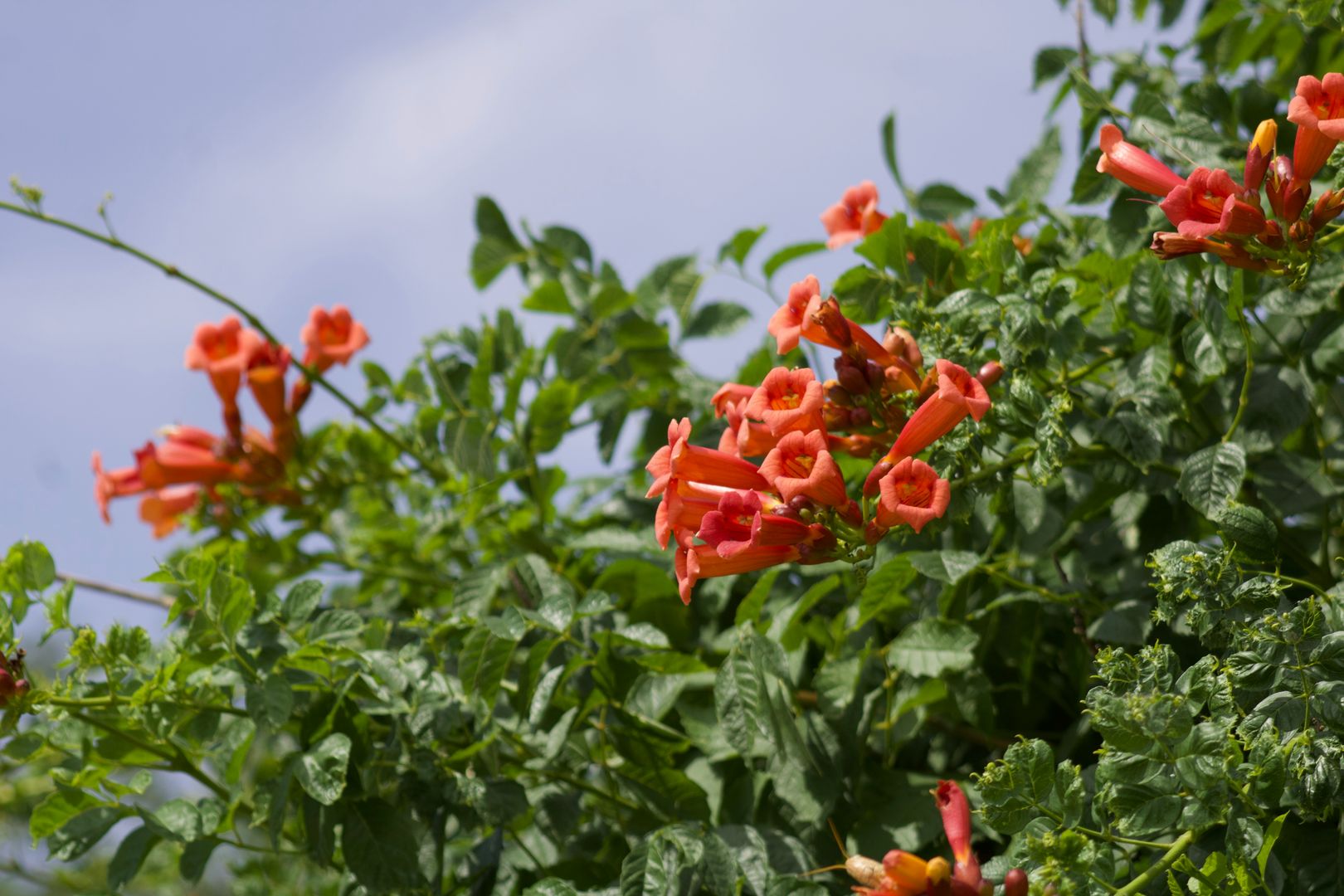
9. Trumpet Vine (Campsis radicans)
- Perennial
Names: Yellow trumpet, trumpet creeper,
Trumpet vine is a gorgeous orange and peach colored flower.
If you’re looking to channel a warm sunrise vine in your garden, this is the flower to use.
This drought tolerant flower is ideal for California hummingbirds.
This plant is a crawling and climbing vine ideal for fences and trellis.
- Related: 5 Steps to Clean Hummingbird Feeders
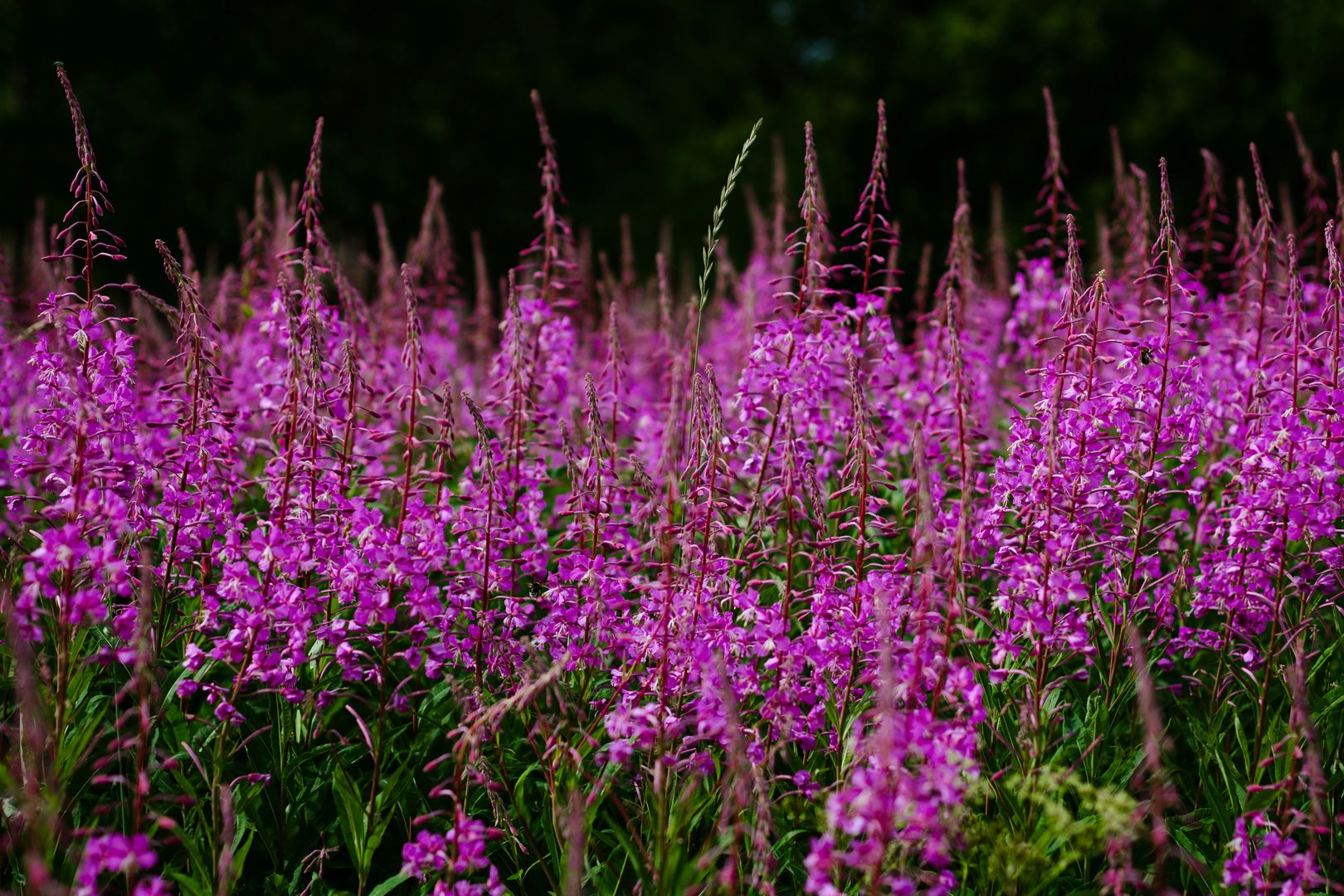
10. Fireweed (Chamaenerion angustifolium)
- Perennial
A dominant, bright pink nectar source blooming in mid-to-late summer.
Hummingbirds can see this tall cone shaped flowering plant from a distance making it ideal for hummingbird food.
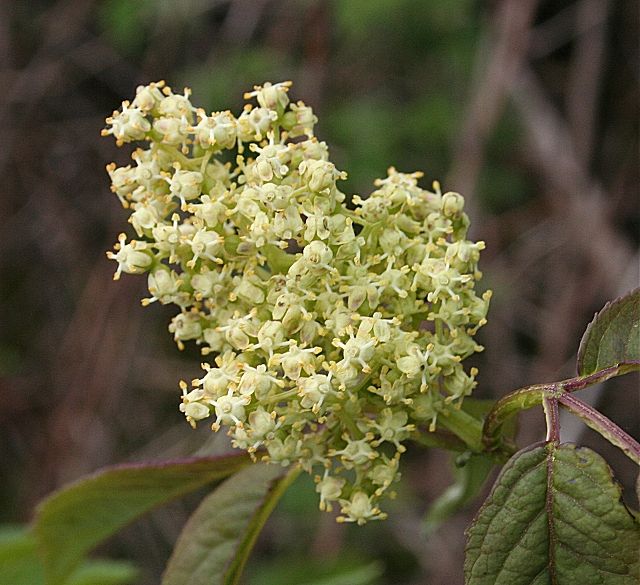
11. Red Elderberry (Sambucus racemosa)
- Perennial
Red Elderberry blooms in early to mid spring giving hummingbirds a reliable nectar source after migrating.
The elderberries are red, the flowers are white.
Elderberry shrubs are great nesting sites for other birds, too. All around a win-win for pollinators and year round birds in California.
12. Golden Currant (Ribes aureum)
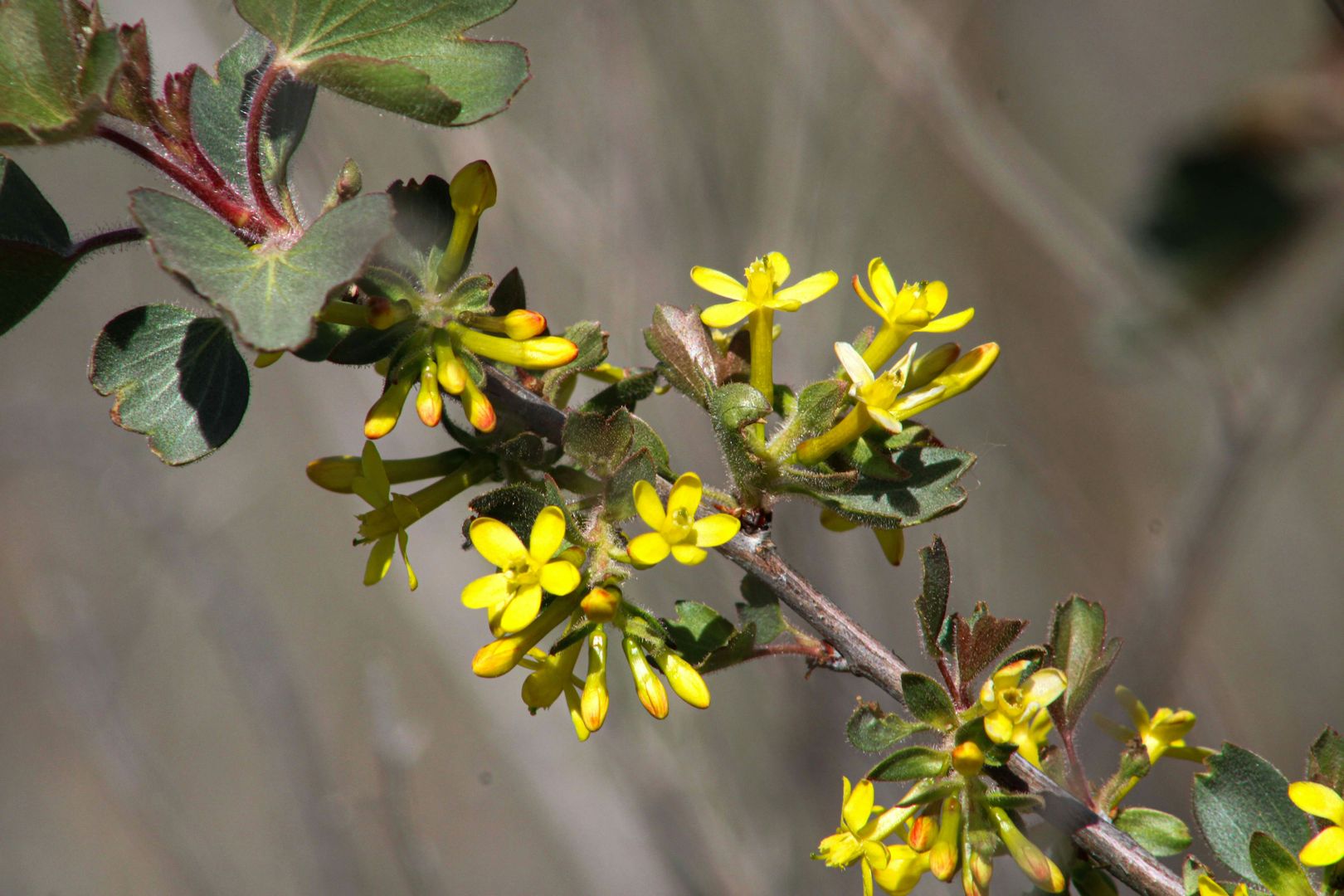
- Perennial
These early blooming, yellow shrubs offer essential early nectar making it a premier native plant for hummingbirds.
It blooms April-May in Alaska and has yellow trumpet shaped flowers.
This drought tolerant plant for California hummingbirds also doubles as a great nesting site for other birds.
13. Common Bearberry (Arctostaphylos uva-ursi)
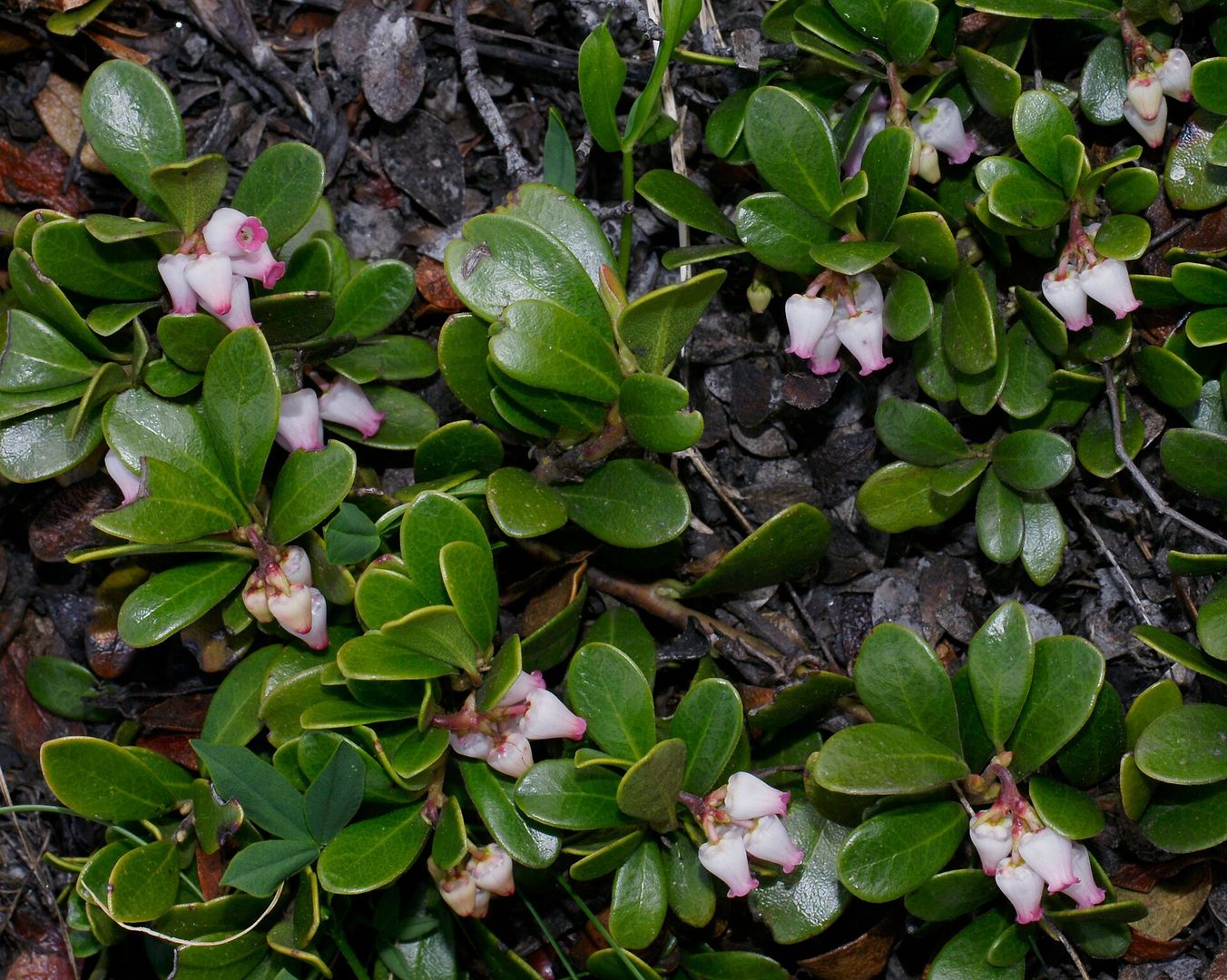
- Perennial
A low-lying ground cover with small, nectar-rich flowers.
Common Bearberry has small red berries that, you guessed it, bears and birds eat.
The small pink and white flowers of this drought resistant plant are ideal nectar sources for California hummingbirds.
14. Great Red Paintbrush (Castilleja miniata)
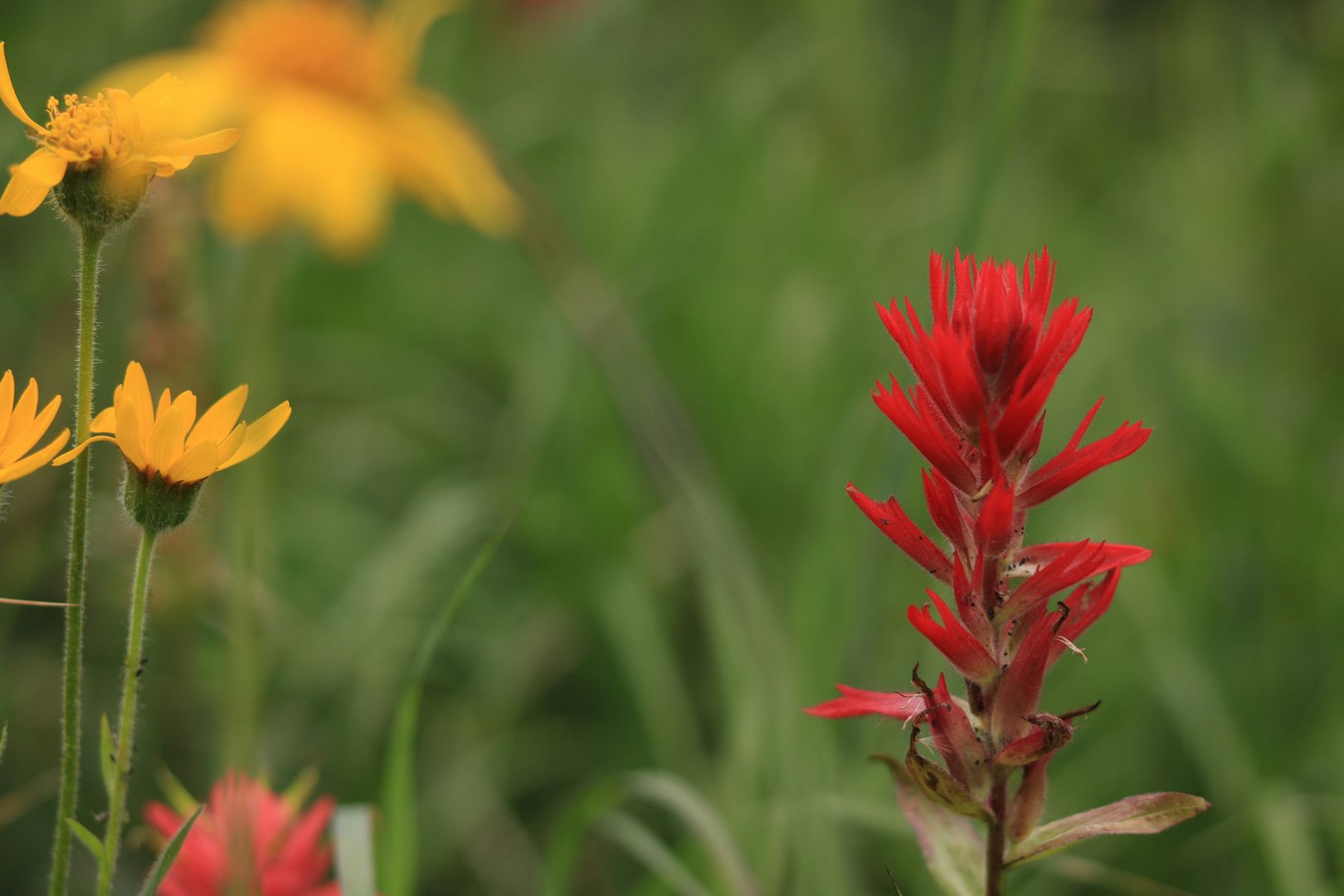
- Perennial
A vibrant red flowering plant with firework-like bracts that bloom from March to October.
Everything from the shape to the color makes it a hummer magnet!
It's a popular plant for pollinator gardens, too.
15. Harebell (Campanula rotundifolia)
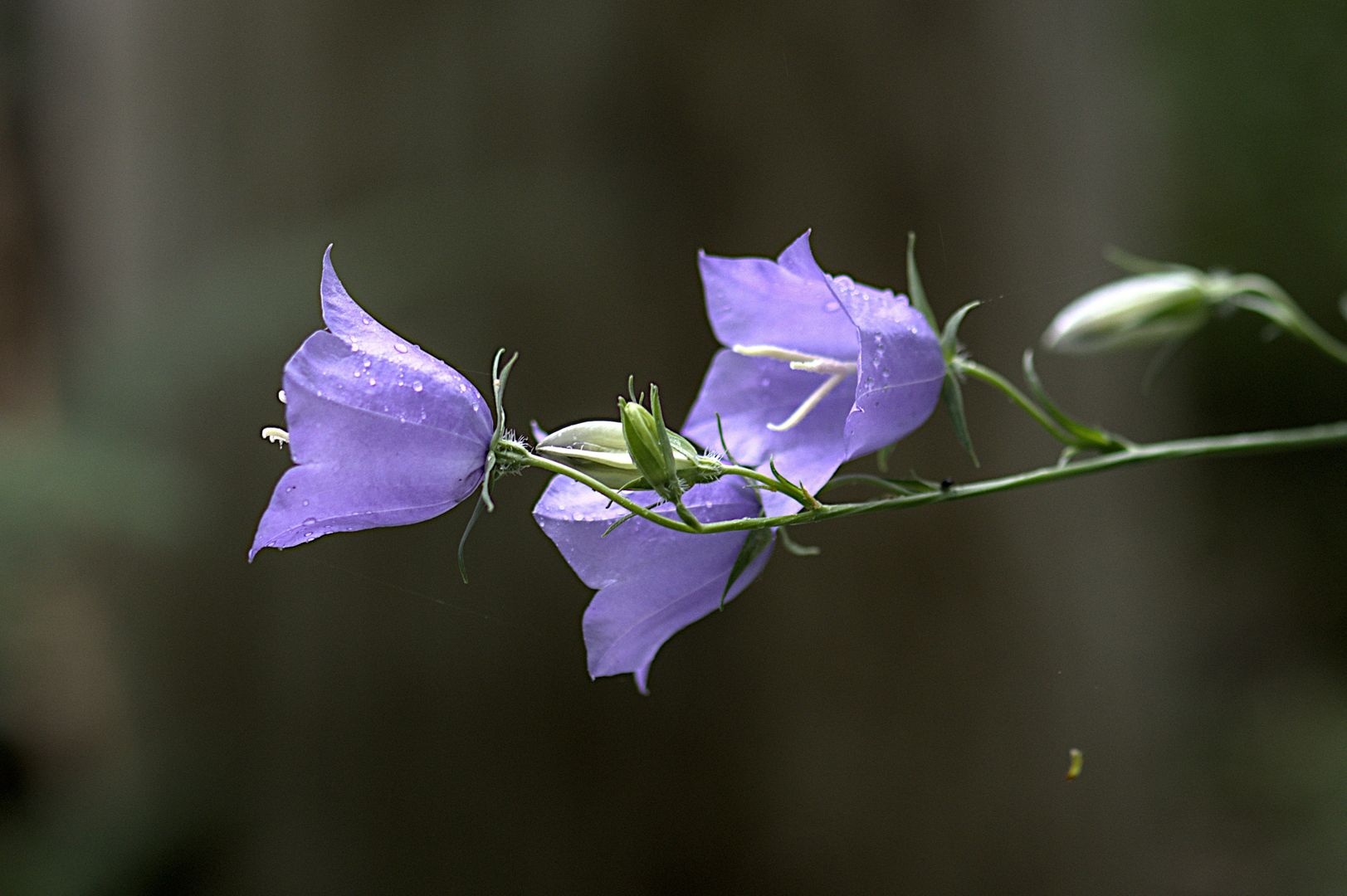
- Perennial
This blooms early summer to fall which is ideal for succession gardening & just before hummingbirds start their southern migration out of California.
This high-nectar flower is a must for any hummingbird garden.
5 Tips for Attracting Hummingbirds During Migration
1. Use Red Flowers
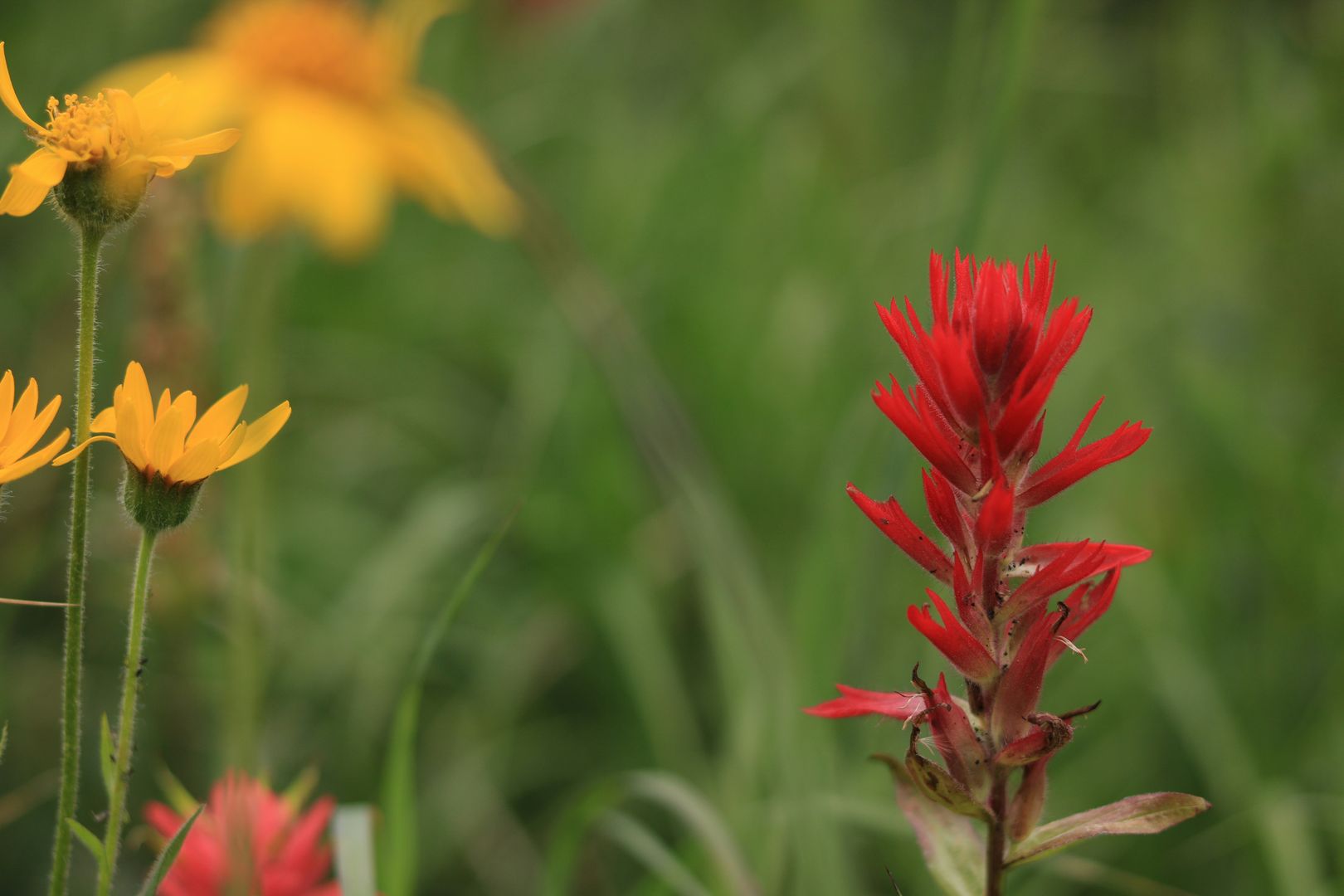
Hummingbirds are red sensitive.
They visit many colors but warm reds, yellows, and oranges increase the odds of them picking your flowers.
2. Avoid Invasive Plants
Butterfly Bush (Buddleja davidii) and Lantana camara are popular flowers for hummingbirds, but are invasive plants in California.
They can displace native vegetation.
Check with the California Invasive Plant Council (Cal-IPC) before planting.
3. Group Plants Together
Grouping similar plants in clumps makes them easier for hummingbirds to spot.
Use companion planting to make sure your garden thrives!
4. Succession Planting
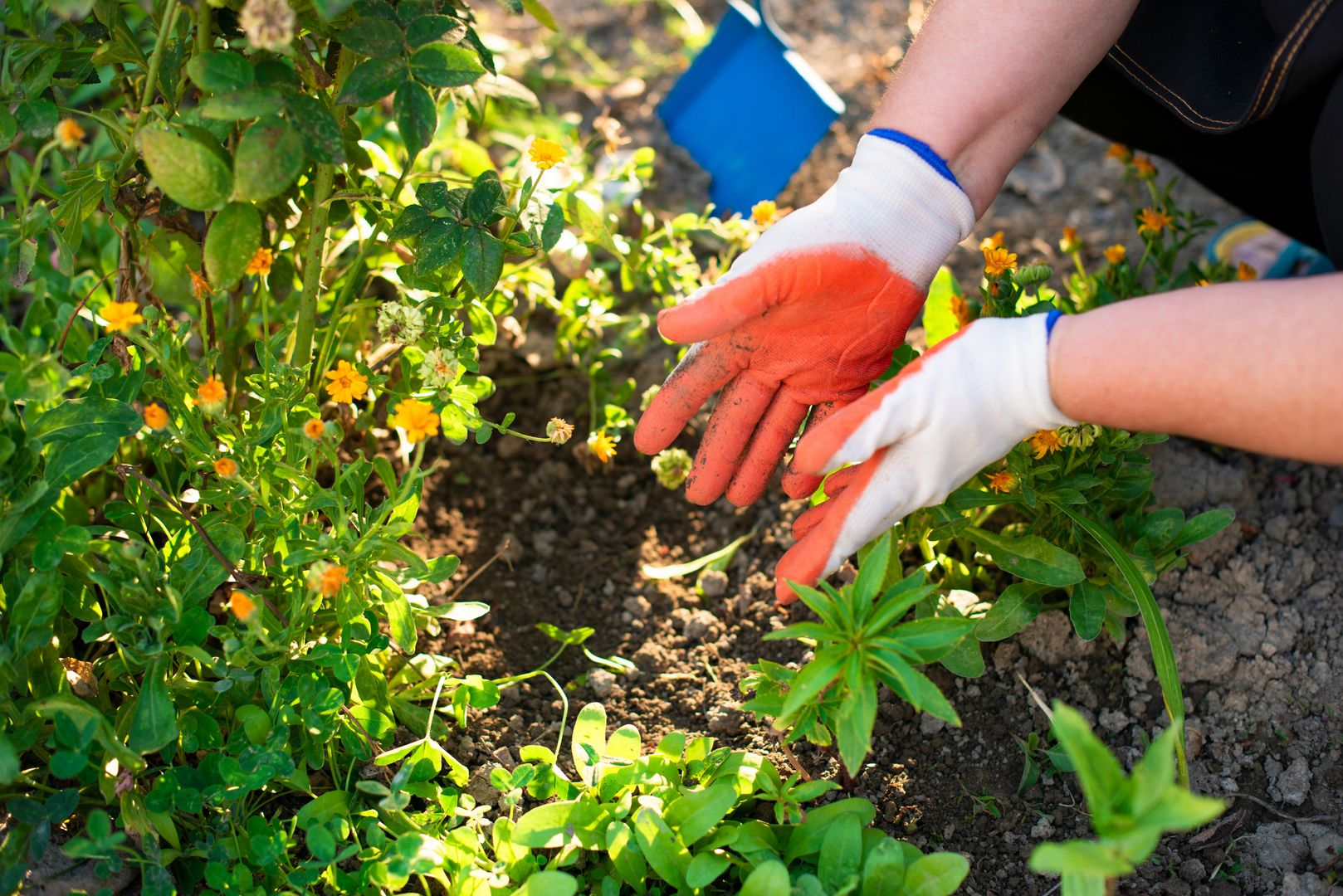
Choose a variety of plants that bloom at different times.
This gives hummingbirds a continuous nectar supply from early spring to late fall.
5. Avoid Pesticides
Insecticides protect plants from destructive insects.
Many store-bought pesticides can kill the insects hummingbirds eat and rely on for protien.
This throws off the delicate balance of the ecosystem.
Opt for these eco-friendly insecticide alternatives:
What flowers do your hummingbirds like?
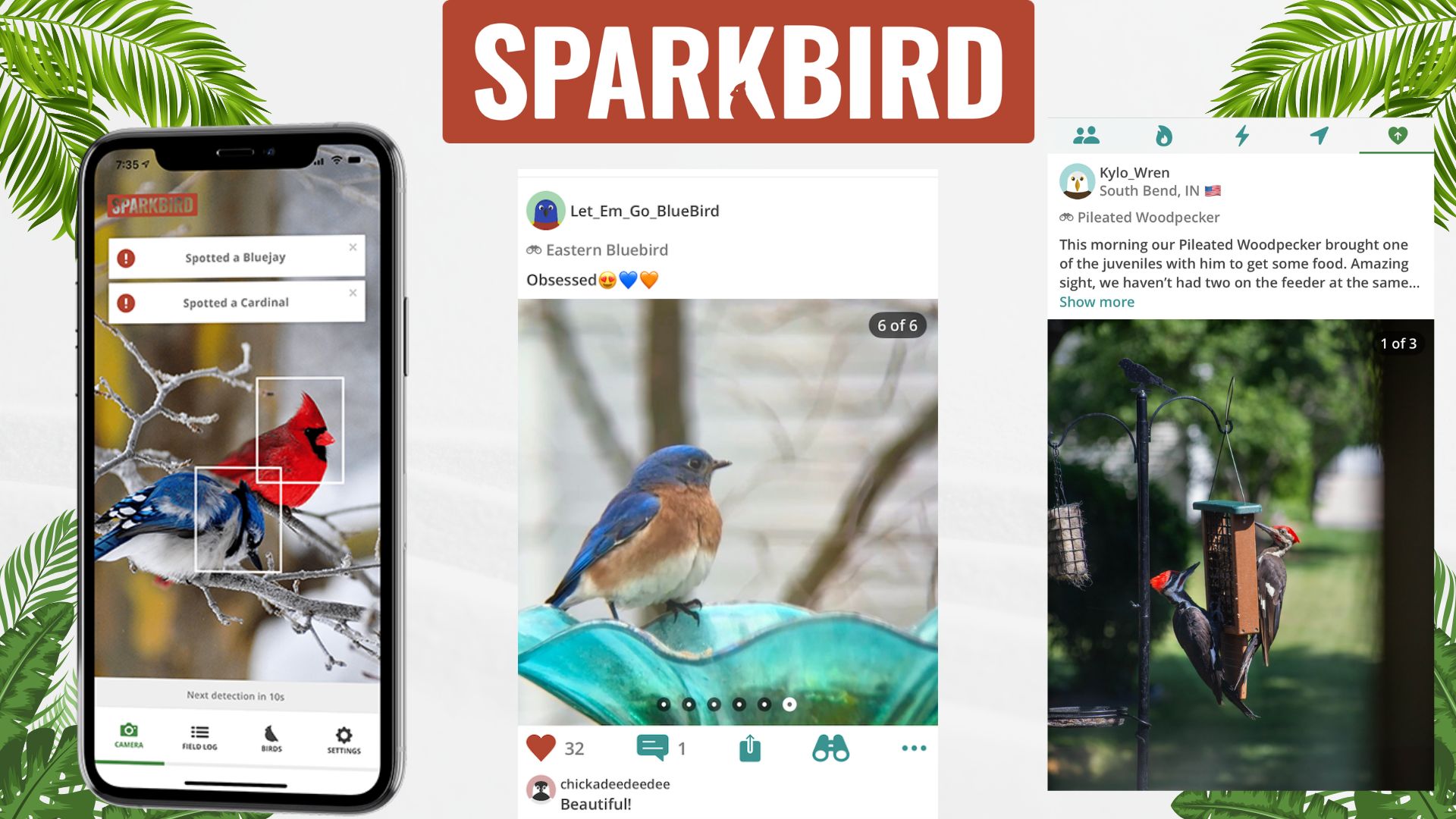
Share them on the Sparkbird App! Where likeminded birders and nature enthusiasts go to share.
Available in the Apple App Store.

No comments yet.