
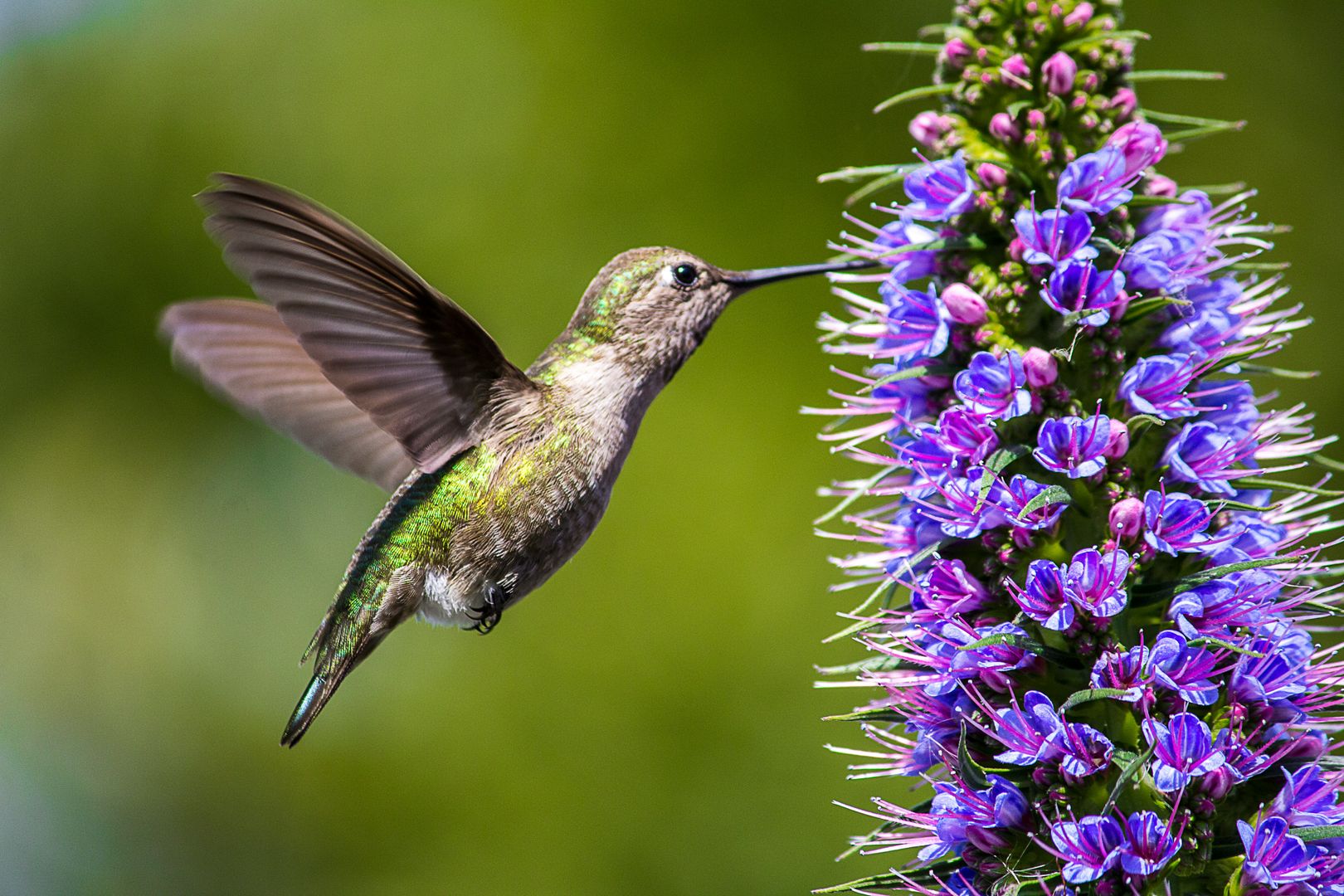
Alaska gets hummingbirds.
This surprises people, and honestly it should.
It's a ping pong ball sized bird traveling from Mexico to Anchorage, or the equivalent of doing an Ironman on a granola bar.
It's the Rufous Hummingbird.
And if you live in Alaska and want to attract one, the plant list looks nothing like our Florida guide.
The best plants for attracting hummingbirds in Alaska are cold-hardy natives.
Fireweed, Western Columbine, Red Elderberry, and Golden Currant to name a few. They're adapted to Alaska's short growing season & bloom when Rufous Hummingbirds are actually present.
A Brief Note on Why Alaska's Hummingbird Is Different
The Rufous Hummingbird is not the Ruby-throated Hummingbird that appears in every other state guide on this blog.
It's personality can be diplomatically described as assertive. They're highly territorial, documented chasing birds much larger than them from feeders.
They're also the longest-migrating hummingbird relative to body size of any bird in North America (3,900 miles round trip!)
When one shows up at your Fireweed in May, it's earned the right to be territorial.
Their season in Alaska is shorter than most of the continental United States.
When Do Rufous Hummingbirds Visit Alaska?
Rufous Hummingbirds arrive in Southeast Alaska and Kodiak Island in late April to early May.
Interior Alaska and the Anchorage area typically sees them in May. By August, most have departed on their southbound journey.
Your plants need to be established and blooming by late May. This is Alaska, so "late frost" is not a hypothetical.
Feeders are more important in Alaska than in warmer states.
Cold snaps suppress nectar production even during the growing season, so a clean feeder with fresh sugar water is an essential supplement, not a convenience.
Native Plants That Attract Rufous Hummingbirds in Alaska
Fireweed (Chamerion angustifolium)
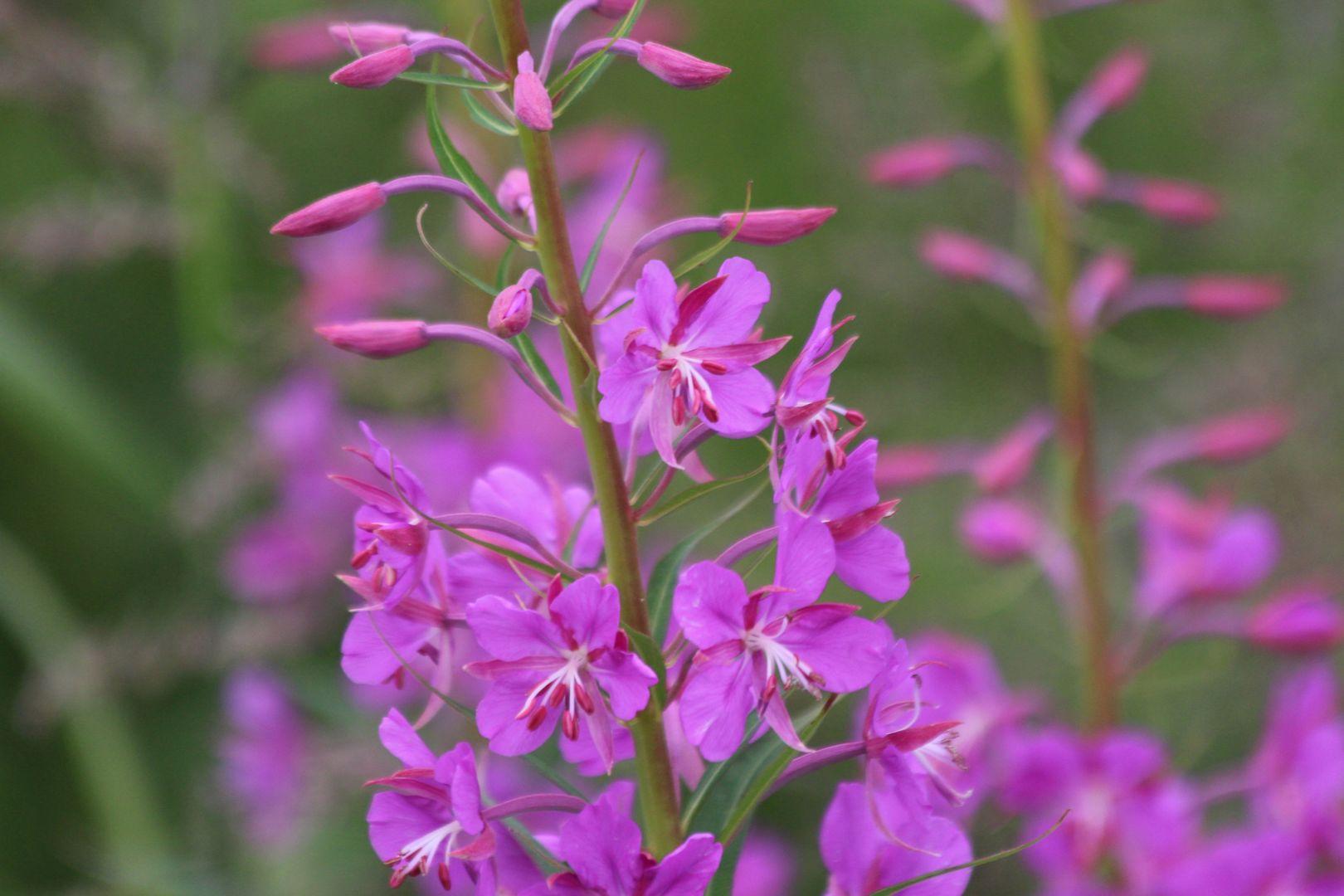
If you plant one thing for hummingbirds in Alaska, Fireweed is it. Alaska's most iconic wildflower and most productive nectar plants in the boreal and subarctic.
It blooms June through August, timed almost exactly with the Rufous Hummingbird season. It spreads freely, which in a large garden is a feature and in a small yard requires some management. Worth it either way.
Western Columbine (Aquilegia formosa)
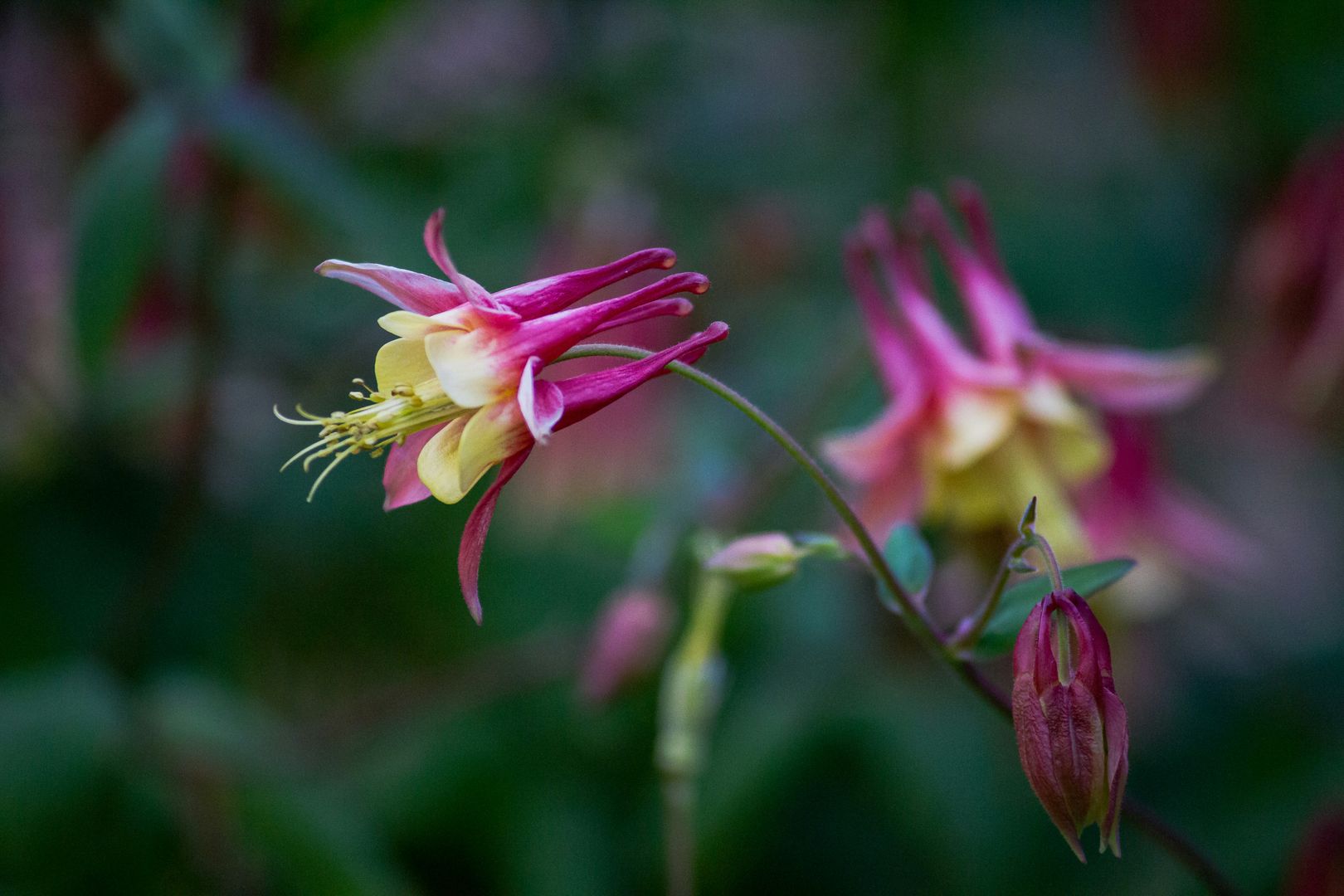
Western Columbine produces red-and-yellow nodding flowers with long nectar spurs — structurally designed for long-billed pollinators. It blooms in late spring and early summer, one of the first important nectar sources when Rufous Hummingbirds arrive.
It's also, wordplay aside, a column-ar plant that stands up well in Alaskan wind. (One pun per post. That one was unavoidable.)
Red Elderberry (Sambucus racemosa)
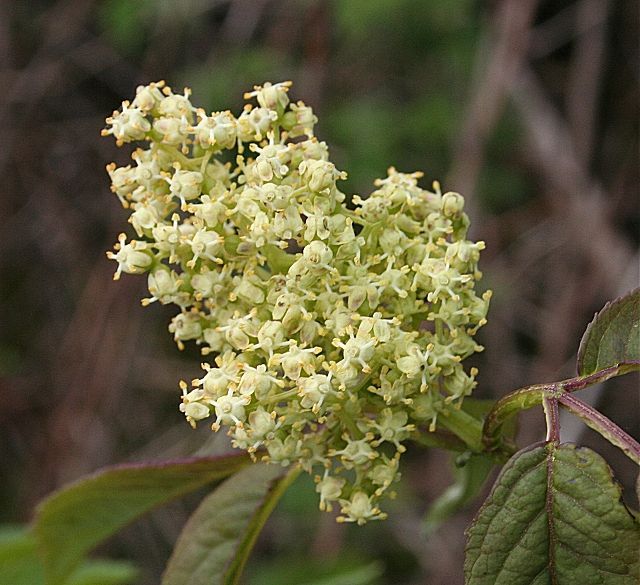
Red Elderberry blooms in late spring with clusters of small white flowers, then produces red berries in summer. Hummingbirds visit the flowers; thrushes and waxwings work the berries.
A multi-season wildlife shrub that earns its space. It can grow to 15 feet. Plant it where it has room.
Golden Currant (Ribes aureum)
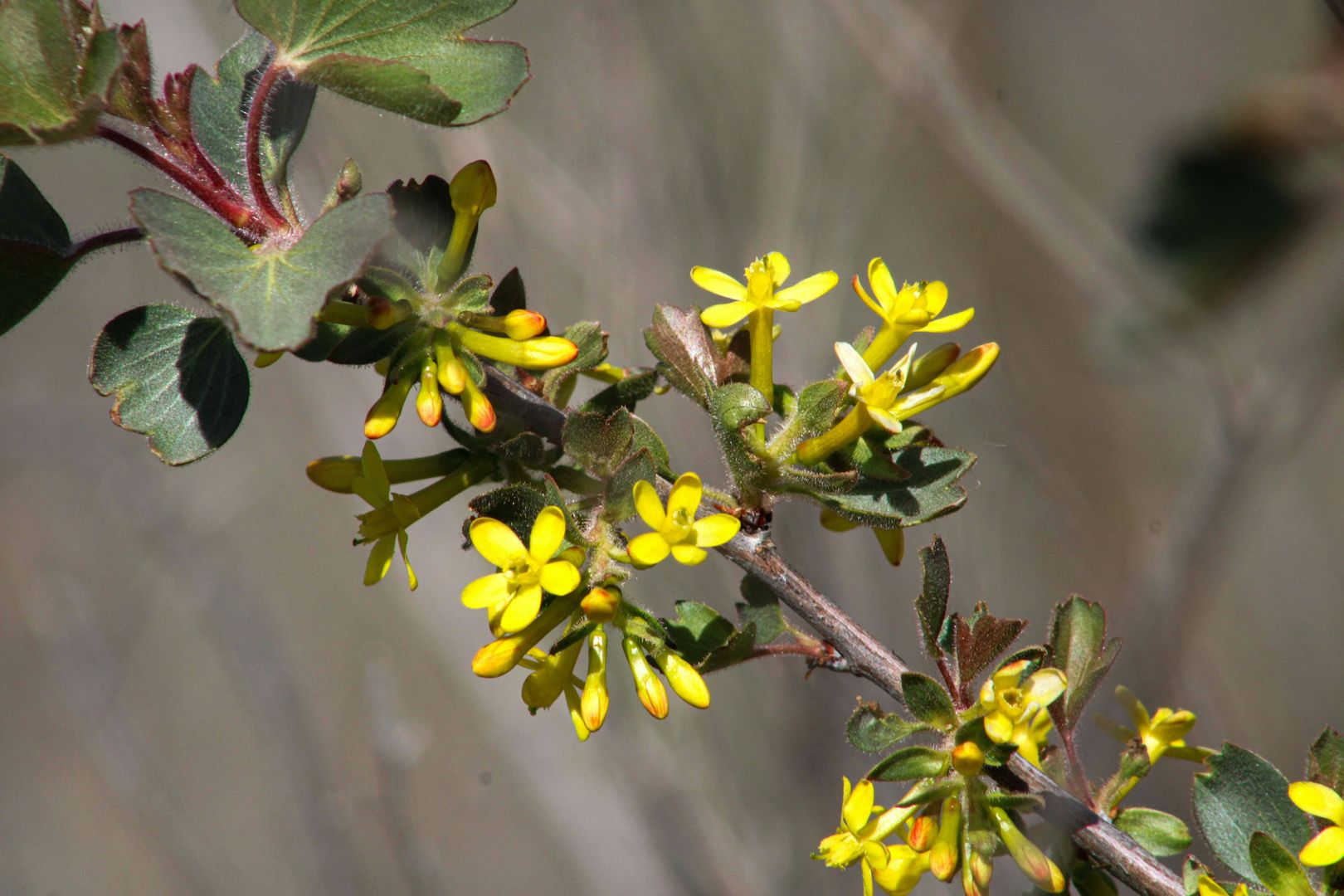
Golden Currant blooms in early spring with small yellow tubular flowers among the first available nectar sources when Rufous Hummingbirds arrive in May.
Its early bloom timing is particularly valuable in a short-season climate where the gap between arrival and peak flower bloom can leave birds feeder-dependent. Produces edible berries in summer, extremely cold-hardy, and grows well in Alaska's variable soils.
Common Bearberry (Arctostaphylos uva-ursi)
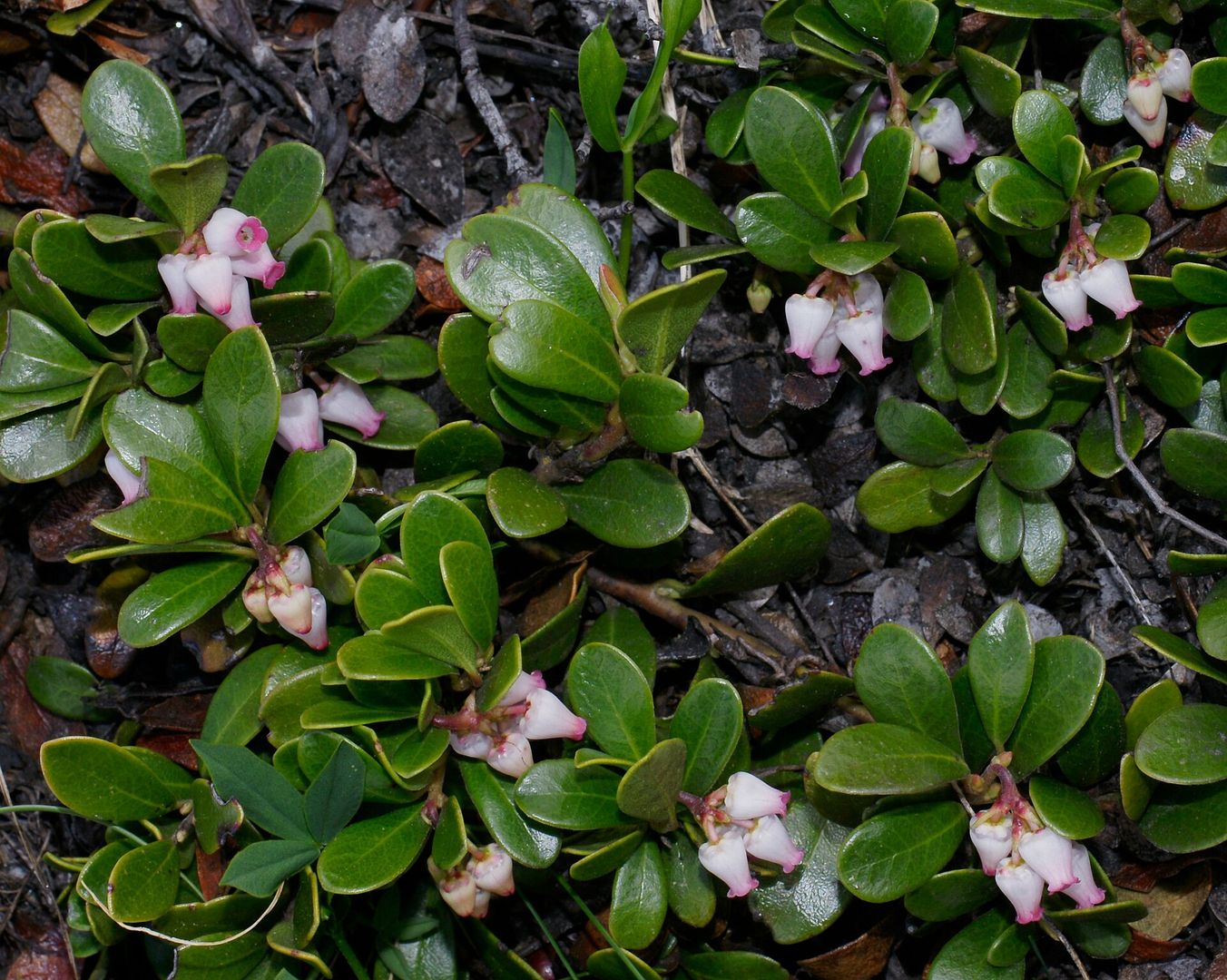
Bearberry is a low-growing evergreen groundcover native throughout Alaska, blooming in late spring with small pink urn-shaped flowers. Excellent for rockeries and slopes.
The red berries that follow feed bears (who earned the naming rights), ptarmigan, and other wildlife. Extremely cold-hardy, tolerates poor and rocky soils.
Great Red Paintbrush (Castilleja miniata)
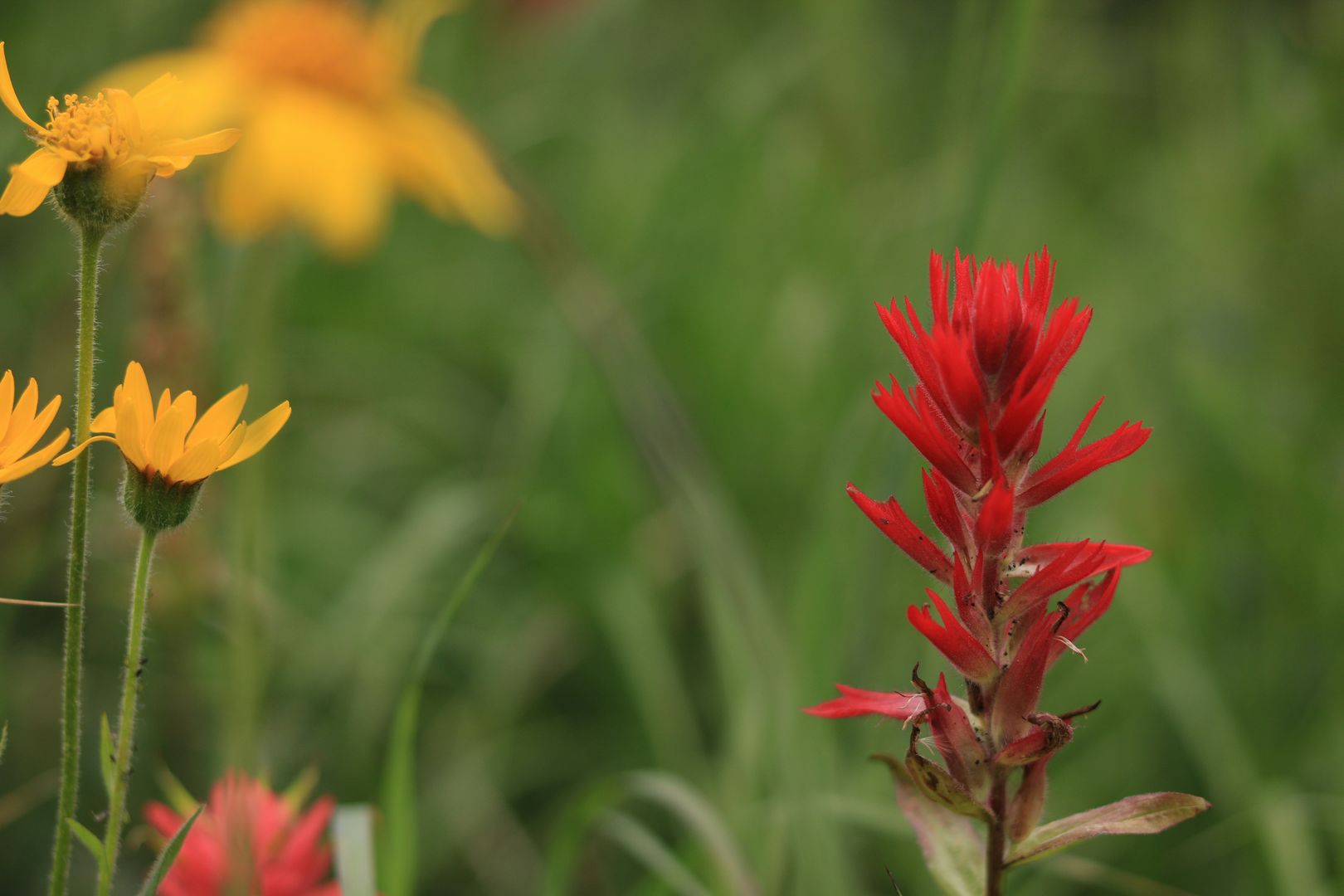
Indian Paintbrush is one of the most recognizable wildflowers in Alaska and a consistent draw for Rufous Hummingbirds.
There's a practical challenge. Paintbrush is a hemiparasite. It partially parasitizes neighboring plant roots, making it difficult to grow in isolation.
Plant it with native grasses or perennials it can associate with, in a naturalistic meadow planting rather than a formal border.
Harebell (Campanula rotundifolia)
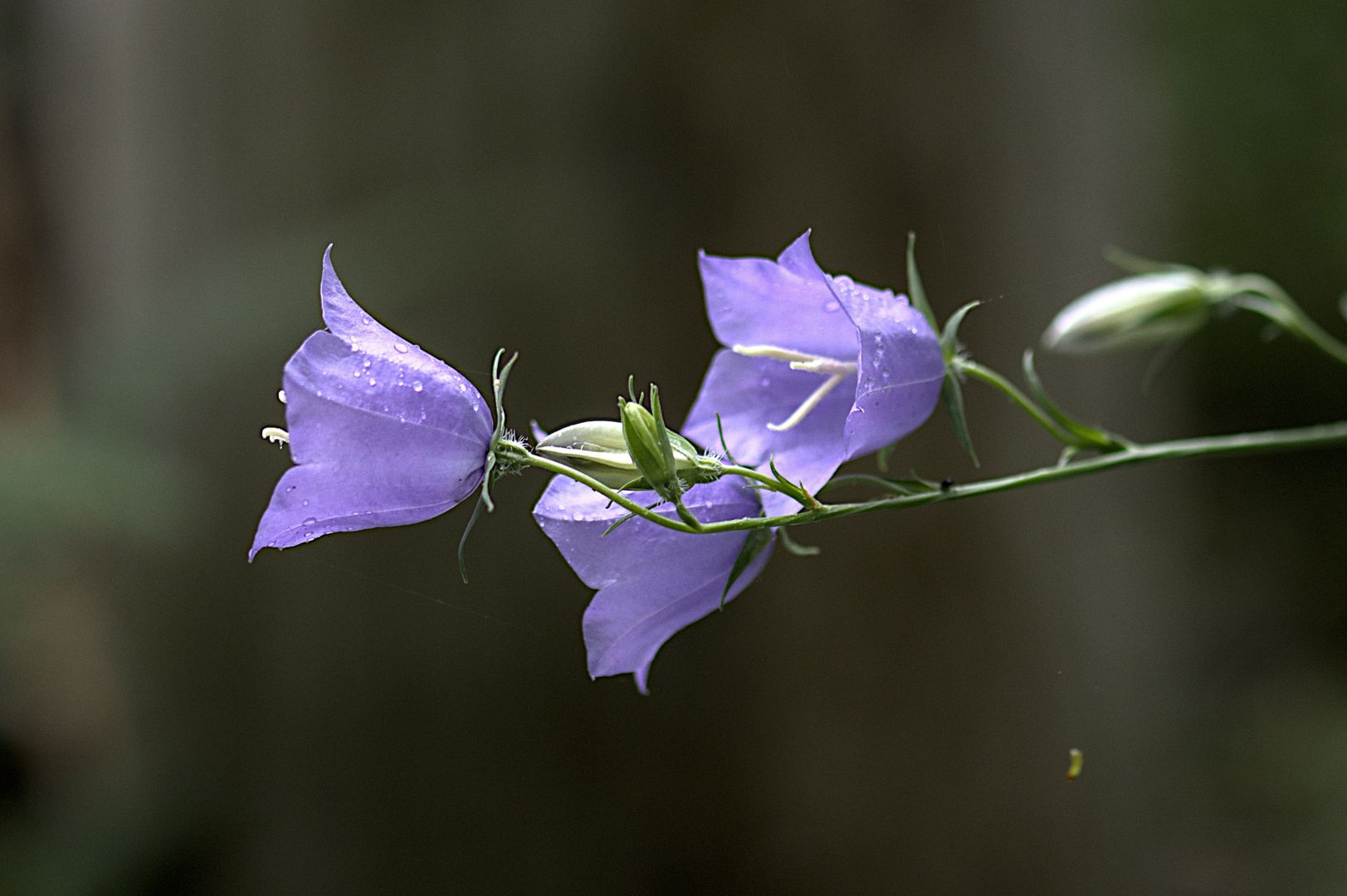
Harebell produces small blue-purple nodding bells through summer into fall. It's not the most obvious hummingbird plant, but Rufous Hummingbirds visit it, it's extremely cold-hardy, grows in poor soil, and blooms reliably through August.
It extends your garden's active period in a climate where that matters.
Anise Hyssop (Agastache foeniculum)
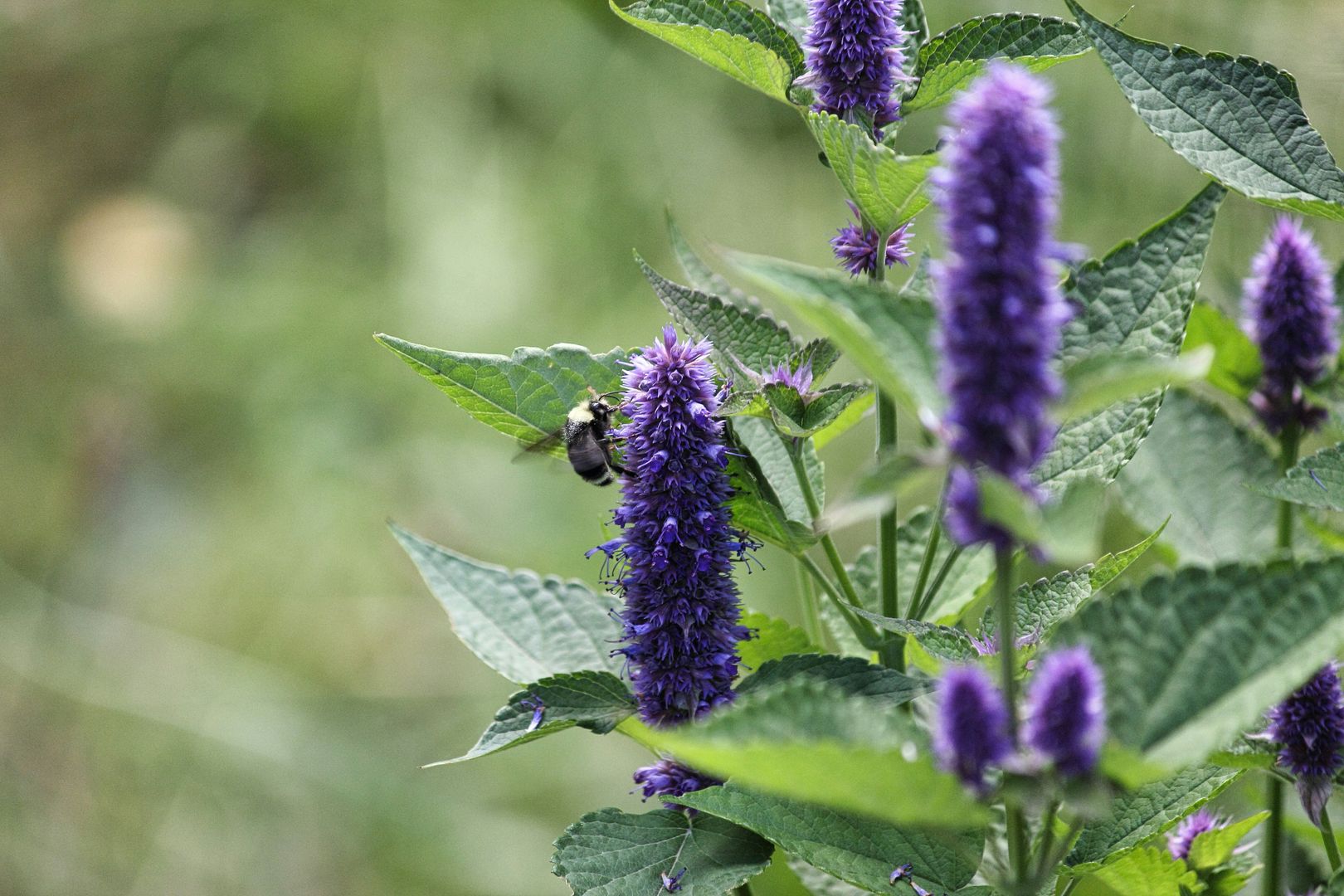
Anise Hyssop produces tall lavender-blue flower spikes from late June through August, just in time for peak Rufous season.
Drought-tolerant, it reseeds and gradually fills in a planting area. In a short-season garden, a plant that keeps producing through August earns its place.
The Native Plants Argument, Alaska Edition
The case for native plants over big-box "hummingbird garden" purchases is even more straightforward in Alaska than in the southern states.
Alaska's growing season is short and unforgiving. A cultivar bred for a Georgia garden won't perform in Anchorage, regardless of what the label says.
Alaska's native plants evolved for exactly your conditions: late frosts, cool summers, long days, early falls. Fireweed survives in disturbed boreal soils. Western Columbine handles late-season snowfall. Common Bearberry grows on rocky slopes above treeline.
No lower-48 cultivar matches those adaptations.
Check the Alaska Native Plant Society for nurseries & tips. Attracting hummingbirds in Alaska also means thinking about feeder management.
Frequently Asked Questions
What kind of hummingbirds live in Alaska? The Rufous Hummingbird. A few Anna's Hummingbirds have been recorded in Southeast Alaska.
When should I put out feeders in Alaska? Late April for Southeast Alaska and Kodiak, early to mid-May for Interior Alaska including Anchorage.
Do I need to bring feeders in during cold snaps? Yes. Bring your feeder in or use one with a built-in heater when temperatures drop below freezing.
Frozen nectar is unusable, and hummingbirds in early May may depend on your feeder if a cold front hits. DIY feeder options easy to bring inside are worth considering.
Can I grow hummingbird plants in containers in Alaska? Yes. Potted plant strategies work well for Alaska's short season. Western Columbine, Anise Hyssop, and Harebell all do well in containers.
What's the best thing I can do for Alaska hummingbirds? 1) Keep a clean feeder with fresh sugar water from May through August. 2) Plant Fireweed.
The Rufous Hummingbird is spending its summer in Alaska and its winter in Mexico. Your job is to make those few months as good as possible.
When in doubt, just plant something red.
Take a moment when the first Rufous shows up in your yard to consider what it just accomplished to get there.
It flew from Mexico. It weighs less than a nickel.
It gets to have opinions about your feeder placement.

No comments yet.