
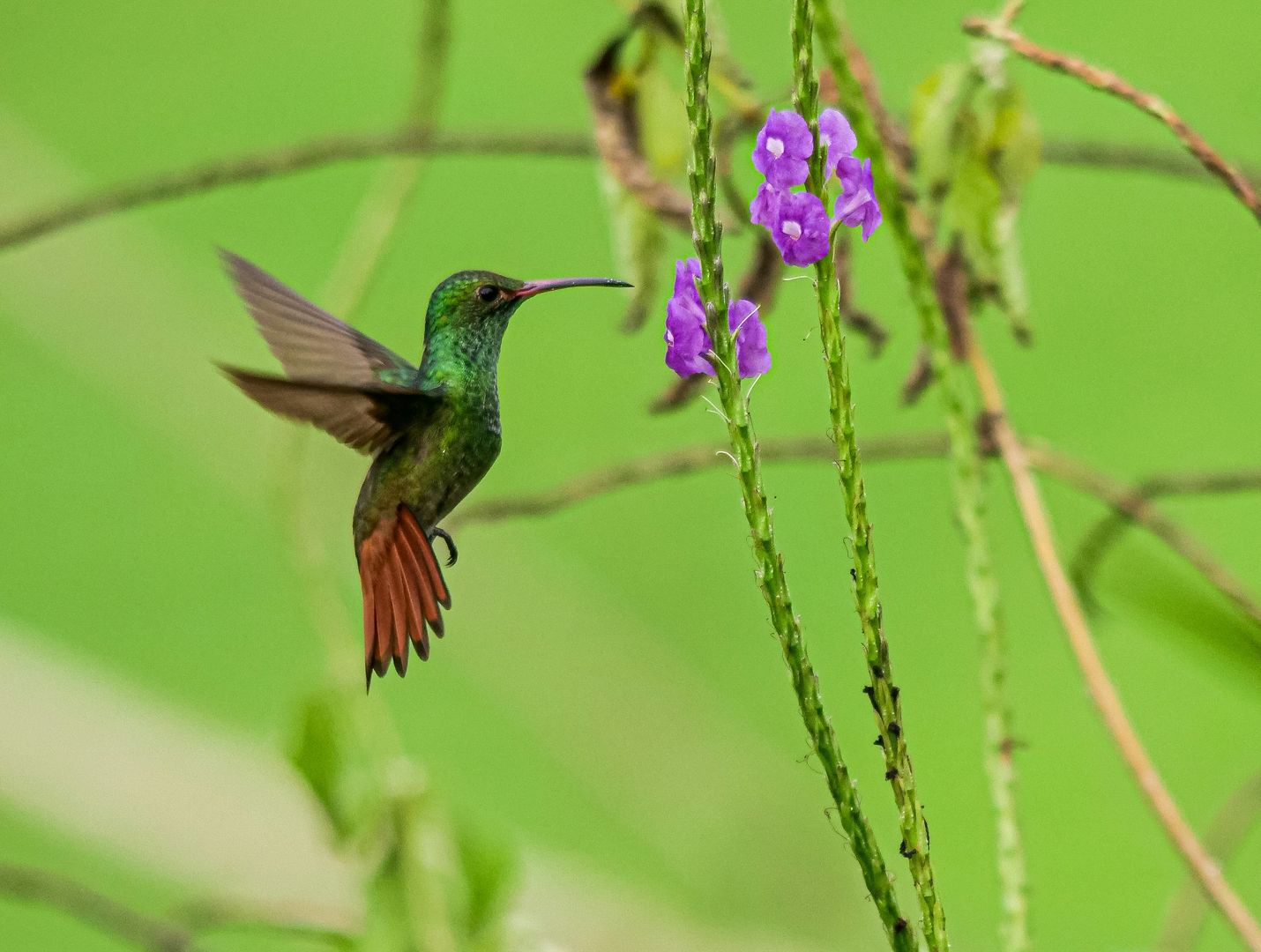
Georgia has two things going for it as hummingbird habitat: a long growing season and a diverse native plant palette
It's also got two things working against it: Butterfly Bush, a category 2 Exotic Pest, and Lantana camara . Consider this your advance briefing.
The best plants for attracting hummingbirds in Georgia?
Native plants like Cardinal Flower, Bee Balm, Trumpet Honeysuckle, and native Hibiscus. They co-evolved with Georgia's pollinators and produce the reliable nectar.
You hummingbirds will thank you! But make sure your flowers bloom during their migration.
When Do Hummingbirds Visit Georgia?
Ruby-throated Hummingbirds arrive in Georgia mid-March to early April and breed throughout the state in summer. Southbound migration begins in late August and runs through October.
Georgia also sees a small number of Black-chinned Hummingbirds during fall. They look similar to female Ruby-throated Hummingbirds but pump their tails while hovering. If you see an unfamiliar hummingbird in September, it's worth a second look.
Late February is the right time to start planting. Early-blooming natives like Eastern Red Columbine will be the first nectar sources your March arrivals find.
Native Plants That Attract Hummingbirds in Georgia
Bee Balm (Monarda spp.)
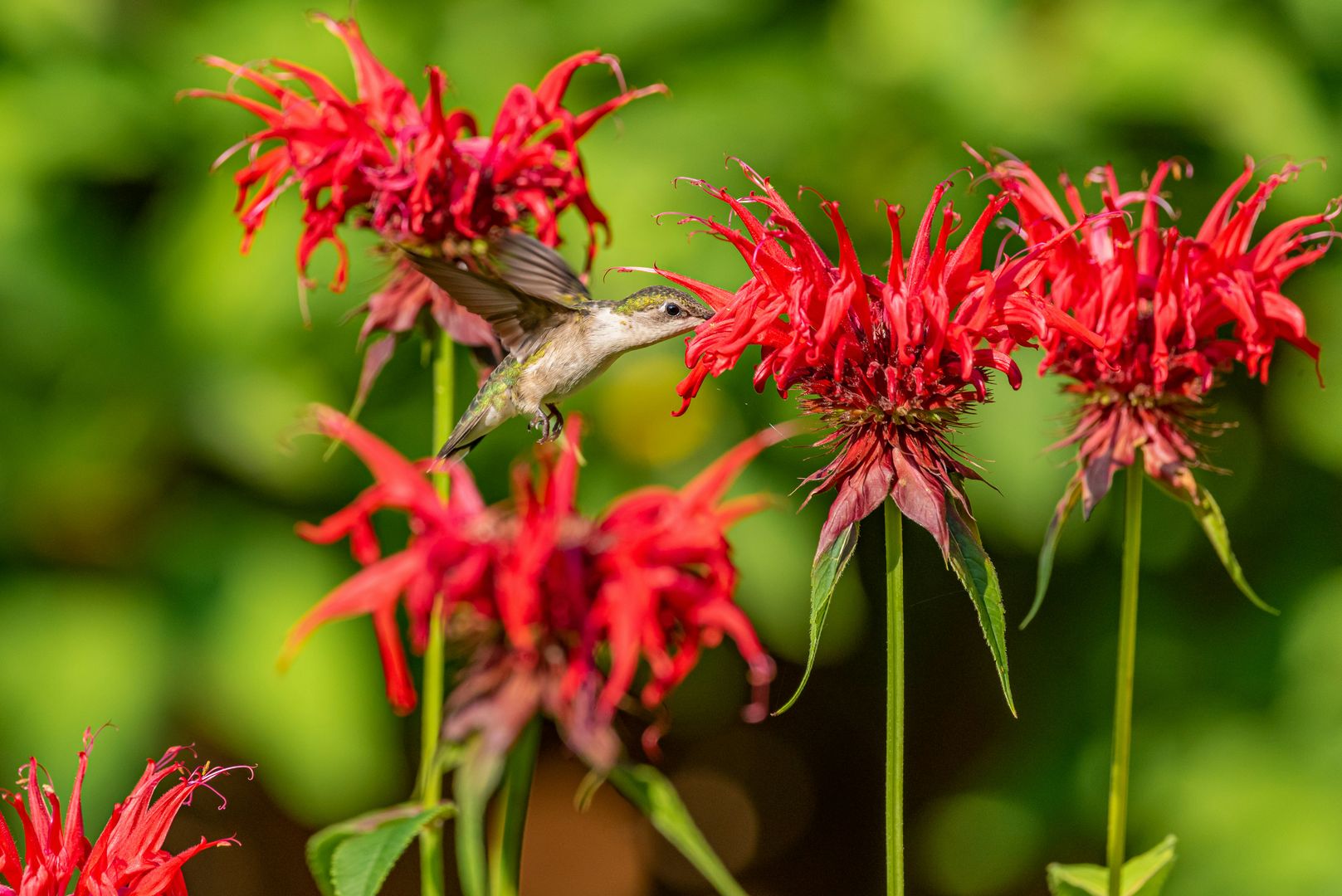
Georgia's native Bee Balm options — Wild Bergamot (Monarda fistulosa), White Bergamot (Monarda clinopodia), and Spotted Bergamot (Monarda punctata) — collectively bloom from late spring through late summer. All three are native to Georgia and visited by hummingbirds.
Many Monarda cultivars bred for large flowers are prone to powdery mildew in Georgia's humid summers; native species have better disease resistance. If the tag says "Bee Balm" but no botanical species name, ask before buying.
Cardinal Flower (Lobelia cardinalis)
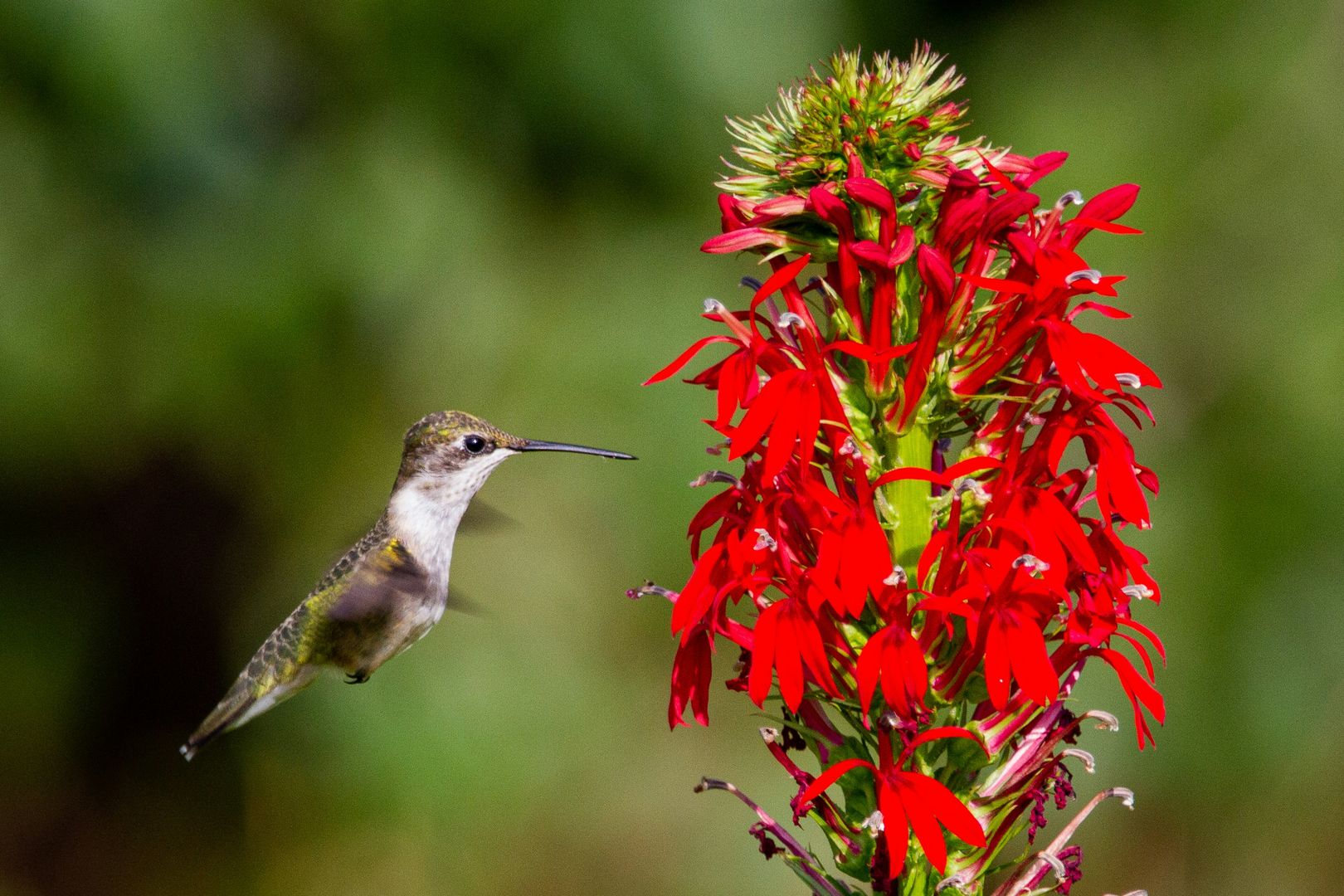
Cardinal Flower is one of the most consistently productive hummingbird plants in Georgia. It's timed well with both resident birds and the beginning of southbound migration.
It prefers moist soil and partial shade. Plant it near a water feature or in a low area that stays consistently damp. If you add a hummingbird bird bath nearby, you've essentially built a complete hummingbird amenity cluster.
Trumpet Honeysuckle (Lonicera sempervirens — Major Wheeler)
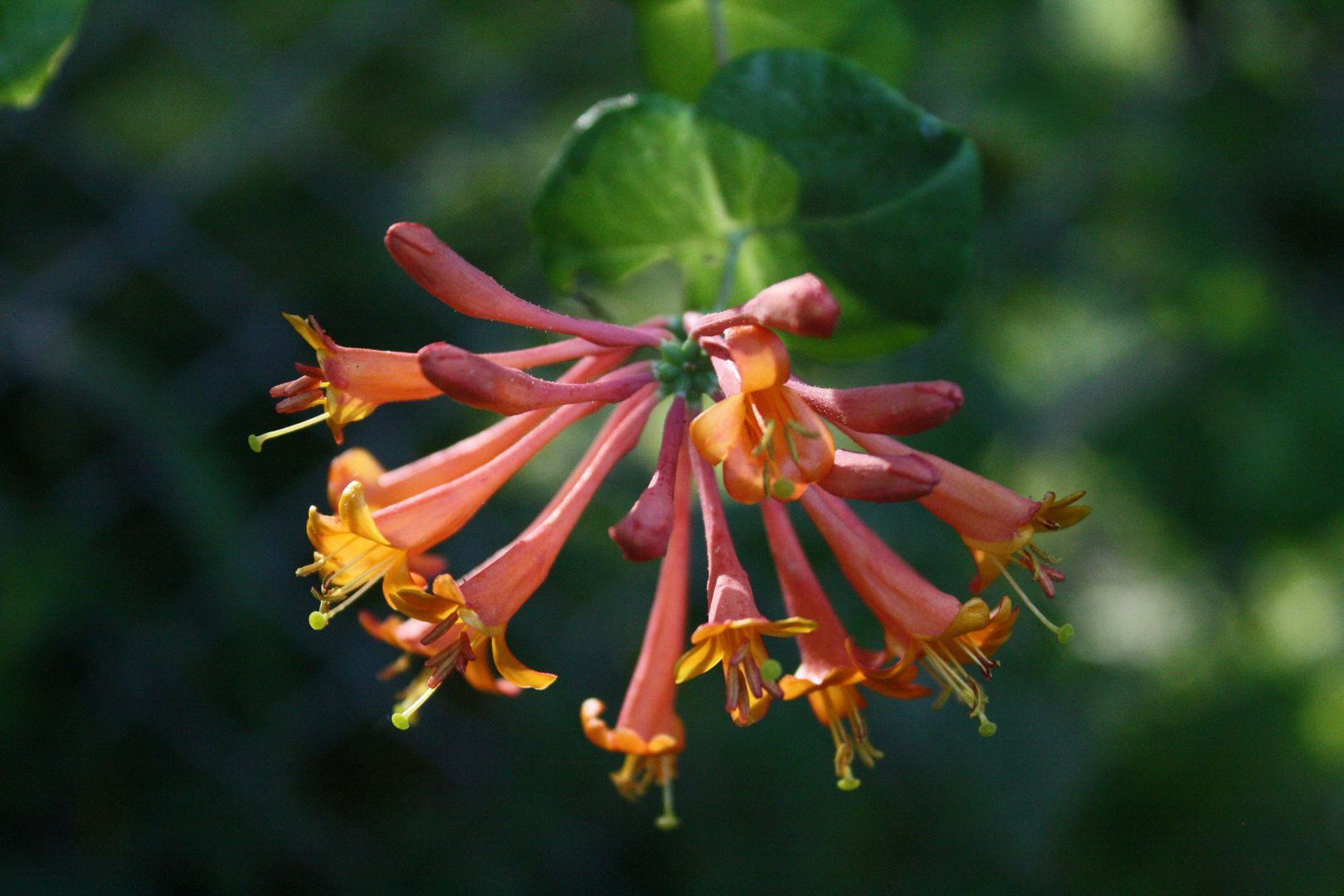
The Major Wheeler strain of native Trumpet Honeysuckle is one of the best-performing cultivars for Georgia gardens.
It's heavy flowering from spring through fall, heat-tolerant, and mildew-resistant. It is not Japanese Honeysuckle (Lonicera japonica), which has become so thoroughly naturalized in Georgia that most people assume it's native. Japanese Honeysuckle is fragrant and has creamy-white flowers; Trumpet Honeysuckle is unscented with red-orange tubular flowers.
Beardtongue (Penstemon spp.)
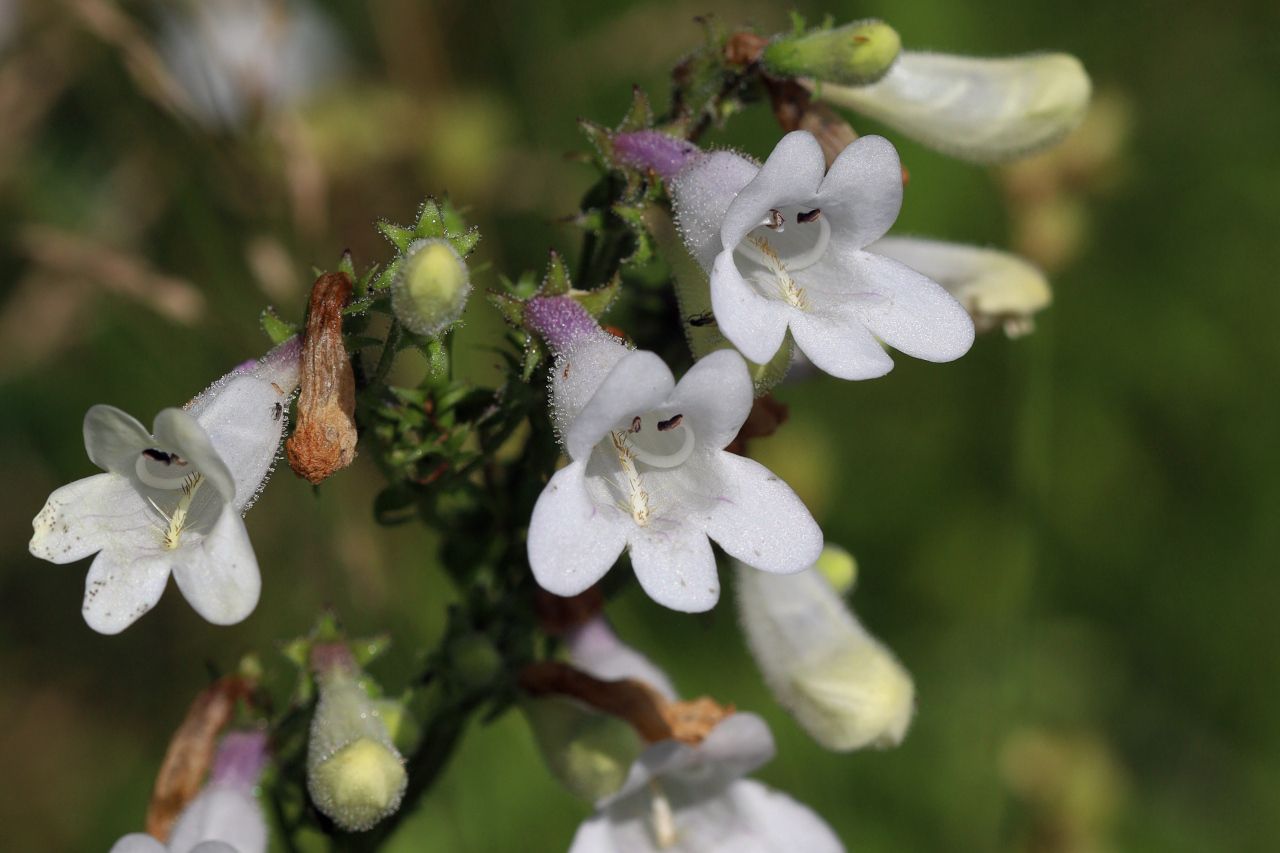
Foxglove Beardtongue (Penstemon digitalis) grows in sun to part shade with white flowers in late spring. Small's Beardtongue (Penstemon smallii) is native to the Southern Appalachians, especially suited to mountain Georgia gardens.
Southern Beardtongue (Penstemon australis) handles heat and poor soil for the Piedmont and Coastal Plain. All are visited by hummingbirds in spring.
Eastern Red Columbine (Aquilegia canadensis)
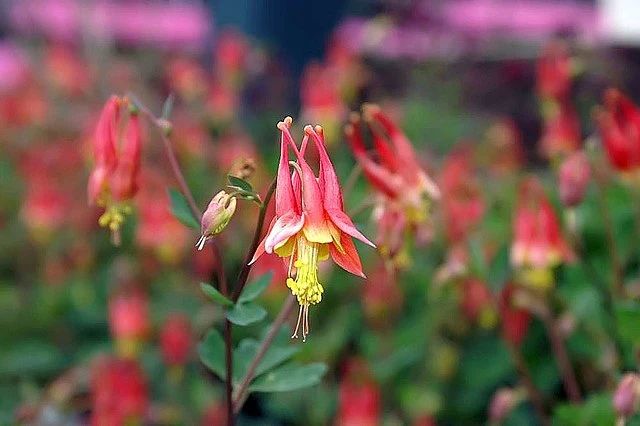
Eastern Red Columbine blooms in late February and March in Georgia, which puts it among the first available nectar sources for mid-March arrivals. The nodding red-and-yellow flowers with long nectar spurs are a precise anatomical fit for hummingbird bills.
It grows well in dappled shade under deciduous trees and reseeds once established. Plant it in February so it has time to establish before first bloom.
Lantana — the right species, specifically
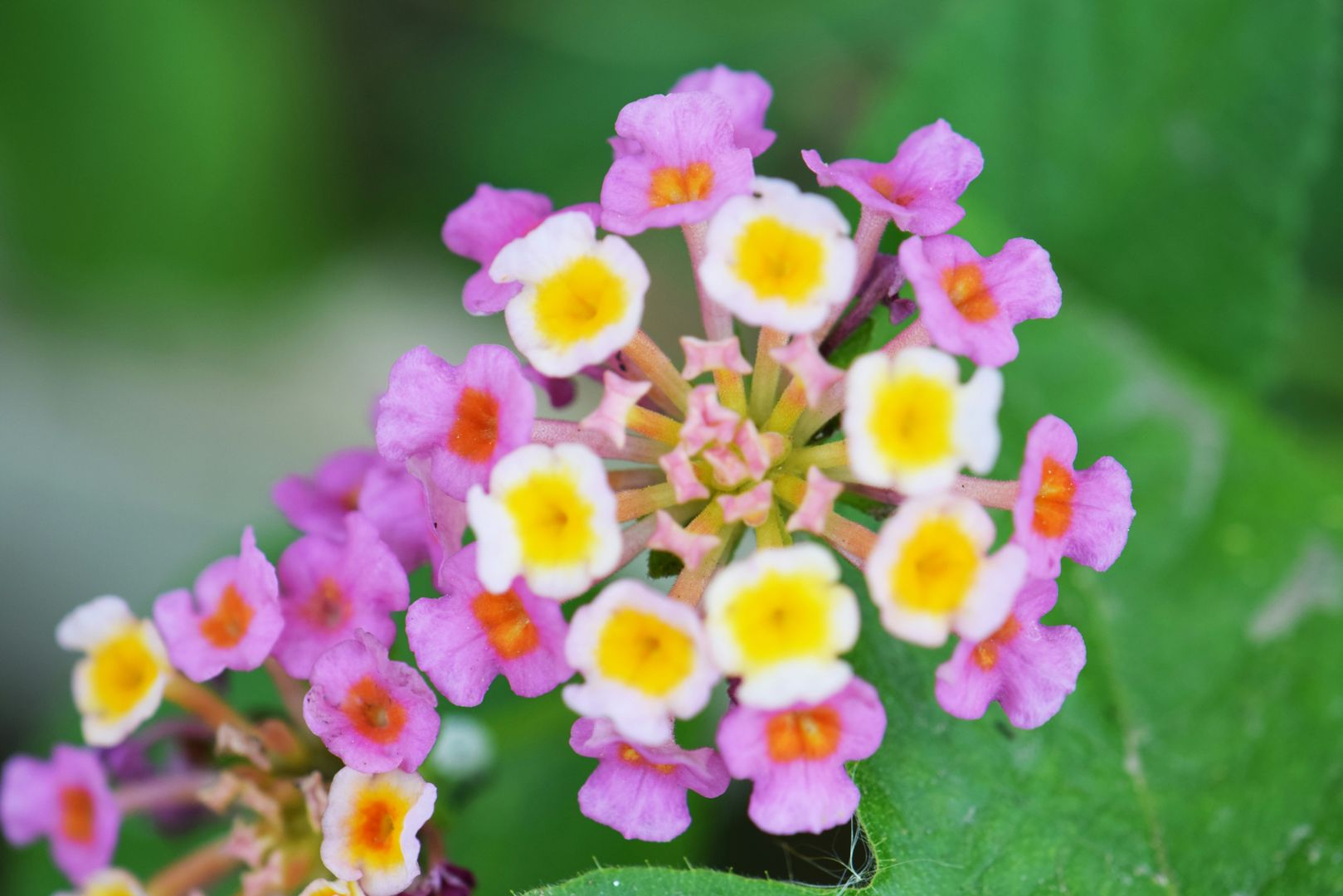
Lantana camara is a Category 2 Exotic Pest in Georgia and should not be planted. However, cold-hardy cultivars like 'Miss Huff', 'Chapel Hill', and 'Sunset' have low invasive potential compared to straight L. camara and are genuinely useful garden plants.
Look at what species the cultivar is derived from before buying. A native plant nursery will know the answer.
Blazing Stars (Liatris spp.)
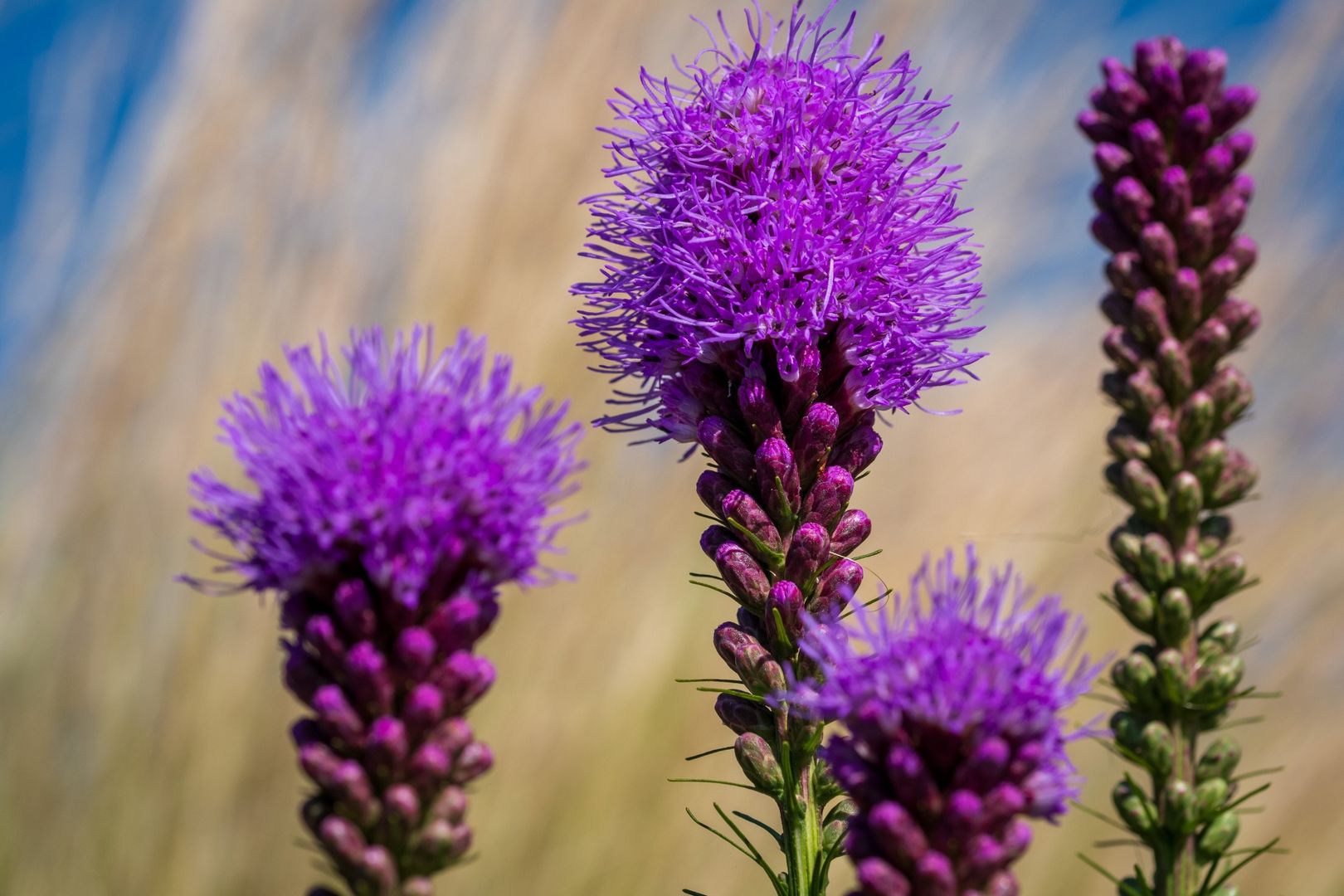
Georgia has several native Blazing Star species including Dense Blazing Star (Liatris spicata), Rough Blazing Star (Liatris aspera), and Georgia Blazing-star (Liatris tenuifolia).
All produce tall purple flower spikes exactly when you want reliable bloom during the August–October southbound migration. They're drought-tolerant, thrive in poor soils, and attract monarch butterflies.
Trumpet Vine (Campsis radicans)
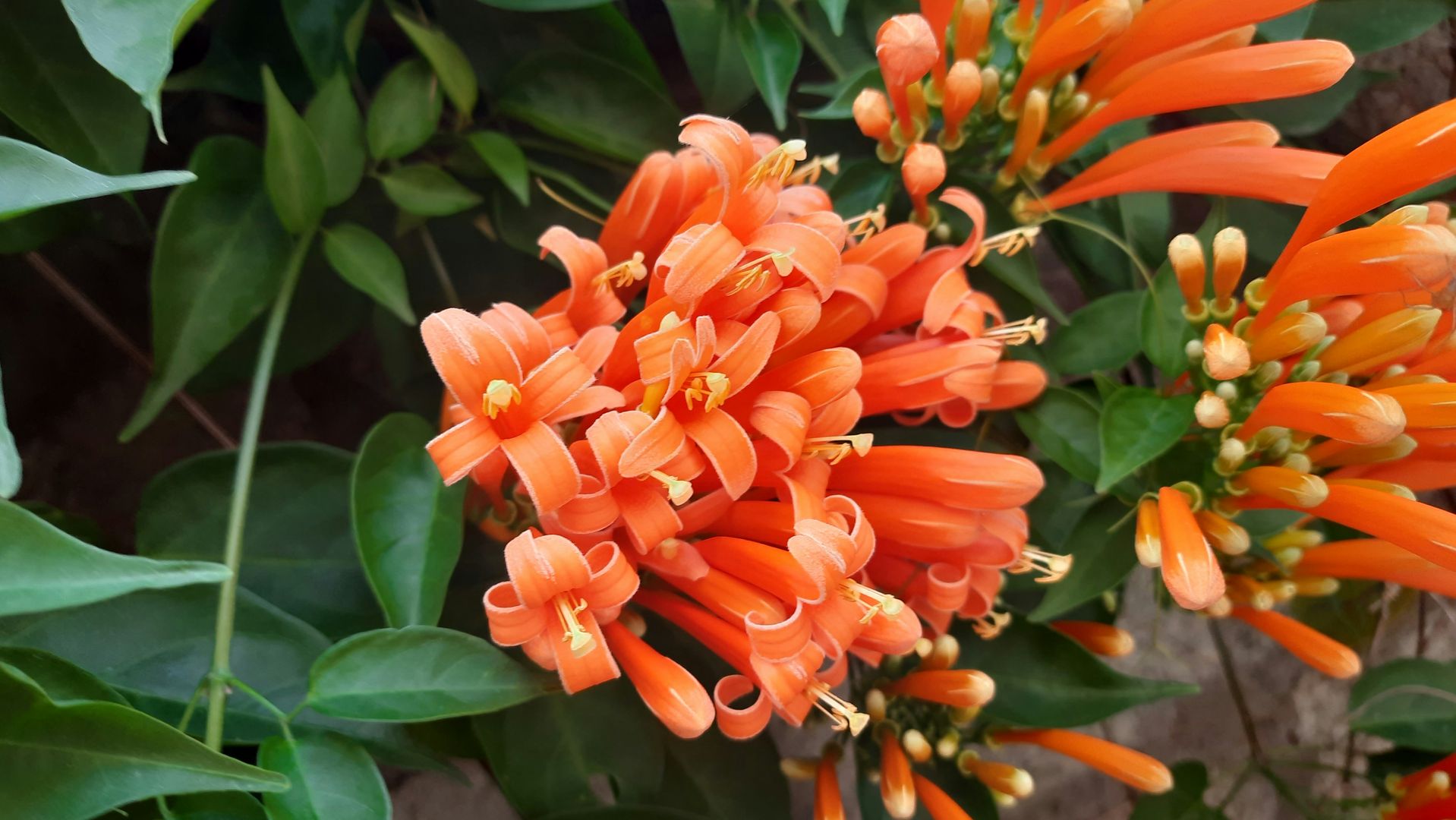
Native Trumpet Vine produces large orange-red flowers from summer through fall that draw every hummingbird in the vicinity. It's also one of the most aggressively spreading plants in the state.
The hummingbird value is real. So is the management commitment. Don't plant it near anything you value structurally.
Native Hibiscus (Hibiscus spp.)
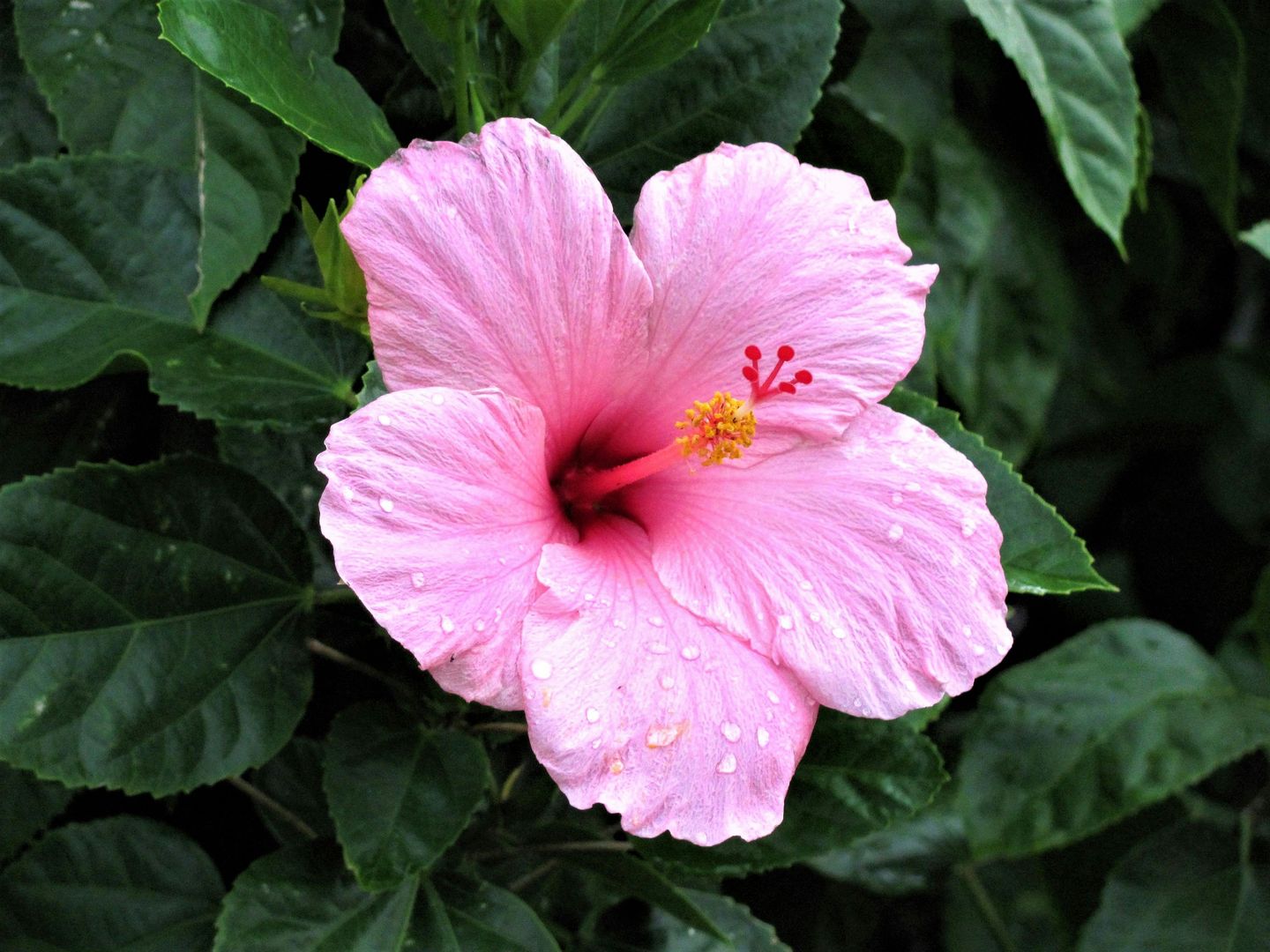
Scarlet Rose Mallow (Hibiscus coccineus) and Swamp Rose Mallow (Hibiscus moscheutos) are both native to Georgia and produce enormous flowers through summer that hummingbirds, bumblebees, and various other pollinators visit.
They prefer consistently moist conditions. In a normal garden bed, they'll need irrigation during dry spells. The size (both can reach 6 feet) makes them a statement plant.
The ecology makes them worth the space.
Salvia (Salvia spp.)
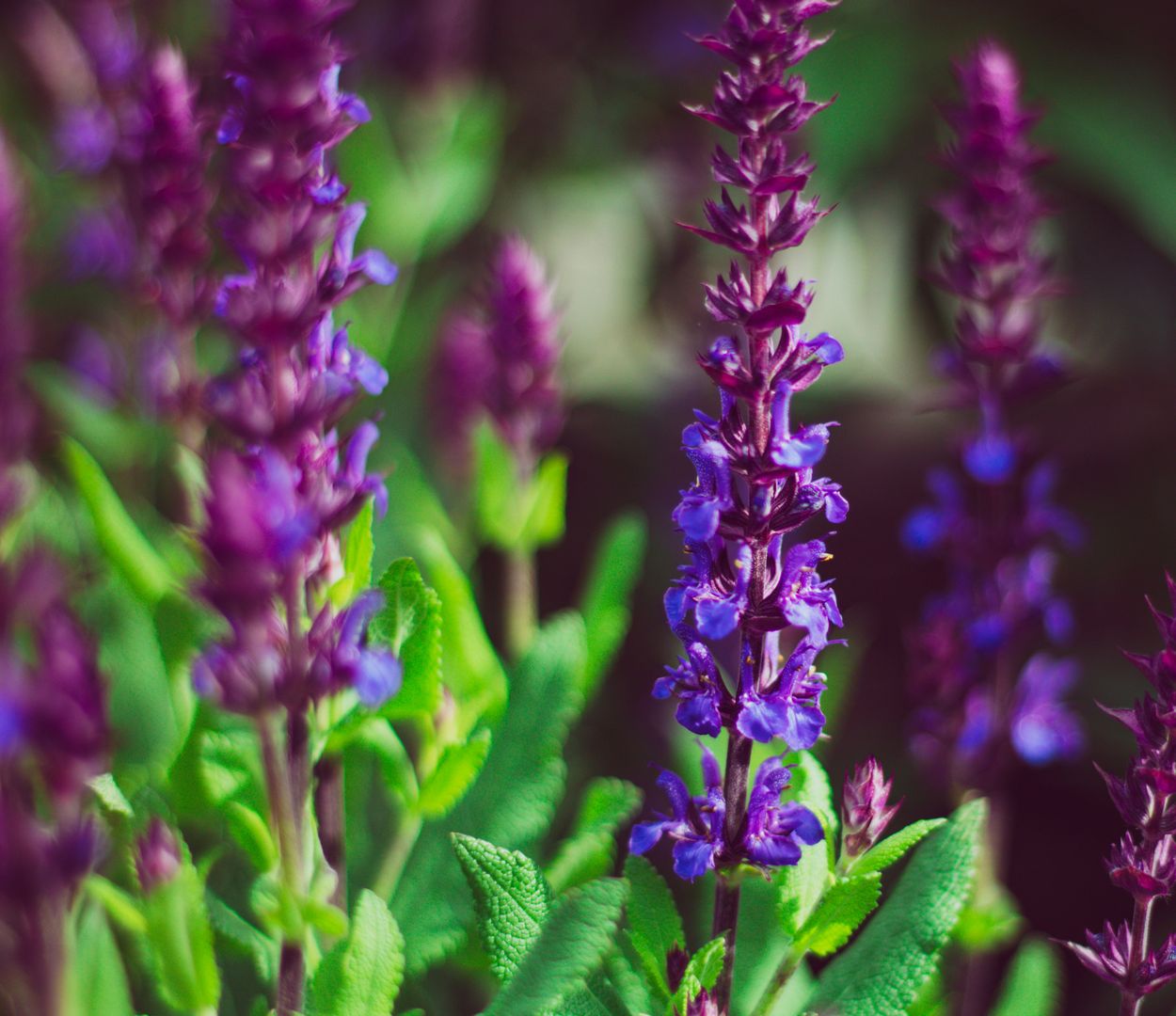
Tropical Sage (Salvia coccinea) is native to Georgia and produces scarlet flower spikes from late spring through frost. Lyre-leaf Sage (Salvia lyrata) has pale lavender flowers and exceptional drought tolerance. Both are far better choices than the non-native
Salvia cultivars that dominate retail displays. Feeder nectar and Salvia plantings complement each other well through Georgia's long season.
The Case Against Big-Box "Hummingbird Garden" Displays
Native plants from a Georgia native plant nursery will consistently outperform whatever's in the "hummingbird garden" endcap at a big-box store.
The Cultivar Problem
Plants bred for showy flowers often produce less nectar than straight native species.
The invasive problem is more serious in Georgia specifically: Butterfly Bush (Buddleia davidii) is a Category 2 Exotic Pest in Georgia, and Lantana camara is on the same list.
Both are routinely stocked at major garden centers. Neither is labeled with its invasive status.The Georgia Native Plant Society maintains a list of native plant nurseries by region.
For the complete picture on habitat, the how to attract hummingbirds guide and alternative pesticides guide cover the rest.
Frequently Asked Questions
When do Ruby-throated Hummingbirds arrive in Georgia? Mid-March to early April. They're present through October. Start preparing your garden in late February.
Do Black-chinned Hummingbirds visit Georgia? Sometimes. A western species, they've been recorded in Georgia with increasing frequency during August–September fall migration. Worth noting if you're keeping a yard list.
Is Butterfly Bush worth planting for hummingbirds? Hummingbirds will occasionally probe Butterfly Bush flowers, but it provides no larval host value for butterflies and is a Category 2 Exotic Pest in Georgia.
Native Salvia or Cardinal Flower are good alternatives.
Which Lantana cultivars are safe in Georgia? 'Miss Huff', 'Chapel Hill', and 'Sunset' are lower-risk options.
Confirm it's not straight Lantana camara (on Georgia's invasive pest list).
When in doubt, just plant something red.
Get your plants in the ground in late February & decide carefully where the Trumpet Vine is going to live for the next thirty years.
The hummers arrive in March and they know what they're looking for.

No comments yet.