
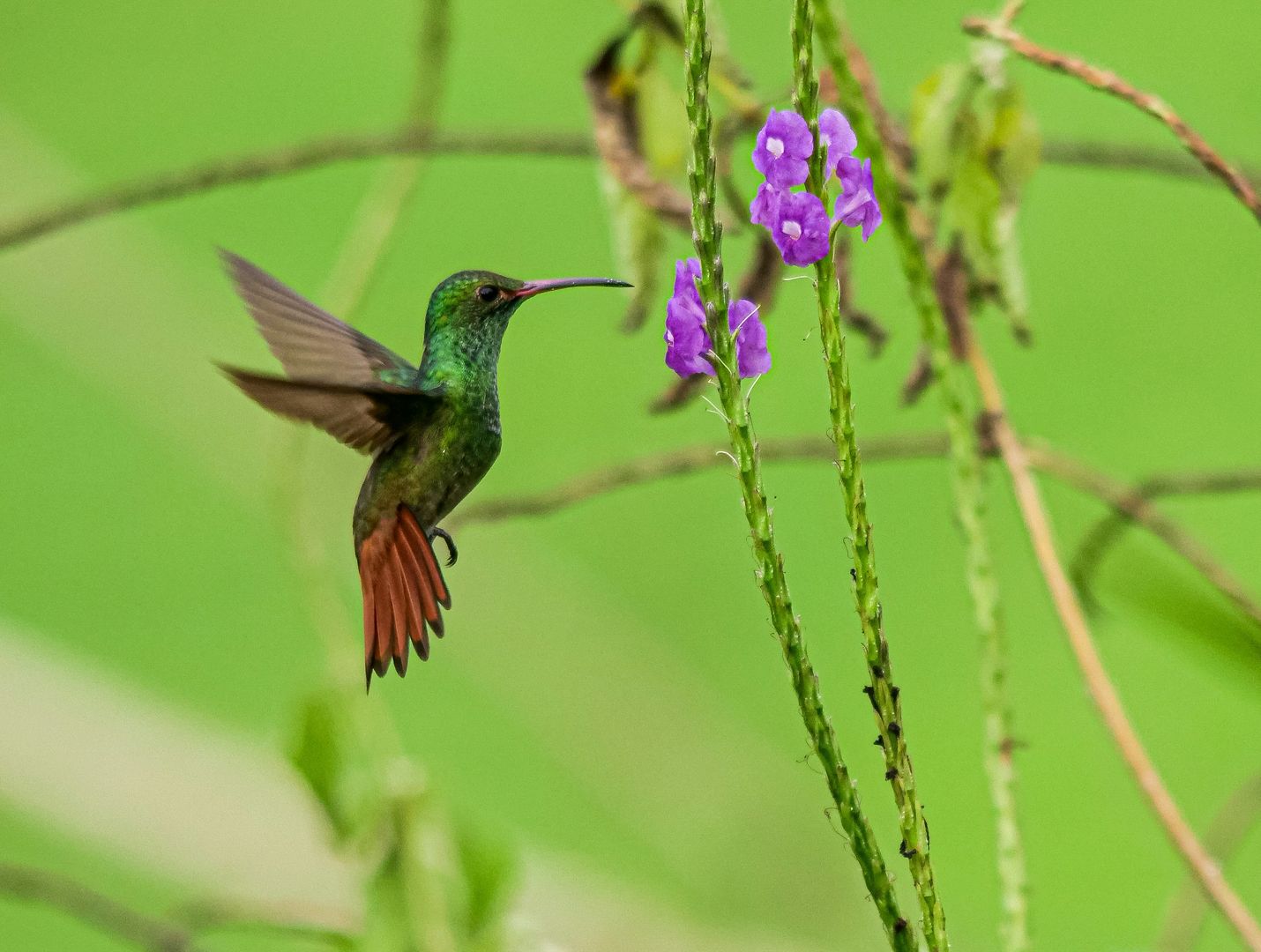
Alabama is one of the most biodiverse states in the country
It's got more freshwater fish species than any other state, more plant species than most...
... and too many gardeners who want to attract hummingbirds but keep getting sold Trumpet Vine without being told it's nicknamed Hellvine.
It's earned. We'll discuss.
The best plants for attracting hummingbirds in Alabama are native species: Cardinal Flower, Bee Balm, Eastern Red Columbine, and native Hibiscus. They won't need the same kind of management that Trumpet Vine demands, either.
Making sure your garden is migration ready is equally important.
When Do Hummingbirds Visit Alabama?
Ruby-throated Hummingbirds arrive in Alabama mid-March to early April. They spend the summer breeding across the northern two-thirds of the state; the southern tier sees mostly migrants. Departure runs September through October.
Start getting your garden ready in late February.
Hummingbirds remember food sources.
Early-blooming natives like Red Buckeye and Eastern Red Columbine will be the first flowers your March hummers encounter.
Native Plants That Attract Hummingbirds in Alabama
Bee Balm (Monarda spp.)
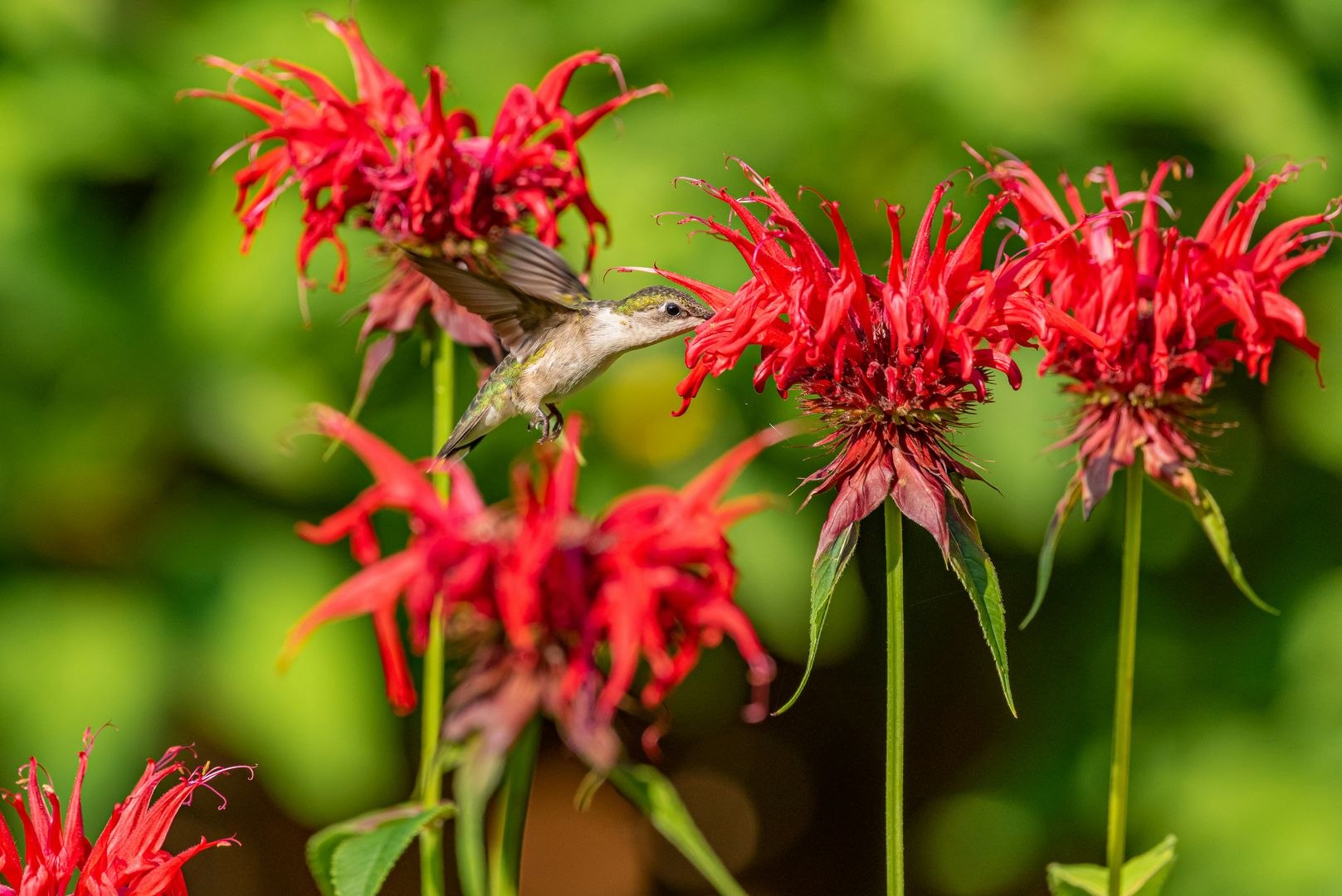
Alabama has several native Bee Balm species. Scarlet Bee Balm (Monarda didyma 'Fireball') produces the classic large red hummingbird flowers. Wild Bergamot (Monarda fistulosa), White Bergamot (Monarda clinopodia), and Spotted Bergamot (Monarda punctata) are also native to Alabama.
They extend your bloom season from late spring through summer. Cultivars bred for larger flowers often produce less nectar. Straight native species from a native nursery are the safer bet.
Cardinal Flower (Lobelia cardinalis)
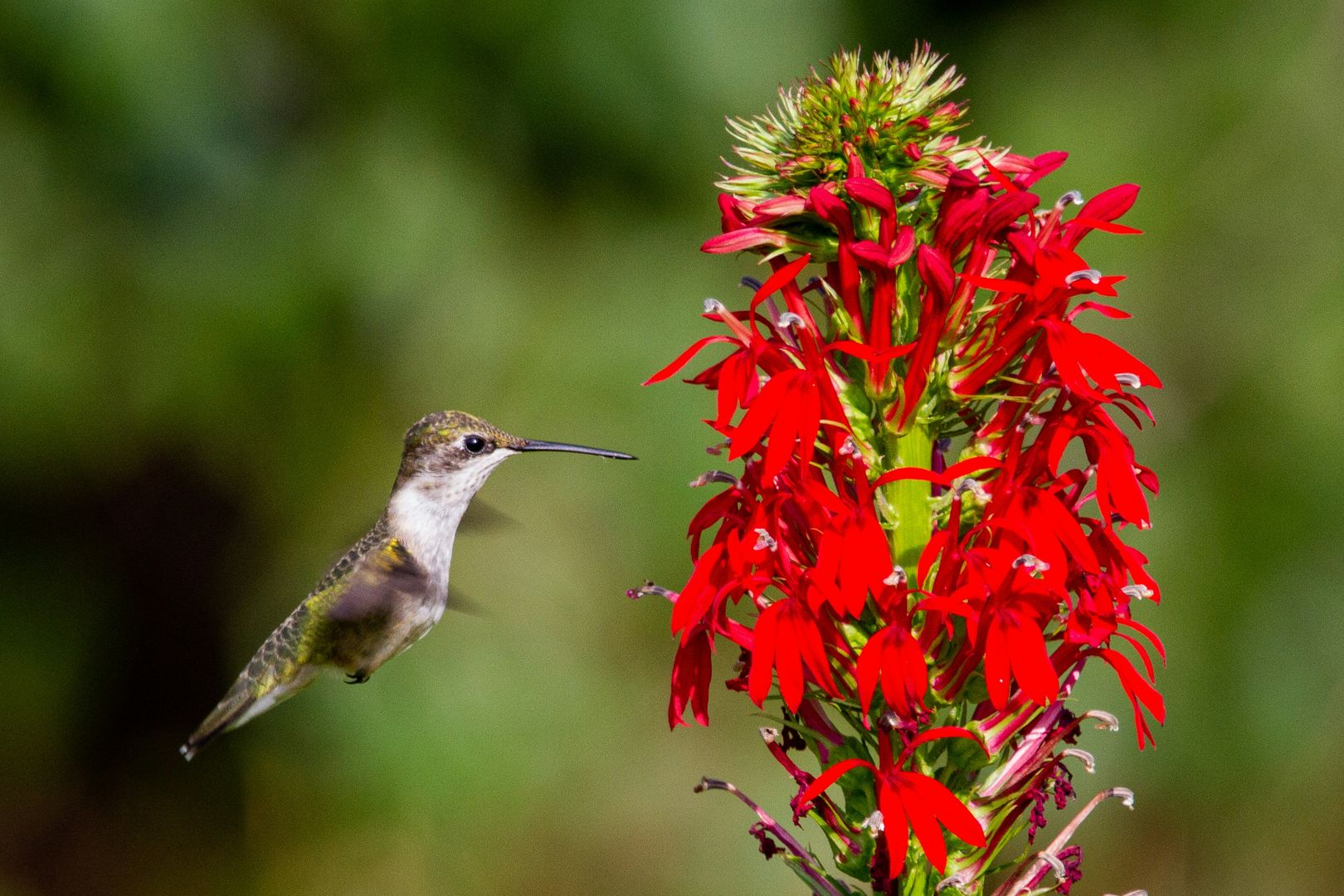
If you could only plant one thing, Cardinal Flower would be a defensible choice. Tall spikes of brilliant red flowers in summer and early fall, perfectly timed with both late summer residents and the beginning of southbound migration.
It prefers moist, partially shaded spots and will self-seed in good conditions. A bird bath positioned nearby turns a Cardinal Flower patch into a complete hummingbird amenity package.
Trumpet Honeysuckle (Lonicera sempervirens — Alabama Crimson)
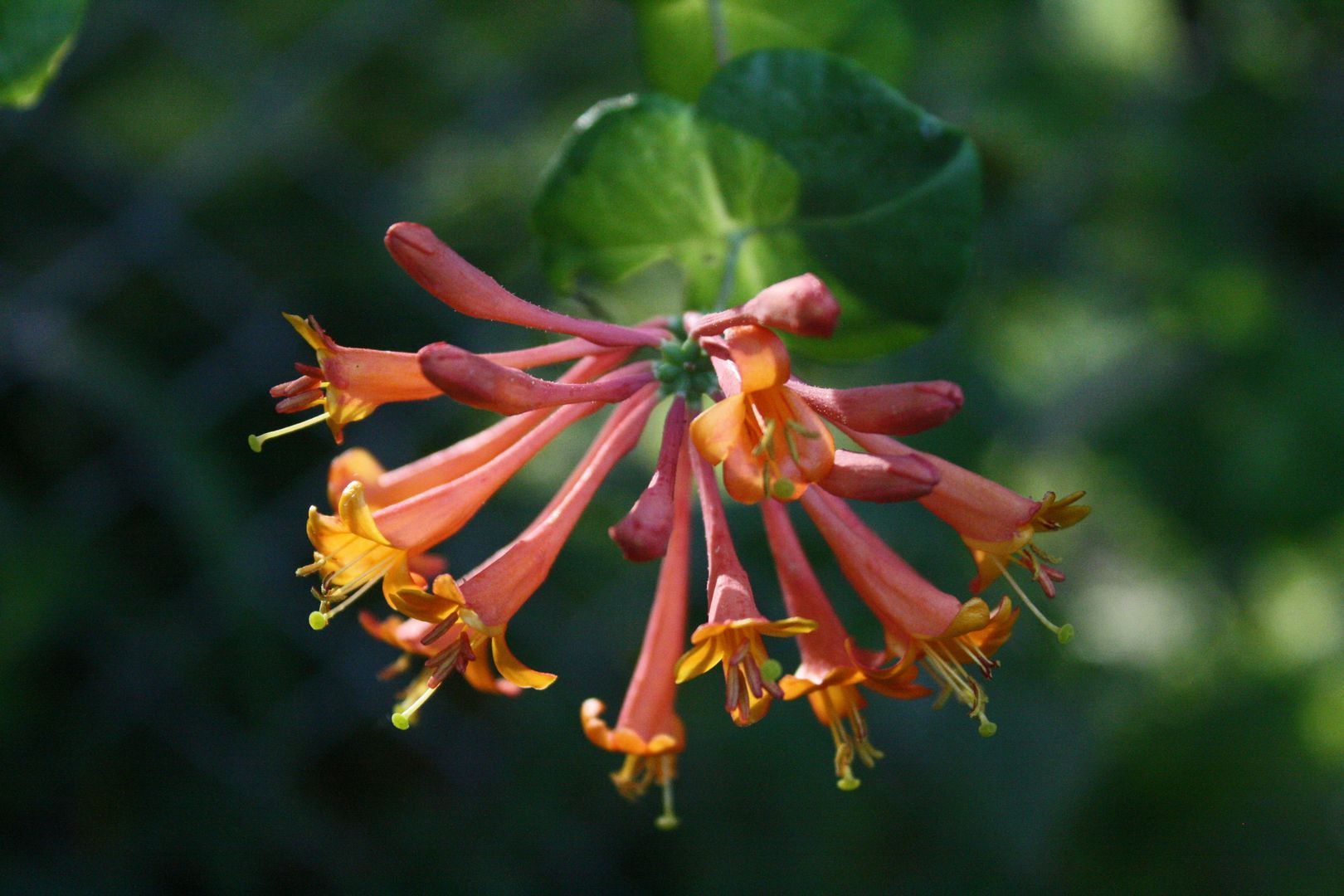
The Alabama Crimson strain of native Trumpet Honeysuckle is one of the finest cultivars of this species — deep crimson tubular flowers with exceptional nectar production, blooming from spring through fall if you deadhead regularly.
It's a well-mannered vine compared to its invasive lookalike, Japanese Honeysuckle (Lonicera japonica), which has spread across Alabama's roadsides and forest margins to the point of ecological nuisance.
The difference: native Trumpet Honeysuckle has unscented red-orange flowers but Japanese Honeysuckle is fragrant.
Foxglove Beardtongue / Penstemon (Penstemon digitalis)
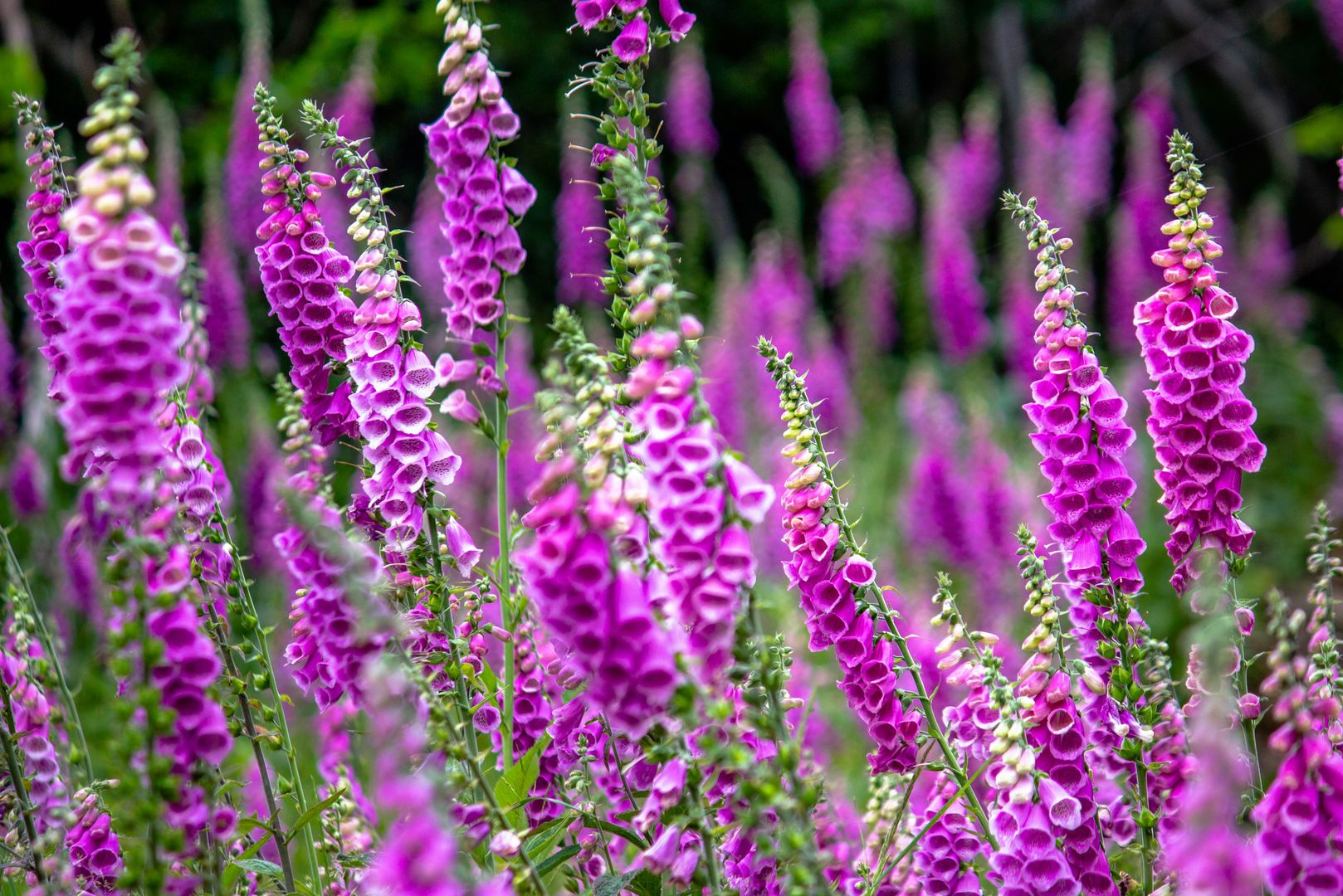
Penstemon digitalis is a native Alabama wildflower with white to pale pink tubular flowers in late spring. Here is the part the catalog descriptions often omit: all parts of this plant are toxic. Toxic to humans, toxic to pets, toxic to livestock.
It is not a plant to grow where children or animals are going to investigate it at nose-level.
That said, it's excellent in a managed garden border, blooms at an important time for spring migrants, and supports native bees alongside hummingbirds.
Eastern Red Columbine (Aquilegia canadensis)
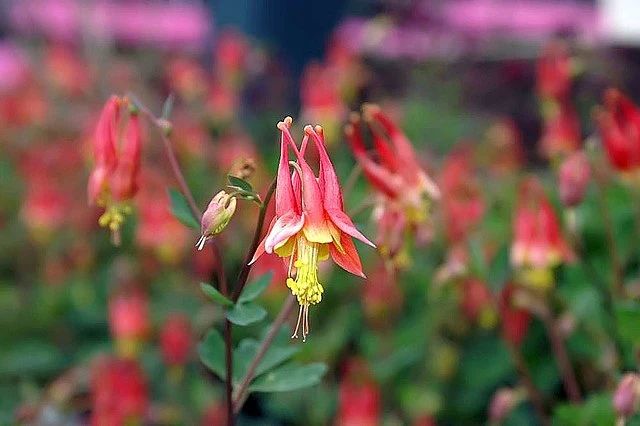
Eastern Red Columbine blooms in March and April — one of the first nectar sources available to newly arrived Ruby-throated Hummingbirds.
The nodding red-and-yellow flowers with long nectar spurs are a precise fit for hummingbird bills. It grows in dappled shade, self-seeds gently, and asks almost nothing in return.
Native Petunias (Ruellia spp.)
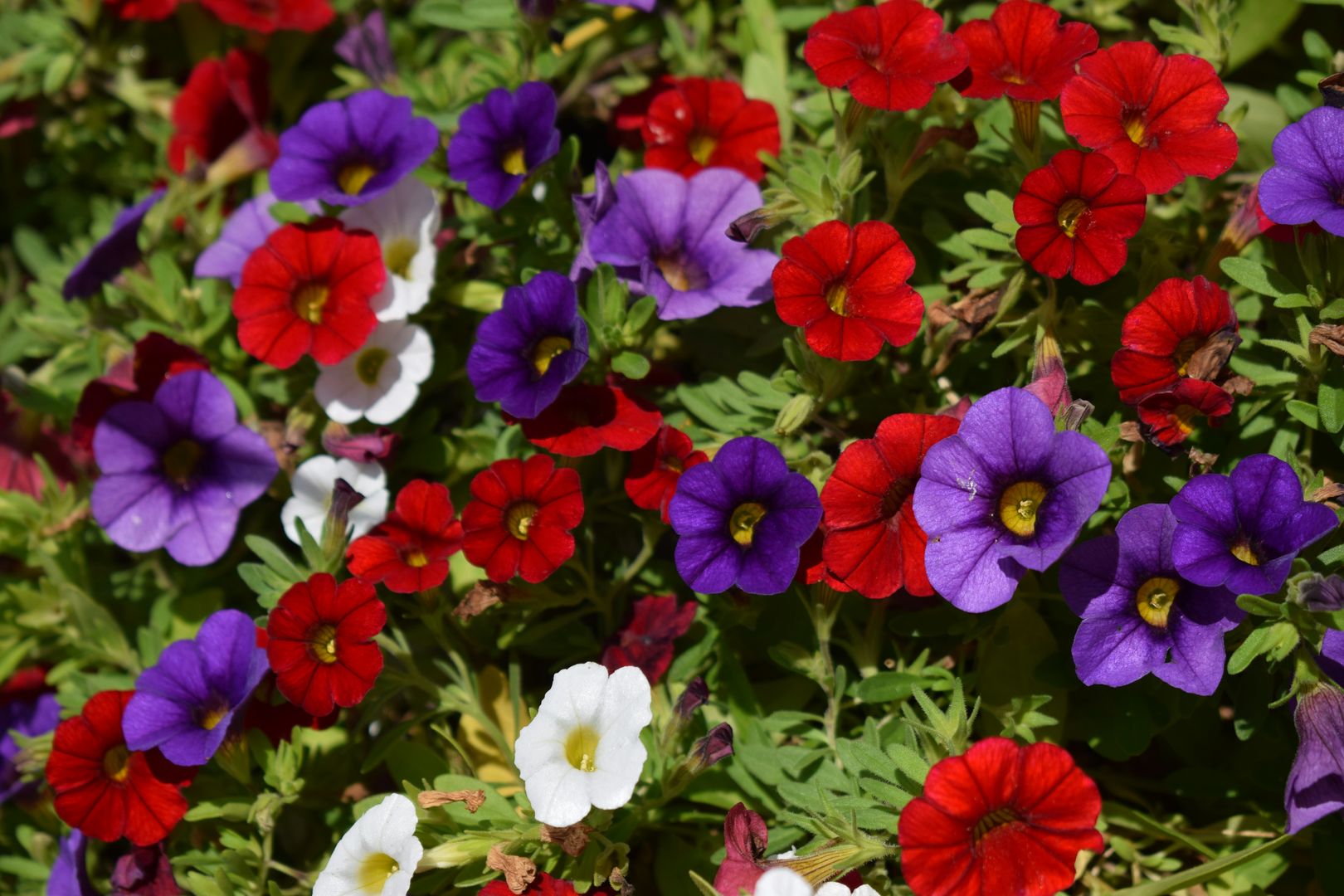
The Ruellia species native to Alabama are not common garden petunias but actually wild petunias.
Hairy Wild Petunia (Ruellia humilis), Fringeleaf Wild Petunia (Ruellia ciliosa), and Carolina Wild Petunia (Ruellia caroliniensis) all produce tubular lavender-to-pink flowers that hummingbirds visit. Tough, drought-tolerant, and spreading slowly by seed. The tube shape is what matters to hummingbirds, not the color.
Blazing Stars (Liatris spp.)
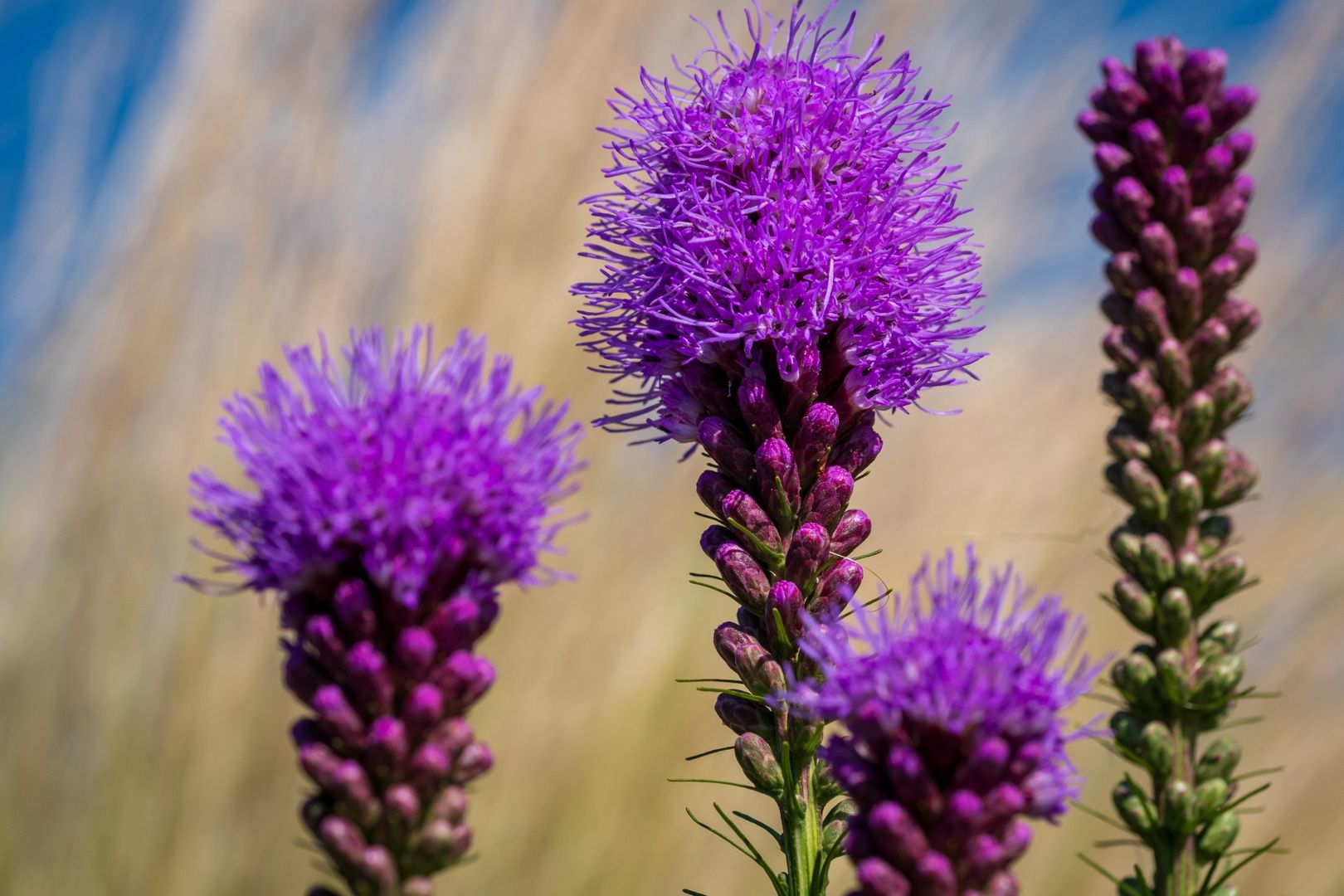
Dense Blazing Star (Liatris spicata) and Small Head Blazing Star (Liatris microcephala) produce tall purple flower spikes in late summer and fall, overlapping with southbound migration.
Drought-tolerant, good in poor soils, and genuinely beautiful plants by any measure.
Trumpet Vine (Campsis radicans)
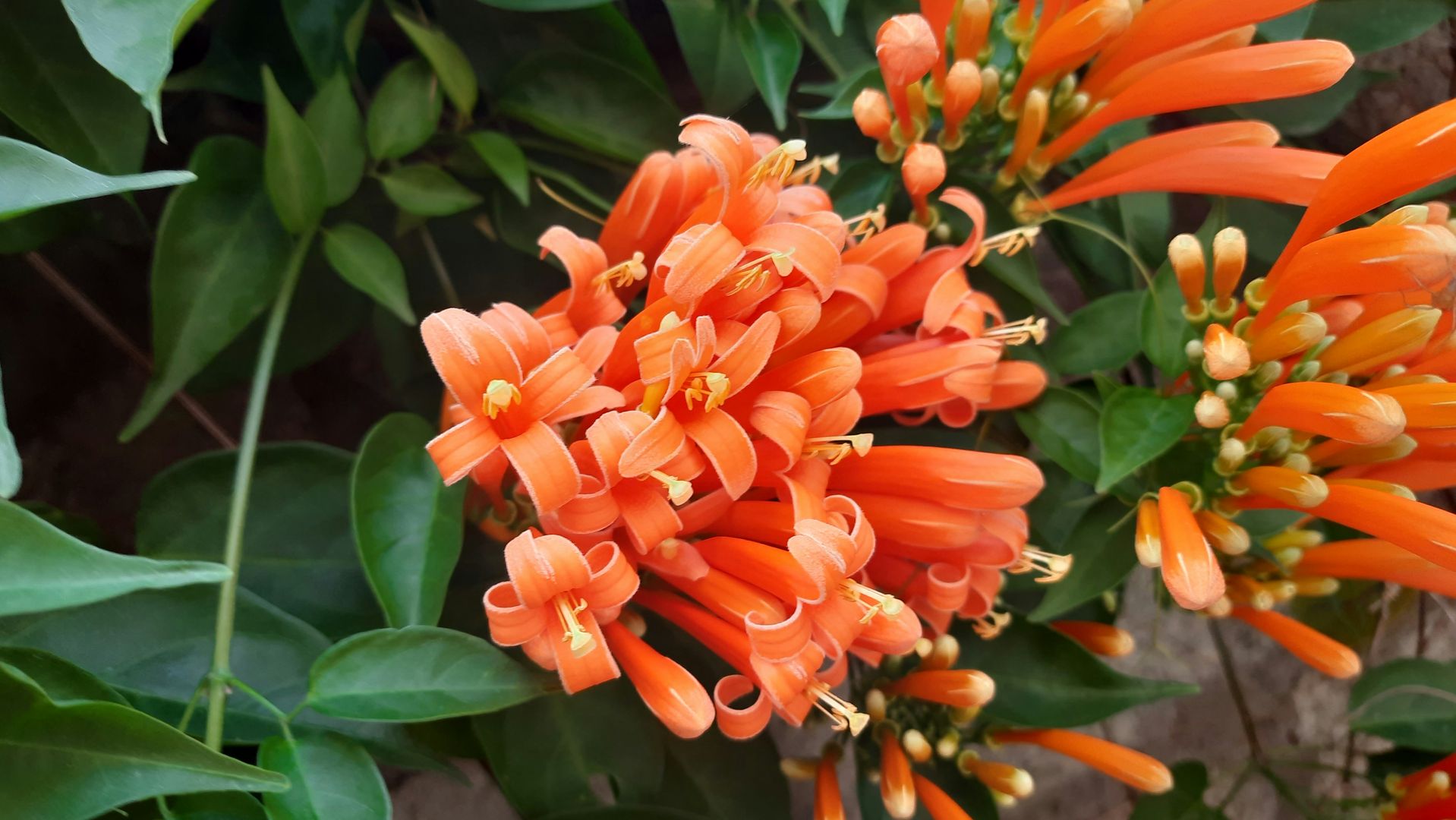
Trumpet Vine is native to Alabama. It produces large orange-red flowers that are outstanding for hummingbirds, blooming through summer and into fall.
It can damage wood and mortar and will colonize your fence line, your shed, your neighbor's everything, and eventually yards that aren't even touching yours.
Hellvine is not a casually assigned nickname.
If you want it give it a metal or masonry structure, cut it back hard each spring, mow the suckers regularly, and don't plant it near structures you care about. Container growing with root barriers is actually a reasonable way to manage Trumpet Vine's ambitions.
Native Hibiscus (Hibiscus spp.)
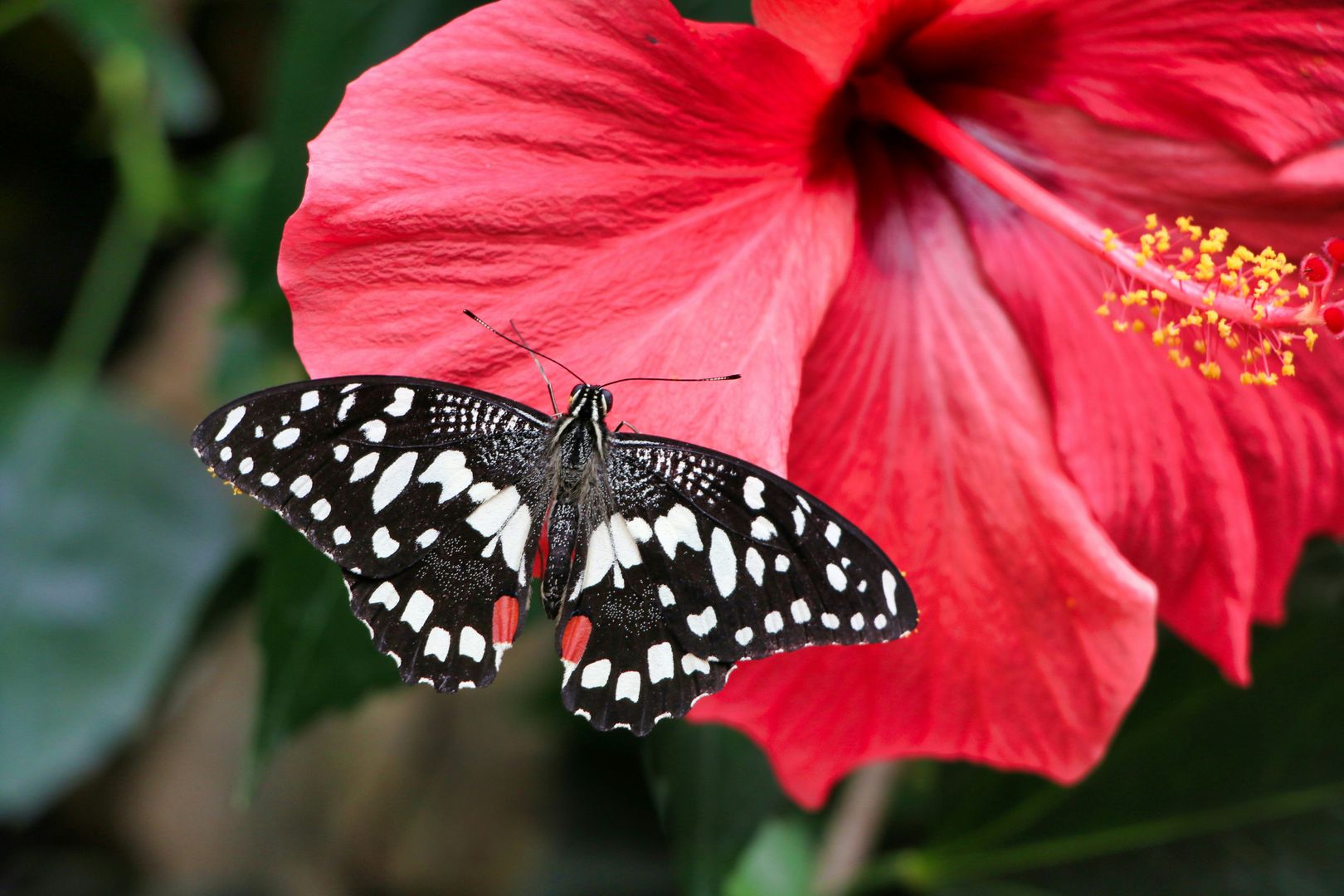
Three native Hibiscus species work well in Alabama gardens. Scarlet Rose Mallow (Hibiscus coccineus) grows to 6 feet with enormous red flowers.Swamp Rose Mallow (Hibiscus moscheutos) tolerates wet conditions. Comfortroot (Hibiscus aculeatus) is a smaller, spiny coastal plain species.
All three attract hummingbirds through summer and fall and are far better than tropical Hibiscus cultivars, which are non-native with often reduced nectar production.
Why Native Plant Nurseries Beat Big-Box Garden Centers
Alabama has outstanding native plant resources!
What it also has is a garden center industry that frequently sells non-native cultivars and borderline invasive species under hummingbird marketing.
Cultivars Aren't Great for Hummingbirds
Many popular garden plants have been bred for looks & have lost their nectar production. A native Cardinal Flower grown from regional seed stock will produce more nectar than a cultivar bred for neat 18-inch habit and extra-long shelf life at the nursery.
Sadly they aren't good for any pollinator.
The Problem with Invasive Plants
Several plants commonly sold in Alabama as wildlife-friendly (e.g. Salvias, Lonicera) have become weedy or invasive in Alabama.
Those are common at big box stores.
Native plant nurseries, though, stock plants that won't escape into surrounding habitat.Check with the Alabama Cooperative Extension System before planting.
The alternative pesticides guide also covers how to keep the insect component of your hummingbird habitat intact. Hummingbirds eat insects as well as nectar, and a spray-heavy garden is a less effective hummingbird garden regardless of what you're growing.
Learn more about attracting hummingbirds beyond just plants — feeders, water, and habitat all contribute.
Frequently Asked Questions
When do Ruby-throated Hummingbirds arrive in Alabama? Mid-March to early April. They depart September through October.
Is Penstemon digitalis safe to plant? It's safe to grow in a normal garden setting. However, all parts are toxic if ingested.
How do I keep Trumpet Vine under control? Metal or masonry structure only, cut it back hard each spring, mow runners as they appear, deadhead before seeds drop.
Cardinal Flower and Trumpet Honeysuckle serve hummingbirds just as well with less maintenance.
Do hummingbirds use all colors or just red? Hummingbirds are strongly attracted to red and orange, but they'll visit flowers of all colors once they've ID'd a garden as a food source.
Tube shape helps a lot. Their bill fits perfectly & excludes nectar competition from short-tongued insects.

No comments yet.