
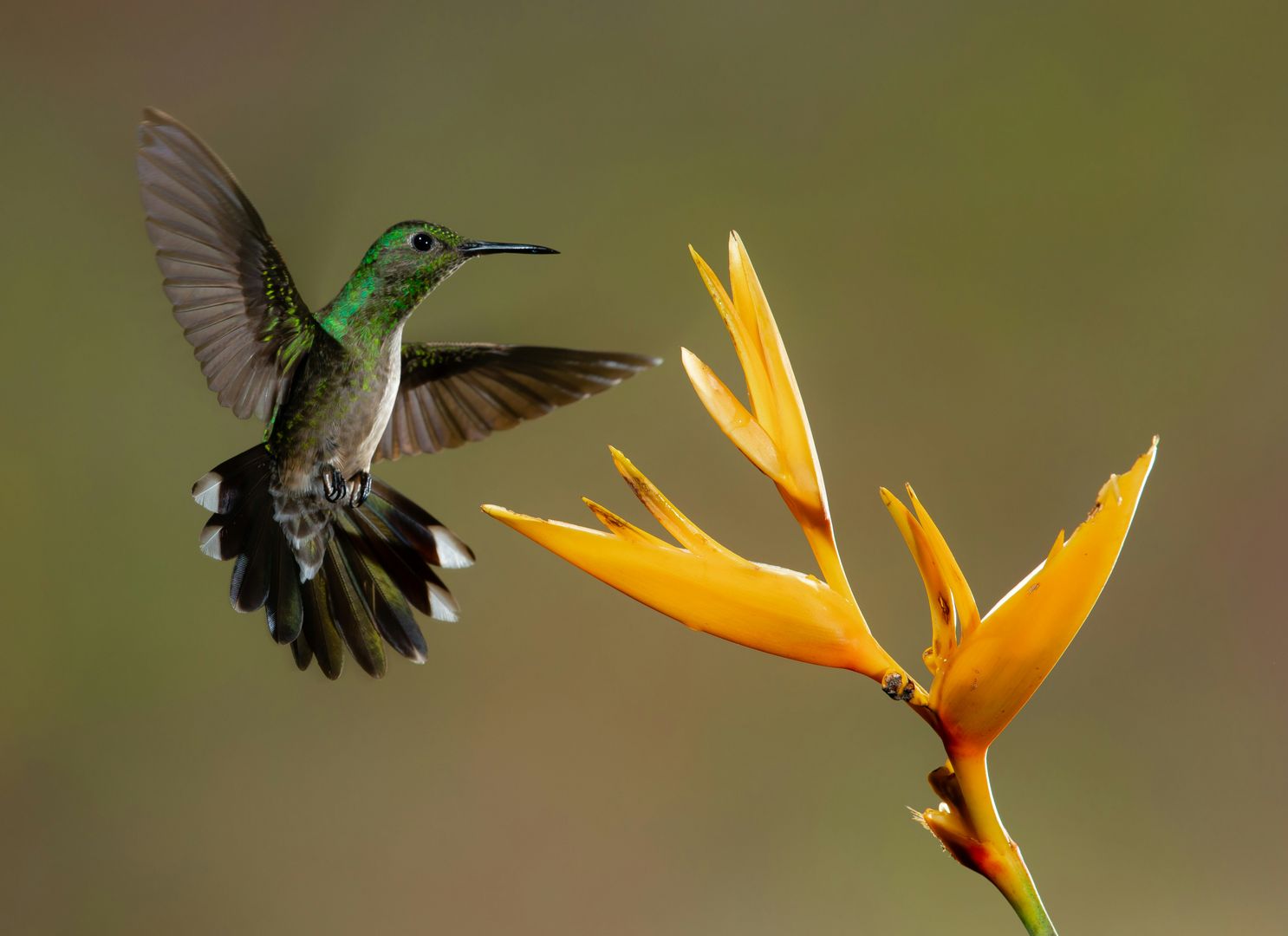
Florida has roughly 12 months of growing season, about 800 species of native plants, and yet the garden center endcap labeled "Hummingbird Garden Mix" still contains Lantana camara — a prohibited invasive in this state.
(Yes, a prohibited invasive. On sale. At a garden center.)
Some of the best plants for attracting hummingbirds in Florida are natives that evolved alongside Florida's hummingbirds and produce reliable nectar in the heat, humidity, and occasionally biblical rainfall that defines gardening here.
Making sure your garden is hummingbird migration ready is just as important as what to plant.
When Do Hummingbirds Visit Florida?
Florida occupies an unusual position in the hummingbird calendar. Ruby-throated Hummingbirds arrive from late February through March, pushing northward from Mexico.
Think of your garden as a gas station on I-95, except the customers have iridescent throats and strong opinions about territorial space.
Southbound migration passes back through August–October. Here's what makes Florida different: a small population of Ruby-throated Hummingbirds overwinters in South Florida. In Miami-Dade, Broward, or Monroe counties, keep your Firebush blooming and you may have hummingbirds in December.
Peak activity windows: late February through April, and again September through October.
Native Plants That Attract Hummingbirds in Florida
Firebush (Hamelia patens)
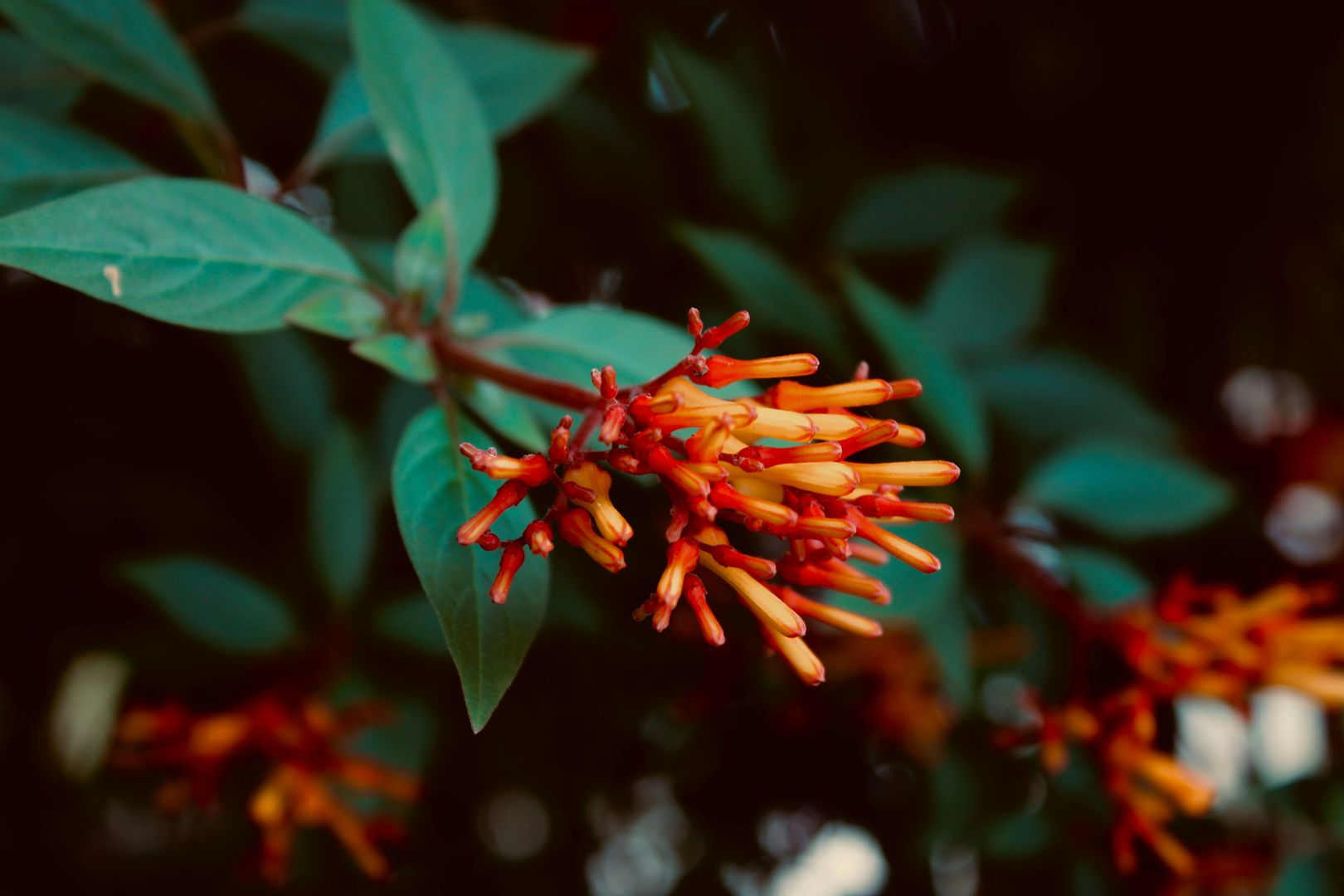
Firebush is the workhorse of the Florida hummingbird garden. The tubular orange-red flowers are basically designed for hummingbird beaks.
It handles full sun, poor soil, and drought, feeds butterflies, and produces berries for songbirds. Make sure you're buying the Florida native variety (Hamelia patens var. patens), not the tropical cultivar, which produces significantly less nectar.
Coral Bean (Erythrina herbacea)
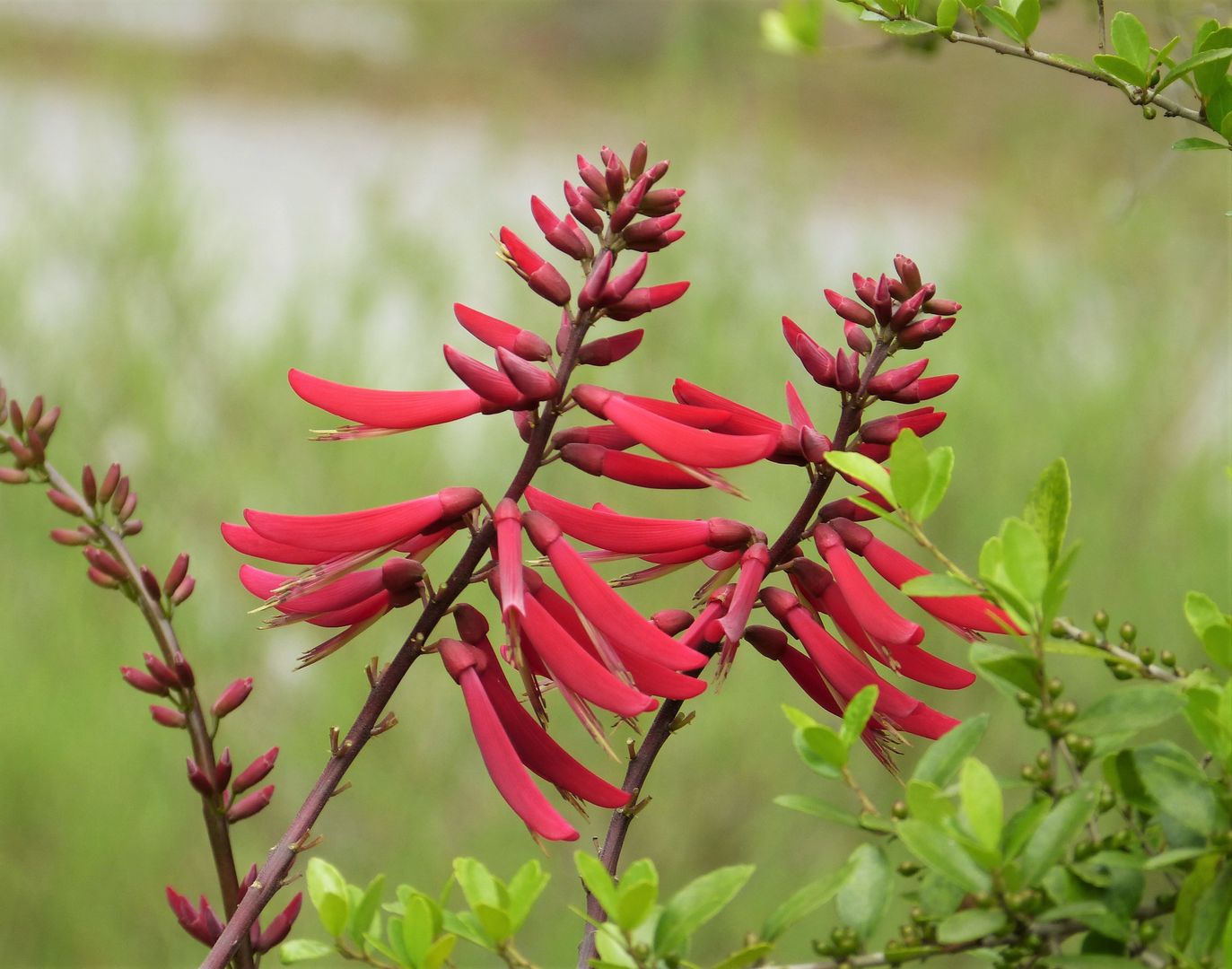
Coral Bean blooms in early spring before most other plants leaf out. Most valuable for the February–March migration push. The scarlet tubular flowers are almost insultingly perfect for hummingbirds. The seeds are toxic, so keep that in mind if children or pets treat the garden as a snack bar.
Red Buckeye (Aesculus pavia)
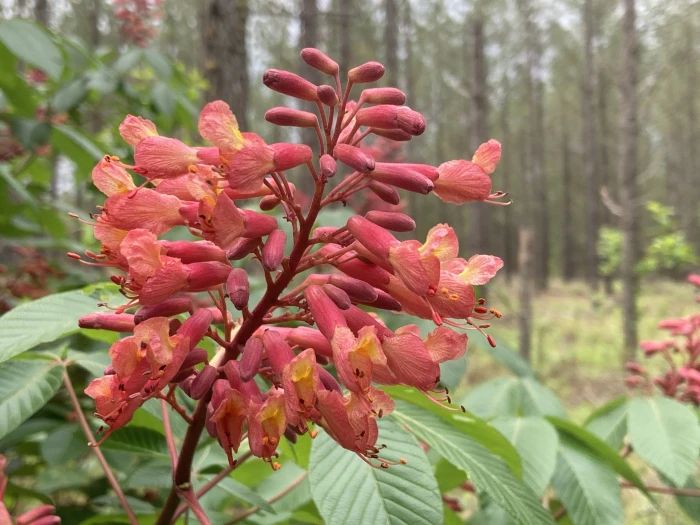
Red Buckeye is one of the first red-flowered natives to bloom in spring in Florida, with timing that overlaps almost perfectly with northbound Ruby-throated migration. Small tree or large shrub, grows in shade or part shade — and gives you the rare opportunity to say "I planted a Buckeye" with no Ohio connection required.
Crossvine (Bignonia capreolata)
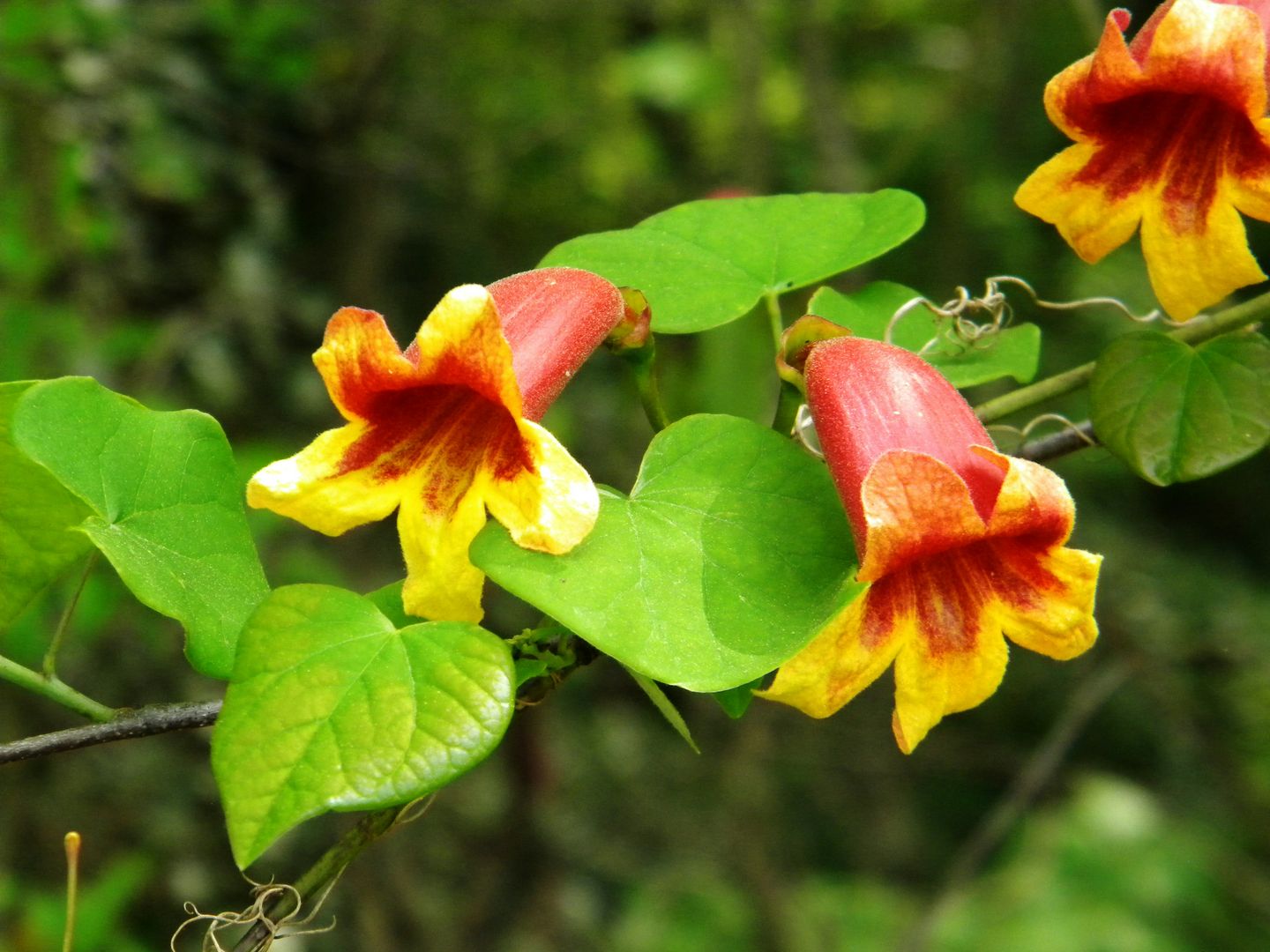
A vigorous native vine with orange-red tubular flowers in spring. It climbs anything you point it at. An ugly fence becomes a productive hummingbird stop with almost no effort on your part.
Bee Balm (Monarda punctata — Spotted Bee Balm)
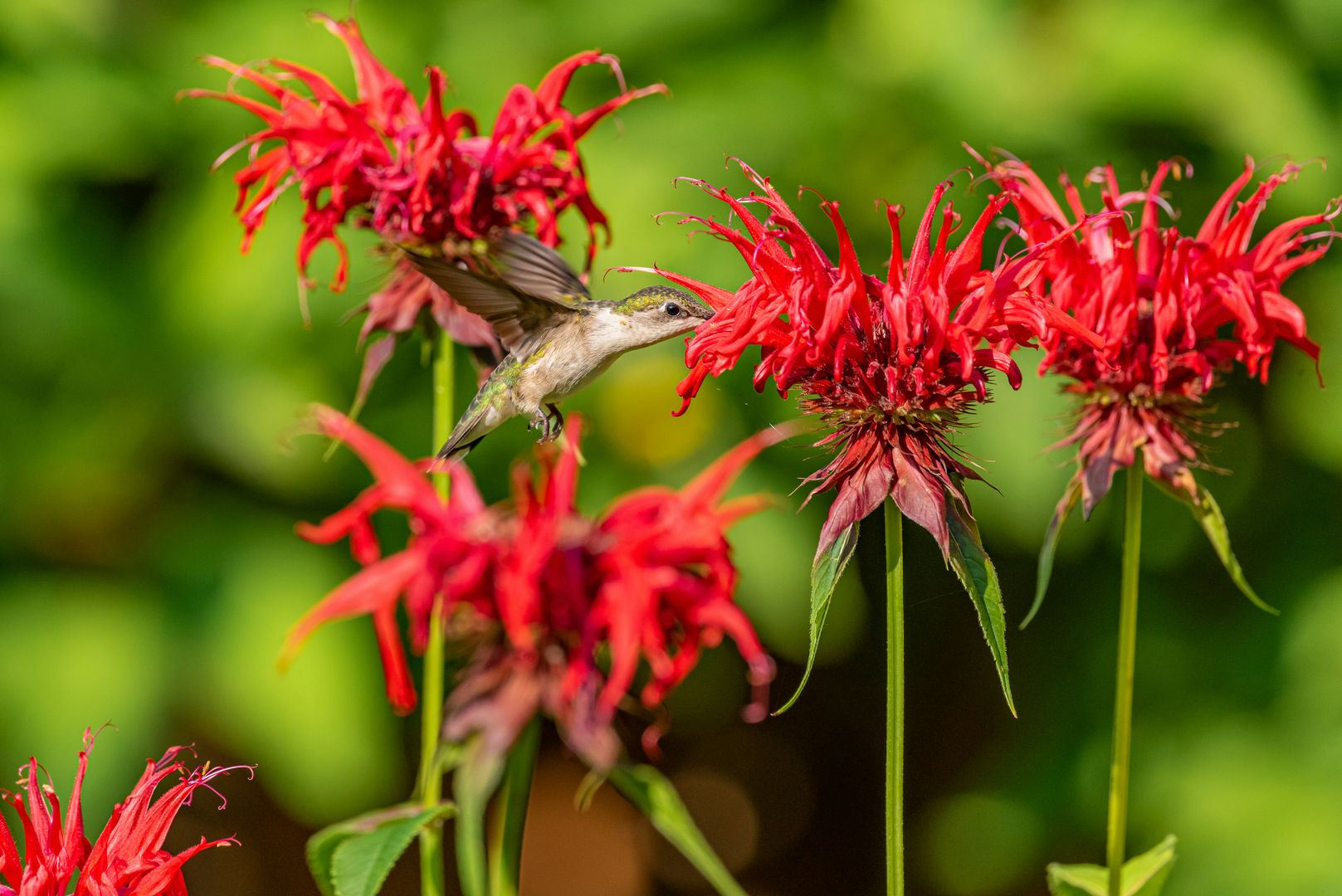
In Florida, go with Spotted Bee Balm (Monarda punctata) rather than the showier Monarda didyma cultivars. Spotted Bee Balm is adapted to Florida's heat and sandy soils in a way the northern varieties are not. It's more subtle visuallybut hummingbirds don't care about visual subtlety.
Cardinal Flower (Lobelia cardinalis)
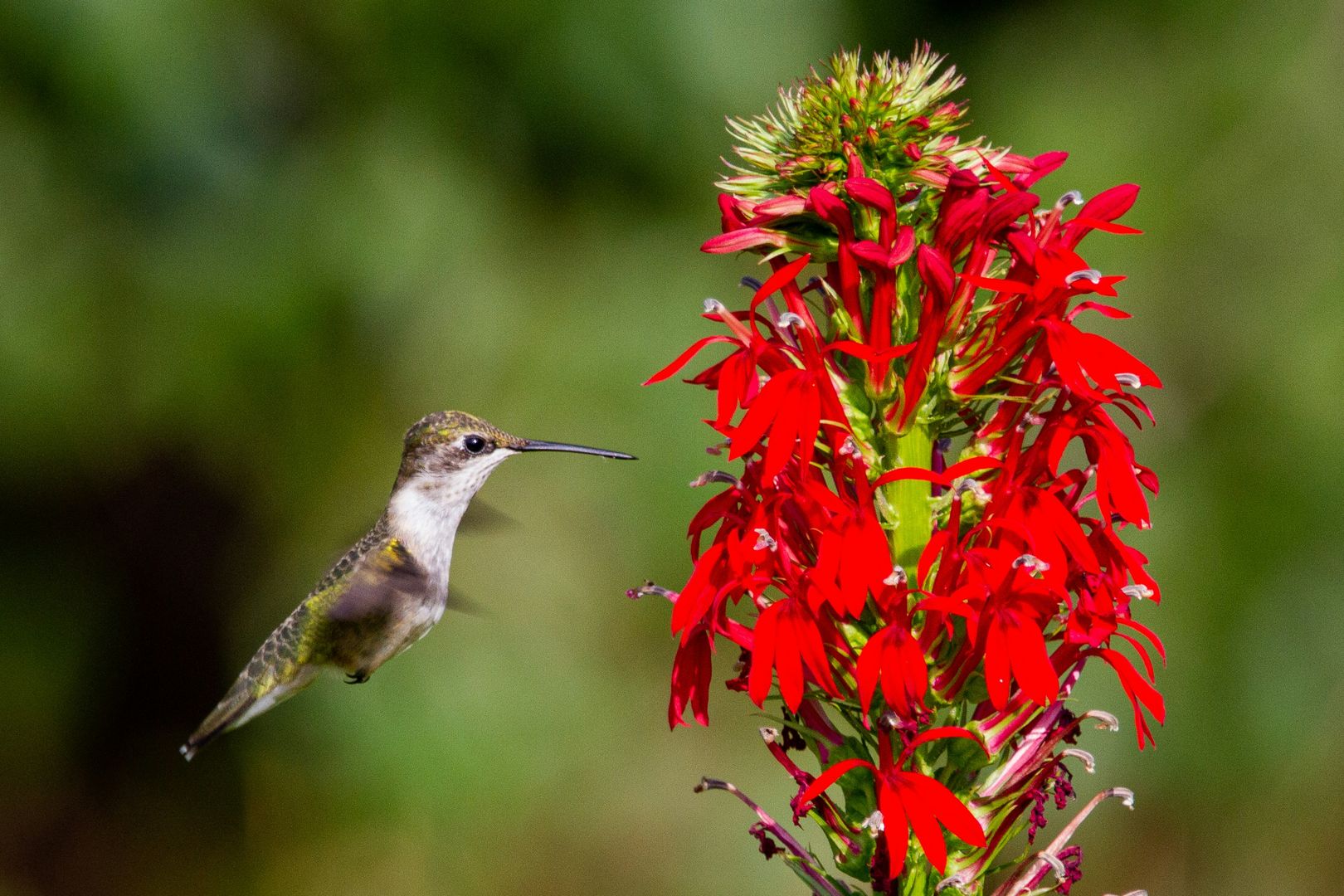
Cardinal Flower is as close to a guaranteed hummingbird magnet as native gardening gets. It prefers moist conditions and partial shade, so plant it near a water feature or in a low spot.
A hummingbird-friendly bird bath near your Cardinal Flower planting will make this corner of your garden very productive real estate for migrating birds.
Trumpet Honeysuckle (Lonicera sempervirens)
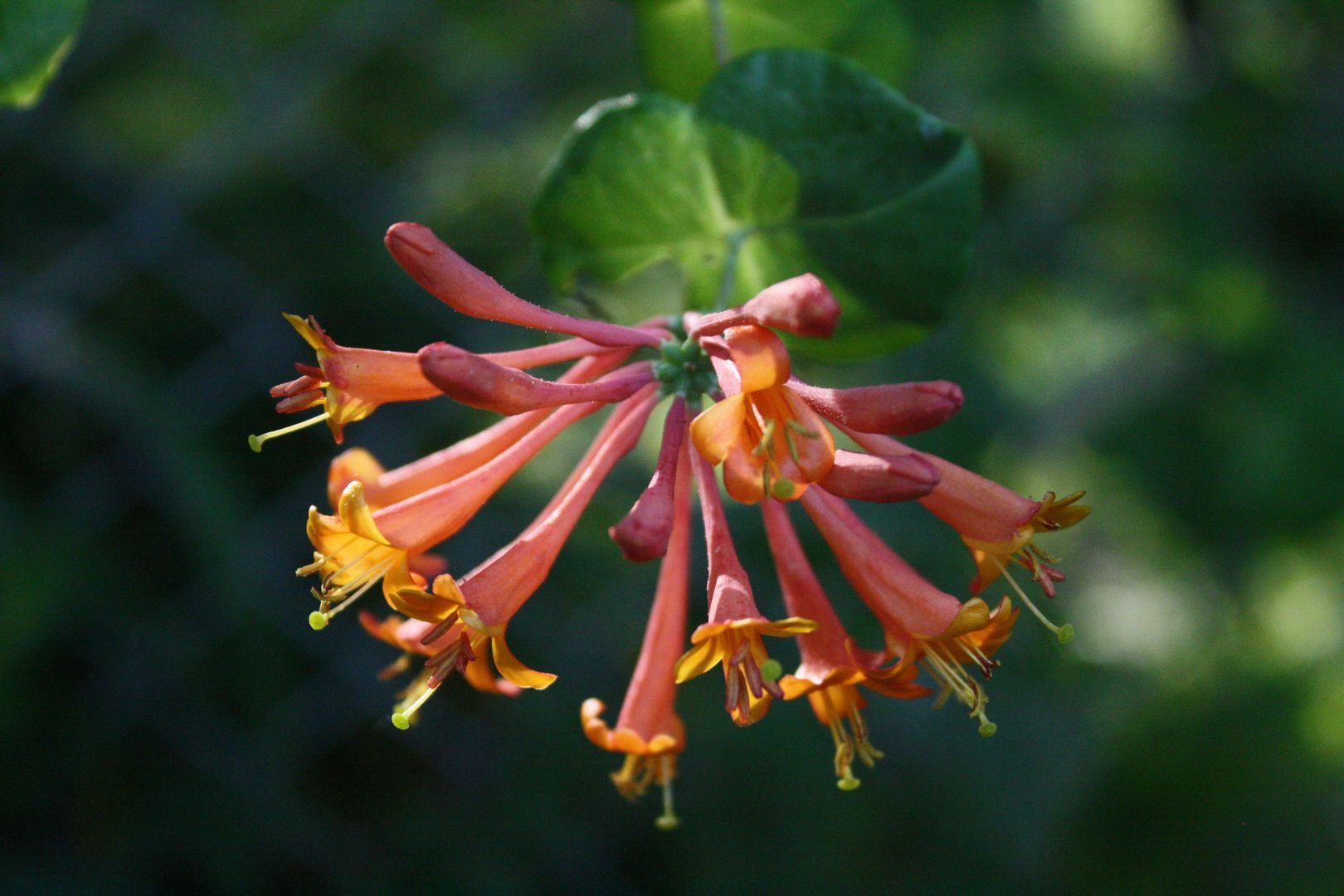
Native Trumpet Honeysuckle is a well-behaved vine with red tubular flowers that hummingbirds love. It is not Japanese Honeysuckle (Lonicera japonica), which is invasive in Florida and looks superficially similar.
Japanese Honeysuckle has creamy-white fragrant flowers; Trumpet Honeysuckle has red-orange unscented ones. Get the botanical name on the label: Lonicera sempervirens. If the tag just says "honeysuckle," ask.
Beardtongue (Penstemon spp.)
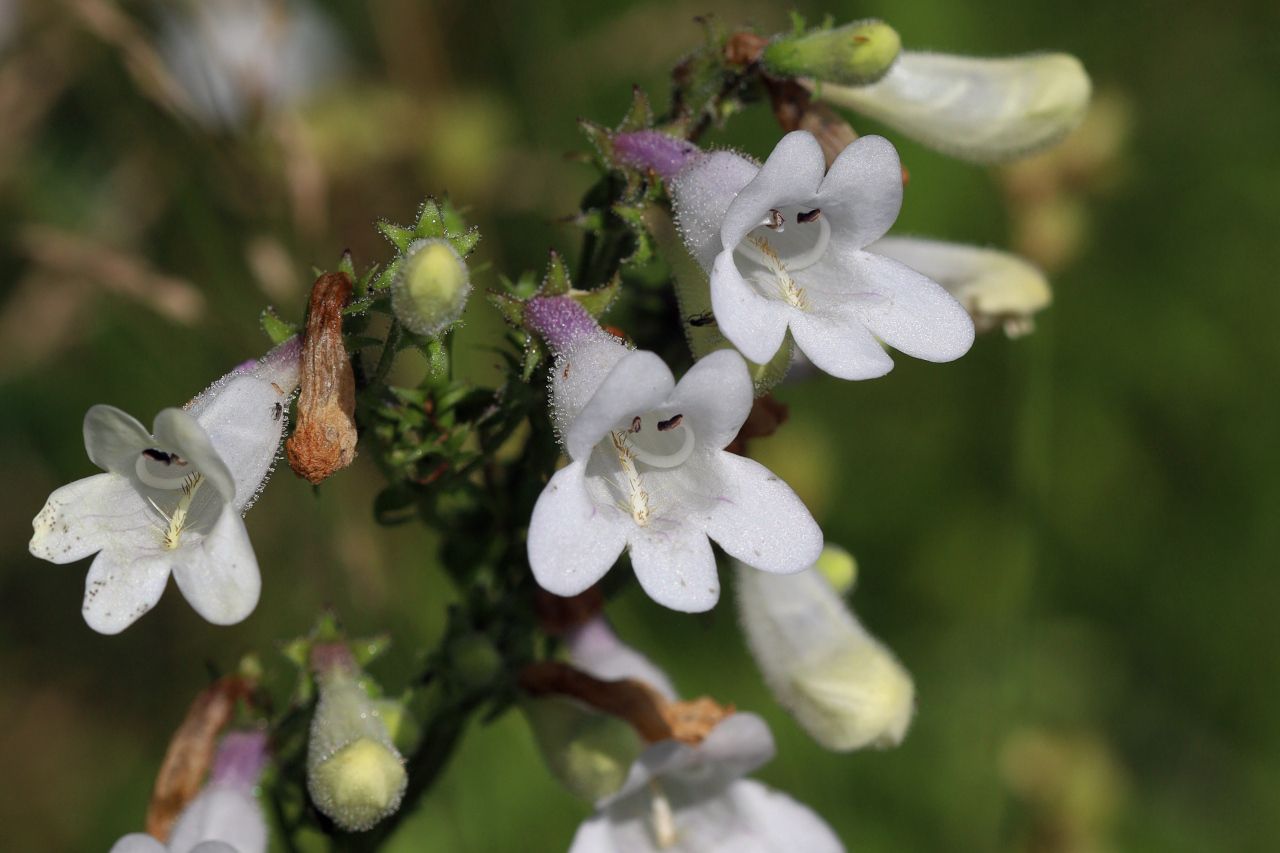
Several native Penstemon species grow in Florida and bloom in spring with tubular flowers in red, pink, and purple. Plant in well-drained soil — they rot quickly if roots stay wet.
Columbine (Aquilegia canadensis)
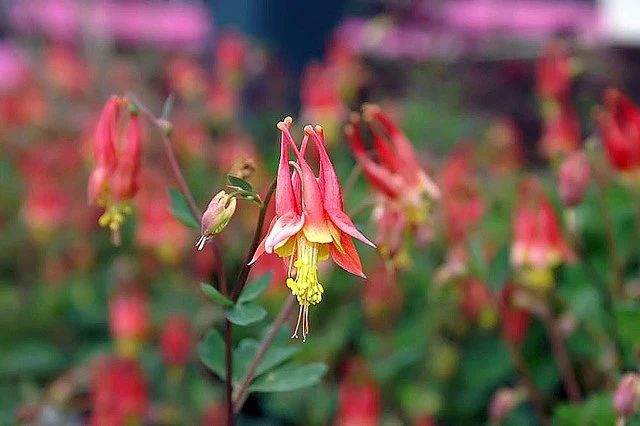
Eastern Red Columbine blooms in late winter and early spring when the first Ruby-throated migrants are arriving. The nodding red-and-yellow flowers have long spurs full of nectar. It reseeds readily once established, which is either a selling point or a warning depending on your relationship with spontaneity.
Lantana — with a critical caveat
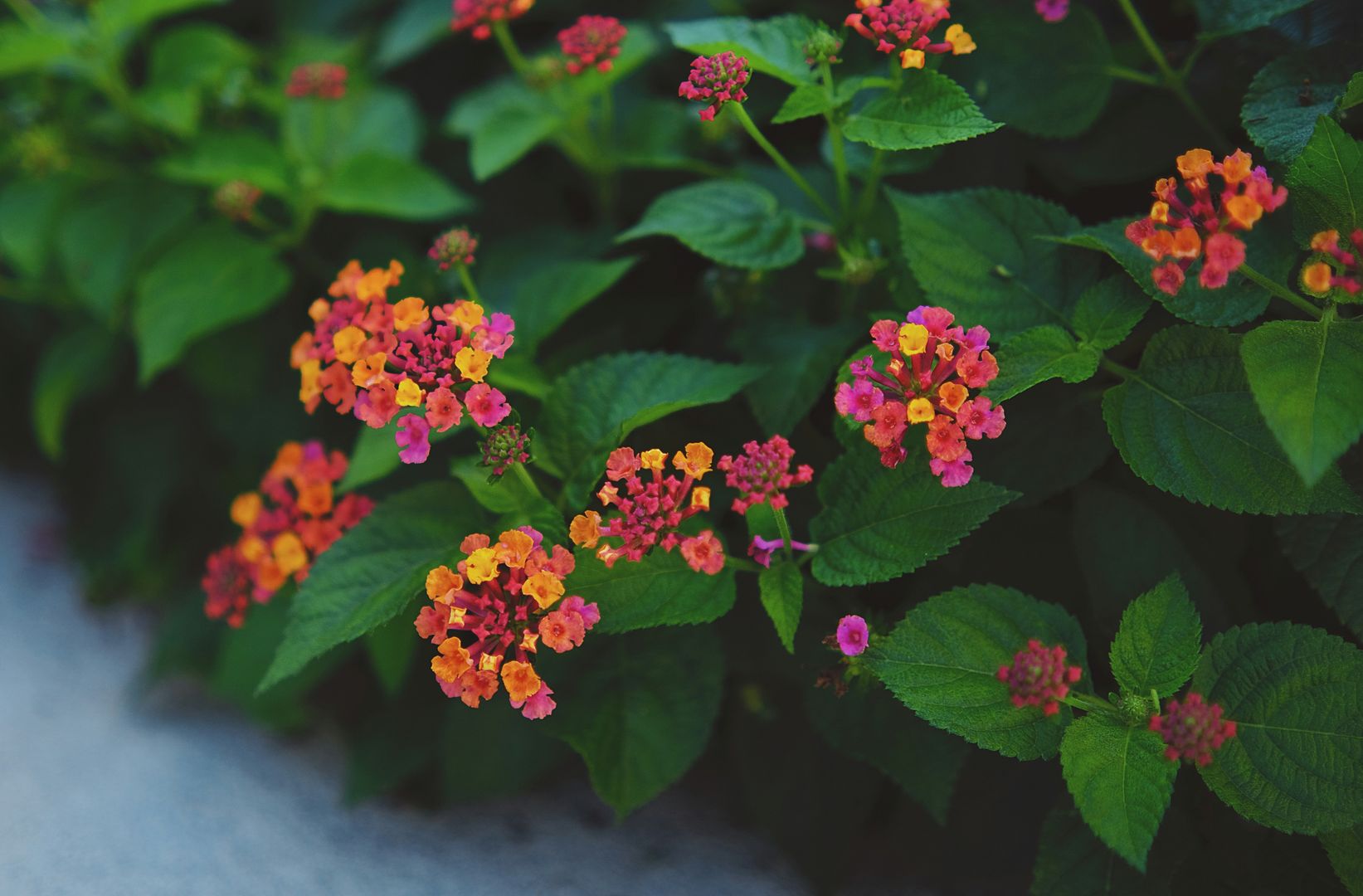
Here is where we need to have a talk. Lantana camara is a prohibited invasive species in Florida. Illegal to plant or sell in the state, a fact that doesn't stop numerous garden centers from stocking it.
Safe natives: Lantana involucrata (Buttonsage) and Lantana depressa (Pineland Lantana) are both good pollinator plants. Get the full botanical name. "Lantana" alone on the tag is not good enough.
Blazing Stars (Liatris spp.)
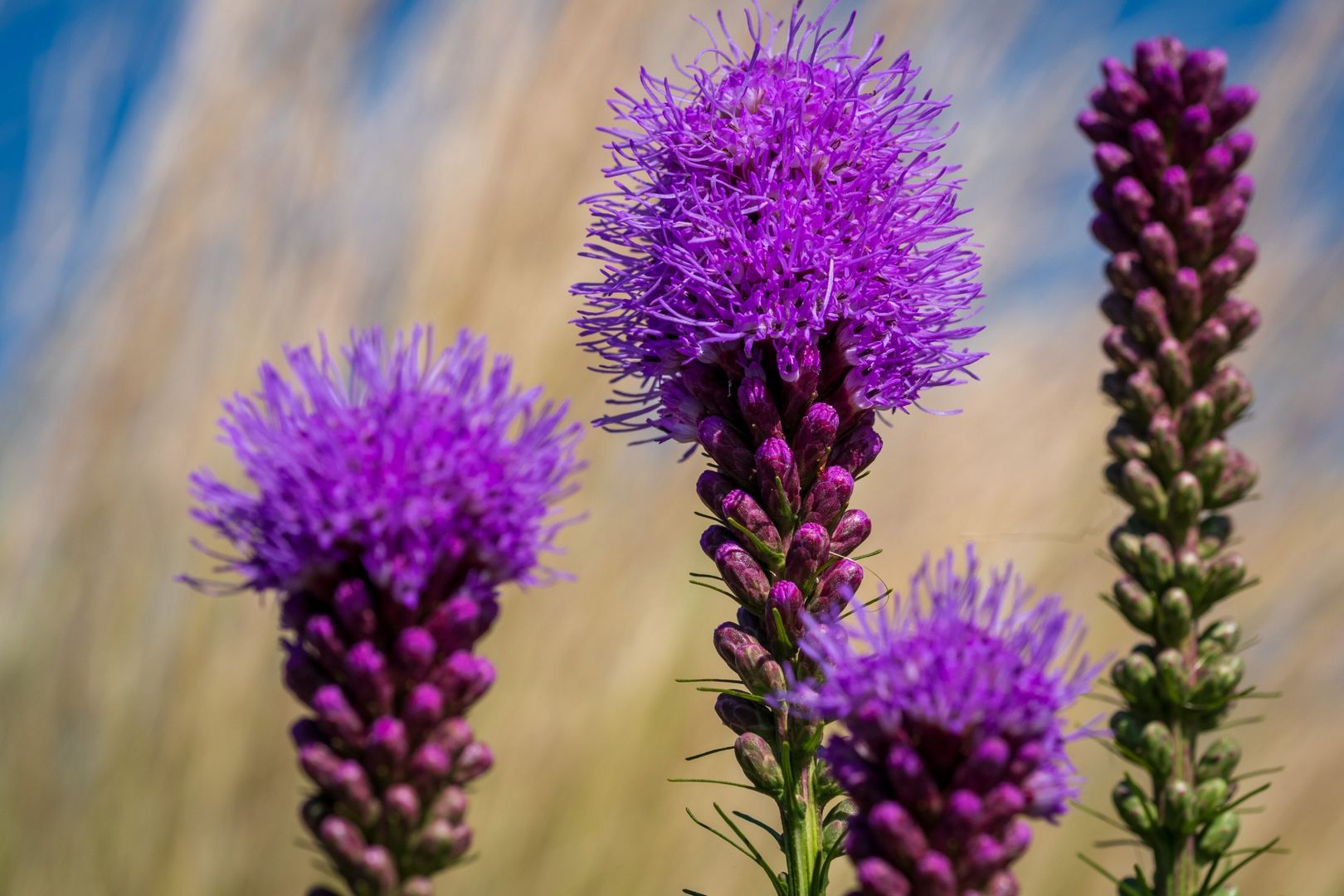
Blazing Stars bloom summer through fall, filling the mid-season gap between spring bloomers and the fall migration push. Native species include Liatris gracilis and Liatris spicata. They pull double duty as monarch butterfly plants.
Trumpet Vine (Campsis radicans)
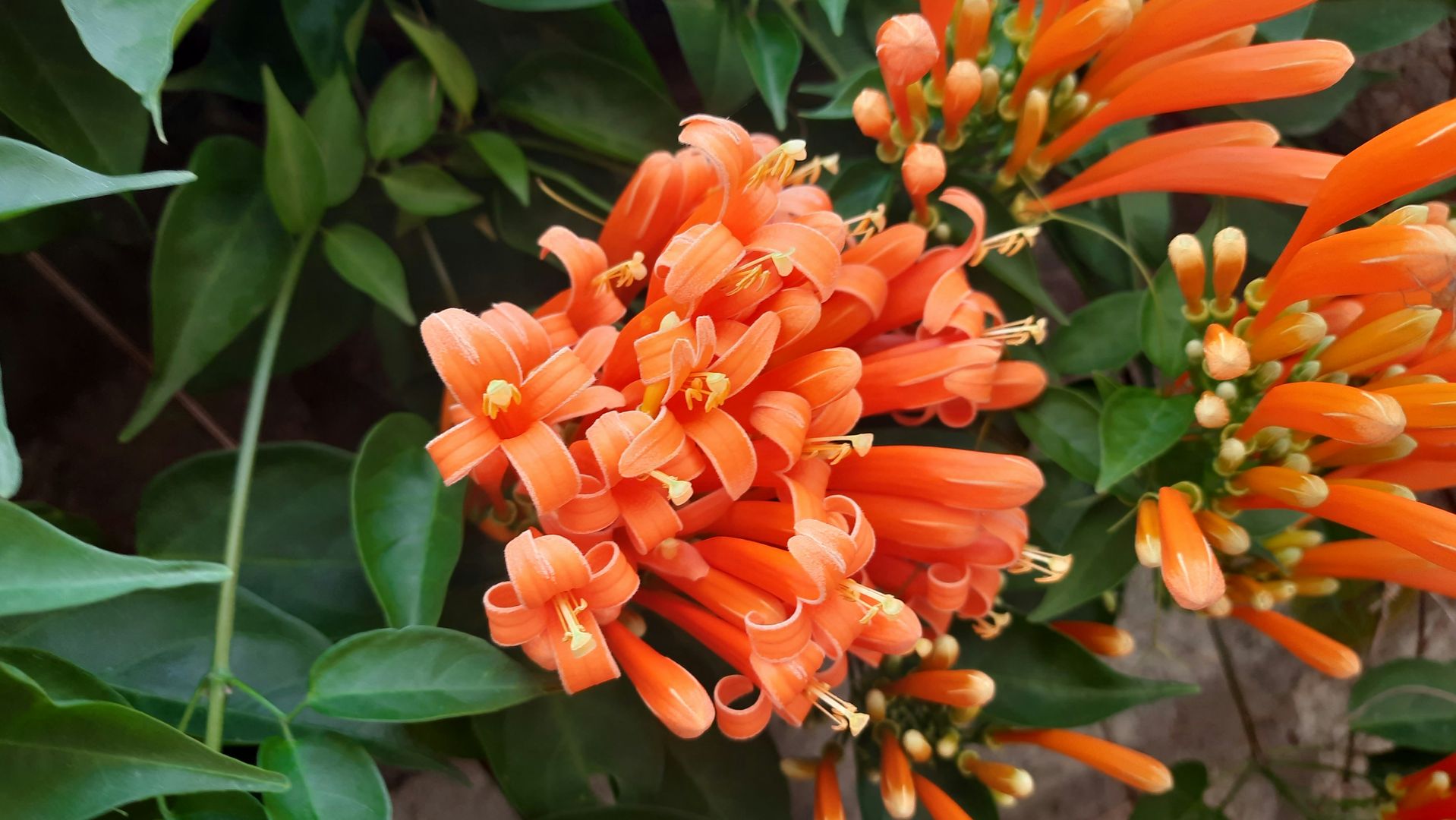
Trumpet Vine is native to Florida and produces spectacular orange-red blooms that hummingbirds can't resist. It will also eat your fence, your trellis, your shed, and potentially your neighbor's goodwill if you don't manage it. Give it a very sturdy structure and cut it back hard each year.
Worth it, but it's a good bit of work.
Hibiscus (Hibiscus coccineus)
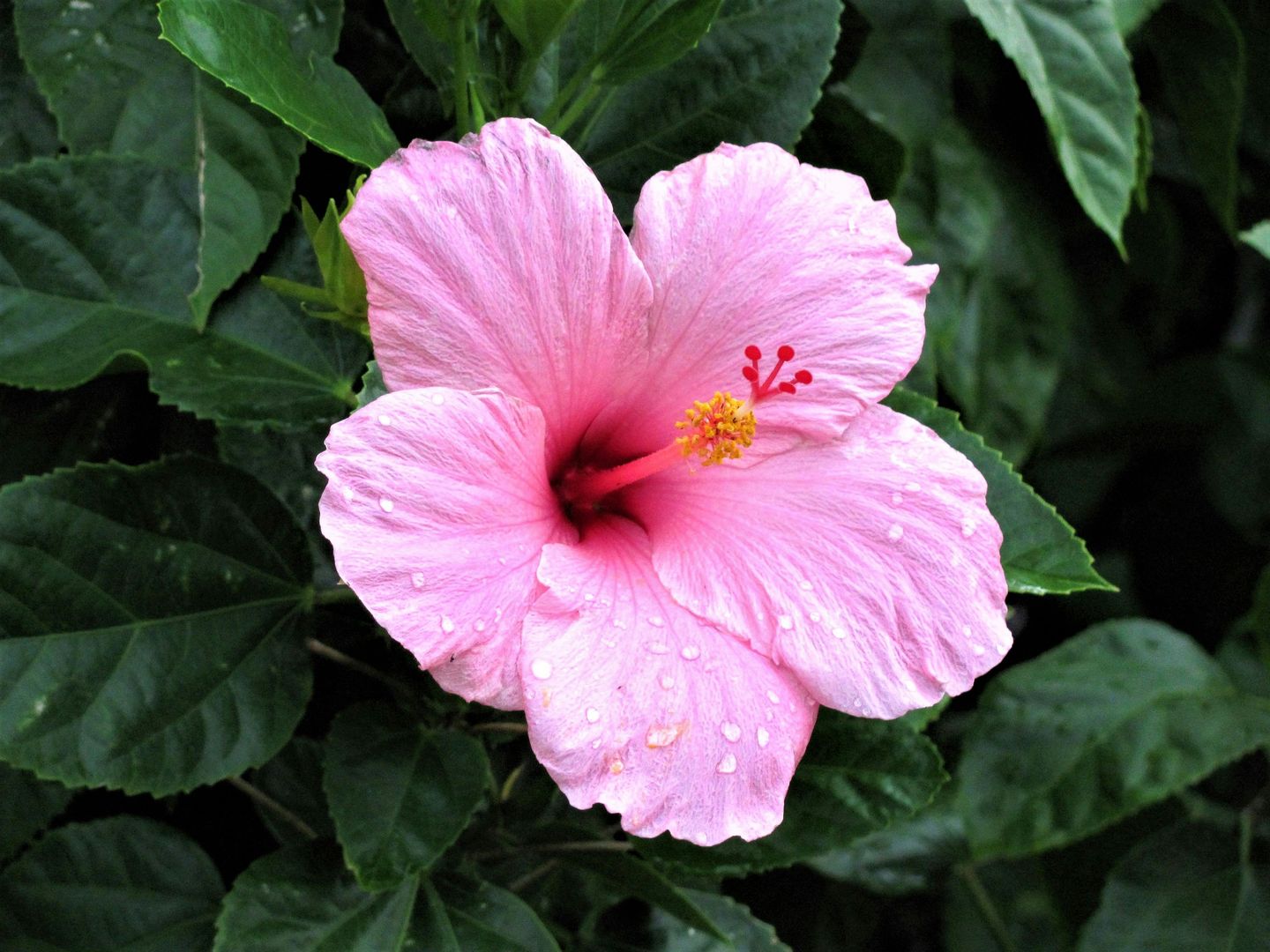
Scarlet Rose Mallow (Hibiscus coccineus) grows to 6 feet with enormous red flowers through summer — visiting hummingbirds look proportionally small against it. Thrives in wet conditions; plant at pond edges or in moist spots.
Tropical Sage (Salvia coccinea)
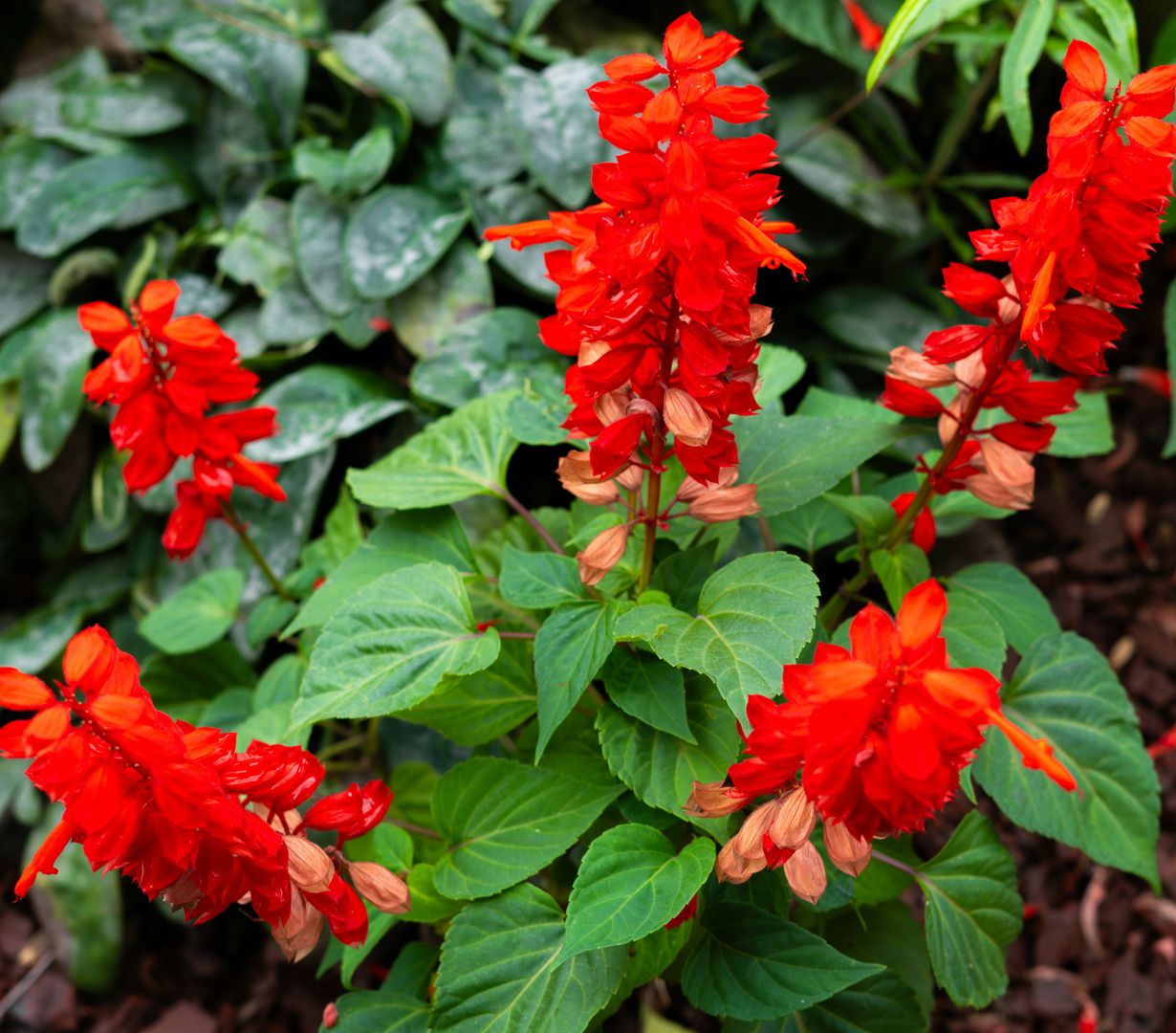
Tropical Sage blooms prolifically from spring through frost with scarlet flower spikes that hummingbirds work methodically. It self-seeds and fills in gaps over time. Once you've got a patch going, you'll notice you're refilling your hummingbird feeder less often.
The Problem with Big-Box "Hummingbird Plants"
Native plants from a Florida native plant nursery will outperform anything in a "hummingbird garden" display at a big-box store.
No, I'm not a snob... but I am biased after all my tulips were all a bust thanks to one big orange box store.
Retail plants are often non-native cultivars bred for large flowers and long shelf life. Some don't even produce nectar! A native plant nursery stocks plants that evolved in Florida's soils and rainfall patterns. The Florida Native Plant Society has a nursery locator.
It's worth the extra ten minutes.
For the full picture on attracting hummingbirds beyond plants, and keeping your garden pest-free without wrecking your pollinators, the alternative pesticides guide covers what works.
Frequently Asked Questions
When do Ruby-throated Hummingbirds arrive in Florida? Northbound migrants begin arriving in late February, with peak arrival in March. A small population overwinters in South Florida and is present year-round. Southbound migration passes through August–October.
Do I need a feeder if I have native plants? A feeder helps during migration peaks and cold snaps. Most people do both.
Is Lantana safe to plant in Florida? Lantana camara is a prohibited invasive and should not be planted. Florida native species Lantana involucrata and Lantana depressa are safe and ecologically appropriate.
What's the best single plant to start with? Firebush (Hamelia patens). It blooms year round, feeds hummingbirds and butterflies, and produces fruit for songbirds.
It's the single most productive plant for a Florida wildlife garden.
Do hummingbirds return to the same garden each year? Yes! Ruby-throated Hummingbirds have strong site fidelity & return to the same feeders and plants year after year. Host them well in spring and expect repeat visitors the following season.
When in doubt, just plant something red.
Literally any red flower. And put it somewhere sunny.
The hummers will find you as reliably as I find dog hair on everything.

No comments yet.