
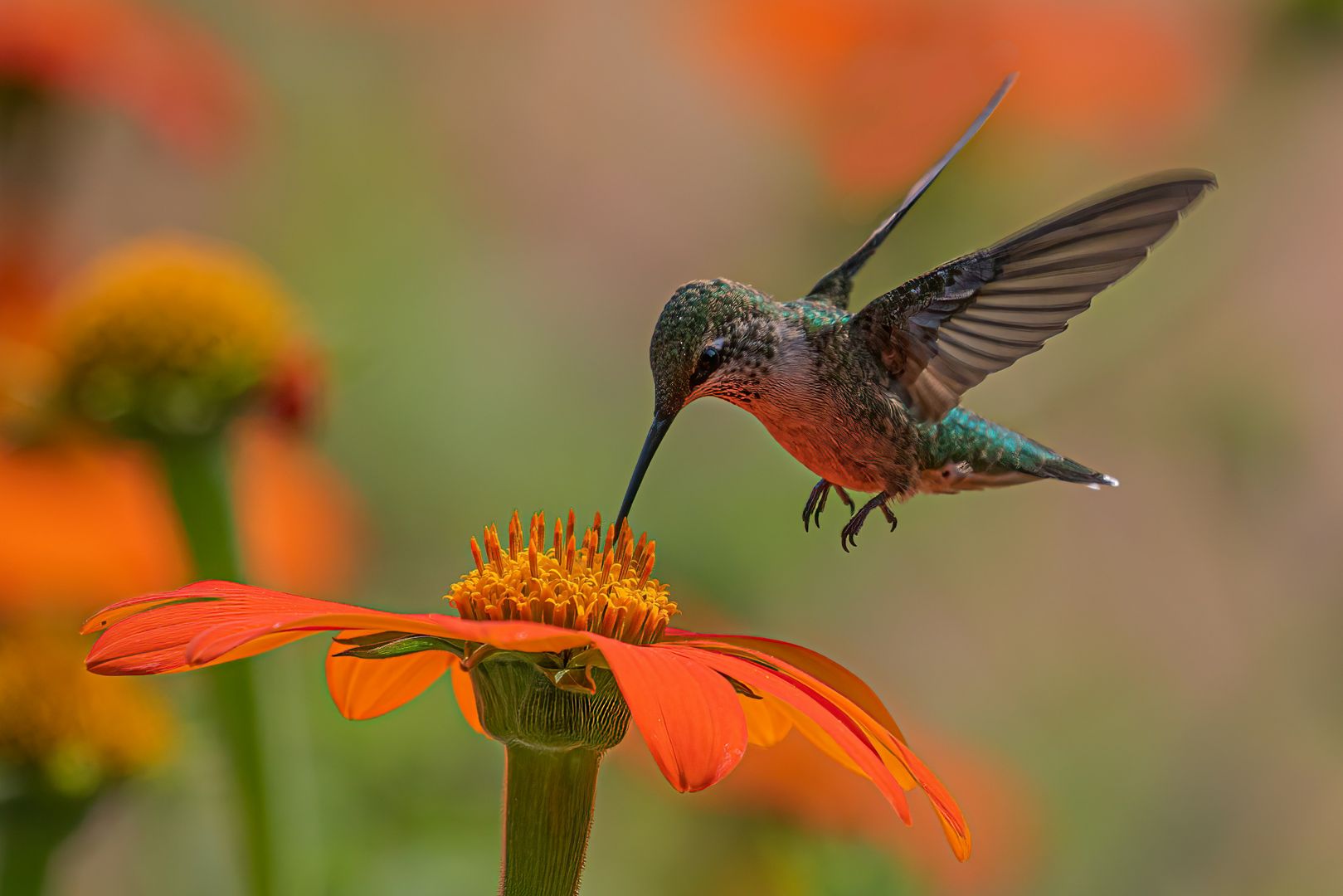
Mississippi is 48,000 square miles of good hummingbird habitat. It's also, inexplicably, a strong market for Butterfly Bush, a plant that feeds adult butterflies while destroying the habitat their caterpillars need to survive.
(We'll get to that. Consider this the foreshadowing section.)
So what plants are best?
The best plants for attracting hummingbirds in Mississippi are natives like Cardinal Flower, Coral Bean, Firebush, and Tropical Sage. These are plants that evolved in the same climate the hummingbirds evolved in.
Making sure your garden is migration ready is equally important.
When Do Hummingbirds Visit Mississippi?
Ruby-throated Hummingbirds pass through Mississippi b. Northbound migration runs April through May; southbound August through October.
Peak spring viewing is late April to mid-May for migrants that just crossed the Gulf of Mexico are genuinely hungry and will work every flower in the yard.
Put feeders out by early April & make sure your garden has some flowers that will bloom around that time, too.
Don't wait for the first sighting, because the first sighting is always someone else's if you haven't prepared.
Native Plants That Attract Hummingbirds in Mississippi
Firebush (Hamelia patens)
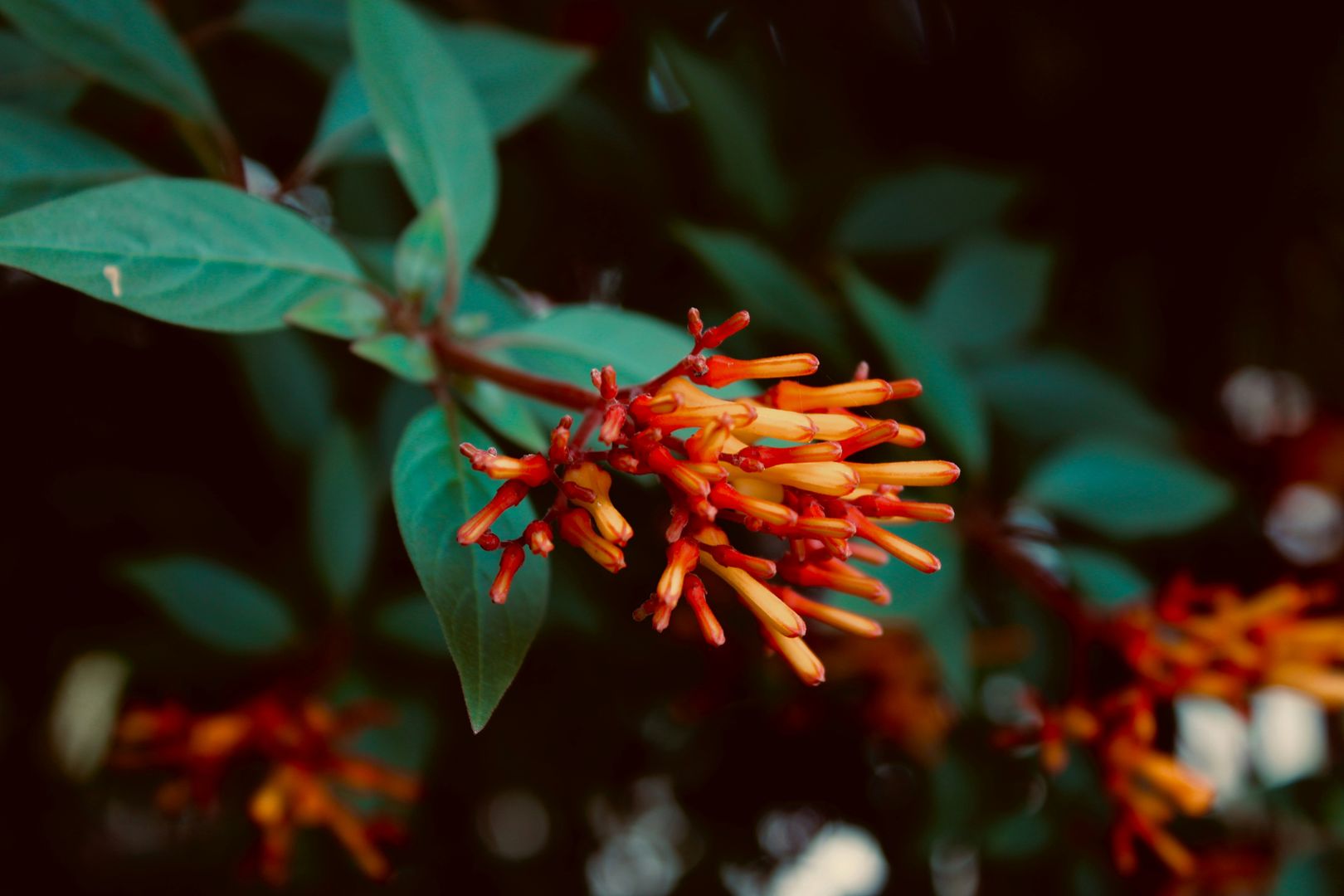
Firebush is a workhorse for Gulf Coast and lower Mississippi gardens, producing tubular orange-red flowers from summer through fall that hummingbirds, butterflies, and various bees work constantly.
It handles heat and humidity with zero complaints. In northern Mississippi it's often grown as an annual or dies back to the roots in winter, but in the southern part of the state it can persist as a woody shrub.
Coral Bean (Erythrina herbacea)
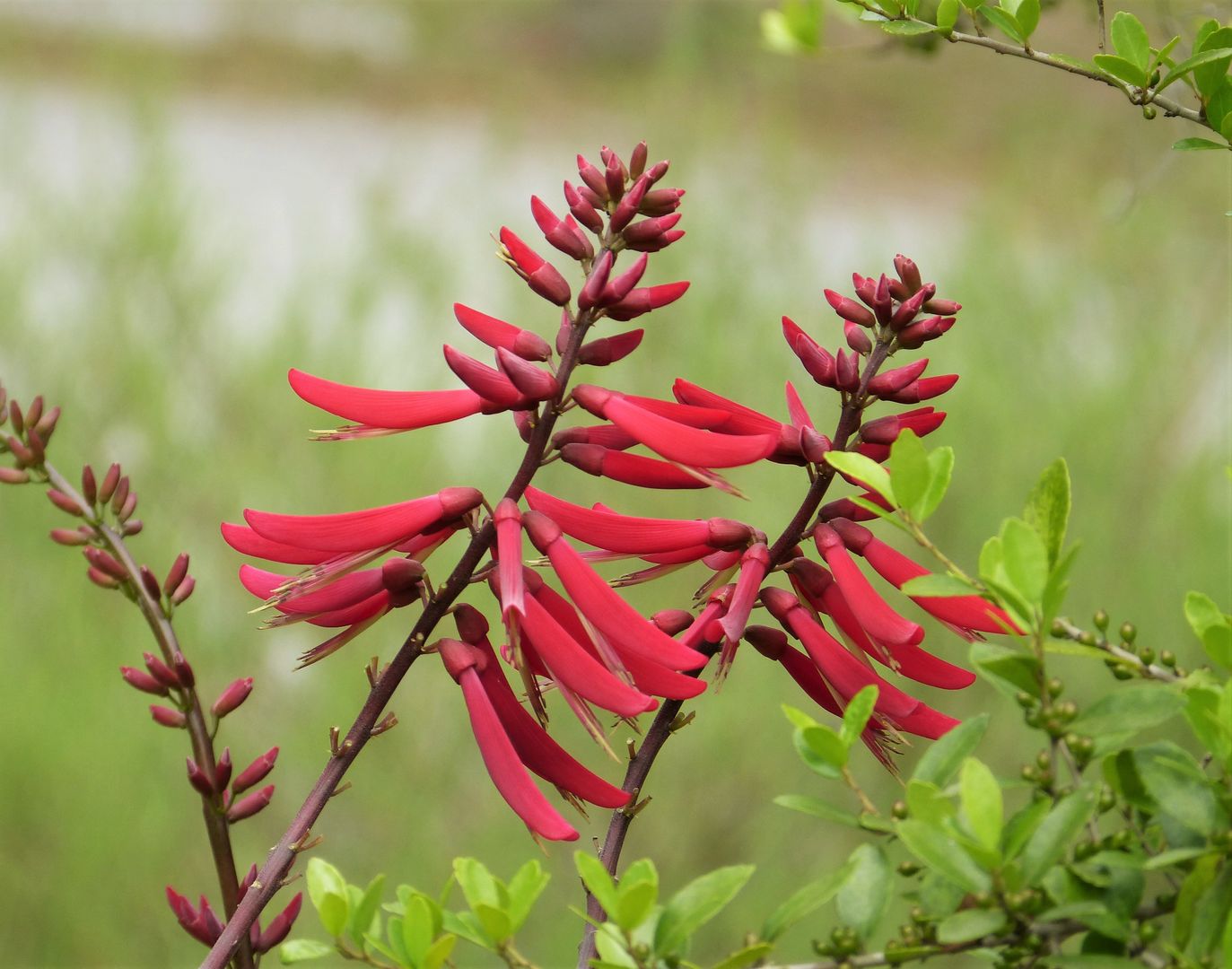
Coral Bean blooms in early spring before most of the competition leafs out, which makes it valuable for the April migration push.
The brilliant scarlet tubular flowers are exactly what a hummingbird crossing the Gulf needs to find when it arrives.
Note that all parts of the plant are toxic. Plant it where children and pets aren't going to investigate it closely.
Red Buckeye (Aesculus pavia)
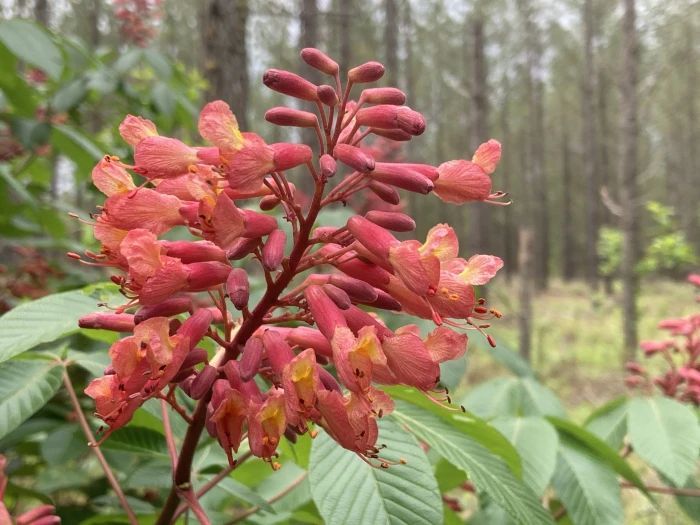
Red Buckeye is one of the earliest red-flowered native plants to bloom in Mississippi. The March - April bloom is timed almost perfectly with the first northbound migrants.
It's a small understory tree that does well in part shade, which makes it useful for the shadier corners of the yard that most hummingbird plants won't tolerate.
Crossvine (Bignonia capreolata)
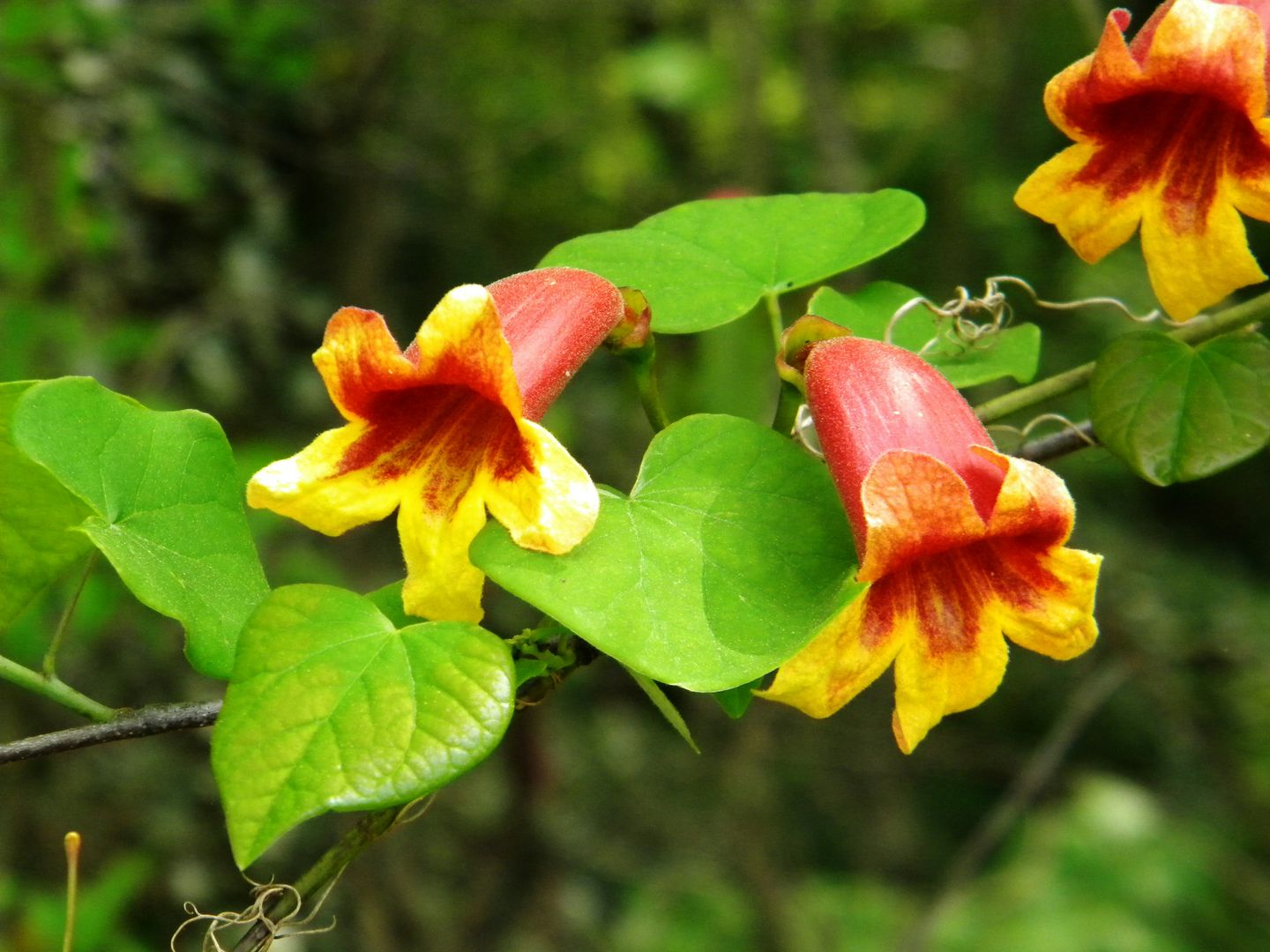
A native vine with orange-red tubular flowers in spring. Crossvine climbs aggressively and covers a fence or trellis in a season or two.
Semi-evergreen in Mississippi's mild winters, providing year-round bird cover. An underrated plant for the back fence.
Bee Balm (Monarda spp. — Spotted Bee Balm)
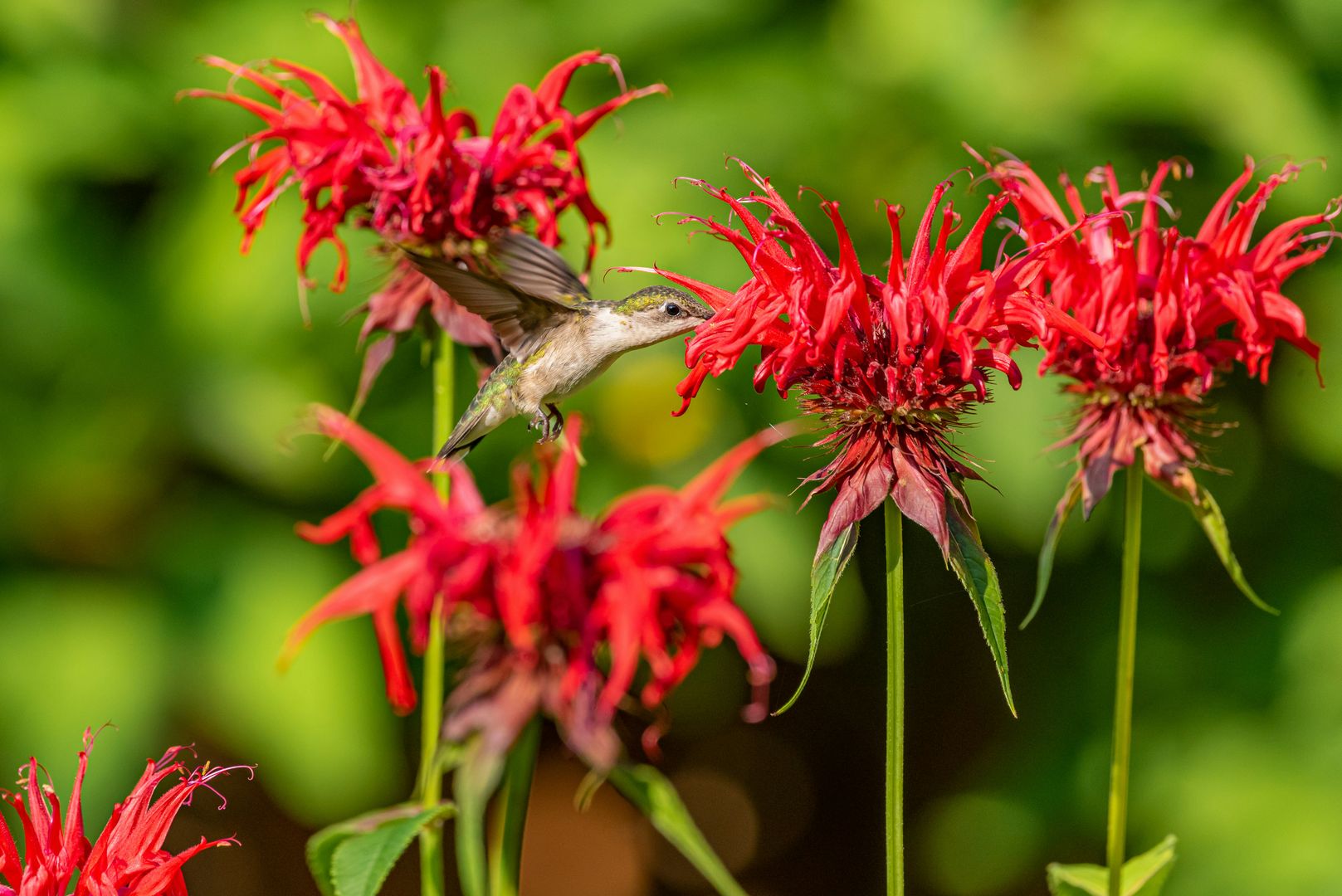
For Mississippi's heat and humidity, Spotted Bee Balm (Monarda punctata) is the better choice over the more common Monarda didyma cultivars.
It's native to the region, more heat-tolerant, and less prone to the powdery mildew that plagues the showier varieties in humid summers. The flowers are subtler but hummingbirds don't buy plants based on catalog photos.
Cardinal Flower (Lobelia cardinalis)
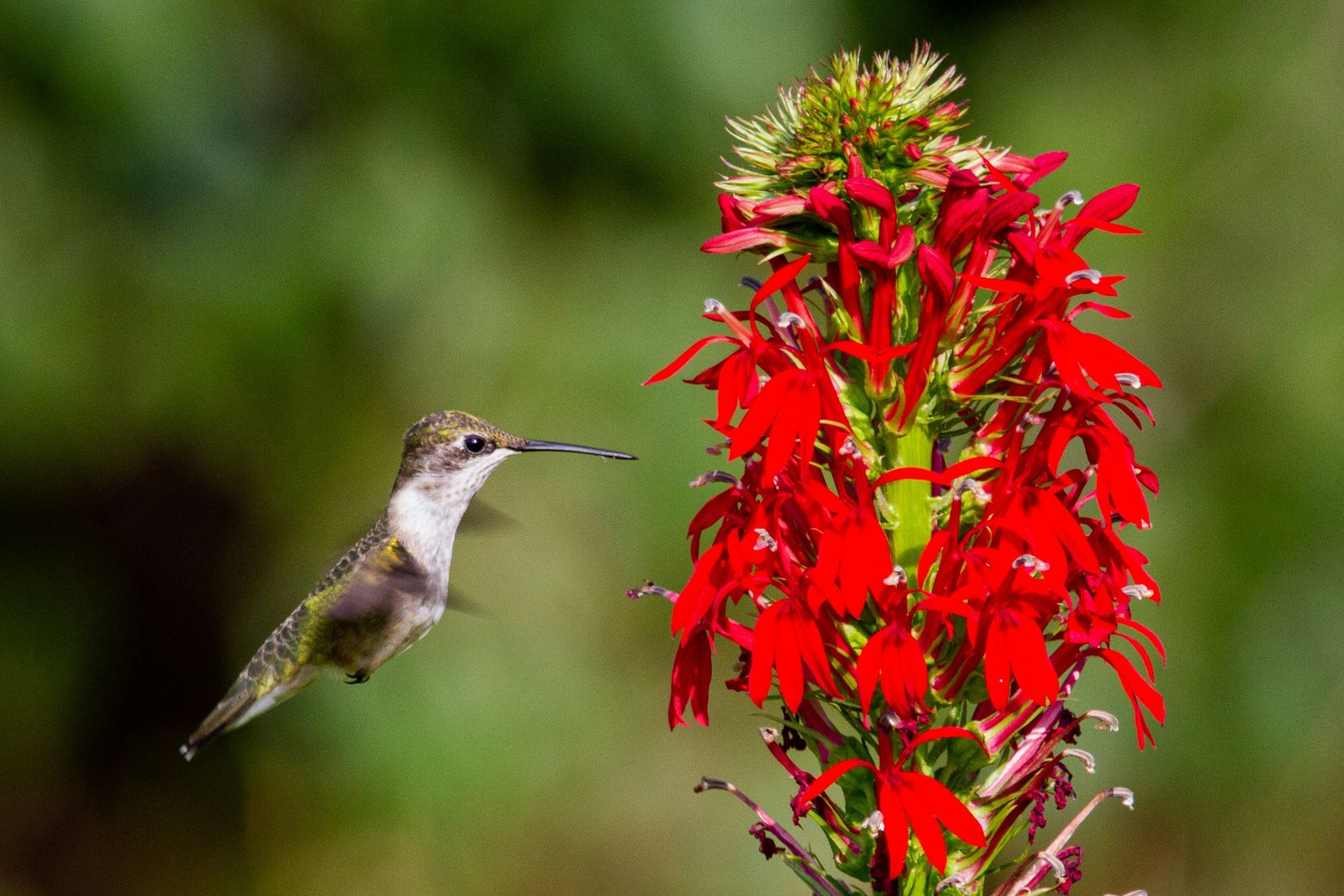
Cardinal Flower is possibly the single most reliable hummingbird plant in Mississippi. Tall spikes of intense scarlet flowers in summer and early fall, timed well with both migration pushes.
It prefers moist, partially shaded spots like creek edges, rain gardens, or low areas where water collects. A hummingbird-friendly bird bath nearby will make this corner very productive.
Trumpet Honeysuckle (Lonicera sempervirens)
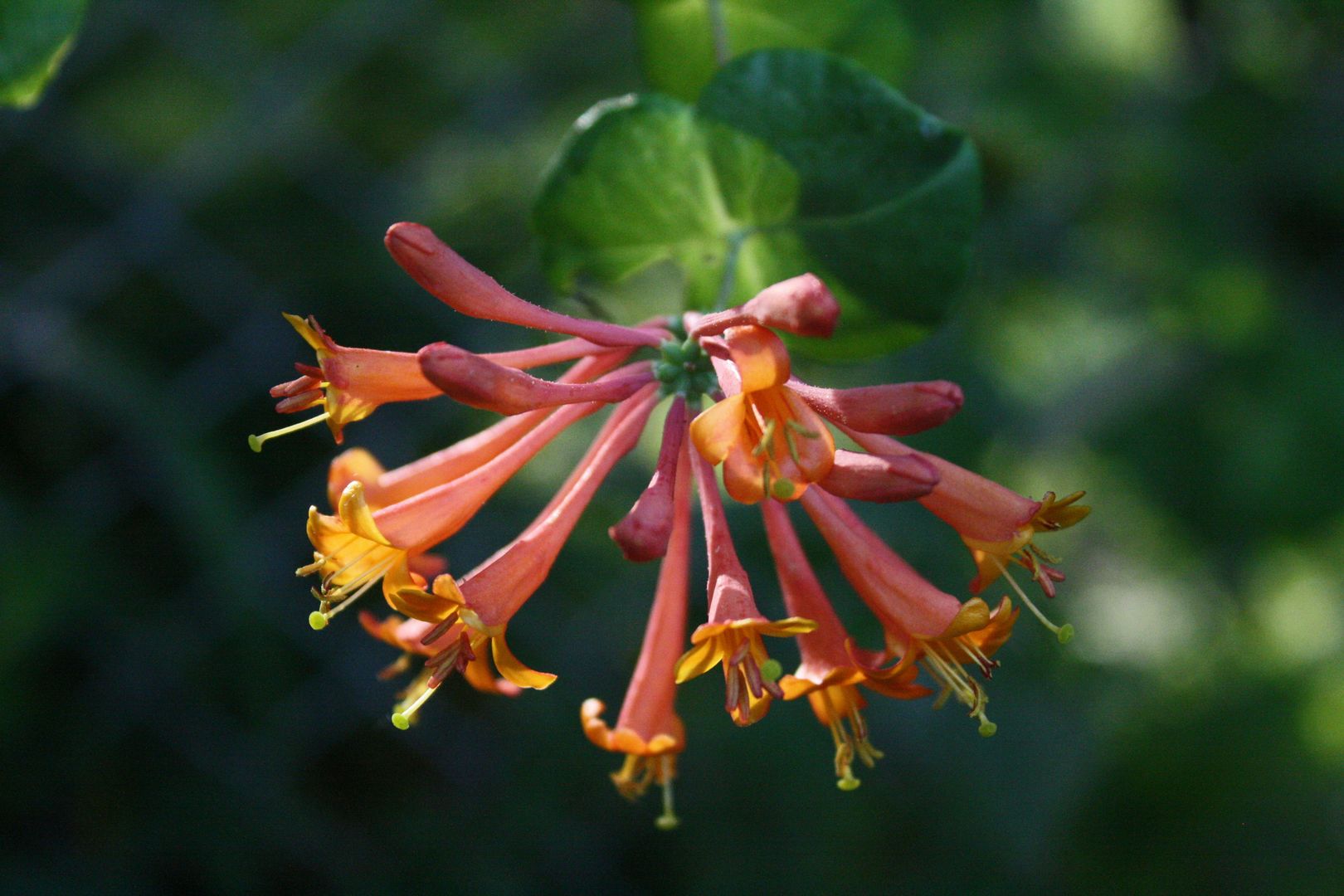
Native Trumpet Honeysuckle is the vine you want. It's not Japanese Honeysuckle (Lonicera japonica), which has invaded Mississippi roadsides and forest edges so thoroughly that most people think it's native.
Japanese Honeysuckle is fragrant with white-yellow flowers; Trumpet Honeysuckle has red-orange tubular flowers and no scent. The botanical name Lonicera sempervirens on the tag is what you're looking for.
Columbine (Aquilegia canadensis)
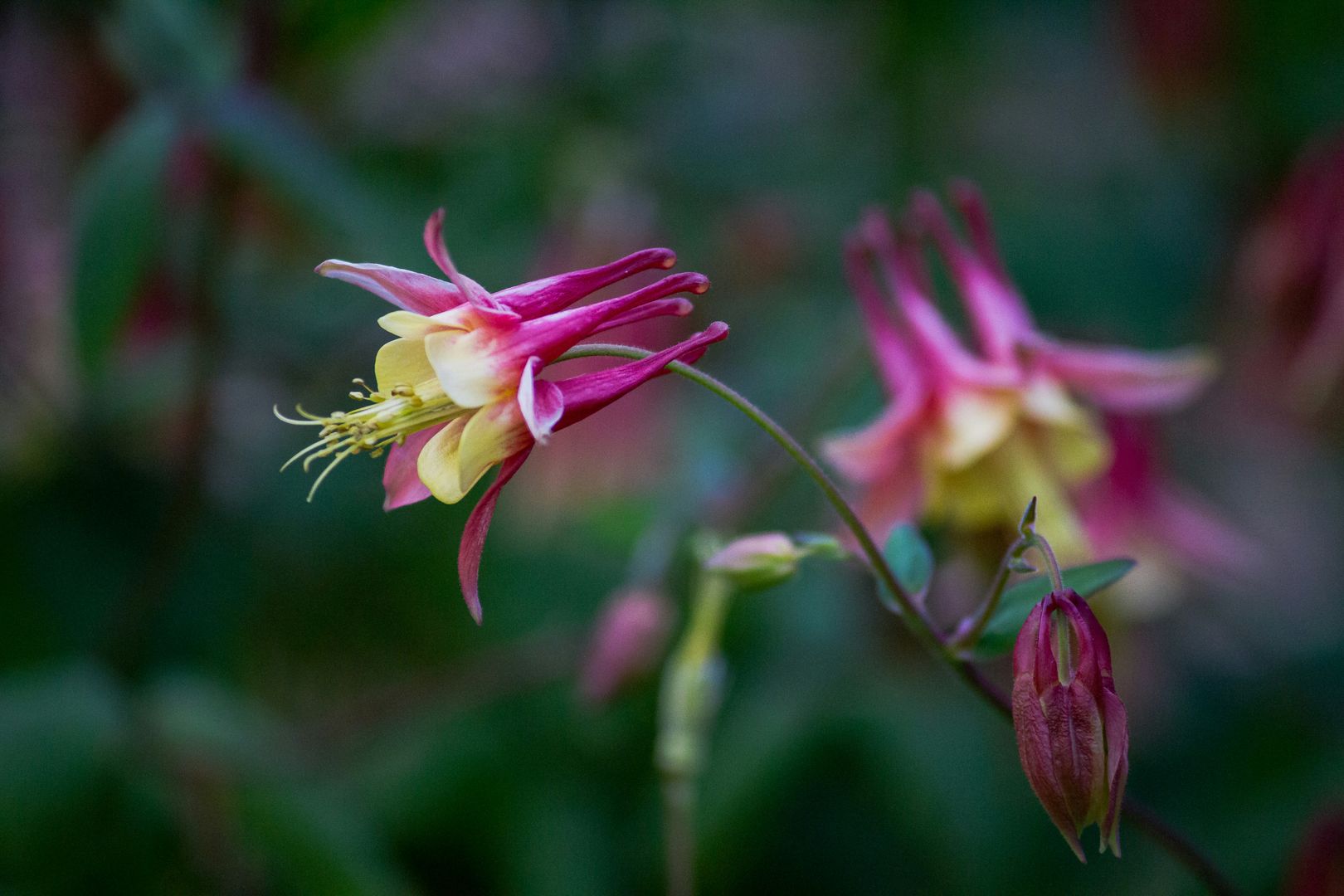
Eastern Red Columbine blooms in early spring and its nodding red-and-yellow flowers with long nectar spurs are built for long-billed pollinators.
It self-seeds modestly once established. Good under deciduous trees where it gets spring sun before the canopy closes.
Lantana (Lantana depressa — Gold Lantana)
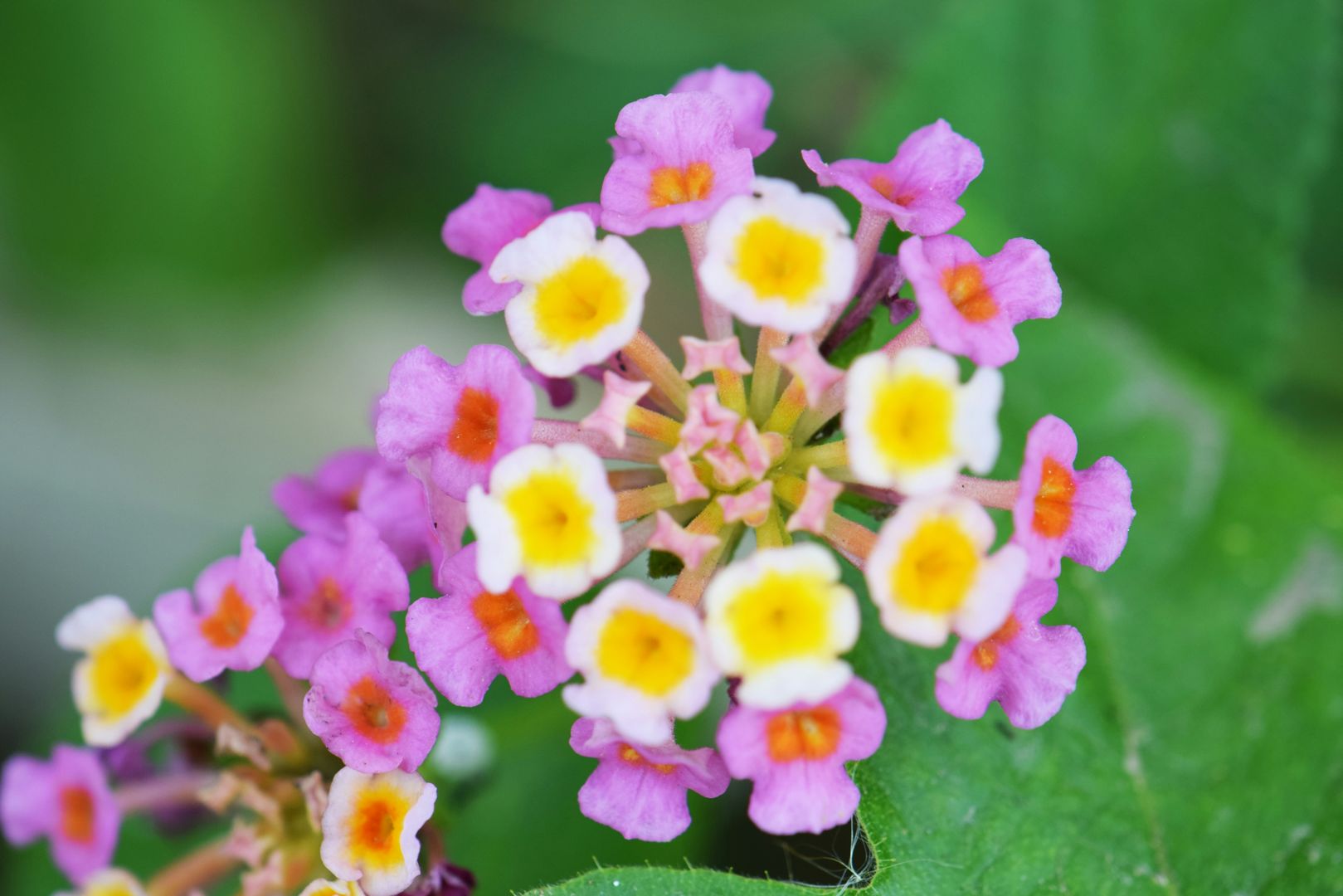
The native Gold Lantana (Lantana depressa) is safe and excellent for pollinators.
Common Lantana (Lantana camara), which is what most stores sell under the generic name "Lantana," is a different matter: it's toxic to livestock, has invasive tendencies, and is not native to Mississippi. It's also not the same plant that produces the best pollinator value.
When buying, get the full botanical name.
Blazing Stars (Liatris spp.)
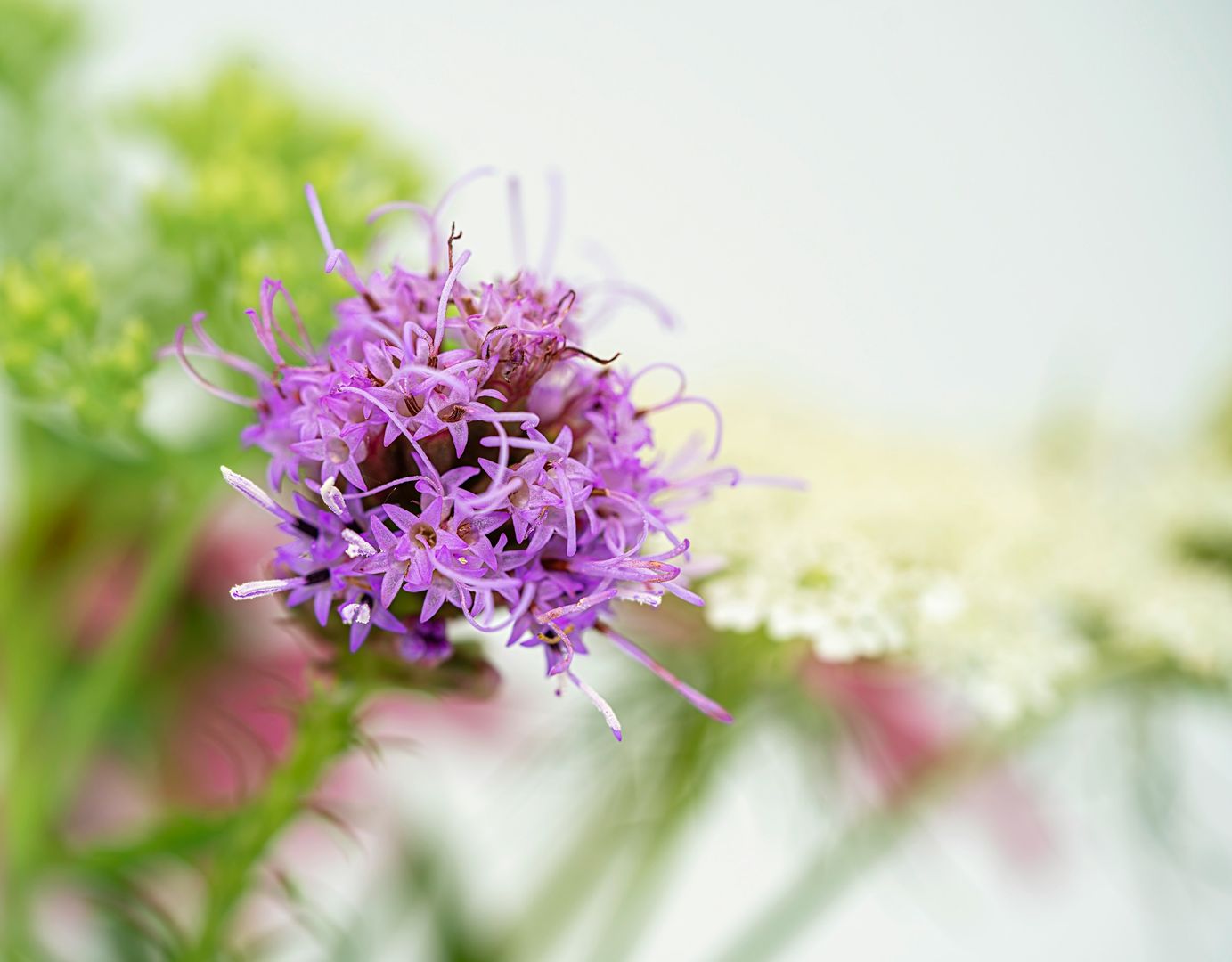
Blazing Stars bloom in summer and fall with tall purple spikes that hummingbirds, butterflies, and native bees visit. Drought-tolerant once established, they spread slowly by seed without becoming aggressive.
Trumpet Vine (Campsis radicans)
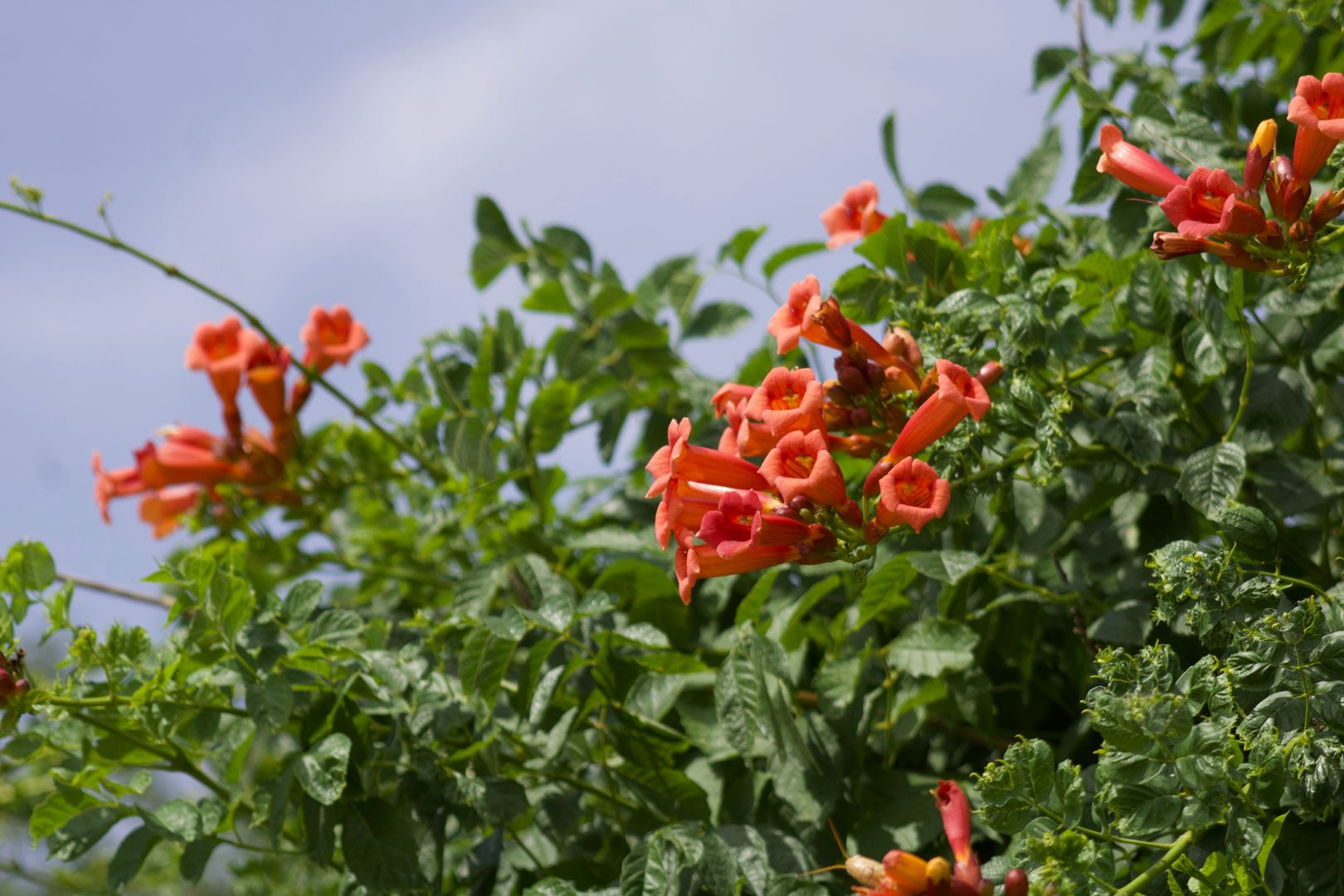
Native Trumpet Vine produces the large orange-red flowers that are essentially hummingbird architecture — the flower tube is almost exactly hummingbird-bill-sized.
It's vigorous to the point of aggression, spreads by runners underground, and will colonize spaces you didn't intend if you don't manage it. Give it a heavy structure, keep up with the pruning, and it rewards you with one of the most productive hummingbird plants in the region.
Tropical Sage (Salvia coccinea)
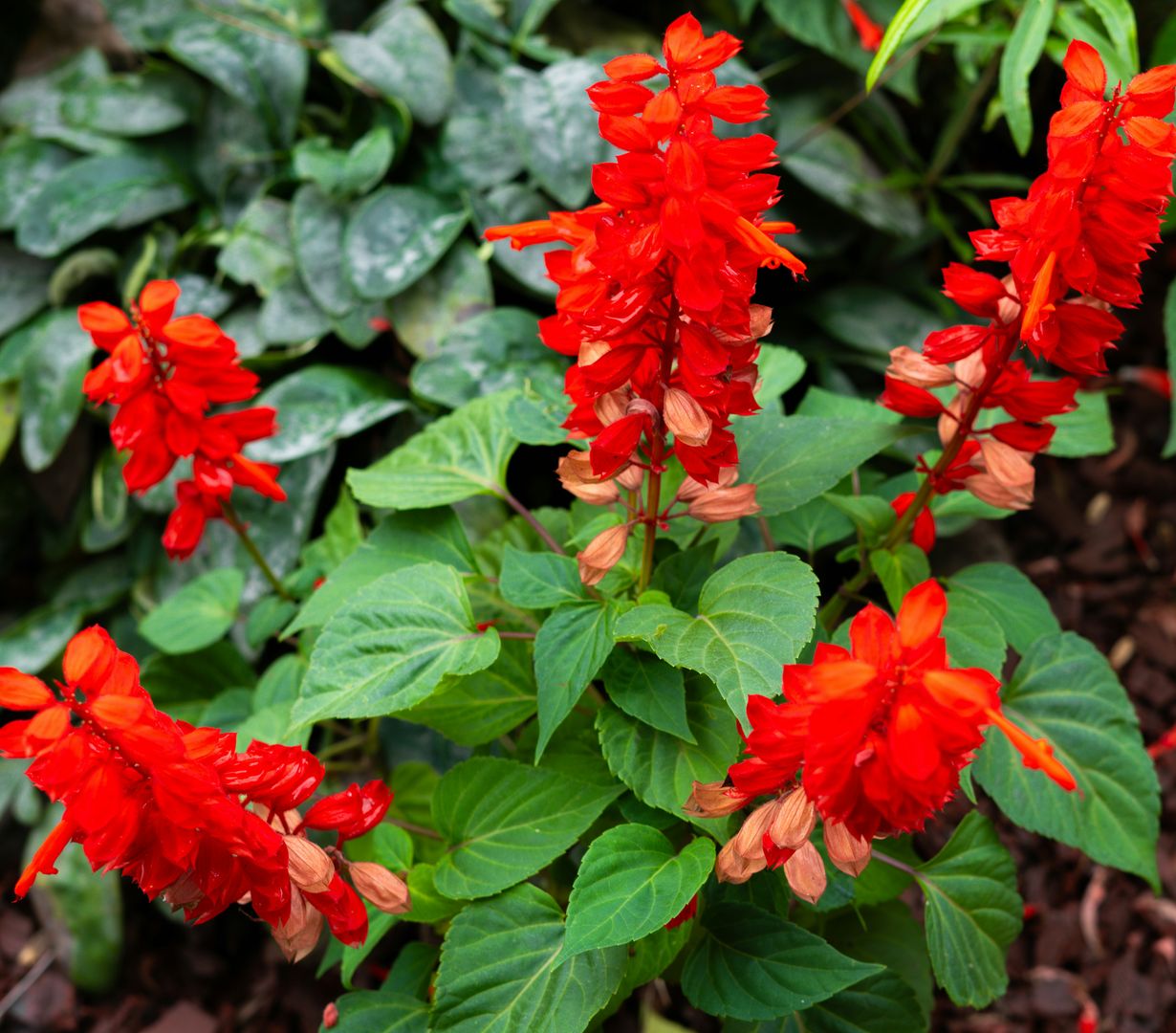
Tropical Sage is native to the Gulf South and blooms from late spring through frost with scarlet flower spikes. It's one of the best bridge plants for the period between spring and fall migration when garden activity tends to slow.
It self-seeds freely, pairs well with supplemental feeders, and tolerates the heat of Mississippi summers without complaint.
The Butterfly Bush Problem (Our Strong Opinion)
Butterfly Bush produces no larval host value. Butterflies need plants their caterpillars can eat, and Butterfly Bush supports none of the native caterpillar species.
It creates a pollinator trap.
It attracts adults away from native plants where they'd lay eggs without contributing nothing to the next generation. It also has documented invasive potential in disturbed areas.
Native alternatives that feed both adult butterflies and their larvae: Joe Pye Weed (Eutrochium spp.), native Milkweeds (Asclepias spp.), and Passionvine (Passiflora incarnata).
Basically native plant nursery plants will outperform hardware store "pollinator garden" mixes on every ecological metric.
The how to attract hummingbirds guide covers why what you don't spray matters as much as what you plant. If you're working with containers, the potted plants for hummingbirds guide has Mississippi-specific recommendations.
Frequently Asked Questions
When do Ruby-throated Hummingbirds arrive in Mississippi? Northbound migrants arrive in April, with peak activity late April to mid-May. Southbound migration runs August through October. Mississippi has no overwintering Ruby-throated Hummingbirds.
How early should I put out feeders? Early April, before the first reported sightings. Hummingbirds crossing the Gulf arrive hungry and if your garden isn't ready, they'll move on.
Is Butterfly Bush good for hummingbirds? Hummingbirds will occasionally visit Butterfly Bush flowers, but its an ecological dead end. There are plenty of better alternatives that serve butterflies, too.
Why does my Trumpet Vine keep spreading? It spreads by underground runners. Regular mowing of suckers and hand-pulling new sprouts keeps it manageable.
A large container sunk into the ground can limit root spread if you want the flowers without the sprawl.

No comments yet.