
Every winter I learn the same lesson: a bird bath left to its own devices becomes a very small ice rink, and birds are terrible at skating.
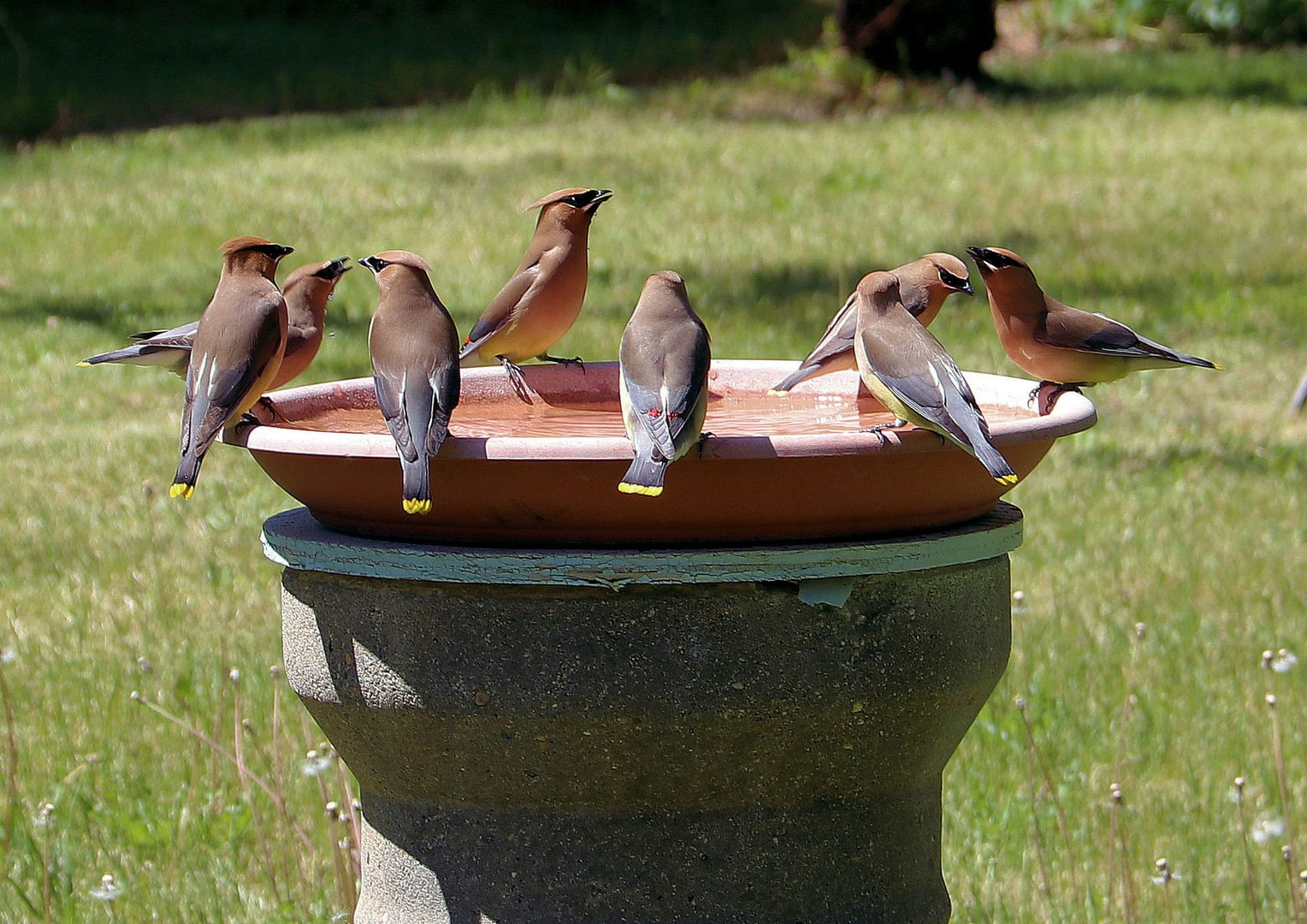
Birds need water for drinking and preening in every season, and in winter it's often harder to find than food. Here's how to keep a bird bath from freezing, starting with the free fixes and working up to the ones with a plug, plus the "hacks" that do more harm than good.
When Does a Bird Bath Freeze?
Water freezes at 32°F, but a shallow bird bath doesn't wait politely for the thermometer. Wind, shade, and a cold basin all speed it up. As the Farmers' Almanac puts it, once overnight lows dip into the teens, an unprotected basin can ice over within the hour.
A rough guide to what works where:
| Your winter nights | What usually works |
|---|---|
| Mild (near or just below freezing) | Sunny spot, dark basin, warm morning refill, a floating ball |
| Cold (teens) | All of the above, plus insulation and moving water |
| Very cold (single digits and below) | A bird bath heater or heated bird bath |
How to Keep a Bird Bath From Freezing: 9 Ways
1. Put it in the sunniest spot you have
Sun is free heat. Move the bath to the spot that gets the most direct winter light, ideally on the south side of the house with something blocking the wind. Keep it within 10 to 15 feet of shrubs so birds have an escape route, but not so close that a cat can wait in ambush.
2. Choose a bath that won't crack
Plastic, resin, and metal handle freezing best. Concrete, ceramic, stone, and glass soak up water that expands as it freezes, and that's how a pretty bath becomes a two-piece bath. If yours is one of those, store it for the season or use a plastic insert.
3. Keep the water shallow
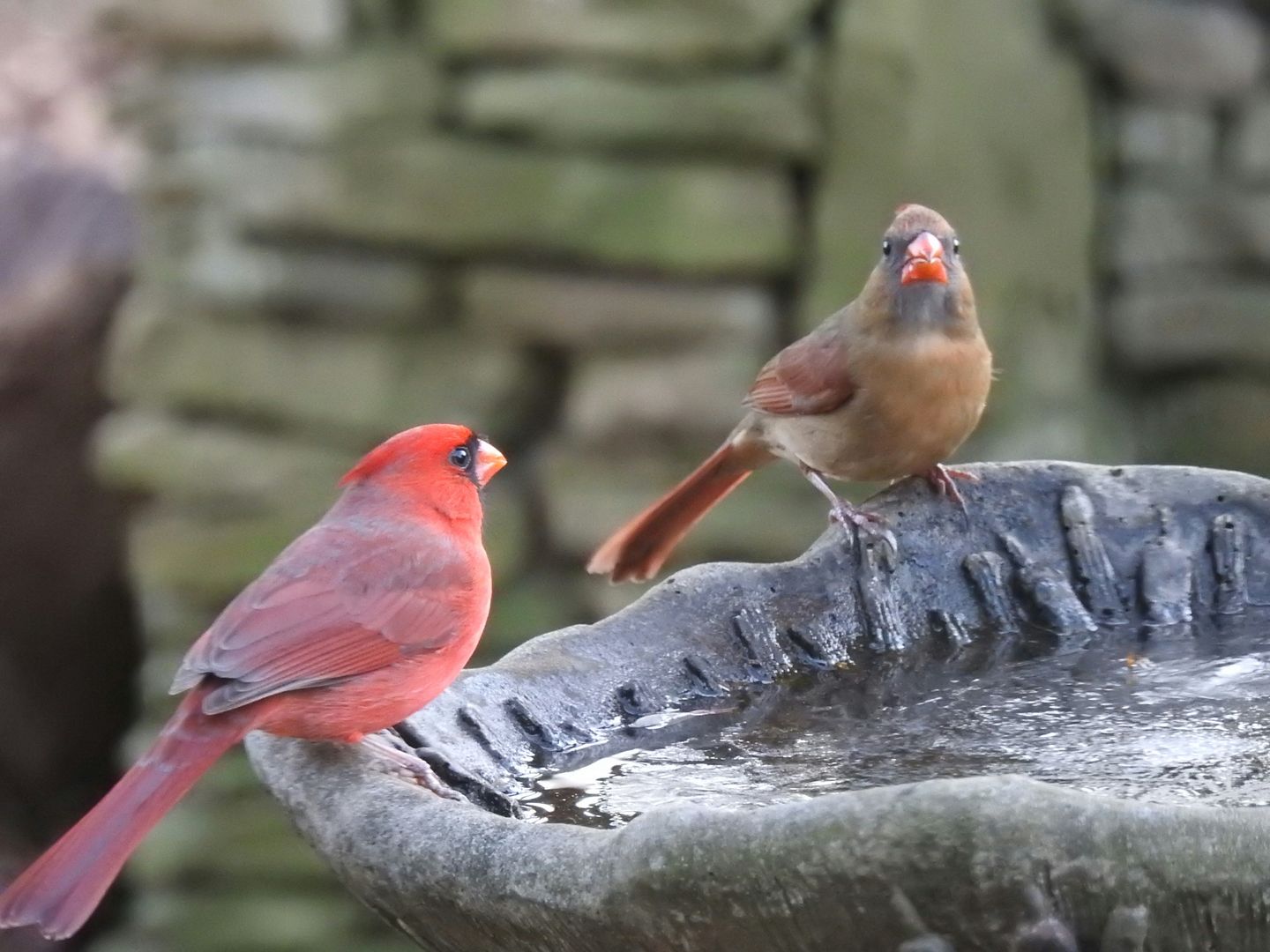
You only need a couple of inches. The Cornell Lab recommends water no deeper than 1 inch at the edges, sloping to about 2 inches in the middle. Shallow water is safer for small birds, and it's quicker to refill and clean, which you'll be doing a lot.
4. Go dark
Dark colors absorb more of the sun's heat. If your bath is light-colored, add a dark bird bath liner or a layer of dark stones on the bottom. It won't beat a cold snap on its own, but it buys you time on sunny days.
5. Insulate the basin
Cold creeps up through the pedestal and the ground. Wrap the base in burlap or foam board, or set a tray-style bath on a piece of foam. For the full DIY treatment, including a foam "lid" and a passive solar setup, see our guide to homemade solar bird bath heaters.
6. Keep the water moving
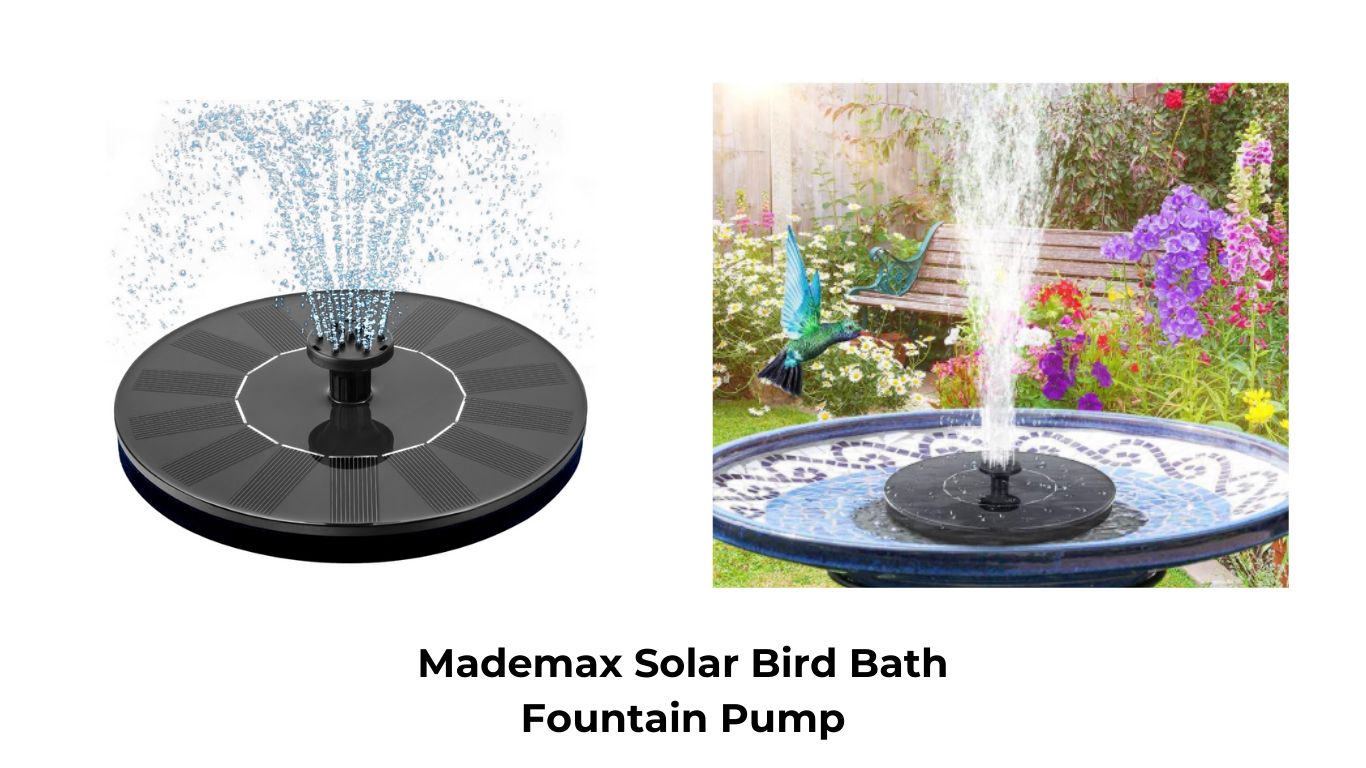
Moving water is slower to freeze. A solar bird bath fountain helps on sunny days and makes your bath more attractive to birds year round, though solar fountains generally keep water open only down to about 20°F. In mild cold, a small floating ball, like a ping pong ball, also keeps a little patch of water open as the breeze bobs it around.
7. Refill with warm water every morning
Knock out the ice and refill with warm tap water. It's the cheapest heater there is, and it works fine in mild climates. Use warm, not boiling: boiling water can crack a basin, and a sudden thaw isn't kind to stone or glass.
8. Swap in a spare bowl
Keep two shallow plastic bowls in rotation. When one freezes, bring it inside to thaw and put out the other. It's low-tech, but it's how a lot of apartment-adjacent birders get through winter.
9. Add a heater
If your nights hit the single digits, a heater is the only thing that reliably works. Your two options:
- a bird bath heater, also called a deicer, that goes in the bath you already have, or
- a heated bird bath with the heating element built into the basin
Either way, use one with a thermostat, plug it into a GFCI outlet, and keep the bath topped up so the heater never runs dry. Check the manual before pairing a deicer with a fountain.
What Never to Add to a Bird Bath
This is the part where the internet's "life hacks" get birds hurt.
- No antifreeze. The Cornell Lab is blunt: never add antifreeze to a birdbath, because it's poisonous to all animals, including birds.
- No glycerin. It can mat a bird's feathers, which leaves it open to hypothermia.
- No salt. The U.S. Fish and Wildlife Service warns that salt should never be added to birdbaths to avoid freezing, and it can kill a bird quickly.
- No boiling water or hammering. You'll crack the bath before you crack the ice.
- No indoor heaters, aquarium heaters, or space heaters anywhere near the water.
Plain water, changed often. That's the whole recipe.
Keep It Clean, Even in Winter
Birds crowd around the only open water on the block, and crowds spread disease. Audubon recommends you replace bird bath water daily or every other day and scrub it regularly with a vinegar solution. If you see sick birds, drain the bath for a few days. Here's our step-by-step on how to clean a bird bath safely.
Bonus: Make the Trip Worth It
Open water brings birds in. A little shelter and food keeps them around.
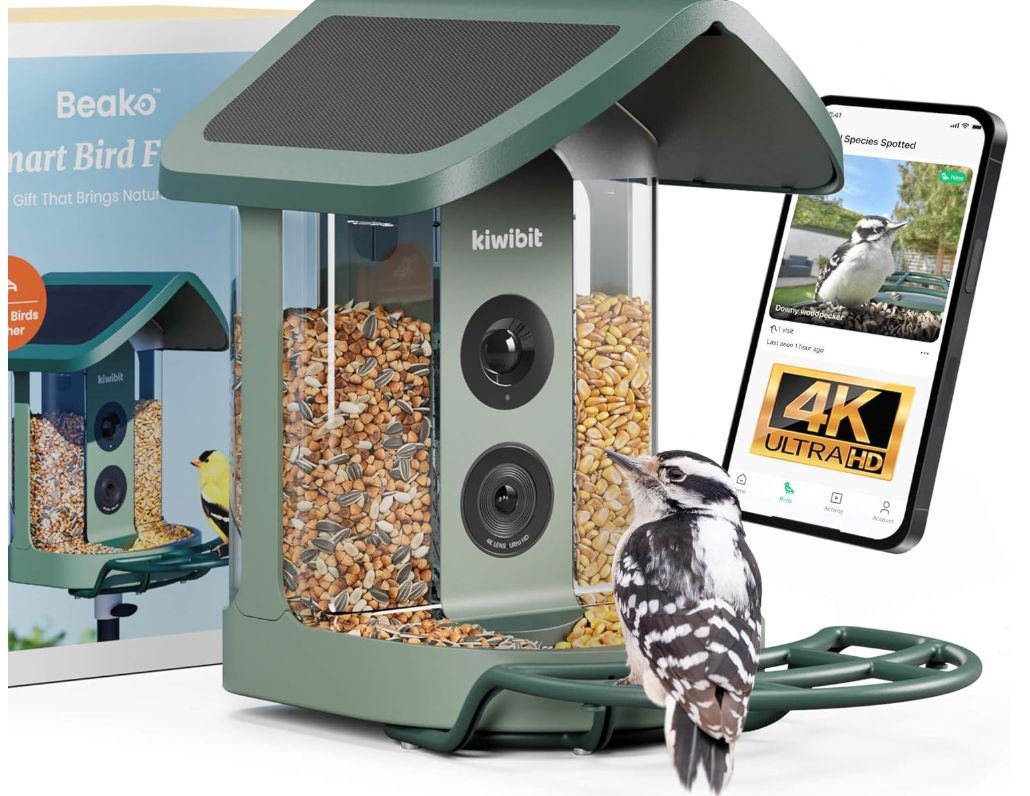
Add a feeder. A tray or platform feeder like the Beako smart feeder with a solar roof is a popular option, and our guide to bird food covers what to put in it. Keep it a few yards from the bath so seed hulls don't end up in the water.
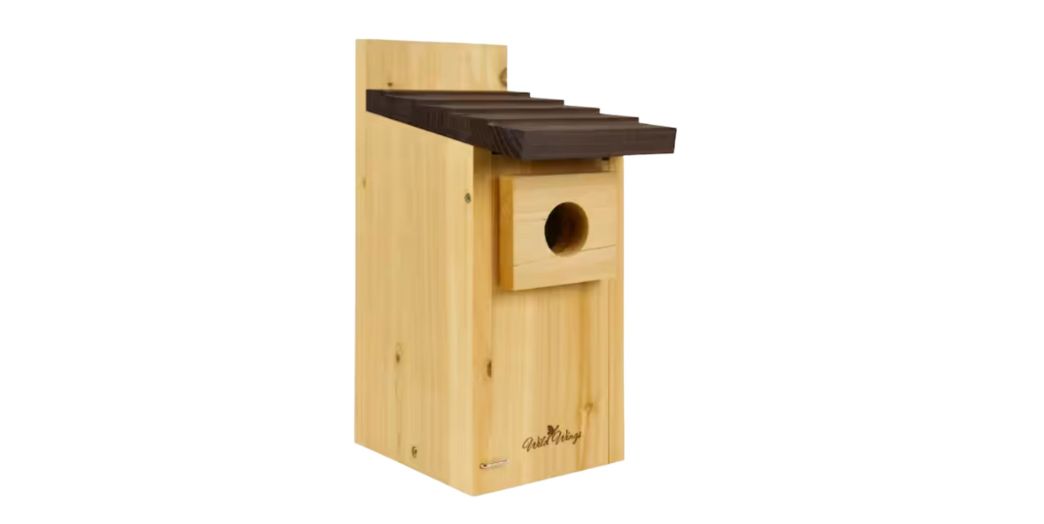
Leave a bird house up. Many cavity-nesting birds roost in bird houses on cold nights. A cedar box like the Wild Wings Cedar Bluebird House works year round, and our guide to winter bird houses explains how to set one up for roosting.
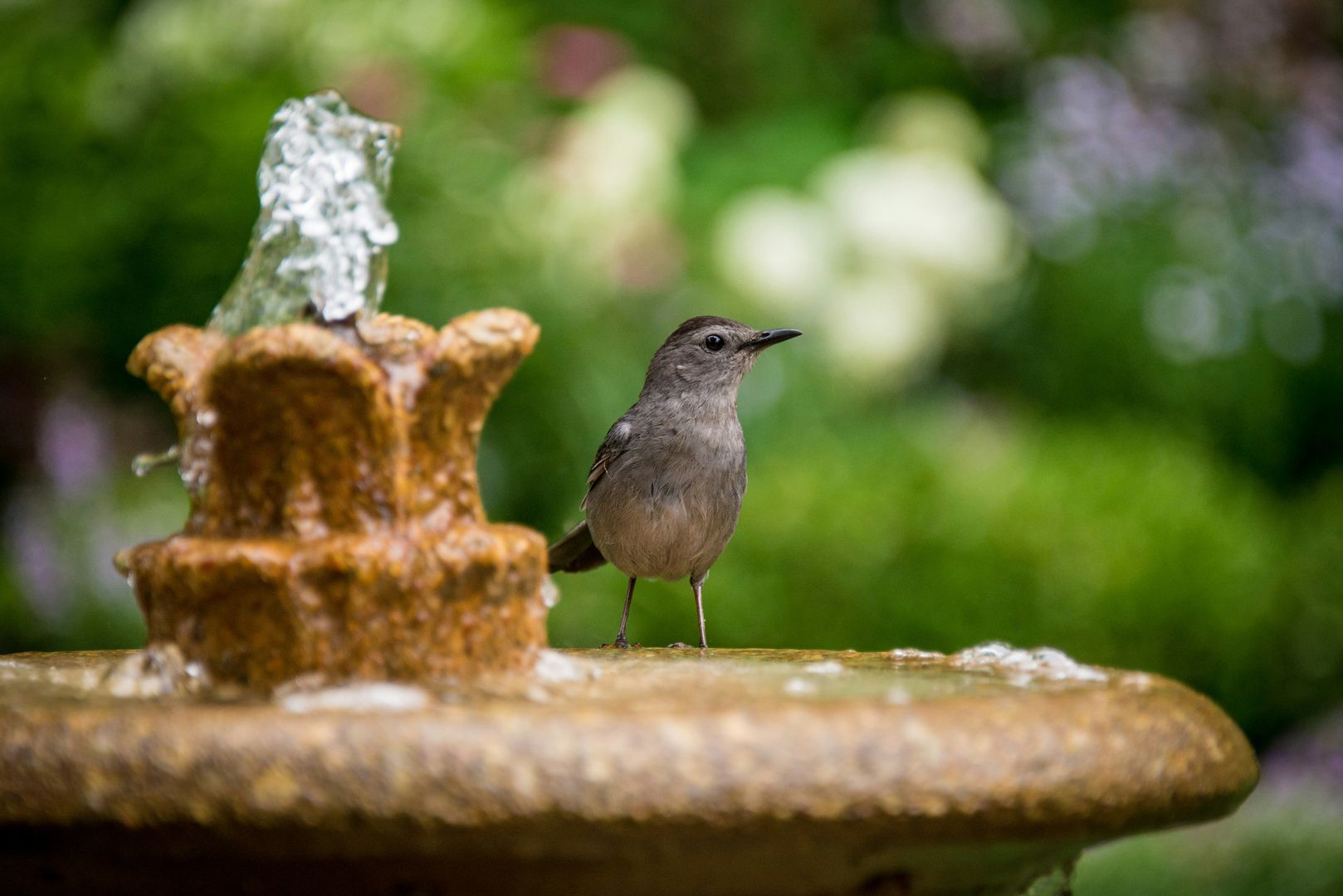
Plant cover. Native shrubs like holly, juniper, and serviceberry give small birds food and a safe place to retreat. Birds that feel safe nearby will visit your bath more often. Keep new shrubs in planters and plant them when the ground thaws in spring.
Winter Bird Bath FAQ
How do I keep a bird bath from freezing without electricity?
Put it in full sun, use a dark plastic basin or liner, insulate the base, keep the water shallow, and refill with warm water each morning. A solar fountain helps on sunny days. Below about 20°F, though, nothing without a heater stays open all day.
Does a ping pong ball keep a bird bath from freezing?
A little, in mild cold. A floating ball moves with the breeze and keeps a small patch of water open on nights near freezing. It won't help much once temperatures hit the teens.
Can I add salt or anything else to stop a bird bath from freezing?
No. Salt, antifreeze, and glycerin all harm birds. Salt is toxic to birds, antifreeze is poisonous, and glycerin mats feathers. Keep the water plain and use heat, sun, or movement instead.
Will a concrete bird bath crack in winter?
It can. Concrete absorbs water, and when that water freezes it expands and cracks the basin. Store concrete and ceramic baths for winter, or use a plastic insert with a heater.
How deep should a winter bird bath be?
About 1 inch at the edges and no more than 2 inches in the middle. Shallow water is safer for small birds and easier to keep clean and refilled.
Is it safe to put a heater in a bird bath?
Yes, if it's made for bird baths, thermostatically controlled, and plugged into a GFCI outlet with an outdoor-rated cord. Keep it fully submerged and never let it run dry.
What Birds Have You Seen at Your Bird Bath?
Share them on the Sparkbird App, available in the Apple App Store. And if a chickadee stares at you through the window while you chip ice at 7 a.m., that's not judgment. That's a customer waiting for the store to open.
- Related: How to Use the Sparkbird App


No comments yet.