
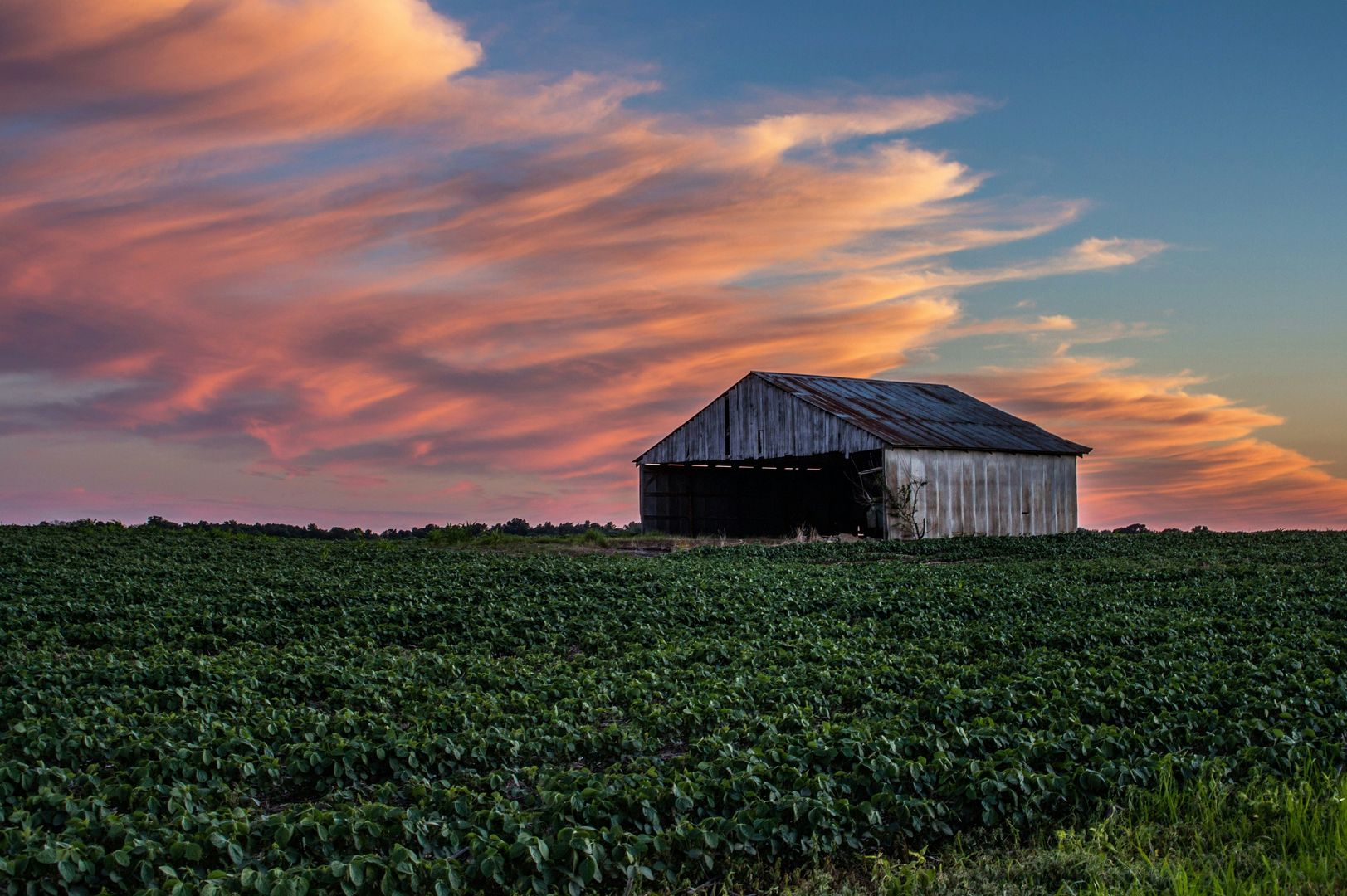
Indiana has 11 local Audubon chapters plus a statewide society older than the National Audubon Society, and between them they cover everything from the Lake Michigan shoreline to the Ohio River. Most will let you show up to a walk without joining anything.
This directory is for anyone who wants their nearest club, the access terms before they drive, and a straight answer about the cranes.
One warning before you plan an outing. A dozen counties in Indiana's northwest and southwest corners run on Central time and the rest of the state runs on Eastern, so "meet at sunset" is a question about geography.
Why Join a Bird Watching Group at All
Birding alone has obvious appeal. Nobody hurries you, nobody sees you spend nine minutes on a sparrow that turns out to be an old sock.
A club gives you a community that knows what's happening this week. Indiana sits in the Mississippi Flyway with Lake Michigan across its northern edge, so migration concentrates in a few places on a few mornings, and knowing which is which lives in people, not databases. You also get access to community science. Indiana had 45 Christmas Bird Count circles last season, nearly all organized by a chapter below, and beginners get paired with someone experienced.
Now the money. Decent binoculars for birding start around $150 and climb fast, and you should borrow a pair before buying one. In Indiana that is unusually easy: the Monroe County Public Library in Bloomington lends binoculars for two weeks through its Library of Things, and lends an Indiana State Park Pass that covers the gate fee at any state park.
Statewide Bird Watching Groups in Indiana
Indiana Audubon Society - Statewide
Founded in 1898 and, importantly, not a chapter of anything. Indiana Audubon is independent, the fourth oldest "Audubon" in the country and the oldest continuously operating conservation group in the state. It owns the 700-acre Mary Gray Bird Sanctuary, organizes the Indiana Dunes Birding Festival, and runs workshops, banding programs, and tours. Membership is $20 student, $30 individual, $40 family, $50 contributing, $775 life, and every level includes a Cornell Lab Birds of the World subscription that costs $49 on its own.
Indiana Bird Records Committee - Statewide
The IBRC reviews documentation for rare sightings, maintains the state checklist, and publishes the Review List of species requiring written documentation. The committee page and online form are public; archived decisions sit behind Indiana Audubon membership. If you find something startling, photograph it and file the same day.
Christmas Bird Count in Indiana - Statewide, mid-December to early January
Indiana Audubon publishes every state count circle with its compiler's contact address, which saves hunting through the national map. Counts are free and compilers are almost always short of people. The fastest way to meet a dozen local birders in one cold day.
Bird Watching Groups in Indianapolis and Central Indiana
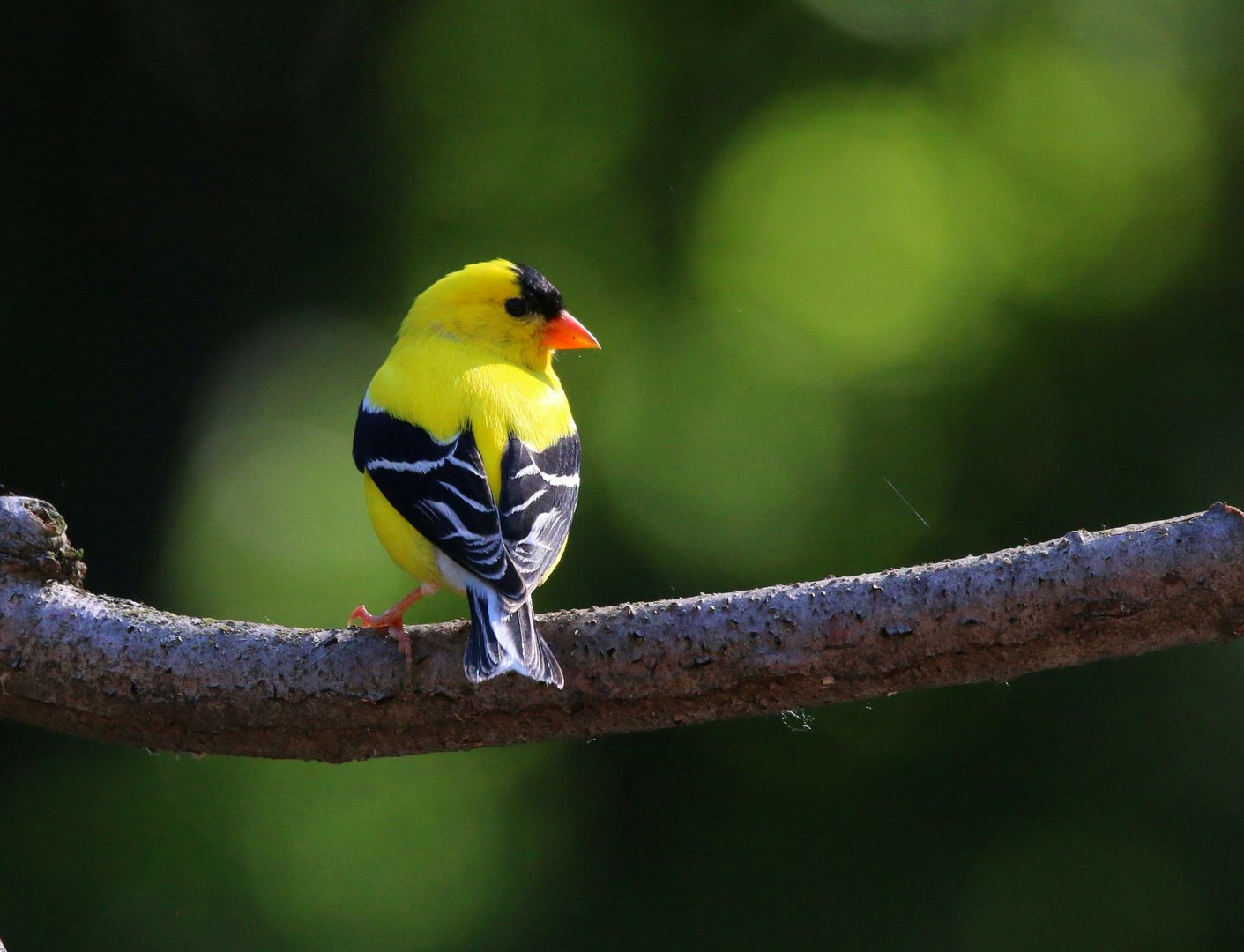
Bird Alliance of Central Indiana (formerly Amos Butler Audubon Society) - Indianapolis and Central Indiana
The busiest club in the state, with a calendar that regularly carries more than forty events a month: Sunday morning hikes at Eagle Creek Park, Wednesday beginner hikes at Cool Creek, first-Saturday walks at Grassy Creek. Trips are free and open to non-members, though the Eagle Creek gate fee still applies, and a few small-group outings cap attendance and open registration to members first. The old amosbutleraudubon.org address redirects, so old bookmarks survive.
Eagle Creek Park Ornithology Center - Indianapolis / Marion County
Not a club, but the softest landing in central Indiana. Run by Indy Parks at 6515 Delong Rd, with exhibits, indoor observation areas, and non-releasable raptors in the Carlsen Aviary. Open Tuesday through Saturday 10 a.m. to 5 p.m. and Sunday 1 p.m. to 5 p.m., closed Mondays, free once you have paid the park gate fee.
Bird Watching Groups in Northwest and North Central Indiana
Dunes-Calumet Audubon Society - Northwest Indiana, based in Wheeler
An independent nonprofit founded in 1979 covering the Lake Michigan shoreline counties, with monthly presentations and led walks across the dunes and Calumet region. Field trips register through Eventbrite and are open to non-members. This is the chapter Indiana Dunes National Park itself points visitors toward.
Indiana Dunes Birding Festival - Porter, Porter County
Organized by Indiana Audubon and headquartered at the Indiana Dunes Visitor Center, about an hour east of Chicago. The 2026 edition ran May 14 to 17 with more than 180 field trips, workshops, and presentations, and registration for May 13 to 16, 2027 is open. Adult four-day passes were $65 early bird and $75 regular, youth about $20 less, with single-day options. Members get early registration, which matters because the good trips fill.
South Bend-Elkhart Bird Alliance (formerly South Bend Audubon Society) - St. Joseph and Elkhart Counties
Founded in February 1944, renamed in 2024, and explicit that events are open to members and non-members of all ages. The calendar mixes membership meetings at the Elkhart Conservation Club with field trips, two Christmas Bird Counts, a Big Sit at the group's own sanctuary billed as accessible with no hiking, and a December trip to Jasper-Pulaski for the cranes.
Bird Watching Groups in Northeast Indiana and Fort Wayne
Three Rivers Birding (formerly Stockbridge Audubon Society) - Fort Wayne and Northeast Indiana
The Fort Wayne chapter, renamed from Stockbridge Audubon. Its calendar runs a First Saturday walk at Franke Park and a Third Saturday walk at Fox Island, both open to the public, plus The Big Sit at Fox Island Nature Center. Read listings before driving: some outings, including the Hurshtown Reservoir trips, require dues-paying National Audubon membership, and Fox Island charges a park entry fee separate from anything the club collects.
Tippecanoe Audubon Society - North Manchester, covering eight counties
Worth reading the geography twice, because the name misleads people. This chapter is based in North Manchester in Wabash County and covers Cass, Fulton, Kosciusko, Marshall, Miami, Noble, Wabash, and Whitley counties. It has nothing to do with Tippecanoe County or Lafayette. Monthly field trips are normally weekend mornings, with a May spring count and a Christmas Bird Count.
ACRES Land Trust - Huntertown, covering northeast Indiana
Not a bird club, but it holds the habitat. ACRES protects land across northeast Indiana and parts of southern Michigan and northwest Ohio, added 461 acres in 2025, and keeps trails at many preserves free and open dawn to dusk, with a steady program of guided outings.
Bird Watching Groups in West Central Indiana
Wabash Valley Audubon Society - Terre Haute and the Wabash Valley
The Terre Haute chapter, meeting September through May, with a stated welcome for all experience levels. Its site is most useful for the local birding guide covering Chinook FWA, the Universal Mine Important Bird Area, Hawthorn Park, Dobbs Memorial Park, and the 2,600-acre Wabashiki FWA floodplain. Be aware the calendar pages carry no current dates and announcements go out through Facebook and the local paper instead, so email an officer before assuming a date.
Sycamore Audubon Society - West Lafayette / Tippecanoe County
The Lafayette-area chapter, still listed as active by both Indiana Audubon and National Audubon. Its long-standing web address, sycamoreaudubon.org, no longer resolves at all, so every directory pointing there is sending readers to a dead domain. Reach the chapter through the National Audubon chapter finder instead.
NICHES Land Trust - West Central Indiana
Conserving land in west central Indiana since 1995, properties free and open year round, with a summer creek hike series led by stewardship staff. With the Lafayette chapter hard to pin down, this is the reliable way onto good habitat in the same counties.
Bird Watching Groups in East Central Indiana
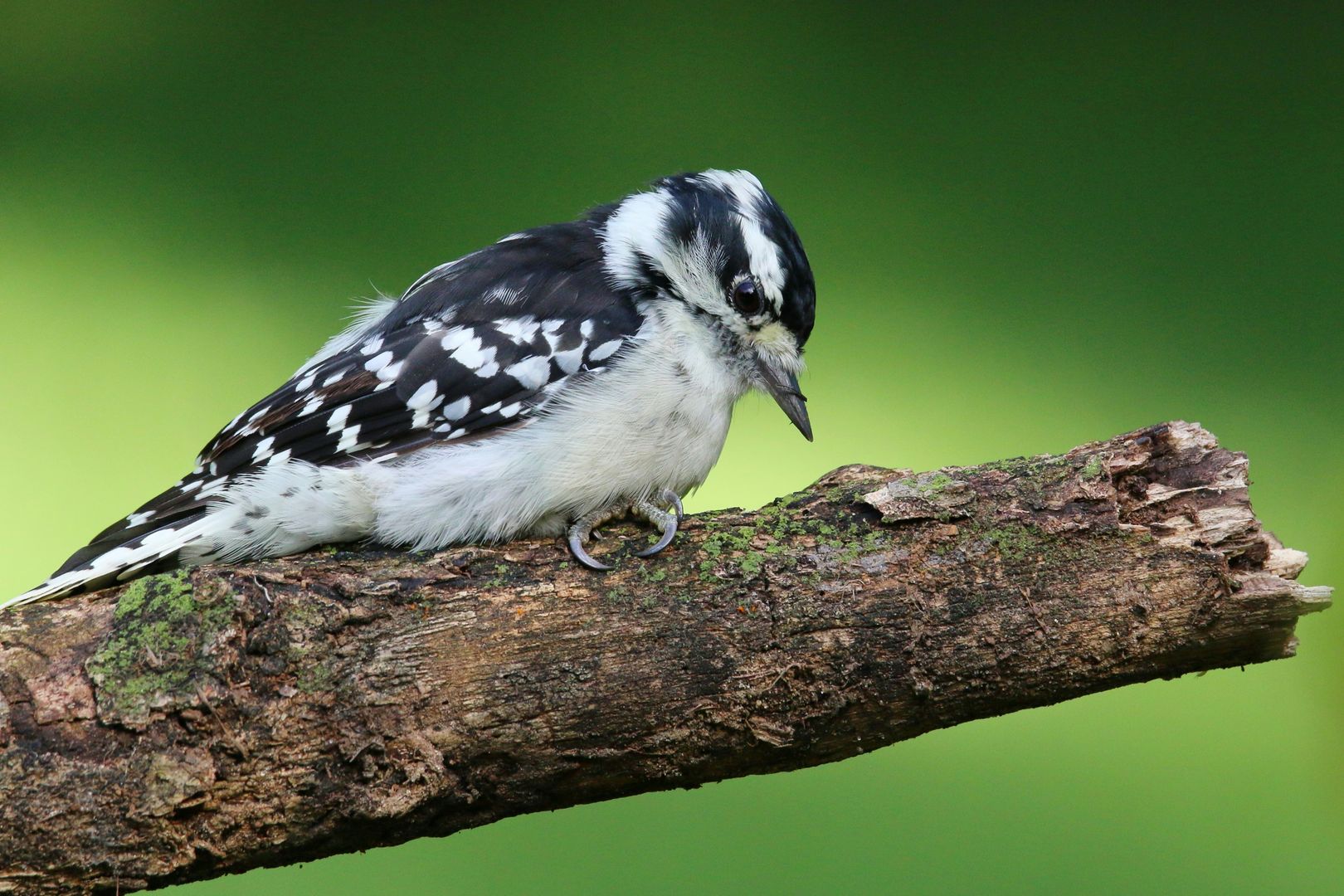
Robert Cooper Audubon Society - Blackford, Delaware, Grant, Henry, Jay, Madison, and Randolph Counties
About 400 members across seven east central counties, active since 1974, with a published field trip schedule and a quarterly newsletter. Recent outings have included the St. Marys Fish Hatchery and Mounds State Park.
Mary Gray Bird Sanctuary - Fayette County, south of Connersville
More than 700 acres of woodland, prairie, ponds, and wetland owned and operated by Indiana Audubon, with an interpretive birding trail, an owl trail, and an accessible birding blind. Open dawn to dusk. Rustic camping and fishing are reserved for members, who check in with the caretaker on arrival.
Hayes Arboretum - Richmond / Wayne County
Free and open daily, 7 a.m. to 7 p.m. April through October and 8 a.m. to 5 p.m. November through March. Nature center and auto tour open Tuesday through Saturday, 9 a.m. to 5 p.m.
Bird Watching Groups in Southern Indiana
Sassafras Audubon Society - Monroe, Lawrence, Owen, Greene, Morgan, Jackson, Brown, and Bartholomew Counties
Serving eight south central counties since 1970, with one of the most varied calendars in the state: May bird walks on the Jackson Creek Trail and the Bloomington Rail Trail, a March woodcock walk, a Louisiana Waterthrush trip to Green's Bluff in Owen County, a whip-poor-will tour, and a summer banding day at Kent Farm. They also run pop-up outings announced at short notice when a rarity justifies it.
Evansville Audubon Society - Vanderburgh, Posey, Warrick, and Gibson Counties, plus Henderson County, Kentucky
Hikes and field trips year round, explicitly for the general public regardless of skill level. Recent seasons included the annual Kentucky dams trip, local walks at Eagle Slough and Howell Wetlands, and Warbler Madness at Harmonie State Park. Handle one thing in advance: participants complete a liability waiver once a year before joining a trip.
Ohio Valley Birding Festival - Evansville area and Henderson, Kentucky
Sponsored by Evansville Audubon with John James Audubon State Park and Wild Birds Unlimited, held in late April across venues on both sides of the river, including Patoka River NWR, Howell Wetlands, and Wesselman Woods. The 2026 edition ran April 24 to 26.
Other Ornithology and Research Groups in Indiana
Indiana Birding Trail - Statewide
Maintained by Indiana Audubon: an interactive map and site-by-site guide across five regions, with habitat, target species, and access notes for each stop, plus a calendar-year checklist challenge.
Indiana Young Birders Network - Statewide
Indiana Audubon's free youth program, and in practice the successor to what older pages still call the Indiana Young Birders Club. It runs field trips plus online and in-person peer networks. In 2026 it partnered with Bird Alliance of Central Indiana on first-Saturday young birder outings at Eagle Creek Park.
Indiana Birding on Facebook
Two large statewide groups, Indiana Birdwatching and Birding in Indiana, are the fastest place to get a photo identified. Facebook blocks automated link checking, so search those names directly rather than trusting a link pasted into a blog in 2019.
Sparkbird App - Community
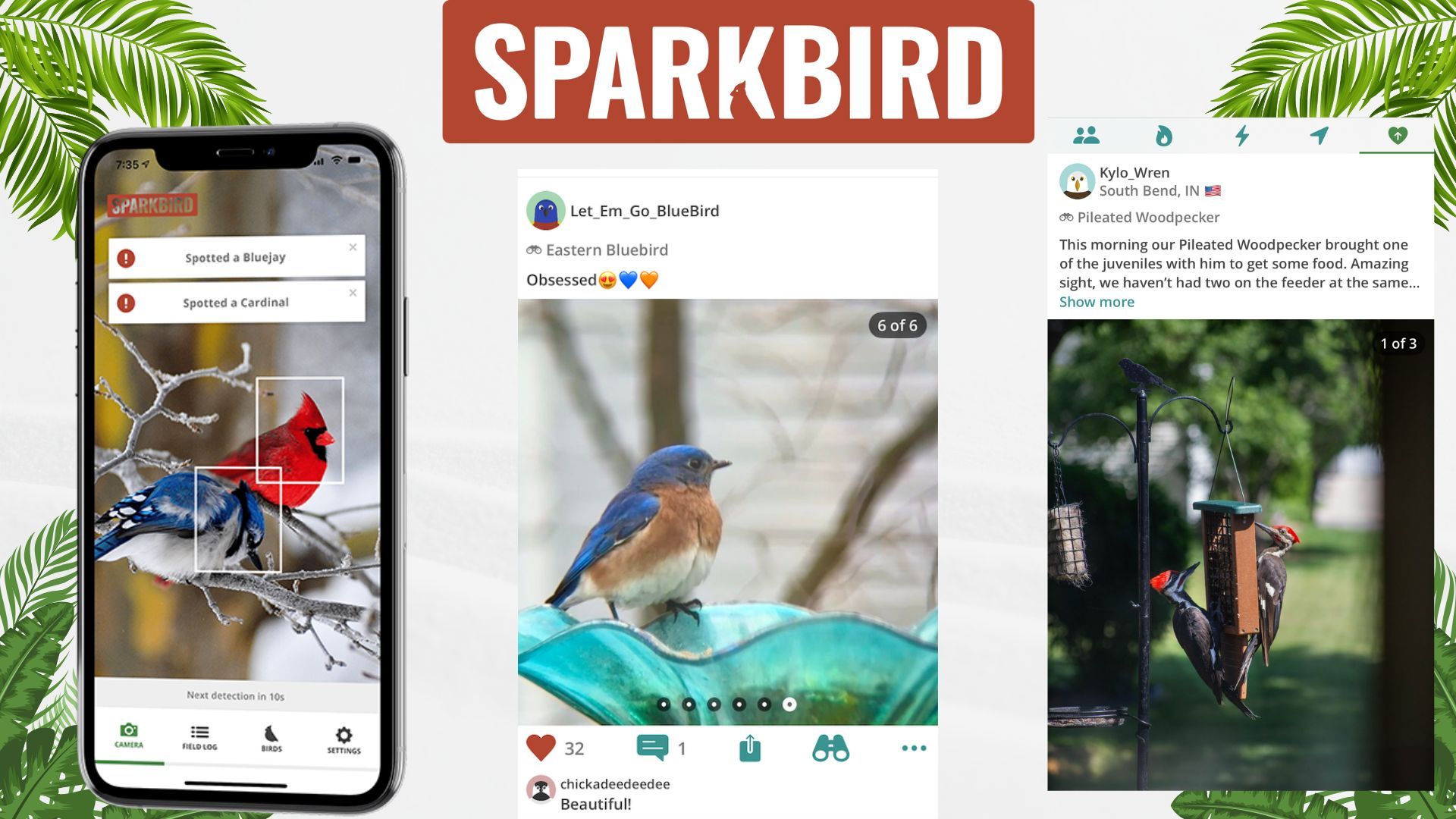
We built Sparkbird for people who want to connect with a friendly community of fellow birders. Track your life list, get help identifying birds, and meet people who also stop mid-conversation to look at a tree. It's like Instagram but for bird watchers, and without the shady algorithms.
Where to Go Birding in Indiana
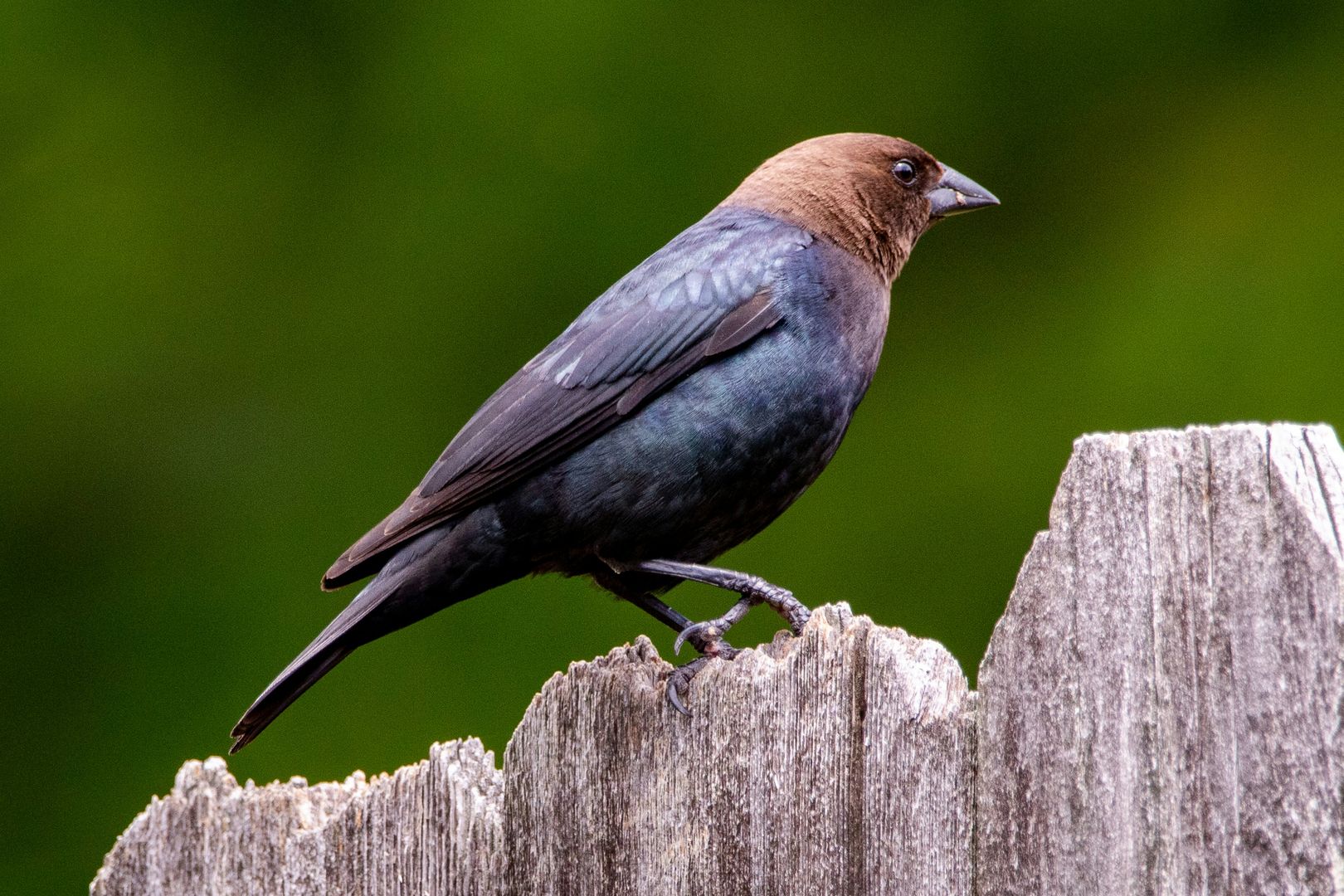
A club is the fastest route to local knowledge, but these are the sites that reliably produce. The access terms matter as much as the birds.
- Jasper-Pulaski Fish and Wildlife Area (Jasper and Pulaski Counties) — The Sandhill Crane spectacle are on marshes from mid-October through mid-December, peaks in late November or early December; DNR records include a count of 32,938 birds on one November day. Go at sunset, when flocks kite in about 1 hour before dark, or at sunrise as they leave. The Sandhill Crane Observation Area has a platform, accessible parking on the west side, and overflow parking east. A few fixed scopes exist; bring your own is best because birds sit several hundred yards out. Free and open around the clock, but this is Central time, and spring turkey season keeps non-hunters out of the fields until after noon.
- Indiana Dunes National Park (Porter, Lake, and LaPorte Counties) — More than 350 confirmed species, top five among all national parks. Southbound migrants funnel along the shoreline in fall and open water keeps numbers up all winter. Hawks from the foredunes, waterbirds from the beach with a scope, marsh species in the remnant Great Marsh. Entrance is $25 per vehicle for seven days, $15 per person on foot or bicycle, or $45 for a park annual pass.
- Indiana Dunes State Park (Chesterton, Porter County) — A separate park with a separate gate, wrapped inside the national park's boundary and run by Indiana DNR. Nature center open daily 9 a.m. to 4 p.m. Central time. Gate fees are $7 per in-state vehicle, $15 per out-of-state vehicle, and $2 per person walking or cycling in, with annual passes at $50 resident and $120 non-resident. National park passes do not work here and state passes do not work there.
- Goose Pond Fish and Wildlife Area (Linton, Greene County) — 9,098 acres of restored prairie and marsh with more than 300 species recorded, and the state's premier spot for waterfowl, cranes, and pelicans. Free and always open, but visitors must sign in at the office or a self-service station. Designated parking only, and hunting rules here are more restrictive than the statewide ones, so check before an autumn visit.
- Kankakee Sands (Newton County) — The Nature Conservancy's 8,400-acre prairie and wetland restoration along U.S. 41 near Morocco, with more than 240 species including Henslow's Sparrow, Northern Harrier, Least Bittern, and wintering Short-eared Owls. Free, sunrise to sunset year round. About 100 bison graze 1,100 acres; the pastures are closed to visitors and drones are prohibited.
- Muscatatuck National Wildlife Refuge (Seymour, Jackson County) — A Continentally Important Bird Area built around Endicott, Otter, and McDonald marshes, with an auto tour route and trail network. No entrance fee. Lands, roads, trails, and the auto tour open daily from an hour before sunrise to an hour after sunset; visitor center Tuesday through Saturday, 8:30 a.m. to 4:30 p.m.
- Patoka River National Wildlife Refuge (Pike and Gibson Counties) — Bottomland forest and marsh about 30 miles north of Evansville, free, dawn to dusk, with nearly 10 miles of trails and an observation deck at Cane Ridge Wildlife Management Area. Two cautions from the refuge: the gravel access roads flood in some seasons, and fluorescent orange is required on certain units during hunting season.
If you would rather start from your own window while you wait for crane season, our guide to the plants that attract hummingbirds in Indiana covers what actually works here.
Indiana Bird Books and Field Guides
A statewide guide narrows the possibilities enormously, which is what a beginner needs.
Birds of Indiana Field Guide
Stan Tekiela's Indiana-only guide, second edition, organized by color. See a yellow bird, turn to the yellow section. Hard to beat as a first book.
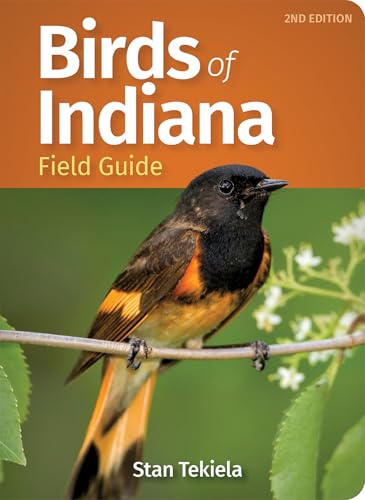
Birds of Indiana Field Guide (Bird Identification Guides)
Adventure Publications
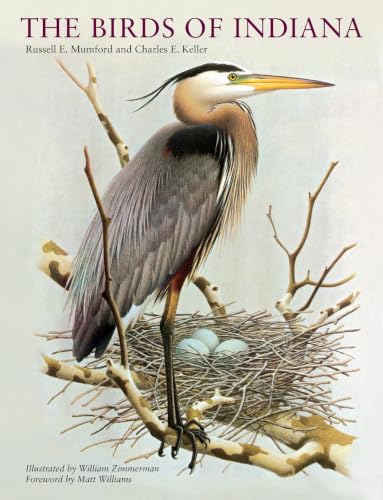
The Birds of Indiana
Mumford and Keller's Indiana University Press reference, the standard scholarly account of the state's birds and their distribution. Not a pocket guide, and not meant to be one.
The Sibley Field Guide to Birds of Eastern North America
The most authoritative portable guide for the eastern half of the continent, second edition.

The Sibley Field Guide to Birds of Eastern North America: Second Edition (Sibley Guides)
Knopf
Peterson Field Guide to Birds of Eastern and Central North America
The other standard, seventh edition. Peterson's arrows pointing at field marks remain one of the best teaching devices in birding.
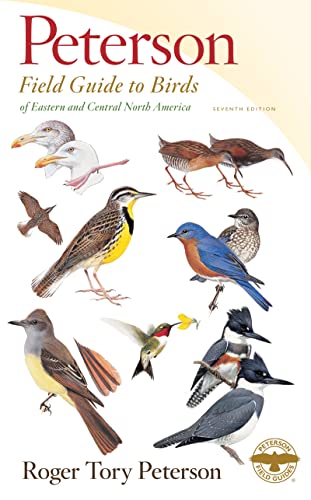
Peterson Field Guide To Birds Of Eastern & Central North America, Seventh Ed.: The Classic Birdwatching Guide with Updated Range Maps
Mariner
Indiana Bird Rescue and Rehabilitation
Always call first. Capacity and permits change constantly, and some rehabbers take only raptors while others take no raptors at all.
Indiana DNR Permitted Wildlife Rehabilitators
The official state list, organized by county and updated regularly. Start here every time, before you put a bird in a box.
Soarin' Hawk Raptor Rehabilitation - Allen County (Fort Wayne)
Raptors only, per the state permitted list, and northeast Indiana's option for hawks, owls, falcons, and vultures. Their website sits behind a bot-check gateway that will not load for everyone, so take the current phone number from the DNR county list above.
Indiana Raptor Center - Brown County (Nashville)
Birds of prey including hawks, falcons, owls, eagles, vultures, and ospreys, at 812-988-8990. Tours are by appointment in limited seasons and the center closes to visitors for winter.
Providence Wildlife Rehabilitation - Marion County (Indianapolis)
Birds only; they no longer take bats, squirrels, or other mammals. Drop-offs are by appointment and cannot be anonymous. Text 317-902-3825 and they will try to arrange a same-day handover.
WildCare Inc. - Monroe County (Bloomington)
The main intake for south central Indiana, listed on the state roster for multiple bird groups. Their site blocked every automated check we ran, so pull the current contact details from the DNR county list rather than from a cached link.
The Talon Trust - Vanderburgh and Pike Counties (Evansville area)
Native raptors only, covering southwest Indiana. Their instruction is unambiguous: call the rescue line at 812-319-6875 before doing anything else.
Humane Indiana Wildlife - Porter County (Valparaiso)
Native Indiana wildlife at 570 North 450 East in Valparaiso, 219-299-8027. The northwest Indiana option, convenient to the Dunes.
Utopia Wildlife Rehabilitators - Bartholomew County (Hope)
Birds, birds of prey, mammals, and reptiles since 2004, though not raccoons, coyotes, waterfowl, turtles, or deer. Text 812-546-6318 rather than calling.
Wesselman Woods - Vanderburgh County (Evansville)
Not licensed to rehabilitate wildlife themselves, but they publish a current referral list of licensed rehabbers for southwest Indiana by species, the fastest triage sheet in that corner of the state.
Frequently Asked Questions
Are Indiana Dunes National Park and Indiana Dunes State Park the same place?
No, and this trips up more visitors than anything else in the state. The state park is a separate property run by Indiana DNR, surrounded by the federally owned national park, and each charges its own entrance fee. The National Park Service says it plainly: none of the passes and fees work between the two parks, in either direction.
Is Indiana Audubon part of the National Audubon Society?
No. Indiana Audubon is an independent statewide organization and predates the national body, making it the 4th oldest Audubon in the country. Some local chapters in this directory are National Audubon chapters and some are independent nonprofits, so membership in one does not automatically make you a member of another.
What is the best time of year for bird watching in Indiana?
Spring migration in late April and May is the peak. The Indiana Dunes in mid-May is as good as the Midwest gets. Winter is underrated— short-eared Owls at Kankakee Sands, waterfowl on Lake Michigan, and 45 Christmas Bird Count circles looking for help.
Got an Indiana Birding Group to Recommend?
Clubs shift, rename, and occasionally lose a domain, If your group meets somewhere we have missed, or a link here has gone stale, tell us in the comments or on the Sparkbird App.
Our goal is to build a birding community that connects people to nature and to each other. Indiana is a good place to try it. Especially in those 6 weeks where whole state has a shared alibi for standing in a cold field at dusk, staring upward, and saying nothing.
- Related: How to Use the Sparkbird App

No comments yet.