

Louisiana has fewer organized bird clubs than a state this good at birding ought to have. The birding is world class. The infrastructure is thin.
Joining costs almost nothing. Baton Rouge Audubon is $25 a year, Orleans Audubon starts at $20, and most walks below are free or cost less than a po-boy. Here are the clubs by region, then the places worth driving to, with access terms stated up front.
Why Join a Bird Watching Group at All
Birding alone has real appeal. Nobody hurries you, and nobody watches you spend nine minutes on a sparrow that resolves into a House Sparrow.
What a club gives you is the thing no app can: somebody who knows what happened this morning. Louisiana's best birding is weather-dependent and short-lived, and the difference between a good April Saturday and a legendary one is a phone tree, not a database.
Clubs are also the front door to community science. The Christmas Bird Count has run every December 14 to January 5 since 1900, organized locally by the groups below, and beginners get paired with someone experienced.
One note before you spend money. A decent pair of binoculars for birding runs from $150 to well past $500, and there is a cheaper way to find out what you want. Baton Rouge Audubon's walk at Bluebonnet Swamp leaves at 7:00 a.m. on the first Saturday of every month, costs $3 in park admission, and needs no registration and no membership. Go on three, look through other people's glass, then buy. This is where a normal blog tells you to buy the most expensive thing available.
Statewide Bird Watching Groups in Louisiana
Louisiana Ornithological Society
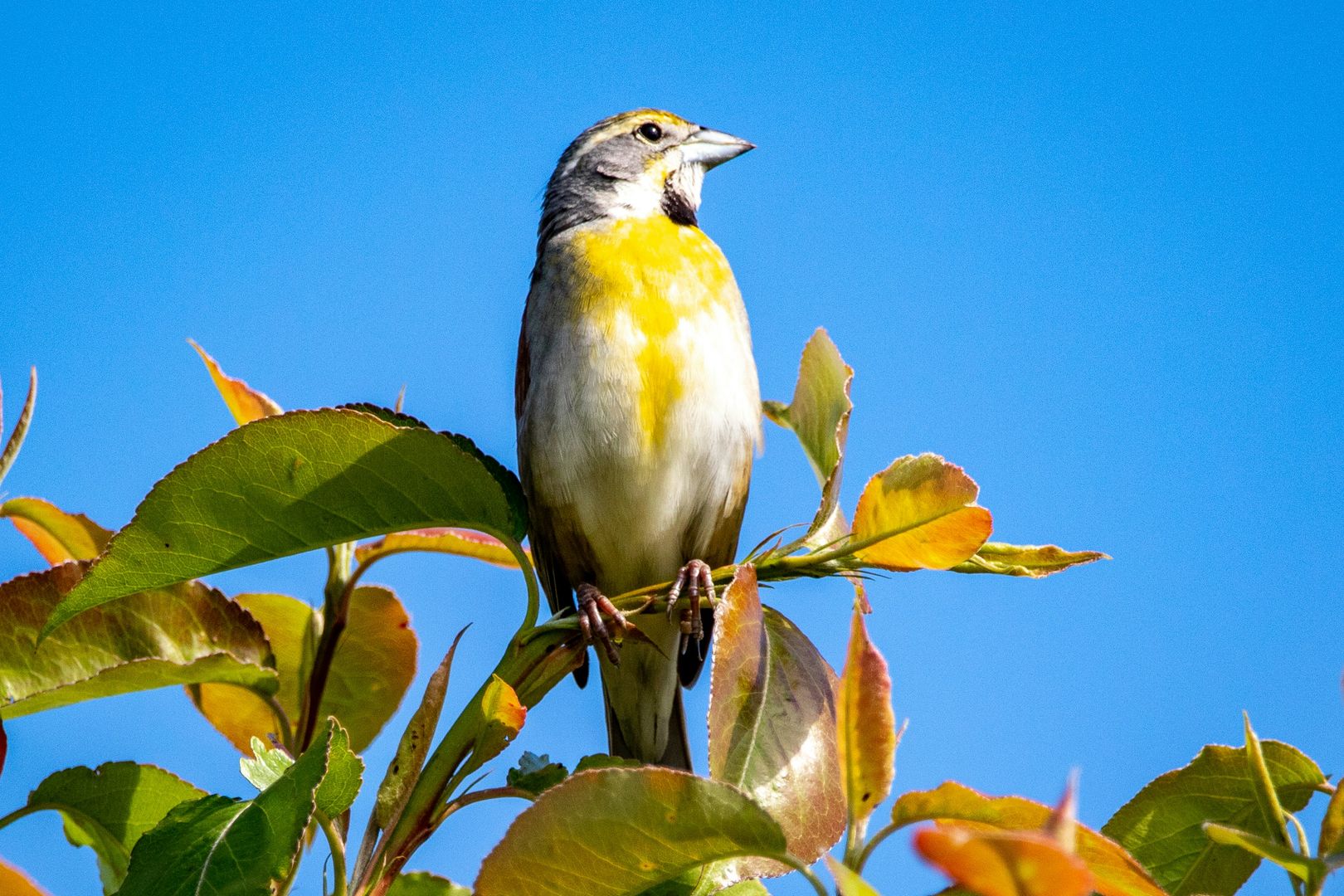
The statewide body, and the closest thing Louisiana birding has to a spine. Instead of monthly meetings, LOS runs three field-trip weekends a year: the last full weekend of January, rotating among the state's four regions, and the last full weekends of April and October, both usually in Cameron Parish. Each combines speakers, guided walks and a dinner where everyone reports what they found, and April is timed for trans-Gulf migration. Details go up on Bird Louisiana, the joint site LOS runs with the Baton Rouge and Orleans Audubon societies.
One caution: the society's own losbird.org domain would not load for us at all, returning a certificate error rather than a page. It is not spam and the society is not gone, but if it fails for you, Bird Louisiana is the way in.
Audubon Delta
National Audubon's regional office for Louisiana, Mississippi and Arkansas. A conservation and policy shop, not a club that leads walks: coastal marsh restoration, river management, and 187,000 acres of marsh managed through the Rainey Conservation Alliance. Follow it for habitat news, not outings.
Louisiana Bird Records Committee
Reviews rare bird reports and maintains the official state list, under the Ornithological Society and tied to LSU's ornithology collection. Its report forms sit on the same losbird.org domain, so the practical route right now is the Louisiana Bird Resource Office at LSU.
Christmas Bird Count
Three weeks each winter, December 14 through January 5, organized circle by circle by the clubs below. The coastal circles routinely post species totals that embarrass most of the country.
Bird Watching Groups in New Orleans and Southeast Louisiana
Orleans Audubon Society - Eleven Parishes, New Orleans to the Northshore
Founded in 1949 and covering eleven parishes from Washington and Tangipahoa down through Orleans and Jefferson to Terrebonne, Lafourche and Plaquemines. It publishes The Ibis, runs field trips announced on its events page and posts recorded programs to YouTube. Membership starts at a $20 donation, and non-members can get the email announcements, which is how most people hear about trips.
Audubon Abita Bird Club - St. Tammany Parish
The Northshore arm of Orleans Audubon, programmed around Abita Springs and Covington under an OAS director. Its hikes and talks appear on the Orleans Audubon events page rather than a site of its own, and if you live north of the lake it is your nearest club.
One Northshore warning. The Northlake Nature Center in Mandeville is real and worth visiting, but its old northlakenature.org address, still linked from the regional tourism board's birdwatching page, now serves a foreign e-commerce store. Do not follow it.
Terrebonne Bird Club - Terrebonne Parish
An active group covering Houma and the bayou country south of it, running entirely through a Facebook group with no website, so we have not linked it. Search the name, or ask Orleans Audubon, which covers the same parish.
Bird Watching Groups in Baton Rouge and the Capital Region
Baton Rouge Audubon Society - East Baton Rouge and Surrounding Parishes
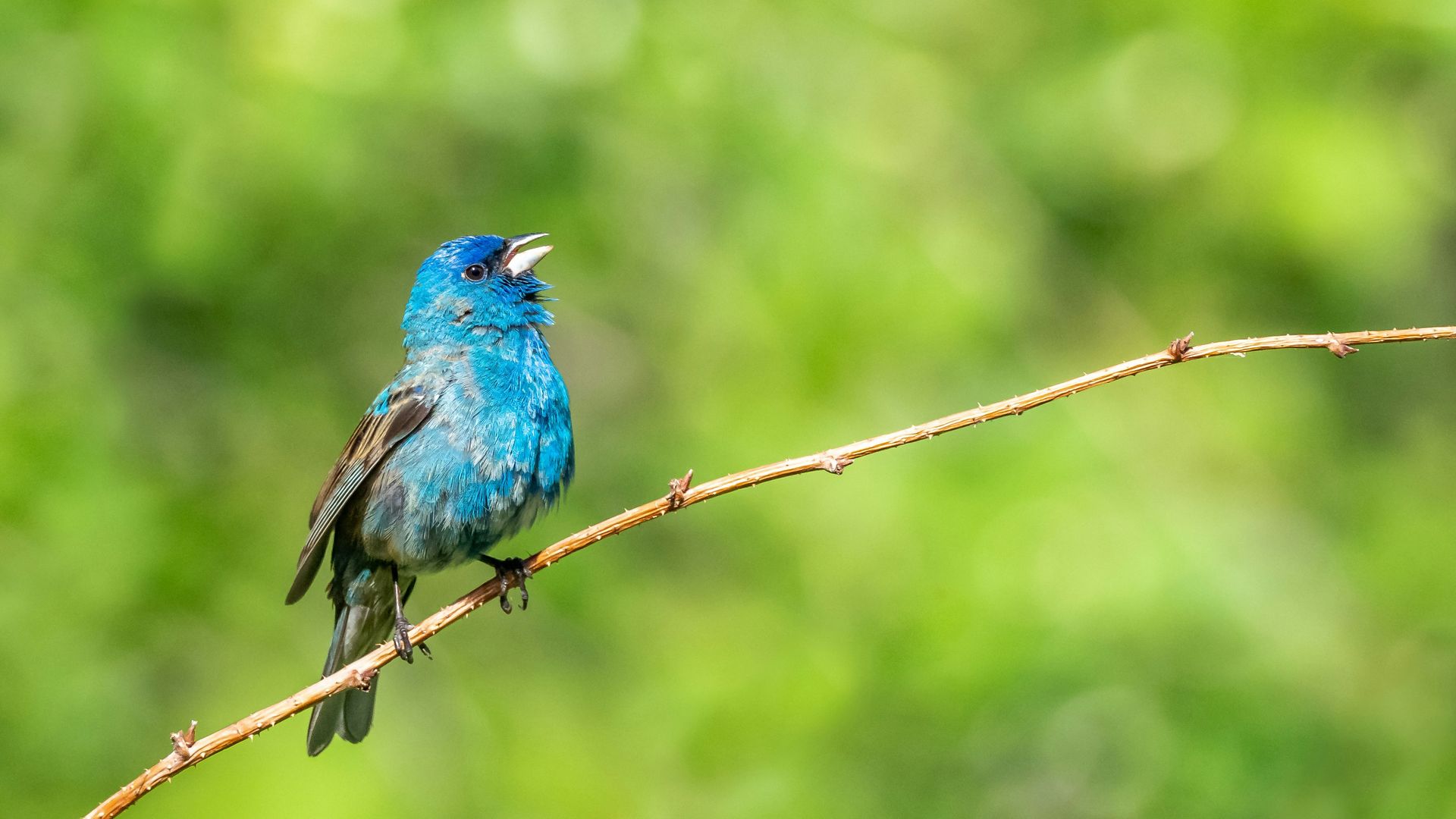
The busiest club in the state and the one with the clearest published schedule. Guided walks leave at 7:00 a.m. on the first Saturday of every month at Bluebonnet Swamp Nature Center, $3 park admission, no registration. Quarterly walks run second Saturdays, 9:00 to 11:30 a.m., at Oakley Plantation in St. Francisville for $5. Monthly programs are on the last Wednesday at the Main Goodwood Library and on Zoom, free and open to non-members. Membership is $25 individual, $30 family. BRAS also runs fall birding classes, keeps a regional where to bird guide, and owns two public sanctuaries including Peveto Woods.
One caveat on that where-to-bird page: it still tells readers a Wild Louisiana Stamp will get them onto Sherburne Wildlife Management Area. That requirement has been replaced; see the FAQ.
Bird Watching Groups in Lafayette and Acadiana
Acadiana is the gap in this directory, and a strange one, because the region holds one of the best wading bird rookeries in North America. We could not verify a single general-membership bird watching club in the Lafayette area with a live website.
There is also a trap. Searches for "Acadiana Bird Club" return an organization formed in 1992 to promote the health of pet and breeder birds, which runs bird fairs benefiting LSU's veterinary school. It is real, long-running, and aviculture rather than birding, and several directories file it under birdwatching anyway.
Acadiana Master Naturalists - Lafayette
The closest thing the region has to an organized nature group with public programming: spring training classes, field trips, expert talks, and sessions aimed explicitly at participants with a keen interest in birding. Classes fill early enough that the site was running a 2027 waitlist.
Otherwise, guided birding here means the Ornithological Society's weekends or the docents at Lake Martin.
Bird Watching Groups in Lake Charles and Southwest Louisiana
Gulf Coast Bird Club - Lake Charles and Cameron Parish
Small, unpretentious, and sitting on the best migration coastline in the state. Meetings run September through May on the second Thursday at 6:00 p.m. on the second floor of the Calcasieu Public Library, with field trips at 7:00 a.m. the following Saturday from the bank parking lot at Ryan and College streets. Both are open to anyone interested in birding, no membership required, and the newsletter was current as of May 2026.
Bird Watching Groups in Shreveport and Northwest Louisiana
The Bird Study Group - Shreveport / Caddo Parish
Meets on the second Tuesday of every month except July and August at 6:30 p.m. at the LSUS Museum of Life Sciences. Programs are free and open to the public, and the group runs field trips and keeps a sightings database. The website has not been updated since early 2025 and still advertises 2024 dues, so email the listed contact before driving over. That same contact runs Louisiana Master Naturalists Northwest, the Ark-La-Tex chapter offering certification through courses, an exam and volunteer hours, so he is findable when the site is not. In a corner of the state with one bird club, that chapter is the other room where naturalists gather.
Bird Watching Groups in Monroe and Northeast Louisiana
Northeast Louisiana has no bird club with a working website that we could verify. National directories still list a Northeast Louisiana Bird Club at a GeoCities address, a service that shut down in 2009. Here is what actually operates.
Louisiana Master Naturalists Northeast - Twelve Parishes
The most active naturalist organization in the northeast corner, running workshops on birds, plants, ecology and geology plus field trips and citizen science. Seven workshops and a capstone earn certification, and you need not be pursuing it to attend many events. Their July 2026 field skills workshop was at Black Bayou Lake, which tells you where the region's birding happens.
Black Bayou Lake National Wildlife Refuge - Monroe / Ouachita Parish
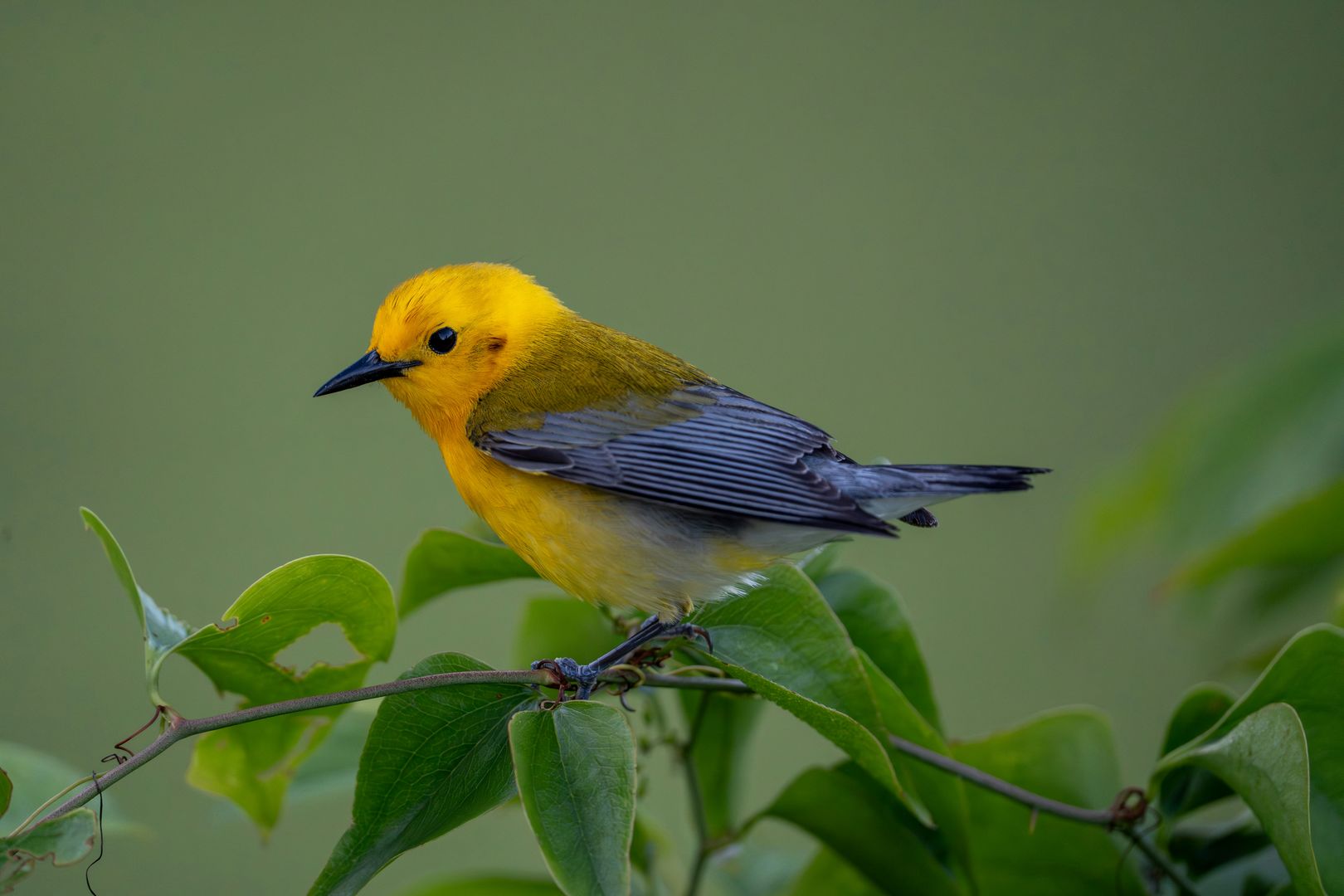
Not a club, but its Conservation Learning Center is the region's birding hub: 5,300 acres around a 1,600-acre lake, Prothonotary Warblers, Anhingas, wading birds and wintering waterfowl, seven-plus miles of trails and a pier into the lake.
Other Ornithology and Research Groups in Louisiana
Louisiana Bird Observatory - Statewide
A grassroots program of Baton Rouge Audubon running a statewide partnership of monitoring stations including Bluebonnet Swamp, Sunset and Woodlands Conservancy. Year-round banding and census work, and it takes volunteers, which is the best way to see birds in the hand.
Louisiana Bird Resource Office - LSU, Baton Rouge
Housed at LSU's Museum of Natural Science, this office builds the resources the rest of the state uses: the Louisiana Bird Atlas, state eBird coordination, the historical bird records card files, a nest record program, and coastal bird monitoring after the 2010 oil spill. It runs on volunteer birders as much as biologists.
Louisiana Master Naturalist Association - Seven Chapters
Seven regional chapters: Northwest, Northeast, CenLa, Greater Baton Rouge, Southwest, Acadiana and Greater New Orleans. In much of Louisiana the chapter is the only organized natural history group within an hour's drive, and birds are a standard part of the curriculum.
Louisiana Birding on Facebook
Two groups do much of the day-to-day work clubs do elsewhere: the Terrebonne club above, and the Loose Alliance of Casual and/or Keen Birders of Central Louisiana, which covers Alexandria and has the best name in American birding. Neither has a website, so neither is linked. There is also a long-running Louisiana birding email list on Groups.io.
Where to Go Birding in Louisiana
Louisiana's headline event is spring trans-Gulf migration. Migrants leave the Yucatan at dusk and reach the coast the next afternoon, and if a cold front meets them over the water they drop into the first trees they see. That is a fallout, and the coastal chenier woodlots are the trees. April is the month, a front is the trigger, and flexibility is the only strategy.
- Grand Isle (Jefferson Parish) — The state's most famous fallout destination. The Nature Conservancy's Lafitte Woods Preserve protects about 41 acres holding the largest remaining live oak and hackberry forest on any Gulf barrier island, free, with trail maps at the Grand Isle Port Commission visitor center on LA 1. Grand Isle State Park at the island's east end adds beach, lagoons and a 2.5-mile nature trail for $3 per person, gate open 7:00 a.m. to 9:00 p.m. The Migratory Bird Celebration ran April 17 and 18 in 2026, and included free boat tours to the Queen Bess Island rookery. Ida recovery has been slow, so book early.
- Peveto Woods Sanctuary (Cameron Parish) — Forty acres of chenier woodland owned outright by the Baton Rouge Audubon Society, the first chenier sanctuary established for migratory birds in Louisiana, used by roughly two million migratory birds a year. Open dawn to dusk, 365 days, free, with picnic tables, a pavilion and a port-o-let. Take Highway 27 south from Sulphur to Holly Beach, then Highway 82 west 8.5 miles. No staff and no services nearby, so arrive fueled and watered.
- Sabine National Wildlife Refuge and the Creole Nature Trail (Cameron Parish) — The marshes between Calcasieu and Sabine lakes, open dawn to dusk year round except posted closures, with the Wetland Walkway and an auto tour route, on a byway threading 26 miles of Gulf beach through a region with more than 400 recorded species. Check the Cameron ferry status and treat the byway's conditions page as required reading; this landscape is still recovering.
- Bayou Sauvage Urban National Wildlife Refuge (Orleans Parish) — One of the largest urban refuges in the country, inside New Orleans city limits, with more than 340 recorded species. The half-mile Ridge Trail boardwalk loop is open and wheelchair friendly. Daylight hours only, and areas outside the hurricane protection levee close until noon from November 1 to January 31 and during state teal season.
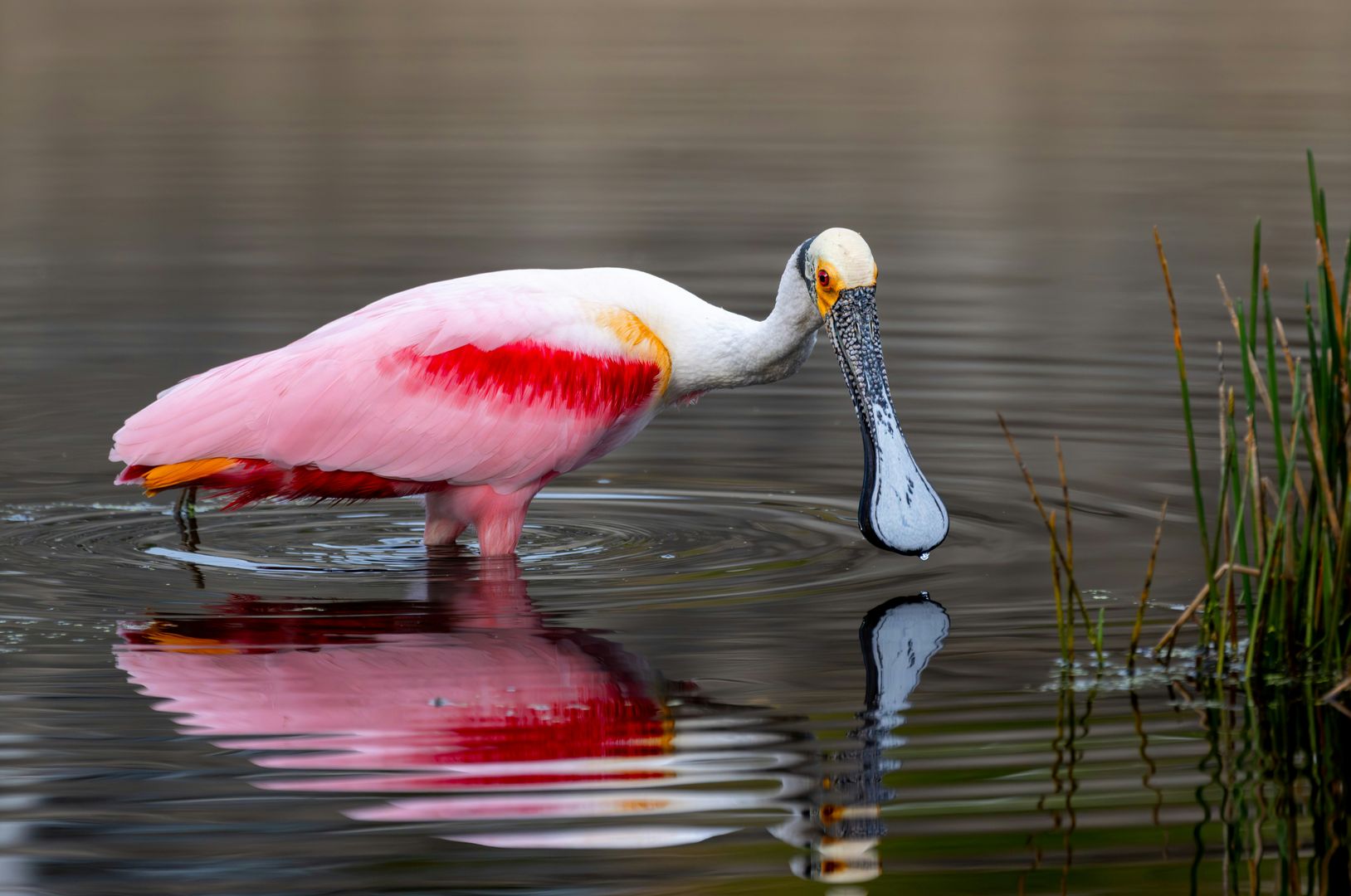
- Cypress Island Preserve at Lake Martin (St. Martin Parish) — Roughly 9,500 acres of cypress-tupelo swamp between Lafayette and Breaux Bridge, with a spring rookery of more than 500 nests and 20,000 or more nesting birds including Roseate Spoonbills, egrets and herons. Free, daylight hours, visitor center staffed by volunteer docents weekends 10:00 a.m. to 4:00 p.m.; call 337-342-2475 first. Restrictions matter: the levee trail closes June through September for alligator nesting, the rookery closes to boats February through July, Rookery Road is closed, and the boardwalk was still part-rebuilt as of April 2026.
- Sherburne Wildlife Management Area (Pointe Coupee, St. Martin and Iberville Parishes) — 43,637 acres of Atchafalaya Basin bottomland hardwood inside the Morganza Floodway, and the best variety within half an hour of Baton Rouge: Roseate Spoonbills, Wood Storks and the full bottomland songbird set. Free to enter, but you need a WMA Access Permit and a free self-clearing permit, both explained in the FAQ. The observation tower is about 1.5 miles from parking. Adjacent Atchafalaya National Wildlife Refuge adds 15,000 acres off Highway 975.
- Kisatchie National Forest (Seven Parishes, Central and North Louisiana) — Louisiana's only national forest, more than 604,000 acres across five ranger districts, much of it longleaf pine. Louisiana falls inside the range of the endangered Red-cockaded Woodpecker, which needs pines over about 80 years old. The Forest Service does not publish cluster locations, so ask at a district office. General access is free, developed sites charge day-use fees, and the forest's pass page notes the $80 America the Beautiful pass is not currently accepted here.
One closure to know: Big Branch Marsh National Wildlife Refuge, an 18,000-acre pine savannah and marsh complex north of Lake Pontchartrain holding Red-cockaded Woodpeckers, remains closed until further notice after storm damage brought trees down across its trails.
If you would rather start from your own porch while you wait for a front, our guide to hummingbird plants for Louisiana covers what actually grows here.
Louisiana Bird Books and Field Guides
A note on links. Amazon blocks automated checking, and we will not print a product code we have not confirmed, because a wrong one sends you to the wrong book. So these are named, not linked, except where a publisher's page loads.
Birds of Louisiana Field Guide, by Stan Tekiela
The standard beginner's guide for the state, from Adventure Publications, organized by color rather than taxonomy. See a yellow bird, turn to the yellow section.

Birds of Louisiana & Mississippi Field Guide (Bird Identification Guides)
Adventure Publications
The Sibley Field Guide to Birds of Eastern North America
The most authoritative portable guide for the eastern half of the continent, from David Sibley, whose own site carries his identification articles. Louisiana sits in eastern coverage, and it is what most trip leaders here carry.

The Sibley Field Guide to Birds of Eastern North America: Second Edition (Sibley Guides)
Knopf
The Louisiana Bird Atlas
Free, and Louisiana-specific in a way no printed guide is. Run by the Bird Resource Office at LSU alongside the nest record program and state eBird coordination, it is the reference for what occurs where and when.
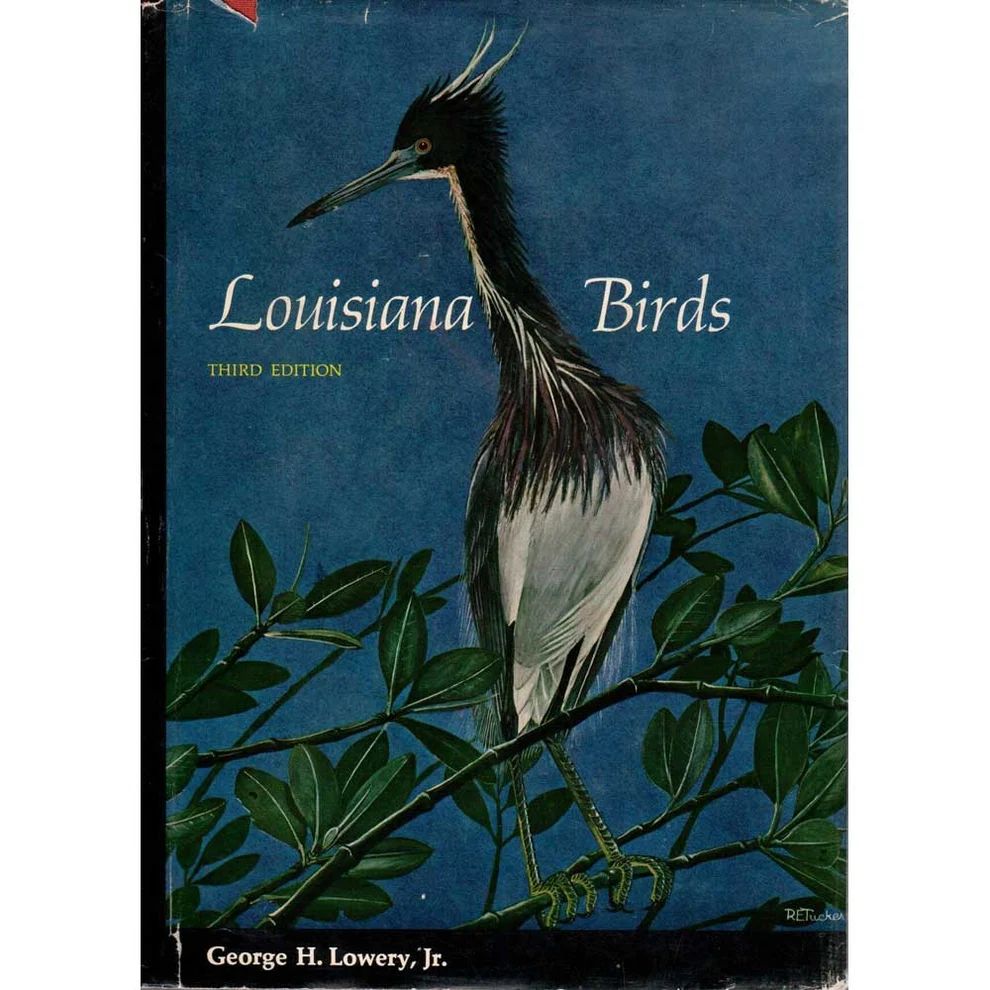
Louisiana Birds, by George H. Lowery Jr.
The state's foundational bird book, by the LSU ornithologist who built the university's world-famous bird collection. Decades old and still cited constantly, because nobody has replaced it. Used copies circulate; ask at any club above.
Louisiana Bird Rescue and Rehabilitation
Always call first. Intake capacity changes daily, most permitted rehabilitators in Louisiana work from their own homes rather than centers with front desks, and many take mammals only. Wild Nature Rescue in Prairieville appears on several Louisiana rescue roundups and is genuinely licensed, but takes small mammals only.
LDWF Permitted Wildlife Rehabilitators
Louisiana's official directory, organized by parish, listing each permittee's name, phone number and the species they may accept. Read the species column: only a handful take raptors, songbirds, wading birds or waterfowl. The department's injured and orphaned wildlife page carries regional office numbers and tells anyone finding an injured Bald or Golden Eagle to call 800-442-2511.
Wildlife Hospital of Louisiana - Baton Rouge / East Baton Rouge Parish
Run by the LSU School of Veterinary Medicine at the teaching hospital's small animal clinic, open 8:00 a.m. to 8:00 p.m. daily, on 225-578-9600. It takes injured native wildlife from the public, asks you to call before touching the animal, and makes the point every rehabilitator makes in spring: a baby bird alone is usually not orphaned.
For The Birds of Acadiana - Lafayette / Lafayette Parish
A state and federally permitted nonprofit specializing in songbirds, waterfowl and waterbirds, plus bats, accepting birds 7:00 a.m. to 7:00 p.m. daily. The only bird-specialist rehabilitation nonprofit we could verify statewide, which tells you how thin the coverage is.
Acadiana Wildlife Education and Rehabilitation - Youngsville / Lafayette Parish
A second Acadiana option, running an adopt-a-bird program alongside general wildlife intake, on 337-288-5146. North of Alexandria there are no bird rehabilitation organizations at all, only individual permittees: the state directory lists one in Ouachita Parish taking raptors, songbirds, wading birds and waterfowl, and a Caddo Parish veterinarian licensed for nearly everything.
Frequently Asked Questions
What is a fallout, and when should I go to the Louisiana coast?
A fallout happens when songbirds crossing the Gulf from the Yucatan meet bad weather or a north wind on arrival, exhaust their reserves, and drop into the first woodland on the Louisiana coast. April is the month, a passing cold front is the trigger, and it cannot be booked or forecast far ahead, which is why Louisiana birders keep a bag packed.
Do I need a permit to go birdwatching on a Louisiana wildlife management area?
Yes, and the rules changed. The Department of Wildlife and Fisheries now requires a WMA Access Permit, $20 a year or $5 for five consecutive days, the same for residents and non-residents, with anyone 17 and under exempt plus a separate free self-clearing permit. The older Wild Louisiana Stamp no longer appears in the department's fee schedule, though several club and tourism pages still tell readers to buy one.
Are Louisiana bird clubs free to join, and are walks open to non-members?
Mostly free or cheap to join. The Bird Study Group in Shreveport and the Gulf Coast Bird Club in Lake Charles hold programs free and open to the public. Baton Rouge Audubon's programs are free, its walks cost $3 to $5 in park admission, and events are open to non-members. Paid membership, where it exists, runs $20 to $30 a year.
Where can I see Roseate Spoonbills and wading bird rookeries in Louisiana?
Cypress Island Preserve at Lake Martin is the reliable one, with a spring rookery of more than 500 nests holding spoonbills, egrets and herons, viewable from the levee and boardwalk. Queen Bess Island off Grand Isle holds thousands of Brown Pelicans and spoonbills, reachable by boat, with free tours during the April celebration. Sherburne WMA holds spoonbills and Wood Storks. Spring is nesting season, which is when access restrictions are tightest.
Got a Louisiana birding group to recommend?
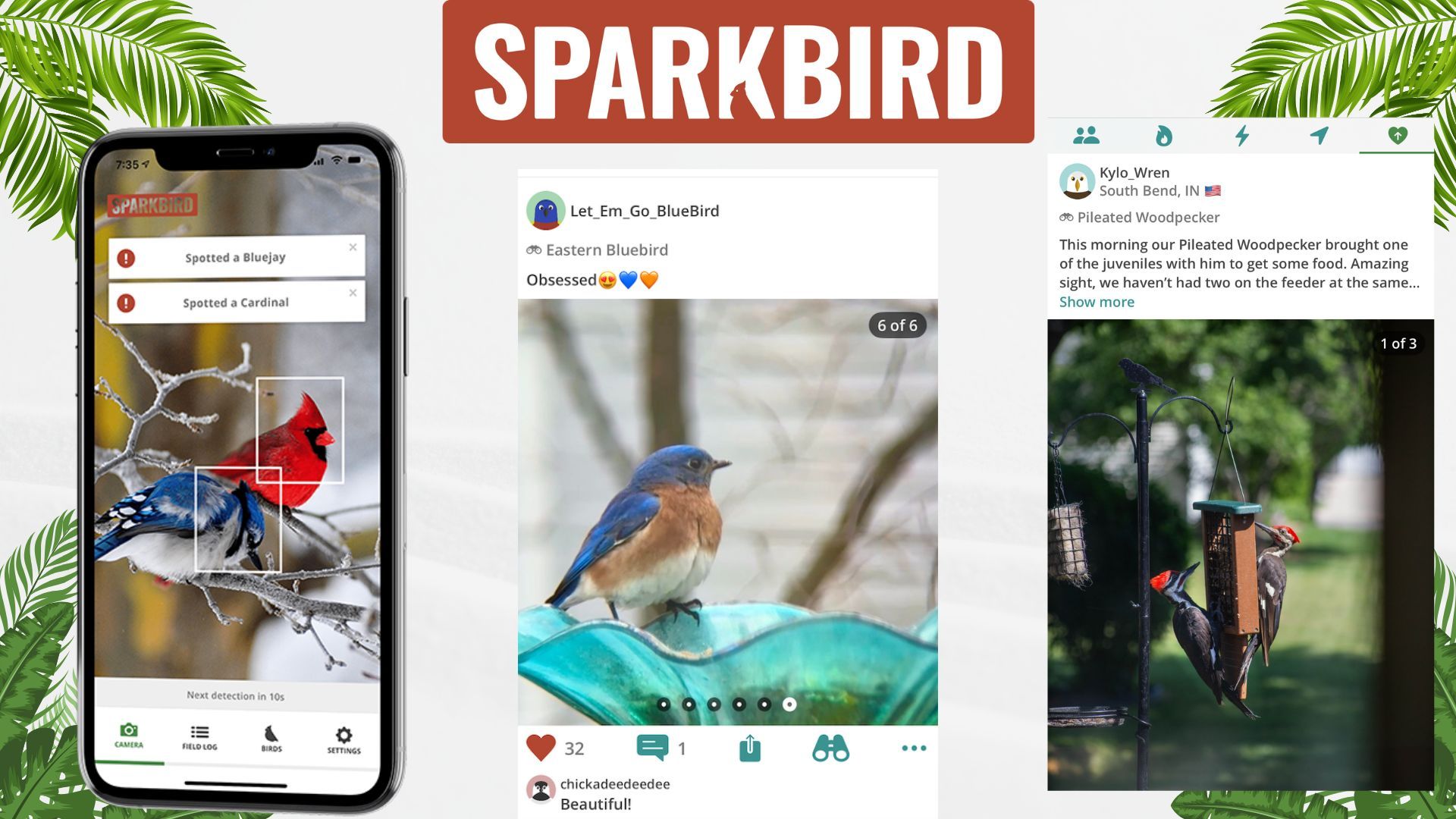
If you know an active group we missed, tell us in the comments or on the Sparkbird App.
Our goal is a birding community that connects people to nature and to each other, which bird clubs turn out to be very good at, largely because everyone is facing the same direction and nobody has to make eye contact.
- Related: How to Use the Sparkbird App

No comments yet.