
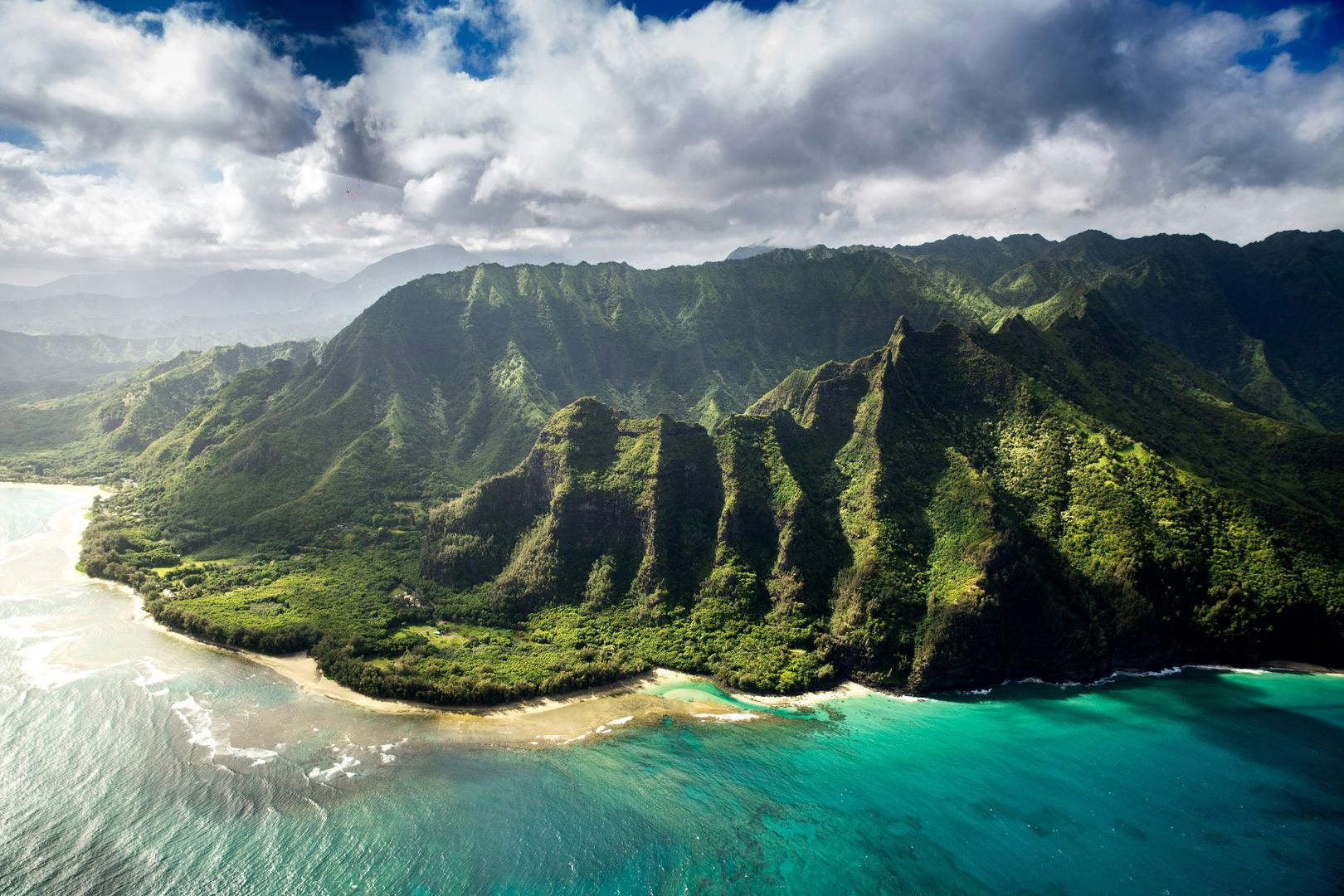
Hawaii has exactly 1 bird watching society and roughly 20 other organizations you can join. Residents give directions in mauka and makai rather than north and south, and after about a week you will too.
The bird watching groups in Hawaii are organized by island rather. A club in Hilo is no help to someone in Lihue, and no amount of goodwill closes a channel. What fills the gap is a dense network of conservation projects, refuge friends groups, and research programs, most of which take volunteers and several of which are the only legal way into the forests where the native birds still live.
Why Join a Bird Watching Group at All
Solo birding works fine in most places. You set the pace, nobody rushes you. Hawaii is the exception, for 2 reasons:
Access to Birding Hot Spots
Some of the best native forest sits behind a locked gate, inside a refuge closed to self-guided visits, or up a road that requires a permit. The people who can get you in are the groups listed below.
Conservation and Bird Extinction
Birds are running out of time. Hawaii's Division of Forestry and Wildlife counts 84 known forest bird species, of which 26 remain, and 71 confirmed losses, 48 of them before Europeans arrived and 23 since 1778. American Bird Conservancy, which works here, calls Hawaii the bird extinction capital of the world.
The current driver is avian malaria. Introduced mosquitoes carry it, native honeycreepers have no resistance to it, and warming temperatures are pushing mosquitoes up into the high-elevation forests that were the last refuge. Survivors are largely confined above about 1,400 meters, where cold used to hold the vector back. The intervention now underway is the incompatible insect technique, which the Birds, Not Mosquitoes partnership describes as mosquito birth control— releasing male house mosquitoes carrying an incompatible strain of naturally occurring bacteria, so that wild females lay eggs that never hatch.
Releases are running on Maui and Kauai, and the US Geological Survey's Pacific Island Ecosystems Research Center published work in July 2026 on how avian malaria and mosquito ecology research is being used to make that control more effective.
Paid birding groups fund conservation
In most states we tell people to borrow binoculars before buying a pair, and that still holds. In Hawaii the stronger advice is that the thirty-five dollars you were going to spend on a slightly nicer strap does more good as a membership in one of the groups below, because the organizations keeping these birds alive are small, underfunded, and the reason there is anything left to look at.
We are suggesting you give the money to a nonprofit that plants Acacia koa like Hawaiian Legacy Reforestation Initiative.
Statewide Bird Watching Groups in Hawaii
Hawaii Audubon Society
The one conventional bird watching society in the state, founded in 1939 as the Honolulu Audubon Society, renamed in 1946, and a certified chapter of the National Audubon Society since 1977 that runs its own finances and programs, though its activity centres on Oahu. It's a nonprofit membership organization working to protect and restore native wildlife and ecosystems, and its programs and projects page covers the Freeman Seabird Preserve at Black Point, the white tern and Kolea Count citizen science projects, school outreach, and bird tours. It publishes the journal 'Elepaio.
Warning— bird tours run on request and need 3-4 people before a guide will set one up, so email the society before you plan a trip around an outing. Note the address too: the society's live site is hiaudubon.org, and the older hawaiiaudubon.org has not been updated since 2019.
Division of Forestry and Wildlife Wildlife Program
The state agency, part of the Department of Land and Natural Resources. Not a club, but the body that manages Hawaii's wildlife sanctuaries and Natural Area Reserves, publishes the guide to Hawaii's native birds, runs the State Wildlife Action Plan, and coordinates the seabird fallout response every autumn. If you want to know whether a place is open, this is usually where the answer lives.
Christmas Bird Count
The longest-running community science project in birding, held between December 14 and January 5 each season and organized locally by volunteer compilers. Hawaii's count circles are small and always short of people, which means a first-timer gets put on a real route rather than parked at a feeder. No experience needed, and beginners get paired with someone who knows the birds.
Bird Watching Groups on Oahu
Friends of Oahu National Wildlife Refuges
The nonprofit partner to Oahu's refuges, and the only practical way for a member of the public to walk into James Campbell National Wildlife Refuge. It runs guided bird tours there every Saturday from October through the end of February, booked online under Refuges and Tours. Tours are closed outside that window, and the group's summer 2026 newsletter says to check back in late September for the 2026 to 2027 season. Volunteers also staff the tours.
Hui Manu-o-Ku
A group of conservationists and residents built around the white tern, manu-o-Ku, the official bird of Honolulu and the one native seabird that nests in the middle of a city, laying a single egg on a bare branch with no nest at all. The project runs a citizen science program tracking the urban population, and the public contribution is genuinely useful: submit nesting observations, and report nesting trees that have not been marked yet.
Pacific Rim Conservation
A Honolulu-based research and restoration nonprofit rather than a walk-leading club, and one of the more consequential organizations in the Pacific. Its work includes seabird translocations totalling more than 750 birds across six species, roughly 7.5 miles of predator exclusion fencing protecting 386 acres, Oahu 'elepaio recovery, management work at James Campbell, and the Nihoku restoration project on Kauai. Volunteer opportunities are posted on the site.
Bird Watching Groups on Hawaii Island
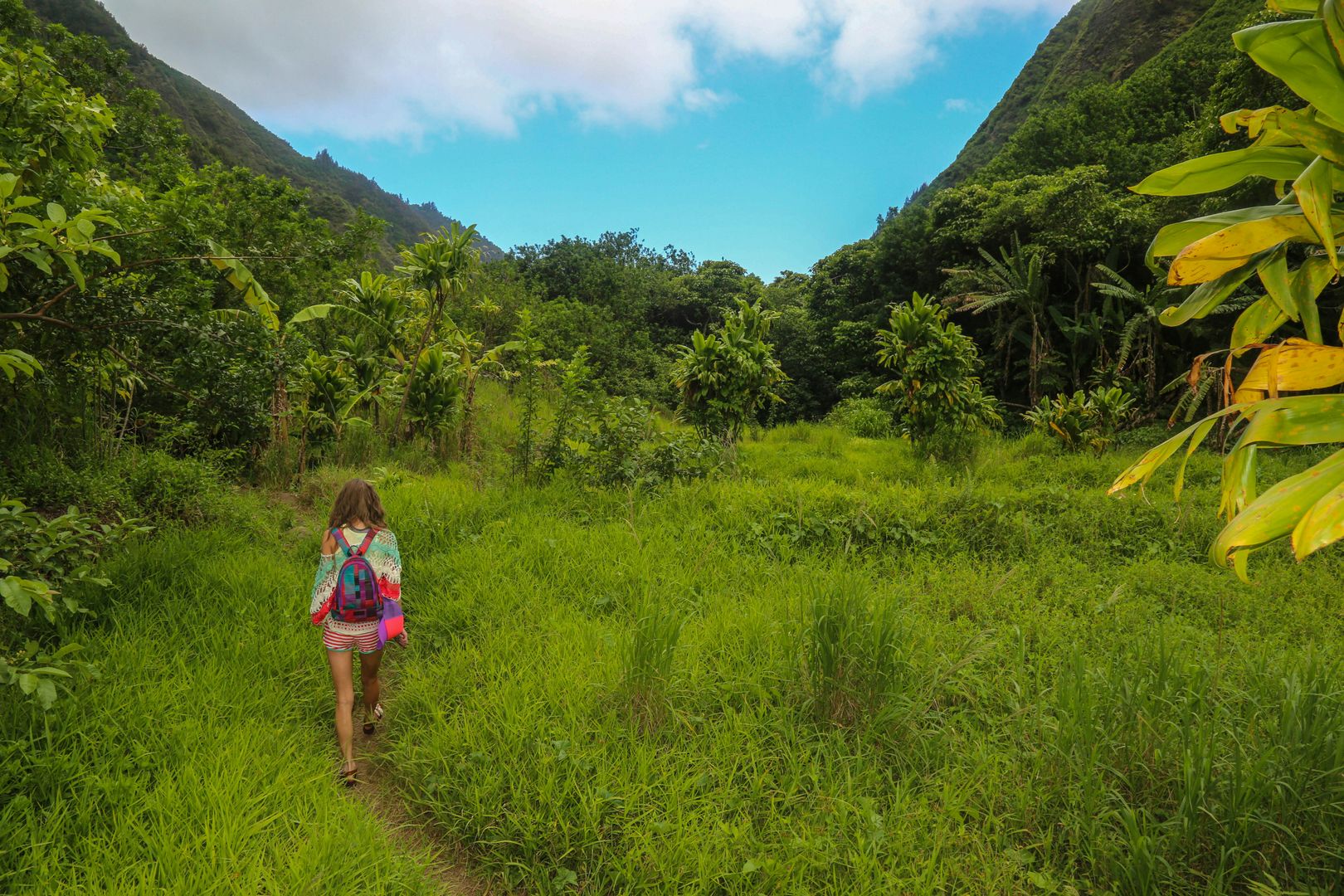
Friends of Hakalau Forest National Wildlife Refuge
The most joinable group on the island, and the one to pick if you only join one thing. It supports Hakalau Forest and the Kona Forest Unit with reforestation work days, bird tours, and education, and it publishes a quarterly newsletter in September, December, March, and June. Membership runs $15 for seniors and students, $35 individual, and $50 family, with sponsor tiers above that. Members get early notice of volunteer opportunities, which is the benefit that actually matters.
Hakalau Forest itself is worth understanding before you plan anything. The refuge holds 'i'iwi, 'akiapola'au, and the critically endangered Hawai'i 'akepa, and the US Fish and Wildlife Service currently lists it as closed to self-guided activities because of Rapid 'Ohi'a Death, a fungal disease carried on soil stuck to vehicles, tools, boots, and clothing.
A limited number of guided tours run through commercial operators holding Special Use Permits, and the refuge keeps the authorized list. Hawaii Forest and Trail is one operator advertising a Hakalau birdwatching adventure. Do not drive up hoping to talk your way in.
Three Mountain Alliance
A watershed partnership of eleven organizations covering 1,116,300 acres, about 45 percent of Hawaii Island, across Kilauea, Mauna Loa, and Hualalai. It reports more than 6,800 volunteers and over 116,000 seedlings planted since 2006, and runs an education and outreach program called 'Imi Pono. The site updates infrequently, so approach through one of the partner organizations rather than waiting for a posted work day.
Hawaii Wildlife Center
Based in Kapa'au in North Kohala, this is the statewide hospital for native birds and bats, and it also has a public face. The Ho'opulama Science and Discovery Center is open Tuesday through Saturday, 10 a.m. to 3 p.m., with free admission, though the patients themselves are not on display. It runs the Oahu Seabird Aid Program and a manu-o-Ku program, and takes volunteers for its ground and air transport teams.
'Alala Project
The recovery effort for the Hawaiian crow, extinct in the wild apart from recently released birds, with more than 110 individuals in the captive population. Earlier releases on Hawaii Island ran from 1993 to 1998 and again from 2016 to 2019. Five juveniles were released on the slopes of Haleakala in late 2024, and that East Maui pilot release is now in its second year. Follow it rather than expecting to see one.
Bird Watching Groups on Maui
Maui Forest Bird Recovery Project
Established in 1997 and based at 2465 Olinda Road in Makawao, MFBRP does the hands-on work on Maui's honeycreepers, alongside disease research and 'alala recovery support. The site carries birding resources and guidance on where to actually see native birds on Maui, and it lists volunteer needs, material donations, and a newsletter. Phone is (808) 573-0280.
Maui Nui Seabird Recovery Project
Covers Maui, Lanai, and Kaho'olawe, working on seabird colonies through research, management, restoration, and community outreach. It has volunteer positions and a Found a Bird reporting process, and it is the number to call on Maui during fallout season, at (808) 572-3500.
Bird Watching Groups on Kauai
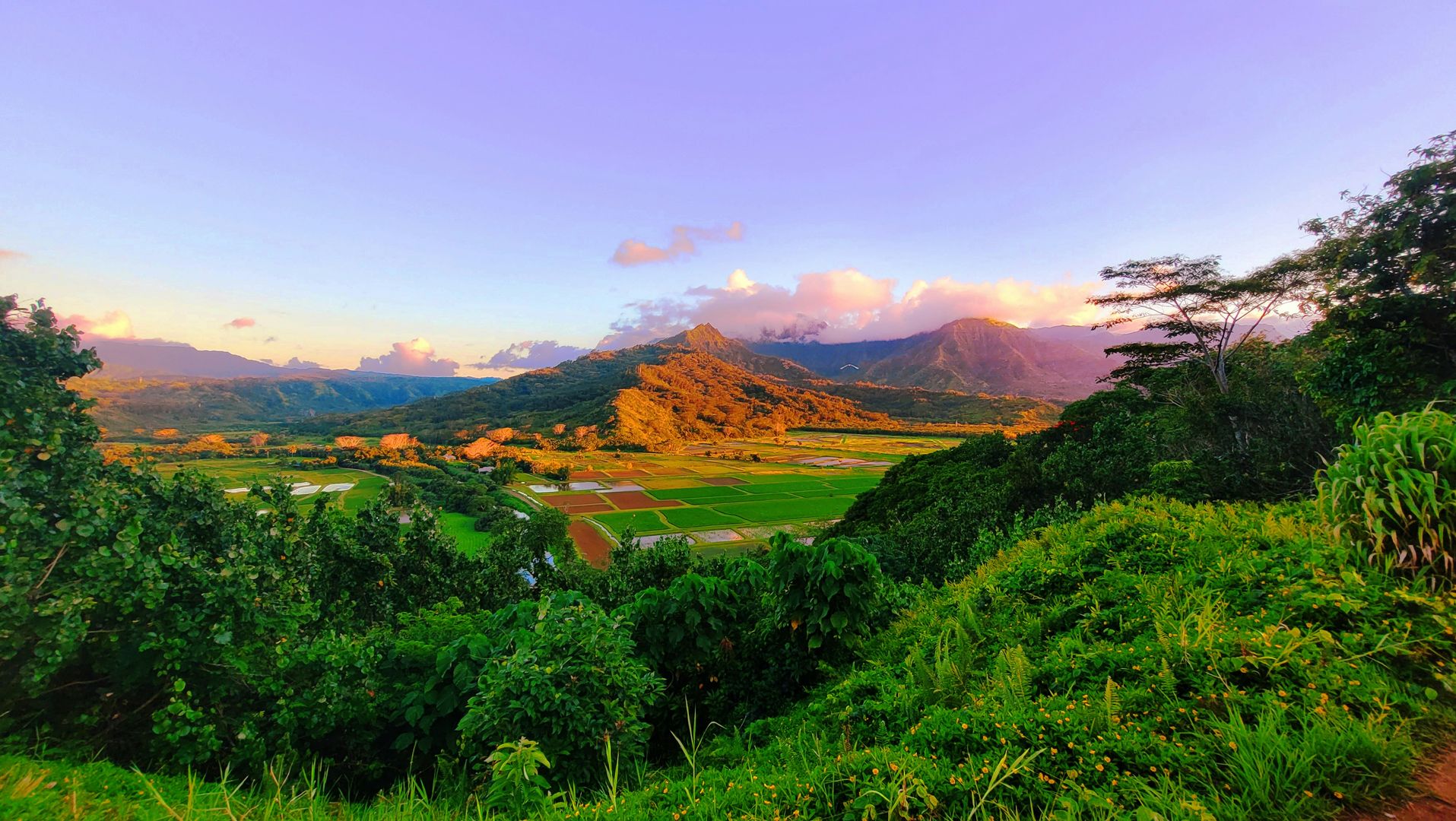
Kaua'i Forest Bird Recovery Project
Run by the Pacific Cooperative Studies Unit at the University of Hawai'i at Manoa in partnership with the state Division of Forestry and Wildlife, working on 'i'iwi plus the endangered 'akikiki, 'akeke'e, and puaiohi. Volunteers help with field work, office work, and outreach, and there is a mailing list for events. The project was still posting in July 2026, and its news is not cheerful reading.
Kaua'i Endangered Seabird Recovery Project
Established in 2006, also run through the Pacific Cooperative Studies Unit with the Division of Forestry and Wildlife, and focused on the 'a'o or Newell's shearwater, the 'ua'u or Hawaiian petrel, and the 'ake'ake or band-rumped storm-petrel, all three endemic to Kauai. Public participation is mostly reporting downed seabirds. Note that the site's newest press release dates to 2020, so contact the project directly rather than relying on its news page.
Hui o Laka and the Koke'e Natural History Museum
The nonprofit that runs the museum and historic camp up at Koke'e, at 4,000 feet on Kauai's west side. Open Monday through Friday 10:30 a.m. to 3:30 p.m. and weekends 10:30 a.m. to 4 p.m., with staff who will tell you which trails are producing and where the birds are that week. Phone is (808) 335-9975. For a visitor with one Kauai morning and no local contacts, this is the closest thing to a club meeting.
Save Our Shearwaters
Started by the state Division of Forestry and Wildlife in 1979 and now the only state and federally permitted facility on Kauai able to rehabilitate all native Hawaiian birds and the Hawaiian hoary bat. It has collected more than 35,000 seabirds since it began, about 90 percent of which were released. Based at 7370 Kuamo'o Road in Kapa'a, on (808) 635-5117. More on this in the rescue section below.
Birding on Molokai and Lanai
Neither island has a bird club, and it would be dishonest to invent one. What they have is land under protection. The Nature Conservancy of Hawaii manages 13 preserves and 18 managed areas statewide, including Kamakou, Mo'omomi, and Pelekunu on Molokai and Kanepu'u on Lanai.
Access varies by preserve and generally involves rough roads or a guide, so contact the Hawaii office on (808) 537-4508 before making plans. Lanai's seabirds fall under the Maui Nui Seabird Recovery Project, and both islands have their own fallout reporting numbers listed by the state.
Conservation Programs and Research Groups in Hawaii
This is where most of Hawaii's birding infrastructure actually lives, and several of these groups take volunteers even if they will never lead you on a walk.
Birds, Not Mosquitoes
The multi-agency partnership deploying the incompatible insect technique against the southern house mosquito, currently on Maui and Kauai with plans to expand across the main islands. If you want to understand the single biggest variable in whether Hawaii still has honeycreepers in thirty years, start here.
American Bird Conservancy Hawaii Program
Works on habitat restoration, invasive species removal, predator-proof fencing, and policy, and is a partner in Birds, Not Mosquitoes. Its Hawaii pages are the clearest short summary of what is happening to the remaining honeycreeper species.
USGS Pacific Island Ecosystems Research Center
The federal research centre behind much of the underlying science on avian malaria, mosquito ecology, and forest bird populations. Not something you join, but the place to check when a claim about Hawaiian birds sounds either too grim or too optimistic.
Natural Area Reserves System
Twenty reserves across five islands totalling 123,431 acres, holding some of the best remaining native habitat in the state. Rules differ by reserve, groups larger than ten need to check permit requirements, and several reserves are effectively unreachable without a guide. Read the reserve page before you go rather than after.
Where to Go Birding in Hawaii
1 current caution: after the August 2026 storms, Hawaii State Parks reported on August 21 that many parks remained closed with damage and power outages, so check the alerts before driving anywhere state-run. Hakalau Forest is covered above under Hawaii Island, because getting in is an access question before it is a birding one.
- Kilauea Point National Wildlife Refuge (Kauai) — The easiest good seabird viewing in the state, with red-footed boobies, great frigatebirds, Laysan albatross in season, and nene on the lawn. Open Wednesday through Saturday, 10 a.m. to 4 p.m., last arrival 3:30. Every adult 16 and over must reserve on Recreation.gov, up to two months ahead. Entry is $11, or $1 with an America the Beautiful pass, and Hawaii residents can buy a $20 kama'aina annual pass. Lighthouse storm repairs are underway and the Fresnel lens has been removed.
- Koke'e State Park and the Alaka'i (Kauai) — Native rainforest at 4,000 feet, with the Alaka'i Swamp, Pihea, Awa'awapuhi, and Kawaikoi Stream trails all leaving from the park. Open daily during daylight hours. Non-residents pay $5 per person entry plus $10 per vehicle to park, and camping is permit-only at $30 a night for non-residents. The Alaka'i is a bog, the boardwalk is intermittent, and the trail is only worth attempting in decent conditions.
- Hosmer Grove, Haleakala National Park (Maui) — The most reliable place in the state for a visitor to see honeycreepers without a permit. The loop is 0.54 miles with 50 feet of elevation change, comparing planted non-native trees against native shrubland. Park entry is $30 per vehicle for three days, $15 per person on foot or bike, or $55 for the Hawai'i Tri-Park annual pass. If you enter between 3 a.m. and 7 a.m. you also need a $1 sunrise reservation per vehicle, bookable 60 days out. Cards only, no cash.
- Kealia Pond National Wildlife Refuge (Maui) — Hawaii's most accessible wetland, with ae'o and 'alae ke'oke'o year-round and more than 30 species of waterfowl and shorebirds in winter. The visitor centre is open Monday to Friday 7:30 a.m. to 5 p.m. and the first Saturday of each month 9 a.m. to 3 p.m., closed federal holidays. The coastal boardwalk at milepost 6 on Maui Veterans Highway is open every day of the year, sunrise to sunset, and costs nothing. Phone (808) 875-1582.
- James Campbell National Wildlife Refuge (Oahu) — Four endangered Hawaiian waterbirds in one place: ae'o, 'alae ke'oke'o, 'alae 'ula, and koloa maoli, plus 'auku'u and pueo. This is a closed refuge with restricted public access, and the only way in is a guided tour, offered Saturdays from October through the end of February and booked through Friends of Oahu National Wildlife Refuges. There is no walk-up option.
- Ka'ena Point (Oahu) — Nesting Laysan albatross, wedge-tailed shearwaters, and white-tailed tropicbirds at a 59-acre reserve holding roughly 2,000 nesting seabirds, with monk seals on the rocks below. The state park is open daily 6 a.m. to 7 p.m., and the walk to the point is about 2.5 miles one way from the Moku'leia trailhead; the Keawa'ula trail on the far side is closed for erosion damage. Vehicles need a Ka'ena Vehicle Access Permit to pass the gate on the Moku'leia side. There is no shade and no water. Bring both.
- Hawai'i Volcanoes National Park (Hawaii Island) — Native forest you can walk into without a permit, plus nene, 'apapane, and 'i'iwi in the higher kipuka. Entry is $15 to $30 depending on how you arrive, valid seven days, or $55 for the Tri-Park annual pass, cards only. A two-year construction project at the summit means closures and delays, volcanic gas triggers air quality advisories, and the lots typically fill by 10 a.m. Park information is (808) 985-6011.
A note for visitors: almost every bird you see at a resort, in Waikiki, or in a parking lot is introduced. Common Myna, Zebra Dove, Java Sparrow, Red-crested Cardinal, House Finch, and Saffron Finch are all naturalized arrivals.
They are perfectly good birds and worth learning, and if you are the sort of person who watches whatever turns up outside the window, our guide to bird feeders applies here as anywhere. But native forest birds live upslope, mostly above 4,000 feet, and you have to go and find them.
Hawaii Bird Books and Field Guides
A mainland field guide is close to useless here, and the specialist titles are genuinely better than the general ones.
A Photographic Guide to the Birds of Hawaii
Jim Denny's 224-page guide from University of Hawai'i Press covers 170 species and subspecies across the main islands and offshore waters, illustrated with Jack Jeffrey's photography. It won the Ka Palapala Po'okela award for natural science in 2011 and remains the single best identification guide to the state. Around $25.

A Photographic Guide to the Birds of Hawaii: The Main Islands and Offshore Waters (Latitude 20 Books (Paperback))
University of Hawaii Press
A Pocket Guide to Hawaii's Birds and Their Habitats
H. Douglas Pratt's small guide from Mutual Publishing, around $12, covering more species than any other book that fits in a pocket and organized around habitats rather than plates alone. The best first purchase for a visitor.

A Pocket Guide to Hawaii's Birds by Douglas H. Pratt (1998-12-30)
Enjoying Birds and Other Wildlife in Hawaii
Also Pratt, and the closest thing Hawaii has to a site guide: 74 locations across Kauai, Oahu, Molokai, Maui, Hawaii Island, Midway Atoll, and offshore waters, with road and trail directions and maps. It goes in and out of stock at the publisher, so try a local bookshop too.
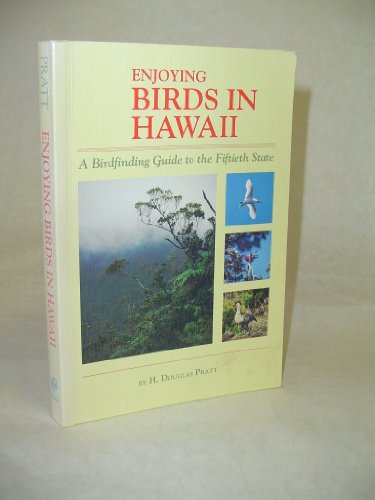
Enjoying Birds and Other Wildlife in Hawaii: A Site-by-site guide to the Islands for the birder and naturalist
Brand: Mutual Pub Co
The Birds of Kaua'i
Jim Denny again, this time on the oldest main island, covering native forest birds, seabirds, introduced species, and migrants, with a hard look at what has already been lost. Worth it if Kauai is your island.

Hawaii Bird Rescue and Rehabilitation
Always call first. Handling native Hawaiian birds is legally restricted, most of these species are protected under state and federal law, and an untrained rescue can do real harm. Report the bird and follow instructions rather than driving somewhere with it in your lap.
DLNR Seabird Fallout Season Reporting
The official state page, and the first thing to open. It explains what fallout is, how to contain a bird safely in a ventilated box with a soft lining, and why you give it no food and no water. It lists reporting numbers for every island: Kauai (808) 274-3433 or (808) 645-1576; Oahu (808) 884-5000 or (808) 379-7555; Maui (808) 573-2473 or (808) 359-0403; Molokai (808) 553-1745 or (808) 870-7598; Lanai (808) 565-7916 or (808) 357-5090; Hawaii Island (808) 974-4221 or (808) 887-6063.
Hawaii Wildlife Center - Kapa'au, Hawaii Island
The statewide hospital for native birds and bats, at 53-324 Lighthouse Road in Kapa'au. The Bird and Bat Help Line is (808) 884-5000 and the hospital operates daily 9 a.m. to 5 p.m. It runs volunteer ground transport and air rescue teams that move patients between islands, which is how a bird found on Oahu ends up in North Kohala.
Save Our Shearwaters - Kapa'a, Kauai
The only facility on Kauai permitted to rehabilitate all native Hawaiian birds and the Hawaiian hoary bat, operating year-round and busiest in autumn. Aid stations around the island let you drop off a boxed bird without a long drive, and the current list is on the project's site. Phone (808) 635-5117.
Oahu Seabird Aid Program - Oahu
Rapid response for downed seabirds on Oahu, run by the Hawaii Wildlife Center. The 24-hour drop-off point is Feather and Fur Animal Hospital at 25 Kaneohe Bay Drive in Kailua, reachable on (808) 254-1548, with additional locations listed through the state. Call the help line on (808) 884-5000 first.
Maui Nui Seabird Recovery Project - Maui, Lanai, Kaho'olawe
The Found a Bird contact for Maui Nui, on (808) 572-3500. Handles downed shearwaters and petrels and coordinates with the state.
Frequently Asked Questions
Can you see native Hawaiian birds without a guide?
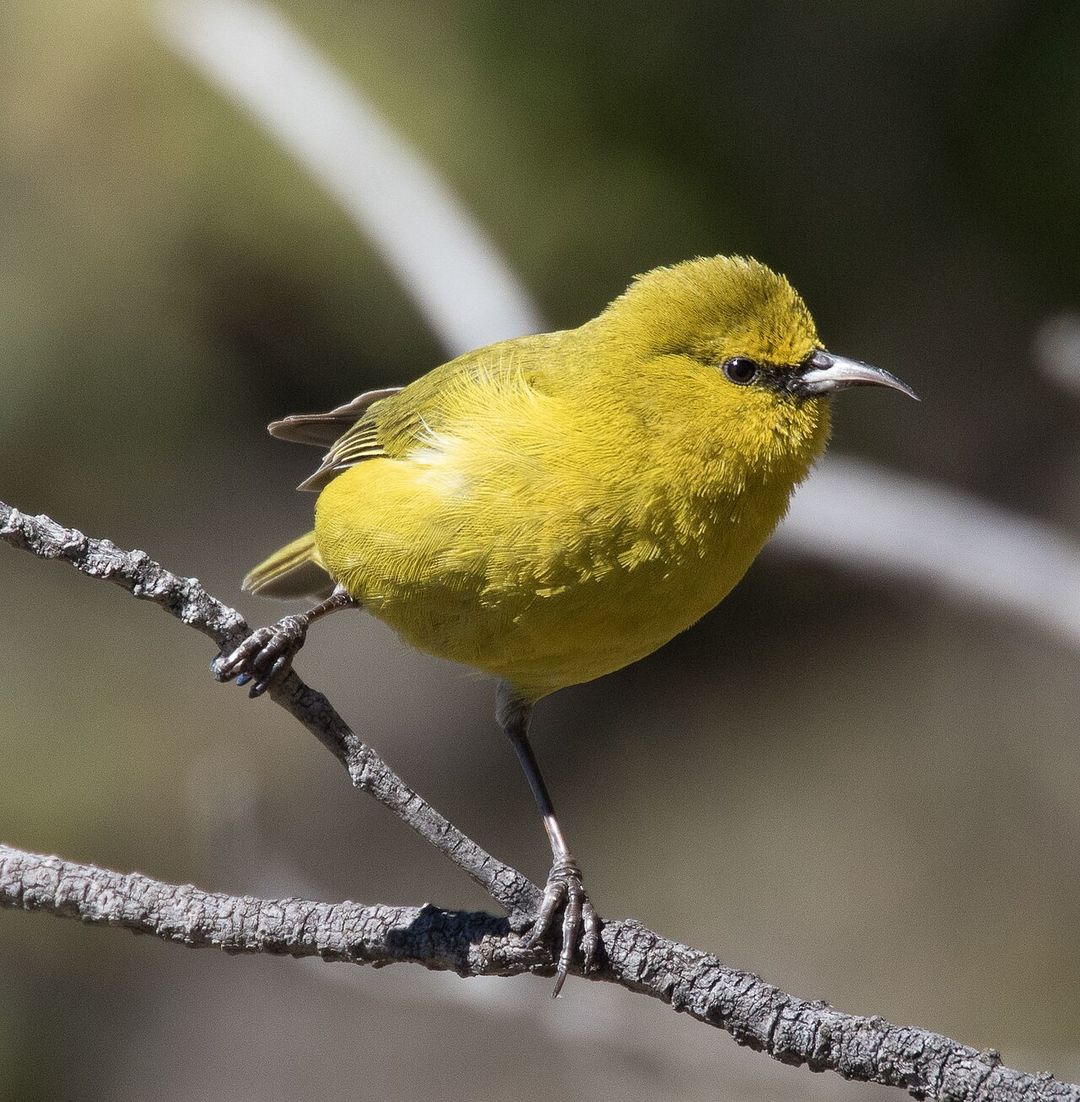
Yes, but you have to go up. Hosmer Grove in Haleakala National Park, the trails around Koke'e on Kauai, and the higher forest in Hawai'i Volcanoes National Park all give self-guided access to native honeycreepers, and none require a permit beyond ordinary park entry. The sites that are guide-only or permit-only, such as Hakalau Forest and James Campbell, are the ones with the rarest birds, which is not a coincidence.
What is the best island for birding in Hawaii?
Hawaii Island has the most native forest bird habitat and the highest odds on rare honeycreepers. Kauai gives you seabirds at Kilauea Point and native forest at Koke'e within an easy drive of each other, which makes it the strongest single island for a short visit. Maui splits the difference, with Hosmer Grove upslope and Kealia Pond at sea level. Oahu is the weakest for natives and the best for a first look at the introduced species you will otherwise misidentify all week.
What is seabird fallout season?
The state defines the season as September 15 to December 15, though adults can be affected at any time of year.
If you find a downed bird, put it in a ventilated box with a soft lining, keep it somewhere dark and quiet, give it nothing to eat or drink, and call your island's number.
Are there bird watching clubs on every Hawaiian island?
No. The Hawaii Audubon Society in Oahu is the only general-interest bird watching society in the state. Every other island is served by conservation projects and research programs.
Why are the birds at my hotel not native?
Because lowland Hawaii lost its native birds a long time ago to habitat clearance, predators, and mosquito-borne disease.The gap was filled with introduced species from 4 continents: the Common Myna, Zebra Dove, Java Sparrow, Red-crested Cardinal, and Saffron Finch. Native forest birds persist mostly above about 1,400 meters, where it is still too cold for the mosquitoes that carry avian malaria.
Got a Hawaii birding group to recommend?
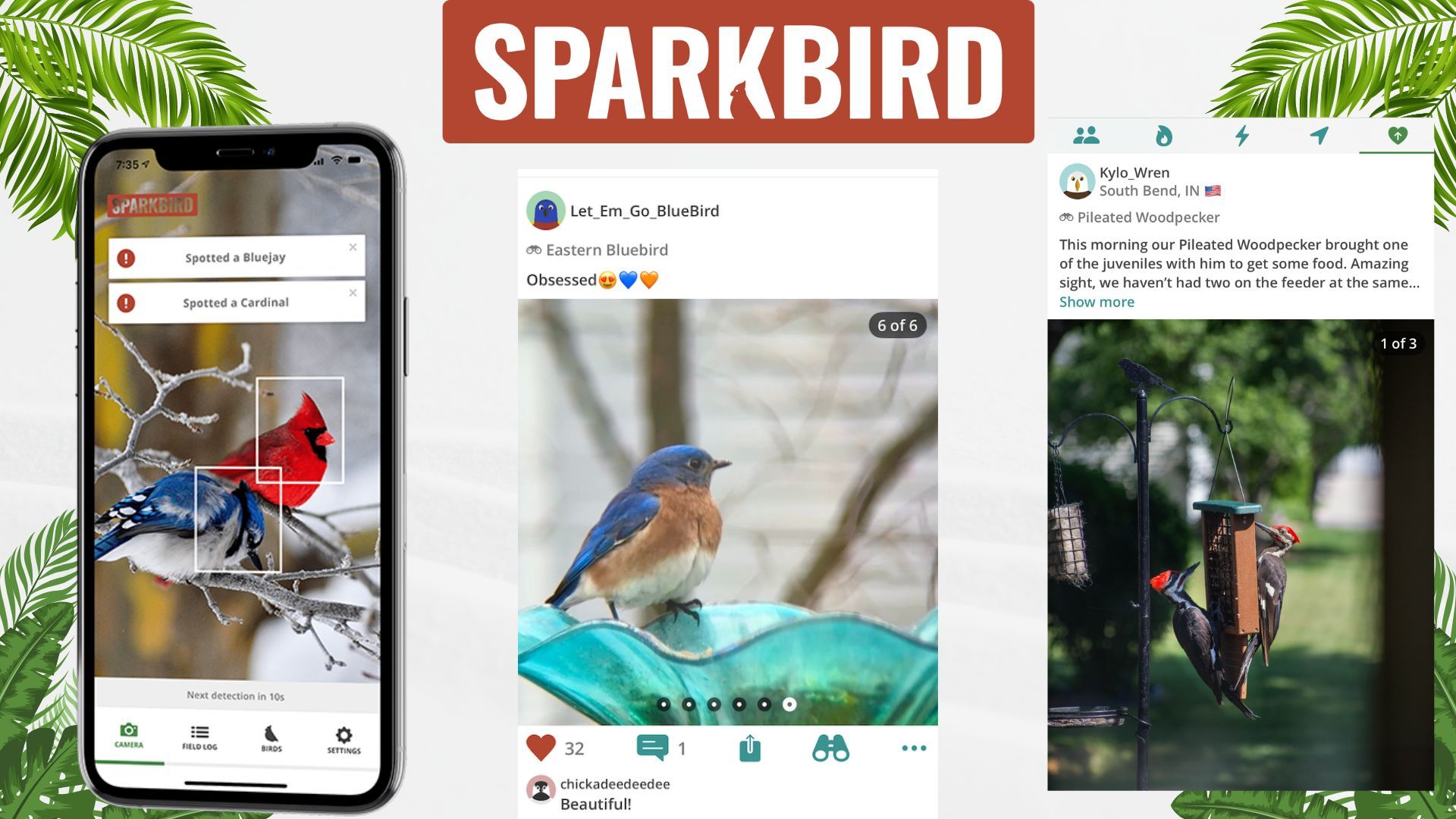
If your island has a group we missed, or a work day that welcomes strangers, tell us in the comments or through the Sparkbird App in the Apple App Store.
Hawaii is the hardest place in the country to be a bird and one of the better ones to be a birder, which is an uncomfortable combination to sit with on a nice morning at 6,000 feet. The upside is that here showing up and doing 3 hours of weeding actually moves the number.
- Related: How to Use the Sparkbird App

No comments yet.