
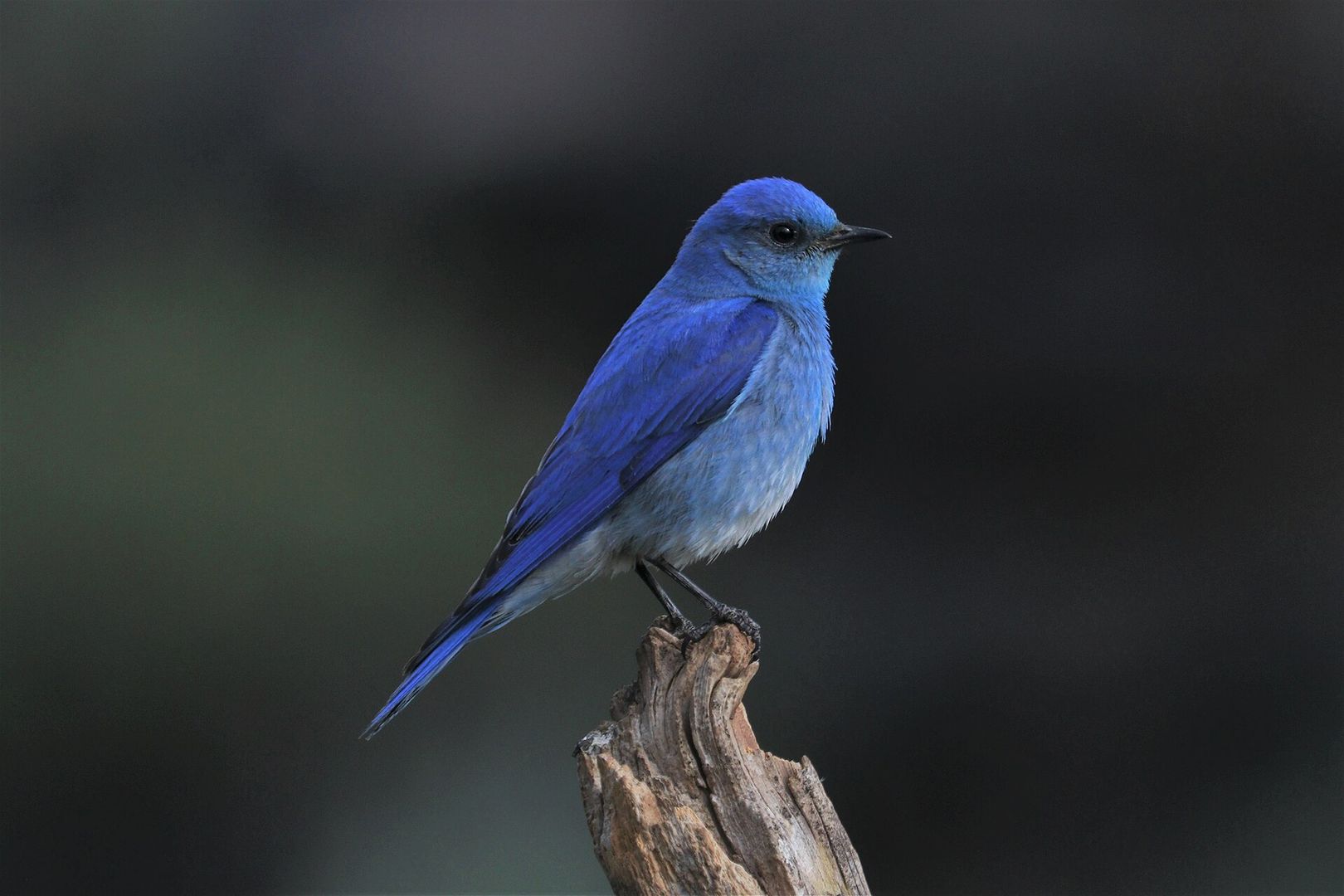
Nevada has three local bird clubs. Three, for 110,000 square miles.
Nevada's also the driest state in the country, with just 10.2 inches of precipitation a year, and that scarcity is precisely why the birds pile up where the water is.
Why Join a Bird Watching Group at All
Birding alone in Nevada works fine right up until the moment it doesn't. You can find a refuge on a map. What you can't find on a map is whether the gravel road washed out in July, or if the shorebirds came three weeks early because the reservoir dropped.
That's what a club is for. In a state where habitat depends this heavily on water decisions made in an office somewhere, current local knowledge is the difference between a good morning and 90 miles of empty playa.
Clubs are also the front door to community science. The Christmas Bird Count runs from December 14 to January 5 every year, and it's the longest-running community science bird project in the country, with more than a century of data behind it. Nevada's count circles, including Elko, Ruby Valley and Battle Mountain, are organized by exactly the volunteers you'll meet on a Saturday walk.
Try before you buy
One practical opinion before you spend money. A decent pair of binoculars for birding runs from about $150 to well past $500, and you don't need to make that call before your first walk. Borrow some from the library or ask to peek through a club member's 'binos a few times.
Statewide Bird Watching Groups in Nevada
Nevada has no state ornithological society in the way Ohio or Texas does. The role is filled, unusually well, by a research nonprofit.
Great Basin Bird Observatory (GBBO) - Reno
The closest thing Nevada has to a statewide ornithological body. GBBO is a research nonprofit in Reno with nine full-time staff. It runs the Nevada Bird Count and the Nevada Breeding Bird Atlas, hosts the Pinyon Jay Community Science Hub, and coordinates Nevada Partners in Flight.
They're refreshingly blunt about visiting: the office, they say, is a boring place to see, because it's an office where people work at computers. What they do offer is volunteer opportunities at a range of skill levels, banding workshops and speaker nights with local chapters.
Nevada Bird Records Committee (NBRC)
Administered by GBBO out of Reno, the NBRC evaluates and endorses records of rare birds in Nevada. If you find something unusual, this is where the documentation goes. The Nevada Review List of species requiring documentation was last revised in July 2024.
Audubon in Nevada
Worth stating plainly: National Audubon has no state office, no nature center and no sanctuary in Nevada. It has three local chapters, listed by region below. There's no Audubon Nevada to join. You join the chapter nearest you.
Nevada Department of Wildlife (NDOW)
The state wildlife agency. NDOW isn't a birding club, but it co-hosts Christmas Bird Counts in the northeast, its Elko office hosts chapter meetings, and it licenses every wildlife rehabilitator in the state.
Birding in Nevada resource list
GBBO maintains the state's clearing house of birding resources: the NVBIRDS email list for statewide sightings, the Nevada state checklist, regional guides for northern and southern Nevada, and the Nevada Important Bird Area program. If you bookmark one Nevada birding page, make it this one.
Bird Watching Groups in Las Vegas and Southern Nevada
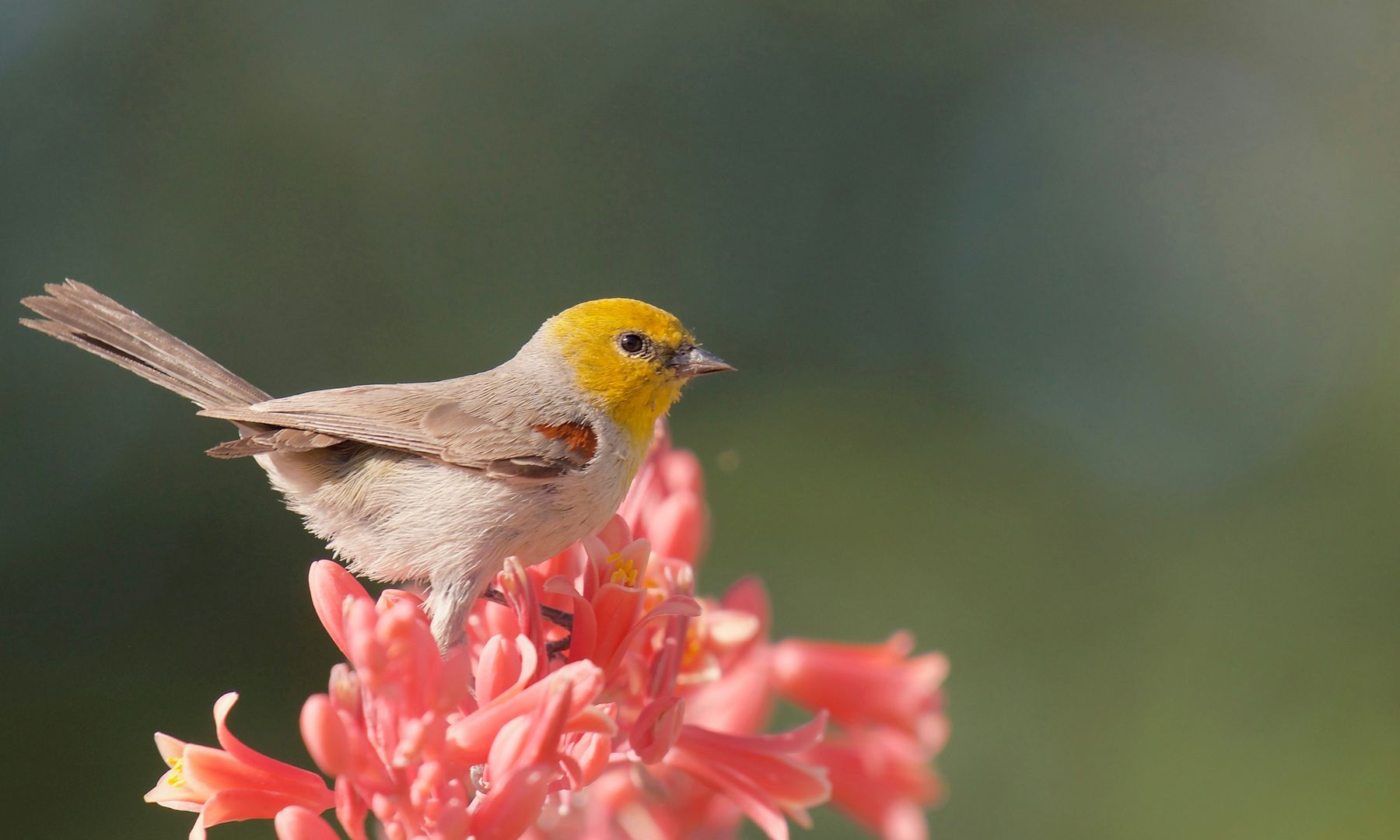
Red Rock Audubon - Las Vegas / Clark County
The chapter for southern Nevada and the Mojave. Field trips are organized for beginner, intermediate and advanced levels. The chapter has led public bird walks at sites including Spring Mountain Ranch State Park, where the state parks listing showed a $10 registration that included park entry.
Membership is $30 a year and stays in southern Nevada. Their places to bird page is an accessibility-aware guide to a dozen Clark County sites, noting which have paved wheelchair-accessible paths and which require a full tank of gas.
The site was posting a monthly birding forecast as of July 2026. Event details live on a calendar rather than a fixed schedule, so check before planning around a date.
Henderson Bird Viewing Preserve - Henderson / Clark County
Not a club, but the closest thing southern Nevada has to a permanent beginner outing. The City of Henderson runs 140 acres of ponds and five miles of trails inside a working water reclamation facility, free to enter, with free loaner binoculars and a three-quarter-mile paved accessible path.
Guided walking tours are $15 per group of up to 20; weekend cart tours are $2 per person. Hours are 7am to 2pm daily, 6am to noon June through August, last entry 30 minutes before closing. No pets.
Clark County Wetlands Park - Las Vegas / Clark County
A free county park with a 210-acre nature preserve, five trailheads and walks led by certified interpretive guides. Trails open dawn to dusk; the Nature Center is open Tuesday through Sunday, 9am to 3pm. Check the alerts first: the Nature Preserve Boardwalk and West Pond Pass trail were both closed at the most recent park notice.
Bird Watching Groups in Reno-Tahoe and Western Nevada
Northwest Nevada Bird Alliance (formerly Lahontan Audubon Society) - Reno / Washoe County
The chapter for northwestern Nevada, and the most active club in the state by volume of outings. Note the name: the organization is mid-rename, and its new site identifies it as Northwest Nevada Bird Alliance while its older site still leads with Lahontan Audubon Society. National Audubon's directory already lists the new name.
Most activities are free and open to the public. But field trips require advance registration to get the meeting location, and they fill quickly, with members notified first. The autumn 2026 schedule listed roughly weekly trips to Rancho San Rafael Park, Mayberry Park, Swan Lake, Damonte Ranch Wetlands and the Carson River.
Member meetings are the fourth Tuesday of most months at Moana Nursery Landscape Center on West Moana Lane in Reno, doors at 6:30pm and the talk at 7:00pm, with breaks in summer and December.
Tahoe Institute for Natural Science (TINS) - Incline Village / Washoe County
A Nevada-based natural science nonprofit running free public bird walks around the Tahoe basin, including a summer series at the Village Green in Incline Village and walks at Upper Truckee Marsh and Donner Lake. Some ask for registration. The wider calendar mixes in botany hikes and youth camps that do carry fees.
Bird Watching Groups in the Carson Valley
There's no bird club headquartered in the Carson Valley. What there is instead is a steady stream of Northwest Nevada Bird Alliance field trips into the valley, including the Carson River and Silver Saddle Ranch, plus one preserve good enough to anchor a morning.
River Fork Ranch Preserve (The Nature Conservancy) - Genoa / Douglas County
805 acres where the east and west forks of the Carson River meet, managed by The Nature Conservancy and open dawn to dusk, year round, at no charge. Bald eagles and sandhill cranes are the headline birds, and the Whit Hall Interpretive Center is the education hub.
Dogs, vehicles, camping and hunting are all prohibited, so leave the dog at home rather than finding out at the gate.
Bird Watching Groups in Elko and Northeastern Nevada
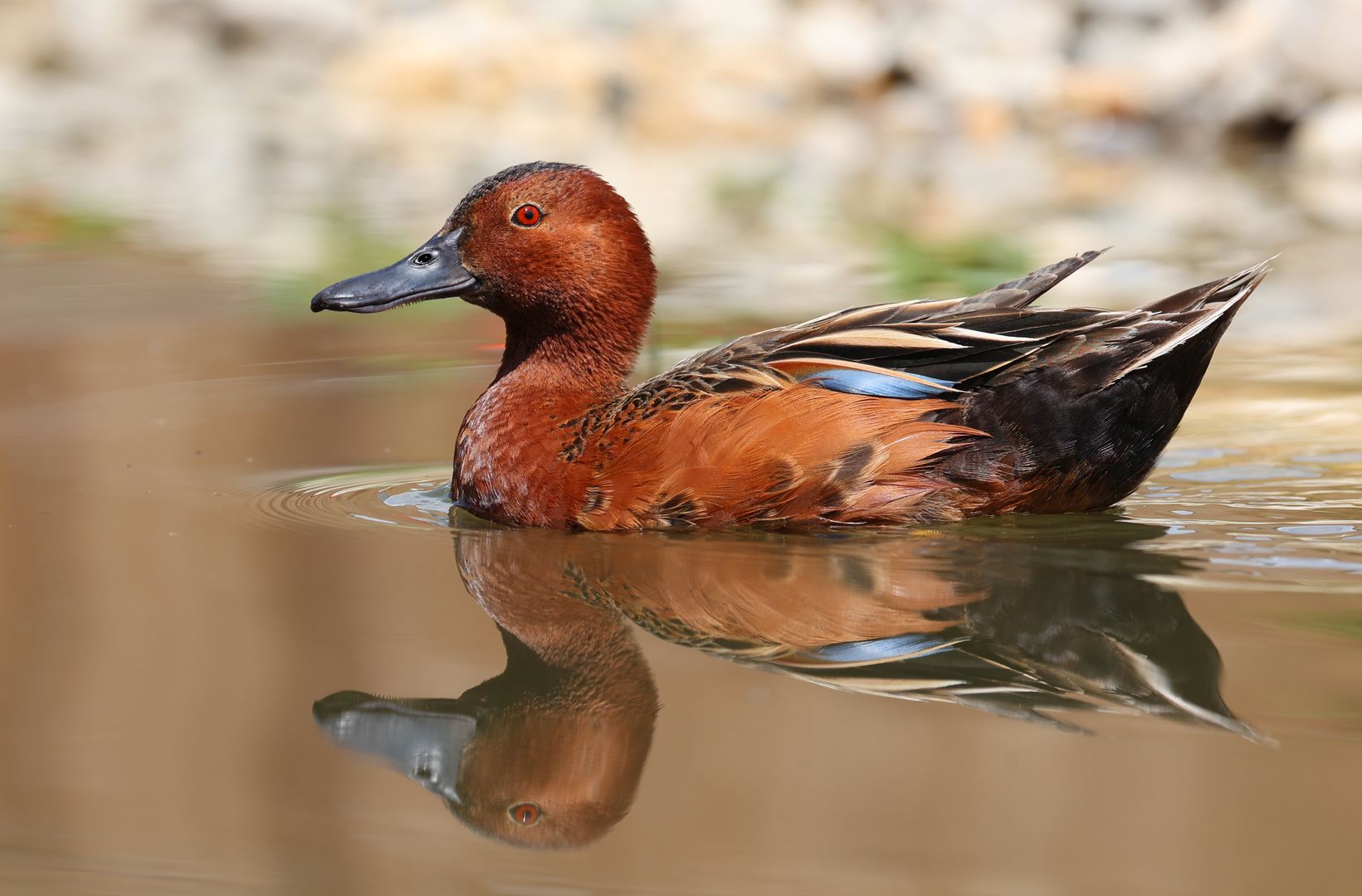
Bristlecone Audubon - Elko / Elko County
The Audubon chapter for northeastern Nevada, and the one that needs a caveat. National Audubon lists Bristlecone as an active Elko chapter, and it is: GBBO gave a free public talk to the chapter in March 2025 at the NDOW office at 60 Youth Center Road in Elko, and NDOW has co-hosted the Elko Christmas Bird Count with Bristlecone.
The problem is the website above, which still shows an event calendar from 2011. Treat it as a contact page, not a schedule, and confirm meetings through NDOW's Elko office or GBBO before you drive.
Bird Watching Groups in Central Nevada and the Great Basin
This is the part where padding would be easy and dishonest. Central Nevada has no bird club. The nearest organized birding to Ely, Eureka, Tonopah or Austin is Bristlecone Audubon in Elko or a GBBO project you can volunteer on.
Instead there's Great Basin National Park and a great many mountain ranges that function as islands. Bird it solo, submit your checklists, and know that in most of these ranges your data is genuinely new.
Other Ornithology and Research Groups in Nevada
Pinyon Jay Community Science Hub - Statewide
GBBO's community science project for Pinyon Jays, which have declined sharply across the Great Basin, running alongside pinyon pine cone productivity assessments. This is the rare project where a birder in Nye or White Pine County can contribute data nobody else is collecting.
Sparkbird App - Community
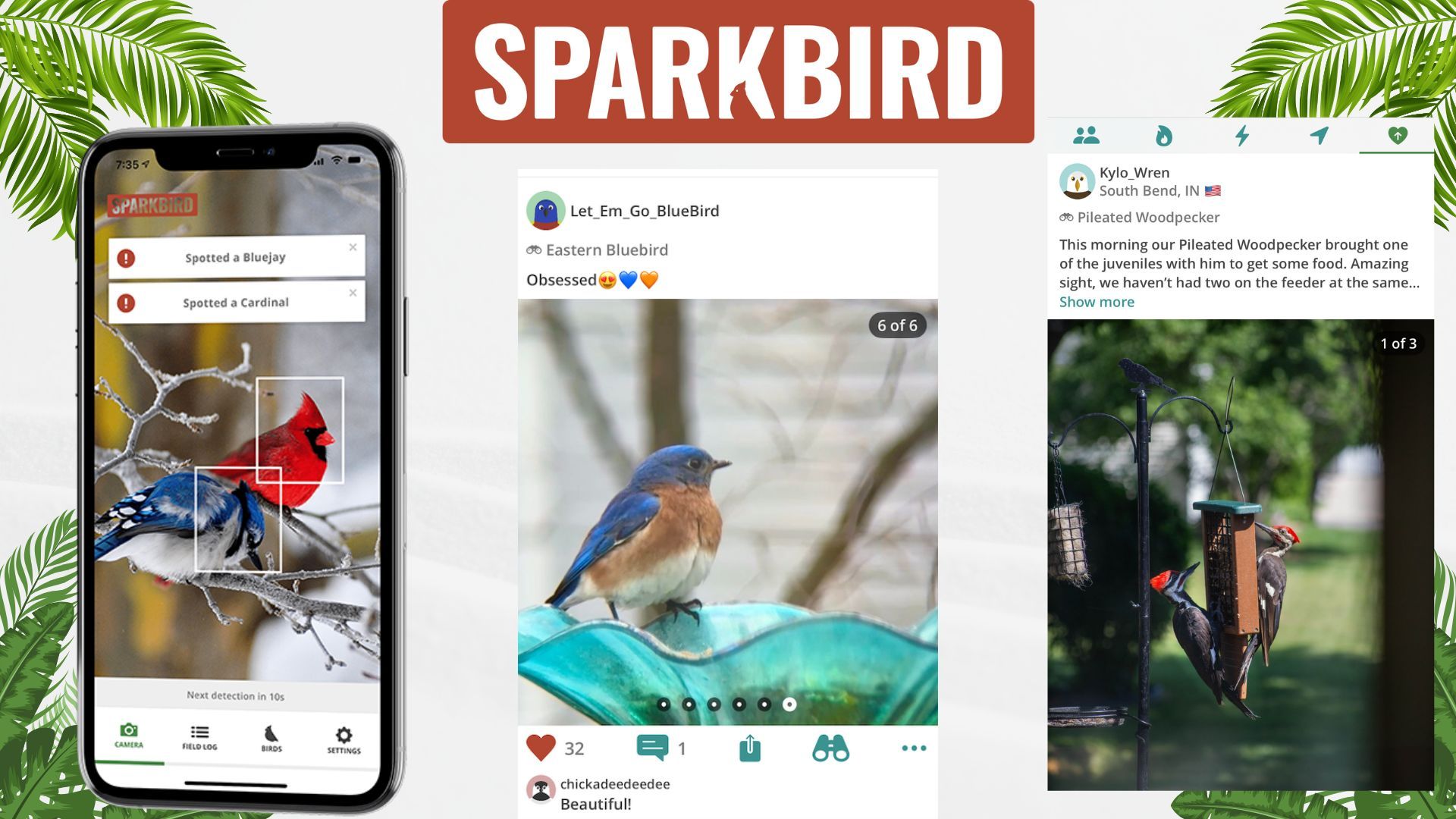
We built Sparkbird for people who want a friendly community of fellow birders. Track your life list, get help with identification, and meet people who also pull over on US-50 for a bird. It's like Instagram for bird watchers, without the shady algorithms.
Where to Go Birding in Nevada
Access is the thing to get right here. Several of these sites sit at the end of long gravel roads, refuge auto tours close seasonally, and summer heat in the south is a safety issue rather than a comfort one.
- Stillwater National Wildlife Refuge (Churchill County) — The Lahontan Valley wetlands, 17 miles northeast of Fallon, and the biggest thing in Nevada birding. Over 250 species across 81,322 acres, recognized as a site of hemispheric importance by the Western Hemisphere Shorebird Reserve Network for its American Avocets, Long-billed Dowitchers, tundra swans and canvasbacks. The marsh nearly dried out as Newlands Project irrigation took the water, and Public Law 101-618 in 1990 renamed the refuge and created the water-rights acquisition program that keeps it wet. Entry is free, headquarters is open weekdays 8am to 4:30pm, and the auto tour route includes a pavilion, the Duff's Pond boardwalk and the Paiute Path. Stillwater Road turns to dirt after about 12 miles and the service roads are unpaved, so bring a vehicle you trust.
- Ruby Lake National Wildlife Refuge (Elko County) — 40,048 acres of spring-fed marsh at 6,000 feet under the wall of the Ruby Mountains. Open every day of the year, one hour before sunrise to one hour after sunset, and free. Getting there means 13 to 30 miles of gravel road from any direction, and Harrison Pass is not maintained in winter, so use Secret Pass in bad weather. Long Dike Road, the auto tour route, is closed to vehicles to protect breeding waterfowl. Call 775-779-2237 for road conditions from November through May, and note that "Ruby Valley Road" does not work as a GPS destination.
- Great Basin National Park (White Pine County) — 77,180 acres above the town of Baker, and one of the very few national parks with no entrance fee at all. Five life zones stack from sagebrush at 6,800 feet to Wheeler Peak at 13,063 feet: Golden Eagles and Western Meadowlarks low down, Red-naped Sapsuckers and Mountain Chickadees along Lehman Creek, Clark's Nutcrackers up high, rosy-finches and Rock Wrens near the glacier. The Wheeler Peak Scenic Drive climbs past 10,000 feet in 12 miles, closes at Upper Lehman Campground for winter and typically reopens by Memorial Day, and bars vehicles over 24 feet past mile marker 3. Lehman Caves tours and camping do cost money, and the park is cashless.
- Henderson Bird Viewing Preserve (Clark County) — Nine ponds and five miles of trail inside Henderson's water reclamation facility, 20 minutes from the Strip, and free. Open 7am to 2pm daily, 6am to noon June through August, last entry 30 minutes before close. Free loaner binoculars at the gate and a paved accessible path. No advance registration for a normal visit; only guided tours and classroom groups need booking.
- Desert National Wildlife Refuge at Corn Creek (Clark County) — The largest wildlife refuge outside Alaska, and the one where access most needs reading twice. The Corn Creek visitor center and its spring-fed ponds sit at the end of a paved road half an hour north of Las Vegas, with shade and level dirt paths. Everything beyond Corn Creek is different: Mormon Well Road and Alamo Road need a high-clearance vehicle, the refuge suggests four-wheel drive, and sections close without much notice. Summer temperatures exceed 120 degrees and flash floods are a year-round risk. No fee, but visitor center hours are seasonal, so call 702-879-6110 first.
- Lake Mead National Recreation Area (Clark County) — More than 240 species recorded, thanks to a north-south migration corridor meeting a very large amount of water in a very dry place. Bald eagles, peregrines and burrowing owls are the marquee birds. Entry is $25 per private vehicle valid one to seven days, or $45 for the annual pass, and the park has been cashless since January 2024. Boats need a separate vessel pass.
- Spring Mountains National Recreation Area (Clark County) — Mount Charleston,. The range runs from 3,000 feet of creosote and Mojave yucca to 11,918 feet at Charleston Peak, passing pinyon-juniper, ponderosa, white fir and ancient bristlecone pine, so you can leave the Las Vegas valley in shorts and be in subalpine forest inside an hour. Most sites are open year round as conditions allow, but individual trailheads close: Mary Jane Falls and Upper Bristlecone were both closed at last check, and fire restrictions come and go. There is no gas on the mountain.
If you'd rather start from the window while you wait for the heat to break, our guide to hummingbird plants for Nevada covers what actually survives a Nevada summer and still pulls in birds.
 How to Find Birding Hotspots Near YouLearn how to leverage eBird, local clubs, and one underrated trick: the best spot is usually closer than you think(opens in a new tab)
Nevada Bird Books and Field Guides
A national guide gets you most of the way here, but Nevada's mix of Great Basin, Mojave and Sierra species rewards something regional.
Birds of Nevada Field Guide
Stan Tekiela's Nevada volume, organized by color, which is the right system for a beginner who has just seen a blue bird and has no idea where to start. Nevada species only, so nothing on the page is a red herring.

Birds of the Great Basin: A Natural History
Fred A. Ryser's natural history from the University of Nevada Press. Not a field guide and not portable, but it's the standard reference for how Great Basin birds actually live, and nothing since has replaced it.

Birds of the Great Basin: A Natural History (Max C. Fleishmann Series in Great Basin)
University of Nevada Press
Birds of Nevada (folding pocket guide)
Greg Homel's six-fold laminated guide from Quick Reference Publishing, covering 130 common and notable Nevada species. Waterproof and pocket-sized. The one to keep in the glovebox for days you told yourself you weren't going birding.

The Sibley Field Guide to Birds of Western North America, Second Edition
The best portable guide to western birds, and the one most Nevada trip leaders keep in a vest pocket. Northwest Nevada Bird Alliance also sells its own regional site guide, "A Birding Guide to Reno and Beyond," through the chapter's store, worth asking about if you bird the Truckee Meadows regularly.

Nevada Bird Rescue and Rehabilitation
Always call first. Nevada has very few licensed rehabilitators, intake capacity is limited, and several are permitted for some birds but explicitly not for eagles, hawks or owls.
1) Nevada Department of Wildlife list of licensed wildlife rehabilitators
The official state list, updated annually, giving each permit holder's name, city, phone and the species they are licensed to accept. Start here. It's a PDF rather than a searchable directory, and short enough to read in a minute.
2) Wild Wing Project and Nevada Eagle Rescue - Las Vegas / Clark County
Joe Krathwohl's Las Vegas operation, licensed for reptiles, amphibians, mammals and birds, with an emergency service for bald and golden eagles and for ravens in Clark County. Call or text 702-896-4274.
3) Dayton Valley Wildlife Reststop - Dayton / Lyon County
Evelyn Pickles' licensed facility northeast of Carson City, taking reptiles, amphibians, mammals and birds. Intake runs from orphaned ducklings to Golden Eagles, Great Horned Owls, Red-tailed Hawks, kestrels, grebes, egrets and cranes. Still posting active cases in 2026. Reach her at 775-246-0470.
4) FlyAway Bird Rescue - Silver Springs / Lyon County
Suzette Feilen is licensed for birds and accepts everything from finches to raptors, at 775-515-9832. The link above is the Reno chapter's injured-bird page, which also lists Dayton Valley and, for the Tahoe basin, Lake Tahoe Wildlife Care at 530-577-2273. The chapter itself doesn't accept injured birds.
5) Southern Nevada, additional permit holders
The Nevada state list of rehabilitators also shows Rehab Lab of Southern Nevada, licensed for birds other than eagles, hawks or owls, and a Las Vegas rehabilitator permitted for hummingbirds. Neither has a public website, so take the phone numbers from the NDOW list instead of a search engine.
Frequently Asked Questions
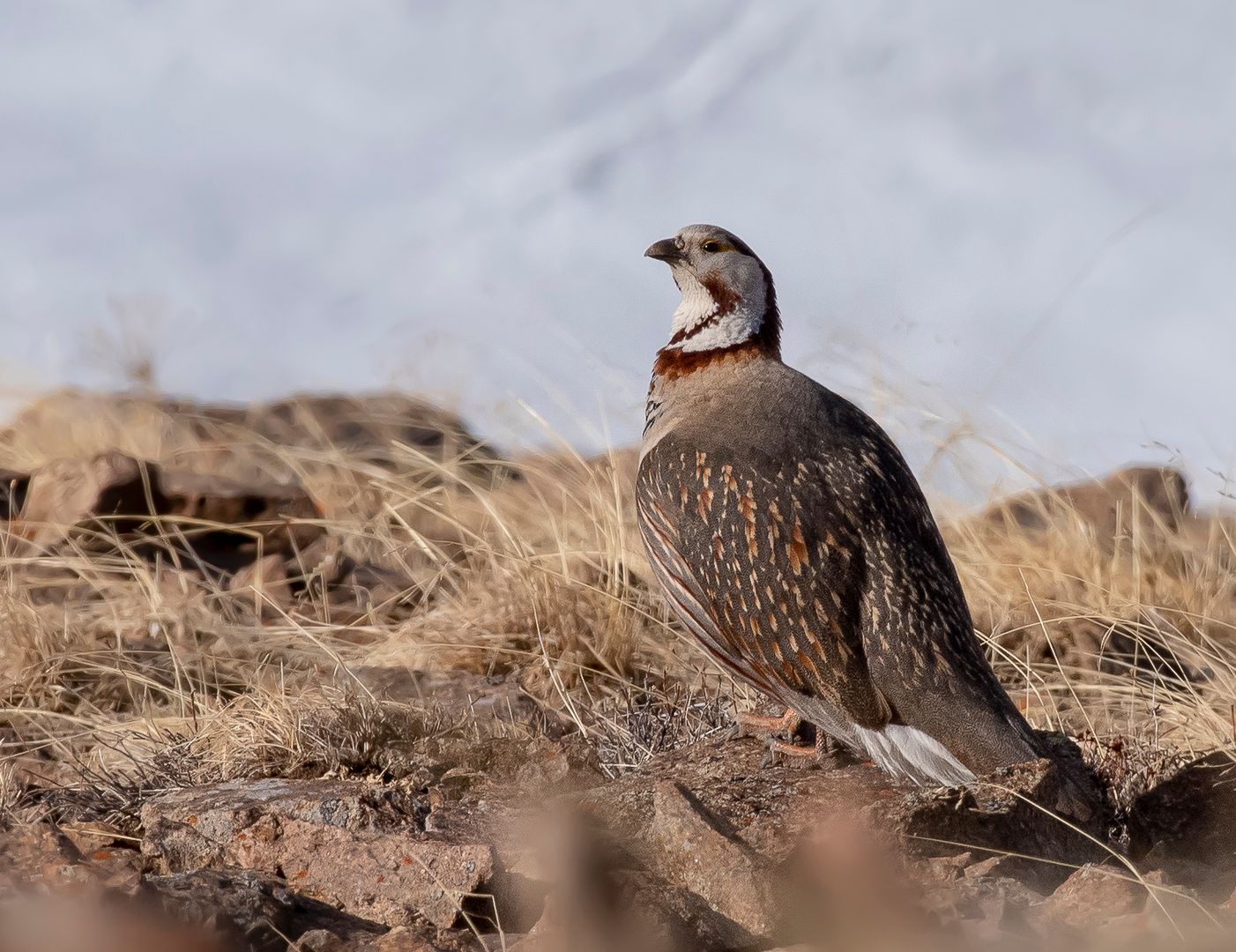
Can you actually see a Himalayan Snowcock in Nevada?
You can, and most people never do. The birds were introduced to the Ruby Mountains in 1963, and this is the only place in North America they occur. They live above treeline along the Ruby Crest National Recreation Trail, a strenuous 38-mile route out of Lamoille Canyon.
Is Nevada actually good for bird watching?
Yes. Being the driest state means teh wetlands and mountain ranges have a dense concentration of birds. Stillwater is a shorebird reserve of hemispheric importance, and the Ruby Mountains hold the only Himalayan Snowcock population in North America.
Where can you go bird watching near Las Vegas?
Henderson Bird Viewing Preserve is the easy answer: free, 20 minutes from the Strip, nine ponds, loaner binoculars at the gate. Clark County Wetlands Park is also free and has a nature center with guided walks. For a bigger day, Corn Creek at Desert National Wildlife Refuge is a paved half-hour drive north.
When is the best time of year for birding in Nevada?
Spring and fall. April and May bring migration through the Lahontan Valle. August to October brings shorebirds and raptors back. Summer in southern Nevada is a hazard.
Got a Nevada birding group to recommend?
Three clubs is a short list, and it should be longer. If you run a group we missed, or you're thinking about starting one in Ely or Winnemucca, tell us in the comments or on the Sparkbird App.
- Related: How to Use the Sparkbird App

No comments yet.