
North Carolina has around 20 active bird clubs strung along a state that runs roughly 550 miles from Murphy to Manteo. Every resident has heard that phrase.
Whether you're after Tundra Swans on a Hyde County causeway in January or a Golden-winged Warbler on a Blue Ridge overlook in June, there's a group within reasonable driving distance.
Why Join a Bird Watching Group at All
Solo birding has obvious appeal. A club gives you somebody who knows what came through last Tuesday. North Carolina stacks four birding provinces inside one set of borders, and the knowledge for spruce-fir forest, bottomland, pocosin, and open ocean lives in 4 different people.
Clubs are also the front door to community science. The Christmas Bird Count runs December 14 to January 5 every season.
FYI before you spend money. A decent pair of binoculars for birding runs from about $150 to well past $500.
Cape Fear Bird Observatory asks people to register for some partner walks specifically so there are enough binoculars to hand out. Borrow before you buy.
Statewide Bird Watching Groups in North Carolina
Carolina Bird Club
The Carolina Bird Club covers both North and South Carolina. It's not a North Carolina club with a regional name.
Meetings rotate across both states each winter, spring, and fall, with a small registration fee discounted for members. Dues are $30 individual, $35 family, $15 student, and free for anyone 18 or younger. The fall 2026 weekend is in Hickory; the winter weekend is on the Outer Banks in January.
Audubon North Carolina
Still a state office rather than a folded-in regional one, which is worth checking because state Audubon programs elsewhere have been absorbed upward. It incorporated in 1997, works out of Garner with field offices in Wilmington, Boone, and Corolla, and runs the Donal C. O'Brien Jr. Sanctuary at Pine Island.
It's an advocacy office rather than a walk-leading club, so treat its chapter list as a lead and go to each chapter's own site.
North Carolina Bird Records Committee
A committee of the Carolina Bird Club, maintaining the official state list. Find something unexpected and the club takes rare bird reports through a standing form; the committee's decisions are public.
Christmas Bird Count in the Carolinas
The Carolina Bird Club's count directory lists compilers, contacts, and circle maps for both states. Beginners are paired with an experienced counter, which is the fastest way to learn a winter sparrow.
Bird Watching Groups in the Triangle
Wake Audubon Society - Wake, Johnston, Franklin, and Nash Counties
Around 1,900 members and an all-volunteer board, covering Raleigh and the counties east of it. Everyone's welcome at the monthly meetings, outings, field trips, and conservation projects, members or not. Membership is $20 a year through National Audubon.
New Hope Bird Alliance (formerly New Hope Audubon Society) - Durham, Orange, and Chatham Counties
The Triangle's other chapter, renamed after a membership vote to drop the Audubon name. Meetings fall on the first Thursday of each month except June through August at the North Carolina Botanical Garden's Visitor Education Center in Chapel Hill, with Zoom for some.
Non-members are explicitly welcome, outings suit all skill levels, and there's a no-pet policy. Replace any old bookmark for newhopeaudubon.org.
Chapel Hill Bird Club - Chapel Hill, Durham, Raleigh, Cary, and Pittsboro
Independent rather than an Audubon chapter. Cheap at only $25 a year for an individual or family, $10 for students. Meetings run September through May, skipping December, generally the fourth Monday at 7:30 pm at Binkley Baptist Church on Willow Drive. Field trips run about twice a month.
Bird Watching Groups in Charlotte and the Piedmont
Mecklenburg Audubon Society - Charlotte Metro Area
The main club for the Charlotte region, and a well-run one. Bird walks across the metro from September through May, plus longer trips to places like Pee Dee National Wildlife Refuge.
Walks are free and open to the public. But you must pre-register with the trip leader by 6 pm the day before. Don't assume you're on the list unless the leader replies.
Programs are at the Tyvola Senior Center at 7:15 pm. Local dues are $10 individual, $15 family. The Carolina Raptor Center in Huntersville, open daily 10 am to 4 pm, is the other Mecklenburg stop worth knowing.
Bird Watching Groups in the Triad
Forsyth Audubon - Forsyth County and Winston-Salem
Meetings on the fourth Tuesday, September through May, 6:30 pm social and 7 pm program at the Highland Presbyterian Church activity building on NW Cloverdale Street. All visitors welcome.
Bird walks run the second Saturday and fourth Monday, beginners encouraged, plus a Young Birder walk on the fourth Saturday. There's also a Birds and Beers dinner at River Birch Lodge on the second Tuesday, RSVP required.
T. Gilbert Pearson Audubon Society - Guilford, Randolph, Alamance, and Caswell Counties
The Greensboro chapter, named for the North Carolinian who helped found the National Audubon Society. Membership is $20 a year, including National Audubon membership and the monthly Nature Notes. Programs run September through May alongside nature walks, and the events calendar has carried four a month through 2026.
Piedmont Bird Club - Guilford County
An independent Greensboro-area club with the cheapest membership at $15 for an individual, $20 family, free for full-time students. Activities run late August through early June, and the activity calendar gives location, time, meeting place, and leader. Non-members can ask about any activity without joining.
Bird Watching Groups in the Mountains and the Blue Ridge
Blue Ridge Audubon - Buncombe, Henderson, and surrounding western counties
The Asheville chapter and the most active mountain group. Program meetings, outings, and special events are free and open to members and non-members alike. Monthly outings are at Beaver Lake Bird Sanctuary and Jackson Park, Birds and Bagels at Ridge Junction Overlook, and a Swift Night Out in late September.
If you're looking for the Elisha Mitchell Audubon Society, this is the chapter covering that ground now. The old addresses no longer resolve.
High Country Audubon Society - Boone and Watauga County
Small, consistent, and free, with all events open to everyone. A bird walk at Brookshire Park on the first Saturday of the month, 8 to 10 am, and a weekly Wednesday walk at Valle Crucis Community Park, 9 to 11 am.
Headwaters Bird Alliance (formerly Highlands Plateau Audubon Society) - Highlands, Cashiers, Franklin, and Scaly Mountain
Bird walks are free, open to the public, and welcome all ages. There's a weekly Tuesday morning walks on rotating locations, a Broad-winged Hawk migration watch at Whiteside Mountain in September, and a twilight walk in the Sylva swamp.
Note the rename, and that the old highlandsaudubonsociety.org address still loads but stops in 2017.
Bird Watching Groups in the Coastal Plain
The inner Coastal Plain is the one part of the state without a standing membership bird club, which is odd given that it holds the best winter waterfowl. What it has instead are refuges running their own programs and one unusual bird park.
Sylvan Heights Bird Park - Scotland Neck, Halifax County
A waterfowl park with more than 200 species, open Tuesday through Sunday, 9 am to 5 pm. Admission is $11 adults, $10 seniors 62 and over, $8 children 3 to 12, free under 2. A captive collection rather than a birding site, and the fastest way to learn your ducks before Mattamuskeet in January.
Wings Over Water Wildlife Festival - Six refuges across northeastern North Carolina
Running since 1997, organized with the U.S. Fish and Wildlife Service, the National Park Service, The Nature Conservancy, and Audubon North Carolina. Around 60 birding, paddling, and natural history programs. The 2026 festival runs October 13 to 18, with an Encore weekend December 4 to 6 for the wintering waterfowl.
Bird Watching Groups on the Outer Banks and the Coast
Coastal Wildlife Refuge Society - Manteo and the northeastern refuges
Founded in 1989 to support nine national wildlife refuges in northeastern North Carolina, including Alligator River, Mattamuskeet, Pea Island, and Pocosin Lakes. It runs the refuge gift shops, coordinates volunteers, and organizes Wings Over Water. If you want to be useful on the Outer Banks rather than just look at things, start here.
Seabirding Pelagic Trips - Hatteras and Oregon Inlet, Dare County
The reason birders fly to North Carolina from other continents. Brian Patteson has run Gulf Stream trips off the Outer Banks for decades, and the west wall of the Gulf Stream sits only 20 to 25 miles from Hatteras Inlet. Close enough to turn a day trip into genuine deep water.
Summer 2026 Gulf Stream trips ran July 31 to August 30 from the Oregon Inlet Fishing Center at Nags Head, with fall dates September 12 to October 4. Spring trips sailed from Hatteras Inlet. Trips last 10 to 11 hours and leave at 5:30 or 6 am. Winter trips run late January into February, capped at 16.
Cost is $235 per person per day by card, $220 by check on multi-day bookings, through the registration form. Plan around two things. Popular dates go to a wait list months out, and every trip carries obligatory backup weather dates.
Bird Watching Groups in Wilmington and the Southeast
Cape Fear Audubon - New Hanover, Pender, Brunswick, and Onslow Counties
The Wilmington-area chapter, volunteer-run. All events are free and open to the public, and the chapter asks that you RSVP for outings so trips can be sized properly.
Cape Fear Bird Observatory - Wilmington
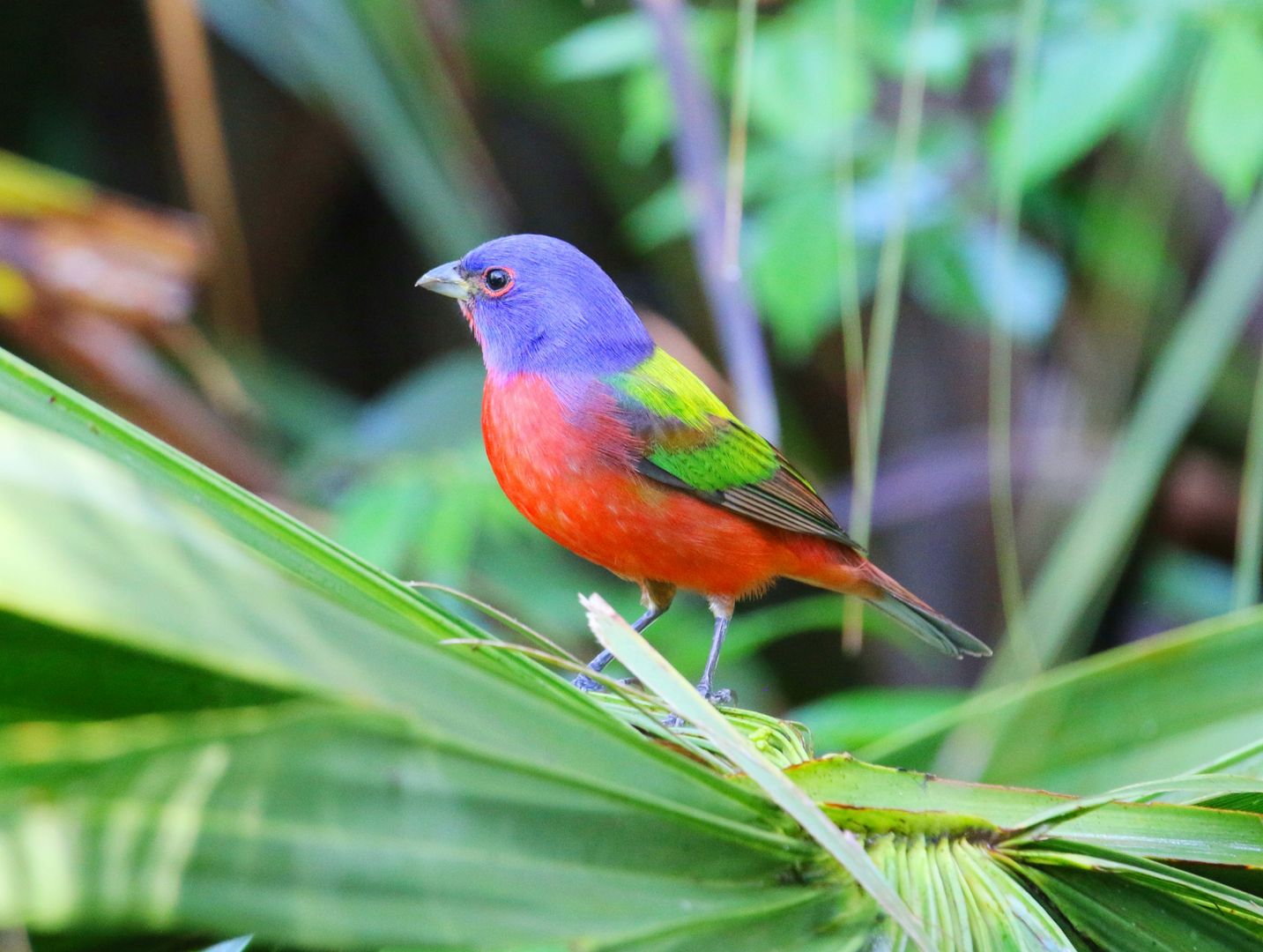
Research, outreach, and education, and far more publicly accessible than most observatories. Painted Bunting banding demonstrations run 7 to 11 am on rotating Saturdays at Carolina Beach and Hammocks Beach State Parks, and the Greenfield Lake family walk runs monthly, 9 to 10 am. Everything is free, no registration.
Other Ornithology Groups in North Carolina
Most of these don't lead walks, but several are more useful than a club.
Birds of North Carolina
The Carolina Bird Club's online compendium of every species recorded in the state, with distribution by province, relative abundance, periods of occurrence, and county maps.
The club also hosts 87 site descriptions prepared for the book Birding North Carolina, edited by Marshall Brooks and Mark Johns, which amounts to a free where-to-go guide for the whole state.
Carolinabirds mailing list
The long-running Carolinas discussion list, hosted at Duke, with more than 1,500 subscribers and archives back to 1999. It works exactly as well as it always did.
North Carolina Bluebird Society
Nest box workshops, county coordinators who'll help you site a box properly, and annual data collection.
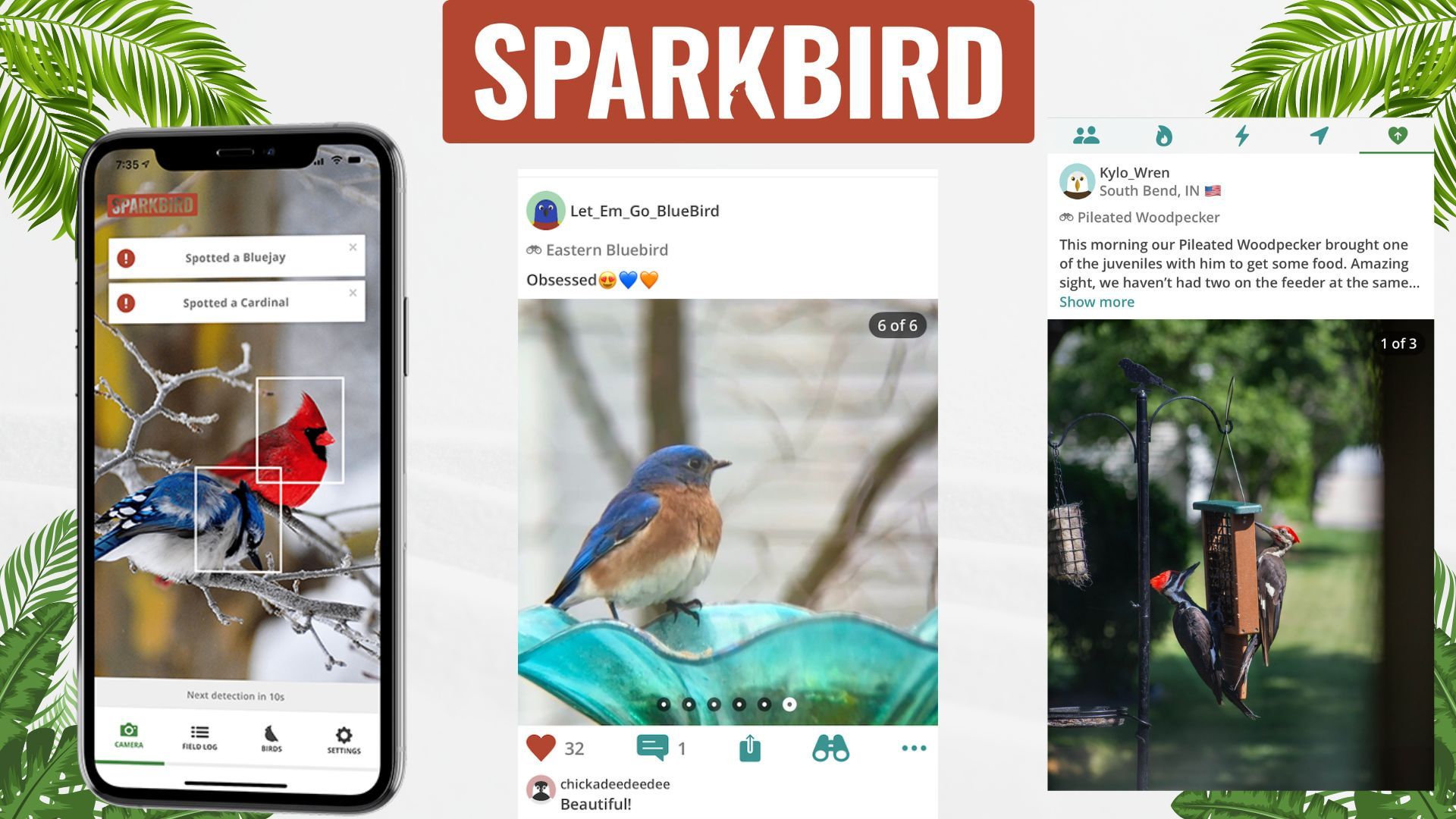
Sparkbird App - Community
We built Sparkbird for people who want a friendly community of fellow birders. Track your life list, get identification help, and meet people who also stop mid-sentence to look at a tree.
Where to Go Birding in North Carolina
A club is the fastest way to local knowledge, but these places reliably produce. Access terms matter more here than in most states, because two of the best sites sit behind weather and one behind a hurricane. Most North Carolina state parks are free to enter; the exceptions are below.
- Pea Island National Wildlife Refuge (Dare County) — On NC 12 four miles south of the Basnight Bridge. No entrance fee. Three trails open year round in daylight, including the half-mile North Pond Wildlife Trail and its tower. The Rodanthe visitor center opens daily, 9 am to 4 pm, and shuts when NC 12 floods. Parts of the refuge close seasonally for nesting shorebirds and turtles.
- Lake Mattamuskeet National Wildlife Refuge (Hyde County) — The largest natural freshwater lake in the state, and its headline waterfowl spectacle. Free. A three-mile Wildlife Drive loops the largest impoundment, with observation platforms, and the NC 94 causeway crosses the lake. Boating is prohibited November 1 to February 28 except for permitted hunters, and some areas close in winter. Nearby, the Pungo Unit of Pocosin Lakes holds more than a hundred thousand ducks, geese, and swans, on 44 miles of unpaved road that turn slick when wet and partly close November through February.
- Alligator River National Wildlife Refuge (Dare County) — Bears in the fields at dusk and one of the only places on earth with wild Red Wolves. Free, half an hour before sunrise to half an hour after sunset. Murphy Peterson Wildlife Drive is the main route; Creef Cut Wildlife Trail is fully accessible. Weather and repairs have temporarily closed several units and roads, and the visitor center runs on volunteer staffing, so call 252-473-1131 first.
- Cape Hatteras National Seashore (Dare and Hyde Counties) — No entrance fee. An off-road vehicle permit is $50 for ten consecutive days or $120 for a year, and most ramps run 6:30 am to 9 pm. Temporary closures protect nesting shorebirds and turtles through summer, with the current conditions page updated constantly. The lighthouse is closed for climbing and unlikely to reopen in 2026. Ocracoke is by ferry. Hatteras runs about 70 minutes with no reservation, while Cedar Island and Swan Quarter take over two hours and both require one through the N.C. Ferry System.
- Mount Mitchell State Park and the Blue Ridge Parkway (Yancey County) — The highest point east of the Mississippi at 6,684 feet, with spruce-fir breeding birds and Peregrine Falcons on the Parkway cliffs. No day-use fee. Gates run 7 am to 6 pm in midwinter and as late as 10 pm in summer. Two warnings. The park is reachable from the Asheville side of the Parkway only, with no gas between city and summit. And the Parkway still carries long Hurricane Helene closures, including a continuous stretch from Little Switzerland to the Mount Mitchell spur, plus winter ice closures. Check the Parkway road closure map the morning you go.
- Jordan Lake State Recreation Area (Chatham County) — One of the largest summer Bald Eagle concentrations in the state, with an observation platform built for it. Day-use hours run 8 am to 6, 8, or 9 pm by season. One of the few North Carolina parks that charges: $10 per vehicle, $5 with a senior 62 or over or a service member aboard, on weekends and holidays in April, May, and September and daily from Memorial Day to Labor Day.
- Fort Fisher State Recreation Area and Masonboro Island (New Hanover County) — Fort Fisher has a salt marsh trail and observation deck over Zeke's Island, and is the only park in the system allowing four-wheel-drive beach access. Walking on is free; driving on costs $30 per day Monday to Friday, $40 at weekends, or $200 a year. Masonboro Island Reserve just north is boat-only and free, from ramps at Wrightsville Beach, Carolina Beach, or Trails End Park, with nesting oystercatchers, skimmers, and terns.
If you'd rather start from your own yard, our guide to hummingbird plants for North Carolina covers what actually works across the state's three growing regions.
North Carolina Bird Books and Field Guides
There's no current printed site guide to the whole state, which is why the Carolina Bird Club's free site descriptions do so much work. For identification, these four.
Birds of the Carolinas Field Guide
Stan Tekiela's guide, 384 pages, organized by color rather than taxonomy. See a yellow bird, turn to the yellow section. Covers both Carolinas, which suits birds that don't check the state line.

Birds of the Carolinas Field Guide (Bird Identification Guides)
Adventure Publications
Kids' Guide to Birds of the Carolinas
Also Tekiela, 240 pages, 86 species, with activities. The right thing to hand a child on the drive to Mattamuskeet.
Birds of the Carolinas Field Guide (Bird Identification Guides)
Adventure Publications
The Sibley Field Guide to Birds of Eastern North America
Second edition, and the guide most North Carolina trip leaders keep in a pocket.

The Sibley Field Guide to Birds of Eastern North America: Second Edition (Sibley Guides)
Knopf
Peterson Field Guide to Birds of Eastern and Central North America
Seventh edition. Peterson's arrows pointing at field marks remain one of the best teaching devices anyone has invented for this.
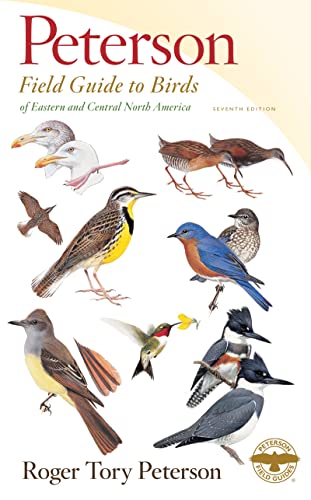
Peterson Field Guide To Birds Of Eastern & Central North America, Seventh Ed.: The Classic Birdwatching Guide with Updated Range Maps
Mariner
North Carolina Bird Rescue and Rehabilitation
Always call first. Intake capacity changes daily, and some centers take only raptors while others take none.
N.C. Wildlife Resources Commission rehabilitator locator
The official interactive map of licensed rehabilitators, searchable by area. Start here. They're the only people who may legally hold and care for wild birds in North Carolina.
N.C. Wildlife Helpline
866-318-2401, Monday to Friday, 8 am to 5 pm; outside those hours the Wildlife Enforcement Division line is 800-662-7137. Read the Commission's advice first-- a bird that's injured but moving on its own often does better left alone.
Carolina Raptor Center - Huntersville, Mecklenburg County
Birds of prey. The raptor hospital is open daily, 8 am to 5 pm, and the injured bird line is 704-875-6521 extension 125.
Carolina Waterfowl Rescue - Indian Trail, Union County
Waterfowl and birds generally, open daily 8 am to 6 pm, though not for public tours. The line for injured or baby birds is 704-286-6330, and takes texts.
Appalachian Wildlife Refuge - Candler, Buncombe County
The western North Carolina intake point, taking birds and hawks alongside turtles, fawns, and small mammals. Helpline 828-633-6364.
Possumwood Acres Wildlife Sanctuary - Hubert, Onslow County
Songbirds, waterfowl, raptors, and shorebirds, 9 am to 6 pm daily on 910-326-6432. Admissions continue but the site is closed to casual visitors.
Frequently Asked Questions
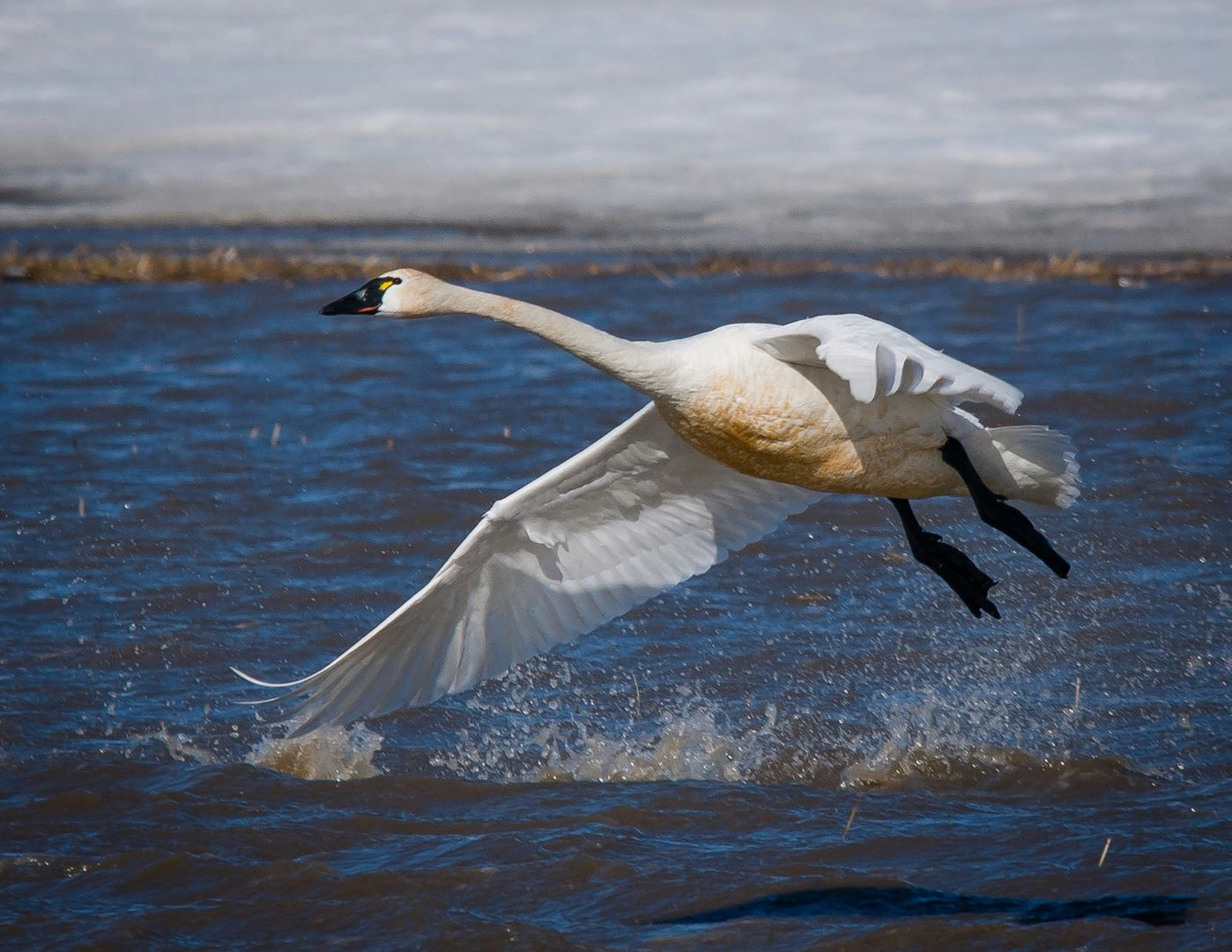
When can you see Tundra Swans at Lake Mattamuskeet?
Fall and winter, which is why people drive to Hyde County in January. The U.S. Fish and Wildlife Service describes the refuge's swan, goose, and duck concentrations as a fall and winter event, and the birds stay until they head north in late winter. Work the three-mile Wildlife Drive or the NC 94 causeway early.
How do you book a Hatteras pelagic birding trip?
Through Seabirding's online registration form, and earlier than you think. Brian Patteson's operation runs the Gulf Stream and winter trips at $235 per person per day. You register, wait for a reply confirming space, then pay. Popular summer dates go to a wait list, so build slack into your travel.
Where can you see the Cape Hatteras shorebirds?
Along the open beaches and inlets of Cape Hatteras National Seashore, where Least, Common, and Gull-billed Terns, Black Skimmers, American Oystercatchers, and Piping Plovers nest, at no charge. The catch is that the best stretches are the ones the Park Service closes to protect nests through summer. Check current conditions first, and bring a scope.
Are there beginner-friendly bird watching groups in North Carolina?
Several go out of their way about it. Forsyth Audubon encourages beginners on its second Saturday and fourth Monday walks, and runs a separate Young Birder walk. Cape Fear Bird Observatory's Greenfield Lake family walks need no registration. Everyone in the group has misidentified a starling.
Got a North Carolina birding group to recommend?
Clubs start and rename themselves constantly. If we've missed yours, or listed you under a name you retired, tell us in the comments or through the Sparkbird App.
- Related: How to Use the Sparkbird App

No comments yet.