
North Dakota has one statewide birding society, one National Audubon Society chapter, and one local bird club with a website you can actually load. That's it.
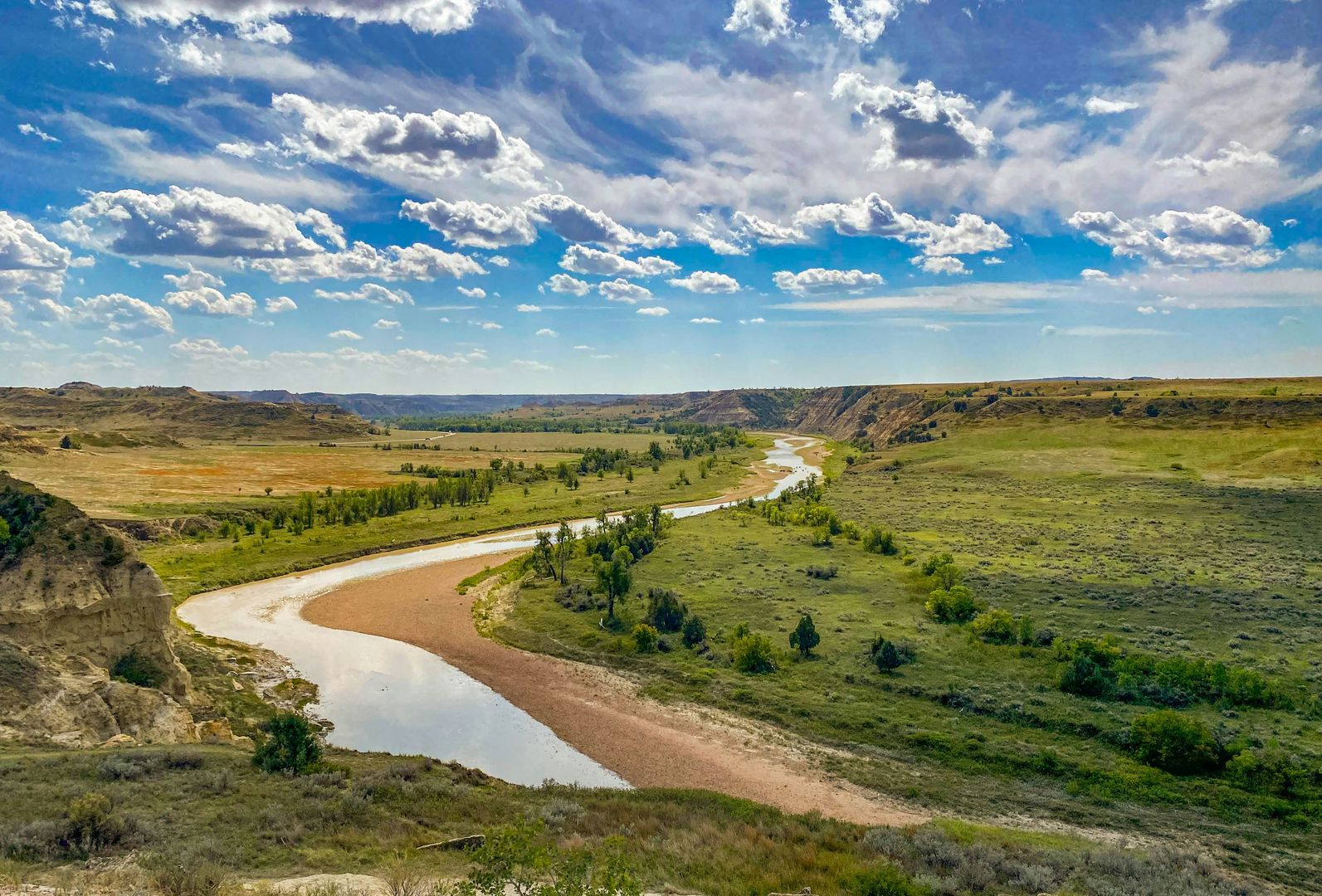
But it's one of the best places to bird on the continent. The Prairie Pothole Joint Venture calls the pothole country the most important region for breeding waterfowl in North America. Almost none of it costs anything, and every refuge named below is free.
If you want a Saturday morning walk with strangers, Fargo has one. Everything else here is a solo sport.
Why Join a Bird Watching Group at All
Solo birding has real advantages. A group gives you somebody who already knows where the birds are this week. In North Dakota that knowledge is unusually specific. It's not "the prairie." It's which mile of which township road had a dancing ground on it in April, and whether the last rain turned that road into mud. Groups are also the front door to community science. The Christmas Bird Count runs December 14 to January 5 every season.
FYI before you spend money. A decent pair of binoculars for birding runs from about $150 to well past $500. There's no reason to make that call in your first month.
The Fargo Birding Festival puts out a limited number of loaner binoculars every May, and the free monthly Larks walk is built for people who own nothing. Borrow before you buy.
Statewide Bird Watching Groups in North Dakota
North Dakota Birding Society
The closest thing the state has to an ornithological society. It maintains an illustrated state checklist with nesting notes, a guide to finding North Dakota specialties, a sightings-reporting system and photo galleries, and it administers the state records committee.
Treat it as a reference work rather than an events board. Both the news panel and the events calendar are currently empty.
Audubon Great Plains (formerly Audubon Dakota)
The National Audubon Society's regional office for North Dakota, South Dakota and Nebraska. The Audubon Dakota name is retired and its old links now redirect here, though a few partner sites still use it.
In North Dakota it runs Conservation Ranching with grassland ranchers, the Urban Woods and Prairies Initiative, the Edward M. Brigham III Alkali Lake Sanctuary near Jamestown, and the free monthly Larks walks in Fargo. It's a conservation office rather than a club, but it runs public bird walks on a published schedule.
The Potholes and Prairie Birding Festival no longer runs
Worth saying plainly, because travel sites still list it. The festival based around Carrington and the Chase Lake pothole country was run by Birding Drives Dakota, and that organization's old web address now redirects to a Jamestown tourism page for the self-guided Birding Drives Dakota routes. The routes and the printed guidebooks survive. The festival doesn't.
Bird Watching Groups in Fargo and the Red River Valley
The Larks Birding Group - Fargo / Cass County
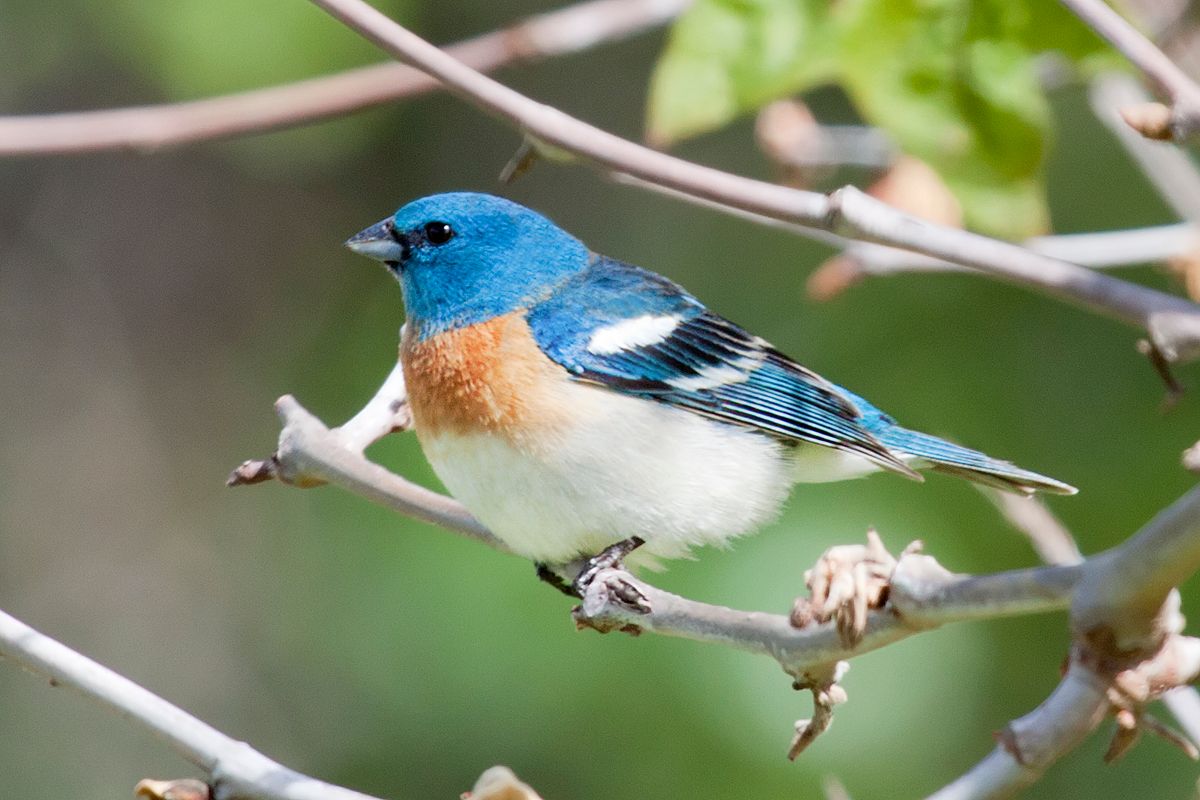
A free, inclusive monthly meetup run by Audubon Great Plains, an hour long and usually starting at 8:30 a.m. It's the only reliably recurring public bird walk in the state. No membership, fee, or registration; you turn up and learn from whoever else did. Dates are posted on Audubon's North Dakota event listing.
Fargo Birding Festival - Fargo / Cass County
A free morning festival at Forest River Nature Park in south Fargo, run by the Fargo Park District with Audubon Great Plains, with guided birding and a limited supply of loaner binoculars.
The 2026 edition ran May 9, 7:00 to 11:00 a.m. It's been going more than 15 years and typically turns up 50-plus species. No registration required.
Fargo-Moorhead Audubon Society - Fargo / Moorhead
The only North Dakota chapter National Audubon still lists, included here for completeness rather than as a recommendation.
Its chapter page now redirects to the regional office's generic get-involved page, we couldn't find a working independent site for it, and the Minnesota Ornithologists' Union club list still points at that same dead page. For a Fargo-area walk with a date attached, use the Larks group above.
Bird Watching Groups in Bismarck-Mandan and the Missouri River
Bismarck-Mandan Bird Club - Bismarck / Burleigh and Morton Counties
Beginners are welcome. It meets the last Monday of each month in the Great River Energy meeting room at 1611 E. Century Avenue in Bismarck, with occasional field trips through the year. No dues or fee are mentioned anywhere on the site.
One caveat. The club's own officer list shows president, vice president and secretary all vacant, and the about page hasn't been updated since 2019. Email is the live contact, and their birding resources page is genuinely useful.
Bird Watching Groups in Grand Forks and the Northeast
There's no bird club in the northeast with a website we could find. The Grand Forks Audubon Society name still circulates, but it isn't on National Audubon's chapter list and has no website of its own, so it isn't listed here as something you can join.
The northeast has two federal properties with staff who you could try to call.
Kellys Slough National Wildlife Refuge - Grand Forks County
The best shorebird site within reach of Grand Forks, with more than 35,000 shorebirds passing through between April and August. Most of it is closed to protect nesting birds.
You bird watch from a designated parking area, kiosk and elevated viewing platform on the eastern boundary, plus the township roads around the edge. Free. No hunting or fishing, no off-road vehicles, no drones.
White Horse Hill National Game Preserve - Benson County
A 994-acre preserve at St. Michael on the shore of Devils Lake, with bison, elk, prairie dogs and more than 214 recorded bird species, including resident Pileated Woodpeckers.
Grounds open daily 8 a.m. to sunset; the small visitor center runs daily June through August, roughly noon to 4 p.m. No fee. Wooded hills in a state with very few of them, and therefore a different bird list from the prairie around it.
Bird Watching Groups in Minot and the North Central
No club here either. The Souris River refuges do the work a club would do elsewhere, and refuge staff are the people who know what's on the water this week.
Upper Souris National Wildlife Refuge - Ward and Renville Counties
18 miles north of Minot on Highway 83, then twelve miles west on County Road 6. The three-mile Prairie-Marsh Scenic Drive is a self-guided route through native prairie hills, brushy coulees and river-bottom marsh, and the fastest introduction to Souris River birding there is.
Read the closure terms first. It closes in winter, closes in muddy conditions, and closes during deer gun season. Five hiking trails from a third of a mile to 2.5 miles, plus two canoe trails. Office open 8 a.m. to 4:30 p.m. weekdays.
Bird Watching Groups in the Badlands and the West
The western third of the state has no bird club at all. It has the Badlands, which is a fair trade.
Dakota Prairie Grasslands - Little Missouri and Sheyenne National Grasslands
The Forest Service manages the Little Missouri National Grassland across the Badlands and the Sheyenne National Grassland in the southeast corner, and its birding page covers both. Nearly 300 species have been reported between them, and Forest Service biologists monitor Sharp-tailed Grouse, Greater Sage-Grouse and Greater Prairie-Chicken leks here.
Read the access rule carefully, because it's the thing to understand about birding the west. Public and private land are interleaved on the same section grid, and without a landowner's permission you keep your birding to public roadways. Supervisor's office in Bismarck, 701-989-7300.
Other Ornithology and Research Groups in North Dakota
North Dakota Bird Records Committee (NDBRC)
Administered through the North Dakota Birding Society, with a chair, secretary, 3 voting members and 2 alternates, all with published phone numbers.
Its review list runs to roughly 200 species and covers not just state firsts but ordinary birds seen wildly out of season. If you find something good here, this is who decides whether it counts.
Prairie Pothole Joint Venture
A partnership of agencies, non-profits and private landowners working on wetland and grassland habitat across the pothole country. Not a club and not somewhere to visit, but the clearest source on why North Dakota birding is what it is. The numbers are blunt: over 70 million acres of grassland already lost, only 20 percent of what remains protected.
Meadowlark Initiative
North Dakota Game and Fish's grassland strategy, run with more than 19 partners. Western Meadowlarks are declining 1.3 percent a year here, 72 percent of the native prairie has been converted and 60 percent of the wetlands are gone. Landowners can enroll; the rest of us can at least read it.
Edward M. Brigham III Alkali Lake Sanctuary - Spiritwood / Stutsman County
Audubon's 2,300-acre sanctuary twelve miles northeast of Jamestown, with native and restored grassland, wetland and riparian woods. Open to the public sunrise to sunset, free, on minimum-maintenance roads and seasonal trails. The buildings are closed and there are no restrooms. Audubon Great Plains runs a family day and a children's camp here in August.
ABA Birding News
The American Birding Association's aggregator for regional listservs and rare bird alerts, filterable by state. With this few birders spread this far apart, an email list still does real work here.
Sparkbird App - Community
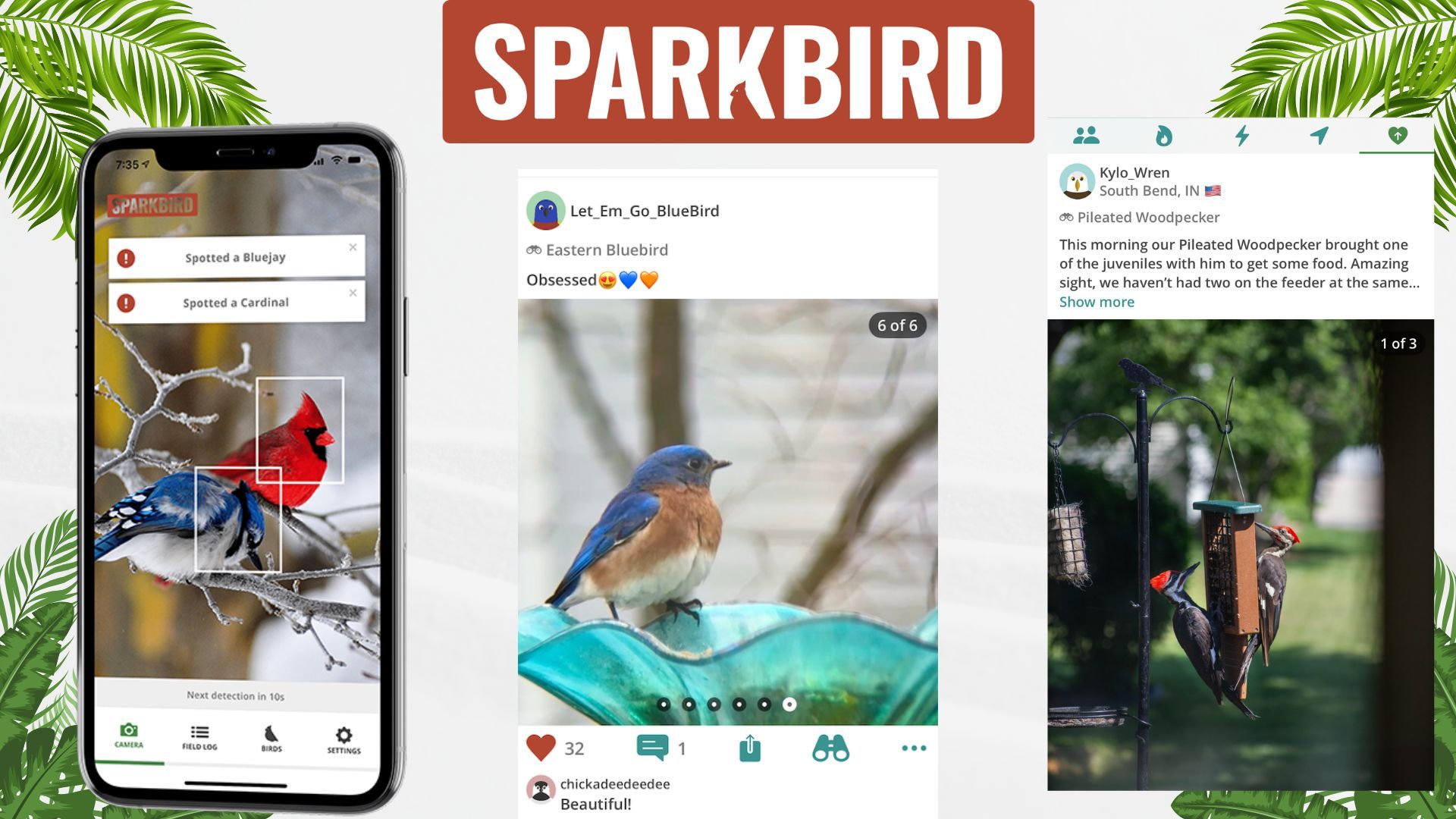
We built Sparkbird for people who want to connect with a friendly community of fellow birders. Track your life list, get help identifying birds, and meet people who also stop mid-conversation to look at a tree. It's like Instagram but for bird watchers, and without the shady algorithms.
Where to Go Birding in North Dakota
This is the section that matters here. A few things apply to nearly every entry. Refuges in North Dakota are free. Auto tour routes and refuge roads are gravel or bare prairie trail and can go impassable after rain, and several close seasonally for nesting, hunting or snow.
Much of the grassland birding is done by stopping on township section roads and listening. Pull fully off the roadway, don't block a field approach, and don't step past the fence line.
- Lostwood National Wildlife Refuge (Burke County) — One of the largest publicly owned tracts of northern mixed-grass prairie in the country and a Globally Important Bird Area. The classic destination for Baird's Sparrow, Sprague's Pipit and Chestnut-collared Longspur. Free. Auto tour route plus the 7.5-mile Prairie Hiking Trail, gravel and grass, open May 1 until the grouse season opener. Refuge office at 8315 Highway 8 near Kenmare, 701-848-2722.
- Des Lacs National Wildlife Refuge (Ward County) — 10,500 acres of river, lakes and managed wetland running north from Kenmare, about 50 miles northwest of Minot. Five grebe species, Western Grebe courtship in spring, American White Pelicans in summer. Free. Small visitor center with an observation deck, the 7.5-mile Canada Goose Nature Trail, and the 1.25-mile Munch's Coulee trail, wheelchair accessible for its first quarter-mile.
- J. Clark Salyer National Wildlife Refuge (McHenry and Bottineau Counties) — The big Souris River marsh, two miles north of Upham off Highway 14. Open daily 5:00 a.m. to 10:00 p.m., free. There's no formal auto tour loop. You stay on designated public roads, and you don't drive around a gate. The Souris River Canoe Trail is the standout, either 5.5 miles or 13 miles, with markers at each mile.
- Arrowwood National Wildlife Refuge (Stutsman and Foster Counties) — About 16,000 acres along fourteen miles of the James River valley, 30 miles north of Jamestown at Pingree, with more than 250 species recorded. Mixed-grass prairie plus four lakes and a marsh, which is why the list runs from waterfowl and shorebirds through Sharp-tailed Grouse. Free. Grounds open 90 minutes before sunrise to 90 minutes after sunset.
- Chase Lake National Wildlife Refuge (Stutsman County) — 4,385 acres, all but 230 of them designated Wilderness, holding one of the largest American White Pelican colonies in North America. The colony is still there and still enormous, but the count swings hard year to year, roughly 4,000 to 35,000 birds. The nesting island is closed and you watch from surrounding county and township roads. Free. Check conditions first: refuge roads go impassable in bad weather, and the Chase Lake Pass road has been closed for unsafe conditions. Wetland Management District, 701-752-4218.
- Theodore Roosevelt National Park (Billings and McKenzie Counties) — More than 185 species across the Badlands units, with Golden Eagles and Wild Turkeys resident and a completely different bird list from the pothole country three hours east. The one place in this directory with a real entrance fee: $30 per private vehicle for seven days, $25 per motorcycle, $15 per person on foot or bicycle, $55 for an annual pass. The park is cashless, so bring a card.
- Long Lake National Wildlife Refuge (Burleigh County) — Three miles southeast of Moffit, and one of the state's better late-summer shorebird sites once the mudflats are exposed. Sandhill Cranes in autumn, Sharp-tailed Grouse and Snowy Owls in winter, Whooping Cranes occasionally on migration. Free, sunrise to sunset. The Butte Overlook a mile north and a mile east of Moffit gives the panoramic view, and there's a one-mile two-track walking trail. At least one township road on the refuge is currently closed, so check before routing around it.
If you'd rather start from your own yard while you wait for June, our guide to plants for hummingbirds in North Dakota covers what actually survives a Northern Plains summer.
North Dakota Bird Books and Field Guides
North Dakota sits on the seam between eastern and western bird books, which is a real problem when choosing a guide. Here's what works.
Birds of the Dakotas Field Guide
Stan Tekiela's second edition, 344 pages, 131 species, organized by color. See a yellow bird, go to the yellow section. The only current guide written for this state's list, and at $16.95 the obvious first purchase.

Birds of the Dakotas Field Guide (Bird Identification Guides)
Adventure Publications
Checklist of North Dakota Birds
Free, from North Dakota Game and Fish, and the official list everyone else cites for this state. A PDF you can print and fold into a pocket. For nesting notes, the North Dakota Birding Society's illustrated checklist covers the same ground online.
The Sibley Guide to Birds
The full second edition rather than the Eastern or Western pocket guides, and here that's the right call. North Dakota straddles the line those regional guides split on, so buying either half means owning a book missing something you'll see. Heavy for a field bag, superb in the truck.

Kaufman Field Guide to Birds of North America
The alternative continental guide, photograph-based and edited for the field rather than the shelf. A good pairing with the Tekiela if the Sibley is more book than you want.
For a site guide, the printed Birding Drives Dakota booklets remain the best thing anyone has produced for finding birds on North Dakota back roads. They're ordered by phone through Jamestown tourism rather than sold online.

Kaufman Field Guide To Birds Of North America: A compact, easy-to-use field guide with official names and range maps for fast bird identification in North America
Mariner
North Dakota Bird Rescue and Rehabilitation
Always call first. Capacity and permits vary, and in this state the honest answer is often that the nearest facility is several hours away.
North Dakota Game and Fish Department
Start here, and know what you're starting with. North Dakota Game and Fish doesn't publish a public directory of licensed wildlife rehabilitators, which puts it in a small minority of states.
Its official guidance is that a young animal that looks abandoned usually isn't, and that an injured wild animal is generally best left where you found it, since taking one is both risky and unlawful. If you're unsure, call the department at 701-328-6300 or your district office or game warden before moving a bird.
Dakota Zoo Raptor Rehabilitation - Bismarck / Burleigh County
The state's best-known bird rehabilitation program, permitted through the U.S. Fish and Wildlife Service and specializing in eagles, hawks and owls. The zoo takes in roughly 30 birds a year and has handled as many as 65, mostly wing injuries from power lines, barbed wire and vehicles, and releases recovered birds including at Theodore Roosevelt National Park.
Raptors only. Call 701-223-7543 before bringing anything to 602 Riverside Park Road, and note their advice that a fledgling on the ground is usually still being fed by its parents.
The Raptor Center - St. Paul, Minnesota
The nearest large raptor hospital to the Red River Valley, at 1920 Fitch Avenue on the University of Minnesota's St. Paul campus. Patients are admitted 8 a.m. to 5 p.m. daily and staff return calls 8 a.m. to 7 p.m. including holidays.
They're explicit that you must speak to staff first. Call 612-624-4745 before the drive.
Wildlife Rehabilitation Center of Minnesota - Roseville, Minnesota
Open every day of the year and treating more than 185 species, which makes it the realistic option for songbirds and waterfowl from the eastern edge of the state. Call before you travel 651-486-9453.
Frequently Asked Questions
When is the best time to see North Dakota's grassland birds?
June. Baird's Sparrow, Sprague's Pipit and Chestnut-collared Longspur are far easier when males are singing on territory, and by late July the singing stops. Cornell notes that Baird's Sparrow usually escapes by running through the grass.
Where can you see a Sharp-tailed Grouse lek in North Dakota?
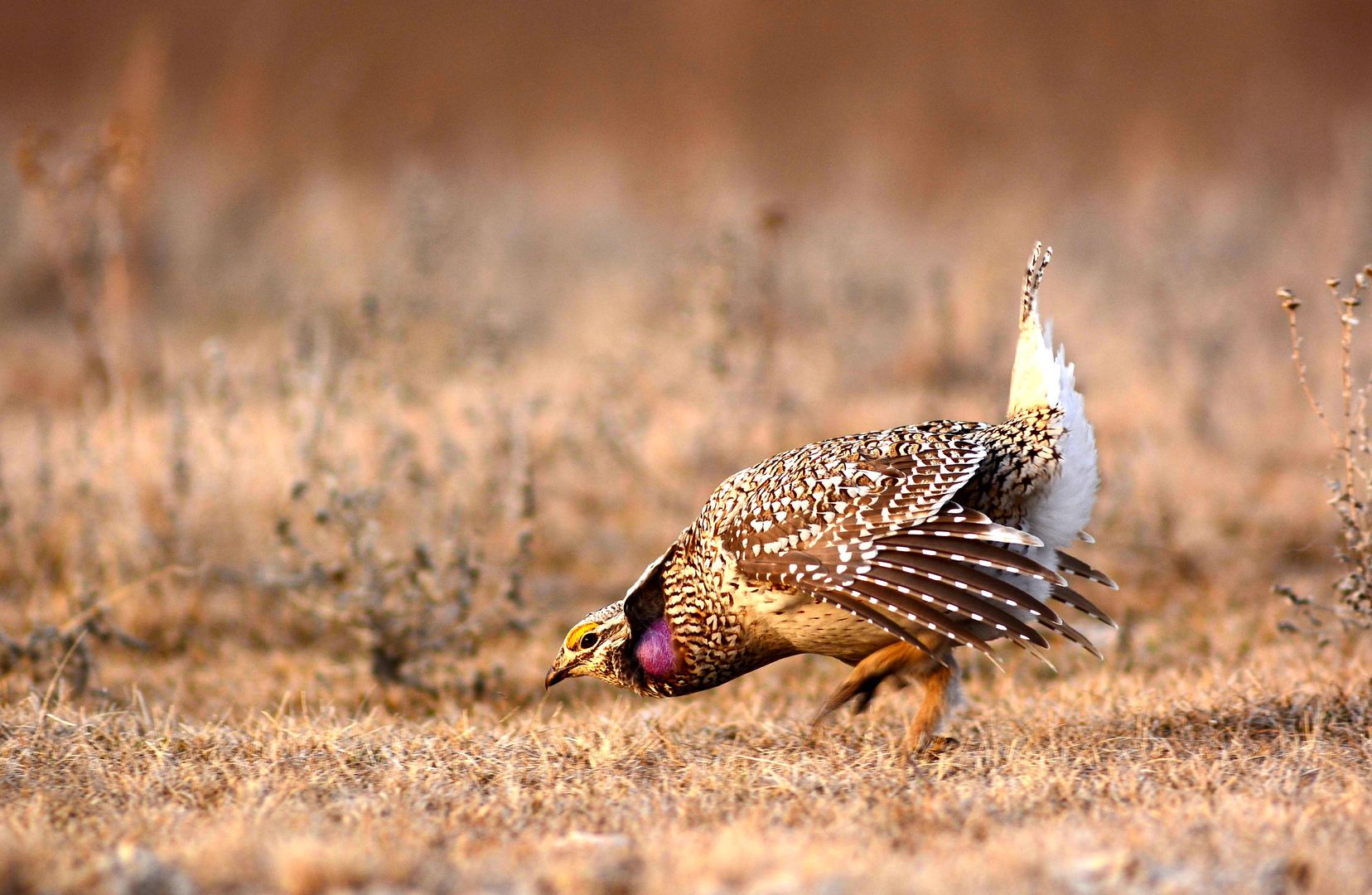
Sharp-tailed Grouse are widespread on prairie refuge land, and Arrowwood, Long Lake and Lostwood list them. What the state doesn't appear to have is a bookable viewing blind. So finding a dancing ground means asking refuge staff in advance, then parking on a section road before first light in April. Watch from the vehicle.
Do you need a four-wheel-drive vehicle to go birding in North Dakota?
Not usually. Refuge auto tours and township roads are gravel or bare prairie trail, and the Fish and Wildlife Service says they can become impassable in poor conditions. A normal car is fine on dry gravel. After heavy rain or spring thaw, the right vehicle is the one that stayed parked.
Got a North Dakota birding group to recommend?
If your club is out there and we couldn't find it tell us in the comments or on the Sparkbird App.
And if there's no club near you, consider that North Dakota runs to roughly one bird club per 35,000 square miles, so starting one could make you quite popular.
- Related: How to Use the Sparkbird App

No comments yet.