
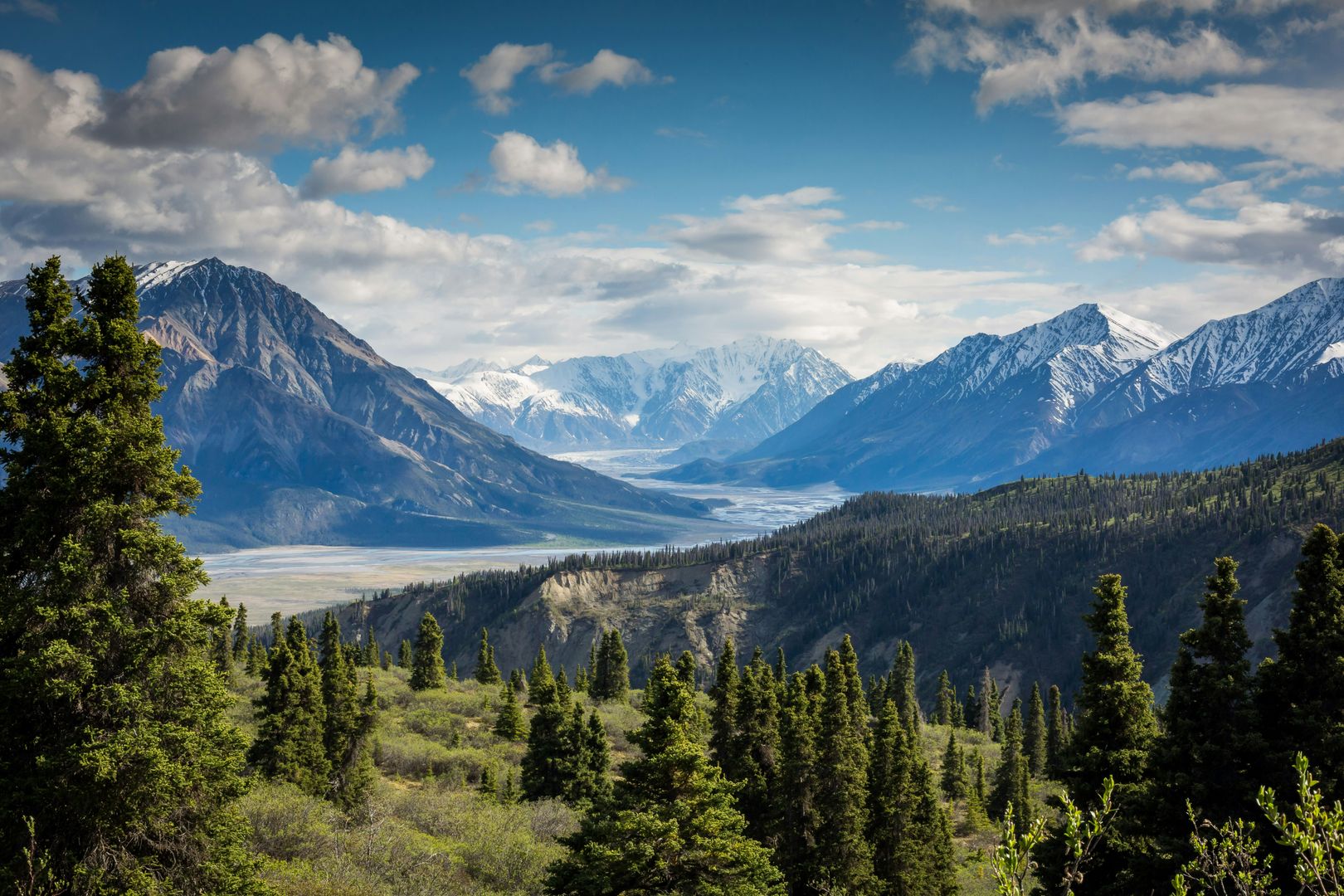
Montana has 8 active Audubon chapters and about 147,000 square miles to spread them across. That's one club for every 18,000 square miles. Montanans give driving directions in hours rather than miles, and the honest answer is usually "about four."
Whether you want Snow Geese lifting off Freezout by the tens of thousands or the Bozeman wetland with the rails, there's a club within one Montana-sized drive.
Why Join a Bird Watching Group at All
Solo birding has real advantages. What a club gives you is someone who already knows where the birds are this week. Montana birding is a series of widely separated pockets, and knowing whether the Freezout staging is on or three days off is knowledge that lives in people, not databases.
Clubs are also the front door to community science like the Christmas Bird Count (December 14 to January 5).
FYI before you spend money
A decent pair of binoculars for birding runs from about $150 to well past $500, and there's no reason to make that call in week one. Go on three walks first.Trip leaders here carry spotting scopes as a matter of course, and on a group outing you'll spend more time looking through somebody else's glass than your own.
Statewide Bird Watching Groups in Montana
Montana Audubon
Montana Audubon describes itself as an independent, statewide conservation organization. 2026 marks its 50th anniversary. It isn't a National Audubon regional office, and joining National Audubon doesn't make you a member here.
It supports the eight local chapters, runs the Montana Audubon Center in Billings, works state and federal policy, and coordinates community science including Common Nighthawk and colonial waterbird surveys. Field trips are run by the chapters.
Wings Across the Big Sky
Montana Audubon's annual statewide festival, and the one weekend a year when birders from Libby and Miles City end up in the same room.
It rotates host cities with a local chapter partner. Because the location moves, check the festival page for the current host city and dates.
Montana Bird Records Committee
Formed in 1991 and administered by Montana Bird Advocacy, the MBRC reviews rare bird documentation and maintains the official state list. Written reports are required for any species recorded 20 or fewer times in Montana.
There is no Montana ornithological society
Worth saying plainly, because most states have one. Montana has no separate statewide ornithological society or state bird club. The roles a society would fill are split between Montana Audubon and Montana Bird Advocacy.
Bird Watching Groups in Missoula and Western Montana
Five Valleys Audubon Society - Missoula
Missoula's chapter, rooted in a 1905 birding club and reorganized in 1976, making 2026 its 50th year. Monthly programs, field trips, bird surveys, and a long stewardship role on the Clark Fork River Grass Valley Important Bird Area.
Their Town Bound Birding series puts a guided walk at an accessible Missoula Valley hotspot once a month, with an emphasis on getting there without a car, and states plainly that all are welcome.
One caution. An archived 2014 to 2015 calendar page is still live on the site, so check that the schedule you're reading is current.
Bitterroot Bird Alliance (formerly Bitterroot Audubon) - Hamilton / Bitterroot Valley
Renamed from Bitterroot Audubon in May 2024. Monthly meetings on the third Monday, September through May, plus valley field trips and Christmas Bird Counts that explicitly welcome birders of all levels.
Their events calendar marks public events free and open to the public, with recent outings including a Kootenai Creek Canyon hike and a poetry afternoon at Teller Wildlife Refuge. The old bitterrootaudubon.org address still belongs to them, but use the new one.
Bird Watching Groups in the Flathead and Northwest Montana
Flathead Audubon Society - Kalispell / Northwest Montana
More than 400 members, covering everything from the Idaho border to the Continental Divide and from Canada down to the Salish and Kootenai lands. General meetings are the second Monday at 7pm at the Gateway Community Center on US Highway 2 West in Kalispell, free and open to all, with a Zoom option.
Field trips require sign-up and are capped, sometimes at a dozen people, so contact the leader early. They also run an annual trip to the Freezout goose migration in late March.
Mission Mountain Audubon - Polson / Mission Valley
The Mission Valley chapter, listed by Montana Audubon among the state's eight active chapters. It has no website.
Programs run at the Polson Library meeting room, free and open to the public, and local press was still covering its evening presentations in May 2026. With no site to check, go through Montana Audubon or the Lake County papers.
Bird Watching Groups in Bozeman and Southwest Montana
Sacajawea Audubon Society - Bozeman / Gallatin, Park, Madison, Sweet Grass and Broadwater Counties
The busiest chapter in the state for programming. Monthly programs run the second Monday, 7:00 to 8:30pm, at Hope Lutheran Church, 2152 W. Graf St. in Bozeman, free and open to the public.
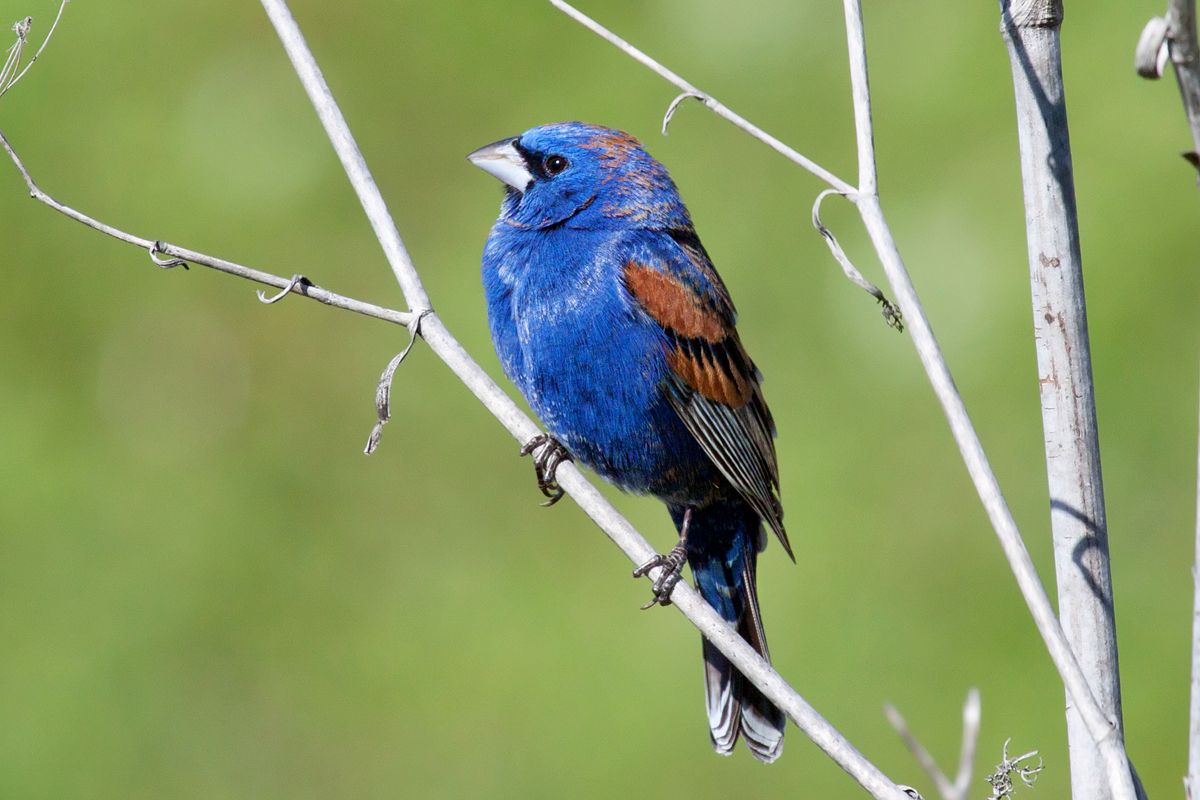
Guided bird walks run in May and June, with longer field trips spring through fall for all skill levels. Long-term projects include the Bridger Raptor Count, a Mountain Bluebird trail, a kestrel nest box project and the Indreland Audubon Wetland Preserve.
Bridger Raptor Festival - Bridger Bowl, north of Bozeman
Held the first weekend in October at Bridger Bowl Ski Area, free to the public. The count behind it has run every fall since 1991 and documents what's described as the largest known Golden Eagle migration in the United States.
If you make one Montana birding event that isn't Freezout, make it this.
Butte and Anaconda have no chapter. Pintler Audubon, which once organized Christmas Bird Counts in that corner of the state, has no live website and doesn't appear on Montana Audubon's current chapter list. Treat it as defunct until it resurfaces.
One geography note, since it comes up constantly: Yellowstone National Park is 96 percent in Wyoming, 3 percent in Montana and 1 percent in Idaho. The Montana entrances are doors into a Wyoming park.
Bird Watching Groups in Helena and Central Montana
Last Chance Audubon Society - Helena
Helena's chapter, running a full field trip schedule spring through fall to Lake Helena WMA, Canyon Ferry WMA, Prickly Pear Park and burn sites in the Big Belts. RSVP to the trip leader is required.
Note that the field trip page carries two different statements about cost. One says trips are free and open to members and nonmembers; another says nonmembers pay $15, which includes an annual membership. Ask when you sign up.
Upper Missouri Breaks Audubon Society - Great Falls / North Central Montana
Serving north central Montana since 1981, and based in Great Falls rather than Fort Benton, which some older listings get wrong. Monthly meetings the second Monday at 7pm, in person and on Zoom, at the FWP office on Giant Springs Road.
Field trips are open to the public, including an annual Big Day of Birding, with past outings to Giant Springs, Freezout Lake, and Benton Lake National Wildlife Refuge, 12 miles north of town in Cascade County.
Wild Wings Festival - Choteau
Built around the Freezout migration rather than a chapter. Events run at the Choteau Pavilion, free unless otherwise noted, mixing guided tours with photography workshops, raptor tracking talks and Indigenous storytelling. The 2027 festival is scheduled for March 19 to 21.
Bird Watching Groups in Billings and South Central Montana
Yellowstone Valley Audubon Society - Billings
Covering the ground from the Beartooth Mountains out to the eastern prairie. Monthly programs run September through May on the third Monday at 7:00pm at Mayflower Congregational Church in Billings, open to members and the general public alike.
The chapter states that unless otherwise noted its field trips are open to the public. They also maintain the state's most useful injured-raptor protocol page, in the rescue section below.
Montana Audubon Center - Billings
Montana Audubon's 54-acre education campus at 7026 S Billings Blvd, ten minutes from downtown on the Yellowstone River. The detail that matters for a casual visit: the grounds and trails are open dawn to dusk every day, free of charge. Education programs run most days, so give groups room.
Bird Watching Groups in Eastern Montana
There's no active club east of Billings, and pretending otherwise would waste your time. Yellowstone Valley Audubon is the nearest chapter and its stated range reaches the eastern prairie. Beyond that it's refuge country, and the refuges do the work a club would.
Medicine Lake National Wildlife Refuge in Sheridan and Roosevelt Counties holds one of the largest American White Pelican colonies in the country, roughly 3,000 to 5,000 nests a year, plus Sharp-tailed Grouse leks, Baird's Sparrows and Chestnut-collared Longspurs.
Its 14-mile auto tour route is open about eight months a year. Call 406-789-2305 for road and tower conditions first, because it's a long way to arrive at a closed gate.
Other Ornithology Groups in Montana
Montana Bird Advocacy - Missoula
Founded in 2017 by Jeff Marks and Paul Hendricks, authors of the standard state reference. It hosts the records committee pages, maintains the official state list, and publishes Killdeer's Keep, a series on declining species. Not a field trip organization, but the place to check before you claim a state record.
Owl Research Institute - Charlo / Mission Valley
A research nonprofit running long-term studies on 11 owl species across Montana and Alaska. No drop-in visitor center, but they offer field tours and presentations, and maintain live nest cameras that are genuinely worth an evening.
Montana Field Guide
Run by the Montana Natural Heritage Program, free, and the best reference for what occurs where in this state. The whole bird section downloads as a PDF for use where there's no signal, which in eastern Montana is most places.
Montana FWP Waterfowl Migration Tracking
Where the Freezout Lake numbers come from. FWP posts current counts against historic averages, so you can see whether the staging has started before you commit to the drive.
Where to Go Birding in Montana
These are the sites that reliably produce, with the access terms that actually trip people up.
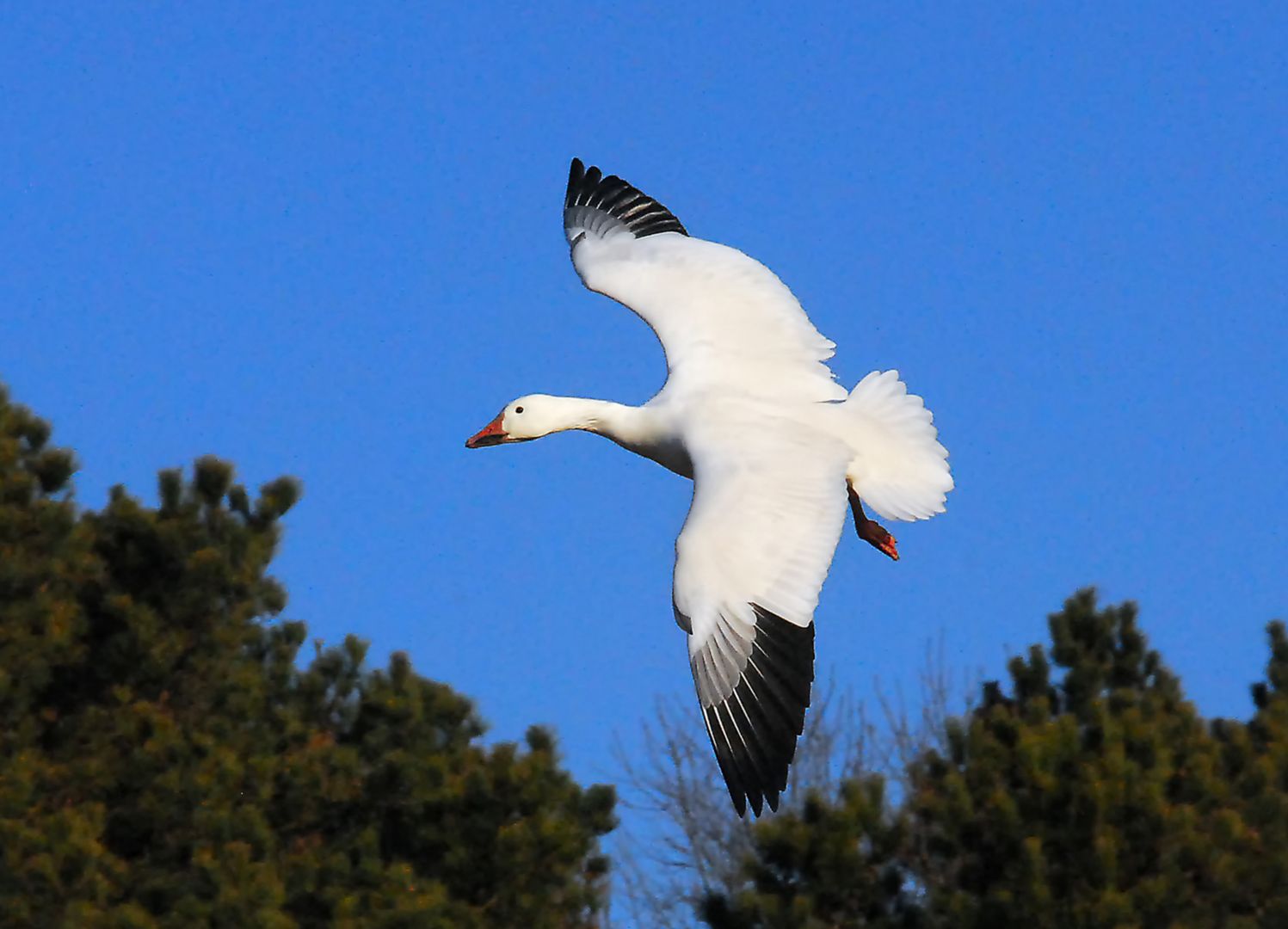
- Freezout Lake Wildlife Management Area (Teton County) — 11,333 acres of state land off US Highway 89 near Choteau, and the epicenter of spring migration in Montana. Open year round except for the fall waterfowl closure. FWP requires anyone recreating on state land to hold a current Montana conservation license, $8 for a resident adult and $10 for a nonresident. The light goose migration typically starts in late March, and FWP's own summary puts the best days at up to 60,000 Snow Geese plus 5,000 swans. Viewing is from the highway and frontage road turnouts.
- Bowdoin National Wildlife Refuge (Phillips County) — 15,551 acres east of Malta, 263 recorded species, a 15-mile auto tour route around Lake Bowdoin and a 0.4-mile paved accessible loop at Display Pond. Open sunrise to sunset; headquarters weekdays 7:30am to 4:00pm. Foot traffic is prohibited in the East Unit from September 1 to November 30 except on the auto tour route, dogs must be leashed April 15 to August 15, and there is no camping. Wetlands ice over mid-November to mid-March.
- Charles M. Russell National Wildlife Refuge (the Missouri Breaks) — 1.1 million acres, the second largest refuge in the lower 48, and the one where access is the whole story. The 19-mile auto tour route off Highway 191 is all-weather gravel, fine in a passenger car, two to three hours. Everything else is different: most refuge roads are primitive, want high clearance or four-wheel drive, and are impassable when wet. Cell service is sporadic, water extremely limited, and headquarters in Lewistown is open weekdays 9am to 4pm.
- Red Rock Lakes National Wildlife Refuge (Beaverhead County) — More than 53,000 acres in the Centennial Valley, and the classic destination for Trumpeter Swans, which hold on here through winter where spring-fed water stays open. There are no paved roads. Gravel conditions vary by season, mud and snow can require four-wheel drive and high clearance, and the refuge advises avoiding it during prolonged rain or snowmelt. The visitor center is closed November 1 to May 31, and there is no fuel or tow within 45 miles.
- Ninepipe National Wildlife Refuge (Lake County) — Mission Valley wetlands under the Mission Mountains, on Confederated Salish and Kootenai Tribes trust land, with unusually specific seasonal rules. The general recreation fee is waived for non-consumptive use by non-tribal members under a cooperative agreement. Daylight hours only. From March 1 to July 14 only the northern areas and the ground south of the Wildlife Viewing Site are open; from July 15 to the start of waterfowl season everything but the offshore islands; closed entirely during waterfowl season; fully open again through February 28. The Watchable Wildlife Viewing Area off Highway 93 has a short interpretive trail.
- Lee Metcalf National Wildlife Refuge (Ravalli County) — 2,800 acres of Bitterroot River floodplain two miles north of Stevensville, and the easiest good birding in western Montana. Sunrise to sunset, day use only. The visitor center at 4567 Wildfowl Lane is open Monday through Saturday 8am to 4:30pm. Start at the Kenai Nature Trail and the Wildlife Viewing Area, and check the kiosks, since areas close temporarily for prescribed burning and trail work.
- Glacier National Park (Flathead and Glacier Counties) — Harlequin Ducks on McDonald Creek, ptarmigan and rosy-finches at elevation. Entrance is $35 per private vehicle for seven days in summer and $25 from November 1 to April 30, no cash accepted, plus an extra $100 for non-US residents aged 16 and over without an annual or America the Beautiful pass. The Park Service announced in February 2026 that vehicle reservations are not required anywhere in the park for 2026, replaced by a three-hour cap on parking at Logan Pass from July 1 and a ticketed express shuttle. That system has changed almost every year, so check the park's vehicle reservation page before you drive.
If you'd rather start from your own window while you wait for March, our guide to hummingbird plants for Montana covers what actually works in a short high-elevation season.
Montana Bird Books and Field Guides
Montana sits on the seam where eastern and western species overlap, so a western guide plus a state guide beats either alone.
Birds of Montana Field Guide
Stan Tekiela's state guide, organized by color. See a yellow bird, go to the yellow section. Montana species only, which is what you want in the first year.

Birds of Montana Field Guide (Bird Identification Guides)
Adventure Publications
Birds of Montana
The definitive state reference sponsored by Montana Audubon. Roughly 660 pages with color range maps and original species illustrations. Not a field guide and not cheap, but it's the book that answers distribution questions.

Birds of Montana
The Sibley Field Guide to Birds of Western North America
The 2nd edition of the western Sibley, the most useful general guide for Montana once you start caring about plumage variation and flight shapes. Pair it with the Tekiela guide rather than choosing.

Birding Montana
Terry McEneaney's Falcon site guide, the only book-length treatment of where to bird in this state. It dates from the 1990s, so you gotta verify every access detail with the managing agency, but the site descriptions and seasonal timing hold up better than the road directions.

Montana Bird Rescue and Rehabilitation
Always call first. Montana has very few licensed bird rehabilitators, most take raptors only, and intake capacity varies weekly.
Montana Fish, Wildlife and Parks doesn't publish a public county-by-county directory of licensed rehabilitators the way many state agencies do. It publishes a short list of facilities that can take raptors, on its injured and orphaned wildlife page. For songbirds and waterfowl, call FWP and ask for a referral.
Montana WILD Wildlife Rehabilitation Center - Helena
Run by FWP, caring for 150 to 200 animals a year. Phone 406-444-9942. The center is closed to the public to reduce stress on the animals, so call before doing anything else.
Montana Raptor Conservation Center - Bozeman
The state's main raptor facility, at 406-585-1211, and the number other organizations refer people to. Call before handling, capturing or transporting an injured raptor.
Wild Skies Raptor Center - Missoula area
Raptors only: hawks, eagles, owls and vultures. Call or text 406-210-3468; FWP also lists 406-244-5422 for the same center. Their website is thin and its footer hasn't been updated in years, but both numbers are currently published by FWP.
Montana Wild Wings Recovery Center - Kalispell
Birds of prey, at 37 Panoramic Drive. Phone 406-250-1070, and the nearest option for the Flathead and the northwest corner.
Yellowstone Valley Audubon Raptor Transport - Billings and South Central Montana
Not a rehabilitation facility, but has the best protocol for containing an injured raptor, reduce its stress, and other rules to follow when helping an injured bird. It routes raptors to the Montana Raptor Conservation Center and lists FWP Region 5 at 406-247-2940 for other birds.
Five Valleys Audubon: If You Find an Injured Bird - Missoula
Box it, cover it, keep it cool and quiet, do not force food or water, and give a window-strike bird time before assuming the worst. It lists FWP at 406-444-2535 for referrals, which matters because Missoula has no songbird rehabilitator.
Yellowstone Wildlife Sanctuary - Red Lodge
Listed so you don't drive there by mistake. It's a permanent home for non-releasable animals, not a rehabilitation intake facility, and cannot accept wildlife without state and federal approval. Its own FAQ redirects injured animals to Montana WILD and the Montana Raptor Conservation Center.
Frequently Asked Questions
When does the Snow Goose migration at Freezout Lake peak?
The spring migration of light geese at Freezout typically starts in late March. Peak usually lands in the second half of that month. Numbers vary enormously year to year, so check Montana FWP's waterfowl migration page before committing to the drive. Birds are generally on the water early and out feeding mid-morning.
Do you need a vehicle reservation to visit Glacier National Park?
Not in 2026. The Park Service announced that vehicle reservations aren't required anywhere in the park, including Going-to-the-Sun Road, Many Glacier, Two Medicine and the North Fork. Parking at Logan Pass is capped at three hours from July 1 instead. You still pay the $35 entrance fee.
Where can you see Trumpeter Swans in Montana?
Red Rock Lakes National Wildlife Refuge in the Centennial Valley is the classic destination, where spring-fed water stays open through winter. Freezout Lake WMA also carries thousands of swans during spring migration, mixed in with the geese. Red Rock Lakes is remote. The means no paved roads, no fuel or tow within 45 miles.
Got a Montana birding group to recommend?
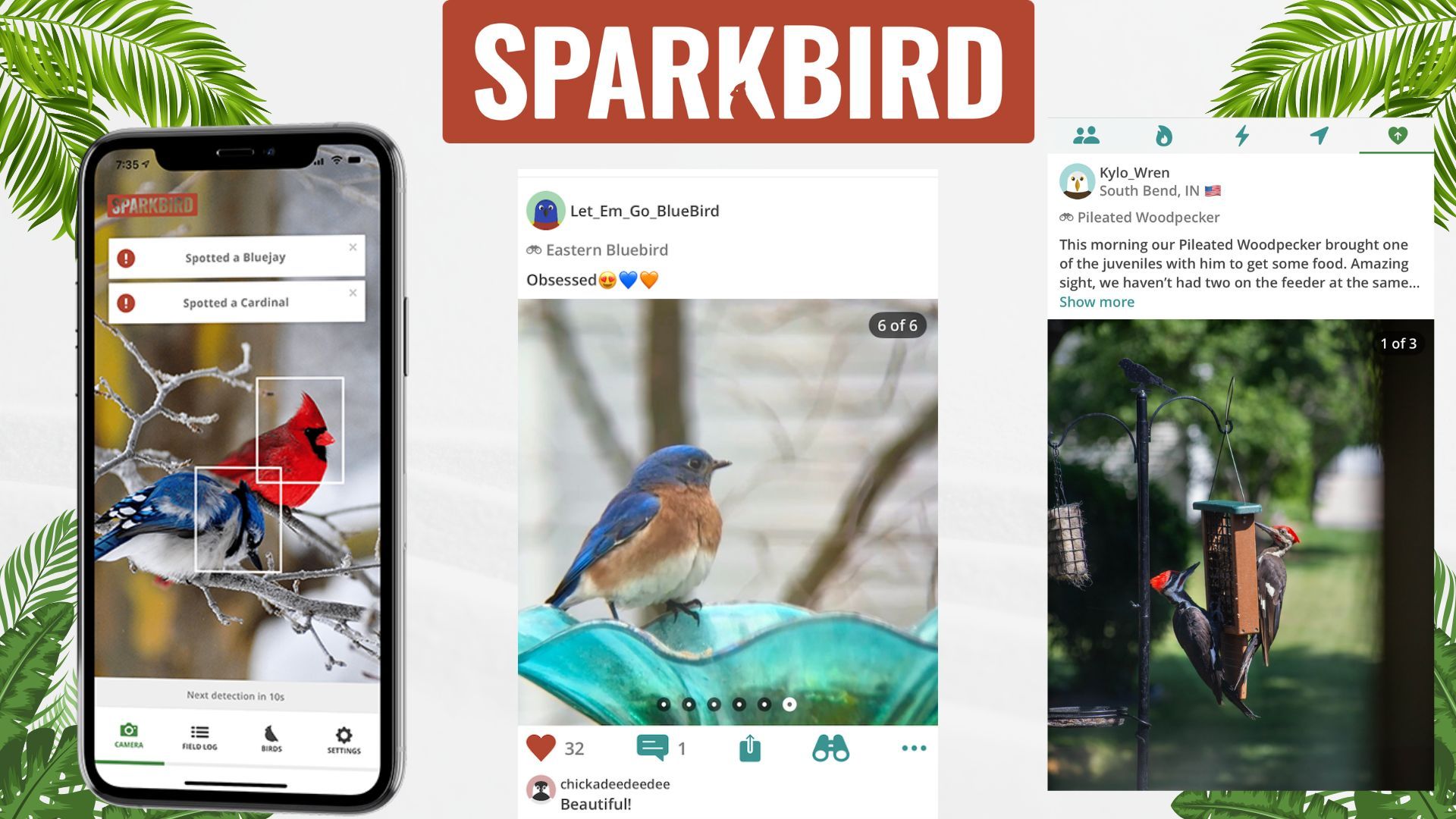
Clubs start and fade, and new ones can popup anytime. If we missed a group tell us in the comments or on the Sparkbird App.
Bird watching groups turn out to be unusually good at connecting people, mostly because everyone's facing the same direction and nobody has to make eye contact. And when you're looking to connect from a distance, you always have the app.
- Related: How to Use the Sparkbird App

No comments yet.