
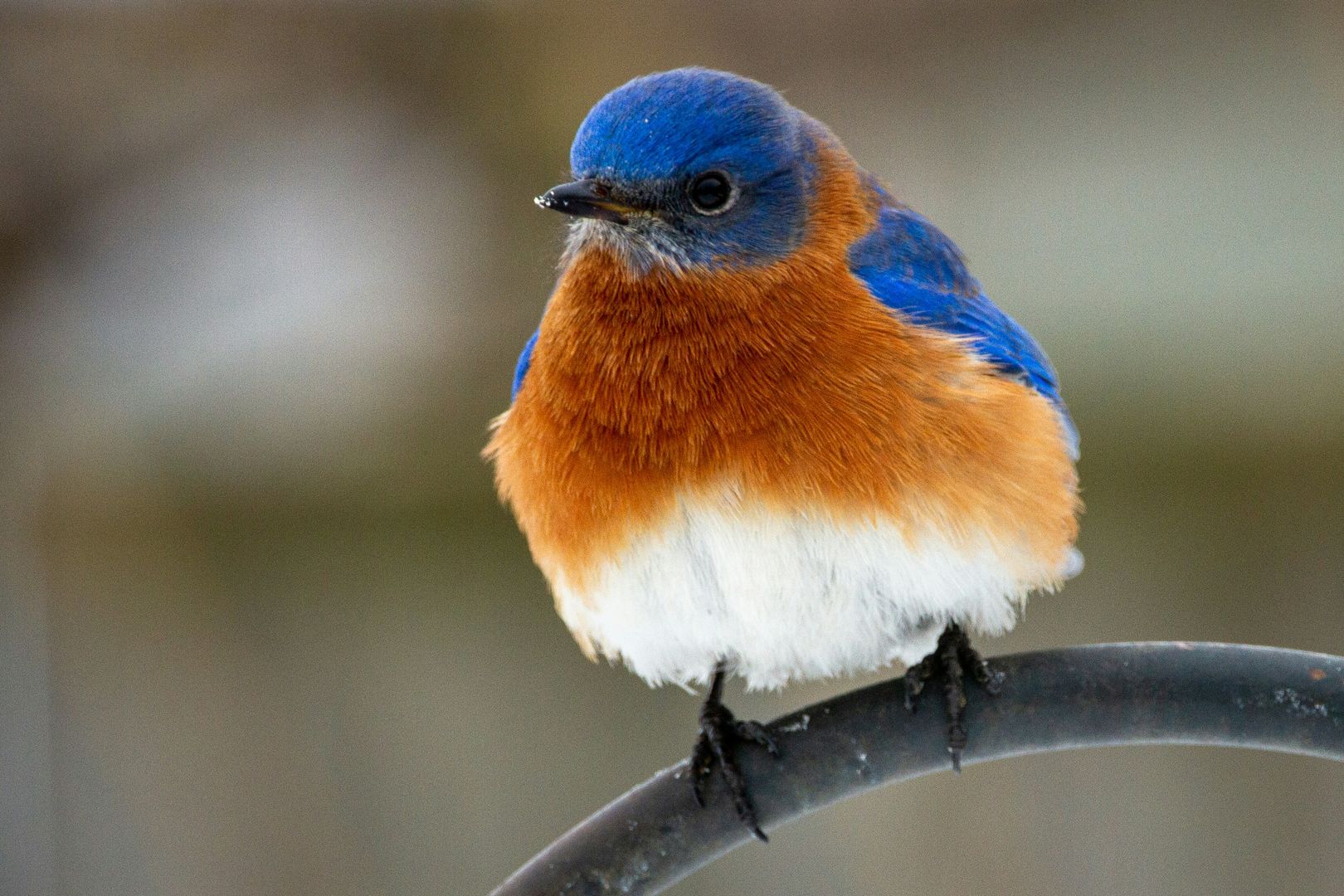
Missouri can't agree on how to pronounce its own name, so it was never going to agree on the single best place to go birding either. What it does have is ten National Audubon chapters, a birding society founded in 1901, and a conservation agency running free nature centers in most of the population centers.
Six of those ten chapters keep a website you can actually load. Almost none of it costs money: statewide dues run $15 to $25 a year, most field trips are free and open to people who've never joined anything, and the two best birding sites in Missouri charge nothing to walk into.
Why Join a Bird Watching Group at All
Birding alone is fine. Nobody hurries you. You can leave whenever you like.
What a club gives you is a person who knows which pool at Eagle Bluffs has water in it this week. Missouri sits where the eastern forest, the tallgrass prairie, and the Ozark highlands run into each other, with two of the continent's biggest rivers meeting inside its borders.That geography moves birds in ways that reward local knowledge and punish guessing.
Clubs are also the front door to community science. The Christmas Bird Count runs December 14 through January 5, and almost every Missouri count circle is organized by a group below.
Try before you buy
A decent pair of binoculars for birding runs from about $150 to well past $500, and you don't need to own a pair to start. St. Louis Audubon provides binoculars on its bird walks, and the Burroughs nature center at Lake Jacomo keeps some you can borrow on site. Go on three walks first, then buy.
Statewide Bird Watching Groups in Missouri
Missouri Birding Society (formerly The Audubon Society of Missouri)
The state ornithological society, founded in 1901 as The Audubon Society of Missouri. Membership is open to anyone: $15 student, $20 individual, $25 family.
Members get the society journal, The Bluebird, electronically, or by post for $12 more a year. The 2026 fall meeting runs September 25 to 28 in Columbia. The site also hosts county-by-county site guides, the closest thing Missouri has to a single birding reference.
Missouri Bird Records Committee
A standing committee of the Missouri Birding Society. It maintains the annotated state checklist with seasonal and regional status, reviews documentation of rare birds through an electronic form, and archives the records. If you find something improbable in Missouri, this is where it goes to be judged.
MOBIRDS-L Mailing List
The statewide listserv, hosted at the University of Missouri. It's where rare birds get reported and where several clubs announce walks that appear nowhere else, including the weekly Webster Groves outings. Free to join.
Audubon Upper Mississippi River
National Audubon's regional office covering Minnesota, Iowa, and Missouri. The old Audubon Missouri address redirects here, so that's where your bookmark lands. It's a conservation and policy office rather than a walk-leading club, and it operates the Audubon Center at Riverlands.
Missouri Department of Conservation Birding
Not a club, but the largest provider of free public bird programs in the state. MDC runs the Missouri Birding Trail, an interactive map of the better birding locations, and its nature centers put on beginner walks at no charge. Its Eagle Days listings are the winter fixture worth watching.
Missouri Young Birders Club
A statewide club for young people, with monthly online meetings and field trips. Membership is required for the club itself, though several chapters run young birder walks anyone can attend. Administered by the Missouri River Bird Observatory.
Bird Watching Groups in St. Louis and Eastern Missouri
St. Louis Audubon Society - St. Louis Metro
Still St. Louis Audubon Society, with no rename to a Bird Alliance name as of this writing. Beginner bird walks are always free, open to all ages, non-members welcome, and the chapter provides binoculars if you have none.
Many walks run with Great Rivers Greenway along the region's greenways. The chapter also runs Bring Conservation Home, a native landscaping advisory service, and BirdSafeSTL, which works on window collisions.
Webster Groves Nature Study Society (WGNSS) - St. Louis Area
One of the most active field-trip operations in the state, and not an Audubon chapter at all. WGNSS covers birds, botany, and entomology, and states that all events are free and open to the public unless noted.
Bird walks run Thursday and Saturday, weather permitting, meeting at 8 a.m. and finishing between 11 a.m. and 1 p.m. The meeting place is announced by email and on MOBIRDS-L rather than posted in advance.
General meetings are monthly September through April at 7 p.m. at the Webster Groves Public Library, 301 East Lockwood Avenue. You can attend virtually. WGNSS also organizes the Weldon Spring Christmas Bird Count.
Audubon Center at Riverlands - West Alton, St. Charles County
The National Audubon center at the confluence, 301 Riverlands Way. Open Tuesday through Sunday, 8 a.m. to 4 p.m., closed holidays and occasionally for flooding, which happens here. Entry is free.
The center runs bus tours of the sanctuary, summer camp, and its Birds of Winter programming, and the wrap-around deck is accessible. Call (636) 899-0090 before a winter trip.
Powder Valley Conservation Nature Center - Kirkwood, St. Louis County
MDC's St. Louis nature center, 112 acres of oak-hickory forest with three paved trails. Building open Tuesday through Saturday 8 a.m. to 5 p.m., grounds daily 8 a.m. to 6 p.m., no admission charge, with free naturalist-led programs through the year.
Bird Watching Groups in Kansas City and Western Missouri
Burroughs Audubon Society - Blue Springs / Greater Kansas City
Officially the Greater Kansas City chapter of the National Audubon Society. Burroughs runs guided field trips year round and monthly Zoom meetings in season. Activities are usually free and for all ages.
The real draw is the nature center and bird sanctuary at Lake Jacomo in Fleming Park, 7300 SW West Park Road, open most weekend afternoons. Watch feeders from indoors, borrow binoculars, walk the Esther O'Connor Wildflower Prairie, and use a large natural history library free while you're there. Phone (816) 795-8177.
Anita B. Gorman Conservation Discovery Center - Kansas City
MDC's urban nature center near Emanuel Cleaver Boulevard and Troost Avenue, 9.7 acres of forest, wetland, and prairie in the middle of the city. Free admission and free nature programs every Saturday.
Building open Tuesday through Friday 8 a.m. to 5 p.m. and Saturday 9 a.m. to 4 p.m., with late hours to 7 p.m. on the first and third Tuesdays. Grounds open daily in daylight.
Lakeside Nature Center - Kansas City
Run by Kansas City Parks and Recreation, with about 60 resident animals including Bald Eagles and other raptors. Habitat hikes, naturalist-led walks, and wildlife programs, and it's also the region's wildlife assistance contact.
Bird Watching Groups in Columbia and Central Missouri
Columbia Audubon Society - Columbia / Mid-Missouri
Organized in 1958, serving Audrain, Boone, Cooper, Howard, Monroe, and Randolph counties. The regular public outing is the First Friday Bird Hike, meeting at 8 a.m. in the Songbird Station parking lot to bird the 3M Wetlands.
The chapter owns three properties open to visitors, the Columbia Audubon Nature Sanctuary, Wild Haven Nature Area, and the Albert Children's Wildlife Area, and organizes local bird counts.
River Bluffs Audubon Society - Jefferson City
Covering Callaway, Cole, Maries, Moniteau, and southern Boone counties. Meetings are at 6:30 p.m. on the second Thursday, September through May, at the Runge Conservation Nature Center, and the chapter says the public is welcome. The newsletter is The Timberdoodle.
Two things to know. Parts of the site still carry pandemic-era notices, so check the chapter's Facebook page for dates. And the address National Audubon publishes no longer resolves; the one above is live.
Runge Conservation Nature Center - Jefferson City
MDC's capital-city nature center at 330 Commerce Drive, free, with five trails totaling 2.4 miles and live animal exhibits. Building open 8 a.m. to 5 p.m. Tuesday, Wednesday, Friday and Saturday, to 8 p.m. Thursday, closed Sunday and Monday; grounds 6 a.m. to 9 p.m. daily. No pets. Phone (573) 526-5544.
Bird Watching Groups in Springfield and the Ozarks
Greater Ozarks Audubon Society (GOAS) - Springfield / Southwest Missouri
The southwest Missouri chapter. Field trips are published seasonally and open to the public, and chapter membership comes with National Audubon membership at $20 a year, so there's no separate local due to pay. The newsletter is current as of spring 2026.
Ozark Rivers Audubon - Rolla / Phelps County
The Ozark Rivers chapter of the National Audubon Society. Monthly meetings are the second Thursday at 7 p.m. at the First United Methodist Church, 803 North Main Street in Rolla, Room 200. The chapter says in as many words that you don't need to be a member to attend, or to join its outings.
A fixed venue, a fixed night, and an explicit welcome. That makes this one of the easiest chapters in the state to simply turn up to.
Springfield Conservation Nature Center - Springfield
Free MDC nature center with three miles of trails connecting into the Galloway Creek Greenway, plus exhibits and an auditorium used for public programs. Open Tuesday through Saturday, 8 a.m. to 5 p.m. Phone (417) 888-4237.
Bird Watching Groups in Southeast Missouri and the Bootheel
Southeast Missouri is the thinnest part of the state for clubs. National Audubon lists a chapter at Farmington, but it keeps no website, only social media, so there are no meeting details here we could confirm.
The region's birding organizes instead around a federal refuge and an MDC nature center, both excellent.
Cape Girardeau Conservation Nature Center - Cape Girardeau
The regional MDC center, with two miles of trails through oak-hickory and river cove forest including a quarter-mile paved accessible loop, plus hands-on exhibits and aquariums. No fees. Grounds 4 a.m. to 10 p.m. daily; building Tuesday through Saturday, 8 a.m. to 5 p.m.
Bird Watching Groups in Northern Missouri
Northern Missouri has National Audubon chapters on paper at St. Joseph and Jameson, and neither maintains a website that loads. That isn't proof they're inactive. But the reliable way in is MOBIRDS-L or a Missouri Birding Society meeting.
What the region does have is the best goose spectacle in the interior of the country, plus two national wildlife refuges running their own visitor programs, both in the hotspot section below.
The visitor contact station at Loess Bluffs is the de facto information desk for the northwest corner of the state.
Other Ornithology and Research Groups in Missouri
Missouri River Bird Observatory (MRBO) - Arrow Rock, Saline County
Missouri's bird observatory, at 406 Main Street in Arrow Rock, working across science, education, and advocacy. Its visitor center, The Birdhouse, is open weekends 11 a.m. to 3 p.m. in season, which in 2026 runs through October 11. MRBO also administers the Missouri Young Birders Club.
Raptor Rehabilitation Project - Columbia
Run out of the University of Missouri College of Veterinary Medicine. Besides rehabilitating injured birds of prey, the project takes education birds to presentations around central Missouri, one of the few reliable ways here to see a live raptor at arm's length.
Sparkbird App - Community
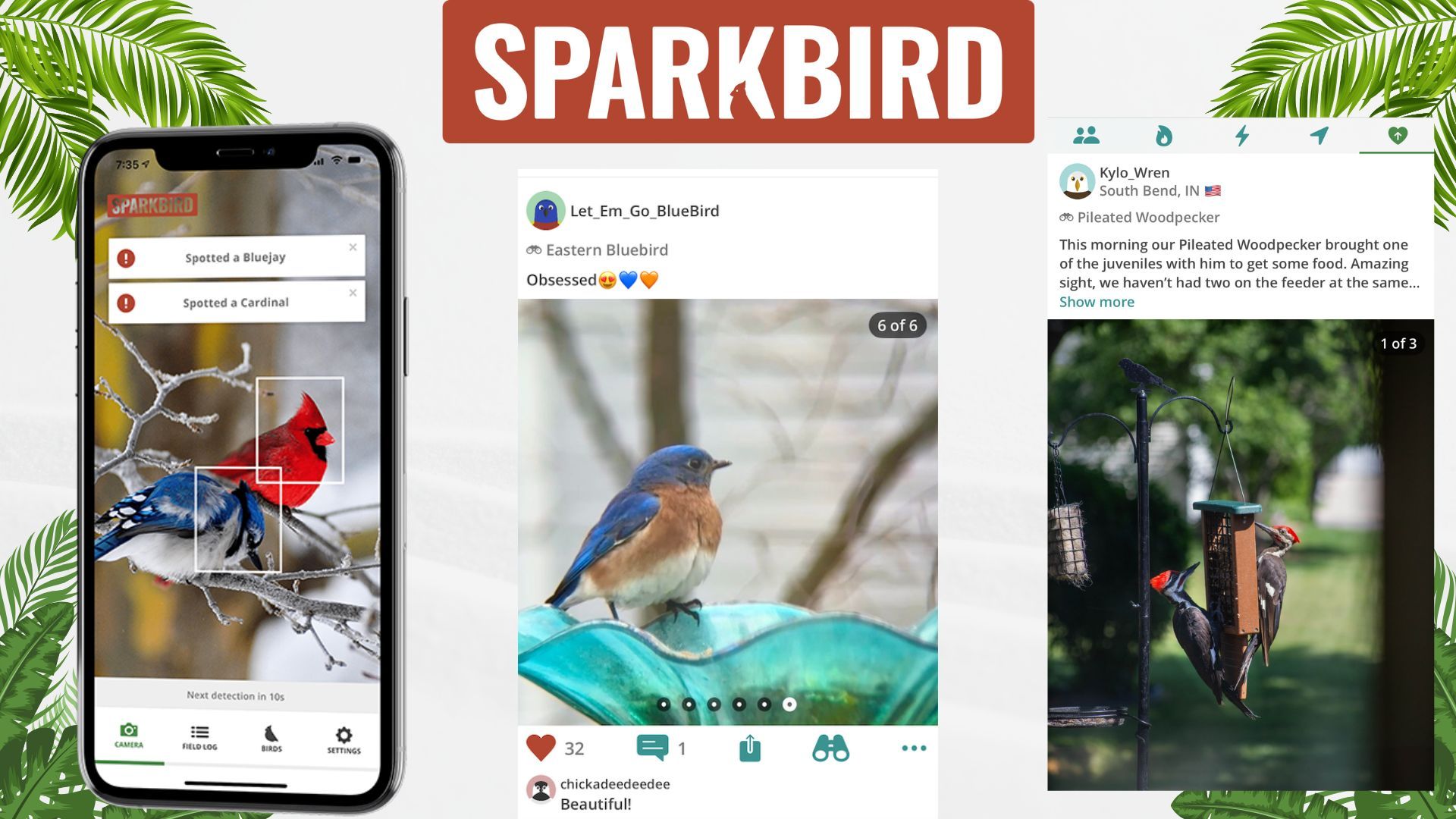
We built Sparkbird for people who want a friendly community of fellow birders. Track your life list, get help with identification, and meet people who also stop mid-sentence to look at a tree. If you're new to it, here's how to use the Sparkbird app.
Where to Go Birding in Missouri
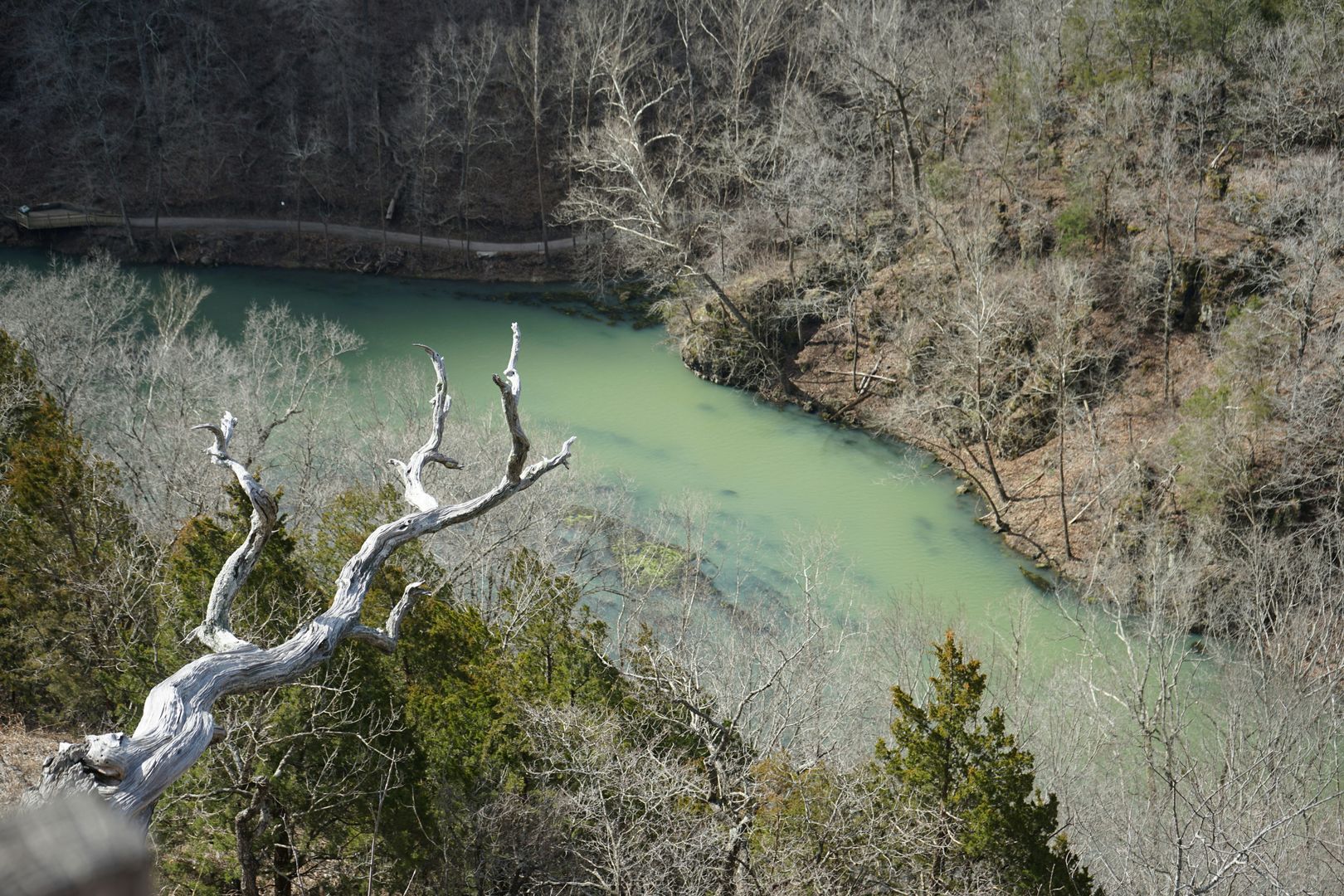
Missouri's headline advantage is that almost all of this is free. State parks and Department of Conservation areas don't charge admission, so the only entry fee below belongs to a federal refuge.
- Riverlands Migratory Bird Sanctuary (St. Charles County) — The best birding in the state. 3,700 acres run by the Army Corps of Engineers beside Melvin Price Locks and Dam, about 40 minutes from downtown St. Louis. Roughly 500 Trumpeter Swans winter here, eagles peak in January and February, and gulls, pelicans and waterfowl pile up in numbers you won't see elsewhere in Missouri. Free. The Corps closes trails from October 15 to April 15 for migrating waterfowl, and Ellis Bay is bank fishing only from October 1 to April 30.
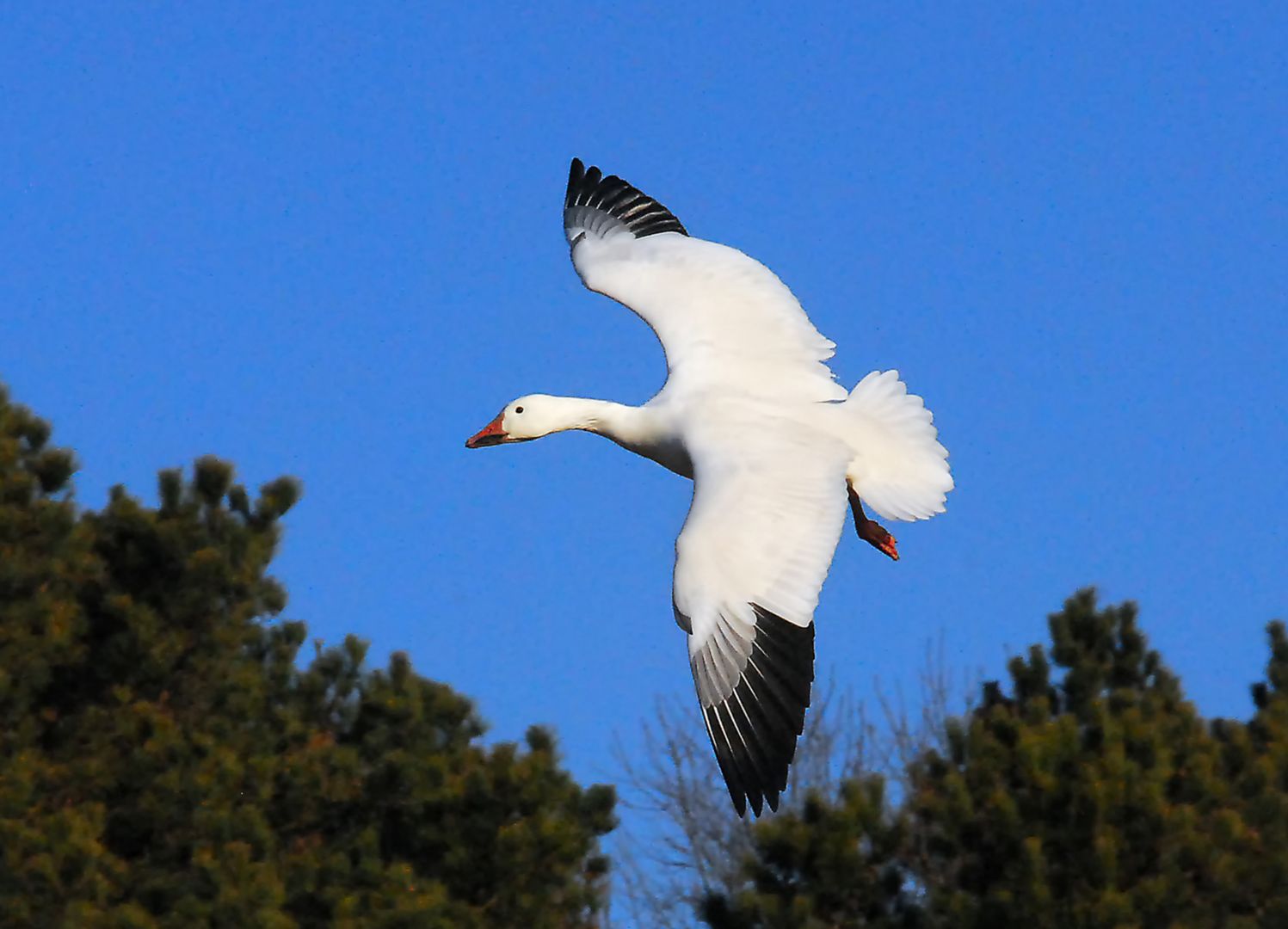
- Loess Bluffs National Wildlife Refuge (Mound City, northwest Missouri) — Formerly Squaw Creek National Wildlife Refuge, renamed January 11, 2017. Upwards of a million Snow Geese use the refuge in an average year, with about 200,000 ducks. Geese arrive mid-October and peak mid to late November, then return mid-February and peak in mid-March. Bald Eagles peak around the first of December, and a December 2020 survey counted more than 650. No charge to visit. The 10-mile one-way Wild Goose Auto Tour and the trails open daily from half an hour before sunrise to half an hour after sunset; visitor center Tuesday through Saturday, 10 a.m. to 3 p.m.
- Eagle Bluffs Conservation Area (Boone County) — 4,428 acres of managed wetland southwest of Columbia, with 17 pools making up about 1,100 acres of moist-soil and emergent marsh, and a reliable winter eagle site. Free, open 4 a.m. to 10 p.m. Portions close to protect waterfowl from October 15 through March 1, so check what's open before you drive out. Dogs must be leashed. Phone (573) 815-7900.
- Mingo National Wildlife Refuge (Stoddard and Wayne Counties) — Bottomland hardwood swamp a mile and a half north of Puxico, the closest thing left to the landscape the Bootheel used to be. The one paid site here: $3 a day or $12 for an annual refuge pass, federal passes accepted, free for seniors, military and visitors with disabilities. Open half an hour before sunrise to half an hour after sunset; visitor center Wednesday and Friday, 10 a.m. to 4 p.m. The 0.8-mile Swampwalk boardwalk is accessible, and the Ozark Highlands auto tour route runs March through November, weather permitting.
- Swan Lake National Wildlife Refuge (Sumner, Livingston County) — An Important Bird Area where, in spring, nearly every waterfowl species in the Central Flyway turns up. Free. Read the calendar before driving: the Wildlife Drive is open March 1 through October 31 only, and the refuge interior closes from late October through the first Saturday in March for migrating waterfowl. Phone (660) 362-5375.
- Ha Ha Tonka State Park (Camden County) — Castle ruins on a bluff above the Lake of the Ozarks, plus sinkholes, caves, a natural bridge, and Missouri's twelfth-largest spring, stitched together with trails and boardwalks. Free to enter. The park publishes a bird checklist through the Missouri Birding Society, and the glades and woodland edges hold birds you won't find elsewhere on this list. 1491 State Road D, Camdenton, (573) 346-2986.
- Table Rock State Park (Stone County) — On Table Rock Lake near Branson, free to enter, with paved and mountain biking trails and a marina. MDC names Table Rock Lake among its winter eagle-viewing spots, alongside Bagnell Dam Access, Truman Reservoir near Warsaw, Smithville Lake, Lock and Dam 24 at Clarksville, and the Old Chain of Rocks Bridge. Phone (417) 334-4704.
If you'd rather start from your own yard while you wait for the geese, our guide to hummingbird flowers for Missouri covers the plants that actually work here.
Missouri Bird Books and Field Guides
Most Missouri birders carry an eastern regional guide, keep a state guide for filtering, and lean on the state checklist for what's plausible and when.
Birds of Missouri Field Guide
Stan Tekiela's Missouri volume, sorted by color and covering only birds recorded in the state. See a yellow bird, turn to the yellow section. It cuts a beginner's guesswork more than any national guide can.

Birds of Missouri Field Guide (Bird Identification Guides)
Adventure Publications
The Sibley Field Guide to Birds of Eastern North America
The second edition, and the guide most Missouri birders actually carry. Sibley's plates handle the flight shapes and plumage variation that eastern birding keeps throwing at you.

The Sibley Field Guide to Birds of Eastern North America: Second Edition (Sibley Guides)
Knopf
Peterson Field Guide to Birds of Eastern and Central North America
The other standard, and arguably the better teaching guide. Peterson's arrows pointing at the field marks that matter are still one of the best ideas in birding.

Peterson Field Guide To Birds Of Eastern & Central North America, Seventh Ed.: The Classic Birdwatching Guide with Updated Range Maps
Mariner
Kaufman Field Guide to Birds of North America
Photograph-based rather than painted, edited so the birds are lit consistently, and the one to hand a beginner who finds illustrated guides abstract.

Kaufman Field Guide To Birds Of North America: A compact, easy-to-use field guide with official names and range maps for fast bird identification in North America
Mariner
Missouri Bird Records Committee annotated state checklist
Free, and more useful than any book for the question "should I be seeing this here, now." Its reference of record is Mark Robbins' Status and Distribution of Birds in Missouri, second edition, 2020.

Missouri Bird Rescue and Rehabilitation
Always call first. Intake capacity, hours, and species vary, and several of these places take only raptors or only songbirds.
Missouri doesn't publish a searchable directory of licensed wildlife rehabilitators, and the Department of Conservation's site carries no such list.
So the fastest route to a local rehabilitator is your regional MDC office or county contact through MDC's contact page, or one of the centers below.
World Bird Sanctuary - Valley Park, St. Louis County
Operates the Kathryn G. Favre Foundation Raptor Hospital for injured birds of prey, at 125 Bald Eagle Ridge Road. General admission to the sanctuary is free with a suggested donation. Call (636) 225-4390, or (314) 337-8889 to report an injured bird.
Wild Bird Rehabilitation - Overland, St. Louis County
Songbirds only, and the only Missouri organization devoted solely to songbird care. 9624 Midland Boulevard. Intake 9 a.m. to 5 p.m., seven days a week, at (314) 426-6400. They don't collect birds, so you bring the bird in after calling.
Wildlife Rescue Center - Ballwin, St. Louis County
Native Missouri wildlife including birds, at 1128 New Ballwin Road. Intake Monday to Friday 9 a.m. to 7 p.m., weekends 9 a.m. to 5 p.m. Call (636) 394-1880 before bringing an animal in, and leave a voicemail if the intake team is on another call.
Lakeside Nature Center - Kansas City
The wildlife assistance contact for the Kansas City area, taking injured and orphaned birds, mammals, reptiles, and amphibians. Owned and operated by Kansas City Parks and Recreation.
Raptor Rehabilitation Project - Columbia
Birds of prey only, through the University of Missouri College of Veterinary Medicine. Call the Veterinary Health Center immediately at (573) 882-7821, or (573) 882-4589 after 5 p.m. and on weekends.
Dickerson Park Zoo - Springfield
The zoo's animal hospital runs a wildlife rehabilitation program for southwest Missouri, at 3043 North Fort. Call the office at (417) 833-1570 first; no separate rehabilitation intake line is published.
Frequently Asked Questions
When does the Snow Goose migration peak at Loess Bluffs?
Snow Geese start arriving at Loess Bluffs National Wildlife Refuge in mid-October, and the refuge puts the fall peak in mid to late November, when upwards of a million birds can be present. There's a second peak on the way north, with arrivals from mid-February and a spring peak in mid-March.
Where can you see Bald Eagles in Missouri in winter?
Eagles peak at Loess Bluffs around the first of December, where a 2020 refuge survey counted more than 650. Farther south they concentrate at Riverlands Migratory Bird Sanctuary in January and February. The Department of Conservation also points birders to Eagle Bluffs, Smithville Lake, Table Rock Lake, and Lock and Dam 24 at Clarksville.
Do Missouri state parks charge admission?
No. Missouri State Parks charges no entrance or day-use fee. What costs money is camping, lodging, and guided cave tours. The 1 paid site here is federal: Mingo National Wildlife Refuge.
Are there beginner-friendly bird watching groups in Missouri?
Yes, and several go out of their way about it. St. Louis Audubon runs beginner walks that are always free, open to all ages, and supplies binoculars if you have none. Burroughs Audubon keeps binoculars to borrow at its Lake Jacomo nature center. Nobody there will quiz you.
Got a Missouri birding group to recommend?
Missouri has at least 4 Audubon chapters whose websites have quietly gone dark. A chapter with no web address is invisible to exactly the person who'd like to join. If you run one, or know who does, tell us in the comments or on the Sparkbird App.
Our goal is to build a birding community that connects people to nature and to each other. Bird watching groups are unusually good at this.
- Related: How to Use the Sparkbird App

No comments yet.