
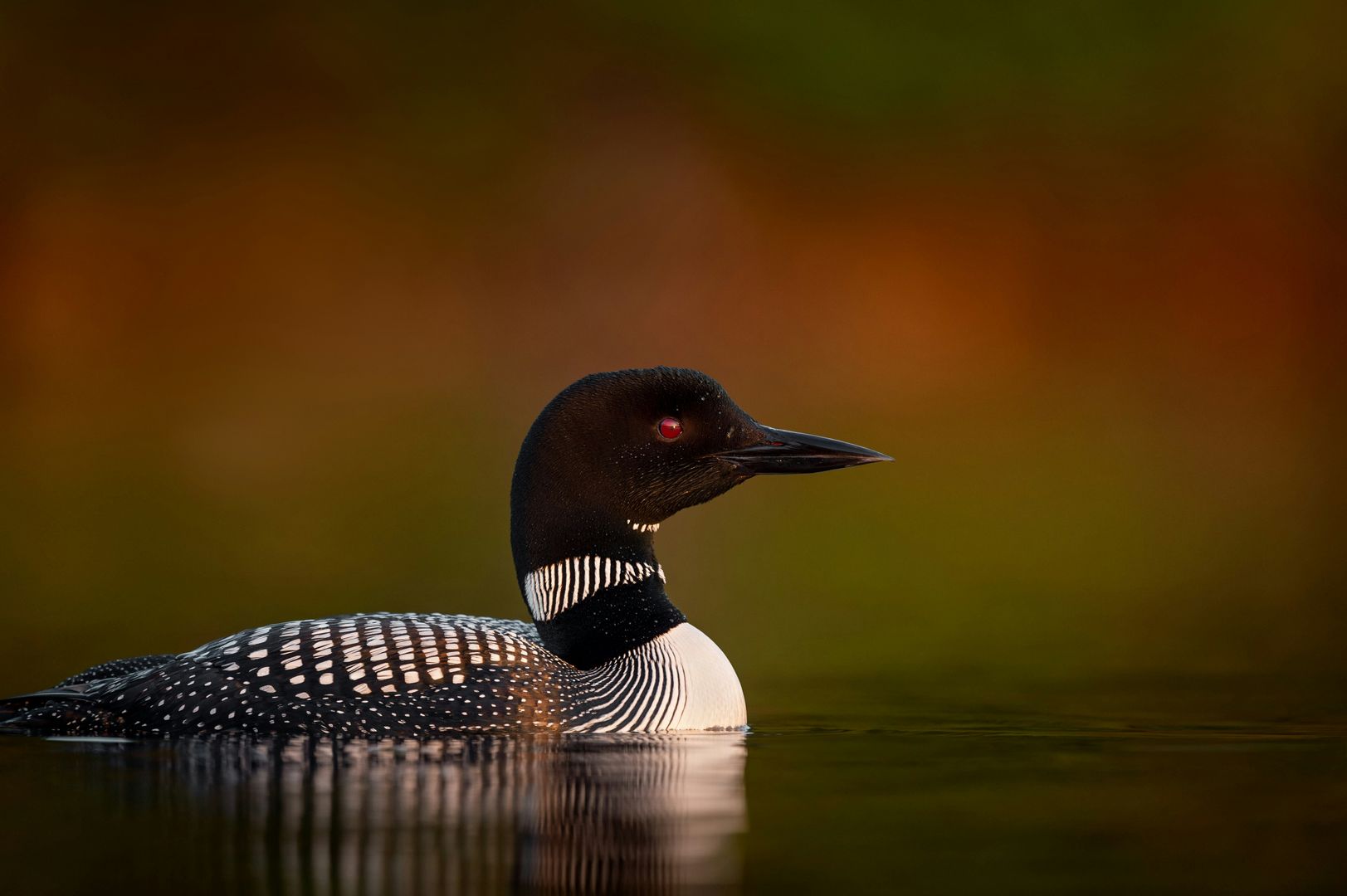
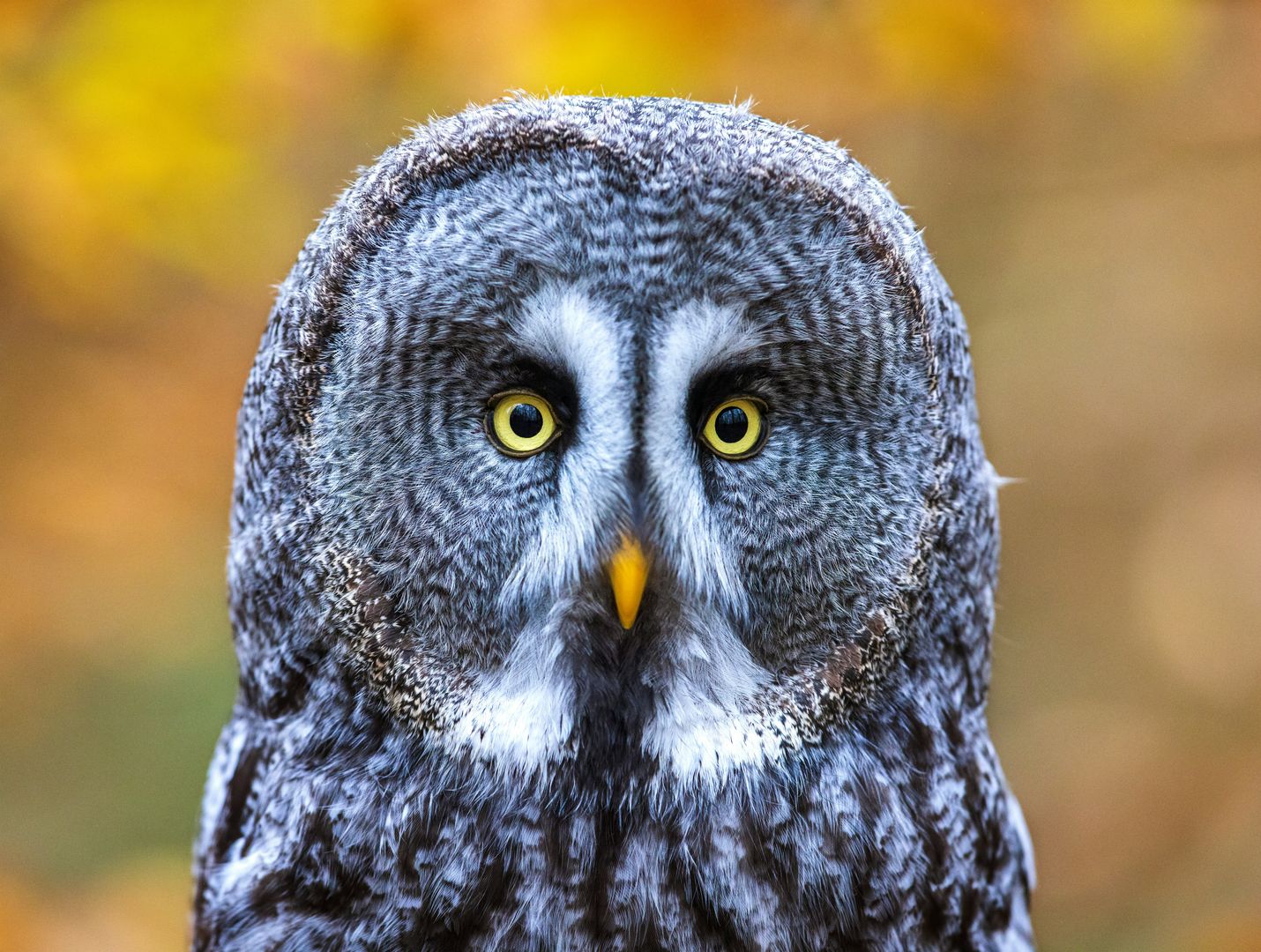
Minnesota has a statewide ornithological society founded in 1929, a dozen or so local clubs, and 2 birding destinations people fly in from other continents. In most states, a line of cars stopped on a gravel road in January means somebody hit a deer. In Minnesota it means a Great Gray Owl on a fence post, and nobody wants to be first to drive away.
The bird watching groups in Minnesota are mostly cheap or free. Whether you want owls on Admiral Road in February or hawks over Duluth in September, there's a group within reach.
Why Join a Bird Watching Group at All
Solo birding has obvious advantages. Nobody hurries you, and nobody watches you spend nine minutes on a sparrow that turns out to be a stray sock.
What a club gives you is what no app can. A person who knows where the birds were yesterday. That matters more in Minnesota than most places, because so much of the best birding here is time-sensitive. An owl irruption. A shorebird flat that only holds water in a wet August. That knowledge lives in people, and the way to get it is to stand next to someone who has it.
Clubs are also the front door to community science. The Christmas Bird Count has run every year since 1900, and the Minnesota count circles are organized by the local groups listed below.
Borrow before you buy
A decent pair of binoculars for birding starts around $150 and climbs past $500 fast. Borrow before you buy. Minnesota makes that easy. The Hawk Ridge overlook is free and staffed by naturalists every day from September 1, and the Friends of Sax-Zim Bog Welcome Center keeps naturalists in a heated building all winter. Look through somebody else's glass three or four times first.
Statewide Bird Watching Groups in Minnesota
Minnesota Ornithologists' Union (MOU)
The statewide body, founded in 1929, and the spine of organized birding in Minnesota. MOU publishes the quarterly journal The Loon, runs the records committee, maintains county checklists and occurrence maps, and keeps the affiliated club list this directory is built from. Membership is paid and includes the journal, and the checklists, maps and rare bird archive are free without joining.
MOU Records Committee (MOURC)
The committee that decides what counts, reviewing rare sighting documentation and maintaining the official state list. Anyone can submit a rare bird report, member or not, and read the submitted reports, which is an underused way to learn how experienced birders describe what they saw.
Audubon Upper Mississippi River
There is no separate Audubon Minnesota state office any more. National Audubon covers the state through its Upper Mississippi River regional office, working across Minnesota, Iowa and Missouri on habitat conservation, avian surveying and education, and supporting 34 campus and community chapters. Treat it as advocacy and habitat news, not a Saturday outing.
Christmas Bird Count
Runs December 14 through January 5, organized locally by clubs and compilers, with MOU keeping a Minnesota CBC page of the state's count circles. The easiest way to meet a dozen birders in one morning and see the winter birds of Minnesota while producing data somebody uses. Beginners get paired with experienced counters.
Salt Lake Birding Weekend
The state's flagship birding weekend, run jointly by MOU, the Minnesota River Valley Audubon Chapter, University of Minnesota Extension's Master Naturalist program and the Montevideo Area Convention and Visitors Bureau. It centers on Salt Lake, a 312-acre shallow lake southwest of Marietta that pulls in western shorebirds you won't easily find elsewhere in Minnesota.
The 2026 weekend ran May 1 to 3 from the Lac qui Parle Wildlife Area headquarters near Watson. About 150 people attend in a typical year, recording 130 to 147 species. Open to the public.
Bird Watching Groups in the Twin Cities Metro
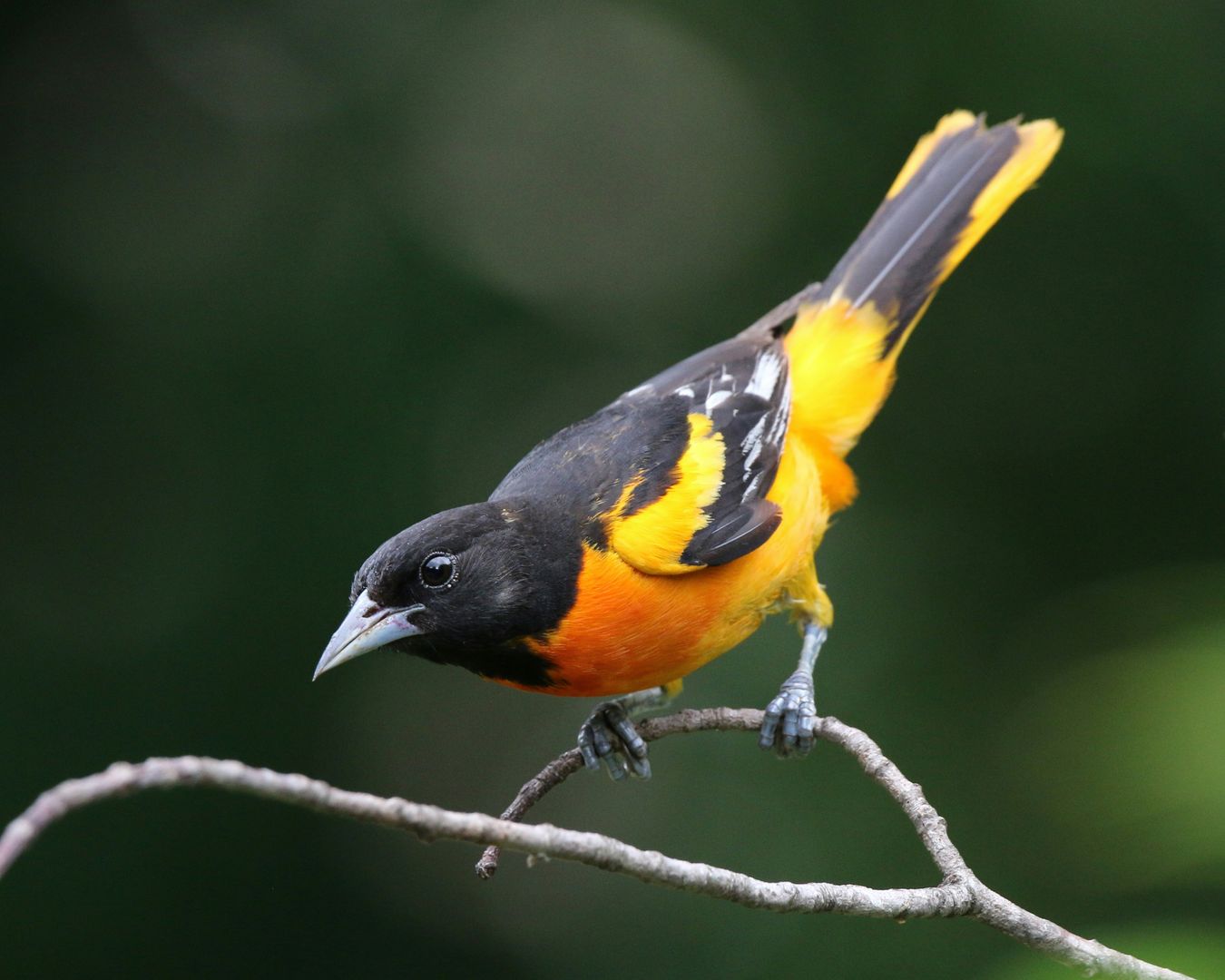
Minnesota River Valley Audubon Chapter (MRVAC) - South Metro
The busiest field trip program in the metro, with free public bird walks most weeks of the year at Old Cedar Avenue Bridge, the Louisville Swamp and Bloomington Ferry units, and Rapids Lake.
Meetings are usually the fourth Thursday, 7:00 to 9:00 p.m., at the Minnesota Valley National Wildlife Refuge Visitor Center, 3815 American Blvd E, Bloomington. A few multi-day trips carry a fee, so check first.
Saint Paul Bird Alliance (formerly Saint Paul Audubon) - East Metro
Renamed from Saint Paul Audubon. Monthly meetings with guest speakers run September through May, and the chapter states plainly that membership is not required to take part. Membership is optional, from $25 a year or $5 a month. Its newsletter, The Cardinal, was still going out in August 2026.
Minneapolis Audubon Society - Minneapolis
Founded in 1916 and the oldest birding club in Minneapolis. Free monthly meetings on the second Friday, September through May, 1:00 p.m. at the Bryant Square Park Building, 3101 Bryant Ave South, doors at 12:30, free parking. It's a daytime club, which suits retirees and shift workers and rules out anyone with a nine to five.
Urban Bird Collective - Twin Cities and beyond
Free bird walks built around centering BIPOC and LGBTQIA+ birders, at sites including Minnesota Valley National Wildlife Refuge, Theodore Wirth Park and Carlos Avery Wildlife Management Area. All skill levels, no membership. If joining a club has ever felt like walking into someone else's living room, start here.
MYBirdClub - Youth and families
Free guided field trips for youth and families, plus private programming for schools and groups. The site hasn't carried a fresh date recently, so contact them before planning around an outing.
Bird Watching Groups in Duluth and the North Shore
Northeastern Minnesota Bird Alliance (formerly Duluth Audubon Society) - Duluth and Northeastern Minnesota
Renamed from Duluth Audubon Society. Monthly presentations for most of the year, guided group trips, and a free local birding map so you can find the trip sites or work them alone. Meeting nights and trip dates live on their events calendar, not the homepage. Mail reaches them at P.O. Box 3091, Duluth, MN 55803.
Hawk Ridge Bird Observatory - Duluth
Not a club, and the single best reason to be in Duluth in the fall. Migrating raptors won't cross open water. At the western tip of Lake Superior they funnel along the ridge above the city, in numbers that are hard to believe until you're standing in them.
The fall count runs August 15 through November 30, with count and banding staff on site daily. Naturalists are there weekends in August and every day from September 1 to put birds in your view and tell you what they are. Visiting is free.
The observatory also runs year-round education programs, and the annual Hawk Weekend Festival falls on September 18 to 20 in 2026. That isn't a scheduling accident. Phone 218-428-6209.
Bird Watching Groups in the Arrowhead and the Northern Bogs
Friends of Sax-Zim Bog (FOSZB) - Sax-Zim Bog, northwest of Duluth
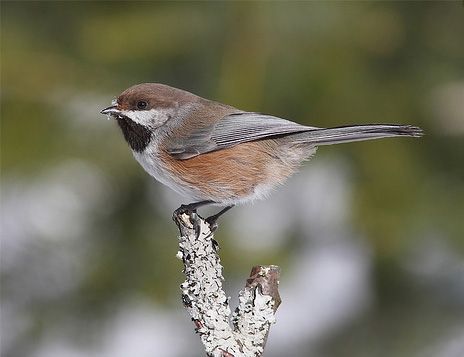
The organization that turned a patch of black spruce and tamarack bog into an international winter birding destination, and has protected over 25,000 acres of it. Great Gray Owl and Boreal Chickadee are the draws, and people drive up from Iowa and Illinois to see them.
The group runs the Welcome Center, maintains the feeder network, leads field trips and webinars, and books professional guides year round through its head naturalist, five people and four hours minimum. Phone 218-209-2266. Visiting details are in the hotspot section below, because the logistics matter more here than anywhere else in Minnesota.
Bird Watching Groups in Northwest Minnesota and the Red River Valley
Mississippi Headwaters Audubon Society - Bemidji
The National Audubon chapter for the Bemidji area, and the main organized birding presence in north-central Minnesota. Guided walks, workshops and environmental education, including seasonal bird walks and the Walk on the Wild Side program, with events posted into September 2026.
The chapter stewards the Neilson Spearhead Nature Preserve at 48851 County Road 29, open year round dawn to dusk. Contact outreach@spearheadmhas.org or 218-444-8672.
Bird Watching Groups in Southeast Minnesota and the Driftless
Zumbro Valley Audubon Society (ZVAS) - Rochester and Olmsted County
The busiest club in southeast Minnesota, with bird walks and nature programs right through the year, including Quarry Hill walks, an annual butterfly count and Monarch Fest. The chapter states that most programs are free and open to the public, and its calendar was current through August 2026. Mail reaches them at PO Box 6244, Rochester, MN 55903.
Albert Lea Audubon Society - Albert Lea and Freeborn County
A National Audubon chapter since 1948, currently focused on its wildlife preserve in Albert Lea. The site publishes no meeting schedule or trip calendar, so email them through the link on their homepage before making the drive. Listed because the chapter and the preserve work are real, not because there's a walk on Saturday.
Bird Watching Groups in Southwest Minnesota and the Prairie
This is the honest gap in Minnesota's club map. The southwest prairie counties have superb birding and no local club with a current public website, so organized birding here runs through statewide events and federal refuges rather than a chapter you can join.
The practical answers are the Salt Lake Birding Weekend each spring, centered on exactly this corner of the state; Big Stone National Wildlife Refuge near Ortonville; and the MOU-net mailing list, where the handful of people who bird these counties post what they find.
Other Ornithology and Research Groups in Minnesota
MOU-net - Statewide listserv
The statewide birding mailing list, hosted at the University of Minnesota and publicly archived. Sightings, rare bird reports, trip announcements, and the occasional argument about gull identification. The archive is readable without subscribing, which beats committing to a digest in your inbox sight unseen.
The Loon - MOU journal
MOU's quarterly journal, carrying seasonal reports, records committee proceedings and breeding records, with a searchable species index. If you want to know what a bird did in Minnesota in 1974, it's written down here.
eBird Minnesota - Statewide
The Cornell Lab's regional portal: recent sightings by county, hotspot rankings, bar charts showing when each species is actually present, and free rare bird alerts. Most Minnesota clubs use it for trip reporting, so club checklists land here too.
Sparkbird App - Community
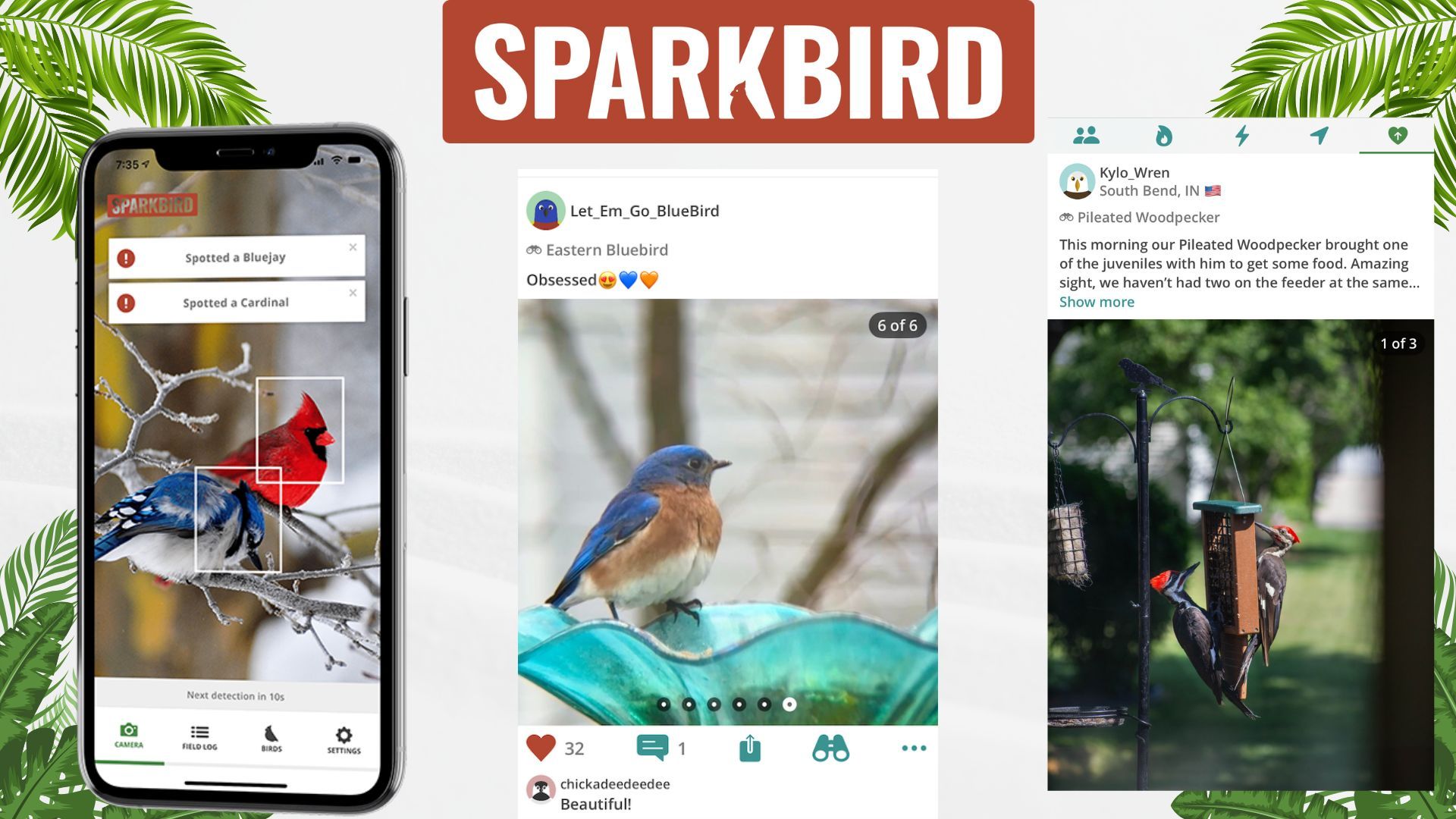
We built Sparkbird for people who want a friendly community of birders rather than an algorithm. Track your life list, get help with identification, and meet people who also stop mid-sentence to look at a tree. Like Instagram for bird watchers, minus the parts that make you feel worse.
Where to Go Birding in Minnesota

These are the sites that reliably produce, with the access terms you need before you set off.
- Hawk Ridge Bird Observatory (Duluth, St. Louis County) — One of North America's premier fall raptor watches. The count runs August 15 through November 30 with staff on site daily, and naturalists are present weekends in August and every day from September 1. Free. Address 6008 London Road, Duluth; phone 218-428-6209. Dress for a cold ridge, because the wind is the entire reason the birds are there.
- Sax-Zim Bog (near Cotton, St. Louis County) — Internationally known for Great Gray Owl, Boreal Chickadee and other boreal specialties in winter. The Welcome Center at 8793 Owl Avenue, Toivola, is open daily 10 a.m. to 3 p.m. from early December to mid-March and again June 1 to September 30, with a year-round outhouse and a sightings board updated even when the building is shut. From Cotton on US Highway 53, go west 11 miles on County Road 52, then south on Owl Avenue 1.75 miles. Bog roads are plowed but not uniformly, and the group recommends a standard or all-wheel-drive vehicle with snow tires. The feeder network at Admiral Road, Mary Lou's and the Welcome Center is where most visitors get their best looks. Call 218-209-2266 for current sightings first.
- Agassiz National Wildlife Refuge (Middle River, northwestern Minnesota) — 61,500 acres where boreal forest meets tallgrass prairie, holding around 300 bird species. Free, open 5:30 a.m. to 9 p.m.; the four-mile auto tour and three hiking trails run May through mid-October during daylight, conditions allowing. A 100-foot observation tower stands by headquarters at 22996 290th Street NE, key available during office hours in snow-free months. Headquarters open weekdays 7:30 a.m. to 4 p.m. Dogs leashed, no camping.
- Big Stone National Wildlife Refuge (Big Stone and Lac qui Parle Counties) — 11,586 acres of granite outcrop, wetland and rare tallgrass prairie at the headwaters of the Minnesota River. Free, open dawn to dusk; the five-mile paved auto tour runs the first Monday in April to the first Monday in December, sunrise to sunset, starting 1.5 miles southeast of Ortonville on Highway 7/75, with four short trails off it. Headquarters at 44843 County Road 19, Odessa, open weekdays 8 a.m. to 4 p.m.
- Minnesota Valley National Wildlife Refuge (South metro, Bloomington and Carver) — More than 45 miles of trails along the Minnesota River, close enough to the airport to bird on a layover. The Bloomington visitor center at 3815 American Blvd E opens Wednesday to Sunday, 10 a.m. to 5 p.m., 952-854-5900; the Rapids Lake center at 15865 Rapids Lake Road, Carver, opens weekends, same hours, 952-361-4500. Bald eagles and wood ducks are near-guaranteed, and MRVAC meets here monthly.
- Park Point (Duluth, St. Louis County) — The long sand spit closing off Duluth harbor, and a migrant trap of the first order in spring and fall. Managed by Duluth Parks and Recreation at 45th Street and Minnesota Avenue, with an on-site parking lot and no entry fee. Busy with swimmers in summer, the wrong season for it anyway. Parks office 218-730-4300 weekdays for closures.
- Whitewater State Park and the surrounding Whitewater valley (southeast Minnesota) — Driftless country: limestone bluffs, spring-fed streams, and the woodland and bluff-edge birds that go with them. A state park vehicle permit is required, $7 daily or $35 for the year across all Minnesota state parks, free for veterans and tribal members. The adjoining wildlife management area lands are free and open to non-hunters, though vehicles are barred off designated parking, dogs must be leashed April 16 to July 14, and blaze orange is wise in hunting season.
If you'd rather start from your own window while you wait for May, our guide to hummingbird plants for Minnesota covers what works in a short northern season.
Minnesota Bird Books and Field Guides
Minnesota identification starts with the right guide, and the state is well served. Local chapters often have regional checklists worth asking about too.
Birds of Minnesota Field Guide
Stan Tekiela's third edition, from Adventure Publications in 2019, covers 123 Minnesota species organized by color. See a yellow bird, go to the yellow section. A Minnesota Book Awards finalist and hard to beat as a first guide.

Birds of Minnesota Field Guide (Bird Identification Guides)
Adventure Publications
Birds in Minnesota, Revised and Expanded Edition
Janssen and Cahlander's state reference from the University of Minnesota Press, covering all 443 species recorded in Minnesota with more than 1,000 distribution maps. The book that answers "has that ever been seen here before, and when." Not one to carry, but the one to own if you get serious.

The Sibley Field Guide to Birds of Eastern North America
The second edition, over 650 species and 4,600 illustrations. The most authoritative portable guide to eastern birds, and the one most trip leaders carry.

The Sibley Field Guide to Birds of Eastern North America: Second Edition (Sibley Guides)
Knopf
Kaufman Field Guide to Birds of North America
Kenn Kaufman's photo-based guide, built to get beginners identifying birds quickly. If illustrated plates have never quite clicked for you, try this one.

Kaufman Field Guide To Birds Of North America: A compact, easy-to-use field guide with official names and range maps for fast bird identification in North America
Mariner
Minnesota Bird Rescue and Rehabilitation
Always call first. Intake capacity, hours and permitted species vary, and driving an injured bird to a center that can't legally accept it wastes time the bird doesn't have.
Minnesota is unusual in that the DNR publishes no public online directory of licensed wildlife rehabilitators. The official starting point is the Minnesota DNR Information Center, which handles injured, sick and nuisance animal calls at 651-296-6157 or 888-646-6367, weekdays 8 a.m. to 6 p.m. and Saturday 8 a.m. to 4:30 p.m.
They'll point you to the nearest permitted rehabilitator. The centers below are the ones with a public presence and a stated intake policy.
The Raptor Center - University of Minnesota, St. Paul
Raptors only: hawks, eagles, owls and falcons, at 1920 Fitch Avenue, St. Paul. Staff take calls 8 a.m. to 7 p.m. including holidays at 612-624-4745, and patients are admitted 8 a.m. to 5 p.m. daily. Speak to staff before bringing a bird in.
More than a thousand birds a year pass through, and the center runs public tours. It closes to visitors during the State Fair, though the hospital stays open.
Wildlife Rehabilitation Center of Minnesota - Roseville
The state's largest general wildlife hospital, treating more than 12,000 animals a year across over 185 species, songbirds and waterfowl included. Open every day of the year, weekends 9 a.m. to 6 p.m. No tours. Check their site for the current admissions number and hours before setting out.
WILDWOODS - Duluth and the Arrowhead
The rehabilitation center for northeastern Minnesota, at 4009 W Arrowhead Rd, Duluth, open 10 a.m. to 4 p.m. seven days a week, phone 218-491-3604. Their instruction is explicit: do not bring an animal without calling and speaking to staff first, and never leave one unattended at the building.
The DNR doesn't allow them to take animals brought over from Wisconsin. Read their found an animal guide first, because a fair number of "orphaned" birds aren't orphaned.
Frequently Asked Questions
When is the best time to visit Sax-Zim Bog for owls?
Winter, specifically when the Friends of Sax-Zim Bog Welcome Center is open daily, early December through mid-March, 10 a.m. to 3 p.m. Great Gray Owls hunt at the edges of the day, so the first and last two hours of light are the productive ones. Call 218-209-2266 before a long drive.
When does Hawk Ridge peak?
September, though the official count runs August 15 through November 30. Broad-winged Hawks move in big kettles mid-month, which is why the observatory holds Hawk Weekend on September 18 to 20 in 2026. Later in the fall the flight shifts toward Golden Eagles and Rough-legged Hawks.
Where can you see a Great Gray Owl in Minnesota?
The Sax-Zim Bog, northwest of Duluth. It's the reason birders fly into Duluth in January. Great Grays also turn up along roadsides across the northern forest counties, especially in irruption winters. Work the bog roads at dawn and dusk, and stay in the car.
Are there beginner-friendly bird watching groups in Minnesota?
Several go out of their way about it. Urban Bird Collective exists to make walks welcoming to people who've never been on one, and MYBirdClub runs free trips for youth and families. Nobody's going to quiz you.
Got a Minnesota birding group to recommend?
Clubs form, rename themselves, and occasionally go quiet for a few years before somebody restarts them. If your group is missing here, or if you've found the southwest prairie club we couldn't, tell us in the comments or on the Sparkbird App.
Our aim is a birding community that connects people to nature and to each other. Bird watching groups turn out to be unusually good at this.
- Related: How to Use the Sparkbird App

No comments yet.