
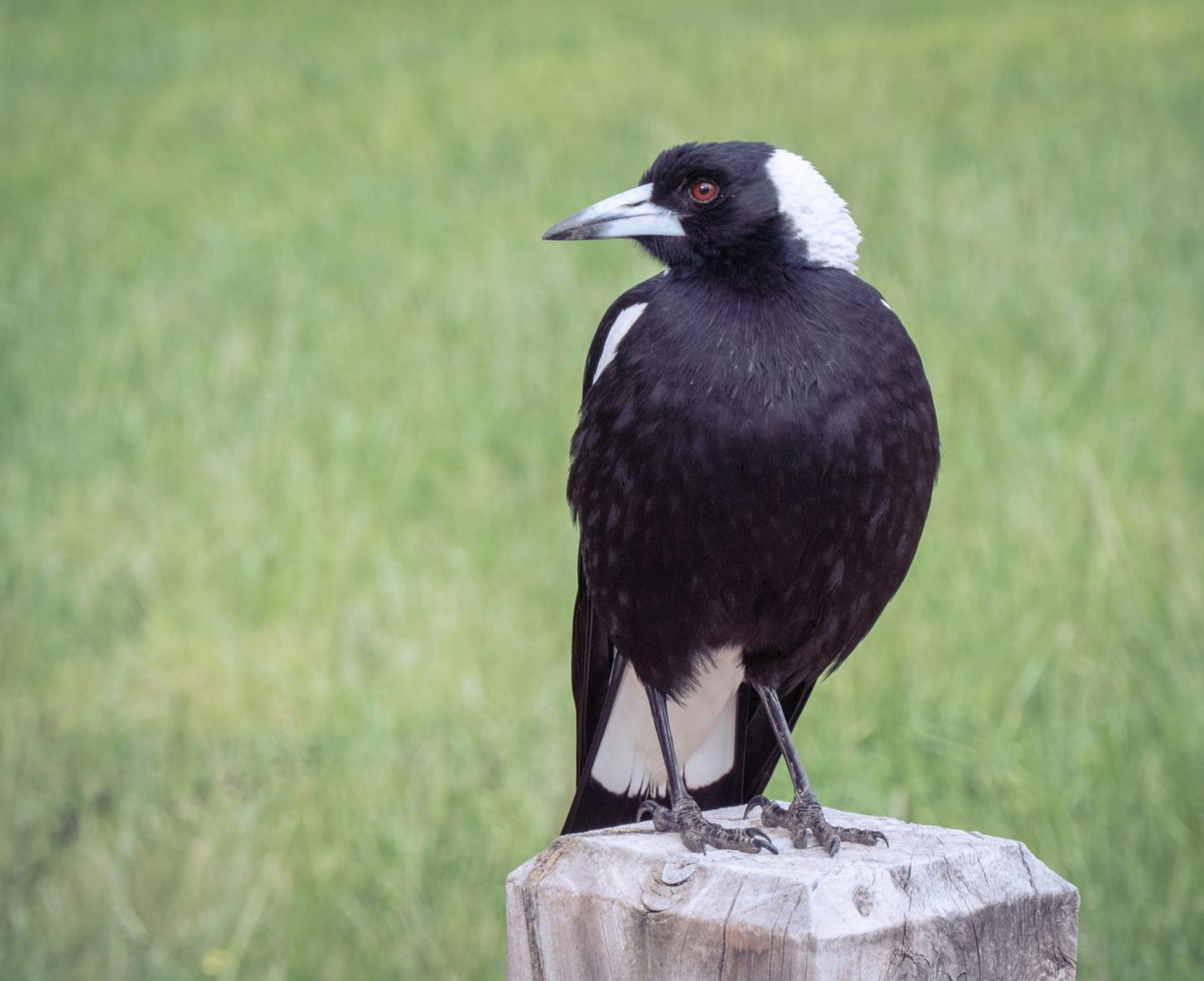
Oklahoma has 7 bird clubs and ornithological societies with working websites, fewer than the state's 488-species checklist deserves. The bird on the license plate is a Scissor-tailed Flycatcher, and half the state can identify one from a moving car.
The bird watching groups in Oklahoma cluster hard around Tulsa, Oklahoma City, and Stillwater. Most run free field trips anyone can join. If you live in Guymon or Idabel, your birding community is a refuge visitor center, a listserv, and whoever else is at the Salt Plains tower at dawn.
Why Join a Bird Watching Group at All
Birding alone has obvious appeal. But a group gives you somebody who knows which shorebird flat still has water in it this week. That matters more here than in most states, because so much of Oklahoma's good habitat is engineered and temporary. Hackberry Flat is flooded or it isn't.
Groups are also the front door to community science like the Christmas Bird Count.
FYI before you buy
One practical note before you spend anything. A decent pair of binoculars for birding runs from about $150 to well past $500, and several Oklahoma groups will hand you a pair for free. Oxley Nature Center keeps loaners for its young people's walks. Borrow before you buy.
Statewide Bird Watching Groups in Oklahoma
Oklahoma Ornithological Society (OOS)
The statewide society, founded in 1951, where recreational birders and academic ornithologists overlap. OOS runs spring field meetings timed to peak migration and fall paper sessions presenting new Oklahoma research, both with speakers and local field trips.
Membership for 2026 is $26 regular, $35 family, $16 student, $500 life. That includes the quarterly Scissortail, the peer-reviewed Bulletin of the Oklahoma Ornithological Society, and the state checklist.
Oklahoma Bird Records Committee (OBRC)
The OOS committee that reviews documentation for unusual sightings and maintains the Official Checklist of Oklahoma Birds, whose sixth edition, from May 2022, stands at 488 species. If you find something genuinely rare here, this is the body that decides whether it goes on the state list. Forms are on the OOS site.
National Audubon Society in Oklahoma
National Audubon has no state office in Oklahoma, and no centers or sanctuaries here either. Its own Audubon Near You directory returns local chapters only. There's no statewide Audubon staff to call.
Christmas Bird Count
Mid-December through early January, organized circle by circle by the clubs below, and every one of them wants beginners. Payne County Audubon puts it bluntly on its count page: don't assume you aren't good enough at counting birds to help. Half a day counts, and so does your own feeder.
Bird Watching Groups in Oklahoma City and Central Oklahoma
Oklahoma City Audubon Society - Oklahoma City / Central Oklahoma
Founded in 1947 and the busiest club in the middle of the state. Meetings are at 7 p.m. on the third Monday, September through June, at the Will Rogers Garden Center where NW 36th Street meets I-44, with January shifted to the fourth Monday around the King holiday. Visitors are always welcome.
The society states explicitly that it's neither a chapter of nor affiliated with National Audubon, so an Audubon membership doesn't make you a member here. Field trips are announced by email, with a signup on the site.
Its birding hotspot pages cover more than 25 central Oklahoma locations, including a wheelchair-friendly list almost no other club publishes.
Deep Fork Audubon Society - Shawnee / Pottawatomie County
Still listed as a current National Audubon chapter, with monthly meetings at the Shawnee Public Library at 6 p.m. and outings to Deep Fork National Wildlife Refuge, Lake Tecumseh, and Chickasaw National Recreation Area.
Read this before driving to Shawnee. The newest content on its own site dates from 2017 and the blog stopped in 2018. Genuine and not parked, but not a schedule. Email first.
Bird Watching Groups in Tulsa and Northeast Oklahoma
Tulsa Audubon Society - Tulsa
Promoting birds and the natural world since 1935, and the best bet in Oklahoma for someone who wants to go birding this week rather than next season. Meetings are the third Tuesday except June through August, 7:00 p.m. social and 7:30 program, at the Tulsa Garden Center, 2435 S. Peoria, free and open to the public.
Tuesday Morning Birders meet year round at 8:00 a.m. at the north end of the LaFortune Park lot. Saturday Morning Birders meet the second Saturday except July and August at 8:00 a.m. at the Lake Yahola monument in Mohawk Park. Both welcome any skill level.
Membership starts at $20 for a first year and includes National Audubon. Their Guide to Birding in Oklahoma covers six regions with mapped sites and is the best free birding resource the state has.
Friends of Grand Lake Audubon Society - Grove / Delaware County
A National Audubon chapter covering Grand Lake country in far northeastern Oklahoma, a stretch of Central Flyway water that pulls in American White Pelicans and wintering Bald Eagles. Its site advertises monthly meetings, bird walks, and youth programs but publishes no readable calendar, so contact them before driving to Grove.
Oxley Nature Center - Tulsa (Mohawk Park)
Not a club, but the easiest first outing in northeastern Oklahoma. Staff lead a bird walk the first Saturday of every month, 8:00 to 9:45 a.m., all ages, beginners explicitly welcome, meeting at the nature center. Tulsa Audubon runs a Young People's Seasonal Bird Walk here on select dates, with binoculars to borrow. Call 918-596-9054.
Bird Watching Groups in the Panhandle and Northwest Oklahoma
There's no bird club in the Oklahoma Panhandle, and none in the northwest quarter, at least none with a website that can be verified. This directory omits several names that circulate on aggregator lists because their sites are gone, parked, or years dead, and a phone number nobody answers is worse than no listing at all.
What the region has instead is land. Salt Plains National Wildlife Refuge in Alfalfa County and the Black Mesa country in Cimarron County are two of the best birding destinations in the state, both free, both covered below. The Wildlife Department's Great Plains Trail of Oklahoma maps 13 highway driving loops across western Oklahoma with designated viewing stops.
For an organized outing, the nearest active clubs are Payne County Audubon and Oklahoma City Audubon, both of which run trips west. The OKBirds listserv matters more here than anywhere else, because it's where a Panhandle rarity gets reported first.
Bird Watching Groups in Southwest Oklahoma, Lawton, and the Wichitas
Southwest Oklahoma has no verified active bird club either, which is odd since the Wichita Mountains are one of the finest birding destinations between the Ozarks and the Rockies.
The refuge's volunteer friends group has a live website, but its interpretive tour schedule stops in 2019 and its news page in 2020, so this directory doesn't list it as a going concern.
The working answer for the region is the refuge itself. The Wichita Mountains Wildlife Refuge visitor center near Lawton is open 9 a.m. to 5 p.m. daily on 580-429-3222, and staff will tell you which roads and trails are open. That changes more often than you'd expect.
Volunteer roles are posted on the refuge's get involved page.
Bird Watching Groups in Southeast Oklahoma and the Ouachitas
Texoma Audubon Society - Durant / Bryan County
A National Audubon chapter covering the Red River region of southern Oklahoma and north Texas, with leadership drawn from Southeastern Oklahoma State University. Membership is $30 for adults and $10 for students, and the chapter runs Christmas Bird Counts and takes part in The Big Sit.
One caveat. The most recent dated item on its own site is from October 2022, so email before planning a trip around a meeting.
The region's best birding site belongs to no club at all. Red Slough Wildlife Management Area in McCurtain County is covered below. The Red Slough Birding Convention that once ran out of Idabel each May hasn't been held since 2019, so don't plan around it.
Bird Watching Groups in Stillwater and North Central Oklahoma
Payne County Audubon Society - Stillwater / Payne County
A 501(c)(3) National Audubon chapter, and the most welcoming club in the state on paper and in practice. Every event is free and open to the public, non-members and members alike, and explicitly beginner-friendly.
The calendar runs from a March woodcock walk at dusk through spring migration outings and raptor trips to the Tallgrass Prairie, plus evening programs, a photo contest, and the Birdlam birding competition. PCAS also compiles 2 Christmas Bird Counts: Stillwater, in its 78th year in 2025, and John Couch Sooner Lake, in its 35th.
Other Ornithology and Research Groups in Oklahoma
George Miksch Sutton Avian Research Center - Bartlesville / Washington County
This is Oklahoma's serious avian research outfit and the organization behind the Bald Eagle restoration that repopulated eastern Oklahoma. It also runs grassland bird research and the Oklahoma Breeding Bird Atlas.
Three things to know. It's a research facility rather than a visitor attraction, and advertises no public tours.
And its longtime domain no longer serves the organization's website. Every page on it returns unrelated foreign retail content. Use the U.S. Fish and Wildlife Service partner page instead, and treat links to that old domain, including ones partner organizations still post, as broken.
OKBirds Listserv
The state discussion list, hosted at the University of Oklahoma, doubling as Oklahoma's rare bird alert. Subscribe through the list page; a 30-day rolling archive is mirrored on the American Birding Association's birding news aggregator. If you want to hear about a Panhandle vagrant the day it's found, this is it.
Joseph H. Williams Tallgrass Prairie Preserve - Pawhuska / Osage County
The Nature Conservancy's 39,650-acre preserve, grazed by roughly 2,500 free-ranging bison and holding more than 300 bird species, including Greater Prairie-Chickens in the spring booming season.
Open dawn to dusk daily, no admission charge, with a 15-mile bison loop drivable on county roads. The visitor center is staffed only some days, and in October and early November the herd may move north for the roundup.
Sparkbird App - Community
We built Sparkbird for people who want a friendly community of fellow birders rather than an argument. Track your life list, get identification help, and meet people who also stop mid-sentence to look at a utility wire.
Where to Go Birding in Oklahoma
A club is the fastest route to local knowledge, but these seven sites reliably produce, and every one has access terms worth knowing first.
- Wichita Mountains National Wildlife Refuge (Comanche County) — Bison, Rocky Mountain elk, and Texas longhorns on 59,020 acres of granite and mixed-grass prairie, plus 275 bird species and the world's stronghold population of Black-capped Vireos, which topped 8,800 birds here in 2022. No entrance fee, visitor center 9 a.m. to 5 p.m. daily. Under a heat order in effect since July 1, 2026, hiking is allowed sunrise to 10 a.m. only, while roads stay open to vehicles and bicycles. Backcountry camping in the Charons Garden Wilderness needs a Recreation.gov permit, $10 plus $5 per person.
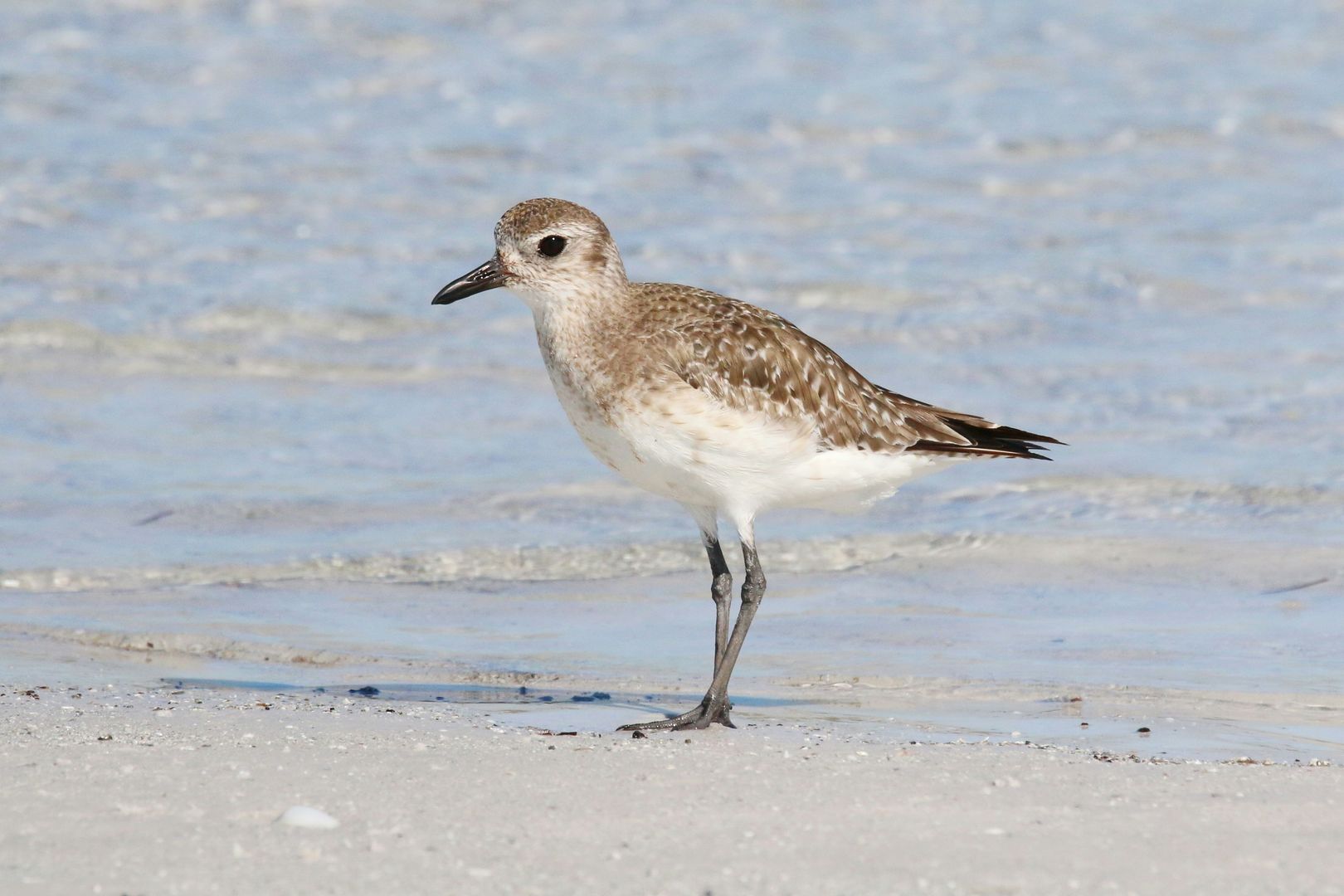
- Salt Plains National Wildlife Refuge (Alfalfa County) — A salt flat left by an ancient sea, and the reason Oklahoma has breeding Snowy Plovers and Interior Least Terns. Ralstin Island holds the state's largest White-faced Ibis colony, and Whooping Cranes stop here in fall. Free, open sunrise to sunset, with a 2.5-mile one-way auto tour route, two photo blinds, and three observation decks. The selenite crystal digging area at 66003 Garvin Road near Cherokee is open April 1 through October 15, free and with no permit, take up to 10 pounds plus one large cluster, and only inside the orange-signed area.
- Sequoyah National Wildlife Refuge (Sequoyah County) — Where the Canadian River meets the Arkansas, and the best winter eagle site in eastern Oklahoma. No entrance fee. Sandtown Bottom and Sally Jones Lake open daily 5 a.m. until an hour after legal sunset. Two one-mile paved ADA-compliant trails, Horton Slough and Sandtown, are open year round. Free Eagle Watch Tours run Saturday mornings at 9 a.m. from late January into early March, no pre-registration but confirm dates at 918-773-5251.
- Hackberry Flat Wildlife Management Area (Tillman County) — 7,566 acres of restored playa wetland southeast of Frederick, the best shorebird site in southwestern Oklahoma with 29 documented shorebird species, plus wintering Prairie and Peregrine Falcons and Ferruginous and Rough-legged Hawks. Water here is entirely rainfall dependent and the units are sometimes bone dry, so call ahead. Because this is a Wildlife Department area, birding requires a Wildlife Conservation Passport or a current Oklahoma hunting or fishing license.
- Red Slough Wildlife Management Area (McCurtain County) — 5,814 acres of restored bottomland hardwood and moist-soil wetland in the far southeastern corner, co-managed by the Forest Service, the NRCS, and the state. 320 species confirmed, nine viewing platforms, alligators, and Bald Eagles year round. No entrance fee, but no motorized vehicles and no camping, so plan on walking, and nonresidents check in and out at no cost. It is 18 miles south of Idabel on US 259, then Highway 87 east and Mudline Road north.
- Lake Hefner (Oklahoma County) — 2,500 acres of open water inside Oklahoma City, free, and the closest thing the state has to a gull-and-loon guarantee. Stars and Stripes Park on the south side, where Portland Avenue meets S. Lake Hefner Drive, has shoreline for gulls and terns. Prairie Dog Point in the southwest corner exposes flats when the water drops and has produced Whimbrel, Piping Plover, Long-billed Curlew, and Red-throated Loon. Best in migration and winter.
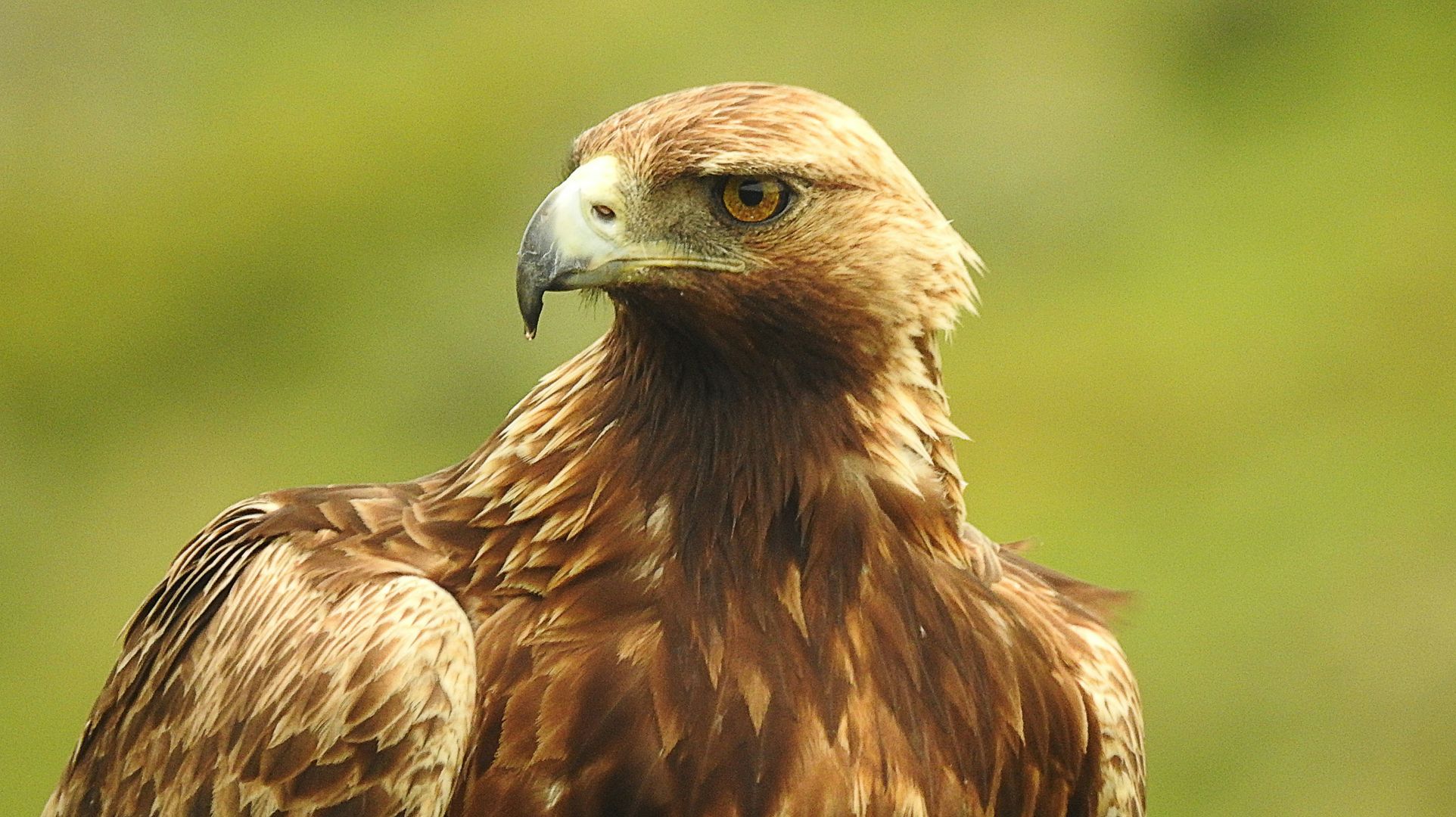
- Black Mesa State Park and Nature Preserve (Cimarron County) — The far end of the Panhandle, where the shortgrass prairie runs into the southern Rockies and Oklahoma acquires a bird list it has no business having. Golden Eagles, Scaled Quail, Black-billed Magpies, and Pinyon Jays are the headliners, across roughly 1,600 acres holding 23 rare plants and eight rare animals. The preserve is free, needs no state park parking pass, and is open dawn to dusk only. The summit trail to Oklahoma's 4,973-foot high point takes at least four hours round trip. Camping is at the adjacent state park near Lake Carl Etling, not in the preserve.
If you'd rather start from your own yard while you wait for October, our guide to plants for hummingbirds in Oklahoma covers the species that survive an Oklahoma summer.
Oklahoma Bird Books and Field Guides
Oklahoma sits on the seam between eastern and western North America, which is what makes one field guide insufficient.
Birds of Oklahoma Field Guide
Stan Tekiela's second edition, published in 2024, covering 123 Oklahoma species organized by color. See a yellow bird, turn to the yellow section. Eight species and updated range maps were added for this edition, and it's the best first guide for the state.

Birds of Oklahoma Field Guide (Bird Identification Guides)
Adventure Publications
All About Birds Texas and Oklahoma
The Cornell Lab of Ornithology's regional guide, 238 species across 320 pages, with several photographs per species covering males, females, immatures, and plumage variation. Pairing Oklahoma with Texas means the western species get covered.

Compact Guide to Oklahoma Birds
Ted Cable and Gregory Kennedy's small-format Lone Pine guide, less comprehensive than the Tekiela and considerably lighter, which is the point on the Charons Garden trail in July.

Kaufman Field Guide to Birds of North America
The continental guide to own if you bird both halves of Oklahoma. Kenn Kaufman organizes his photographs the way beginners think about birds rather than the way taxonomists do, and covers the western strays an eastern guide leaves you guessing at.

Kaufman Field Guide To Birds Of North America: A compact, easy-to-use field guide with official names and range maps for fast bird identification in North America
Mariner
Oklahoma Bird Rescue and Rehabilitation
Always call first. Capacity, hours, and permits vary, and a center licensed for songbirds can't legally take a Red-tailed Hawk.
ODWC Directory of Licensed Wildlife Rehabilitators
The official state list, organized by county, with each rehabilitator's city, phone number, and the species they're permitted to accept. Several counties are covered by one person working from home, so start here rather than guessing.
WildCare Foundation - Noble / Cleveland County
Oklahoma's largest wildlife hospital, at 8505 Wildwood Lane in Noble, taking all native wildlife including songbirds and raptors. Open 9 a.m. to 7 p.m. every day of the year on 405-872-9338. Call before bringing in a healthy-looking juvenile, because accidental kidnappings are common. Keep the bird warm, dark, and quiet, don't feed it, and wear gloves.
Wild Heart Ranch - Claremore / Rogers County
State and federally licensed for all indigenous species, open 365 days a year with intake 9 a.m. to 5 p.m., longer in spring and summer. Call 918-342-9453 before transporting anything. This is a hospital and infant-care facility rather than a public center, so there are no visitors.
Grey Snow Eagle House - Perkins / Payne County
The Iowa Tribe of Oklahoma's eagle facility, rehabilitating injured Bald and Golden Eagles and giving permanent sanctuary to birds that can't be released. It had released 55 eagles as of November 2025. Tours are by appointment only, Thursdays for groups and selected weekends.
WING IT, Wildlife In Need Group in Tulsa - Tulsa
A referral and triage service rather than a facility, with no office and no capacity to come to you, but it'll talk you through what you're looking at and route you to a licensed rehabilitator. Text 918-508-9607 rather than leaving voicemail.
Frequently Asked Questions
Where can you see a prairie-chicken lek in Oklahoma?
It's not easy to time. Nobody runs public lek viewing in Oklahoma, and the lesser prairie-chicken festival that once ran out of Woodward is gone. Lesser Prairie-Chicken leks sit mostly on private ranchland from Ellis County north into Harper and Beaver. The realistic public option is the Tallgrass Prairie Preserve near Pawhuska in the spring booming season.
Do you need a license to go bird watching on an Oklahoma WMA?
Yes. Anyone 18+ for birdwatching or photography needs a Wildlife Conservation Passport or a current Oklahoma hunting or fishing license, whatever their residency. The annual passport is $46 for residents and $239 for nonresidents. Refuges, state parks, and city lakes are generally free.
What birds can you only see at Black Mesa?
Black Mesa holds species the rest of the state essentially never gets. Pinyon Jay, Black-billed Magpie, and Scaled Quail are the ones people drive 9 hours for, and Golden Eagles are regular over the mesa. Treat the summit trail as a half-day commitment.
When is the best time of year for bird watching in Oklahoma?
Late April through mid-May is the peak, when the Central Flyway is moving and the flats at Hackberry Flat and Salt Plains are at their best. Fall is longer and gentler, from August shorebirds through October raptors. Winter's good for eagles at Sequoyah, gulls and loons on the Oklahoma City lakes.
Got an Oklahoma birding group to recommend?
If your county appears here only as a hotspot, consider that starting a club is mostly a matter of picking a Saturday and telling people. Tell us about your group in the comments or on the Sparkbird App.
Our goal is to build a birding community that connects people to nature and to each other. Bird watching groups turn out to be unusually good at this.
- Related: How to Use the Sparkbird App

No comments yet.