
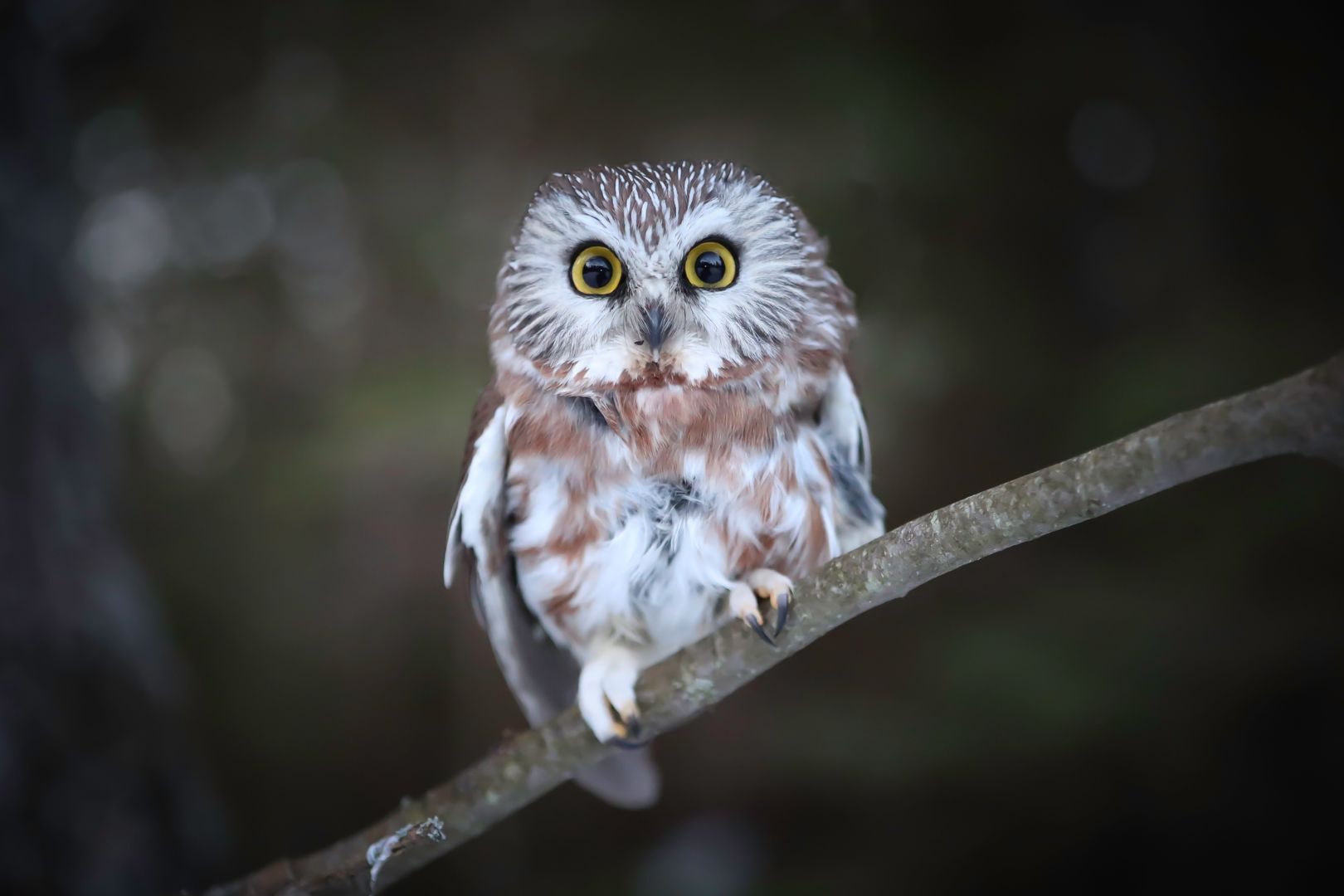
West Virginia has fewer than a dozen active bird clubs, and most of them fly under a single flag. That's not a failure of enthusiasm. It's because of terrain. Two counties can share a border and still be ninety minutes and four ridgelines apart.
The bird watching groups in West Virginia cluster around Wheeling, Morgantown, Charleston, Shepherdstown and a few mountain counties, and nearly all charge either nothing or about ten dollars a year.
Whether you're after Swainson's Warbler in a thicket above the New River or a Hermit Thrush on a Tucker County plateau that has no business being that far south, a group already knows the spot.
Why Join a Bird Watching Group at All
Solo birding has advantages. But a club gives you people who know which ridge is producing this week. In West Virginia that matters more than usual, because the birding here is stacked vertically.
Forty minutes of driving takes you from Carolina Wren country to breeding Canada Warblers. The person who knows where that transition happens learned it on foot.
Clubs are also the front door to community science. The Christmas Bird Count runs December 14 to January 5, costs nothing, and is organized locally by the clubs below. Beginners get paired with an experienced counter, which is the fastest free education in birding.
FYI before you buy
One opinion before you spend money. A decent pair of binoculars for birding runs from about $150 to well past $500, and the worst way to choose is to buy first and bird second.
Borrow. Go on three walks with someone else's glass, work out whether you want 8x42 or 10x42, then spend. Mountaineer Audubon keeps binoculars on hand for anyone who turns up to its free spring walks without a pair, and asking is normal.
Statewide Bird Watching Groups in West Virginia
Brooks Bird Club (BBC) - Statewide, based in Wheeling
The main statewide body and one of the oldest and most respected ornithological organizations in the region. Founded in Wheeling in 1932 by John Handlan and Charles Conrad, the BBC is an independent educational nonprofit rather than an Audubon affiliate, and has published its journal The Redstart since 1933 alongside a quarterly newsletter, the Mail Bag.
Its signature event is the Foray, held every June since 1940. A week of field work on birds, ferns, mosses, trees, geology, fungi, butterflies, herptiles and small mammals, based at a different location each year. The 2026 Foray is in Randolph County at Camp Pioneer.
It's open to club members. Children under 14 attend free with a paying adult, and scholarships covering room and board are available for members 15 and up. The club also runs an Early Spring Gathering and several Christmas Bird Counts.
West Virginia Bird Records Committee (WVBRC)
Maintains the official state bird list and rules on records of rare or new species. Administered through the Brooks Bird Club, chaired by Derek Courtney, with the state ornithologist on the panel. Reports go in on a downloadable form with documentation attached. The list was last revised in May 2025.
National Audubon Society in West Virginia
There's no National Audubon state office for West Virginia, and the state isn't covered by Audubon Mid-Atlantic, which works in Maryland, Pennsylvania and the District of Columbia only.
The state's two Audubon chapters, Mountaineer Audubon and Potomac Valley Audubon Society, affiliate directly with the national organization and run independently of each other.
Christmas Bird Count
Running since 1900, and the easiest way to meet a dozen local birders in one morning. Counts happen between December 14 and January 5 inside fixed 15-mile circles, organized here by individual clubs, and taking part costs nothing. Mountaineer Audubon's Morgantown circle is the model: free registration, newcomers paired with experienced counters.
Bird Watching Groups in the Eastern Panhandle
Potomac Valley Audubon Society (PVAS) - Shepherdstown
Organized in 1982 as a National Audubon chapter, PVAS is the most active bird club in the eastern half of the state and the best resourced in West Virginia. Its own site gives the service area as Jefferson, Berkeley and Morgan counties in West Virginia, plus Washington County, Maryland. That makes it a cross-border chapter.
PVAS owns four nature preserves totalling roughly 600 acres: Cool Spring, Yankauer, Eidolon and Stauffer's Marsh. Guided bird walks run at the preserves and other local hotspots, and the club states that birders of all skill levels are invited.
It also runs a Birdathon, banding demonstrations, a long-standing Birding 101 course, and Master Naturalist training. Check the calendar first, since walk locations rotate.
Bird Watching Groups in the Potomac Highlands
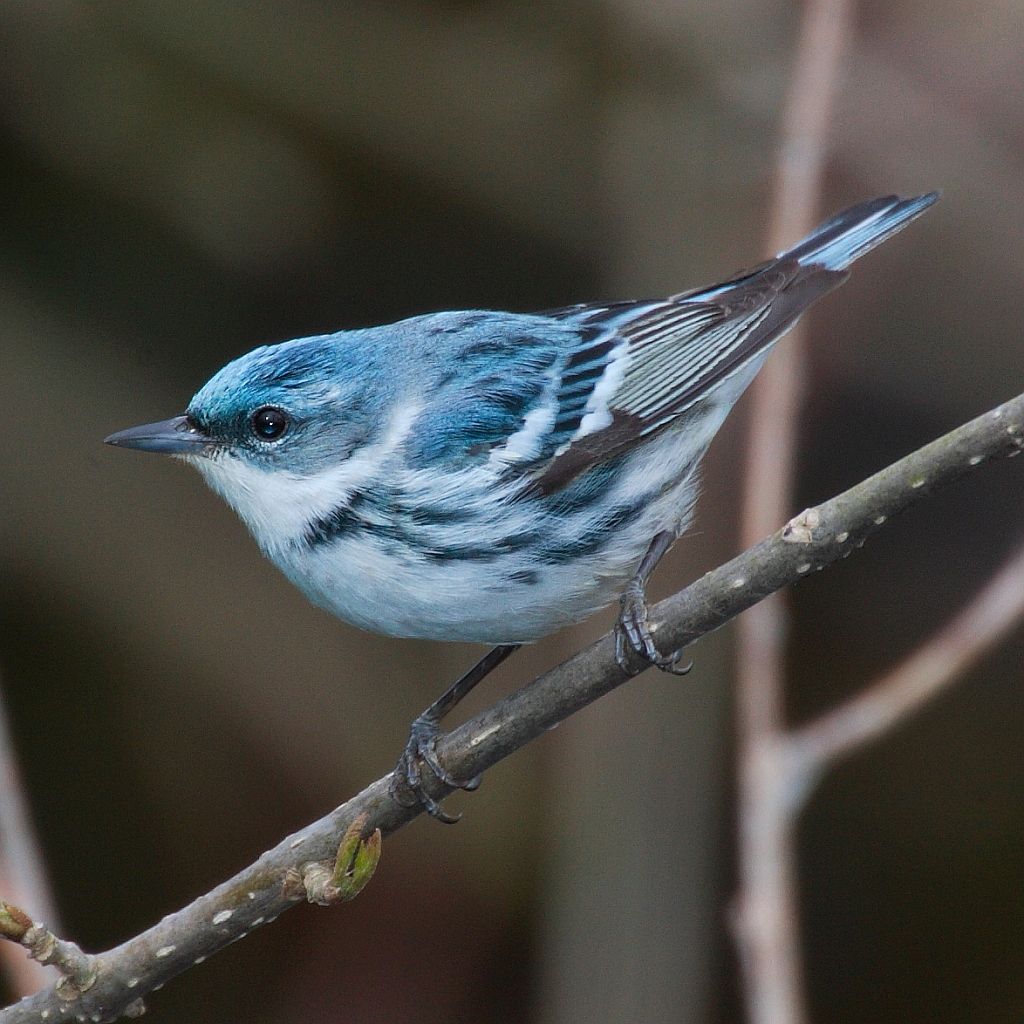
The high country has the state's best birds and almost none of its clubs, which is exactly as frustrating as it sounds. One affiliate covers it on the ground. The banding station on the Allegheny Front carries the rest.
Pocahontas Nature Club - Pocahontas County
Founded in 2008 as a Brooks Bird Club affiliate, covering Marlinton, Cass, Snowshoe and the surrounding high country. Field trips, identification help, and Christmas Bird Count participation.
The club has no separate website and runs day to day through a Facebook group, so the Brooks page above is the reliable entry point. The most recent event listed there dates to 2024, so make contact before you plan around its schedule.
Bird Watching Groups in North Central West Virginia and Morgantown
Mountaineer Audubon - Morgantown
A National Audubon chapter founded in the early 1970s, covering Harrison, Marion, Monongalia, Preston, and Taylor counties plus southern Greene and Fayette counties in Pennsylvania. It runs bird hikes, talks, workshops, and young birder scholarships.
Its two most visible programs are the spring bird walks at the WVU Core Arboretum, free, no registration, late April into early May, with loaner binoculars for first-timers, and the Morgantown Christmas Bird Count, a circle centered on the airport with free registration.
It also co-hosts the Morgantown Birding Cup each May with the Avian Conservation Center of Appalachia. That's a free 24-hour species count, with an at-home category for anyone who'd rather not spend a day in the car.
Bird Watching Groups in the Kanawha Valley and Charleston
Handlan Chapter of the Brooks Bird Club - Charleston
Established on February 29, 1944, and by its own description Charleston's oldest and only organized group dedicated to the study and enjoyment of wild birds.
Meetings are normally the second Monday of the month at 6:30 p.m., doors at 6:15, at the South Charleston Library, 312 4th Avenue. Anyone interested in birds is welcome, and the chapter runs field outings as well as indoor programs.
Bird Watching Groups in the Northern Panhandle and the Ohio Valley
Headquarters Chapter of the Brooks Bird Club - Wheeling / Ohio County
The Wheeling chapter, meeting at the Schrader Environmental Education Center in Oglebay Park. All activities are open to anyone interested in nature, and local dues are $10 a year, most of which buys bird seed for the Schrader Center feeders.
Recent outings include the Enlow Fork Ecology Extravaganza and the Ralph K. Bell Memorial Walk. The club began in Wheeling but keeps no headquarters there now, so this chapter works as a regional group covering the tri-state corner.
Mountwood Bird Club - Parkersburg / Wood County
A Brooks Bird Club affiliate covering the Parkersburg, Vienna and Marietta area. Outings run most Thursdays, with occasional out-of-town trips and evening programs. The club organizes the Parkersburg Christmas Bird Count and the Spring Migration Count, and membership is open to anyone who enjoys birding.
Bird Watching Groups in Southern West Virginia
Bibbee Nature Club - Summers County and the Pipestem area
A Brooks Bird Club affiliate covering the southeastern corner, with lectures, films, and a heavy emphasis on field trips. Meeting places rotate rather than sitting in one hall, so members gather at Grandview, at state parks and around Hinton, mostly at weekends.
The club holds an annual Wild Food Dinner and runs the Pipestem Christmas Bird Count. Visitors are welcome, but the most recent event on the Brooks page dates to 2023, so email before you drive.
New River Birding and Nature Festival - Fayette County
Not a club, but the largest birding gathering in the state and the reason many people first arrive here with binoculars. Running since 2002 at Opossum Creek Retreat near the New River Gorge, with expert-led daily field trips, evening programs and meals included.
Festival weeks routinely record upward of 140 species, all skill levels are welcome, and proceeds fund environmental education. The 2027 event runs April 26 to May 1 and marks 25 consecutive years. Registration opens the preceding October and fills.
Other Ornithology and Research Groups in West Virginia
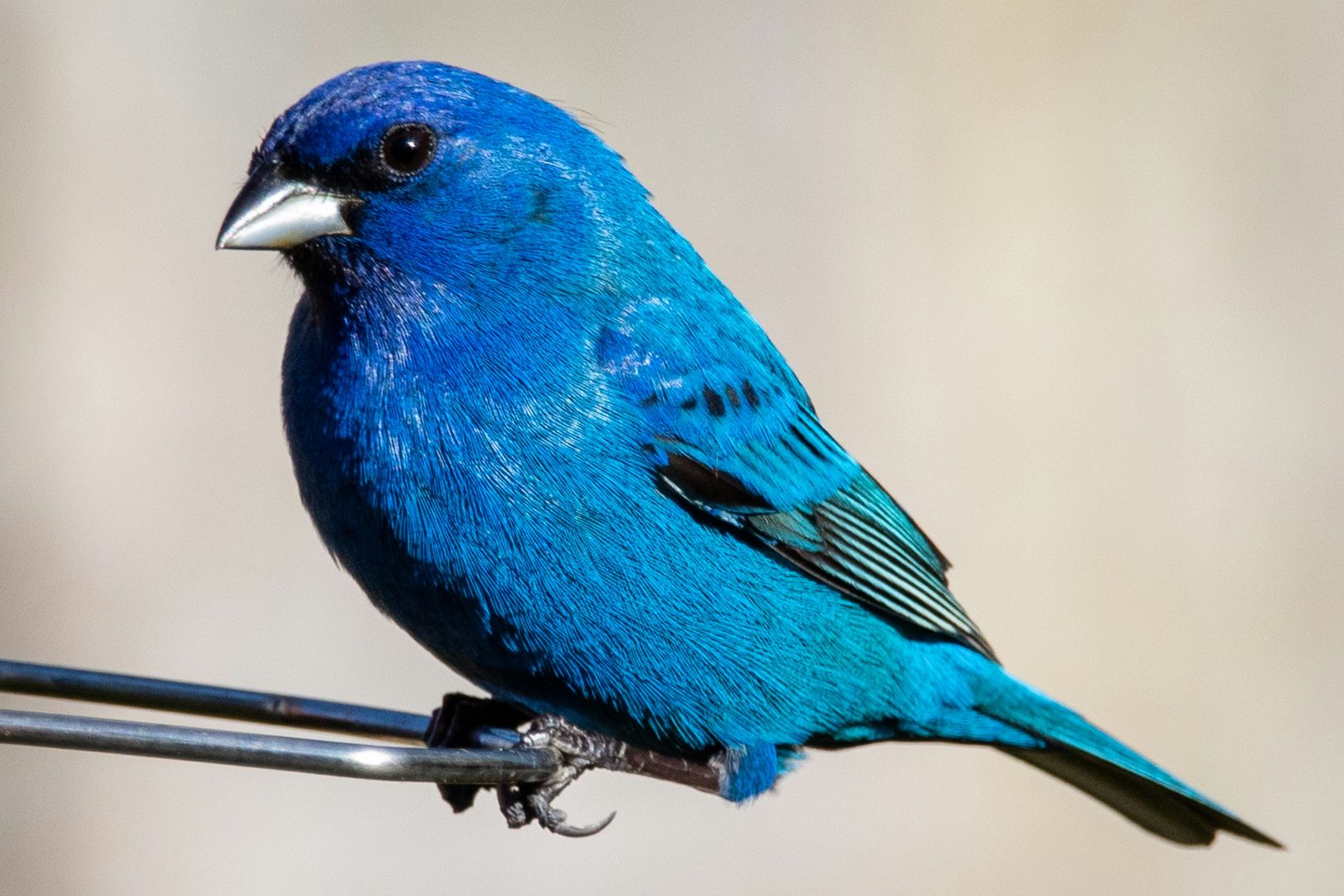
Allegheny Front Migration Observatory (AFMO) - Grant County, near Red Creek Campground
A songbird banding station on the Allegheny Front at about 4,000 feet, ten miles southeast of Davis, operated by the Brooks Bird Club. It's been catching the fall migration funnel since Ralph Bell and Ralph Horn set up on September 17, 1958, which makes it one of the oldest annually operated banding stations in the country.
The season runs late August to early October. Visitors are welcome, volunteers give talks at the nets, and there's no charge. An older site at afmobanding.com hasn't been updated since 2007, so use the Brooks page for anything current.
Hanging Rock Raptor Observatory - Monroe County
A fall hawk watch in a former fire tower on Peters Mountain, run by volunteers connected to Friends of Monroe. One thing to know before you plan a trip. The tower is closed to visitors after the Forest Service found rotten floor joists, and it needs a full rebuild. Check the site for status before you drive out.
Avian Conservation Center of Appalachia (ACCA) - Morgantown
A wild bird hospital and research organization in one, licensed by the U.S. Fish and Wildlife Service, with a research program focused on American Kestrels. It also runs an outdoor classroom, school programs, and the Morgantown Birding Cup.
ACCA is also home to the West Virginia Young Birders Club, an informal group for under-eighteens where turning up to a walk makes you a member. Its own site is sparse and long unrefreshed, so ask ACCA for current events.
West Virginia DNR bird watching areas
The state agency's list of birding locations by region, close to fifty sites with directions, from Odey Bog to the East River Mountain Hawk Watch Area. The DNR also publishes a Birds of West Virginia checklist brochure and puts the state's breeding total above 170 species.
Where to Go Birding in West Virginia
Joining a club is the fastest route to local knowledge, but these seven sites carry the state. Access terms matter more here than in most places, because several of the best spots sit at the end of roads nobody plows.
- Dolly Sods Wilderness (Grant, Randolph and Tucker Counties) — 17,371 acres of bog and heath at 2,500 to 4,700 feet, an ecosystem far more typical of southern Canada than the mid-Atlantic, with 47 miles of trail. No fee and no permit, but read the access terms. Forest Roads 19 and 75 are unpaved, rough, and closed from early January until April each year, and the plateau is often snowbound past the reopening date. Groups are capped at ten. The area was used for artillery and mortar training in World War II and unexploded ordnance is still present, hence the signage: do not disturb a suspicious object, mark it and tell the Forest Service.
- Canaan Valley National Wildlife Refuge and Canaan Valley Resort State Park (Tucker County) — The refuge protects roughly 5,225 acres of the largest high-elevation wetland complex in West Virginia, and was the nation's 500th refuge when established in 1994. Lands and trails are open daily sunrise to sunset, the visitor center at 6263 Appalachian Highway in Davis opens Wednesday to Saturday 10 a.m. to 4 p.m., and there is no entrance fee. Look for Bobolinks in late spring from the Freeland Boardwalk and Beall trails. Hunting is permitted, so check the seasons before an autumn walk. The neighboring state park is free to enter, open 6 a.m. to 10 p.m., and listed by the DNR as one of the state's better birding areas.
- Cranberry Glades Botanical Area and the Highland Scenic Highway (Pocahontas County) — 750 acres protecting the largest bog complex in West Virginia, with a half-mile wheelchair-accessible boardwalk over two of the four glades, reached by Forest Road 102 a mile north of Route 150. No fee. The Highland Scenic Highway runs 43 miles past four overlooks above 4,500 feet, but its Forest Route 150 section is not maintained in winter and driving it then is strongly discouraged. The Cranberry Mountain Nature Center opens daily May through October, weekends only in April and November, and closes December through March.
- New River Gorge National Park and Preserve (Fayette, Raleigh and Summers Counties) — Designated January 20, 2021, making it the newest national park in the country, and there is no entrance fee at all. More than 180 bird species recorded, including 35 wood warblers with at least 26 breeding. The 2.4-mile Endless Wall loop runs through rhododendron thickets holding Swainson's Warbler, one of the harder eastern warblers to catch up with anywhere.
- Allegheny Front Migration Observatory (Grant County) — The Brooks Bird Club's banding station near Red Creek Campground on the Dolly Sods plateau, running late August to early October since 1958. Visitors are welcome at the nets in season and there is no charge, but the same road caveats apply as for the wilderness. A September visit sidesteps the closure window entirely.
- Blackwater Falls State Park (Tucker County) — Free to enter like every West Virginia state park, open 6 a.m. to 10 p.m., with hemlock and red spruce forest that puts northern breeding species within reach of a paved parking lot. Base for the West Virginia Wildflower Pilgrimage, whose 64th edition runs May 7 to 10, 2026 with Brooks Bird Club trip leaders and a beginners' birding track. Camping runs April 28 to October 31.
- Ohio River Islands National Wildlife Refuge (Wood County and 362 river miles) — Twenty-four islands and four mainland tracts along the upper Ohio River across West Virginia, Pennsylvania, and Kentucky. Most units are boat access only with no trails or facilities, so plan around the two that are not: Middle Island near St. Marys has bridge access, 3.5 miles of trail, and a 1.5-mile auto tour, and the Buckley tract holds the visitor center at 3982 Waverly Road, Williamstown, open Monday to Saturday 8 a.m. to 4:30 p.m. No entrance fee, and lands open an hour before sunrise and close an hour after sunset.
If you'd rather start from your own porch while you wait for spring, our guide to hummingbird plants for West Virginia covers what actually works at elevation.
West Virginia Bird Books and Field Guides
A state guide plus one specialist volume will take you further here than a stack of general references, because West Virginia's identification problems are warbler problems.
Birds of West Virginia Field Guide
Stan Tekiela's state guide, organized by color, which is the right approach for a first book. West Virginia species only, so you never flip past something that lives in Arizona.

Birds of West Virginia Field Guide (Bird Identification Guides)
Adventure Publications
Birding Guide to West Virginia
The Brooks Bird Club's own site guide, a county-by-county account of where to go and what's there. The club has sold out of the second edition and lists it as out of print, so copies are secondhand. Worth the hunt if you plan to bird the state seriously.

The Sibley Field Guide to Birds of Eastern North America
The most authoritative portable guide to eastern birds, and the one most West Virginia trip leaders keep in a pocket.

The Sibley Field Guide to Birds of Eastern North America: Second Edition (Sibley Guides)
Knopf
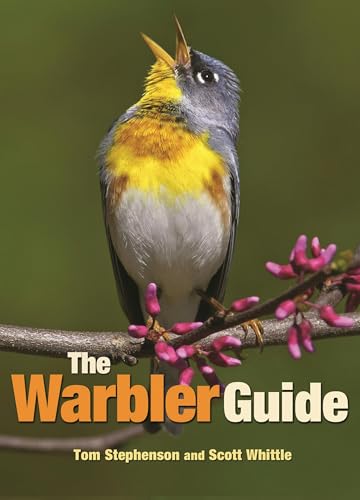
The Warbler Guide
Stephenson and Whittle's specialist guide, 56 species with sonograms and comparison plates. In a state where the New River Gorge alone holds 35 warbler species, it earns its space faster than almost anywhere else.
West Virginia Bird Rescue and Rehabilitation
Always call first. Capacity and hours shift constantly, and some centers take only raptors while others take none.
Understand one thing first. West Virginia publishes no statewide directory of licensed wildlife rehabilitators, because until recently there was nothing to license. The state had no rehabilitation permit system, and the only legal exceptions were federally licensed avian centers.
That changed when House Bill 2836 was signed on April 29, 2025 and took effect that July, authorizing the Division of Natural Resources to issue rehabilitation permits for the first time. The rules are still being written, so there's no official list yet. The closest thing is the short regional list on the WV DNR birds page, expanded below.
Avian Conservation Center of Appalachia - Morgantown / Northern West Virginia
A federally licensed wild bird hospital at 286 Fairchance Road taking raptors, eagles, songbirds, waterbirds, and waterfowl. Birds only, and the primary intake point for the northern half of the state.
Three Rivers Avian Center - Hinton / Summers County
Non-game and endangered wild birds only, more than 100 native species from hummingbirds up to eagles, at 2583 Brooks Mountain Road near Hinton. Call 304-466-4683 first. Visits are by appointment, and the center opened part of its 100-acre preserve to public tours in 2026.
West Virginia Raptor Rehabilitation Center - Central West Virginia
Listed by the WV DNR for central West Virginia at 304-366-2867. The organization has been moving operations from Fairmont toward Jenningston, near the Tucker and Randolph county line. We couldn't load a working website for it, so treat the phone number as the contact and confirm the location.
Potomac Valley Audubon Society wildlife hotlines - Eastern Panhandle
PVAS keeps a wildlife rescue coordinator who gives phone advice and arranges transport, and publishes a current list of centers taking birds from the Eastern Panhandle, several of them just over the Maryland and Virginia lines.
Frequently Asked Questions
Do West Virginia state parks charge admission?
No. West Virginia State Parks are free to enter across the whole system, which the parks advertise as a selling point. That includes Blackwater Falls and Canaan Valley Resort, two of the best birding parks in the state. Camping and cabins cost extra.
When is the best time to visit Dolly Sods for birding?
Late May through July for breeding species, and September for migration, when the Allegheny Front Migration Observatory is banding nearby. Avoid January through April. Forest Roads 19 and 75 close every winter, and the plateau often stays snowbound past the reopening.
Where can you find boreal or northern breeding birds in West Virginia?
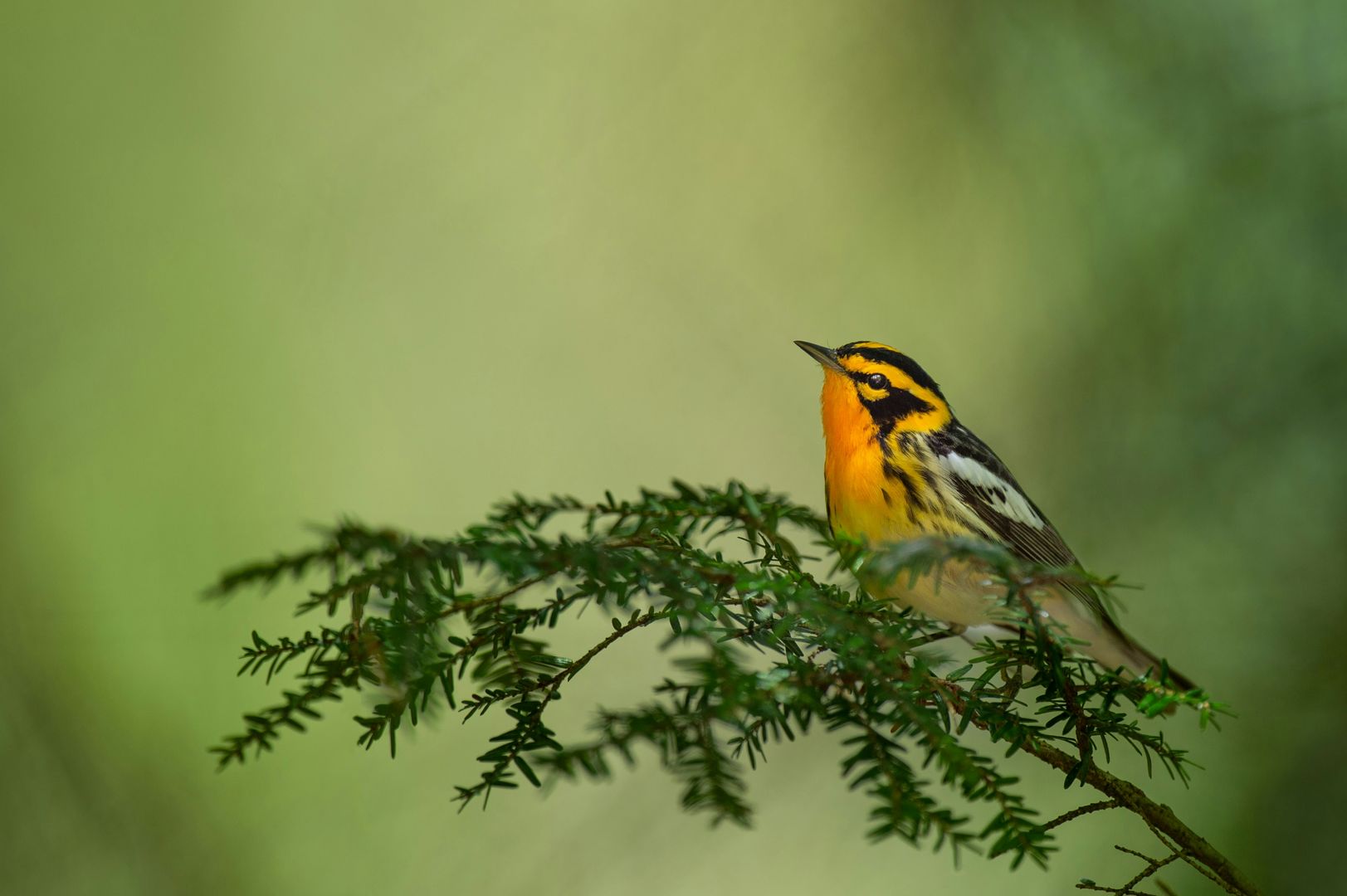
In the high Alleghenies, mostly above 3,000 feet in the Monongahela National Forest and around Canaan Valley. Audubon lists Hermit Thrush, Magnolia Warbler, Blackburnian Warbler, Canada Warbler, Mourning Warbler, Veery, Dark-eyed Junco, Red Crossbill and Northern Saw-whet Owl among the northern species breeding there. Cranberry Glades, Dolly Sods and Gaudineer Knob are reliable.
Got a West Virginia birding group to recommend?
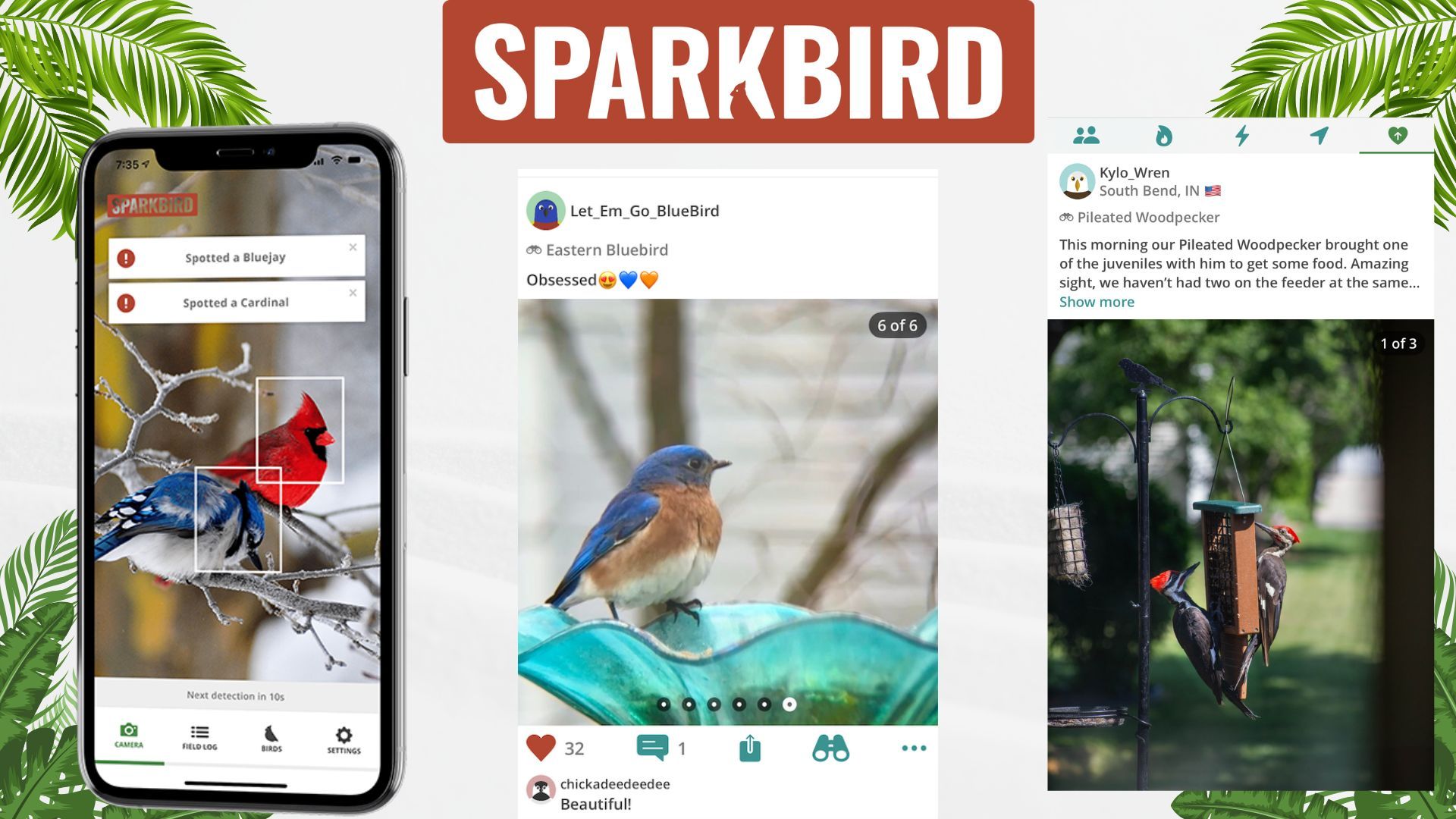
If your county has no club, starting one is less work than it sounds, and there's a statewide organization already built to absorb it. Tell us about yours in the comments or through the Sparkbird App.
- Related: How to Use the Sparkbird App

No comments yet.