
BirdCast is a weather forecast for birds, which means that for the first time in history you can check the forecast, see "90% chance of warblers," and still get rained out at the park.
It's also the single most useful free tool for figuring out when to set your alarm during migration season, and it only takes about five minutes to learn.
What Is BirdCast?
BirdCast turns the US weather radar network into a bird migration forecast. It went live in 2018 as a partnership between the Cornell Lab, Colorado State University, and UMass Amherst, and its forecasts combine wind, pressure, temperature, and decades of radar data to predict how many birds will be in the air.
That matters because at least 80% of migratory bird species in the US migrate at night, and on the biggest nights more than one billion birds can be aloft at once. You'd never know it from the ground. (For why they fly in the dark and where they rest during the day, see our post on [where birds go at night during migration](PENDING — cluster post not yet published).)
BirdCast has four main tools, all on its Migration Tools menu:
- Migration Forecast Maps: predictions for the next three nights
- Live Migration Maps: what's actually flying right now
- Your Local Dashboard: county-by-county numbers for any night
- Local Migration Alerts: emails when your city is in for a big night
Live data runs during the two migration seasons, March 1 to June 15 and August 1 to November 15. Historical data is there year-round, and coverage is limited to the contiguous US.
How Bird Radar Migration Tracking Works
Here's the part that sounds made up but isn't. The WSR-88D radar network, more than 140 weather radars across the US, picks up anything in the atmosphere that scatters its microwave pulses. Raindrops do. So do birds.
Radar ornithology got its start in World War II, when operators kept seeing mysterious blips that weren't planes or storms. They were birds. The original radar love, with apologies to Golden Earring.
Today, BirdCast separates birds from everything else in a few ways:
- Rain: A 2012 to 2014 upgrade called dual polarization sends pulses at two angles instead of one, which helps tell biological targets from weather.
- Insects: Bugs mostly drift with the wind. Birds fly faster and can fly into it.
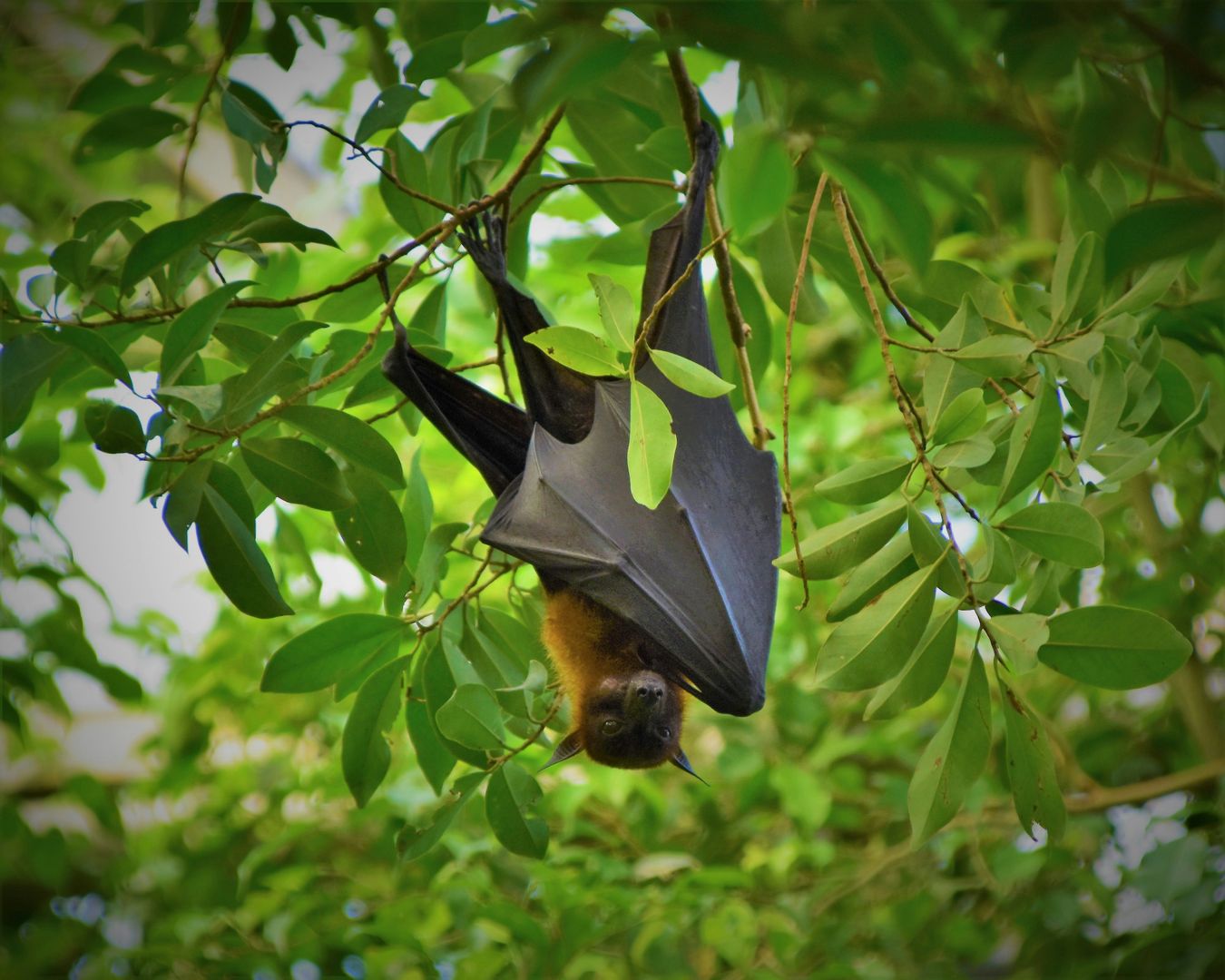
- Bats: Timing helps here. Birds start migrating 30 to 45 minutes after local sunset in spring and fall.
From all that, BirdCast calculates how many birds are flying, plus their direction, speed, and altitude. What it can't do is tell you which species they are. Radar sees a cloud of birds, not a Cape May Warbler.
How to Read the Migration Forecast Maps
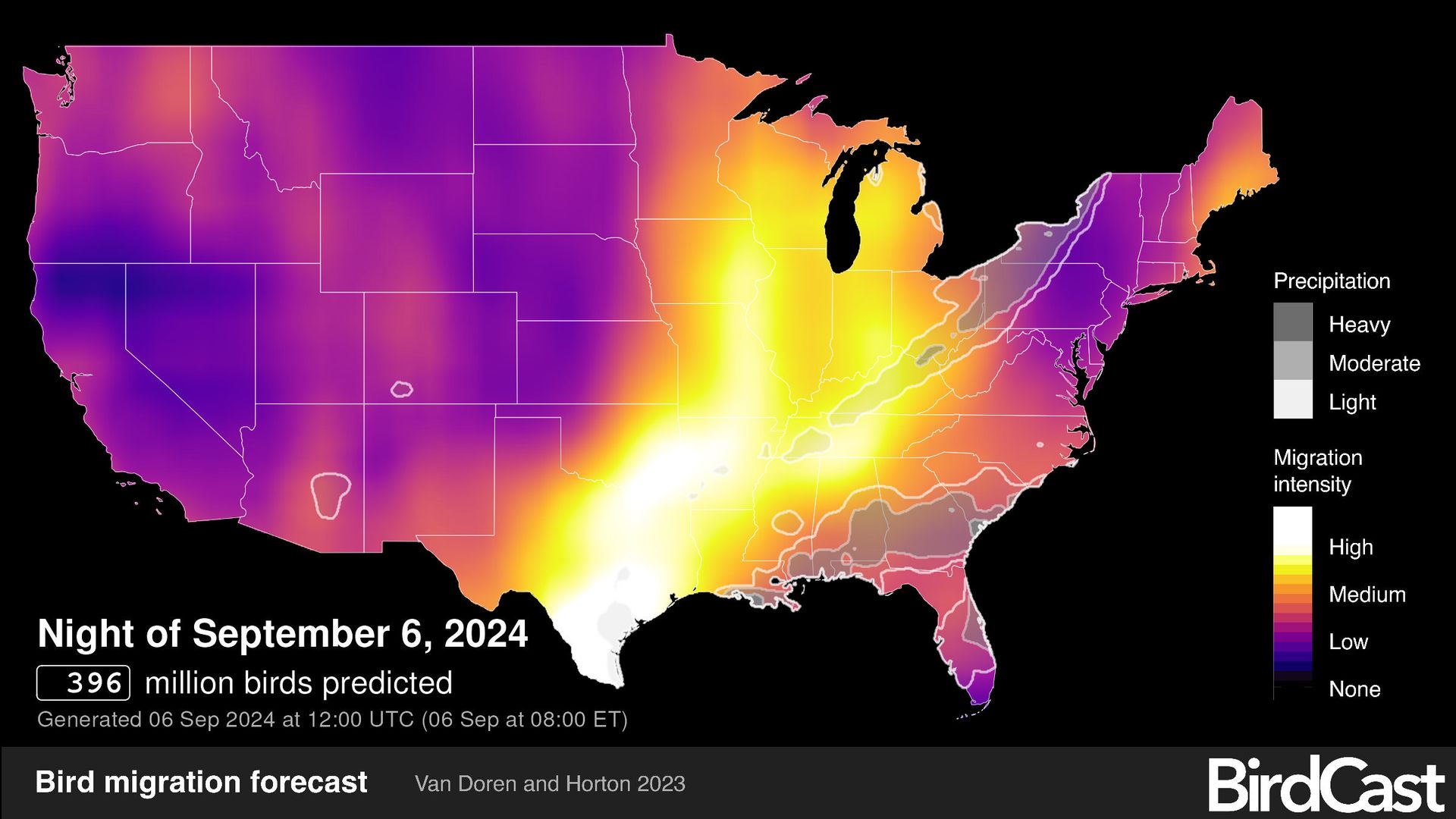
The migration forecast maps are your bird migration forecast for the next three nights, and they're the first thing to check each afternoon.
- Open the map and pick a night. Thumbnail maps under the main map let you flip between the next three nights.
- Look at the colors. Warmer colors mean more intense migration. On the brightest nights, the map runs to yellow and white, which is the bird equivalent of a traffic jam on I-95.
- Check for rain. Expected precipitation is outlined in grayscale. Rain fronts can force birds down, which can mean lots of tired migrants landing all at once.
- Remember what you're looking at. The forecast shows birds in active flight about three hours after sunset, not birds sitting in your yard.
Forecasts update every 6 hours and are built from weather models plus 23 years of radar data on bird movements. Some regions, like the Gulf Coast and the Mississippi Flyway, light up reliably during peak nights, while places like the Rockies rarely hit yellow even when plenty of birds are moving (mountaintop radars there have blind spots).
How to Read the Live Bird Migration Map
The live migration maps show what radar is actually detecting from sunset to sunrise, as opposed to what was predicted. Think of it as checking the scoreboard instead of the pregame spread.
- Brighter colors mean more birds passing per kilometer per hour.
- Orange arrows show which direction birds are heading. In fall, that's mostly south.
- A red line marks sunset moving east to west, and a yellow line marks sunrise.
- Green dots are radar stations with data, and red dots are stations without it.
According to the Cornell Lab's own guide to BirdCast's maps and dashboard, the live map updates every 10 minutes through the night. Watching the whole country light up at dusk is genuinely mesmerizing, and I'd recommend doing it at least once with a cup of tea and no plans.
How to Use the Migration Dashboard
The Migration Dashboard is where BirdCast gets personal. Type in your county or state, pick a date, and you'll get:
- Birds Crossed This Night: the estimated total that flew over your area since sunset
- Peak Migration Traffic: how many birds were aloft at the busiest moment, with their average direction, speed, and altitude
- A red "High" label when tonight's numbers are high compared with historical data
- Charts comparing tonight's pattern (green) with past years (gray), plus flight altitude, which usually falls between 100 and 10,000 feet
- Expected Nocturnal Migrants: a weekly list, pulled from eBird, of the night-flying species most likely to be arriving or leaving your area
The dashboard runs live from sunset to sunrise during migration season and shows historical data the rest of the year. The Cornell Lab notes that it pulls from 143 radar stations, processing about 100 gigabytes of data every night, and that more than 2 million birds have passed over a single Tennessee county in one night.
One caution: the species list skips many common daytime migrants, so don't expect hawks or swallows to show up there.
How to Set Up Local Migration Alerts
If you'd rather not check a map every afternoon (no judgment, I also have a job), local migration alerts will email you when a big night is coming.
- Go to Local Migration Alerts and choose Subscribe by Email.
- Pick the city nearest you. Alerts cover 216 US cities.
- Enter your email and confirm.
You'll get an email on days when the forecast for your city is high, meaning predicted density is in the top 10% of nights for the season. BirdCast suggests subscribing to just one city, since neighboring cities tend to send duplicate alerts for the same big event.
BirdCast and Lights Out

Big migration nights are also dangerous nights. Building collisions kill more than a billion birds a year in the US, and bright lights pull night migrants off course. That's why BirdCast's alerts double as a cue for Audubon's Lights Out programs.
BirdCast's FAQ recommends turning off nonessential lights for the full fall season, August 15 to November 30. If that's too much, at least kill the porch light and dim the house on high-alert nights. Then check around your windows the next morning.
How to Predict a Big Migration Night, Step by Step
Here's how I'd string it all together during peak fall season, which in the contiguous US runs from about mid-September to mid-October. (For the bigger picture on timing, see [when birds migrate](PENDING — cluster post not yet published) and our guide to fall bird migration, explained.)
- Afternoon: Check the forecast map. Warm colors over your region are a good sign.
- Check the weather, too. In fall, the biggest flights tend to follow cold fronts with north winds. A front plus a bright forecast is the jackpot.
- Evening: Step outside after dark and listen. Migrants call as they fly, and some of those strange bird calls at night are thrushes and warblers heading south. Audubon's tips on getting the most out of BirdCast also suggest watching for birds crossing the moon.
- Morning: Open your county's dashboard. If numbers were high and altitudes dropped toward dawn, birds probably came down nearby.
- Go. Head to the closest patch of trees, water, or scrubby edge. Migrants that landed overnight will be hungry and busy.
What BirdCast Can't Tell You
BirdCast is brilliant at what it does, and it's honest about the limits. It can't identify species, it can't see birds once they've landed, and its dashboard is labeled experimental.
It covers night migration only, so daytime travelers like hawks and swallows aren't part of the picture. Coverage is also patchy in mountains and stops at the borders of the contiguous US.
Log the Morning After
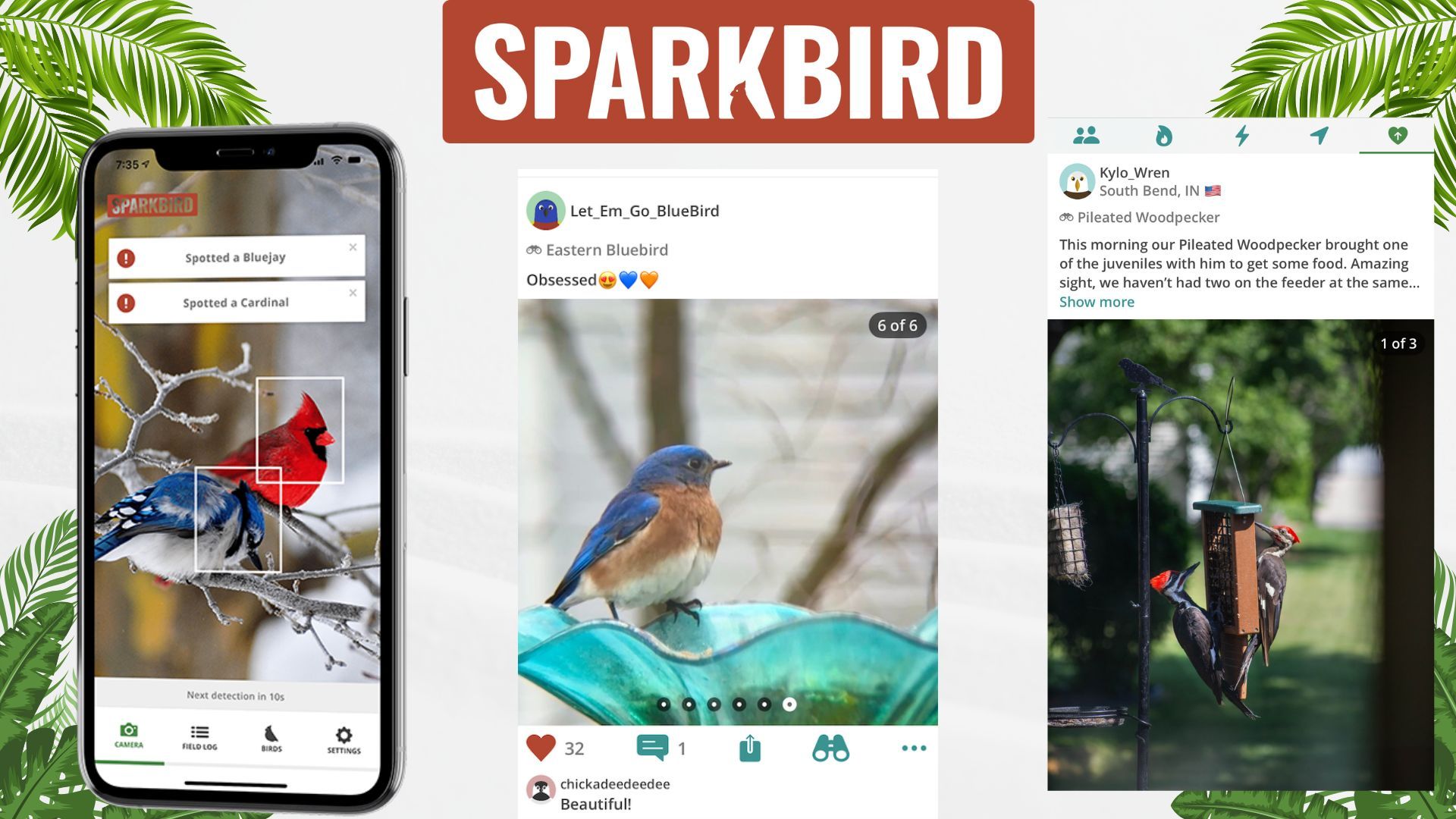
Once you've had a big morning, write it down. That's the whole reason Sparkbird exists. Back in 2018, our founder Will was a computer science student at the University of Minnesota who wanted to identify and keep a journal of the birds visiting his backyard feeder. That small project became a community, because it turned out the best part of seeing a bird is telling someone about it.
BirdCast, eBird, and ID apps are fantastic at what they do. They'll tell you how many birds flew over and what that little yellow one probably was. What they won't do is introduce you to the person standing ten feet away who just saw the same warbler.
That's the gap we built Sparkbird to fill, and you can see how to use the Sparkbird app to post your sightings, build your Life List, and ask the community for an ID when the radar can't help.
Frequently Asked Questions
Is BirdCast free?
Yes. The forecast maps, live maps, dashboard, and email alerts are free to use at birdcast.org.
When does BirdCast show live migration data?
Live data runs from March 1 to June 15 in spring and August 1 to November 15 in fall, from local sunset to sunrise. You can look up historical nights any time of year.
Can BirdCast tell which bird species are migrating?
No. Radar can count birds and measure their speed, direction, and altitude, but it can't identify species. The dashboard's Expected Nocturnal Migrants list uses eBird data to show which night-flying species are likely moving through your area that week.
Does BirdCast work in Canada, Alaska, or Hawaii?
Not yet. Coverage is limited to the contiguous US. The team is studying whether to add Canadian radar data, and Mexican radar data isn't freely available in a usable form.
What does a "high" migration alert mean?
It means predicted migration in your city falls in the top 10% of nights for the season. It's a good night to turn off your lights and a good morning to go birding.

No comments yet.